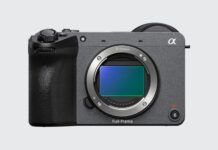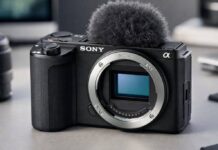


Sony’s full-frame Alpha range is easier to understand when you treat each line as a different tool. The A7 is the balanced hybrid, A7R prioritizes resolution, A7S is built around video and low light, A7C puts full frame into a smaller body, A9 is the speed specialist, and A1 combines high resolution with professional speed.
This Sony Alpha camera comparison covers the current full-frame E-mount lineup, plus older models that still make sense used. If you want a smaller APS-C body, jump to our separate Sony A6000 series guide. That keeps the two buying decisions clear.
Sony Alpha camera comparison: quick recommendations
| What you need | Best fit | Why |
|---|---|---|
| Best all-round hybrid | Sony A7 V | 33MP, 30 fps and strong stills-video balance |
| Better-value hybrid | Sony A7 IV | Still highly capable if the discount is meaningful |
| Affordable used full frame | Sony A7 III | Good 24MP files, strong battery life and a huge used market |
| Maximum detail | Sony A7R VI | 66.8MP stacked sensor without the older R-series speed penalty |
| Compact all-rounder | Sony A7C II | A7 IV-style image quality in a smaller rangefinder body |
| Compact high resolution | Sony A7CR | 61MP files in a travel-friendly body |
| Video and low light | Sony A7S III | 4K/120p, low read noise and manageable files |
| Fastest action | Sony A9 III | Global shutter and 120 fps remove familiar action-camera limits |
| Flagship without specialization | Sony A1 II | 50MP, 30 fps and 8K in one professional body |
There is no single winner for every photographer. The A7 V is the safest starting point for a buyer who shoots a bit of everything. The A7R VI is a different answer for commercial detail, while the A9 III earns its place through speed rather than general value. Start with the job, then choose the line.
Current Sony Alpha lineup comparison chart
| Camera | Sensor | Top burst | Headline video | Main compromise |
|---|---|---|---|---|
| A7 III | 24.2MP BSI | 10 fps | 4K/30p | Old menus, screen and video tools |
| A7 IV | 33MP BSI | 10 fps | 4K/60p with crop | Slow sensor readout for fast motion |
| A7 V | 33MP partially stacked | 30 fps | Full-frame 4K/60p, APS-C 4K/120p | Costs much more than discounted A7 IV bodies |
| A7R V | 61MP BSI | 10 fps | 8K/24p | Large files and visible rolling shutter |
| A7R VI | 66.8MP stacked | 30 fps | 8K/30p | Expensive and demanding on storage and lenses |
| A7C II | 33MP BSI | 10 fps | 4K/60p with crop | One card slot and a small viewfinder |
| A7CR | 61MP BSI | 8 fps | 4K/60p with crop | Compact controls and one card slot |
| A7S III | 12.1MP BSI | 10 fps | 4K/120p | Limited resolution for cropping and large prints |
| A9 III | 24.6MP global shutter | 120 fps | 4K/120p | Specialist body with less resolution than A1 II |
| A1 II | 50.1MP stacked | 30 fps | 8K/30p, 4K/120p | Flagship cost |
Burst rates are maximum manufacturer figures and may require a particular file type, shutter mode, lens or card. They are useful for seeing where each line sits, but buffer depth and autofocus consistency matter more than the largest number on the box.
Sony camera names explained
Alpha, written as the Greek letter α, is Sony’s interchangeable-lens camera brand. Current mirrorless Alpha bodies use the E mount. Sony’s older A-mount DSLR and SLT cameras also carried the Alpha name, but they belong to a discontinued lens system and are not part of this current lineup.
- A7: the general-purpose full-frame line for stills and video.
- A7R: the resolution line for landscape, studio, architecture and detailed commercial work.
- A7S: the video and high-sensitivity line. Resolution is deliberately modest.
- A7C: compact full-frame bodies. The A7CR adds the high-resolution R concept.
- A9: a professional action and sports line built around speed and blackout-free viewing.
- A1: the flagship line, combining A7R-like detail with A9-like speed and advanced video.
The generation number matters within a line. An A7R V is newer than an A7R IV, but it is not automatically better for a buyer than an A7 V. The letters define the job; the number tells you the generation.
Sony A7 III vs A7 IV vs A7 V
Sony A7 III: the used-value option
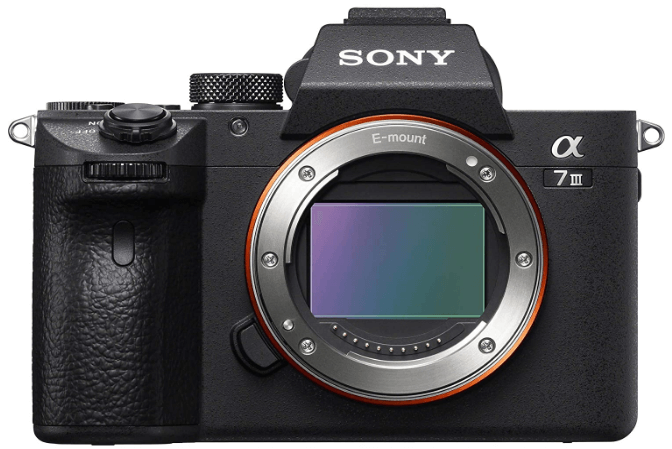
The A7 III remains attractive because its basic photography package aged well. It has dependable eye autofocus, 10 fps shooting, in-body stabilization, dual card slots and excellent battery life. For portraits, travel and everyday stills, its 24.2MP files are still enough.
Its age shows in the menu system, low-resolution rear screen, limited touch controls and 8-bit video. Check shutter count, sensor condition, card slots and ports when buying used. It is a value choice, not the best current Sony experience.
Sony A7 IV: the discounted sweet spot
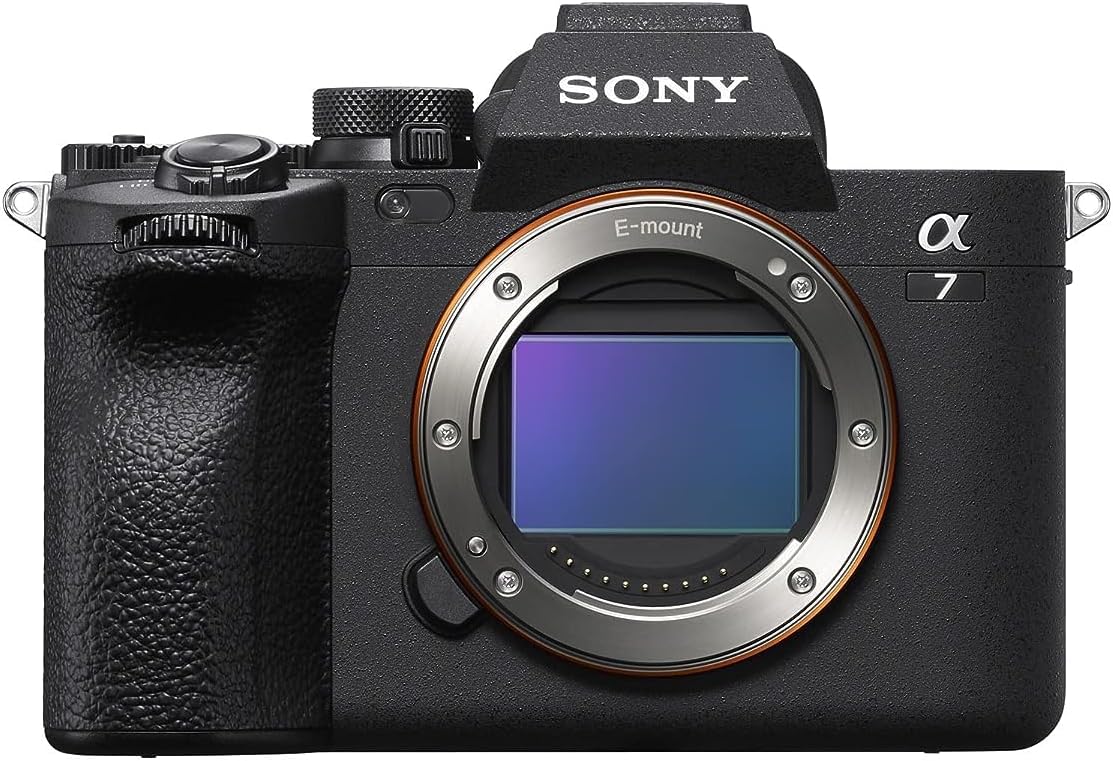
The A7 IV moved the base line to 33MP, improved subject detection and added 10-bit video. It is a better hybrid than the A7 III and still produces excellent files. The catch is speed: its 10 fps burst is ordinary now, and the sensor can skew fast movement during electronic-shutter shooting or quick video pans.
Buy it when the saving over the A7 V can fund a useful lens. Our A7 III vs A7 IV comparison covers the older upgrade decision in more detail.
Sony A7 V: the current all-rounder

The A7 V keeps 33MP resolution but uses a partially stacked sensor and much faster readout. Its 30 fps maximum burst, pre-capture, improved stabilization and full-width 4K/60p make it the strongest base A7 body for mixed work. Wedding, event, family and travel shooters get a useful speed increase without moving to an A9 or A1.
It is not a bargain replacement for every A7 IV. A photographer who rarely shoots action may see more benefit from better glass. For a new system buyer who wants one body to last, however, the A7 V is the most complete default.
Sony A7R, A7C and A7CR: resolution or compactness
Sony A7R VI: high resolution without the old speed tradeoff
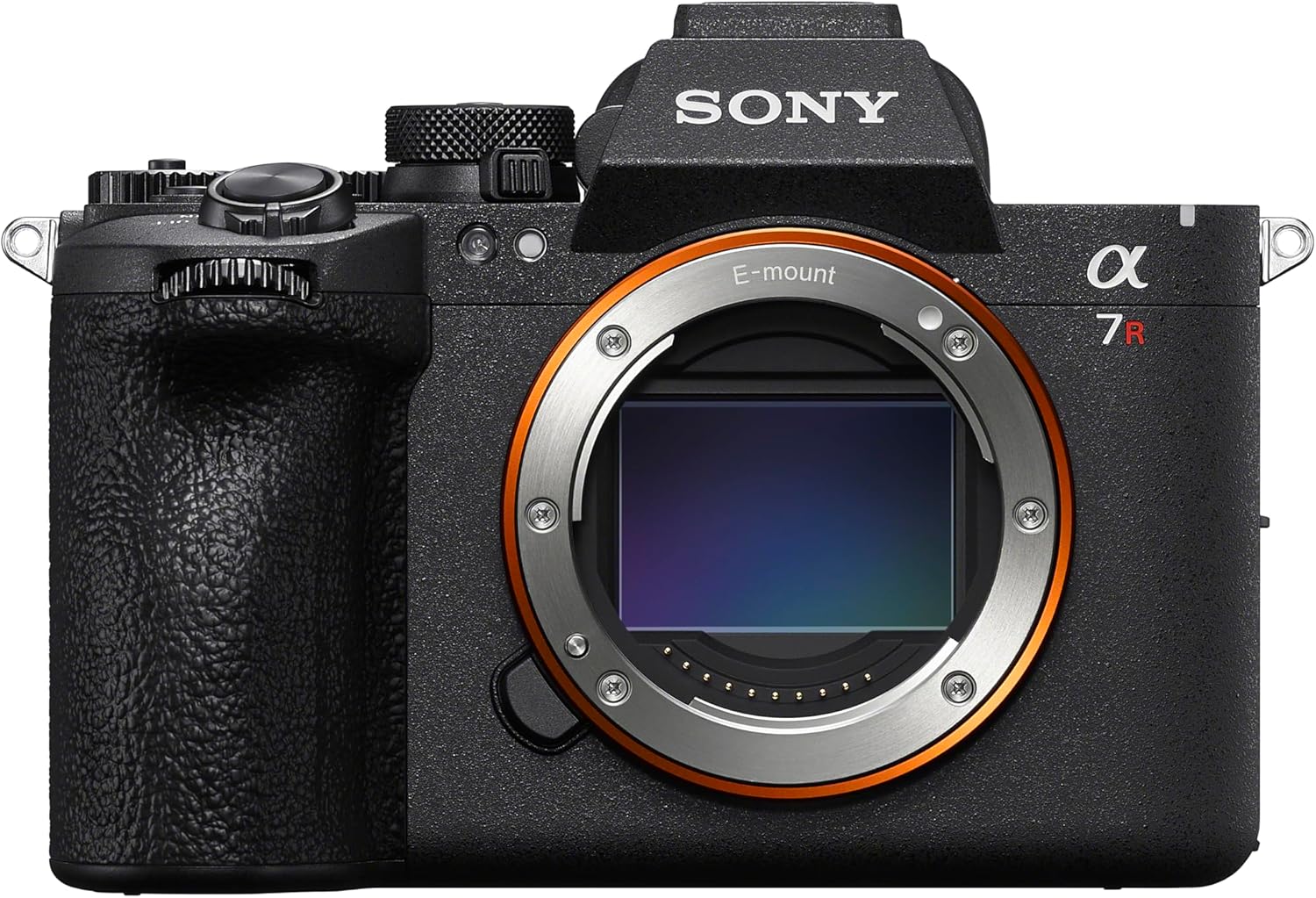
The A7R VI is the current detail specialist. Its 66.8MP stacked sensor combines more resolution with 30 fps shooting, bringing the R line much closer to flagship speed. It suits commercial, fashion, landscape and wildlife photographers who genuinely use the extra pixels.
Those files expose weak technique and mediocre lenses, consume storage quickly and slow down editing. If 61MP and 10 fps already cover your work, the A7R V can be the more rational buy. The older A7R IV remains a used option, but its autofocus, screen and handling belong to an earlier generation.
Sony A7C II: compact and balanced
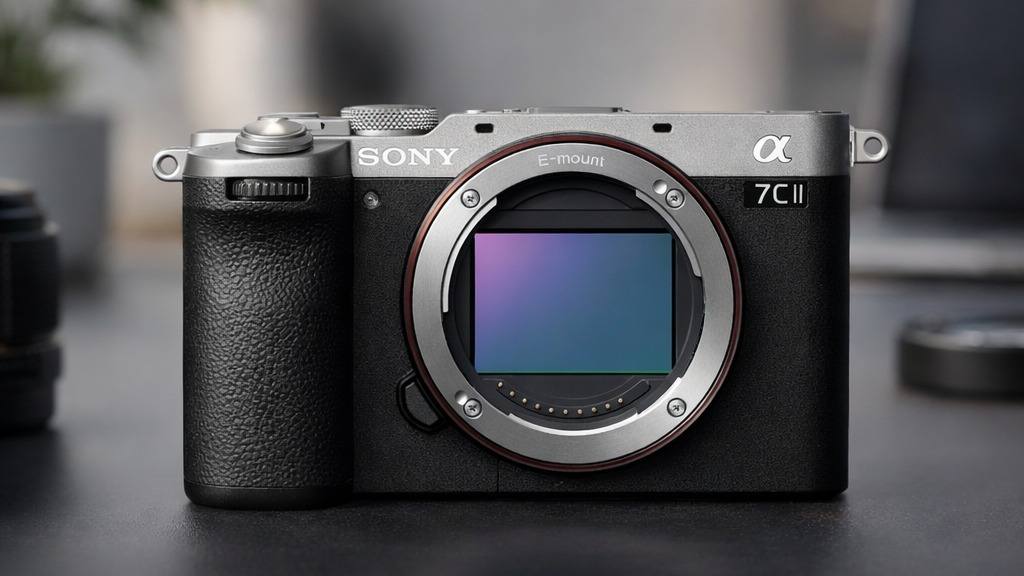
The A7C II gives you 33MP image quality, modern subject recognition and stabilization in a smaller rangefinder-style body. It is the sensible compact Alpha for travel, street photography and family work. The grip and viewfinder are better than the original A7C, but they still feel cramped beside an A7 IV or A7 V.
The single card slot is the more important limitation for paid events. Compact bodies also stop feeling compact when paired with a large f/2.8 zoom. Build the kit around small primes or a modest zoom if size is the reason you are buying it.
Sony A7CR: compact 61MP files
The A7CR pairs the A7R V’s 61MP sensor with the compact C-series body. It is compelling for travel landscapes, architecture and photographers who crop heavily. Pixel Shift Multi Shooting and good stabilization add value when the subject and camera stay still.
Keep the kit compact too: our a7CR lens guide weighs the small-prime and travel-zoom options. For the larger body, the a7R V lens guide focuses on premium versus value glass for the same 61MP demands.
It is not a miniature A7R V in every respect. You give up the larger viewfinder, richer controls, dual card slots and the more flexible screen. Our A7CR vs A7C II comparison is the useful next step if compact size is already decided.
A7S III, A9 III and A1 II: specialist Sony Alpha cameras
Sony A7S III: video first
The A7S III uses a 12.1MP sensor because fast readout, low-light video and manageable 4K files matter more here than still-photo resolution. It records 4K/120p, offers 10-bit internal formats and remains a dependable choice for documentary, events and solo production.
Do not buy it mainly for photography. Twelve megapixels restrict cropping and large output. Also compare the Sony FX3 if tally lights, a cooling fan, mounting points and cinema-oriented controls matter more than an electronic viewfinder.
Sony A9 III: action without rolling shutter
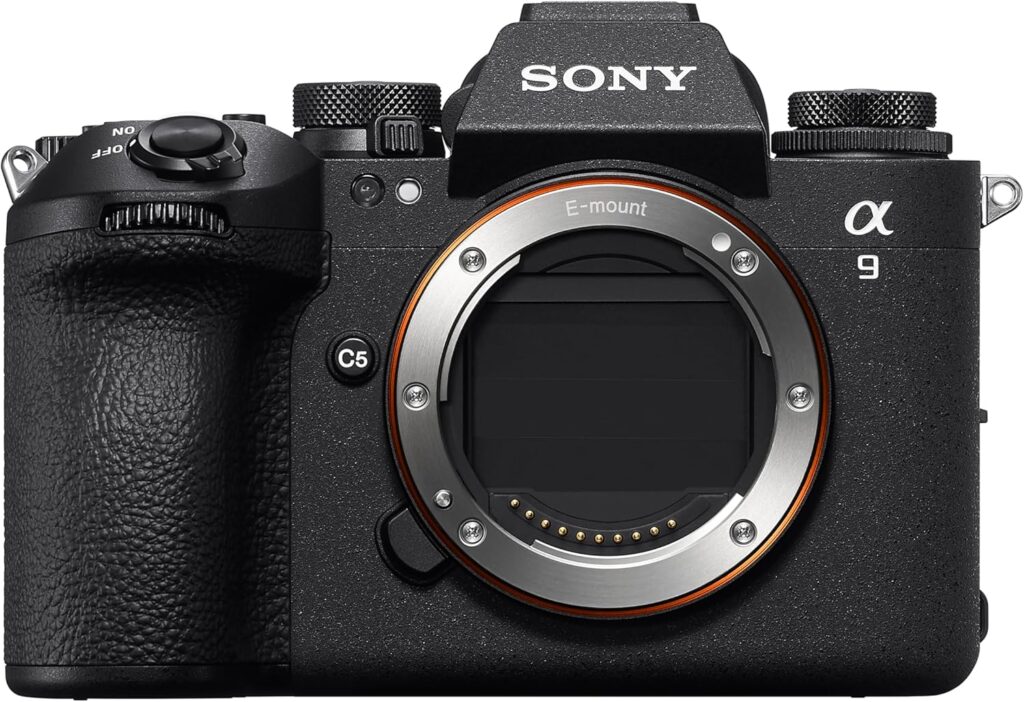
The A9 III’s global shutter reads the whole sensor at once. That removes rolling-shutter distortion and flash-sync restrictions while enabling bursts up to 120 fps. It is a purpose-built body for professional sports, news and split-second action.
The tradeoff is not only cost. Its 24.6MP resolution offers less cropping room than the A1 II or A7R VI, and the global-shutter sensor is not chosen for maximum low-ISO dynamic range. Buy it for the moments that other shutters miss.
Sony A1 II: the no-compromise flagship
The A1 II combines 50.1MP stills, 30 fps shooting, blackout-free viewing and 8K video. It makes sense when one body must cover elite action, wildlife, commercial stills and high-end video without changing systems or carrying two specialized cameras.
Most photographers can build a stronger complete kit around an A7 V, A7R V or A9 III for less. The A1 II earns its premium through breadth. If you only need one of its strengths, a specialist body is usually the cleaner purchase.
Where Sony APS-C, ZV and FX cameras fit
Sony’s APS-C Alpha bodies use the same E mount but a smaller sensor. The A6700 is the strongest all-round APS-C option, while the A6400 and A6100 remain lower-cost routes into the system. Read the A6000 series comparison for model-by-model advice.
ZV cameras are designed around creators, with screen-first controls and video shortcuts. FX bodies belong to Sony’s Cinema Line and prioritize production features. They overlap with Alpha cameras, but their ergonomics answer a different question. A stills photographer should not buy an FX3 simply because its video specifications resemble the A7S III.
What matters before choosing a Sony Alpha
E and FE lens compatibility
All current cameras on this page use the Sony E mount. FE lenses cover full-frame sensors. APS-C E lenses also attach, but a full-frame body normally switches to a cropped image area and loses substantial resolution. Our Sony E-mount guide explains the naming, while the best Sony FE lenses guide gives practical full-frame pairings.
Compact body versus compact system
An A7C II is meaningfully smaller than an A7 V, but the lens can erase the advantage. A compact prime makes a good travel kit. A 70-200mm f/2.8 does not. Compare the complete body-and-lens combination you will carry.
Card slots and paid work
A7C bodies use one card slot. Larger A7, A7R, A9 and A1 bodies generally give you two. For weddings, events and client work that cannot be repeated, simultaneous backup can matter more than a small difference in resolution.
Video crops, heat and sensor readout
A camera can list 4K/60p yet crop the field of view, soften detail or show skew during fast movement. Check the exact mode you plan to use. A7 V, A9 III and A1 II have much faster readout than A7 IV, A7R V, A7C II and A7CR.
Buying an older Sony Alpha
Older bodies can be excellent values because E-mount lenses carry forward. Judge them by autofocus generation, menu design, video depth, screen and viewfinder quality, card slots and physical condition. A low price does not fix a feature that your work needs every day.
Frequently asked questions
What is the difference between Sony Alpha and Sony A series?
They refer to the same camera family. Alpha is the brand name, while A7, A9 and A1 are model lines within it. Current mirrorless Alpha cameras use the E mount.
Which Sony Alpha camera is best for photography?
The A7 V is the best-balanced current choice for most photographers. Choose the A7R VI when resolution is central to the work, the A9 III for extreme action, or the A1 II when you need both high resolution and professional speed.
Should I buy the Sony A7 V or A7R V?
Choose the A7 V for faster action, stronger hybrid video and smaller files. Choose the A7R V for 61MP detail when landscapes, studio work, architecture or heavy cropping matter more than sensor readout speed.
Are the Sony A7C II and A7CR professional cameras?
Their image quality is professional, but the compact controls, small viewfinder and single card slot can be limiting for long assignments or events that require an immediate backup. They are strongest when portability matters more than redundancy.
Do all Sony E-mount lenses fit every Sony Alpha camera?
They attach physically, but the image circle differs. FE lenses cover full frame and APS-C. APS-C E lenses do not cover a full-frame sensor, so full-frame cameras normally crop the image and record at lower resolution.