
View full specs
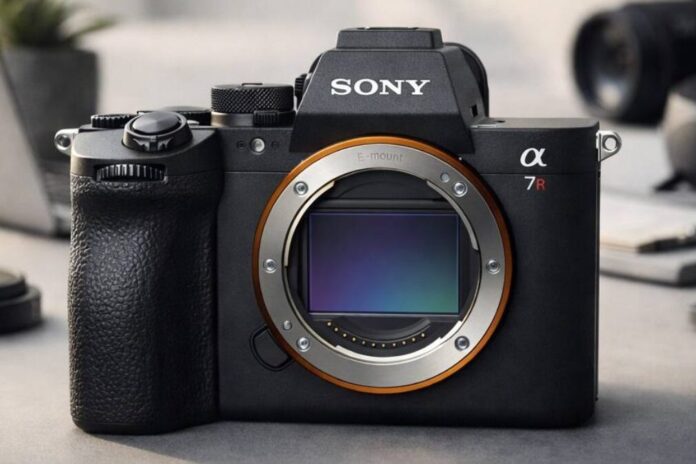
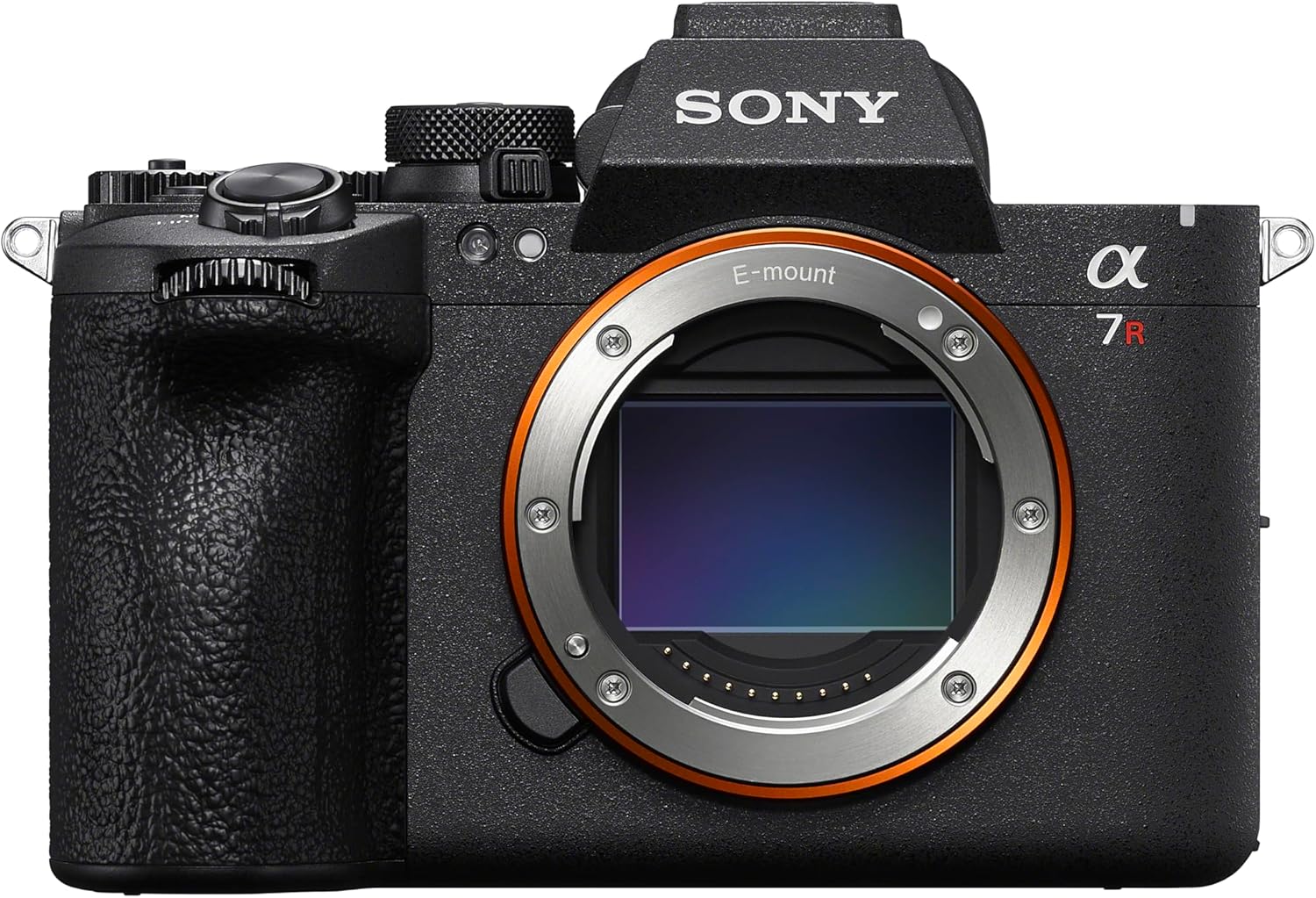
Quick verdict: The Sony a7R VI is no longer just a resolution specialist. With a 66.8MP fully stacked full-frame sensor, 30 fps electronic shooting, 8K video, stronger stabilization, and a new battery system, it pushes the a7R line much closer to Sony’s Alpha 1 territory. It is expensive and probably excessive for many photographers, but for commercial, landscape, studio, wildlife, and hybrid shooters who genuinely need huge files plus speed, it is one of Sony’s most important cameras in years.
Sony a7R VI Review: What Changed
The Sony a7R VI review starts with an unusual point: this is still the high-resolution Sony Alpha body, but it no longer behaves like a slow specialist camera. Previous a7R models were mostly about detail, cropping room, landscape files, studio work, and fine-art printing. The a7R VI keeps that mission, then adds enough speed and video capability to make the camera feel far more versatile.
Sony officially introduced the Alpha 7R VI on May 13, 2026, with availability listed for June 2026 and a body-only launch price around $4,499.99. The headline is the new 66.8MP fully stacked Exmor RS full-frame sensor paired with the BIONZ XR2 processor. That matters because a stacked sensor is not just a megapixel upgrade. It improves readout speed, autofocus responsiveness, electronic shutter behavior, burst shooting, and video performance.
The short version: the a7R VI is for photographers who used to want the a7R V’s detail but wished it felt faster, more decisive, and more hybrid-friendly. It does not make the Sony a7R V obsolete overnight, but it does change the upgrade discussion.
Key Sony a7R VI Specs
| Feature | Sony a7R VI |
|---|---|
| Sensor | 66.8MP fully stacked full-frame Exmor RS CMOS |
| Processor | BIONZ XR2 with integrated AI processing |
| Lens mount | Sony E mount; FE lenses cover the full-frame sensor, APS-C E lenses work in crop mode |
| Continuous shooting | Up to 30 fps electronic shutter with AF/AE tracking |
| Autofocus | 759 phase-detection points, Real-time Recognition AF+ |
| Stabilization | Up to 8.5 stops center / 7.0 stops periphery |
| Video | 8K up to 30p, 4K up to 120p, 10-bit options |
| Viewfinder | 9.44M-dot OLED EVF |
| Screen | 3.2-inch 4-axis multi-angle touchscreen |
| Cards | Dual combo CFexpress Type A / SDXC UHS-II slots |
| Battery | New NP-SA100 battery, rated up to about 710 shots via LCD / 600 via EVF |
Why The Stacked Sensor Matters
The most important upgrade is not the move from 61MP to 66.8MP. That extra resolution is useful, but it is not the reason this camera matters. The bigger change is the fully stacked sensor architecture. A faster-readout sensor changes how a high-resolution body behaves when subjects move.
On the a7R V, the huge files were wonderful for landscapes, architecture, studio product work, and controlled portrait sessions. But it was not the Sony body most people would choose first for fast wildlife, sports, or demanding hybrid video. The a7R VI is different. With up to 30 fps electronic shooting, pre-capture, and faster AF/AE calculations, Sony is clearly trying to remove the old tradeoff between detail and speed.
That does not mean every photographer needs it. If you mostly shoot tripod landscapes at base ISO, the a7R V is still extremely capable. But if you shoot birds, events, editorial assignments, runway, action portraits, or commercial jobs where one body must cover many situations, the a7R VI becomes much more persuasive.
Image Quality: Resolution With More Usability
The a7R VI is still fundamentally a detail machine. A 66.8MP file gives you serious cropping room, more flexibility for large prints, and more space for retouching commercial work. For landscapes, architecture, studio, product photography, reproduction work, and high-end portraiture, that resolution is genuinely useful.
The risk with very high-resolution sensors is that they expose everything: weak lenses, slight focus errors, shutter shock, atmospheric haze, motion blur, and sloppy handholding. Sony’s stronger stabilization helps, but technique still matters. This is not the kind of camera that magically improves a casual shooting workflow. It rewards careful focus, good glass, clean support, and thoughtful shutter speeds.
For many photographers, 33MP on the Sony a7 IV or 61MP on the a7R V is already enough. The a7R VI becomes worth it when cropping, printing, client delivery, or multi-use commercial files are central to the work.
Autofocus And Speed
The a7R VI’s autofocus story is about confidence. Sony’s Real-time Recognition AF+ uses AI-based subject recognition for people, animals, birds, insects, vehicles, trains, and airplanes. More importantly, the faster sensor readout means the camera can pair high resolution with faster tracking behavior.
For studio and landscape shooters, that may sound secondary. But it matters the moment a high-resolution photographer steps outside controlled conditions. Wedding detail shooters, wildlife photographers, editorial portrait photographers, and commercial shooters working with motion can all benefit from a camera that gives them a huge file without forcing them into slow-body habits.
The a7R VI is still not the same kind of pure speed tool as the Sony a9 III, and the Alpha 1 II remains the broader flagship reference. But the gap is smaller than it used to be. That is the story of this generation: the a7R line no longer feels like it has to apologize for speed.
Video: Much More Than A Stills Camera
The a7R VI is a much stronger hybrid camera than earlier a7R bodies. The headline video modes include 8K up to 30p and 4K up to 120p, with 10-bit recording options. Sony also emphasizes improved heat management, with long 8K recording claims under controlled temperature settings.
The practical question is whether this is the right Sony body for video-first creators. For many filmmakers, the answer is still no. A dedicated video body such as the FX3, FX30, or an a7S-series model may be more comfortable, more predictable, or more workflow-friendly. But for photographers who primarily shoot stills and need serious video when a client asks for motion, the a7R VI is far more convincing than the old stereotype of a high-resolution stills camera.
The best use cases are hybrid commercial work, high-end travel, documentary stills plus interviews, landscape video, product footage, and creators who want one body for both huge still files and detailed 4K/8K capture. If your work involves fast pans, long handheld takes, or heavy rigging, test the ergonomics and rolling shutter behavior before making it your only video camera.
Handling, EVF, Battery, And Workflow
The a7R VI keeps the familiar Sony Alpha shape but adds meaningful workflow improvements. The 9.44M-dot EVF is the kind of upgrade that matters to photographers who spend long days composing through the finder. The 4-axis rear screen remains useful for low-angle tripod work, vertical shooting, video framing, and awkward product setups.
The new NP-SA100 battery is a major practical change. It brings better endurance, but it also means existing Sony NP-FZ100 battery collections do not simply carry over. That is a cost and workflow consideration for photographers already invested in Sony bodies. If you shoot with multiple Alpha cameras, battery standardization is no longer as clean.
Dual CFexpress Type A / SD slots are the right choice for this class of body. The files are large, and the camera’s 30 fps and 8K modes demand fast media. Budget for cards. A high-resolution body is never just a body purchase.
Sony a7R VI vs Sony a7R V
The a7R V remains one of the best high-resolution full-frame cameras available, and it may become a better value as the a7R VI reaches stores. If you shoot static subjects and do not need the faster stacked sensor behavior, buying or keeping the a7R V can be the smarter financial move.
The a7R VI is the better camera when speed matters. The stacked sensor, 30 fps electronic shutter, stronger video modes, improved battery system, brighter EVF, and newer processing make it a more ambitious hybrid tool. But the image-quality gain alone is not enough to justify upgrading for everyone.
My practical recommendation: upgrade from the a7R V only if the stacked sensor changes your actual work. Wildlife, action, events, hybrid commercial production, or fast-moving editorial jobs are good reasons. Slow landscapes, studio portraits, and tripod product work are weaker reasons.
Sony a7R VI vs Sony a7 IV, a7CR, And Alpha 1 II
The Sony a7CR is the compact high-resolution alternative. It gives you 61MP in a smaller travel-friendly body, but it is not trying to be a fast pro hybrid camera. The a7R VI is larger, more expensive, and much more serious for speed, video, EVF quality, and professional workflow.
The Sony a7 IV is still the sensible all-rounder for many photographers. Its 33MP files are easier to store, easier to edit, and more than enough for weddings, portraits, family, travel, and most commercial web work. If you do not know why you need 66.8MP, the a7 IV may be the more rational camera.
The Alpha 1 II remains the flagship reference for photographers who want maximum speed and professional versatility, but the a7R VI now sits much closer to that territory than older a7R bodies did. It is the body for someone who values resolution first but no longer wants to give up serious speed.
Best Lenses For The Sony a7R VI
A camera like this deserves excellent glass. The sensor will show the difference between a decent lens and a great one. If you buy the a7R VI and pair it with weak lenses, you are paying for resolution you cannot fully use.
Landscape and travel shooters should start with the Sony FE 16-35mm f/2.8 GM II, FE 20mm f/1.8 G, or FE 24-70mm f/2.8 GM II. A lighter high-resolution kit could also be built around the FE 24-50mm f/2.8 G or FE 20-70mm f/4 G, especially when portability matters more than maximum aperture. Portrait work is better served by lenses such as the FE 50mm f/1.2 GM, FE 85mm f/1.4 GM, and newer GM primes rather than older budget glass. Detail work still makes the FE 90mm f/2.8 Macro G OSS a strong and practical choice. Wildlife is where the a7R VI finally feels more convincing with lenses such as the FE 100-400mm GM, FE 200-600mm G, or longer Sony telephotos, because the camera now has enough speed to match its resolution.
If you are still building your lens kit, read our Sony FE lens guide before spending all the money on the body.
Who Should Buy The Sony a7R VI?
The Sony a7R VI makes the most sense for:
- Landscape photographers who print large and crop aggressively.
- Commercial and studio photographers delivering high-resolution files.
- Wildlife photographers who want detail and 30 fps speed in one body.
- Hybrid shooters who need serious stills plus 8K/4K video options.
- Sony users with premium FE lenses who were waiting for a faster a7R body.
It makes less sense for:
- Beginners buying their first serious camera.
- Photographers who mostly publish to social media or web galleries.
- Video-first creators who would be better served by an FX body.
- Anyone who cannot also budget for fast cards, storage, batteries, and excellent lenses.
Buying Advice
The a7R VI is a powerful camera, but it is not an automatic buy. Current a7R V users who mostly shoot static subjects may be better served waiting, unless the stacked sensor or 8K/4K120 video directly solves a real limitation in their work. For photographers coming from an a7R IV or an older Sony high-resolution body, the upgrade is much easier to justify thanks to the modern AF system, faster shooting, stronger video features, improved stabilization, and a more refined overall workflow.
If you are entering Sony full-frame for the first time, be honest about the cost. The body is expensive, the cards are expensive, and the right lenses are expensive. For many photographers, the Sony Alpha camera comparison or the a7 IV will lead to a smarter purchase.
For the right professional or serious enthusiast, though, the a7R VI is exactly the kind of camera the a7R line needed: huge files, much faster behavior, and fewer excuses when the subject starts moving.
Sony a7R VI / Alpha 7R VI alternatives
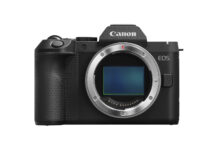
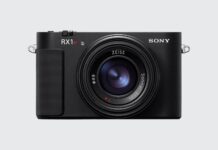
The main alternatives to the Sony a7R VI / Alpha 7R VI are Sony a7R V, Sony Alpha 1 II, Sony a7CR, Nikon Z8, Canon EOS R5 Mark II. Compare autofocus, stabilization, video limits, lens choice and current price before deciding which camera fits you best.
Frequently Asked Questions
Is the Sony a7R VI officially announced?
Yes. Sony announced the Alpha 7R VI on May 13, 2026, with June 2026 availability and a launch price around $4,499.99 in the United States.
How many megapixels does the Sony a7R VI have?
The Sony a7R VI uses a 66.8MP fully stacked full-frame Exmor RS sensor. That makes it the highest-resolution a7-series body so far while also improving speed compared with the a7R V.
Is the Sony a7R VI better than the a7R V?
Yes, technically. The a7R VI is faster, more video-capable, and more advanced. But the a7R V can still be the better value if you mainly shoot landscapes, studio work, architecture, or portraits at a slower pace.
Is the Sony a7R VI good for video?
Yes, especially for hybrid creators. It offers 8K up to 30p and 4K up to 120p, but video-first users should still compare it with the FX3, FX30, and a7S-series bodies.
What is the biggest drawback of the Sony a7R VI?
Cost is the biggest drawback. The body is expensive, the best lenses are expensive, and the file sizes demand fast cards and serious storage. It is a professional tool, not a casual upgrade.
Final Take
The Sony a7R VI is the first a7R camera that feels less like a high-resolution specialist and more like a high-resolution flagship. The 66.8MP stacked sensor is the reason. It gives Sony’s detail-focused body enough speed, autofocus confidence, and video strength to handle work that older a7R cameras approached more cautiously.
I would not buy it just because it is new, and I would not recommend it to someone who only needs beautiful stills for normal-size output. But if your work benefits from huge files, fast action capture, serious cropping, commercial flexibility, and high-end Sony FE lenses, the a7R VI is a very strong answer.
Landscape, studio, commercial, wildlife, editorial, and hybrid shooters who need huge files plus speed.
You do not need 66.8MP files, already own an a7R V for slower work, or would be better served by a video-first FX body.
Very high; file size, lens quality, media cost, and technique all matter.
Keep the a7R V for slower high-resolution work; choose the a7R VI for stacked-sensor speed, 8K/4K120, and stronger hybrid use.
Powerful 8K/4K120 hybrid video, but still not as video-specialized as FX or a7S bodies.
Yes, for professionals who need its speed-resolution combination; overkill for casual high-resolution work.