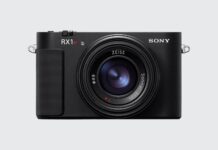

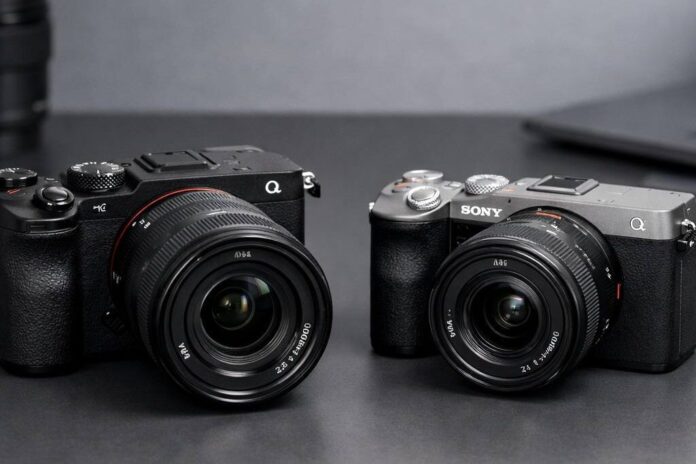
Choosing between the Sony a7CR vs a7C II is less about specs on paper and more about how you actually shoot. After working with compact full-frame bodies in travel, street. Everyday editorial setups, I can say these two cameras feel close at first, but they suit very different priorities.
| Decision point | Sony a7CR | Sony a7C II |
|---|---|---|
| Sensor | 61MP full-frame BSI CMOS | 33MP full-frame BSI CMOS |
| Best strength | Maximum detail and cropping room in a compact body | Better all-round balance for hybrid travel work |
| Speed | Up to 8 fps | Up to 10 fps |
| Cards | Single SD UHS-II slot | Single SD UHS-II slot |
| Buy it if | You print large, crop heavily, or shoot landscapes and portraits | You want smaller files, better value, and a more relaxed daily camera |
What separates the a7CR and a7C II at a glance
Who each camera is really for
If you line up the Sony a7CR and a7C II side by side, they look almost like twins. Both are compact full-frame Sony bodies that prioritize portability and discretion. However, ask any working photographer, and you will quickly realize the differences run deeper than the spec sheet. The Sony a7CR vs a7c ii debate truly comes down to who you are as a shooter.
For readers leaning toward the more balanced option, a closer look at real-world handling can make the decision easier. This Sony a7C II review adds useful context around portability, everyday usability, and why the a7C II often feels like the more practical choice for mixed shooting styles.
The a7CR is essentially a miniaturized version of Sony’s high-end A7R V. It packs a 61-megapixel sensor into a lightweight, travel-friendly package. This model is built for those who crave maximum detail and cropping ability without the bulk of a traditional pro body. Think landscape photographers, studio shooters, and editorial artists who want medium-format-like files in a camera that fits in a small backpack.
What this means in real use
The a7C II, on the other hand, is more of a generalist. Its 33-megapixel sensor (shared with the A7 IV) is designed for balance. You get high image quality, manageable file sizes, and fast performance for street, travel, events, and hybrid work. The a7C II is the crowd-pleaser of the two – less specialized, more forgiving. A little easier on your storage needs and budget.
- If your workflow involves heavy cropping or large format prints, the a7CR stands out.
- If you want a do-it-all camera for everyday shooting, the a7C II feels just right.
- Both cameras share key features like advanced autofocus, compact body design. In-body stabilization. But their target user is not quite the same.
Sensor resolution and real-world image quality
When 61MP is worth it and when 33MP is enough
Let’s cut through the numbers: 61MP on the a7CR versus 33MP on the a7C II. On paper, this looks like a massive gap, but the practical value depends on your output.
The a7CR resolution is nearly double that of the a7C II. This sensor comes directly from Sony’s flagship A7R V and delivers stunning detail, dynamic range, and color fidelity. I noticed this especially when shooting landscapes or cityscapes where fine textures matter. You can crop aggressively, recompose after the fact, or print at billboard sizes and still retain sharpness. If you are the type who loves to zoom in on your files and discover new details, the a7CR’s sensor is a dream.
File size and workflow cost
However, 61MP files are massive. Each RAW file can exceed 60MB, so you need fast cards, large drives, and a capable computer. In my experience, unless you’re regularly making very large prints or need the flexibility to crop heavily in post, the 33MP of the a7C II is enough for most real-world uses. The a7C II image quality is excellent for editorial, social media, and even moderate print sizes. You get plenty of detail without the workflow headaches. Colors and dynamic range are nearly on par with the a7CR for all but the most demanding applications.
Both cameras perform well in low light, but the lower pixel density of the a7C II can give it a slight edge in high ISO noise. For night street photography or events, this can be practical. On the other hand, the a7CR excels at base ISO, where its files are jaw-droppingly clean and detailed.
- 61MP vs 33MP Sony: a7CR leads for cropping, print, and pixel peepers.
- a7C II covers 95% of real-world needs, with smaller files and faster post-processing.
- Both sensors deliver professional results, but your output goals should steer your choice.
Autofocus, speed, and everyday shooting performance
Tracking, burst shooting, and keeper rate
Sony’s autofocus systems have set the standard for years, and both cameras benefit from the latest AI-driven tracking. The difference between Sony autofocus comparison models like these is minimal for most users.
The a7CR inherits the focus engine from the A7R V, meaning it has top-tier subject recognition, eye tracking (human and animal). Sticky focus even in tricky light. In my field tests, it locked onto moving subjects with confidence, whether shooting portraits or street action. However, the massive files do slow down buffer clearing if you shoot long bursts.
The a7C II, with its slightly newer processor and smaller files, feels a bit snappier in sustained shooting. While both models offer 10 fps bursts, the a7C II can sustain this rate longer before its buffer fills. This is especially true When shooting compressed RAW or JPEG. For casual sports, events, or busy street scenes, you get a high keeper rate with minimal slow-downs. The a7C II burst shooting is a clear win for those who shoot a lot of action or want reliability over the long haul.
In daily use, autofocus performance is so close that most shooters won’t see a practical difference. The a7CR technically has a few more points of subject recognition. Unless you are tracking extremely erratic subjects or working in the most challenging conditions, both cameras deliver consistent results.
- Both offer real-time tracking, eye AF, and subject detection powered by AI.
- a7C II has a slight edge in buffer depth and speed for longer bursts.
- Your lens choice will usually matter more for focus speed than the body itself.
Video features and hybrid shooting usability
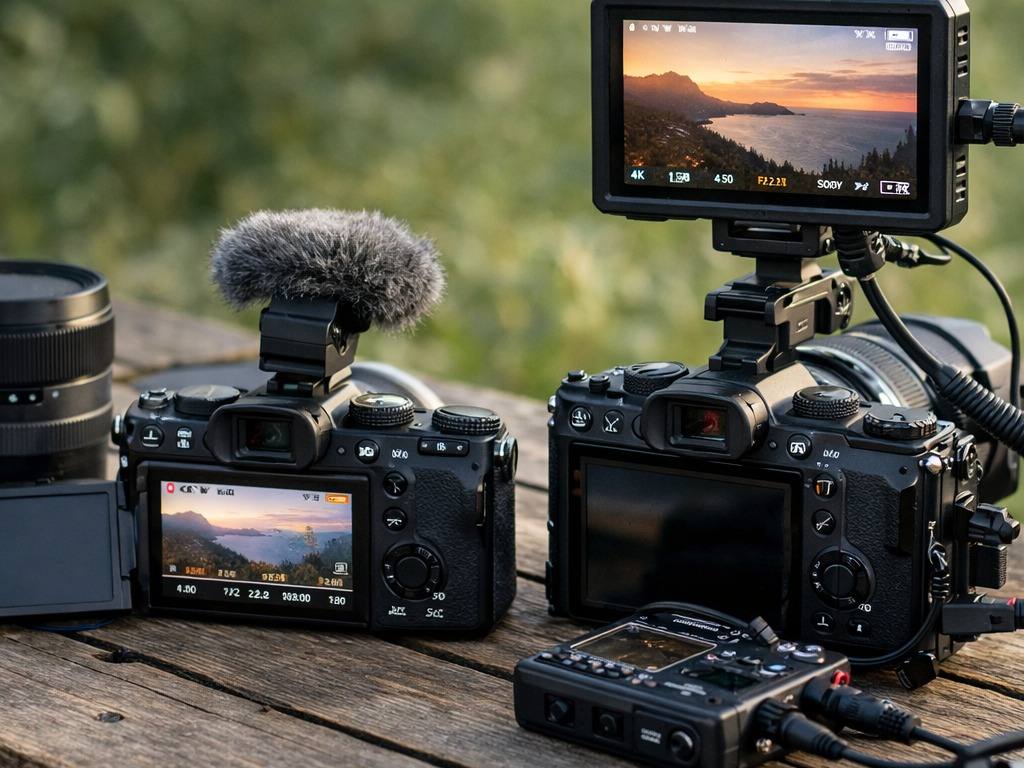
Best choice for creators who shoot both photo and video
In the world of hybrid shooters, both these cameras offer 4K recording, advanced color profiles, and modern video tools. The question is, which one feels better in the hands of a creator who shoots both stills and motion?
The a7CR video quality benefits from its high-resolution sensor. You can shoot oversampled 4K from a large area of the sensor, resulting in crisp detail. This is especially true At lower ISOs and in controlled lighting. However, rolling shutter is more pronounced due to the dense sensor, making it a less ideal choice for fast pans or action-heavy video work. File sizes are also substantial, which can slow down your workflow.
Why the a7C II is easier for video
The a7C II, with its 33MP sensor, offers 4K video up to 60p with full pixel readout and less rolling shutter. In my experience, this makes it much more forgiving for handheld video, vlogging, and run-and-gun documentary shooting. You also get S-Cinetone and 10-bit 4:2:2 internal recording, giving you more flexibility in post without the penalties of huge files or overheating.
If you primarily shoot stills and only occasionally want high-end video, the a7CR is more than capable. But if video is a regular part of your workflow, the a7C II video capabilities and hybrid handling make it the smarter choice. The a7C II feels purpose-built for creators who want to switch seamlessly between photo and video. This is especially true When working solo or traveling light.
- a7CR: best for high-res stills, occasional video, and controlled settings.
- a7C II: ideal for hybrid creators, frequent video, and quick transitions between modes.
- Both support external microphones, headphone monitoring, and have decent battery life for video sessions.
In the current era of compact digital cameras making a comeback, both the a7CR and a7C II prove Sony’s commitment to portability without major compromise. In the next chunk, I’ll dive into how these bodies handle in the real world, look at EVF and screen quality. Explain why lens choice is just as important as the body itself.
Handling, EVF, screen, and lens balance in the field
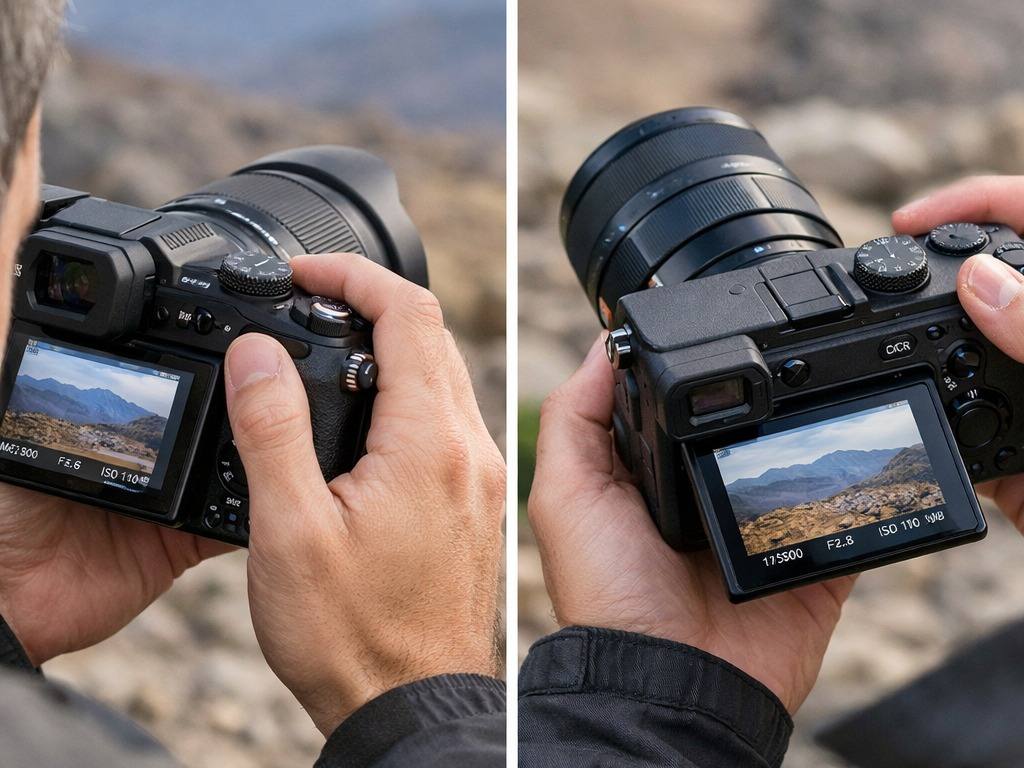
How these bodies feel with compact and larger lenses
When you pick up the a7CR or the a7C II, you immediately notice the shared DNA. Both bodies are slim, with minimal grip and a top plate that rises gently to meet the EVF. The differences become clearer once you mount lenses and shoot for real.
The a7CR feels slightly denser in the hand, partly due to its high-resolution sensor assembly and reinforced internal frame. This added weight is minor, but it gives the camera a bit more confidence with small primes. With a 35mm f/2.8 or 40mm f/2.5 G lens, the a7CR is beautifully balanced for street photography or travel.
The a7C II is slightly lighter, with a marginally improved grip surface and a deeper thumb rest. For larger hands, that matters during longer shoots. I find the a7C II easier to hold steady with adapted manual lenses or slightly heavier zooms.
EVF, screen, and grip compromises
Both cameras use Sony’s corner-positioned EVF, which is a compromise for compactness. The finder is not as large as the one in Sony’s pro bodies. But it is sharp enough for daylight work. If you are coming from a DSLR or an A7 IV, expect a smaller view.
The rear screens are nearly identical: fully articulating, bright, and responsive enough for awkward angles. In strong sunlight, both screens can show glare, so I still rely on the EVF for critical framing.
Lens balance with primes and zooms
Lens balance is crucial with these compact bodies. With short, lightweight primes, both cameras feel in their element. Attach a fast 24-70mm f/2.8 or a telephoto, and the limits of the small grip become obvious.
The a7C II’s improved grip helps, but neither body is designed for all-day use with heavy glass. If you often use big zooms or long telephotos, a larger body like the A7 IV will feel better.
For travel, street, and everyday shooting with compact lenses, both cameras are a joy. The a7CR’s extra density feels reassuring, while the a7C II’s grip tweaks make long sessions slightly more comfortable.
Storage, battery life, stabilization, and practical trade-offs
In daily use, practical differences matter as much as headline specs. Storage, battery life, stabilization, and file handling all shape which camera feels easier to live with.
Both cameras use a single side-access SD card slot with UHS-II support. That is fast enough for bursts and 4K video, but there is no in-camera backup. For most travel and street shooters, this is acceptable. For mission-critical paid work, it is a real limitation.
Battery life and stabilization
Battery life is solid on both models because they use the same NP-FZ100 pack. In my experience, the a7C II usually lasts a little longer per charge, especially with JPEGs and light video. The a7CR draws more power when shooting high-res bursts or processing images in-camera.
Expect roughly 500-600 shots per battery on the a7C II and about 450-550 on the a7CR. For a day of travel or street photography, one battery can be enough, but I still carry a spare.
Both cameras have 5-axis in-body image stabilization. The a7CR’s system is tuned for high-resolution capture. While the a7C II sometimes feels more forgiving with slow shutter speeds and handheld video. If you shoot often in low light, the a7C II has a small practical edge.
File size, heat, and workflow
File size is the biggest trade-off if you pick the a7CR. Its 61MP RAWs are easily double the size of the a7C II’s 33MP files. Cards fill faster, post-processing takes more power, and long-term storage gets more expensive.
For some photographers, the extra detail and cropping flexibility are worth it. For others, it becomes overkill, especially if the final output is social media or web publishing.
Heat management is rarely an issue in typical use. But the a7C II tends to run cooler during long video sessions. If you want maximum detail and accept the file burden, the a7CR is unmatched. If you want a lighter workflow, the a7C II is easier to live with.
Price, value, and which one I would buy
Best pick for travel, street, portraits, and cropping flexibility
Price is often the deciding factor, and here the a7C II stands out as the value champion. At launch, it undercuts the a7CR by a significant margin, usually by about a third. For most photographers, especially those not printing huge or needing extreme cropping, the a7C II delivers nearly all the usability and image quality you’ll ever need at a more approachable price.
The a7CR commands a premium for its 61MP sensor and the flexibility that comes with it. If you regularly crop heavily, print large, or want the ultimate in detail for landscapes, portraits, or commercial work, that premium can be justified. The a7CR is also less likely to be replaced quickly, given the rarity of such high resolution in a compact body. For those who want a compact camera that can rival medium format in terms of resolution, the a7CR is almost in a league of its own.
For travel and street shooting, my personal pick is the a7C II. The files are manageable, battery life is excellent. The body is just that little bit easier to grip for hours. Pair it with a 35mm or 50mm prime. You have a kit that disappears in a bag but still delivers professional-level results.
If I needed maximum cropping flexibility, shot a lot of tight portraits, or was selling large prints, I would lean toward the a7CR. The image quality is simply stunning, and you get a level of editing latitude that is rare in such a compact package. However, for most lensandshutter.com readers who want the best Sony camera value, the a7C II is the smarter buy. It’s more forgiving with storage, simpler to process, and easier on the wallet.
Frequently asked questions
Is the Sony a7CR worth the extra cost over the a7C II?
The Sony a7CR is worth paying extra for if you need 61MP files for large prints, landscapes, studio work, or heavy cropping. For general photography and hybrid shooting, the a7C II is usually the smarter value.
Does the a7CR have better autofocus than the a7C II?
Not in a way most photographers will notice. Both cameras use Sony’s modern subject-recognition autofocus generation, so the choice should be driven more by resolution, file size, and price than autofocus alone.
Which is better for travel photography, the a7CR or a7C II?
The a7C II is the easier travel recommendation for most people. This is. This is because 33MP files are simpler to store and edit. The a7CR is better if travel also means landscapes, architecture, or frequent cropping.
Is the a7C II better for video than the a7CR?
The a7C II is the more relaxed hybrid choice. Both bodies have video compromises compared with larger Sony bodies. But the a7C II balances resolution, heat, file size, and price better for everyday creators.
Key takeaways
- The a7CR is the stronger choice if you want maximum detail, heavy cropping room. High-resolution stills in a small body.
- The a7C II offers a more balanced mix of price, file size, speed, and hybrid usability for most photographers.
- Autofocus and core handling are very close, so your decision should come down to resolution needs, lens pairing, and budget.
- For lensandshutter.com readers, the smarter buy often depends on whether you prefer compact primes for travel or demand extra latitude for editing and cropping.