
View full specs
Sony FX3 Review 2026: Still Worth It for Filmmakers?
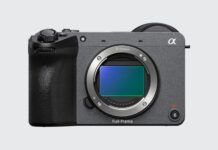
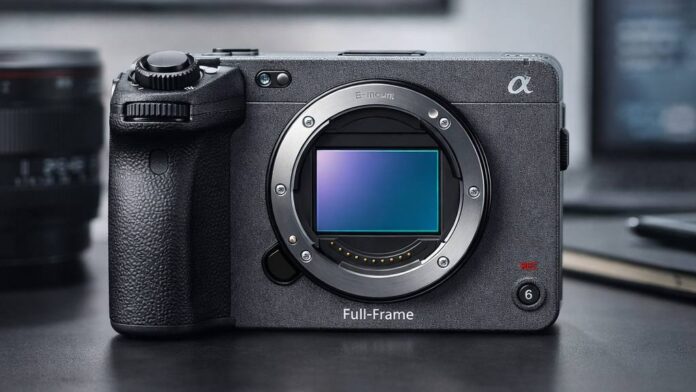
The Sony FX3 is not a normal mirrorless camera with video features added as a bonus. It is a compact Cinema Line body built for people who think in takes, audio, rigging, codecs, batteries, heat, and post-production.
This Sony FX3 review focuses on the practical question: does it still make sense in 2026 when newer hybrids, APS-C cinema bodies, and Canon’s compact cinema cameras are fighting for the same creator budget?
For the right shooter, yes. The FX3 still feels unusually well judged: full-frame 4K, strong low-light performance, 10-bit internal recording, reliable autofocus, a fan-cooled body, a proper XLR handle, full-size HDMI, and a shape that works bare, caged, on a gimbal, or in a small documentary rig.
Quick Verdict
The Sony FX3 is still one of the safest compact cinema camera buys for solo filmmakers, documentary shooters, wedding filmmakers, commercial video creators, and small crews already invested in Sony E mount.
I would buy the FX3 if video is the main job and stills are secondary. I would not buy it as a general photography camera, and I would not buy it if you need built-in ND filters, an EVF, high-resolution stills, or the lowest possible entry price.
The real value of the FX3 is not one isolated spec. It is the combination: 4K 120p, 10-bit 4:2:2, S-Cinetone, S-Log3, strong autofocus, 5-axis stabilization, active cooling, pro audio through the handle, and a body that does not fight you during a long day.
Sony FX3 Specs That Matter
- Sensor: 12.1MP full-frame Exmor R CMOS
- Effective resolution: about 10.3MP for movies and 12.1MP for stills
- Lens mount: Sony E mount
- Video: 4K up to 120p, 10-bit 4:2:2 internal recording
- Dynamic range: Sony rates it at 15+ stops
- Autofocus: Fast Hybrid AF with 627 phase-detect points for movies
- Stabilization: 5-axis in-body stabilization with Active Mode
- Audio: detachable XLR handle with pro audio controls
- Storage: dual CFexpress Type A / SD card slots
- Screen: 3.0-inch vari-angle touchscreen
- Viewfinder: none
- Battery: NP-FZ100
- Weather resistance: dust/moisture-resistant design, not waterproof
Who the Sony FX3 Is Really For
The FX3 is for video-first shooters who want cinema workflow without a large cinema body. It is especially strong for handheld documentary work, interviews, weddings, travel films, branded content, YouTube productions, and small commercial jobs.
The body encourages a clean rig. You can run it stripped down with a small lens, add the XLR handle for interviews, mount it to a gimbal, or build a full cage around it. That flexibility is why it has stayed relevant even as newer cameras arrive.
Hybrid photographers should be honest. The FX3 can shoot stills, but 12MP files and no EVF make it a poor fit if photography is half your workload. If you want a true hybrid Sony body, the Sony a7 IV is a more balanced tool. If you want APS-C video value, the Sony FX30 is the obvious comparison.
Image Quality and Color
The FX3’s full-frame sensor is low in resolution by still-camera standards, but that is exactly why it works so well for video. The files are clean, detailed, and flexible without asking the sensor to do too much.
4K footage looks sharp without feeling brittle. S-Cinetone gives a pleasing out-of-camera look for fast delivery, while S-Log3 gives you room to grade if you expose carefully. The 10-bit 4:2:2 internal files are a major reason to choose the FX3 over older 8-bit hybrid bodies.
Low light is one of the camera’s signature strengths. It is not permission to under-light everything, but it does let documentary and event shooters work in places where smaller sensors start to fall apart. For weddings, concerts, night streets, and interiors with mixed light, that flexibility matters.
Autofocus, Stabilization, and Reliability
Sony FX3 autofocus remains one of the main reasons solo shooters trust it. Face and eye detection are dependable, subject tracking is sticky, and focus transitions can be tuned for a more cinematic feel. It is not a substitute for a skilled focus puller on every production, but it is extremely useful when you are operating alone.
One important correction: the FX3 does have in-body image stabilization. It uses 5-axis sensor-shift stabilization, with Active Mode available when you can accept the crop. It will not replace a gimbal for floating movement, but it helps handheld work look calmer and reduces fatigue on long days.
The fan-cooled body is just as important as the headline video specs. For interviews, ceremonies, and long-form jobs, confidence matters. The FX3 is built to record like a production tool, not like a photo camera doing video until it gets uncomfortable.
Handling, Audio, and Rigging
The FX3 body makes more sense once you stop comparing it to stills cameras. There is no EVF and no traditional mode-dial-first experience. Instead, you get mounting points, tally lights, a large record button, a vari-angle screen, full-size HDMI, and a compact shape that rigs cleanly.
The included XLR handle is a major advantage. Clean audio is not an accessory issue for video work; it is half the job. Having pro audio inputs, physical controls, and a top-handle grip in the box makes the FX3 feel like a camera made by people who understand small-crew production.
The weakness is that the body has no built-in ND filters. That is the compromise that keeps it smaller than a larger cinema body. If that is the feature you keep circling, the practical next read is our Sony FX3 vs FX6 comparison, because built-in electronic variable ND is one of the FX6’s clearest production advantages. If you shoot outside at cinematic shutter speeds, plan your variable ND setup before the first job.
Sony FX3 vs FX30, Canon C50, and Hybrid Bodies
| Camera | Best Reason to Choose It | Main Tradeoff |
|---|---|---|
| Sony FX3 | Full-frame compact cinema workflow | No internal ND, no EVF |
| Sony FX30 | Lower-cost Cinema Line APS-C body | Smaller sensor, weaker low-light flexibility |
| Canon C50 | Canon RF compact cinema alternative | Different lens ecosystem and workflow |
| Sony a7 IV | Stronger stills/video balance | Less video-first ergonomics and cooling confidence |
If you already own Sony E-mount glass and video is the business, the FX3 remains the cleaner choice. If you are starting fresh and want Canon color, RF lenses, or different cinema features, the Canon C50 deserves a close look.
If you are also considering Sony’s newer hybrid-cinema direction, the Sony FX2 review explains its 33MP stills advantage, cropped 4K60 and tilting EVF. Then use our Sony FX2 vs FX3 comparison to decide whether that flexibility matters more than the FX3’s 4K120 and low-light specialization.
Buying Advice in 2026
The FX3 is expensive enough that condition, warranty, and included accessories matter. If buying used, inspect the ports, fan vents, screen hinge, card slots, hot shoe, cage marks, and whether the XLR handle is included. A missing handle changes the value of the package.
The FX3A refresh complicates used pricing because some buyers will prefer the newer version. That can be good if it softens prices on clean original FX3 bodies. I would not overpay for a heavily rigged body with unknown production history unless the seller has receipts and a clear usage trail.
Related comparisons
- Sony FX3 vs FX30: Which Cinema Camera Should You Buy?
- Sony FX3 vs FX6: Which Cinema Camera Makes More Sense?
Final Verdict
The Sony FX3 still earns its reputation because it solves real production problems. It is compact, reliable, easy to rig, strong in low light, and friendly to solo operators who need autofocus and audio they can trust.
Skip it if you are mostly a photographer or if you need built-in ND filters. Buy it if your work is motion-first and you want a compact full-frame Sony α cinema body that can still anchor professional jobs in 2026.
Sony FX3 alternatives
The main alternatives to the Sony FX3 are Sony FX30, Sony a7S III, Canon C50, Canon R5 C, Panasonic S5 IIX. Compare autofocus, stabilization, video limits, lens choice and current price before deciding which camera fits you best.
FAQ
Is the Sony FX3 still worth buying in 2026?
Yes, for video-first shooters who need full-frame 4K, strong low light, reliable autofocus, active cooling, and pro audio in a compact body.
Does the Sony FX3 have IBIS?
Yes. The FX3 has 5-axis in-body image stabilization, plus Active Mode with a crop.
Is the Sony FX3 good for photography?
It can shoot stills, but it is not ideal as a stills-first camera because it has no EVF and only 12.1MP resolution.
Does the Sony FX3 have built-in ND filters?
No. You will need lens-mounted ND filters or a matte box solution for outdoor video work.
Solo filmmakers, documentary shooters, wedding filmmakers, commercial creators, and Sony E-mount video users.
You mainly shoot stills, need built-in ND filters, need an EVF, or want the cheapest creator camera.
Medium-high; friendly for a cinema body but still assumes video workflow knowledge.
Strong within Sony E mount, with FX30 below and FX6/FX9-style workflows above.
Excellent compact cinema feature set, but no internal ND, no EVF, and 12MP stills.
Yes for video-first work; no for stills-first hybrid use.