
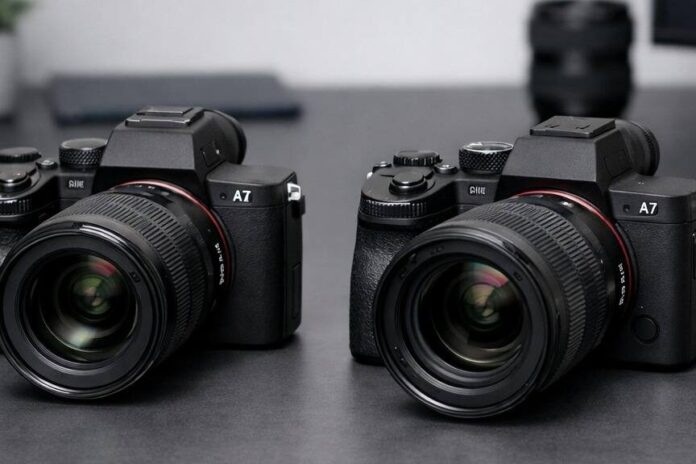
Quick verdict: choose the Sony a7 III if you want the better-value full-frame body for stills, events, portraits, and general photography. Choose the Sony a7 IV if you shoot serious hybrid work and want better autofocus, 33MP files, 10-bit video, a fully articulating screen, and a more modern body.
The Sony a7iii vs a7iv decision is not just old versus new. The a7 III is still one of the smartest used full-frame buys because its 24MP sensor, strong battery life, dual card slots, and dependable autofocus remain genuinely useful. The a7 IV is the more complete 2026 camera because it fixes many workflow limitations: video depth, menus, screen movement, subject tracking, card speed, and connectivity. Search for Sony a7 IV vs a7 III and the practical answer remains the same: choose the a7 IV for demanding hybrid work, but do not dismiss the a7 III when price and still-photo value matter more.
Sony a7iii vs a7iv: the short answer
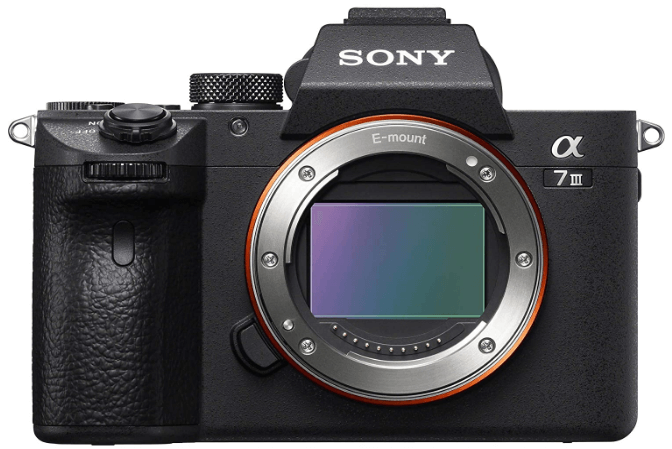
The Sony a7 III is the value pick. It makes the most sense if you mostly shoot stills, want full-frame image quality without paying current-body prices, or prefer spending the difference on better FE lenses. For weddings, family sessions, portraits, travel, and slower documentary work, it is still a camera I would trust.
The Sony a7 IV is the safer long-term pick. It gives you a 33MP sensor, improved Real-time Tracking, 10-bit 4:2:2 internal video, 4K 60p with a Super 35 crop, S-Cinetone, a fully articulating screen, a better menu system, and one CFexpress Type A compatible slot. If your camera has to handle paid hybrid work, it is the one I would buy.
For deeper single-camera context, read the Sony a7 III review and the Sony a7 IV review. Searchers often write these names as Sony a7iii, Sony a7iv, Sony Alpha 7 III, or Sony Alpha 7 IV; I am comparing the same two full-frame bodies here. If you are building a system around either body, lens choice is the next decision after the body.
For official baseline specs, Sony lists the a7 III specifications and a7 IV specifications in its support documentation.
| Feature | Sony a7 III | Sony a7 IV |
|---|---|---|
| Best for | Value, stills, events, portraits | Hybrid creators, video, action, long-term use |
| Sensor | 24.2MP full-frame BSI CMOS | 33MP full-frame BSI CMOS |
| Autofocus | 693 phase-detect points, strong Eye AF | 759 phase-detect points, newer Real-time Tracking and subject recognition |
| Video | 4K up to 30p, 8-bit internal | 4K up to 60p, 10-bit 4:2:2 internal, S-Cinetone |
| Screen | Tilting rear LCD | Fully articulating vari-angle LCD |
| Cards | Dual SD slots, one UHS-II | One CFexpress Type A / SD slot plus one SD UHS-II slot |
| Battery rating | Approx. 610 EVF / 710 LCD stills | Approx. 520 EVF / 580 LCD stills |
| Best buy | Used or discounted body | Newer hybrid workhorse |
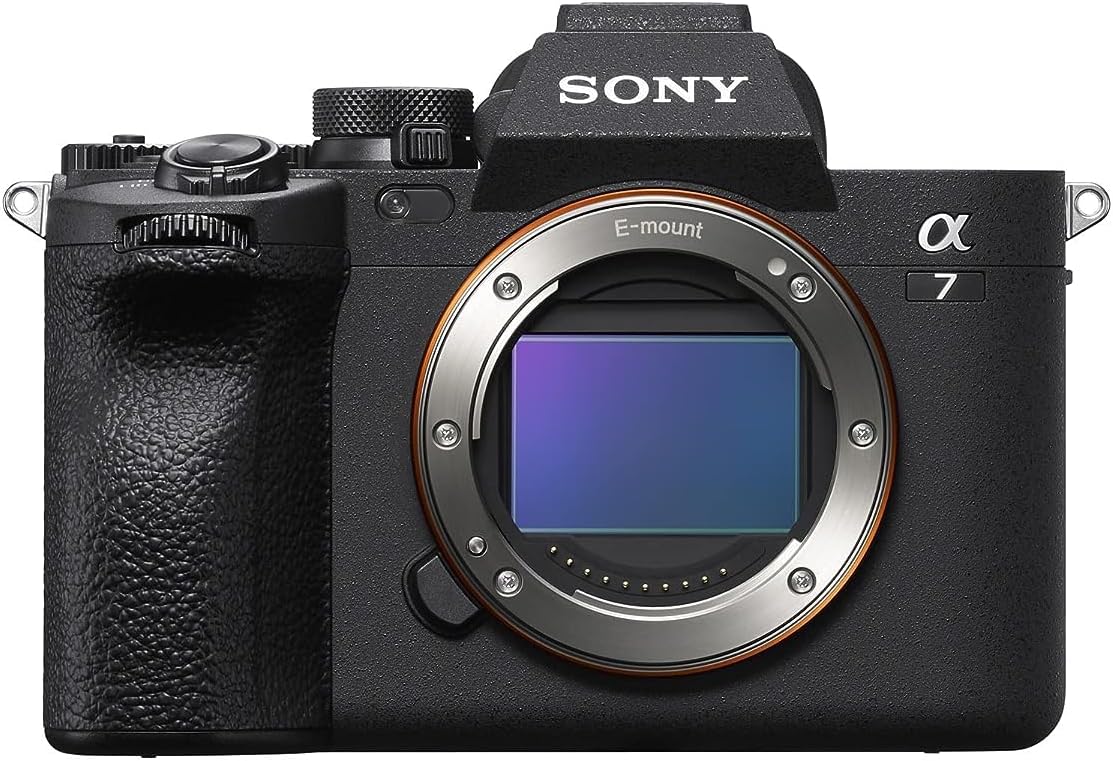
Who should buy the Sony a7 III?
Buy the Sony a7 III if you are mostly a photographer and want the highest return per dollar. Its 24MP files are still a sweet spot: detailed enough for professional delivery, smaller than a7 IV files, and easy to process in volume. If you shoot weddings, portraits, travel, street, family sessions, or events, the a7 III still feels like a practical camera rather than an outdated one.
The a7 III also makes sense if you are entering full frame for the first time. The money saved over the a7 IV can buy a better lens, and that often matters more than the body. A used a7 III with one of the right Sony a7 III lenses, such as a 35mm, 55mm, 85mm, or a good 24-70mm zoom, is still a serious photography kit.
The limitation is video and modern tracking. The a7 III can record nice 4K footage, but it is not the body I would choose for demanding paid video work in 2026. The older menu system, tilting screen, micro HDMI, and 8-bit internal recording all show its age.
Who should buy the Sony a7 IV?
Buy the Sony a7 IV if your work is split between photos and video. It also deserves stronger glass, so our Sony a7 IV lenses guide is useful if you are building a kit around the 33MP sensor. The 33MP sensor gives more cropping room, the autofocus is more confident with moving subjects, and the body is much easier to use for hybrid shooting. The fully articulating screen alone changes how practical the camera feels for interviews, vertical video, self-recording, and awkward angles.
The a7 IV is also the better choice if you use current Sony lenses and want the body to keep up. Its files reveal more detail from good glass, its tracking system is better for action and unpredictable subjects, and the video options are far more flexible. The 4K 60p crop is real, but having 10-bit, S-Cinetone, better codecs, and improved thermal behavior makes the camera much stronger for creator work.
If you are buying once and keeping the camera for several years, the a7 IV is easier to recommend. It costs more, but the improvements are not cosmetic. They affect how often the camera gets in your way.
Image quality: 24MP versus 33MP
The a7 III’s 24MP sensor still produces excellent files. For portraits, events, online delivery, albums, prints, and commercial work that does not require heavy cropping, it is more than enough. The lower file size also helps if you shoot thousands of images in a day.
The a7 IV’s 33MP sensor gives you more room to crop and more detail for larger prints. Landscape, studio, product, and travel photographers can benefit from that extra resolution. The tradeoff is heavier storage and slightly more demanding editing hardware.
Low-light performance is close. The a7 III can look a little cleaner at very high ISO when viewed pixel-for-pixel, but the a7 IV gives you more resolution to resize from and better autofocus behavior in difficult scenes. In practical delivery sizes, neither camera is weak.
Autofocus and action performance
The a7 III was a breakthrough autofocus camera when it launched, and it remains dependable. Human Eye AF is still useful for portraits and events, and the camera can shoot up to 10 fps. For predictable movement, it performs well.
The a7 IV is the more confident camera when subjects move unpredictably. Its newer tracking behavior is stickier, its AF coverage and recognition are better, and it is much easier to trust for kids, pets, dancers, sports, and hybrid work where focus has to stay locked during video.
If you shoot mostly static subjects, the a7 III is fine. If you often shoot movement, the a7 IV is worth the extra money.
Video: this is where the a7 IV pulls away
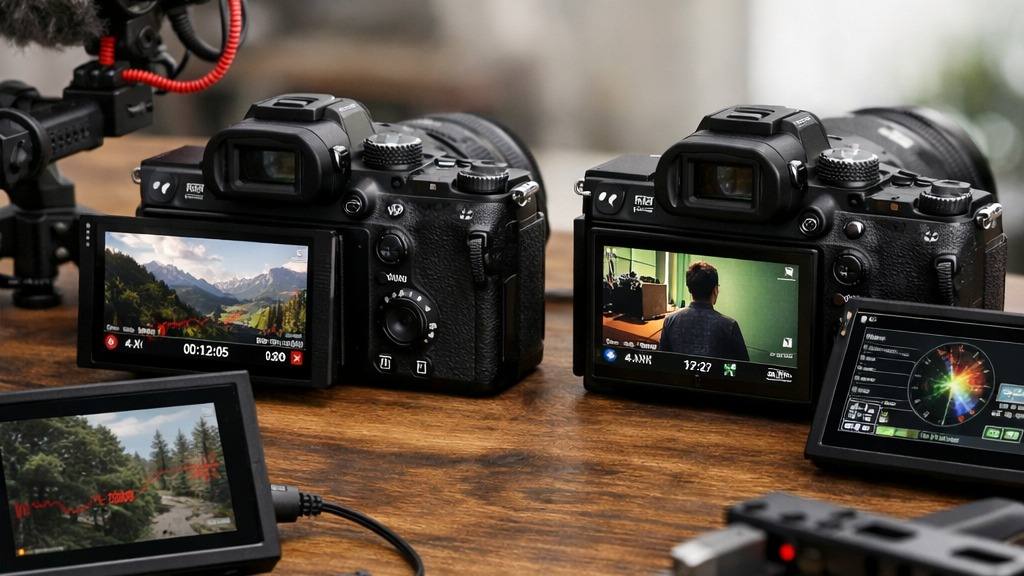
The a7 III records good-looking 4K up to 30p, and for basic clips, family video, simple YouTube, and occasional client B-roll, it still works. But it is an 8-bit camera, and that limits how hard you can grade footage.
The a7 IV is a much stronger video camera. It records 10-bit 4:2:2 internally, adds S-Cinetone, offers 4K 60p with a Super 35 crop, and gives you better menus and monitoring ergonomics. The full-size HDMI port is also a practical upgrade if you use an external monitor or recorder.
For video-first shooters, I would not buy the a7 III unless budget is the main constraint. For hybrid shooters, the a7 IV is clearly better.
Handling, screen, cards, and daily workflow
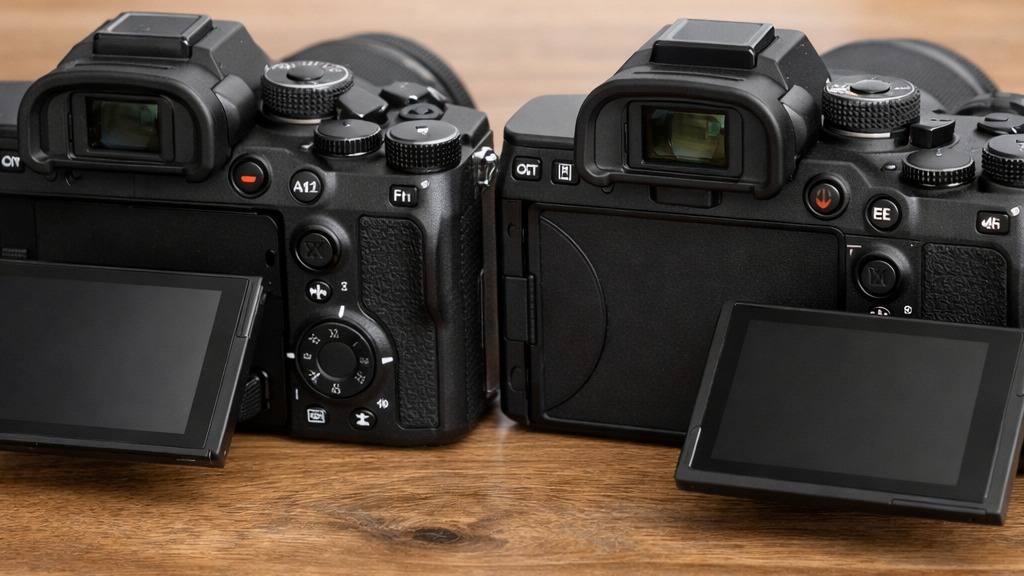
The a7 III is compact and familiar, but it belongs to an older Sony body generation. The grip is smaller, the menus are less pleasant, the rear screen only tilts, and the HDMI port is less robust. None of that ruins the camera, but it matters over long shoots.
The a7 IV feels more mature. The grip is better, the menu system is cleaner, the vari-angle screen is more useful, and the card setup supports faster workflows. If you shoot paid hybrid jobs, these handling details matter as much as resolution.
Battery life is one area where the a7 III keeps an advantage. Sony rates it higher for stills, and in real photography it can last a very long time. The a7 IV is still solid, but its stronger processing and screen system use more power.
Which one would I buy today?
If I were buying mainly for photography and watching budget carefully, I would buy the Sony a7 III and spend the savings on lenses. It is still a very capable full-frame camera, especially used or discounted.
If I were buying one body for photos, video, client work, content, travel, and future use, I would buy the Sony a7 IV. It is not just newer. It is better aligned with how photographers and creators actually work now.
Frequently asked questions
Is the Sony a7 IV worth upgrading to from the a7 III?
If you shoot serious video, need better tracking, want a fully articulating screen, or regularly crop stills, yes. If you mostly shoot stills and your a7 III still performs well, lenses may be a smarter upgrade.
Is the Sony a7 III still good in 2026?
Yes. The Sony a7 III is still a strong full-frame stills camera. Its biggest weaknesses are video depth, old menus, screen design, and modern subject tracking rather than core image quality.
Which camera is better for weddings?
For stills-first wedding photography, the a7 III is still very usable. For hybrid wedding coverage with serious video, the a7 IV is the better and safer choice.
Does the Sony a7 IV have better image quality than the a7 III?
The a7 IV gives more resolution and more cropping flexibility. High ISO noise is close, and the a7 III can still look excellent, but the a7 IV has the more flexible files overall.