
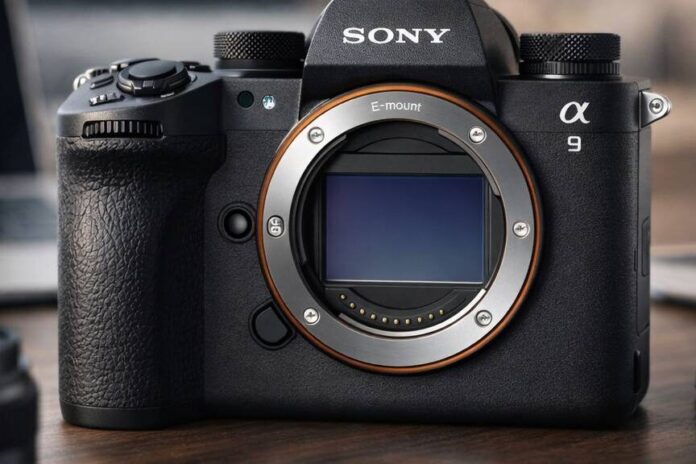
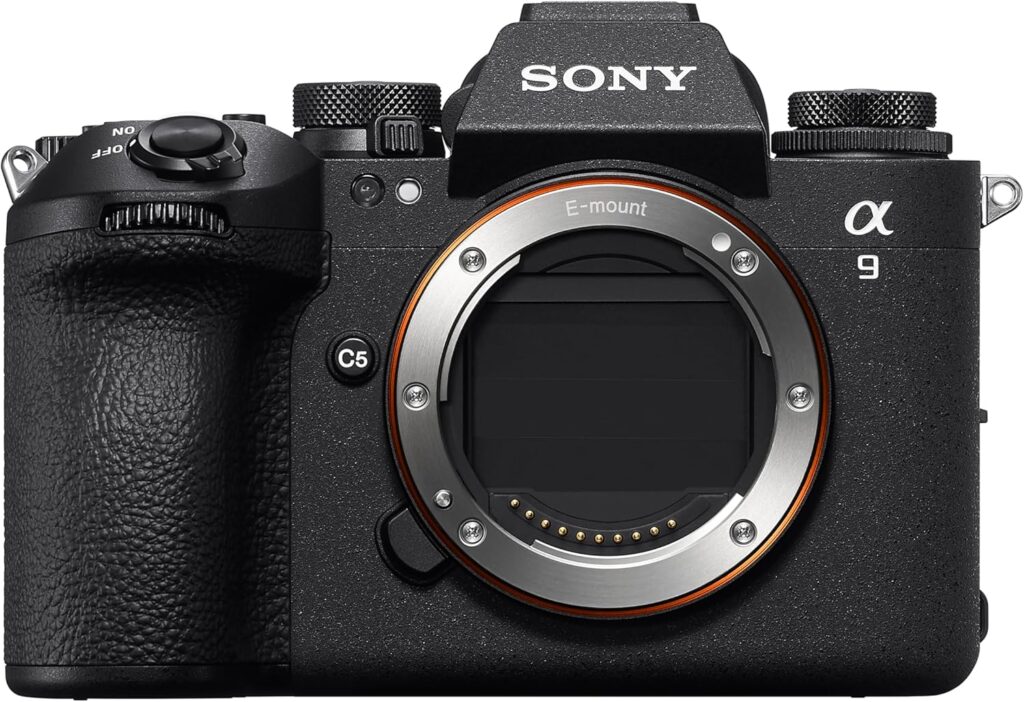
View full specs
This Sony A9 III review focuses on field use: speed, reliability, image quality, and whether the global shutter changes how you shoot.
After years covering action and events, this is the kind of camera that deserves a practical, experience-led breakdown rather than a spec-sheet summary.
Sony A9 III review verdict: what makes it different
Why the global shutter matters in real shooting
The first thing that sets the Sony A9 III apart is its use of a global shutter. This is a rare feature in full-frame cameras, especially at this level. Sony’s Alpha Universe launch notes say the sensor exposes and reads every pixel at the same time. It does not scan the frame line by line.
That matters because most cameras use a rolling shutter. With fast subjects or quick pans, that readout can bend vertical lines, distort equipment, or create banding under artificial light. With the global shutter in the A9 III, you get images free from skew and banding, even under tough lighting conditions.
If the A9 III’s speed-first approach sounds ideal, also think about resolution, wildlife reach, and broader hybrid use. Our Sony Alpha camera comparison maps the A7, A9, and A1 lines, while the Sony A1 II review shows where Sony’s other flagship body may fit better.
If you are building a system around this body, lens choice matters as much as the camera. The best Sony a9 III lenses guide covers the sports, wildlife, and event glass that makes the most sense for this body.
For me, shooting sports and events, this means no more weirdly bent tennis rackets or warped drumsticks. The global shutter allows me to confidently capture fast action without worrying about image artifacts. It also eliminates flicker from LED lighting, which is common in arenas and stadiums. This saves time in post-processing and increases the keeper rate, which is something working photographers will notice right away.
The global shutter also enables the A9 III to shoot at up to 120 frames per second. That kind of speed was unimaginable in a full-frame camera just a few years ago. It is not just about the numbers, though. The real benefit is knowing that every frame is distortion-free, making it easier to deliver professional results no matter the situation.
Who this camera is really built for
The Sony A9 III is not aimed at every photographer. Its unique features are designed for those who need speed and reliability over absolute resolution. If you shoot fast-paced sports, wildlife, or critical moments at events, this camera makes sense. The blackout-free shooting and flawless subject tracking mean you can stay locked on your subject without missing a beat.
For photojournalists or those covering breaking news, the ability to shoot silently, at high speed, and without flicker is a huge advantage. The global shutter, combined with Sony’s autofocus system, means you can work in environments that would challenge most cameras.
On the other hand, this is not the best fit for every genre. If your work is mostly landscapes or studio portraits, the 24.6-megapixel sensor may feel limiting beside high-resolution models like the Sony A1 or A7R series.
In short, the A9 III is built for working photographers who need to trust their gear in unpredictable, high-pressure situations. If that describes your workflow, this camera brings a level of reliability and flexibility that stands out in the market.
Design, handling, and day-to-day usability
Grip, controls, and viewfinder experience
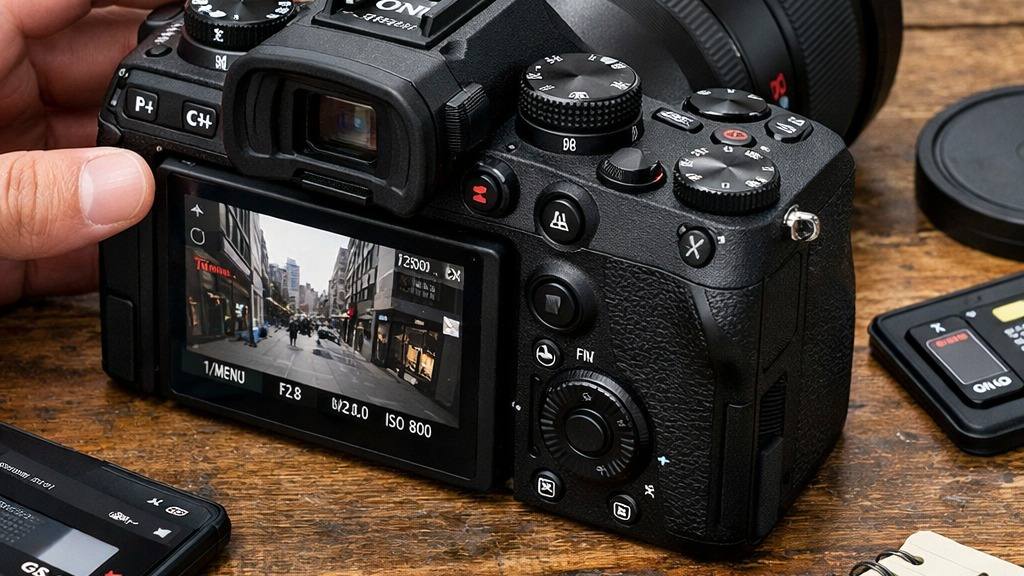
Coming from earlier Sony bodies, the A9 III feels familiar but improved in subtle ways. The grip is deeper and more comfortable, especially for extended shooting. Even with a big telephoto lens, the camera balances well and feels secure in the hand. The button layout is logical, with most controls easily accessible without taking your eye from the viewfinder. The new AF-ON button and joystick are more responsive, which makes a difference during high-speed sequences.
The electronic viewfinder is bright and clear, with a fast refresh rate that keeps up with the camera’s shooting speed. There’s no blackout, even at the highest frame rates. For action and event work, this gives real confidence that you are capturing the key moment. The fully articulating rear screen is handy for low or high-angle shots and feels solid enough for daily use.
Build quality is what you expect from a pro-level Sony. The magnesium alloy chassis is weather-sealed to withstand rain, dust, and the bumps of travel. I have used it in outdoor environments and crowded events without worry. The camera feels robust but not overly heavy, making it easy to carry all day. The menus have improved, with more logical organization and customizable shortcuts that speed up real-world use. These small changes add up, making the Sony A9 III a camera you can rely on during long assignments.
Autofocus and burst performance in the field
Subject tracking for sports, wildlife, and events
The autofocus system in the Sony A9 III is one of its strongest features. Powered by Sony’s latest AI-driven subject recognition, it locks onto subjects quickly and sticks to them, even when they move unpredictably.
For sports photographers, that reliability matters. You can track a sprinter or a bird in flight and expect the focus to stay sharp across a burst of images. If wildlife is the main use case, compare this speed-first body with the alternatives in our best camera for wildlife photography guide.
In my experience, the subject tracking handles erratic movement well. That includes a football player dodging tackles or a dancer spinning under stage lights. The Eye AF works for both humans and animals, making it versatile for wildlife and event shooters. I found the hit rate for sharp, well-focused frames consistently high, even in challenging conditions.
Burst shooting is where the A9 III truly shines. It can shoot up to 120 frames per second with full autofocus and auto exposure. This level of speed allows you to capture micro-expressions, peak action, and fleeting moments that would be almost impossible with slower cameras. Even at these speeds, the buffer is generous, and the camera rarely slows down. For news, sports, and wildlife, this kind of performance is not just impressive, it is genuinely useful.
Image quality, dynamic range, and low-light results
How files hold up for editing and delivery
The Sony A9 III uses a 24.6-megapixel stacked full-frame sensor. While this may seem modest compared to some high-resolution models, the sensor is optimized for speed and clean files. In real-world use, the files are crisp, with accurate colors and good contrast. The dynamic range is solid, allowing recovery of highlights and shadows without introducing much noise.
For action and event work, the image quality is more than enough for editorial, web, and even large prints. The files hold up well during editing, with enough latitude to push exposure or correct white balance. High ISO performance is impressive, with clean results up to ISO 12,800. Noise is well-controlled, and the global shutter means you avoid banding, which can sometimes appear in difficult lighting with other fast cameras.
The color science is consistent with recent Sony models, and skin tones look natural in both daylight and artificial light. If you often shoot in low light, such as indoor sports or concerts, the A9 III delivers reliable, usable images with minimal post-processing needed. The global shutter does not negatively impact image quality, which is a relief after some concerns around early global shutter technology. Overall, the files are professional-grade and easy to work with, meeting the needs of demanding clients and publications.
Video features and hybrid shooting value
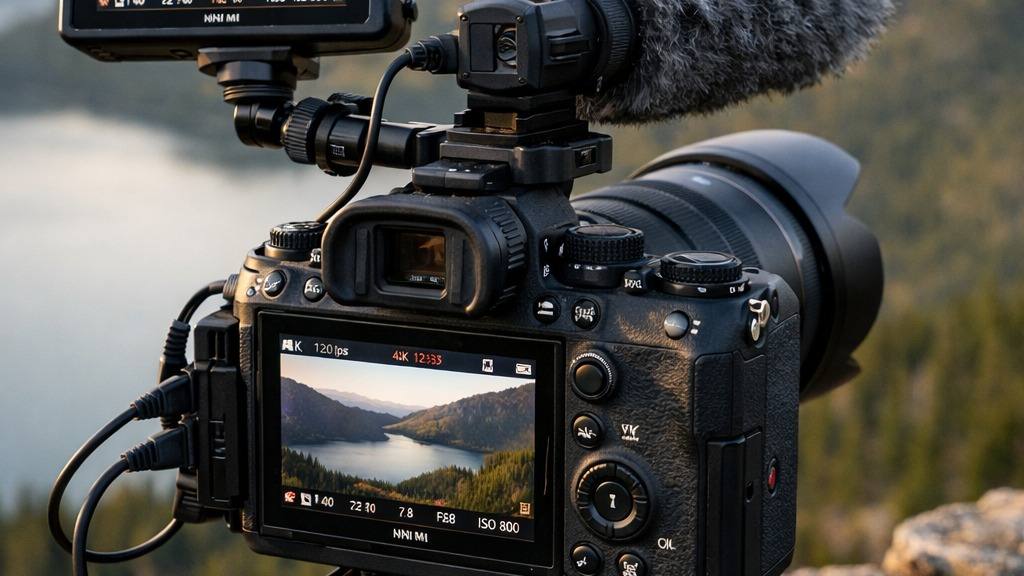
If you are considering the Sony A9 III for video, you are likely wondering how the global shutter and autofocus system translate to moving images. The Sony A9 III video capabilities are not just an afterthought.
The camera is clearly aimed at still photographers who need speed. Even so, it is also a capable tool for hybrid shooters who need both high-quality stills and video on the same assignment.
The A9 III can shoot 4K at up to 120p, oversampled from a 6K readout without crop. That gives you crisp detail and smooth motion for slow-motion sports or standard frame-rate interviews.
Color depth is 10-bit 4:2:2, which gives enough flexibility for color grading in post. The image also holds up well in mixed lighting. S-Cinetone is available too, which many Sony shooters like for a finished look straight out of the camera.
One major benefit of the global shutter for video is the elimination of rolling shutter artifacts. If you have filmed fast pans, moving vehicles, or flickering stadium lights, you will appreciate how the A9 III keeps vertical lines straight and exposure consistent in every frame. For sports, press events, and fast-moving subjects, this gives your footage a polish that is hard to achieve with traditional rolling shutter cameras.
When it comes to Sony A9 III video autofocus, the camera inherits the same real-time tracking and subject recognition as for stills. In practice, I found the autofocus sticky and accurate, even with erratic subjects or low-contrast scenes.
Eye detection for both humans and animals works well in video mode. That lets you focus on composition and timing instead of constant manual focus pulls. You can also adjust transition speed and subject shift sensitivity, which is useful for documentary and event work.
There are, however, a few limitations for dedicated filmmakers. The A9 III does not offer all the advanced video assist tools or codec options of the Sony A1 or the FX series. There is no internal RAW video recording, and you will not find waveform monitors or anamorphic de-squeeze options. For most hybrid shooters, though, these are not deal-breakers. If you are shooting for web, broadcast, or social media, the quality and reliability are more than enough.
Overall, the A9 III is an excellent Sony A9 III hybrid camera for professionals who need to switch between stills and video quickly. It is not a cinema camera. For news, sports, and dynamic event coverage, though, its speed, autofocus, and global shutter advantages make it a practical choice.
Battery life, storage, and workflow considerations
Battery life is always a concern when you are shooting long events, tournaments, or multi-day assignments. The Sony A9 III battery life is rated for around 500 shots per charge with the rear LCD and a bit less with the viewfinder, but real-world performance is better.
In my experience, I routinely get over 1,200 shots per battery, especially when using burst mode, thanks to the efficient Bionz XR processor. For all-day coverage, I still recommend carrying at least one spare battery. Even so, you are less likely to be caught out than with earlier Sony models.
The camera uses the familiar NP-FZ100 battery, which has become a standard across Sony’s recent full-frame lineup. This is great for working photographers who already have spares from other bodies. Charging can be done via USB-C, which is convenient if you are traveling or need to recharge from a power bank between locations.
Storage is another area where the A9 III delivers flexibility. The dual memory card slots accept both CFexpress Type A and SD UHS-II cards. This gives you options depending on your needs and budget.
CFexpress Type A cards are faster, which matters for long bursts or high bitrate video. SD cards are more affordable and still plenty fast for most workflows. I like to set one slot for RAW and the other for JPEG or video, which keeps files organized and provides instant backup.
The Sony A9 III memory cards are hot-swappable, and you can choose overflow, backup, or separate format recording in the menu. This is critical for event photographers who need to hand off images quickly or keep a backup of every shot. The write speeds are fast enough that you very rarely have to wait for the buffer to clear, even after a full burst at 120 frames per second.
Workflow is a big part of the value proposition for professionals. The camera supports USB-C 3.2 for fast file transfers. You can also use wired or wireless FTP to deliver images straight to an editor or newsroom.
I have used the built-in Wi-Fi to send selects via my phone while still shooting, which is a huge advantage for time-critical assignments. Tethered shooting is supported via Sony’s Imaging Edge software, and the camera can also output clean HDMI for live streaming or external recording.
One workflow tip: The new global shutter sensor produces slightly larger RAW files than previous A9 models, especially when shooting uncompressed. Make sure your cards and computer can handle the extra data if you shoot high-volume events. For most assignments, the speed and reliability of the workflow more than compensate for the slight increase in file size.
In summary, battery and storage are not bottlenecks for the A9 III. The combination of familiar batteries, dual cards, and fast connectivity keeps you shooting and delivering efficiently, even under pressure.
Price, competition, and whether it is worth it
The Sony A9 III price positions it as a flagship tool, and at launch it is among the most expensive sports/action cameras available. This is not surprising, given the combination of global shutter technology, advanced autofocus, and pro-level build quality. The real question is whether those features justify the cost compared to rivals and other Sony options.
For professionals whose income depends on capturing the moment, the A9 III’s unique strengths can easily pay for themselves. No other camera in this class eliminates rolling shutter, banding, and flicker at this level of speed. If you shoot high-profile sports, news, or wildlife, missing a shot because of your gear can be much more expensive than the initial investment in a body that never misses a beat.
However, not every working photographer needs what the A9 III offers. If you shoot mostly portraits, landscapes, or controlled environments, the benefits of the global shutter and blackout-free burst may not be worth the premium. For those users, there are other models in the Sony lineup and from competitors that deliver excellent image quality and autofocus at a lower price.
Sony A9 III vs Sony A1 and Nikon Z9
Comparing the Sony A9 III vs Sony A1, the A1 offers higher resolution (50MP vs 24MP), more advanced video features, and greater flexibility for commercial work that demands large prints or heavy cropping. However, the A1 uses a stacked sensor, not a global shutter, so rolling shutter and banding can still appear in the toughest lighting or fastest action. The A9 III wins for pure speed and consistency, especially for sports and events.
Against the Sony A9 III vs Nikon Z9, the Nikon Z9 is an impressive all-rounder. It has a 45MP sensor, strong autofocus, and pro video features. It also offers blackout-free viewing and high burst rates, but it still uses a rolling shutter.
For most sports and wildlife shooters, the Z9 is a worthy competitor at a slightly lower price. However, if you shoot under LED lighting or need the absolute fastest response, the A9 III’s global shutter is a real differentiator.
Ultimately, the A9 III is a highly specialized tool. For those who need what it offers, there is nothing else quite like it. For everyone else, it may be overkill, especially with compact digital cameras making a comeback in 2026 for more casual and travel use.
Related comparison
If you are considering this body for serious action work, read our Sony a9 III vs Canon EOS R3 comparison. It is the more useful matchup if you are choosing between Sony’s global shutter approach and Canon’s integrated-grip pro body.
Sony a9 III / Alpha 9 III alternatives
The main alternatives to the Sony a9 III / Alpha 9 III are Sony Alpha 1 II, Nikon Z9, Nikon Z8, Canon EOS R3, Canon EOS R1. Compare autofocus, stabilization, video limits, lens choice and current price before deciding which camera fits you best.
Frequently asked questions
Is the Sony A9 III worth buying for sports photography?
Yes, if you shoot professional sports or any fast-paced action, the A9 III’s global shutter and blackout-free burst give you an edge no other full-frame camera currently matches. Its autofocus locks onto erratic subjects and delivers every frame in focus, which is invaluable for clients who expect results.
Does the global shutter affect image quality on the Sony A9 III?
The global shutter in the A9 III does not reduce image quality in practical use. You may notice slightly less dynamic range in extreme conditions compared to the Sony A1, but the difference is small and only relevant for the most demanding post-production work. For action, event, and news shooters, the benefits far outweigh any minor trade-offs.
How good is the Sony A9 III in low light?
The A9 III performs very well in low light, with clean files up to ISO 6400 and usable results beyond that. Autofocus remains reliable in dim conditions, and the global shutter avoids banding from artificial lights, which is a big advantage in stadiums or indoor arenas.
Is the Sony A9 III better than the Sony A1 for action work?
For pure action work, the A9 III is better thanks to its global shutter, faster burst, and greater reliability under flickering lights or with very fast subjects. The A1 is better for those who need higher resolution or more flexible video options. Your choice should depend on your main subject and how much you value speed over pixel count.
What is the short Sony A9 III review verdict?
It is a brilliant specialist camera for professionals who need global shutter speed, blackout-free shooting, and dependable autofocus. It is less compelling if you mainly need resolution, maximum dynamic range, or a lower-cost all-rounder.
Key takeaways for working photographers
- The Sony A9 III stands out because its global shutter solves rolling shutter issues in a way few cameras can match.
- Its biggest strengths are autofocus speed, blackout-free shooting, and consistency for fast-moving subjects.
- For most Lens & Shutter readers, it makes the most sense for sports, wildlife, and event photographers who need speed more than maximum resolution.
- The price is high, so its value depends on whether its unique performance advantages fit your real shooting workflow.
Professional sports, action, wildlife, events, flash-heavy work, and assignments where global shutter solves a real problem.
You need high resolution, maximum dynamic range at base ISO, or a more general-purpose full-frame body for less money.
Very high; the camera is expensive, specialized, and rewards deep AF, burst, flash, and workflow knowledge.
Stay in Sony E-mount with fast FE glass; compare the Alpha 1 II if you need more resolution and a broader flagship body.
Excellent for distortion-free action video, but not as cinema-focused as FX bodies and still built around a stills-first pro sports mission.
Yes for photographers who genuinely need global shutter speed; unnecessary for most general photography.