

View full specs
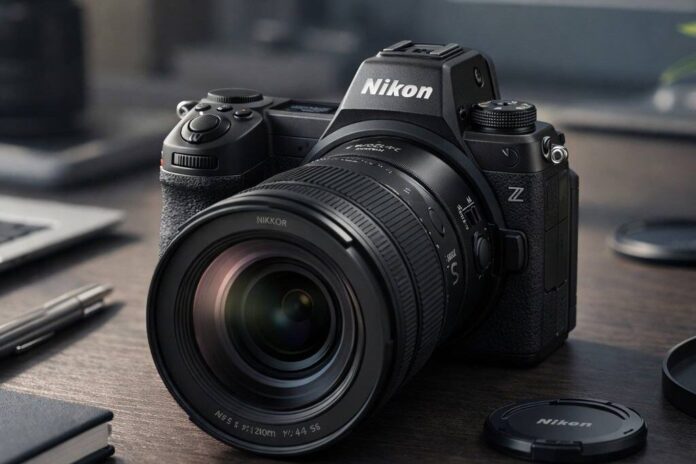
This Nikon Z6 III review is really about speed. Not sports-camera speed in the huge-body, flagship-price sense. I mean the kind of speed that makes a camera feel ready for almost anything: weddings, portraits, travel, documentary work, short films, family chaos, and bad light.
The Z6 III is not just a warmed-over Z6 II. Its 24.5MP partially-stacked full-frame sensor gives it faster readout, stronger video, better electronic-shutter behavior, and a much more confident shooting rhythm. If I were buying one Nikon body to cover both stills and video, this is the camera I would look at first. Our Nikon Z5II vs Z6III comparison explains when that speed is worth paying for. That is especially true if I did not want to pay Z8 money.
Who the Nikon Z6 III is really for
The Nikon Z6 III is for photographers who do not live inside one neat category. If you shoot portraits on Tuesday, an event on Friday, and family travel on Saturday, the Z6 III makes sense. Add a quick video project on Sunday and it still keeps up. It is fast enough to feel responsive and detailed enough for serious stills. It is also video-capable enough that Nikon no longer feels like it is playing catch-up.
Compared with the Nikon Zf, the Z6 III is less romantic and much more practical. The grip is deeper, the body balances better with professional zooms, and the control layout is more direct under pressure. Compared with the Nikon Z8, it gives up resolution, stacked-sensor speed, and some pro-body authority. In return, it is lighter, cheaper, and easier to carry all day.
I would not buy the Z6 III mainly for massive landscape prints or dedicated pro sports. A Z7-series body, Z8, or Z9 still makes more sense there. For the working photographer or serious enthusiast who wants one body that rarely feels out of its depth, the Z6 III is one of Nikon’s strongest all-rounders.
Design, handling, and shooting feel
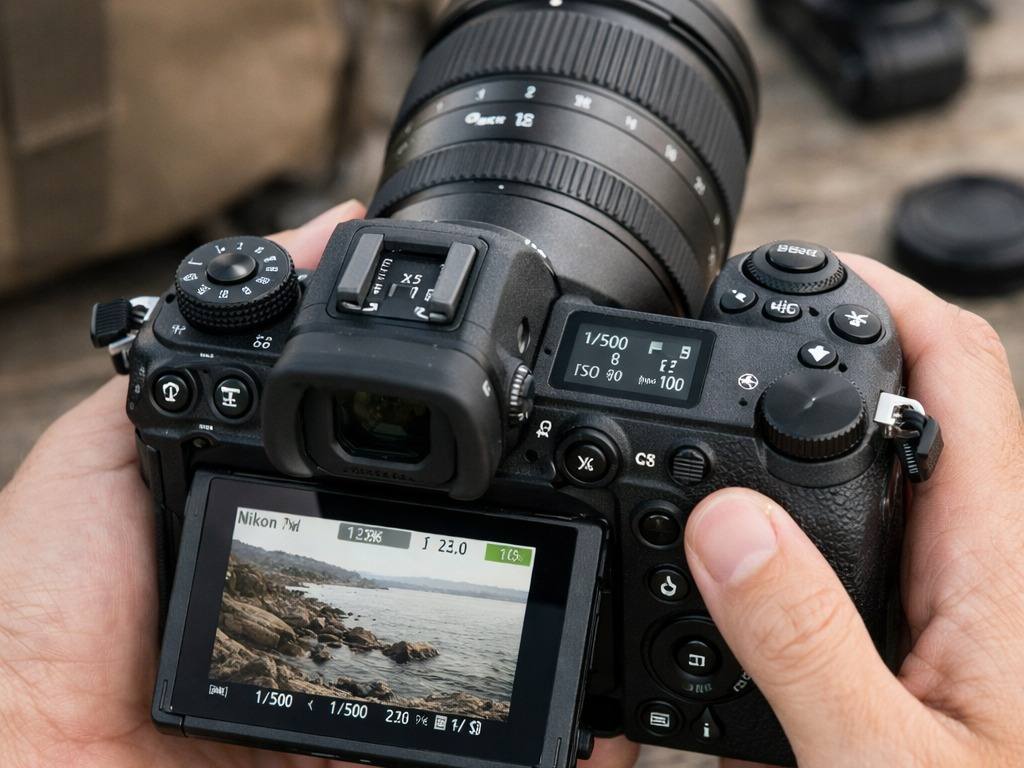
The Z6 III feels like Nikon listened to photographers who liked the Z6 line but wanted it to react faster. The grip is excellent, the body feels solid, and the controls fall into place quickly if you already know Nikon. It is not tiny, but it is the right size for a full-frame hybrid body. It is large enough to hold securely and small enough to travel with.
The biggest handling difference from the Zf is confidence with heavier lenses. A 24-70mm f/2.8, 70-180mm f/2.8, or 24-120mm f/4 feels at home here. That matters. A camera can have perfect specs on paper, but if your hand is tired after an hour, you will not enjoy using it.
The EVF is one of the quiet luxuries of the camera. Nikon gives the Z6 III a 5.76M-dot OLED finder with very high brightness, wide color gamut, and 0.8x magnification. In practical terms, it looks clean outdoors, tracks movement well, and does not feel like a compromised midrange finder. Once you get used to a viewfinder this good, older EVFs feel flat.
The 3.2-inch vari-angle touchscreen is useful for video, vertical shooting, low angles, and self-recording. Some stills-only photographers prefer a tilting screen, and I understand that. For the Z6 III’s hybrid mission, though, the fully articulating design is the right call.
Autofocus and burst performance
Autofocus is one of the strongest reasons to move to the Z6 III from older Z6 bodies. Nikon’s EXPEED 7 processing brings subject detection for nine subject types, 3D tracking, and much better behavior with unpredictable movement. This is the difference between a camera that has good specs and a camera you trust when the scene gets messy.
For people, weddings, family sessions, and documentary work, the Z6 III is genuinely reassuring. Eye detection grabs quickly, and 3D tracking makes recomposing easier. The camera also holds subjects better than the Z6 II when light drops or movement becomes uneven. It is not magic, and it still depends on lens choice. Even so, the keeper rate is clearly higher than Nikon’s earlier midrange mirrorless bodies.
Burst shooting is strong without pretending to be a flagship. Nikon rates it at about 14 fps in continuous high-speed extended mode, or about 20 fps with the electronic shutter. The high-speed capture modes go much further for JPEG shooting, including Pre-Release Capture. That is useful for moments where the action happens just before your reflexes catch up.
The partially-stacked sensor helps here. It does not make the Z6 III a full Z8 replacement, but it reduces the rolling-shutter concern compared with older non-stacked designs. For dance, casual sports, kids, events, and wildlife at a hobbyist level, the camera feels quick and composed.
Image quality and the partially-stacked sensor
The Nikon Z6 III uses a 24.5MP partially-stacked full-frame CMOS sensor. That phrase matters. The sensor is built for faster readout, which unlocks much of the camera’s speed and video capability. The tradeoff is that some lab tests have shown a little less base-ISO dynamic range than the older Z6 II. In real photography, I would not overdramatize that difference.
The files are still very good. Skin tones look natural, Nikon color remains calm and editable, and the RAW files tolerate normal professional correction well. I would be comfortable using the Z6 III for portraits, weddings, documentary projects, and travel work without feeling that 24MP is holding me back.
High ISO performance is also strong. ISO 3200 and 6400 are routine for event work, and ISO 12,800 is usable when the image has a real moment behind it. The grain is manageable, and Nikon’s color does not collapse quickly in mixed light. That is more important to me than staring at clean gray test charts.
The 8-stop in-body stabilization rating also makes a real difference for still subjects. It will not freeze a moving subject, but it gives you more room with slow shutters, adapted lenses, and unstabilized primes. For travel and documentary work, that often means the difference between taking the shot and packing the camera away.
The partially-stacked sensor tradeoff
The Z6 III’s partially-stacked sensor is the reason the camera feels so much faster than the older Z6 II. The viewfinder is more responsive, electronic shutter is more usable, video readout is stronger, and the camera feels like it finally belongs in Nikon’s modern action/hybrid line.
The tradeoff is that some lab-focused reviews have found the base-ISO dynamic range is not quite as clean as the older Z6 II, Zf, or original Z6. In real photography, I would not overstate this. At normal ISOs and in most paid or enthusiast work, the Z6 III files look excellent. But if your main job is tripod landscapes at base ISO with heavy shadow recovery, the tradeoff is worth knowing before you buy.
Video features and hybrid workflow
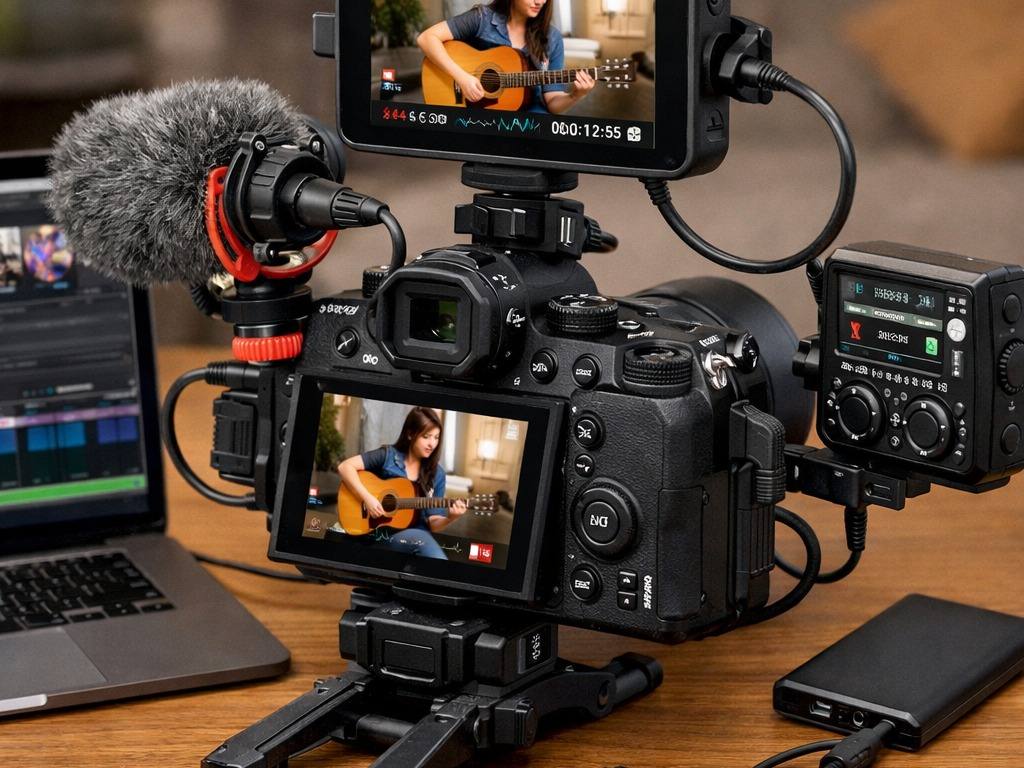
Video is where the Z6 III stops feeling like a cautious midrange camera. Nikon gives it internal RAW video up to 6K/60p, ProRes RAW HQ, ProRes 422 HQ, H.265, and H.264. It also shoots 4K up to 120p and Full HD up to 240p. The official Nikon Z6 III specifications lay out the recording modes, and the list is unusually serious for this class. If video is the first priority, our Nikon ZR review explains what RED color, a larger monitor, and a cinema-style body add—and what photographers lose. Our Nikon ZR vs Z6 III comparison covers the workflow costs and handling tradeoffs directly.
For a photographer who also shoots video, the practical win is flexibility. You can shoot simple 10-bit files when the job needs speed, or heavier RAW/ProRes options when the project deserves more grading room. Waveform, zebras, focus peaking, timecode support, and a red REC frame all help. So do headphone monitoring, mic input, line input, and full-size HDMI. The camera does not feel like a stills body pretending to do video.
4K/120p is cropped, so wide-angle video shooters need to plan around that. Heat, media cost, and editing workflow also matter once you start using the heavier codecs. The Z6 III can do serious video work, but serious video still brings serious storage and post-production demands.
For interviews, event clips, documentary b-roll, travel films, and hybrid wedding coverage, I would trust this body. It is not a cinema camera, but it is one of Nikon’s most convincing photographer-led video cameras.
Battery, cards, and everyday practicality
The Z6 III uses the familiar EN-EL15c battery. In real use, I would plan on carrying spares for long event days, especially if you use the EVF heavily or record video. USB-C charging and power delivery help, and the optional MB-N14 battery grip is there for people who want longer runtime and better vertical handling.
The card setup is exactly what I want in this class: one CFexpress Type B/XQD slot and one SD UHS-II slot. Use CFexpress for RAW video, fast bursts, and heavy work. Use SD for backup, JPEG overflow, or lighter stills jobs. This is more flexible than dual SD, and much more reassuring than a single slot.
Weather resistance and cold-weather durability are also stronger than the midrange label suggests. Nikon rates the body for operation down to -10°C/14°F and describes its robustness as equivalent to the Z8. I would still protect it from a downpour, but I would not baby it during normal rain, dust, or winter shooting.
Lenses and system fit
The Nikon Z system is now mature enough that the Z6 III no longer feels like a bet on future lenses. The 24-120mm f/4 S is probably the most sensible everyday partner. The 24-70mm f/2.8 S is the professional event choice. The 50mm f/1.8 S and 85mm f/1.8 S are excellent portrait lenses, and the compact 40mm f/2 keeps the kit friendly for travel.
If you are building around this body, our best Nikon Z lenses guide is the logical next step. The short version is simple: the Z6 III is good enough that cheap glass becomes the limiting factor quickly. You do not need only expensive S-line lenses, but the body rewards lenses with good autofocus motors and strong wide-open performance.
F-mount lenses still work through the FTZ II adapter, especially for stills. I would not build a fresh Z6 III kit around adapted DSLR lenses unless I already owned them. For Nikon users moving from a DSLR bag, though, the transition is much less painful than switching brands.
Nikon Z6 III vs Zf, Z8, Sony A7 IV, and Canon R6 Mark II
If your budget points toward used Nikon full-frame bodies instead, the original Nikon Z6 review and our Nikon Z5 vs Z6 comparison are the more relevant reads. Those pages are about value and used-market tradeoffs; this Z6 III review is about the current fast hybrid body.
The Zf is the character camera. The Z6 III is the working camera. I love the Zf for personal shooting. If I had to cover a paid event with heavier lenses and a mix of stills and video, I would take the Z6 III.
The Z8 is still the serious upgrade. It gives you 45.7MP files, a fully stacked sensor, more pro-body authority, and a stronger action/video ceiling. The Z6 III is the better value if you do not need that resolution or flagship speed.
Against the Sony A7 IV, the Nikon feels newer in video and finder experience. Sony still has a huge lens ecosystem and excellent autofocus depth. The Z6 III now competes more directly than the Z6 II ever did. Against the Canon R6 Mark II, the Nikon gives you stronger internal RAW/video options and a very good EVF. Canon remains excellent for autofocus ease and RF handling, but lens cost can be a sticking point.
A note on the no-wireless Z6 III variant
There is also a no-wireless version of the Z6 III in some markets. I would ignore it unless you work in an environment where Wi-Fi and Bluetooth are not allowed for security reasons. For almost everyone else, the regular Z6 III is the better buy. You can always disable wireless features, but you cannot add them back to a body that lacks the hardware.
This matters because Nikon’s phone app, GPS tagging, wireless transfer, and some firmware/update conveniences are part of the modern workflow. Paying more for less only makes sense for a very specific professional requirement.
Final verdict
My Nikon Z6 III review verdict is that this is the Nikon body many hybrid shooters wanted the Z6 II to become. It is fast, comfortable, serious about video, and still very strong for photography. It does not have the romance of the Zf or the brute power of the Z8. It may still be the most sensible Nikon full-frame body for people who shoot a bit of everything.
The compromises are real. Twenty-four megapixels will not satisfy everyone. 4K/120p is cropped, heavy video modes demand fast cards, and dynamic range obsessives may prefer slower-readout sensors at base ISO. But those tradeoffs buy you speed, versatility, and a body that feels ready when the work changes.
If you are a Nikon shooter looking for one camera to handle portraits, events, travel, family, and serious hybrid work, the Z6 III is easy to recommend. If you mostly shoot slow landscapes or dedicated wildlife, look carefully at the Z7/Z8/Z9 side of the lineup before deciding.
Nikon Z6 III alternatives
The main alternatives to the Nikon Z6 III are Nikon Zf, Nikon Z8, Sony A7 IV, Canon EOS R6 Mark II, Panasonic S5 II/X. Compare autofocus, stabilization, video limits, lens choice and current price before deciding which camera fits you best.
Frequently asked questions
Is the Nikon Z6 III worth buying in 2026?
Yes, especially for hybrid shooters and photographers who need one full-frame body for many types of work. It is one of Nikon’s best-balanced cameras because it combines fast autofocus, strong video, good files, and comfortable handling.
Is the Nikon Z6 III better than the Nikon Z6 II?
For autofocus, video, EVF quality, electronic-shutter performance, and burst shooting, yes. The Z6 II can still be a good value used, but the Z6 III is a much more modern camera.
Is the Nikon Z6 III good for weddings?
Yes. The autofocus, low-light performance, dual card slots, strong video tools, and comfortable grip make it a very credible wedding body. I would pair it with fast Z primes or professional zooms and carry extra batteries.
What memory cards does the Nikon Z6 III use?
It uses one CFexpress Type B/XQD slot and one SD UHS-II slot. Use CFexpress for the heaviest video modes and fast bursts. SD is fine for lighter stills work, backup, or overflow.
Should I buy the Nikon Z6 III or Nikon Z8?
Buy the Z6 III if you want a lighter, cheaper hybrid body with excellent all-round performance. Buy the Z8 if you need 45.7MP files, a fully stacked sensor, more action capability, and a higher professional ceiling.
Hybrid Nikon shooters, weddings, events, portraits, travel, documentary work, and serious enthusiasts who want one flexible body.
You need 45MP+ files, flagship wildlife/sports speed, the smallest possible travel body, or a cheap entry into full frame.
Medium-high; friendly enough to learn, but the price, codecs, cards, and lens choices make it a serious system camera.
Nikon Z8 for resolution and full stacked-sensor speed, or Z9 for integrated-grip professional durability.
Very strong video, but cropped 4K/120p, fast-card needs, and heavy codecs require planning.
Yes. It is one of Nikon’s best all-round full-frame bodies if you value both stills and video.