

View full specs
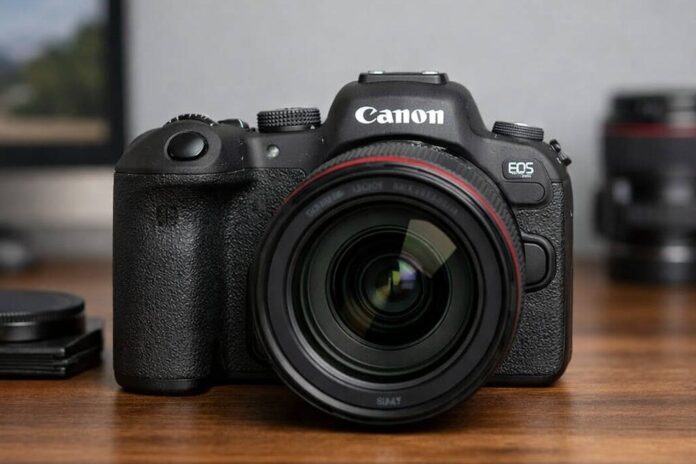
The Canon R6 Mark II is no longer the newest R6 body, and that changes the buying question in a useful way. This Canon R6 Mark II review is now mostly a value check, not a launch-era feature tour. After months of watching R6 Mark II prices sit against the newer R6 Mark III, my view is simple: the Mark II is still a superb camera, but only when the discount is large enough to leave real money for RF glass.
- Best for: weddings, events, portraits, wildlife, sports, and Canon RF shooters who want a serious hybrid body below the newest-generation price.
- Skip if: you need 32MP files, 7K/open-gate video, CFexpress recording, or the latest Canon R6 Mark III feature set.
- Price discipline: the R6 Mark II makes the most sense when it is clearly cheaper than the R6 Mark III; if prices are close, buy newer.
- One-lens starter kit: RF 24-105mm f/4L for serious general use, or RF 24-105mm f/4-7.1 if keeping the kit light and cheaper matters more.
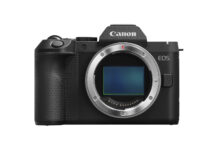
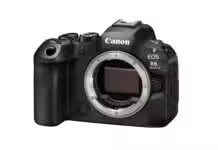
Canon’s official EOS R6 Mark II camera museum page confirms the core R6 Mark II positioning: a 24.2MP full-frame RF body with 12 fps mechanical shooting, 40 fps electronic shooting, advanced subject detection, and oversampled 4K/60p video.
Who the Canon R6 Mark II is really for
For a Canon R6 Mark II review in 2026, the buyer profile matters more than another spec list. When considering who should buy Canon R6 Mark II, it’s important to look past the spec sheet and think about real-world needs. This camera is aimed directly at photographers and hybrid shooters who demand reliability and versatility in unpredictable conditions. If you photograph events, weddings, wildlife, or even fast-paced family moments, the R6 Mark II offers a compelling blend of speed, low-light performance, and robust autofocus. It’s not purely a pro tool, but it is definitely designed for advanced enthusiasts and working professionals who need more than entry-level performance.
That balance is exactly why many buyers end up comparing it with Canon’s next step up in the lineup. If your priorities lean more toward extra headroom for demanding wildlife, travel, or video work, this Canon R5 Mark II review helps clarify where the differences matter most in everyday shooting.
For those who remember the original R6, the Mark II builds on that well-loved foundation, but with refinements that favor people working in the field. The 24-megapixel sensor hits a sweet spot: enough resolution for detailed prints and cropping, but not so much that file sizes become cumbersome. This is critical for wedding photographers, sports shooters, and documentary storytellers who shoot thousands of images in a day. If you need a camera that can handle both stills and high-quality video, the R6 Mark II is positioned as a true all-rounder. That makes it a strong choice for photographers who want one body to cover multiple genres without jumping to a higher-resolution R5-series camera.
However, if your work focuses on ultra-high-resolution studio portraits or you want a super-compact travel camera, there might be better options. Compact digital cameras are making a comeback in 2026, offering more pocketable choices for those who truly prioritize size. But for most photographers balancing quality, speed, and flexibility, the R6 Mark II hits a rare sweet spot.
Design, handling, and day to day shooting experience
Ergonomics, controls, and viewfinder feel
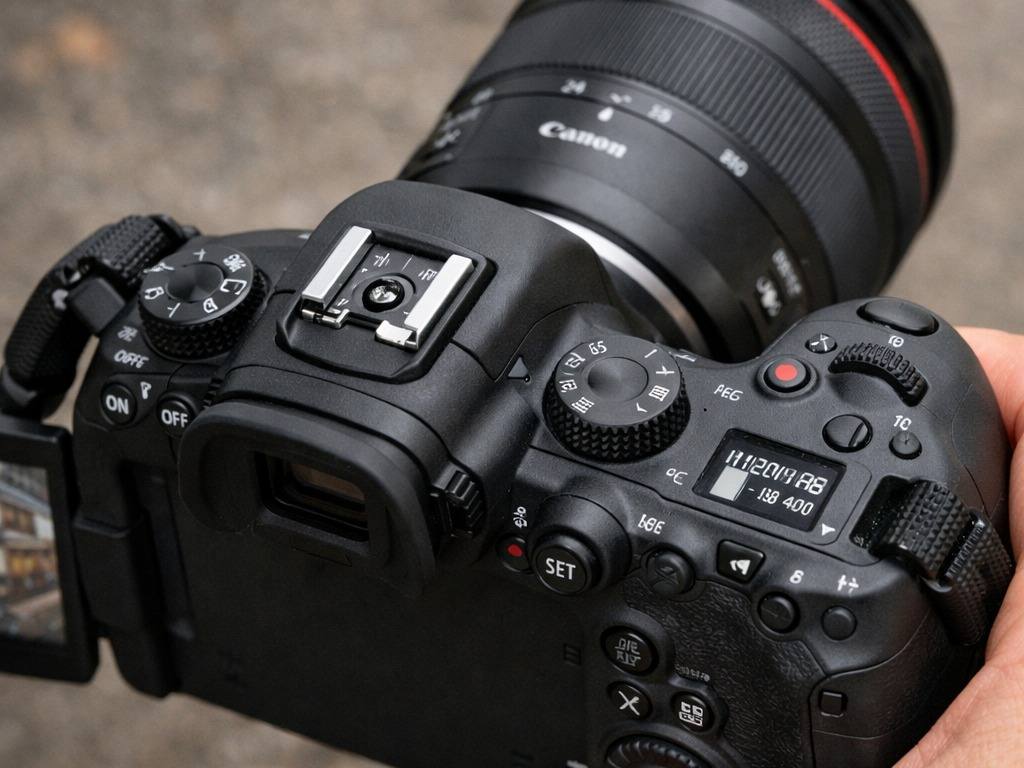
In my experience, Canon R6 Mark II handling is one of the reasons this body has aged so well. The grip is deep, the control layout is calm, and the camera settles nicely even with larger RF lenses. It does not feel like a spec experiment. It feels like a camera you can pick up at a wedding, a sideline, or a dim reception and operate from muscle memory after the first few minutes.
The EVF (electronic viewfinder) is bright, sharp, and responsive, with minimal lag. Colors look natural, and the blackout time during high-speed shooting is almost negligible. This is vital when tracking fast-moving subjects. Touchscreen operation is smooth and accurate, especially for quick menu navigation or selecting focus points on the fly. The fully articulating rear screen is a blessing for low-angle shots or video work, making it easy to compose creatively without contorting your body.
Day in and day out, the camera feels like a true workhorse. That is not marketing language; it is the boring, useful quality you notice after hours of shooting. The controls are well-placed for fast adjustments, and the overall build quality inspires confidence. While not as tank-like as Canon’s flagship bodies, the R6 Mark II is weather-sealed against dust and moisture, so you can shoot outside with less worry.
Battery life, card slots, and field reliability
One of the practical upgrades with the R6 Mark II is its improved battery life. In real-world shooting, I regularly get well over 500 shots per charge, even when using a mix of stills and video. This is a significant step up from early full-frame mirrorless models, where battery anxiety was a real concern. For full-day weddings or long wildlife outings, I still recommend carrying a spare, but the difference is noticeable.
The dual UHS-II card slots provide both speed and security. You can set them for instant backup, overflow, or RAW/JPEG separation. This flexibility is a huge plus for anyone who cannot afford to lose images due to card failure. In the field, the camera has proven reliable in various weather conditions, from humid forests to dusty event venues. The shutter mechanism is rated for heavy use, and the ports and rubber gaskets hold up well in actual shooting scenarios.
Overall, Canon R6 Mark II ergonomics and reliability match what working photographers expect. The camera is comfortable to use for hours at a stretch, and nothing feels flimsy or like a cost-cutting afterthought.
Image quality and low light performance
Dynamic range, color, and JPEG versus RAW files
Canon R6 Mark II image quality is, in a word, consistent. The 24-megapixel full-frame sensor delivers files that are sharp, detailed, and rich in color. Canon’s color science remains a key strength, producing lifelike skin tones and pleasant greens and blues straight out of camera. JPEGs look great with minimal tweaking, which is a real timesaver for event shooters or those who prefer to share images quickly without heavy editing.
Dynamic range is impressive for a sensor of this class. You can recover plenty of shadow detail in RAW files without introducing harsh noise, and highlight roll-off is gentle, important for high-contrast scenes. In real-world use, I’ve been able to push files a stop or two in post-processing before seeing unwanted artifacts. This flexibility is useful when shooting in tricky lighting, such as indoor receptions or early morning landscapes.
Low light performance is a standout. The R6 Mark II produces clean files up to ISO 6400 and remains highly usable even up to ISO 12800, with noise that is fine-grained rather than blotchy. This gives you the freedom to shoot handheld in low light and still deliver professional results. For photographers who often work in dim venues, churches, or at dusk, this is a clear advantage.
Autofocus, burst shooting, and subject tracking
How it performs for weddings, wildlife, and action
Canon R6 Mark II autofocus is one of the camera’s defining features. The Dual Pixel CMOS AF II system is fast, accurate, and exceptionally good at tracking moving subjects. Eye-detection works not only for people but also for animals and even vehicles, making it incredibly versatile. In my work at weddings, the camera locks onto a bride’s eye across a crowded dance floor, holding focus through unpredictable movements. For wildlife, it recognizes and follows birds in flight, even against busy backgrounds.
Burst shooting is another area where the R6 Mark II excels. It can shoot up to 40 frames per second with the electronic shutter, and 12 fps mechanically. This means you can catch fleeting moments, like a runner crossing the finish line or a child’s first steps, with confidence. Buffer performance is strong, especially when using fast UHS-II cards, so you can shoot long bursts without the camera slowing down.
In high-pressure environments, such as sports or documentary work, subject tracking is sticky and rarely loses focus once locked. The AF system adapts well to changing light and complex scenes. Canon has clearly tuned this camera for photographers who need dependable performance in the real world, not just in controlled studio tests.
In summary, the Canon R6 Mark II review shows that this camera is built for demanding shooters who expect fast, accurate autofocus and robust burst capabilities. Whether you photograph weddings, wildlife, or daily life, it keeps up with your vision and rarely misses a beat.
Video features and hybrid shooting workflow
4K quality, overheating, and practical recording limits
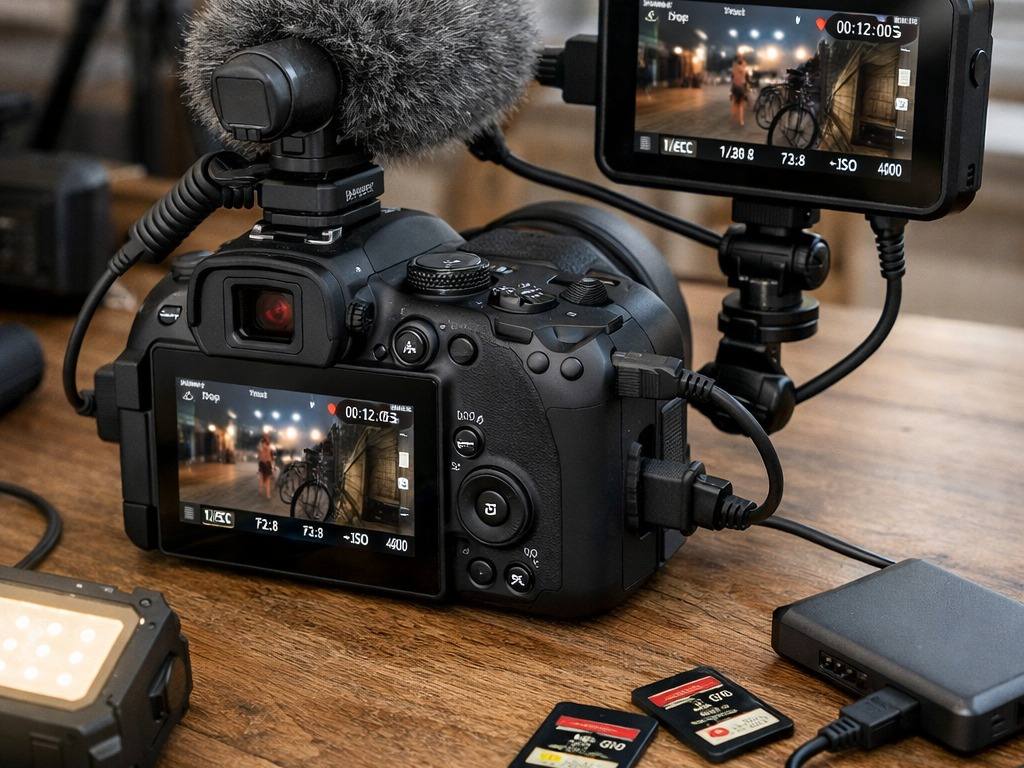
The Canon R6 Mark II video improvements address some of the original R6’s biggest frustrations. Hands-on, the difference is less about one flashy headline feature and more about trust: oversampled 4K up to 60p from the full sensor width, Canon Log 3, HDR PQ, and fewer moments where you feel the camera is asking you to work around it.
Heat management is also more confidence-inspiring than on the first R6. For typical hybrid work – short interviews, event clips, ceremony coverage, behind-the-scenes reels, and social deliverables – the R6 Mark II feels much less like a camera you have to baby between takes.
Video autofocus is one of its practical strengths. Subject tracking carries over well from stills, and the in-body stabilization helps handheld clips look calmer, especially with stabilized RF lenses. This is not a cinema body, but it is a very capable hybrid camera.
The limits are still worth naming. There is no internal RAW video, no 4K120p, no open-gate capture, and the micro-HDMI port is not ideal for heavy video rigs. For wedding, event, and creator work built around 4K delivery, though, the R6 Mark II remains very strong.
Lens pairing and system value on lensandshutter.com
The Canon R6 Mark II makes the most sense when you buy it as part of the RF system, not as an isolated body. With the right lens, it can be a wedding camera, event camera, portrait body, wildlife backup, or serious travel kit.
For one-lens professional use, the RF 24-105mm f/4L IS USM is the practical choice. The RF 28-70mm f/2L gives a more dramatic look but makes the kit much heavier and more expensive. Wildlife and sports shooters will naturally look at the RF 100-500mm f/4.5-7.1L, while portrait shooters can build around lenses like the RF 85mm f/2 Macro or higher-end RF 85mm L options.
If you already own EF glass, Canon’s EF-EOS R adapter keeps the transition painless. Adapted EF lenses are not as compact as native RF options, but autofocus and image quality remain strong enough that many working photographers can move to the R6 Mark II without replacing every lens at once.
The system cost is the main catch. RF L lenses are expensive, and that should shape the buying decision. A discounted R6 Mark II body only makes sense if the lens budget still leaves room for the glass you actually need.
How the R6 Mark III changes the R6 Mark II buying decision
The Canon R6 Mark III changes the context, but it does not make the R6 Mark II obsolete. The Mark III is the better camera if you need more resolution, stronger video headroom, open-gate/7K options, CFexpress workflow, and the latest Canon feature set. If video is the main job, our Canon EOS R6 V review explains the trade between active cooling and conventional photography controls. The Mark II is the smarter buy when the price gap is large enough and your work is mostly 24MP stills, 4K delivery, events, portraits, wildlife, or general hybrid production.
That price gap is the whole decision. If a clean R6 Mark II saves you several hundred dollars versus an R6 Mark III, it remains one of Canon’s most balanced full-frame bodies. If the gap shrinks, the newer camera deserves priority.
Canon R6 Mark II vs key alternatives
How it compares with the EOS R6, EOS R8, and Sony A7 IV
Against the original R6, the R6 Mark II gives you more resolution, faster burst shooting, better subject detection, and a cleaner hybrid-video experience. The original R6 is still attractive used, but the Mark II is the safer working body if action and video matter.
Against the Canon R8, the R6 Mark II is the more serious tool. The R8 is lighter and often better value for casual full-frame shooting, but it lacks IBIS, dual card slots, and the same level of body confidence for paid events.
Against the Sony A7 IV, the choice is more about system preference. Sony gives you 33MP files and a broader third-party lens ecosystem. Canon counters with faster burst rates, familiar RF ergonomics, and a body that feels especially strong for events, wildlife, and Canon users moving up.
The Canon R6 Mark II review verdict depends on price. If the Mark II sits well below the R6 Mark III, it remains a compelling all-rounder. If the gap is small, buy the newer body.
Final verdict and whether it is worth the price
After months of seeing where the R6 Mark II now sits in Canon’s lineup, I still consider it one of Canon’s most balanced full-frame bodies. That is why this Canon R6 Mark II review still comes out positive at the right price. Its autofocus, burst speed, low-light ability, IBIS, dual card slots, and 4K60p video make it a serious tool for weddings, events, portraits, wildlife, and hybrid work.
The value question is simple. My Canon R6 Mark II review conclusion is to avoid it close to R6 Mark III pricing. Buy it when the discount is large enough that you can put meaningful money toward RF lenses, batteries, cards, or lighting.
Is Canon R6 Mark II worth it? Yes, if you need more body confidence than the R8 and do not need the R6 Mark III’s newer 32.5MP sensor and video upgrades. I would not stretch for it just to own the nicer body, but I would happily choose it when the price leaves enough budget for the lenses that actually shape the final image.
Frequently asked questions
Is the Canon R6 Mark II still worth buying now that the R6 Mark III exists?
Yes, if the price is meaningfully lower. The R6 Mark III is the better camera, but the R6 Mark II still offers excellent autofocus, IBIS, dual UHS-II card slots, 24.2MP files, 40 fps electronic shooting, and strong 4K60p video.
Should I upgrade from the original Canon R6 to the R6 Mark II?
Yes if you shoot video, action, wildlife, or events and want better subject detection, faster electronic shooting, improved heat behavior, and a 24.2MP sensor. If you mostly shoot stills and your original R6 is working well, the upgrade is useful but not mandatory.
Is the Canon R6 Mark II good enough for professional wedding and event work?
Yes. Its autofocus, low-light performance, IBIS, dual card slots, and fast burst options make it a credible professional event body, especially for Canon RF shooters who do not need higher-resolution R5-series files.
How good is the Canon R6 Mark II for video compared with newer hybrid cameras?
It remains strong for oversampled 4K60p, Canon Log 3, reliable autofocus, and practical hybrid work. The main reasons to step up are internal RAW, open-gate capture, 4K120p, full-size HDMI, or a CFexpress-based workflow.
What are the best RF lenses to pair with the Canon R6 Mark II?
For general work, start with the RF 24-105mm f/4L. Portrait shooters should look at the RF 85mm f/2 or RF 85mm f/1.2L. Wildlife shooters should consider the RF 100-500mm. Lightweight travel kits work well with the RF 35mm f/1.8 Macro and RF 50mm f/1.8.
Key takeaways
- The Canon R6 Mark II is a strong all-rounder for photographers who shoot both stills and video.
- Its autofocus, burst speed, and low-light performance make it especially appealing for weddings, events, and wildlife.
- The camera makes the most sense when paired with the right RF lenses, so system cost matters as much as body price.
- For many users, the biggest question is not image quality but whether its feature set justifies the step up from cheaper alternatives.
Wedding, event, portrait, wildlife, sports, and hybrid Canon RF shooters who want pro handling below R6 Mark III pricing.
You need 32MP files, 7K/open-gate video, CFexpress speed, or the latest Canon autofocus refinements.
Medium; menus are approachable, but the body rewards users who understand AF cases, card setup, and RF lens tradeoffs.
R6 Mark III for more resolution and stronger video; R5 Mark II if high-resolution stills and pro video matter more.
Very strong 4K60 hybrid body, but no internal RAW, no 4K120, micro-HDMI, and no open-gate capture.
Yes, if the discount versus the R6 Mark III is meaningful and you value speed, IBIS, dual slots, and Canon RF ergonomics.