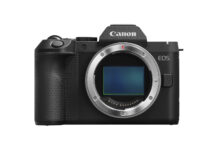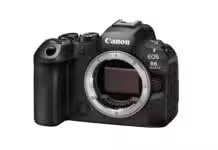

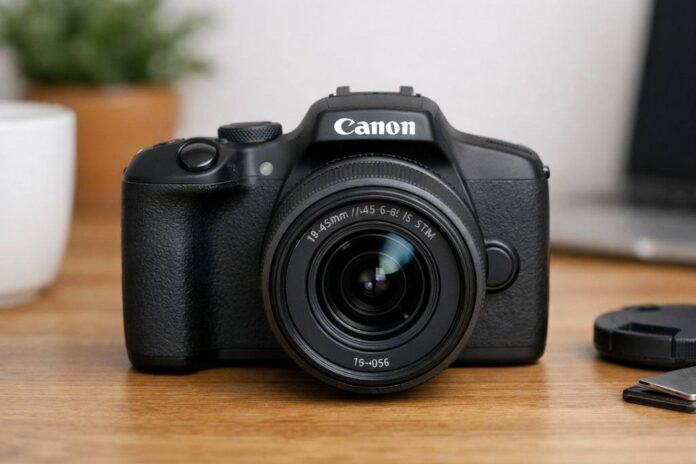

View full specs
In this Canon EOS R100 review, the useful question is not whether Canon made the most exciting beginner camera. It clearly did not try to. The useful question is whether the R100 still makes sense for a certain kind of buyer. My hands-on answer is yes, but only if you want a simple stills-first camera, value a viewfinder, and can buy it clearly below the Canon R50. If the gap is small, the R50 is the smarter camera almost every time.
Quick verdict: should you buy the Canon EOS R100?
The short answer: buy the EOS R100 when you want an uncomplicated first interchangeable-lens camera for photos, family use, travel, and everyday learning. Skip it if you expect it to be Canon’s best beginner camera, a clever vlogging buy, or a body you will grow with for years without compromise.
| Best for | Stills-first beginners, families, students, and first-time Canon buyers who want a viewfinder and straightforward controls. |
|---|---|
| Skip it if | You care much about self-filming, touchscreen control, subject tracking for action, or long-term value beyond the lowest entry point. |
| What makes it worth considering | Good image quality, pleasant Canon color, low weight, and a clear path into the RF mount without buying used. |
| Main dealbreaker | The fixed non-touch screen makes the camera feel older and more limited than most new beginner mirrorless bodies. |
| Smarter step-up | The Canon R50 review is the better next read if your budget can stretch and you want a camera that stays satisfying longer. |
If you want the short Canon EOS R100 specs list before reading further, the basics are straightforward: a 24.1MP APS-C sensor, Canon RF mount, Dual Pixel CMOS AF for stills and Full HD, a 3-inch fixed screen, and cropped 4K that switches to contrast-detect autofocus. You can verify those details in Canon’s EOS R100 specifications.
If you are deciding more broadly, the site’s best cameras for beginners guide answers the wider beginner question, while the budget mirrorless roundup compares the R100 against stronger all-around value picks.
Who the Canon EOS R100 is really for
A good Canon EOS R100 review has to start with restraint. This is not a camera to oversell; it is a simple stills-first body that only works when the price and expectations are right.
Why it works better as a cautious first camera than an exciting one
For this Canon EOS R100 review, the camera makes the most sense for buyers who are not yet sure how deep they want to go. It gives you the important pieces of a real camera experience: interchangeable lenses, RAW files, an electronic viewfinder, better subject separation than a phone, and enough manual control to learn properly. It also avoids feeling intimidating. That combination is exactly why some beginners will like it more than more capable cameras.
What it does not do is create much room above that starting point. The R100 is a camera you buy because you want to keep things simple, not because you want headroom. That is the core theme of this Canon EOS R100 review. Parents photographing children, travelers wanting nicer files than a phone can manage, and students taking a first step into photography are its clearest audience.
That framing matters because the R100 is easy to oversell. It is not the best beginner Canon. It is not the best budget mirrorless camera overall. It is a narrow answer to a narrow brief: “I want a new Canon mirrorless camera for photos, I do not want to spend R50 money, and I can live with an older-feeling interface.” For the right buyer, that still makes the Canon EOS R100 mirrorless camera a rational buy rather than a throwaway one.
If that does not sound like you, the camera gets less persuasive quickly. Buyers who already know they enjoy video, want touch control, or expect one body to carry them comfortably for several years should start with the R50 instead of trying to rationalize the lower rung.
Design, handling, and everyday shooting experience
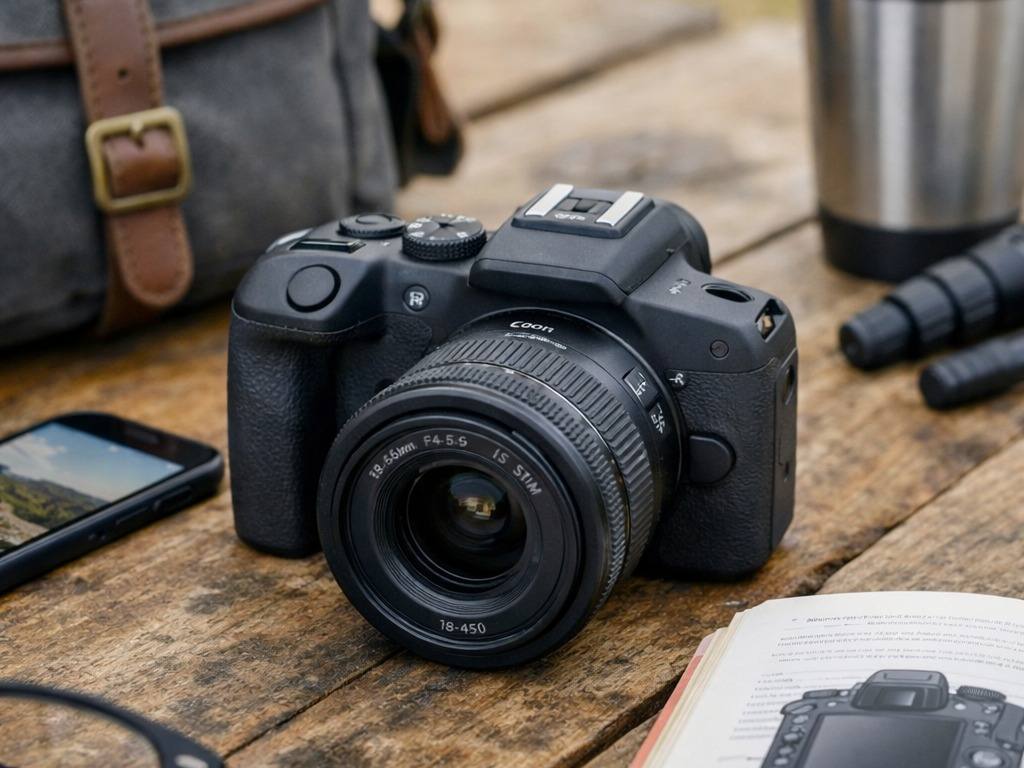
Small, light, sensible, and held back by the screen
The R100’s strongest physical advantage is obvious within minutes: it is light enough to carry without debate. In my experience, that matters more for beginners than reviewers like to admit. At about 356 grams with battery and card, it feels easy rather than flimsy. A beginner camera that stays at home loses to a better camera on paper every time.
The grip is modest but comfortable, the buttons are spaced sensibly, and the menu system is classic Canon: clear, calm, and rarely confusing. For family trips, school events, or casual weekend shooting, the body does a good job of getting out of the way. The viewfinder is also useful in bright sun, which remains one of the simplest reasons to choose a real camera over a phone.
The camera’s weak point is the rear screen, and it is not a small one. After using beginner bodies with proper touch and flip screens, the R100’s fixed non-touch display is the compromise you feel first. You lose fast tap-to-focus, easier menu navigation, more natural smartphone-style operation, and real comfort when shooting from awkward angles.
That single omission changes the tone of the whole product. The R100 does not feel broken. It feels older than it should. I can work around it because I already know what I want the camera to do, but a first-time buyer may feel that friction every day. If you expect the camera to feel fluid and intuitive from day one, it is the first sign that you should probably move up the lineup.
Image quality and low-light performance
Better than a phone in the ways beginners actually notice
For still photos, the EOS R100 justifies its existence. The 24.1MP APS-C sensor produces files that look properly photographic rather than merely sharper than a phone. You get more natural background blur, more flexibility in difficult light, and more pleasing tonal transitions in portraits and everyday scenes. Canon color also helps here. Skin tones and JPEG color are easy to like without much editing.
In daylight, the R100 is comfortably capable for family photography, travel scenes, pets, school events, and general learning. The files have enough detail for prints, enough malleability for casual RAW editing, and a look that feels more mature than the body price and control layout suggest. For many beginners, this will be the section that matters most, because the camera does not ask much from you to deliver a visible upgrade over a phone.
Low-light performance is respectable, but the kit lens is usually the limiting factor before the sensor is. Up to roughly ISO 3200, the results remain easy to live with for normal sharing and small-to-medium prints. Above that, noise builds and the files start looking flatter. That is normal at this level, but it means the camera rewards a future lens upgrade more than many first-time buyers expect.
The practical takeaway is simple: if your main goal is nicer everyday photos, the R100 holds up. If you are hoping the body alone will transform indoor sports, dim events, or demanding low-light shooting, you are buying the wrong camera and probably the wrong kit lens.
Autofocus, burst shooting, and speed
Fine for family moments, not convincing for action
The autofocus story is solid as long as you frame it honestly. For stills and Full HD video, Canon gives you Dual Pixel CMOS AF, and in normal use it does a good job with faces, casual portraits, travel scenes, and everyday movement. The camera feels dependable when subjects are not especially demanding, which is exactly the baseline a first-time buyer needs.
Speed is where the R100 starts to show why it sits below the R50 so clearly. Canon rates it at up to 6.5 fps, but that headline number is less useful than it sounds. Continuous shooting with focus tracking is much less exciting in practice, and the camera does not feel built for repeated action bursts. It can handle a child on a swing, a dog crossing the yard, or a few frames from a school performance. It is not the camera I would choose for sports, birds, or fast unpredictable movement.
The lack of a touchscreen hurts again here because moving focus points is slower and less natural than on the R50. Nothing about the autofocus is disastrous. It is simply not generous. The R100 keeps up when you work within its pace. The moment you expect the camera to help rescue difficult action, the gap to stronger bodies becomes obvious.
Video features and content creation value
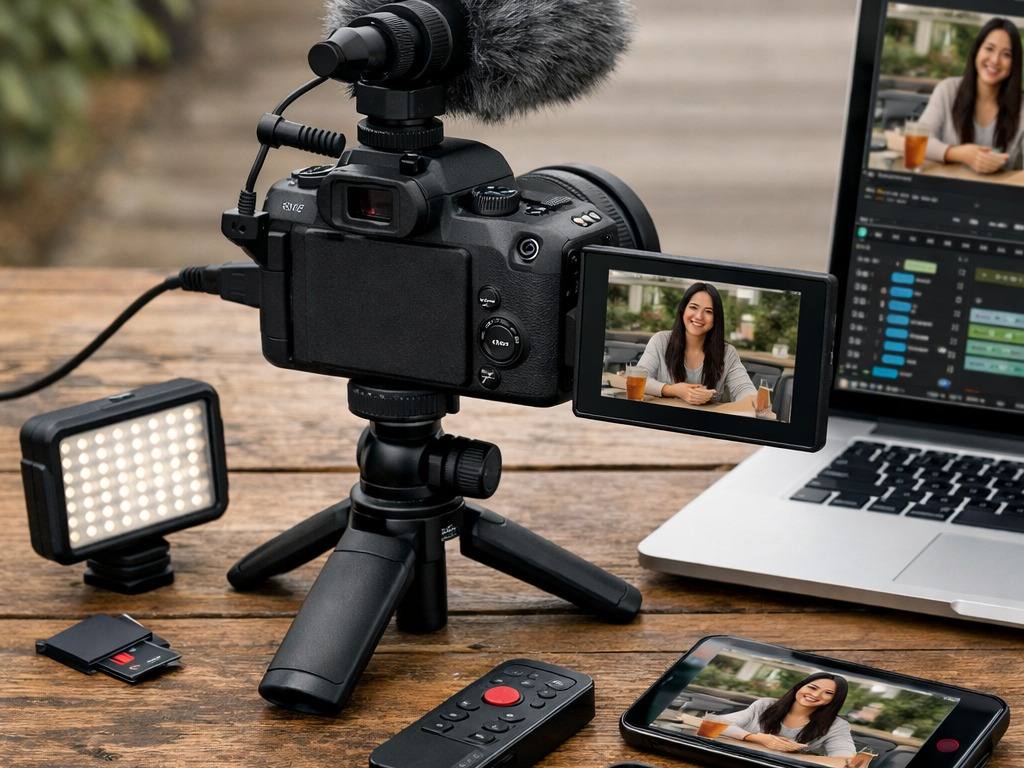
Usable for simple clips, but still a poor creator-first buy
This is where many beginner camera roundups lose discipline, because the R100 sounds more capable on paper than it feels in use. Yes, it records 4K. Yes, it has a 3.5 mm mic input, which is better than having no audio upgrade path at all. But in hands-on use, those facts do not turn it into a smart video-first recommendation.
The real limitation is how the pieces work together. In 4K, the camera uses a crop from the center of the sensor and switches to contrast-detect autofocus, which makes wide framing harder and focusing less reassuring than in stills or Full HD. The fixed non-touch screen also makes self-shooting awkward. There is no elegant way around that. Even with an external mic, the body still feels compromised for solo video use.
Where the R100 does make sense is simple documentary use: family clips, school projects, short tripod videos, product shots, occasional travel footage, and learning the basics. If that is the ceiling, it is serviceable. If creator use is the reason you are shopping, it is the wrong tool. The R50, Nikon Z30, and Sony ZV-E10-line cameras all make more coherent video buys.
Canon EOS R100 lenses and system growth on RF mount
The body is entry-level, but the system decisions still matter
One genuine strength of the R100 is that it uses Canon’s current RF mount. That gives the camera more long-term relevance than older Canon bargain bodies that now live in discontinued systems. The standard RF-S 18-45mm kit lens is compact, stabilized, and decent for daily shooting. It is not exciting, but it suits the body.
If you are specifically researching Canon EOS R100 lenses, start simple. The first upgrade that changes the camera most noticeably is the RF 50mm f/1.8 STM. It helps with portraits, indoor light, and subject separation in a way beginners can see immediately. The RF-S 55-210mm is the more practical second lens if you care about outdoor reach for travel details, parks, or kids’ daytime sports.
The caution is cost efficiency. Canon’s entry APS-C mirrorless lens path is improving, but it is still not the easiest place to build a low-cost system compared with Sony E or some used DSLR routes. That does not make the R100 a bad buy. It just means the body is only half the value discussion. If you know you will want several lenses quickly, Canon’s lowest-rung RF body does not automatically lead to the most economical ownership path.
Canon EOS R100 vs key alternatives
Where it fits among Canon options and broader value picks
The cleanest way to understand the EOS R100 is to define what it is not. It is not the best beginner camera overall. It is not the strongest Canon value overall. It is not the best creator camera near this price. It is a stripped-back Canon RF body that becomes sensible when the buyer’s needs are simple and the price gap to better cameras is meaningful.
Within Canon’s current beginner mirrorless range, the R50 is the more complete camera and the easier one to recommend broadly. The R100 only becomes the sensible choice when you want the simpler stills-first option and the savings are large enough to matter in real buying terms.
Against the used Canon M50, the choice is more interesting. The M50 belongs to a discontinued mount, which matters. But it is easier to enjoy in daily use because the interface is friendlier, the screen flips, and casual video feels less awkward. The R100 is the safer system choice. The M50 is often the more likable used camera.
Against broader value alternatives in the mirrorless value guide, the R100 is rarely the all-around winner. Sony, Nikon, and good used options often offer more flexibility or longer-lasting value. The R100 earns its place by being simple, current, and recognizable to buyers who specifically want a new Canon mirrorless camera without moving higher in the range.
Final verdict on value, pros, and compromises
The Canon EOS R100 is not an exceptional camera, and I would not pretend otherwise. This Canon EOS R100 review treats it as a careful compromise. That is why the verdict only lands positively when the buying context is right. If you want a lightweight stills-first camera, prefer Canon, value a viewfinder, and can buy the R100 meaningfully below the R50, it remains a reasonable entry point rather than a bad one.
What it cannot survive is inflated expectations. The fixed non-touch screen, modest action performance, and awkwarder video experience stop it from being a broad recommendation. Too many articles try to flatten those weaknesses into minor footnotes. They are not minor. They are the reason this camera belongs in a narrow lane.
So, is the Canon EOS R100 worth it? This Canon EOS R100 review lands on yes for the buyer who wants a simple photo-first Canon and understands exactly what they are giving up. I like it most when it is treated as a clean teaching camera, not as a bargain version of something more ambitious. For Canon’s best beginner experience, stronger long-term value, or creator-friendly video, start with the R50 or shop the used market more aggressively.
Frequently asked questions
Is the Canon EOS R100 good for beginners?
Yes, if the beginner is mainly focused on photos and wants a simple first camera with a viewfinder. It is not the best beginner camera overall, but it can still be a sensible first Canon when price matters.
Is the Canon EOS R100 a good camera?
Yes, within its lane. The Canon EOS R100 is a good camera for stills-first beginners who want better photos than a phone, a viewfinder, and a straightforward entry into Canon RF. It is a weak buy only when you expect strong video features or the R50 sits too close in price.
Is the Canon EOS R100 good for YouTube or vlogging?
Only in a limited way. It does have a mic input, but the fixed screen, cropped 4K, and contrast-detect autofocus in 4K make it a weak creator-first choice compared with better alternatives.
Does the Canon EOS R100 have a flip screen?
No. The EOS R100 has a fixed non-touch rear screen, not a flip screen or vari-angle display. That is one of the main reasons it feels dated and remains a weak choice for self-shooting or vlogging.
What is the best first lens upgrade for the Canon EOS R100?
For most people, the RF 50mm f/1.8 STM is the first upgrade that changes the camera most clearly. It gives you better portraits, stronger indoor results, and more obvious background blur than the kit zoom.
Key takeaways
- The Canon EOS R100 makes the most sense as a simple stills-first Canon RF entry point, not as Canon’s best beginner camera overall.
- Its image quality is good enough to satisfy most first-time photo buyers, especially in daylight and everyday family use.
- The fixed non-touch screen is the compromise you will feel most often, and it is the main reason the R50 is easier to recommend.
- The camera becomes reasonable when bought clearly below the R50, but much harder to defend when the price gap narrows.
Families, students, travel shooters, and stills-first beginners who want the cheapest sensible new Canon RF body.
You want a flip screen, touchscreen control, stronger creator features, or regular action shooting.
Low for stills, but the fixed non-touch screen makes it feel cheaper than the R50.
Canon R50 or R10 for better usability and speed; R8 or R6-series if you eventually go full frame.
Usable for casual clips, but cropped 4K, contrast-detect autofocus in 4K, and fixed-screen ergonomics limit creator appeal.
Yes, if the goal is cheap entry into Canon RF for still photography rather than broad hybrid use.