
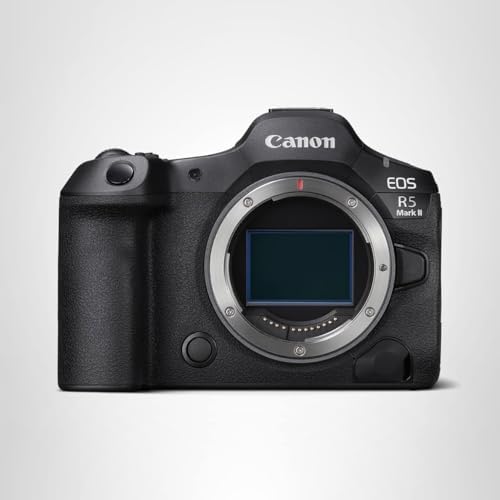
View full specs
Who the Canon R5 Mark II is really for
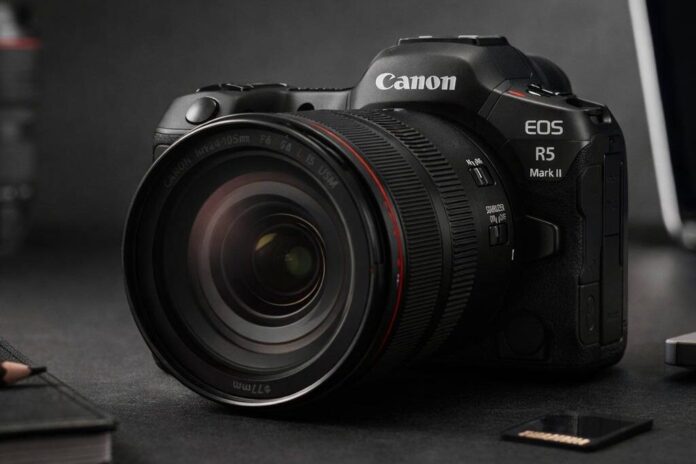
The Canon R5 Mark II is a serious update. It is designed for photographers and hybrid creators who want more than just reliability. If you shoot wildlife, travel, or paid hybrid work, the R5 Mark II targets your needs directly.
For context, Canon’s own manual is the best place to confirm current menu behavior, recording limits, and supported functions. From my own experience, the original R5 was already a powerhouse for high-resolution work.
Where the upgrades matter most
However, the R5 Mark II pushes further by addressing some of the pain points that became clear in real-world use. The autofocus system is more decisive with erratic subjects. The improved buffer also lets you shoot long bursts without fearing lockup. These upgrades matter in the field. They matter most when you are tracking unpredictable wildlife or working in fast-paced environments.
If you shoot only landscapes or controlled studio work, the R5 Mark II might feel like overkill. Compact digital cameras are making a comeback in 2026 for a reason: not everyone needs this much speed or these advanced hybrid features. For photographers who need to capture fleeting moments and adapt quickly, the R5 Mark II stands out. It also suits creators who deliver stills and video professionally.
The camera is a serious tool for:
- Wildlife photographers who need reliable subject tracking and rapid response
- Travel shooters who value a balance of portability, ruggedness, and image quality
- Hybrid creators who need 8K video, high-quality stills, and robust heat management
- Event and sports photographers who depend on speed and buffer depth
If you see yourself in one of those groups, this review is aimed squarely at your concerns. For those on the fence about upgrading, the rest of this piece covers how the camera actually performs when the pressure is on.
Design, handling, and field usability
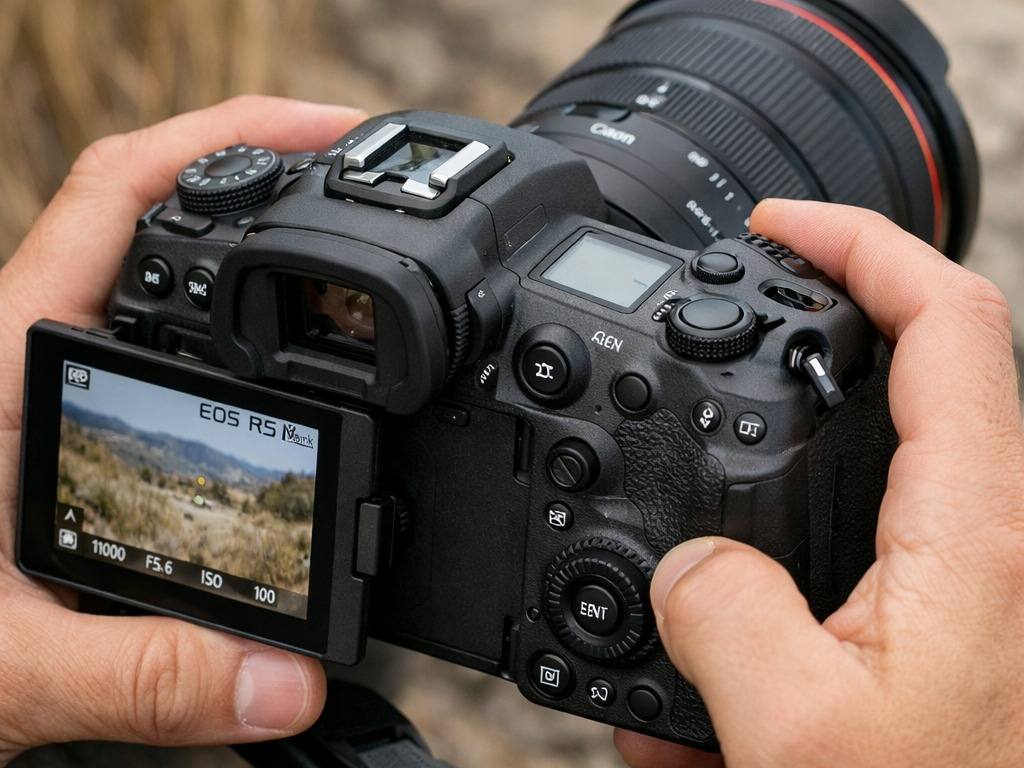
The R5 Mark II picks up where the original left off. Its refinements become obvious during long handheld sessions or tough weather. The first thing you notice is the grip. It feels slightly deeper and more sculpted, which makes a real difference during hours-long sessions with heavy RF telephotos. Even after a day in the field, my hand felt less fatigued compared to the previous model.
This Canon R5 Mark II review is based on field handling, not only published specifications. The body feels robust, with weather sealing that has already shrugged off unexpected rain and dust on several shoots. The control layout is familiar to longtime Canon users, but there are small tweaks that help in the heat of the moment. The new custom buttons and improved joystick sensitivity help you adjust focus points quickly. You can switch settings without taking your eye away from the finder.
Grip, controls, and viewfinder experience
The electronic viewfinder is one of the best I have used. The refresh rate and clarity mean you can follow fast action with almost no lag or blackout. This is crucial for wildlife and sports. Even a momentary finder hiccup can mean a missed shot. The articulating touchscreen remains responsive, and the menus are well organized, letting you adapt quickly in the field.
In terms of handling, the R5 Mark II balances well with both the small RF primes and the big telephoto zooms. The camera’s weight is reasonable for a full-frame body with this much power. When hiking or moving between locations, it never felt like a burden. The updated button layout and deep grip help in bad weather. They also make the camera easier to use with gloves.
If you value tactile feedback and quick control access, the R5 Mark II delivers. It also holds up well over long assignments.
Autofocus, burst shooting, and real speed gains
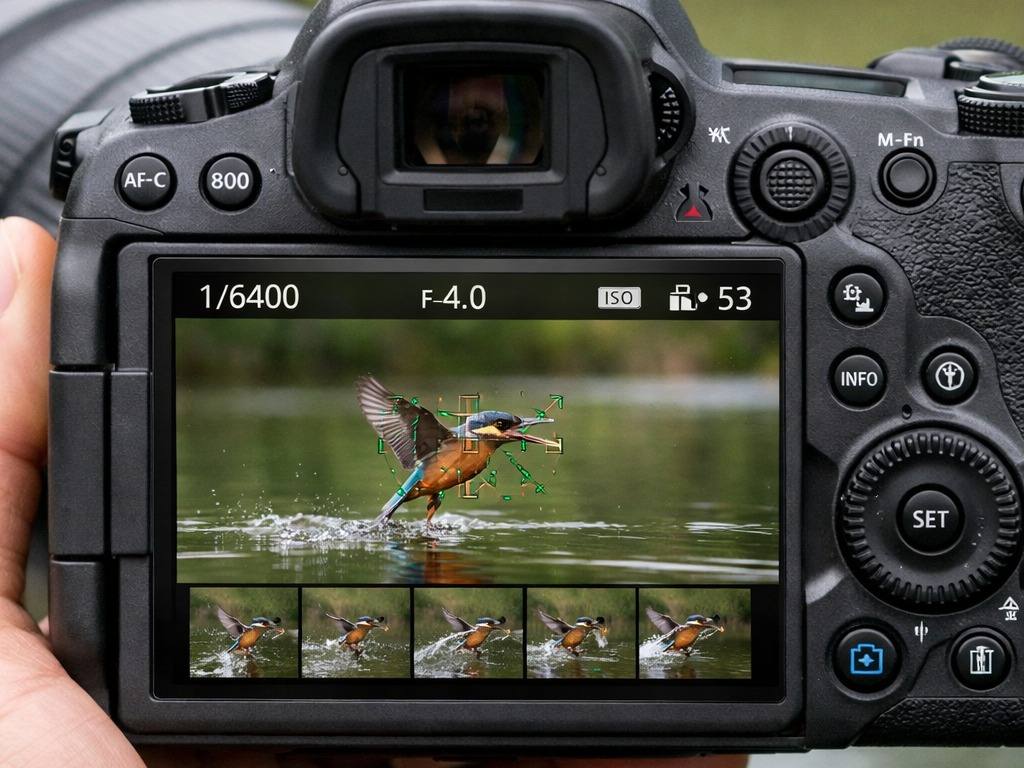
Autofocus is the heart of any modern camera. With the R5 Mark II, Canon has made clear progress. The system locks onto birds, mammals, and even moving vehicles with more certainty than its predecessor. I noticed fewer hunting episodes and more keepers, even in backlit or cluttered scenes. For wildlife, subjects are often unpredictable. This leap in autofocus confidence is a genuine advantage.
The burst shooting capabilities have also improved. The R5 Mark II can rattle off extended bursts without the frustrating buffer slowdowns that sometimes dogged the original. That matters when you are tracking a bird in flight. It also helps when capturing fleeting gestures during an event.
Subject tracking for wildlife, sports, and events
The subject tracking algorithms feel a step ahead, especially for wildlife and sports. The camera recognizes eyes, heads, or bodies quickly. It keeps tracking even when the subject moves erratically or becomes partly hidden. In real-world use, my hit rate went up. I also spent less time sorting through missed-focus shots.
For event photographers, especially those working with moving people or groups, this means more usable frames and less stress. The autofocus system also transitions smoothly between subjects. If your composition changes quickly, the camera keeps up without hesitation.
Overall, the speed gains are real and tangible. The R5 Mark II is a camera you can trust in situations where hesitation or delay could cost you the shot.
Image quality in real shooting conditions
Canon’s color science has always been a strong point, and the R5 Mark II continues that tradition. In this part of the Canon R5 Mark II review, the important question is how flexible the files feel when light is difficult. The files it produces have the natural color and pleasing skin tones that make editing straightforward. However, what stands out in the R5 Mark II is the flexibility of the RAW files and the improvements in dynamic range.
I have pushed shadows and highlights in difficult scenes. Backlit wildlife at sunrise and deep city shadows both held up well. There is plenty of latitude for adjustments without introducing obvious noise or banding. That matters when you need to pull detail out of tricky exposures.
Dynamic range, high ISO, and color performance
High ISO is part of life for travel and wildlife photographers. The R5 Mark II handles these situations admirably. ISO 6400 and even 12800 are usable for publication-quality work, with noise that is fine-grained and easy to clean up in post. I have shot handheld in dim forests and at dusk. The images stayed sharp and detailed without losing color richness.
The dynamic range is improved over the original R5, especially in the highlights. This gives you more confidence to expose for the subject and recover information in post. Color stays consistent across ISO ranges. That makes batch-processing event or travel shoots simpler.
In real shooting conditions, image quality is reliable and flexible. It supports creative edits and demanding professional standards. That point deserves emphasis. Image quality remains one of the camera’s most important strengths for still and hybrid shooters.
Video performance for hybrid creators
Recording formats and image options
For many hybrid creators, Canon R5 Mark II video is a genuine leap forward. Canon also publishes the current operating details in the official EOS R5 Mark II advanced user guide, which is worth checking before a serious video job. It improves on the original R5 and competes strongly with rival hybrid bodies. I have spent weeks testing the camera on a mix of wildlife documentaries, travel vlogs, and fast-paced social content. The most immediate difference is the expanded recording format range. You can now capture 8K video internally in both RAW and 10-bit 4:2:2, with options for All-I and IPB compression. The 8K RAW gives more flexibility in post if you push exposure or white balance. For most workflows, 10-bit 4K HQ is the sweet spot.
Heat management in real shoots
Canon has clearly listened to R5 user feedback about heat management. Overheating is much less of a concern here. In my experience, you can shoot over 40 minutes of 8K video at room temperature before seeing any warnings. The new active cooling system is quiet enough for interviews and sensitive wildlife scenes. The body also never gets uncomfortably hot. If you shoot in 4K, the picture improves further. In the new oversampled 4K 60p mode, I could record for over an hour without interruption. For wedding filmmakers, travel storytellers, and wildlife videographers, this is a major reliability upgrade.
Hybrid workflow and video autofocus
Workflow has also improved. ProRes recording can remove some transcode steps if you edit on a Mac. The latest C-Log 3 profile also gives more dynamic range for grading. Rolling shutter is well controlled, especially in 4K HQ, so panning shots and handheld work look natural. Video autofocus is sticky and confident, especially with people and animals. Subject tracking in video is not flawless. Still, it is the best I have used in a Canon mirrorless body so far.
For hybrid shooters juggling stills and video, the Canon R5 Mark II video experience finally feels seamless. You can move from still bursts to high-quality video quickly. Menus and unexpected heat cutoffs are less likely to interrupt you. That fluidity sets the R5 Mark II apart. It suits creators who need stills and video to work without compromise.
Battery life, storage, and lens pairing
Battery life for field work
Battery life matters more than spec-sheet drama. In this Canon R5 Mark II review, the camera felt more predictable than the original R5 during mixed stills and video work. With LP-E6NH batteries, I consistently get over 500 shots per charge in fieldwork. That includes continuous AF bursts and several 10-minute video clips. In pure video mode, a single battery covers about 90 minutes of continuous 4K recording or 50 minutes of 8K. This is not a dramatic jump from the original R5. Under heavy use, though, the consistency is much better, especially with frequent EVF use or cold weather. If you shoot all day, carry a spare battery or USB-C power bank. You will spend less time worrying about sudden drops.
Storage and card setup
Storage options are flexible. The dual card slots support CFexpress Type B and UHS-II SD cards. For high-bitrate video, card-speed labels matter; do not buy media by capacity alone. For 8K RAW or high-bitrate 4K, you need a fast CFexpress card. For general stills and standard 4K, high-quality SD cards are usually enough. You can split stills and video across cards. You can also record backup files, which helps during travel and assignment work. Card door access also remains smooth, even with a large tripod plate or L-bracket.
Best RF lens pairings
Choosing the best lenses for Canon R5 Mark II is where the system truly shines. The RF lens lineup has matured, and the camera takes full advantage of the latest optics. For wildlife, the RF 100-500mm f/4.5-7.1 is still my top pick. It balances reach, weight, and sharpness well. The newer RF 200-800mm f/6.3-9 adds flexibility for distant subjects. The trade-off is weaker low-light performance. For hybrid creators, the RF 24-105mm f/4L IS USM is a workhorse. It offers solid stabilization and excellent video AF.
Travel shooters will appreciate compact primes like the RF 35mm f/1.8 IS STM. The RF 50mm f/1.8 STM also delivers strong results with little weight. If you shoot a lot of video, the RF 15-35mm f/2.8L is hard to beat for vlogging and wide scenes. The R5 Mark II’s IBIS works beautifully with stabilized RF glass. Handheld shooting becomes easier in still and video modes.
If you own legacy EF lenses, adapter support remains excellent. Native RF lenses still give slightly faster AF and better stabilization. The camera shows its real value when you pair it with the right glass for your style.
Canon R5 Mark II vs the original R5 and key rivals
Is the upgrade worth it for current Canon users
This Canon R5 Mark II review also needs the upgrade question. When comparing the Canon R5 Mark II vs R5, the differences may seem incremental on paper. In practice, they add up for demanding photographers and hybrid creators. Autofocus tracking is notably more confident in difficult light and with erratic subjects. The improved heat management means you can finally trust the camera for long-form 4K and 8K video without scheduling breaks. The new AI-based subject detection and refined IBIS also raise the keeper rate. That is especially true for wildlife and sports.
For current R5 owners, the decision to upgrade depends on your priorities. If you mostly shoot stills in controlled environments, the original R5 already delivers superb results. If your work involves fast action, extended video, or difficult conditions, the R5 Mark II makes a tangible difference. You feel the benefits in the field, not just on a spec sheet.
Against rivals like the Sony A7R V and Nikon Z8, the comparison is closer than ever. The Sony still has an edge in custom video profiles and some niche AF scenarios. The Nikon offers a rugged build and impressive frame rates. Canon counters with strong color science, a deep lens ecosystem, and improved video reliability. Together, they make the R5 Mark II a well-rounded hybrid choice. If you already own RF glass, switching brands offers little benefit unless your needs are very specific.
For new full-frame buyers, the R5 Mark II is a safe bet. It handles wildlife, video, and travel with equal confidence.
Final verdict after practical use
After extensive real-world use, my Canon R5 Mark II review verdict is clear. This camera is built for creators who need speed, image quality, and reliable hybrid performance. The improvements over the original R5 are practical, especially in autofocus tracking and video usability. In demanding wildlife environments, I trusted the camera with erratic subjects and shifting light. It still delivered files ready for print or high-end social campaigns.
Is Canon R5 Mark II worth it for everyone? If you already shoot with the R5 and rarely push video or autofocus, you may not need to upgrade. For professionals and serious enthusiasts, the case is stronger. If you need stills and video for wildlife, travel, or hybrid storytelling, the R5 Mark II is one of 2026’s most complete tools.
The most important thing is confidence with the right lenses in real-world shooting. That is where the R5 Mark II is strongest. It turns the spec sheet into a higher keeper rate.
Canon EOS R5 Mark II alternatives
The main alternatives to the Canon EOS R5 Mark II are Nikon Z8, Sony a1 II, Sony a7R V, Canon EOS R3. Compare autofocus, stabilization, video limits, lens choice and current price before deciding which camera fits you best.
Frequently asked questions
Is the Canon R5 Mark II worth upgrading to from the original R5?
Yes, if autofocus tracking, faster readout, long video sessions, or demanding hybrid work affect your results. If you mostly shoot landscapes or controlled portraits, the original R5 can still be the better value.
How good is the Canon R5 Mark II for wildlife and bird photography?
It is one of Canon’s strongest wildlife bodies. The 45MP stacked sensor, 30fps electronic shutter, and newer subject detection all help. Birds and erratic animals are easier to keep sharp than with older EOS R bodies.
Does the Canon R5 Mark II overheat during long video shoots?
Heat management is much better than on the original R5. Recording time still depends on codec, resolution, ambient temperature, and accessories. For serious long-form video, plan your settings and media rather than assuming unlimited recording.
What lenses pair best with the Canon R5 Mark II for travel and hybrid work?
The RF 24-105mm f/4L, RF 15-35mm f/2.8L, and RF 35mm f/1.8 STM make sense for travel and hybrid work. Wildlife users should look at the RF 100-500mm or RF 200-800mm for reach.
Key takeaways
- The Canon R5 Mark II looks strongest for photographers who need fast autofocus, high resolution, and serious hybrid performance.
- Its real value depends on your priorities. The key question is whether autofocus, video, and workflow upgrades matter more than the original R5’s lower cost.
- For Lens and Shutter readers, specs are not the only test. The real question is how confidently the camera performs with the right RF lenses.
That last point matters. A body like the R5 Mark II only shows its full value with glass that suits your shooting style. If you are weighing wildlife reach, travel flexibility, or hybrid video needs, lens choice matters. This guide to the best Canon RF lenses helps narrow down practical options.
Wildlife, sports, events, weddings, high-resolution stills, and demanding hybrid Canon RF work.
You mostly shoot slow landscapes or portraits and the original R5 already covers your needs.
High; this is a professional body with deep menus, demanding files, and expensive media/lenses.
Canon EOS R3 for integrated-grip speed or Cinema EOS bodies for video-first production.
The video specs are serious, but fast cards, heat planning, storage, and workflow matter.
Yes, if autofocus reliability, stacked-sensor speed, and hybrid performance justify the price.