

View full specs
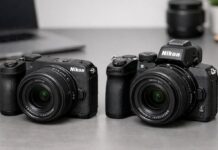
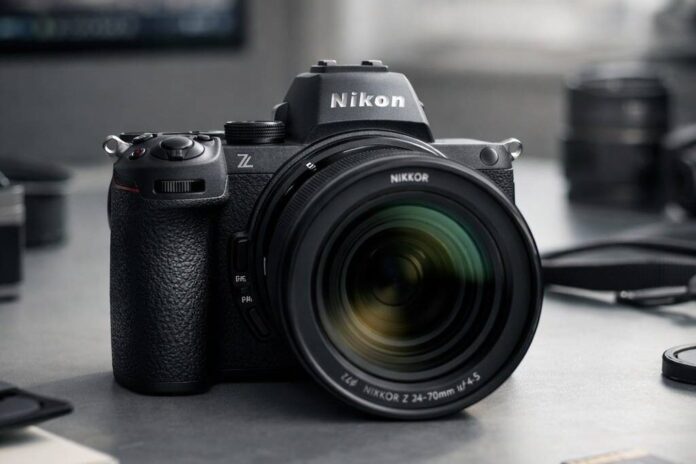
This Nikon Z5 II review is about the camera that finally makes Nikon’s entry full-frame line feel modern. The original Z5 was sensible, affordable, and a little sleepy. The Z5 II keeps the practical full-frame idea but adds EXPEED 7 autofocus, stronger stabilization, better video tools, and a brighter shooting experience.
I would not call the Z5 II a beginner camera in the cheap-and-simple sense. It is better than that. It is the full-frame Nikon I would recommend to a serious enthusiast, a travel photographer, or a portrait shooter. It also makes sense for a DSLR owner moving into mirrorless without jumping straight to a Z6 III or Z8.
Who the Nikon Z5 II is really for
The Z5 II is for photographers who want the full-frame look and Nikon Z lens system without paying for professional speed. It suits portraits, travel, family documentary work, landscapes, slower events, and everyday paid jobs where reliability matters more than headline burst rates.
The big difference from the original Nikon Z5 is confidence. The first Z5 was a good stills camera with obvious limitations. The Z5 II feels like Nikon brought the body into the EXPEED 7 era. Subject detection, 3D tracking, low-light AF, pre-release capture, and the brighter EVF all make it feel more alive.
If you shoot fast action every week, the Nikon Z6 III is the more serious hybrid body. Our Nikon Z5II vs Z6III comparison shows where its faster sensor and video workflow justify the cost. If you need 45MP files or pro action/video performance, the Z8 is the step up. The Z5 II sits below those cameras, but it is not a consolation prize. For many photographers, it is the more rational buy.
What price makes the Nikon Z5 II worth it?
The Z5 II is most compelling when it stays clearly below the Z6 III. If the price gap is large, the Z5 II is the smarter stills-first buy. If discounts shrink the gap too much, the Z6 III becomes tempting. It gives you a faster sensor, a stronger video ceiling, and better action headroom.
For a body-only purchase, I would judge the Z5 II against three things. Look at the original Z5 used price, the Z6 III discounted price, and the cost of your first serious lens. A cheap full-frame body with the wrong lens is not a bargain. I would rather own a Z5 II with the 40mm f/2 or 24-120mm f/4 S than stretch for a higher body. A better body with the wrong lens is rarely the better kit.
Used pricing will matter more as the camera ages. A clean Z5 II with warranty is attractive if it saves real money. A lightly discounted used copy without warranty is less interesting. For a current body like this, the safety of a new or refurbished purchase can be worth paying a little more.
Design, handling, and daily shooting feel
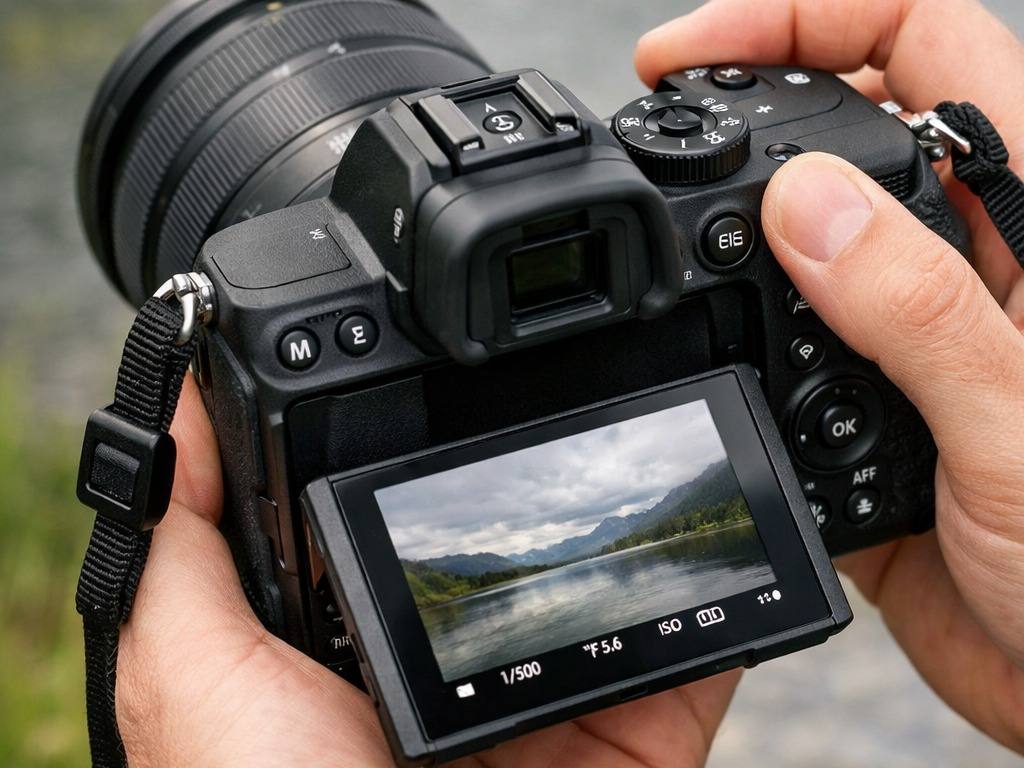
The Z5 II keeps the Nikon grip advantage. It is comfortable, secure, and familiar if you have used a recent Z body or Nikon DSLR. The body is not tiny, but it is compact enough to carry all day with the right lenses.
With the Z 40mm f/2 or 28mm f/2.8, it becomes a simple, enjoyable walkaround camera. With the 24-70mm f/4 S or 24-120mm f/4 S, it becomes a very capable travel and event kit. Heavier lenses are manageable, though this is still not the body I would choose first for long telephoto work.
The vari-angle rear screen is a clear improvement for hybrid use, low angles, vertical compositions, and quick video work. Some stills-only shooters prefer a tilting screen, but the Z5 II is trying to serve more than one type of photographer. In that context, the fully articulating screen makes sense.
The EVF deserves special mention. It is still a 3.69M-dot finder, but it is extremely bright for this class. That matters outdoors. A finder that remains easy to read in hard sun makes the camera feel more expensive than its position in the lineup suggests.
Image quality and the 24.5MP sensor
The Z5 II uses a 24.5MP full-frame BSI CMOS sensor. That resolution is not flashy, but it is a very useful middle ground. You get enough detail for prints, cropping, portraits, and commercial work, without the storage burden of 45MP or 60MP files.
In real use, the files have the Nikon strengths I care about. Color is calm, skin tones are good, and RAW files handle normal editing gracefully. Dynamic range is strong at low ISO, and high ISO performance is clearly good enough for indoor events, evening street work, and travel.
ISO 3200 and 6400 are routine. ISO 12,800 is usable when the moment matters. I would not build a style around the expanded settings. Still, the full-frame sensor, EXPEED 7 processing, and effective stabilization give the Z5 II a lot of low-light flexibility.
The Z5 II also supports RAW, JPEG, and HEIF workflows. Most photographers will still live in RAW or RAW+JPEG. HEIF is useful if you want better tonal depth than JPEG without committing every frame to a full RAW workflow.
Autofocus and subject detection
Autofocus is the reason the Z5 II feels like a real generational jump. EXPEED 7 brings Nikon’s newer subject detection and 3D tracking into a more affordable full-frame body. Nikon lists detection for nine subject types on the official Z5 II product page, along with AF sensitivity down to very low light.
For people photography, this changes the camera’s personality. Eye detection is more confident, and tracking is easier to trust. The camera is also much better at staying with a subject when the framing changes. For portraits, families, travel, pets, and casual wildlife, the difference from the original Z5 is obvious.
It is still not a dedicated sports body. The Z5 II can shoot quickly in JPEG capture modes, including pre-release capture. If your work depends on sustained RAW bursts, deep buffers, or heavy telephoto tracking, look higher in the Nikon line. For normal human movement and everyday action, though, it feels far more capable than the old entry full-frame label suggests.
Stabilization and low-light confidence
The Z5 II has 5-axis in-body VR rated up to 7.5 stops at the center. That is a serious advantage for handheld stills. It will not freeze a moving subject, but it lets you shoot static scenes at slower shutter speeds and keep ISO lower.
This matters for travel and interiors. Museums, restaurants, churches, night streets, and quiet family moments are exactly where stabilization earns its keep. With a compact prime, I would rather use the Z5 II handheld than drag a tripod into situations where a tripod changes the mood.
For video, stabilization helps but does not turn the camera into a gimbal. Handheld clips are smoother, especially with wider lenses, but walking footage still needs careful technique or extra support.
Video features for hybrid creators
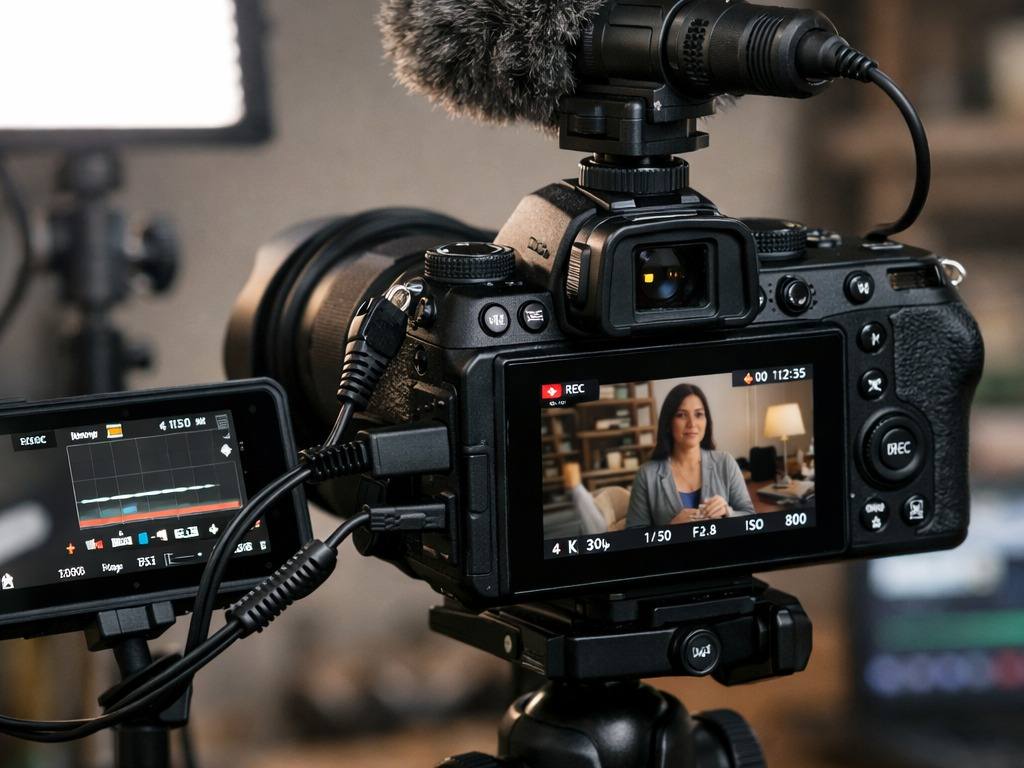
The Z5 II is a much stronger video camera than the original Z5. It records full-width 4K up to 30p, plus 4K 60p with a DX crop. You also get Full HD up to 120p, 10-bit H.265, N-Log, and even 12-bit N-RAW internally. Nikon USA also noted that the Z5 II was its first camera able to record N-RAW to an SD card.
That is a lot of video ability for an entry full-frame body. For interviews, travel clips, social content, behind-the-scenes work, and hybrid event coverage, it is more than enough. The headphone and microphone ports also make it more useful for serious audio than a casual creator camera.
The main compromise is 4K 60p crop. If you need wide-angle full-frame 4K/60, the Z5 II is not the ideal tool. N-RAW also brings larger files and a more demanding editing workflow. Most users will be happier with standard 10-bit files unless the project really needs RAW video.
Lenses and system growth
The Z5 II benefits from Nikon’s now-mature Z mount. You can build a small kit around the 40mm f/2, 28mm f/2.8, and 24-50mm kit zoom. Or you can build a serious system around the 24-120mm f/4 S, 50mm f/1.8 S, 85mm f/1.8 S, and longer telephotos.
If you are deciding what to pair with it, our best Nikon Z lenses guide is the next logical read. The short version: the Z5 II is good enough that lens choice matters. Cheap glass will work, but strong Z lenses make the body feel much more capable.
F-mount lenses also work through the FTZ II adapter, but there are limits. Modern AF-S and AF-P lenses are the best candidates. Older screw-drive AF lenses will not autofocus. If you own good F-mount glass, the adapter helps you transition. If you are starting fresh, I would build around native Z lenses.
Best lens pairings for the Nikon Z5 II
If I were buying the Z5 II as a small everyday full-frame camera, I would start with the NIKKOR Z 40mm f/2. It keeps the body light and gives you real low-light ability. It also makes the camera feel less like a kit and more like a personal photography tool.
For travel, the NIKKOR Z 24-120mm f/4 S is the lens I would want. It costs more, but it turns the Z5 II into a serious one-lens kit for cities, landscapes, family trips, and documentary work. The 24-70mm f/4 S is another smart used-market option if you want something smaller and cheaper.
Portrait shooters should look at the Z 50mm f/1.8 S or Z 85mm f/1.8 S. Both are sharper and more polished than their modest prices suggest. The 85mm is the more classic portrait lens. The 50mm is the easier all-rounder indoors.
I would be more cautious with very large telephotos on the Z5 II. The body can use them. Wildlife and sports shooters, though, will run into the camera’s speed ceiling before they run into the sensor’s image-quality ceiling. If long-lens action is the main point, the Z6 III, Z8, or a used Nikon DSLR may make more sense.
Battery, cards, and practical workflow
The Z5 II uses the EN-EL15c battery, with support for older EN-EL15-series batteries in some cases. Battery life is normal mirrorless territory: fine for a casual day, but bring a spare for events, travel, or video.
Dual SD UHS-II card slots are one of the camera’s most practical strengths. They give you backup recording, overflow, or RAW/JPEG split options without forcing expensive CFexpress cards. For photographers moving into paid work, dual cards matter more than another small spec-sheet win.
USB-C charging and power delivery support also help in the field. For travel, I like being able to top up from a power bank instead of carrying a separate charger for every short trip.
Nikon Z5 II vs Z5, Z6 III, and Canon R8
Compared with the original Z5, the Z5 II is a much more confident camera. Autofocus, video, stabilization, EVF brightness, subject detection, and burst features all move forward. The original Z5 remains a used bargain. The Z5 II is the one I would buy if I wanted a camera to keep for years.
Compared with the Z6 III, the Z5 II is the value choice. The Z6 III has a faster partially-stacked sensor, stronger video ceiling, better action credentials, and a more serious hybrid feel. The Z5 II wins on price and still covers most everyday photography extremely well.
Compared with the Canon R8, the Nikon offers in-body stabilization and dual card slots, which are major practical advantages. The Canon is smaller and has excellent autofocus, but the Nikon feels more complete as a photographer’s body.
Why competitors are right to praise it
The Z5 II has been praised heavily because it changes what an entry full-frame Nikon feels like. It is not just a cheaper Z body with compromises everywhere. EXPEED 7 autofocus, subject detection, strong in-body stabilization, a bright EVF, dual SD card slots, and a full-frame BSI sensor make it feel more mid-range than entry-level.
That is why the camera is so dangerous for the rest of Nikon’s lineup. Many photographers who once would have stretched to a Z6 II no longer need to. Unless you need the Z6 III’s speed, video readout, and hybrid muscle, the Z5 II gives you the part of full frame that matters most: confident autofocus, strong still files, good handling, and a system you can grow into.
Who should skip the Nikon Z5 II?
Skip the Z5 II if you know action is your main subject. It can handle casual movement, kids, pets, and travel moments. It is not the body I would choose for regular sports or serious birds-in-flight work. The autofocus is modern; the overall speed class is still value full-frame.
Skip it if video is your primary work. The Z5 II is much better than the original Z5, and internal N-RAW is impressive at this level. Still, cropped 4K 60p and SD-card workflow limits mean the Z6 III is the more comfortable long-term hybrid camera.
Also skip it if you are only buying full frame because you think full frame automatically makes better photos. A strong APS-C body with the right lens may be cheaper, lighter, and more useful. The Z5 II makes sense when you want full-frame depth, Nikon Z lenses, dual cards, and a body you can grow into.
Not a cheap beginner camera
I would still avoid calling the Z5 II a beginner camera in the casual sense. The body price is only part of the system. Full-frame Z lenses are larger and more expensive than APS-C kit lenses, and the camera’s video options, RAW formats, autofocus modes, and stabilization settings reward someone who wants to learn.
For a true beginner on a strict budget, a Nikon Z50 II, used DSLR, or smaller APS-C kit may be less intimidating. The Z5 II is for the serious beginner or enthusiast who already knows they want full frame. That distinction keeps expectations realistic.
Final verdict
My Nikon Z5 II review verdict is that this is one of Nikon’s most sensible full-frame cameras. It is not the fastest, highest-resolution, or most cinematic body in the system. It is simply very well judged.
The Z5 II gives enthusiasts and emerging professionals the things that matter most. You get full-frame files, reliable autofocus, strong stabilization, dual card slots, good video, and access to Nikon Z lenses. It fixes the original Z5’s biggest weakness without turning into an expensive specialist camera.
If you want a balanced full-frame Nikon for portraits, travel, family work, landscapes, and occasional paid jobs, the Z5 II is easy to recommend. The key is buying it with the right lens and not pretending it is a cut-price Z6 III. If you shoot sports, wildlife, or demanding video every week, step up.
Nikon Z5 II alternatives
The main alternatives to the Nikon Z5 II are Nikon Z5, Nikon Z6 III, Canon EOS R8, Canon EOS R6 Mark II, Sony A7 III/A7 IV, Panasonic S5 II. Compare autofocus, stabilization, video limits, lens choice and current price before deciding which camera fits you best.
Frequently asked questions
Is the Nikon Z5 II good for beginners moving to full frame?
Yes, if the budget makes sense. It is approachable enough to learn on, but powerful enough to grow with. Absolute beginners may still be better served by a cheaper APS-C camera.
Is the Nikon Z5 II better than the original Nikon Z5?
Yes. The Z5 II brings EXPEED 7 autofocus, stronger subject detection, better video, improved stabilization, a brighter EVF, and faster capture options. The original Z5 is mainly attractive as a used bargain.
Does the Nikon Z5 II have in-body stabilization?
Yes. It has 5-axis in-body VR rated up to 7.5 stops at the center, which helps with handheld stills and smoother video.
What memory cards does the Nikon Z5 II use?
It uses two SD UHS-II card slots. That is convenient and affordable compared with cameras that require CFexpress cards.
Is the Nikon Z5 II good for video?
Yes for hybrid creators, interviews, travel, and general content work. It offers full-width 4K 30p, cropped 4K 60p, Full HD 120p, 10-bit recording, N-Log, and internal N-RAW. Dedicated video shooters may still prefer the Z6 III or Z8.
Portraits, travel, family, landscapes, everyday paid work, and photographers moving into full-frame Nikon Z.
You need serious sports speed, heavy wildlife tracking, uncropped 4K 60p, or a video-first workflow.
Medium; approachable controls, but full-frame lenses and video options add cost and complexity.
Nikon Z6 III for faster hybrid work, or Z8 for resolution, action, and pro video features.
Strong for the price, but 4K 60p is cropped and N-RAW adds storage/editing demands.
Yes. It is one of Nikon’s best-value full-frame bodies for photographers who want balance over extremes.