
There is no single best budget mirrorless camera for every buyer. A photographer who wants a viewfinder and direct controls needs a different camera from a vlogger who needs dependable face tracking, while a beginner buying a complete kit should not be judged against someone spending the full $1,000 on a body alone.
This guide therefore names different winners for different needs. It covers cameras that can realistically be bought in the US for $1,000 or less, then identifies a few worthwhile stretch and used options separately. Availability and kit cost matter alongside specifications: a nominally eligible body is not a budget recommendation if the lens makes the usable setup unaffordable.
Quick Picks: Best Budget Mirrorless Cameras Under $1,000
| Need | Best choice | Why it wins |
|---|---|---|
| Photography-first body | Fujifilm X-T30 III | EVF, direct controls, current processor and strong JPEG output |
| Beginner ease | Canon EOS R50 | Excellent autofocus and approachable operation, when normally priced stock exists |
| Stock-dependent all-rounder | Canon EOS R10 | Better controls and burst shooting than the R50 when priced below newer step-up bodies |
| Compact hybrid | Fujifilm X-M5 | Small body with unusually strong photo and video capability |
| Video kit value | Sony ZV-E10 | Leaves budget for a lens, microphone or support gear |
| Advanced video body | Sony ZV-E10 II | 4K 60p, 10-bit recording and current Sony autofocus |
| Canon video alternative | Canon EOS R50 V | Creator-focused controls, Canon autofocus and RF mount |
| Lens selection | Sony A6400 | Viewfinder body backed by the deepest affordable APS-C lens ecosystem |
| Small stabilized travel kit | OM-D E-M10 Mark IV | EVF, five-axis IBIS and compact Micro Four Thirds lenses |
| Cheapest usable kit | Canon EOS R100 | Very low sale pricing with a lens, if its limitations suit you |
| Rugged kit value | Panasonic Lumix G97 | Weather resistance, IBIS and strong handling |
| Small budget stretch | Nikon Z50 II | Excellent all-rounder, but currently just above the strict ceiling |
How the budget works: “under $1,000” means the advertised camera body or kit must actually fall below the ceiling. The comparison states when the price excludes a lens. Prices move, so use the product blocks to check current offers rather than treating a number in this guide as permanent.
Best Budget Mirrorless Cameras by Category
Best Photography-First Body: Fujifilm X-T30 III
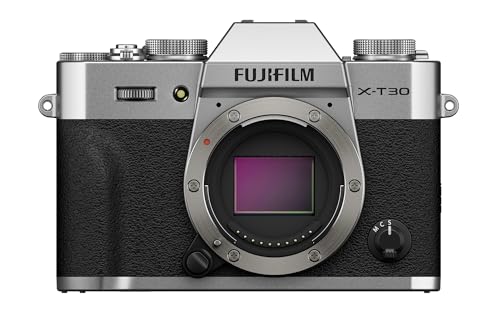
The Fujifilm X-T30 III is the most important current photography option missing from the previous version of this guide. At its US body-only ceiling, it combines a 26.1MP APS-C sensor, X-Processor 5, subject-detection autofocus, an electronic viewfinder, physical exposure controls, a built-in flash, and Fujifilm’s strong film simulations. It also records 6.2K and 4K 60p video, so “photography-first” does not mean video is an afterthought.
Its weaknesses matter. There is no in-body stabilization or weather sealing, the grip is small, and the kit with Fujifilm’s 13-33mm zoom normally exceeds $1,000. This is the winner for someone spending the ceiling on a body or pairing it with an existing or used X-mount lens. It is not the best complete starter kit.
Choose it if: you value a viewfinder, tactile controls, compact size, and strong results straight from the camera.
Avoid it if: the budget must include a lens or you need IBIS for slow shutter speeds and handheld video.
Best for Beginners: Canon EOS R50

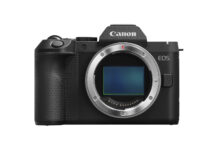
The Canon EOS R50 remains one of the easiest cameras to recommend to a first-time user. Dual Pixel CMOS AF II handles people, pets, and moving subjects reliably; the menus and automatic modes reduce friction; and the fully articulating screen supports family photos, travel, and video.
The qualification is availability. Canon’s direct US listings have recently shown inconsistent or discontinued status while dealer stock still exists. It is a category winner only at a normal new, refurbished, or clean-used price. Scarcity is not a reason to overpay.
Choose it if: ease, autofocus, and mixed stills/video use matter more than extensive physical controls.
Avoid it if: the price approaches enthusiast bodies or you want the broadest range of inexpensive native APS-C lenses.
Best Stock-Dependent All-Rounder: Canon EOS R10

The Canon EOS R10 is the more capable photography-first Canon when you want a deeper grip, AF joystick, 15fps mechanical bursts, uncropped oversampled 4K30, and stronger direct control than the R50 provides. It is particularly useful for active families, beginner wildlife, and travel with moving subjects.
Its place depends on current stock and total kit cost. Canon’s direct availability has become inconsistent, it lacks in-body stabilization and weather sealing, and the 4K60 mode is heavily cropped. If scarcity pushes it near an R7, Nikon Z50 II, used Sony A6700, or newer Fujifilm body, it stops being the value choice.
Choose it if: you find normal dealer or refurbished pricing and want more speed and control than the R50.
Avoid it if: stock is inflated, you need IBIS/weather resistance, or a newer step-up body costs only slightly more.
Best Compact Hybrid: Fujifilm X-M5

The Fujifilm X-M5 is the compact choice for people who genuinely split their time between photos and video. It shares the X-T30 III’s 26.1MP sensor and current processor, adds a fully articulating screen, and offers advanced recording formats including 6.2K, 4K 60p, and 10-bit color in a remarkably small body.
It omits both an electronic viewfinder and in-body stabilization. That makes it less comfortable in bright sun and less forgiving with unstabilized lenses. It wins on portable hybrid capability, not because it is universally better than the X-T30 III.
Choose it if: travel size, Fujifilm color, and serious video features are the priority.
Avoid it if: you prefer eye-level composition or regularly shoot slow shutter speeds handheld.
Best Video Kit Value: Sony ZV-E10
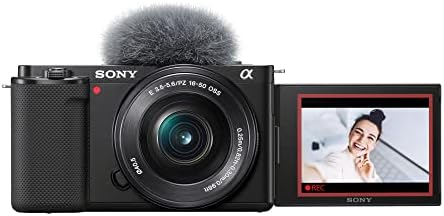
The original Sony ZV-E10 is still the smarter budget-video buy for many creators. It provides reliable eye autofocus, a fully articulating screen, good 4K 30p output, a microphone input, and access to Sony’s huge E-mount lens range while leaving substantially more of the budget for a lens, microphone, light, tripod, or spare battery.
It lacks a viewfinder and in-body stabilization, and its rolling shutter can be distracting during quick movement. The newer model is technically stronger, but the original often creates the better complete setup under $1,000.
Choose it if: the budget must cover a usable creator kit rather than the body alone.
Avoid it if: you need 4K 60p, internal 10-bit recording, or photography-first handling.
Best Advanced Video Body: Sony ZV-E10 II
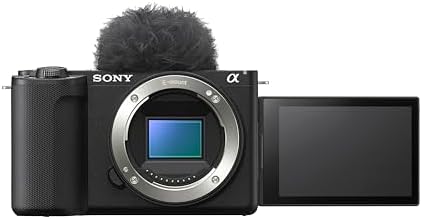
The Sony ZV-E10 II earns a separate category because its 26MP sensor, 4K 60p, internal 10-bit recording, improved battery, and current creator controls are meaningful upgrades. It is the strongest video-focused body that fits at the upper edge of the strict budget.
The body consumes almost the entire allowance. It therefore loses to the original ZV-E10 for complete-kit value and to the X-T30 III for stills ergonomics. Do not pay for its video specifications unless you will use them.
Choose it if: color grading, high-frame-rate 4K, and video autofocus justify a body-only purchase.
Avoid it if: you also need a lens inside $1,000 or want an electronic viewfinder.
Best Canon Video Alternative: Canon EOS R50 V

The Canon EOS R50 V is the relevant Canon alternative to Sony’s ZV-E10 line. It keeps Canon’s dependable subject-detection autofocus and approachable touchscreen interface, but reshapes the body around creators with a fully articulating screen, video-first controls, vertical mounting support, and 4K recording up to 60p with a crop.
It is not simply a better standard R50. The R50 V has no electronic viewfinder or in-body stabilization, and its creator emphasis makes it less natural for photography-first buyers. Canon’s smaller native APS-C lens range also gives Sony an advantage when building a low-cost video kit.
Choose it if: you prefer Canon autofocus, menus, color, and RF lenses in a creator-focused body.
Avoid it if: you want a viewfinder, stabilized handheld shooting, or Sony’s broader budget lens selection.
Best Lens Ecosystem: Sony A6400
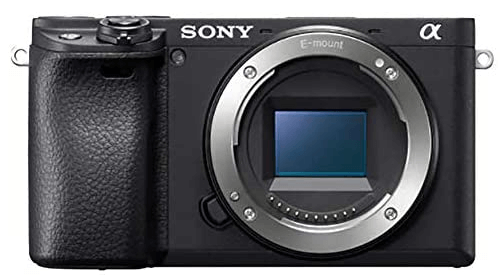
The Sony A6400 is older, but it remains a current and useful route into the broadest affordable APS-C lens system. It combines a viewfinder, strong tracking autofocus, 11fps bursts, and good 24MP files with native lenses from Sony, Sigma, Tamron, Viltrox, Samyang, and others.
Its menus, screen, battery, and video behavior show their age, and it has no IBIS. The reason to buy it is the system around it and a sensible body or kit price, not novelty.
Choose it if: you expect to add portrait, travel, telephoto, or specialty lenses without relying only on first-party glass.
Avoid it if: modern video workflow or a more comfortable grip matters more than lens breadth.
Best Small Stabilized Travel Kit: OM-D E-M10 Mark IV
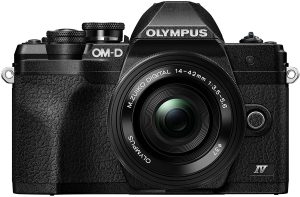
The OM-D E-M10 Mark IV combines a viewfinder, five-axis in-body stabilization, a small body, and genuinely compact lenses at a price that can leave room for a kit zoom or small prime. For museums, city walks, landscapes, and everyday travel, that total-system portability matters more than sensor-size arguments suggest.
Its contrast-detection autofocus is behind Canon, Nikon, Sony, and current Fujifilm bodies for erratic motion. It is not the sports or active-pet choice, but it remains one of the most complete small-camera packages for static and moderately moving subjects.
Choose it if: stabilization, viewfinder use, small lenses, and total kit size lead the decision.
Avoid it if: fast action or dependable continuous subject tracking is central.
Cheapest Usable Complete Kit: Canon EOS R100

The Canon EOS R100 is not the best-featured camera here. It wins one narrower category: the lowest-cost current-system kit that still provides a 24MP APS-C sensor, a viewfinder, interchangeable lenses, and good basic still-image quality. Dealer discounts can make it dramatically cheaper than the cameras above.
The fixed non-touch screen, older autofocus generation, slow operation, and heavily compromised 4K make it a poor choice for creators or buyers likely to outgrow it quickly. Cheap is useful only when the limitations match the job.
Choose it if: you mainly shoot still subjects and the kit price is substantially below an R50, Z30, or A6100 alternative.
Avoid it if: video, touchscreen operation, children, pets, or action matter.
Best Rugged Kit Value: Panasonic Lumix G97

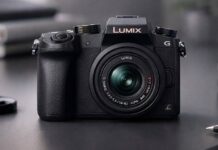
The Panasonic Lumix G97 brings in-body stabilization, weather resistance, a good viewfinder, a fully articulating screen, long recording options, and strong physical controls in a kit that commonly includes a useful 12-60mm lens. It is a practical landscape, travel, and controlled-video tool.
Its contrast-only continuous autofocus is the serious limitation. Subject tracking is not competitive with current phase-detection rivals, especially for movement toward the camera or self-shot 4K video. It wins for rugged handling and kit completeness, not autofocus.
Choose it if: weather resistance, stabilization, controls, and a versatile included lens outweigh tracking performance.
Avoid it if: children, sports, wildlife movement, or walk-and-talk video dominate your work.
Best Small Stretch Beyond $1,000: Nikon Z50 II

The Nikon Z50 II is an excellent all-round camera, but it does not currently qualify as a strict under-$1,000 winner: Nikon USA lists it just above the ceiling before adding a lens. It belongs here as the smallest sensible stretch or as a sale/refurbished opportunity.
The reason to stretch is its combination of 3D-tracking, broad subject detection, strong grip, electronic viewfinder, good controls, and balanced stills/video behavior. The reason not to is simple: an X-T30 III body fits the literal ceiling, while cheaper kits leave room for lenses.
Choose it if: a modest stretch is acceptable and you want the most balanced handling and autofocus package.
Avoid it if: $1,000 is a hard total-system limit.
Best Used Mirrorless Cameras Around $1,000
Used prices vary by condition and shutter count, so these are targets rather than guaranteed deals. Buy from a seller with a return window and compare the used price with current new promotions.
Sony A6700: Best Used APS-C Performance
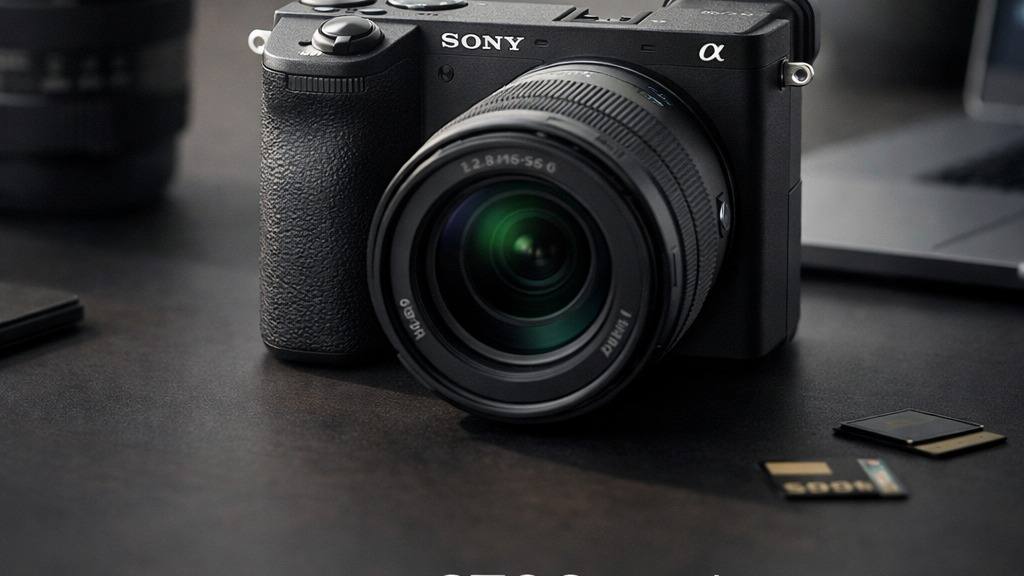
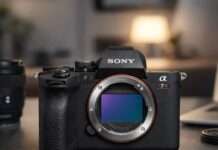
A used Sony A6700 near $1,000 can outperform every new body above for autofocus, stabilization, battery life, and hybrid capability. It is the best used step-up when condition is strong and the price genuinely falls near the ceiling.
Fujifilm X-S20: Best Used Stabilized Hybrid

The X-S20 adds in-body stabilization, a larger battery, a useful grip, an EVF, and strong video to Fujifilm’s appealing color and lens system. It is a better all-round hybrid than the X-M5 when a clean used example fits the budget.
Sony A7 III: Best Used Full-Frame System Entry
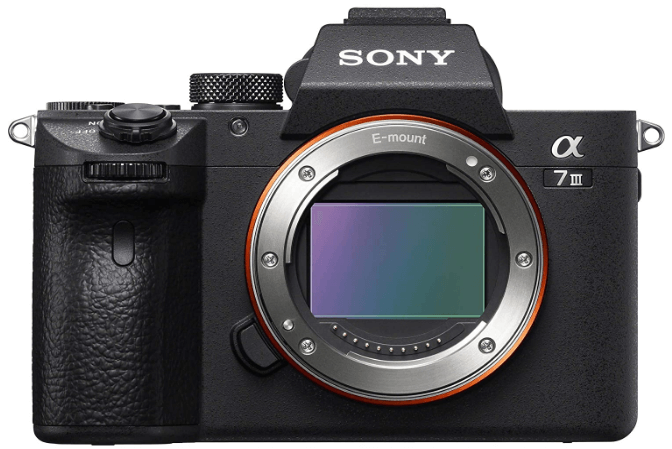
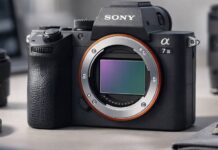
A clean Sony A7 III can provide full-frame image quality, in-body stabilization, good battery life, and broad lens support around this budget. The catch is total system cost: full-frame lenses can erase the body’s apparent bargain quickly.
How to Choose the Right Budget Mirrorless Camera
Set Two Budgets: Body and Usable Kit
Write down the maximum for the camera body and the maximum for everything required to shoot. A $999 body with no lens solves a different problem from a $700 kit that leaves room for a battery, card, microphone, or second lens.
Choose Your Non-Negotiable Feature
Pick the feature you cannot replace later: a viewfinder, dependable continuous autofocus, in-body stabilization, weather resistance, or advanced video formats. Megapixel differences within this group are less important than buying a camera that works for the way you compose and move.
Price the Second Lens Before Buying the First
Sony E mount and Micro Four Thirds offer the widest budget lens choice. Fujifilm X is mature but some popular lenses cost more. Nikon Z DX covers the essentials and can use full-frame Z lenses. Canon RF-S bodies are appealing, but confirm that the next lens you want exists at an acceptable price.
Treat Availability as Part of Value
Do not overpay for an R50 because stock is thin, assume every Fujifilm body is available at MSRP, or call a Z50 II “under $1,000” when its current official price is above the line. A recommendation is valid only at the price and condition described.
Final Take: Match the Winner to the Need
Choose the Fujifilm X-T30 III for photography-first body value, the Canon R50 for beginner ease when fairly priced, or the Fujifilm X-M5 for compact hybrid use. Video buyers should choose between the complete-kit value of the Sony ZV-E10 and the advanced body features of the ZV-E10 II.
The Sony A6400 wins for lens breadth, the E-M10 IV for a small stabilized travel kit, the R100 for minimum viable kit cost, and the G97 for rugged stabilized kit value. Stretch slightly for the Z50 II only when its stronger handling and autofocus justify crossing the line.