
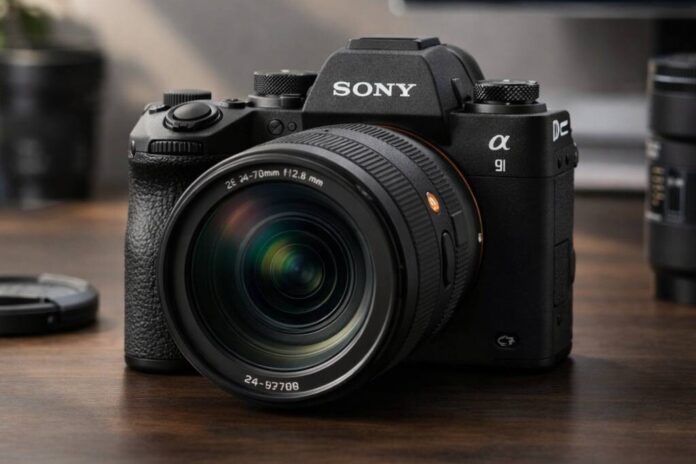
For camera-body context, read the Sony a9 III review. For a wider system view, the best Sony FE lenses guide helps separate specialist sports glass from everyday full-frame options.
What makes the Sony a9 III demanding on lenses
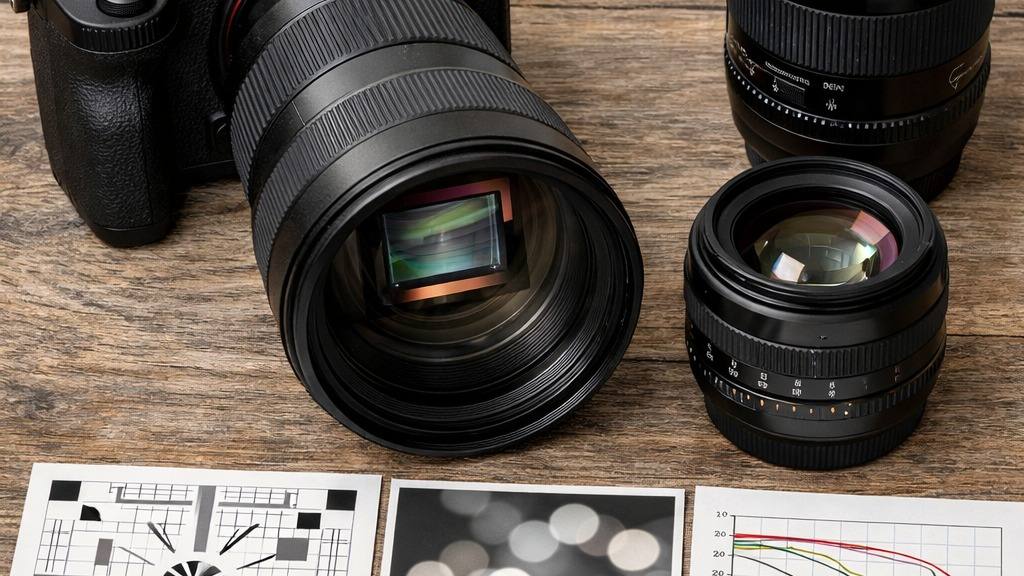
The Sony a9 III is not just another high-end camera. Its global shutter and lightning-fast sensor put unique demands on every lens you mount. The camera’s ability to shoot at up to 120 frames per second and its blackout-free viewfinder require lenses that can keep up, both optically and mechanically. Not every lens is built for this level of performance.
Beyond autofocus and burst performance, it also helps to understand how the camera handles setup, customization, and shooting behavior in practice. The Free Sony a9 III PDF User Manual (636 pages) can clarify menu options and operational details that influence which lenses feel most effective on this body.
That is why lens selection for this body should start with how the camera behaves in real shooting, not just focal length or maximum aperture. If you want a clearer sense of the body’s strengths before narrowing your shortlist, this Sony a9 III review adds useful context for making smarter lens choices.
First, autofocus speed and accuracy become non-negotiable. The A9 III’s real-time tracking and AI subject recognition work best with lenses designed for fast, silent focusing. Older screw-drive lenses or those with slower motors may simply miss focus, especially at high burst rates. The camera’s sophisticated AF system will only reach its full potential with modern fast autofocus lenses – those equipped with linear motors or Sony’s XD (extreme dynamic) linear focus systems.
Second, lens sharpness and resolving power are more critical than ever. The A9 III’s sensor exposes every flaw at high frame rates, especially when cropping for action or wildlife. Lenses that were “good enough” on older bodies can suddenly feel soft or inconsistent. This camera rewards glass that delivers across the frame, wide open, without distracting color fringing or distortion.
Finally, durability and handling matter. Shooting sports or wildlife means working in challenging conditions, and the A9 III encourages fast-paced, sometimes rough use. Lenses with robust weather sealing, solid build quality, and intuitive controls (like AF/MF switches and focus hold buttons) make a real difference in the field.
Best all around lens choices for the Sony a9 III
Most photographers want a lens that balances versatility with performance. For the A9 III, that means optics that are fast, sharp, and reliable in all conditions. While specialty glass has its place, a high-quality standard zoom or telephoto zoom covers most real-world needs.
Why a 24-70mm f2.8 is the safest starting point
If you only buy one lens for the Sony a9 III, make it a 24-70mm f2.8. This range covers everything from wide group shots and environmental portraits to tight headshots and detail work. The constant f2.8 aperture gives you low-light flexibility and beautiful background blur, vital for indoor sports, events, or documentary work. The 24-70mm f2.8 Sony G Master II delivers crisp results at every focal length, with fast, near-silent autofocus that keeps up with the A9 III’s best features.
I’ve used this lens in everything from dimly lit gyms to fast-changing event venues. It’s rarely out of its depth. The zoom range gives you options without needing to swap lenses, and the optical quality holds up even under the scrutiny of the A9 III’s sensor. If you want a reliable, do-it-all option – this is it.
When a 70-200mm f2.8 becomes the real workhorse
For sports, stage events, and outdoor portraits, the 70-200mm f2.8 Sony G Master II is often the smarter choice. The extra reach lets you isolate subjects, compress backgrounds, and avoid intruding on the action. Again, autofocus performance is critical, and Sony’s latest version nails it – tracking fast-moving subjects without hunting or lag. The f2.8 aperture ensures fast shutter speeds and effective subject separation, even in less-than-ideal light.
I rely on the 70-200mm for everything from basketball to outdoor ceremonies. The lens balances well on the A9 III, and its image stabilization helps when shooting handheld at longer focal lengths. This lens is also popular for its ruggedness and weather sealing, making it a trustworthy companion in unpredictable environments.
Best Sony a9 III lenses for sports and action
Sports and action photography push both camera and lens to the limit. On the A9 III, the right lens can mean the difference between a sharp, decisive moment and a missed opportunity. Here, autofocus speed, reach, and handling are everything.
Fast telephoto primes for field and court sports
When speed and subject isolation matter most, fast telephoto primes are the go-to tools. The Sony FE 400mm f2.8 GM OSS stands out for field sports like soccer, football, and track. Its wide aperture keeps backgrounds soft and lets you shoot in lower light without compromising shutter speed. The autofocus is instant – tracking even fast, erratic movement effortlessly on the A9 III.
For basketball, volleyball, or indoor sports, the FE 135mm f1.8 GM is a secret weapon. It’s lighter, less intimidating, and razor-sharp wide open. The f1.8 aperture captures crisp action in poorly lit arenas and provides a unique look that makes subjects pop. Both lenses take full advantage of the A9 III’s high-speed tracking and burst shooting, maximizing your keeper rate.
Zoom options when framing changes every second
Flexibility is key when you cannot predict where the action will unfold. The Sony 70-200mm f2.8 GM II and Sony 100-400mm f4.5-5.6 GM are top choices. The 70-200mm covers most indoor and sideline sports, while the 100-400mm excels at larger fields or outdoor sports where you need extra reach.
Both zooms focus quickly and accurately, even with moving subjects. The 100-400mm, in particular, pairs beautifully with the A9 III’s advanced autofocus, letting you track athletes or wildlife across the frame without hesitation. I’ve found that these zooms deliver great image quality at all focal lengths, and the variable aperture on the 100-400mm is rarely a handicap in good light when paired with the A9 III’s high ISO performance.
Best lens picks for wildlife and bird photography
Wildlife and bird photography test every element of your gear. With the Sony a9 III, you get speed and tracking that rival or beat any DSLR, but only if your lens can keep up. Here, reach, sharpness, and reliable focus matter most.
The 100-400mm Sony is a great starting point for wildlife. It’s sharp, relatively compact, and covers most needs from perched birds to distant mammals. However, the real star for birders and safari-goers is the 200-600mm Sony G OSS. This lens gives you serious reach without the weight or cost of super-telephoto primes. The internal zoom design means the lens does not extend, keeping balance perfect on a monopod or gimbal. Autofocus is fast and accurate, even with erratic, fast-flying subjects.
For those needing even more reach, the 200-600mm works well with Sony’s 1.4x and 2x teleconverters. While you lose some light, autofocus remains reliable on the A9 III. In my experience, the 200-600mm is the lens most likely to stay on my camera during a full day of wildlife shooting. Its sharpness, flexibility, and handling make it the best all-around choice for serious wildlife and bird photography with the A9 III.
For more detailed technical guidance, the free Sony a9 III PDF User Manual (636 pages) covers compatible lenses and advanced settings that can help you get the most out of your gear.
Portrait event and wedding lenses that balance speed and look
For those who shoot portraits, events, or weddings with the Sony a9 III, lens choice is about more than sharpness or maximum aperture. You need glass that keeps up with the camera’s autofocus, delivers reliable results in all lighting, and creates images with character and depth. Let’s break down what works best in real shoots, including which Sony a9 III portrait lenses and Sony a9 III wedding lenses deserve your attention.
Prime lenses for subject separation and low light
Primes are a favorite for portraits and weddings because they offer wide apertures, beautiful background blur, and crisp subject separation. The classic choices for Sony shooters are the 85mm and 35mm focal lengths.
- 85mm Sony: The Sony FE 85mm f1.4 GM is legendary for its creamy bokeh and precise autofocus. When you want flattering headshots or dreamy shallow depth of field, this lens shines. It’s a bit heavy, but its results justify the weight. The more affordable Sony 85mm f1.8 is also excellent – lighter, sharp, and fast enough for most work. I’ve often relied on the 85mm f1.8 for long wedding days where comfort matters as much as look.
- 35mm Sony: For environmental portraits or when you want to capture more of the scene, the Sony FE 35mm f1.4 GM is a go-to. It’s compact for what it does, autofocuses quickly, and has stunning rendering. If budget is a concern, the Sony 35mm f1.8 is no slouch, with quick focus and pleasing bokeh for a fraction of the price.
Other strong prime options include the Sony 50mm f1.2 GM (for ultra-shallow depth of field and decisive focus) and the Sigma 85mm f1.4 DG DN Art, which rivals Sony’s GM 85mm for look and speed at a lower price. In my experience, using a fast 85mm or 35mm prime on the A9 III feels like cheating – focus locks instantly, and you can trust the eye autofocus even in dim reception halls.
Event zooms that keep you flexible all day
While primes are unmatched for certain portraits, zooms rule at events and weddings where you need to react quickly. The Sony FE 24-70mm f2.8 GM II is the event lens. It’s tack sharp throughout the range, with fast, silent autofocus. The f2.8 aperture is bright enough for most indoor work, and the zoom range covers wide group shots to tight candids without lens swaps.
The companion, the Sony FE 70-200mm f2.8 GM II, is essential for ceremonies, speeches, or capturing genuine expressions from a distance. The latest version is lighter and balances better than the original GM. If you’re covering a wedding solo, this pairing means you rarely miss a moment. I’ve shot entire events with just these two zooms and never felt limited.
For those on a tighter budget, the Tamron 28-75mm f2.8 G2 and the Sigma 24-70mm f2.8 DG DN Art are both reliable, sharp, and focus well on the A9 III. They lack some of the GM’s edge in autofocus speed and weather sealing, but many working pros won’t notice the difference unless pushing the limits in rough conditions.
How to choose between Sony G Master and third party lenses
The debate between Sony G Master vs Sigma, Tamron, or other third party Sony lenses is real. With the Sony a9 III’s incredible autofocus and burst capabilities, your lens has to keep up both optically and mechanically. Here’s how to decide what’s right for your kit.
- Autofocus speed and reliability: Native Sony G Master lenses have the edge for consistent, fast autofocus – especially in low light or when tracking moving subjects. Their linear motors and firmware integration are tuned for the A9 series. Third party lenses have improved a lot, but on the A9 III, I still see slightly better hit rates with Sony’s own glass during fast-paced events or sports.
- Optical character: G Master lenses aim for a balance of sharpness, contrast, and beautiful bokeh. Third party options, like Sigma’s Art series or Tamron’s G2 zooms, are very sharp and often lighter, but their rendering (color, flare resistance, out-of-focus areas) can differ. Some shooters prefer the unique look of a Sigma 85mm Art over Sony’s, for example.
- Value and weight: If you’re building a kit on a budget, third party lenses offer strong value. The best value Sony E mount lenses often come from Sigma and Tamron, with pro-level image quality for much less money. They’re also often lighter, which matters if you shoot long days.
- Firmware and compatibility: Sony G Master lenses receive firmware updates that keep them optimized for new camera bodies. Third party lens updates can lag, and not every feature (like advanced autofocus modes) is always supported. For critical work, this may influence your decision.
My advice: for fast action, critical autofocus, or when you need weather sealing, stick with G Master. For studio portraits, travel, or when you need to stretch your budget, third party lenses are an excellent choice. I regularly mix both in my kit, using Sony glass for demanding shoots and Sigma or Tamron for lighter travel or backup.
Mistakes to avoid when buying lenses for the Sony a9 III
Buying Sony a9 III lenses is a major investment. Here are the mistakes I see most often, and how to avoid them for the best results with your camera.
- Ignoring autofocus compatibility: Not all Sony E mount lenses are optimized for the A9 III. Older designs or adapted lenses may focus slowly or inaccurately, especially in continuous AF. Always check for lens compatibility with the A9 III’s advanced autofocus system.
- Choosing based only on sharpness tests: Lab sharpness is not the whole story. Event and wedding work often values bokeh, color rendering, and focus breathing just as much. Don’t get caught up in resolving power at the expense of look and usability.
- Overbuilding your kit: It’s tempting to buy every focal length. In reality, a 24-70mm f2.8 and a fast 85mm or 35mm prime cover 90% of portrait/event work. Start with these before branching out.
- Neglecting size and weight: The A9 III is compact for what it does, but a heavy lens can make all-day shooting a chore. Try before you buy, and consider balance on the camera, especially for long events.
- Buying based on price alone: Cheap lenses can bottleneck a camera like the A9 III. A slow-focusing or poorly built lens will not let you take full advantage of the camera’s capabilities. Invest in quality where it matters most for your style.
Remember, lens choice is about matching your shooting style, not just filling space in your bag. The right lens will make your Sony a9 III sing, while the wrong one can drag down even this advanced body.
Frequently asked questions
What is the best all around lens for the Sony a9 III?
The Sony FE 24-70mm f2.8 GM II is the best all around lens for the A9 III. It covers wide group shots to tight portraits, focuses rapidly, and delivers excellent image quality. For many, pairing it with an 85mm or 35mm prime creates a versatile, pro-level kit.
Are third party lenses good enough for the Sony a9 III autofocus?
Modern third party Sony E mount lenses from Sigma and Tamron are very good and keep up with the A9 III in most situations. For the most demanding autofocus tasks, like fast indoor sports, native Sony lenses still offer a slight edge in consistency and tracking.
Which Sony a9 III lenses are best for indoor sports?
Fast telephoto zooms like the Sony FE 70-200mm f2.8 GM II and the FE 135mm f1.8 GM excel for indoor sports thanks to their speed, reach, and autofocus reliability. Third party f2.8 zooms can work well too, but for the best hit rate, stick with native Sony glass.
Is the Sony 200-600mm a good match for the Sony a9 III?
Yes, the Sony FE 200-600mm f5.6-6.3 G OSS is a strong match for the A9 III, especially for wildlife and outdoor sports. It focuses quickly, has great reach, and balances well on the camera, making it a favorite among action and wildlife photographers.
Choosing Sony a9 III lenses that balance speed, look, and reliability is key to getting the best from this camera. Whether you choose G Master or third party, thoughtful lens selection will maximize your keeper rate and shooting enjoyment. For detailed specs and further reference, you can download the free official user manual from this source.