
View full specs
My short verdict is simple. The Sony a6700 is the APS-C Sony I would buy if autofocus and hybrid video matter more than saving every dollar. If you mainly shoot stills and want value, the Sony a6400 is still hard to ignore. If you already own a Sony a6600, the upgrade is most convincing if you shoot video, action, wildlife, or subjects that benefit from the newer recognition autofocus. I break that upgrade question down more directly in the Sony a6600 vs a6700 comparison.
Sony a6700 review verdict: who should buy it?
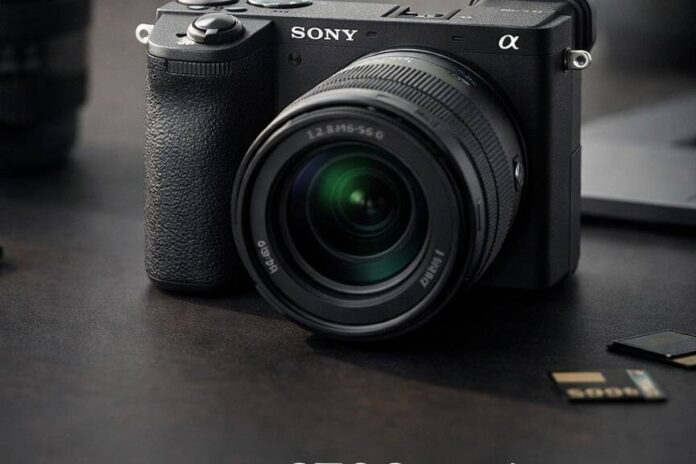
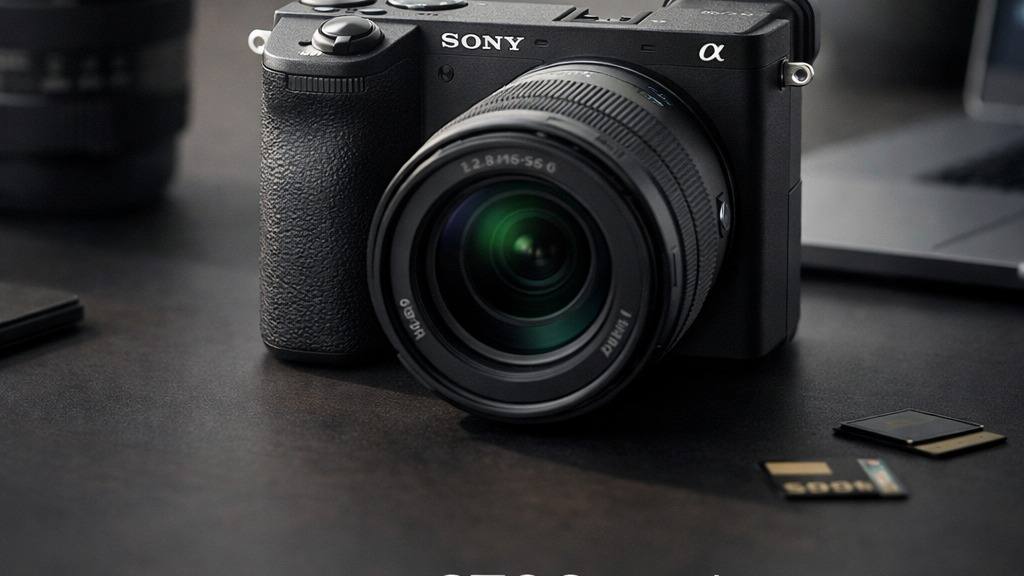
The full product naming can appear as Sony Alpha a6700, and Sony often styles the camera as Sony α6700. I still use a6700 as the main wording because it is what most photographers type when comparing APS-C bodies.
The a6700 makes the most sense for photographers who have outgrown the older a6000-series bodies but still want a small kit. It is especially strong for travel photographers, family photographers, hybrid creators, and wildlife shooters who value autofocus more than full-frame background blur.
I would buy the Sony a6700 if:
- You want Sony’s best APS-C autofocus in a compact body.
- You shoot both stills and video and do not want separate cameras.
- You photograph kids, pets, sports, wildlife, street scenes, or events.
- You want access to Sony E-mount lenses without carrying full-frame weight.
- You are coming from an a6000, a6100, a6300, or a6400 and want a serious jump.
I would pause before buying it if:
- You mostly shoot slow subjects and can get a much better deal on an a6400.
- You can live with one card slot and are not buying it primarily for paid event backup work.
- You shoot video professionally enough that an FX30-style cinema body makes more sense.
- You really want the low-light look and depth of field of full-frame.
Sony a6700 compared with the a6400, a6600, and FX30
| Camera | Best for | Why choose it | Main drawback |
|---|---|---|---|
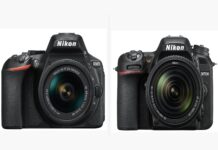
| Sony a6400 | Best value Sony APS-C body | Excellent autofocus for the price, compact body, strong stills | No IBIS, older battery, older controls |
| Sony a6600 | Battery life and stabilized stills/video | Large Z battery, IBIS, comfortable grip | Older autofocus and video tools than a6700 |
| Sony a6700 | Best current Sony APS-C hybrid | Newer sensor, AI subject recognition, strong 4K, IBIS | Single card slot and higher price |
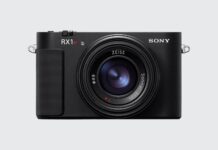
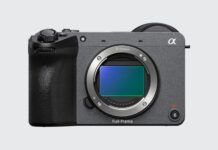
| Sony FX30 | Video-first creators | Cinema body, production features, better rigging logic | Less convenient as a stills camera |
The comparison that matters most is Sony a6700 vs a6400. The a6400 remains the sensible-value choice if you are mostly taking photos. The a6700 is the better camera when you care about the newer autofocus system, stabilization, video depth, battery experience, and overall handling.
Against the a6600, the a6700 feels more modern.
If you are deciding whether to stay with APS-C or move into full frame, my Sony a6700 vs a7 III comparison is the more useful cross-format read.
The a6600 still has the larger battery and IBIS advantage over the older bodies, but the a6700 brings the better sensor generation, better menus, better video, and much smarter subject detection. Against the FX30, the choice is philosophical: the a6700 is a camera that shoots excellent video, while the FX30 is a video camera that can capture stills when needed.
Design and handling in real use
The a6700 is small, but it does not feel like a toy. The deeper grip is the first thing I appreciate, especially with lenses like the Sony 70-350mm or a fast standard zoom. Older Sony APS-C bodies could feel like a sensor with buttons attached. The a6700 feels more like a complete camera.
The controls are better laid out than the older a6000-series bodies, and the newer menu system is less irritating in daily use. That sounds minor until you are switching between people, birds, stills, and video on a travel day. A camera that gets out of your way is worth more than a spec sheet suggests.
The fully articulating screen is useful for video, low angles, vertical compositions, and awkward tripod positions. I still prefer a tilting screen for pure street photography because it is quicker and less conspicuous, but the side-flip design is the right compromise for a hybrid camera.
Autofocus: the main reason to buy it
Autofocus is where the Sony a6700 separates itself from older APS-C bodies. The subject recognition system is not just a spec-box upgrade. It changes how relaxed the camera feels when the subject starts moving.
For people, pets, birds, and vehicles, the a6700 is much better at understanding what you meant to photograph. That matters for family photography as much as it does for wildlife. A child running toward you, a dog turning sideways, or a bird passing behind branches can expose weak autofocus quickly. The a6700 is not magic, but it gives you a higher keeper rate with less fiddling.
The 11 fps burst rate is not class-leading by modern standards, but it is enough for most real subjects. The bigger win is that the camera keeps focus confidently during short bursts. For sports, street action, wildlife walks, and events, I would rather have a slightly modest frame rate with reliable focus than a faster camera that guesses badly.
Image quality for photographers
The 26MP APS-C sensor gives the a6700 enough resolution for cropping, printing, and commercial web work without producing files that feel bloated. It is a good sweet spot. If you expose well and use good lenses, the files have plenty of detail and hold up nicely in editing.
Dynamic range is strong for APS-C. You can recover shadows in RAW files without them falling apart immediately, which is helpful for travel, backlit portraits, and high-contrast city scenes. Color is also better than older Sony APS-C bodies. Skin tones are less awkward, greens are less harsh, and JPEGs are more usable when you do not want to edit every file.
Low light is good, not full-frame good. I am comfortable around ISO 3200 and still willing to use ISO 6400 when the photo matters more than pixel-level cleanliness. If your work is mostly indoor events, concerts, or night street photography, full-frame still has a reason to exist. For travel, family, documentary, and everyday work, the a6700 is more than capable.
Video strengths and real limitations
The Sony a6700 is a genuinely strong video camera for its size. The 4K footage is detailed, color profiles are flexible, and 10-bit recording gives you much more room to grade than older APS-C bodies. If you shoot YouTube, short documentaries, interviews, travel films, or paid social content, the a6700 can carry a lot of work.
The important distinction is that it is still a compact hybrid body. Long, hot recording sessions can stress it. The single SD card slot is not ideal for high-pressure paid work. The micro HDMI port is less reassuring than a full-size connector. Rolling shutter is better than older bodies but not gone.
For mixed stills and video, I prefer the a6700 over a cinema-shaped body. For video-first work with cages, monitors, timecode, and long takes, I would look hard at the FX30 instead. Since we do not currently have a dedicated Sony FX30 review on the site, that is a content gap worth filling later.
Battery, storage, and travel practicality
The NP-FZ100 battery is one of the reasons the a6700 feels like a mature camera. Older Sony APS-C bodies could make you think about battery management too often. The a6700 lets you spend more of the day thinking about photos.
For travel, I would still carry a spare, especially if video is part of the day. But for stills-heavy shooting, the battery life is much more comfortable than the a6000/a6400 generation. USB-C charging also helps because you can top up from a power bank between locations.
The single UHS-II SD card slot is fast enough for normal use, but it is one of the camera’s clearest limits. For casual and enthusiast work, it is fine. For weddings, paid events, and once-in-a-lifetime professional shoots, dual slots are still the safer setup.
Best lenses for the Sony a6700
For the actual kit decision, our Sony APS-C lens guide separates bright zooms, stabilized travel lenses and wildlife options. I would choose the lens alongside the body, not spend the whole budget on the camera and sort the glass out later.
The a6700 is only as good as the lens you put on it. This is where Sony APS-C has become much easier to recommend than it was a few years ago. The lens ecosystem is now broad enough that you can build a small, sharp, practical kit without jumping to full-frame glass immediately.
For travel, I like the Sony 18-135mm OSS because it keeps the kit simple. It is not the most glamorous lens, but it covers the kind of scenes you actually meet on the road. For a brighter walkaround setup, the Sigma 18-50mm f/2.8 is small, sharp, and easy to carry.
For portraits, the Sigma 56mm f/1.4 is the obvious small-system gem. For video and wide environmental work, the Sony 11mm f/1.8 and 15mm f/1.4 G are strong options. For wildlife, the Sony 70-350mm G is the lens that makes APS-C feel like a cheat code: serious reach without a full-frame-sized bag.
If you are building a kit from scratch, read our Sony E-mount lens guide before buying full-frame lenses for an APS-C body. Full-frame glass can make sense, but it can also ruin the whole compact-camera advantage.
Sony a6700 vs a6400
The Sony a6400 is still the value benchmark. It is light, fast, sharp, and much cheaper when deals appear. If you mostly shoot stills, do not need IBIS, and want to spend more on lenses, the a6400 is a smart buy.
The a6700 is worth the premium if you want the newer autofocus system, better video, IBIS, a larger battery, improved handling, and a more future-proof body. For hybrid shooters, the difference is not subtle. For casual stills, it may be more camera than you need.
Sony a6700 vs a6600
The Sony a6600 still has a practical appeal: IBIS, good battery life, and often lower used prices. It is a better buy than people remember if you mostly shoot stills and find a clean body at the right price.
The a6700 is the better camera. Its autofocus, sensor, video tools, menus, and screen design all feel more current. If you are buying new or close to new pricing, I would lean a6700. If the a6600 is heavily discounted, it can still be the sensible choice.
How it fits in the Sony A6000 series
The a6700 is the modern top of Sony’s APS-C line, even if its name moved beyond the older a6000, a6100, a6300, a6400, and a6600 sequence. If you are trying to understand the whole family, our Sony A6000 series guide is the better starting point.
In that family, I see the a6700 as the serious hybrid pick. The a6100 is the beginner option, the a6400 is the value enthusiast option, the a6600 is the older stabilized option, and the a6700 is the current body for people who want the best APS-C Sony can offer without going full-frame.
Pros and cons
- Pros: excellent autofocus, strong 26MP image quality, compact body, IBIS, large battery, useful 4K tools, broad E-mount lens support.
- Cons: single SD card slot, higher price than older APS-C bodies, no full-frame low-light look, compact body can feel small with large lenses, video shooters may prefer FX30-style ergonomics.
Final verdict
The Sony a6700 is one of the most complete APS-C cameras you can buy. What makes it compelling is not one headline feature, but the way the pieces add up: autofocus you can trust, files that edit well, video that does not feel like an afterthought, and a body small enough to carry when a bigger camera would stay home.
I would not call it the best Sony for everyone. Budget-minded stills shooters should look at the a6400. Existing a6600 owners should upgrade only if the newer autofocus and video tools solve a real problem. Video-first creators should compare it carefully with the FX30. But for photographers who want one compact Sony APS-C body to do almost everything, the a6700 is the strongest choice in the line.
Key takeaways
- The Sony a6700 is the best current Sony APS-C body for hybrid photographers.
- The biggest upgrade over older models is smarter autofocus, not just more specs.
- The a6400 remains the better value if you mostly shoot stills.
- The a6600 can still make sense used, but the a6700 is the more modern camera.
- The FX30 is the better direction if your work is mostly serious video production.
Sony Alpha a6700 alternatives
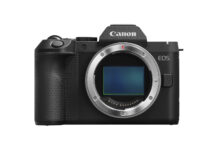
The main alternatives to the Sony Alpha a6700 are Sony a6600, Fujifilm X-S20, Canon R7, Nikon Z50 II. Compare autofocus, stabilization, video limits, lens choice and current price before deciding which camera fits you best.
Frequently asked questions
Is the Sony a6700 worth upgrading to from the a6600?
Yes, if you shoot action, wildlife, video, or subjects where the newer autofocus system matters. If you mostly shoot slower still subjects, the a6600 can still be good enough.
Is the Sony a6700 better than the a6400?
The a6700 is the better camera, but the a6400 can be the better value. The a6700 adds IBIS, a larger battery, smarter autofocus, better video, and improved handling.
Is the Sony a6700 good for professional photography?
Yes, for many types of work: travel, portraits, content, events, documentary, and some wildlife. For high-pressure paid events, the single card slot is the main limitation.
Does the Sony a6700 overheat?
It is usually fine for normal hybrid use, but long 4K recording in hot conditions can still stress the camera. Video-first shooters should consider that before using it for long interviews or events.
What lenses should I buy first for the Sony a6700?
For travel, start with the Sony 18-135mm or Sigma 18-50mm f/2.8. For portraits, consider the Sigma 56mm f/1.4. For wildlife, the Sony 70-350mm G is one of the best reasons to use Sony APS-C.
Travel, family, wildlife, sports, and hybrid creators who want Sony's strongest APS-C body.
You need dual card slots, a larger grip, full-frame rendering, or the lowest possible used price.
Medium; autofocus is excellent, but menus, video options, and lens choices still take learning.
Strong within Sony APS-C; move to a7C II/a7 IV if full-frame lenses and sensor size become priorities.
Very strong for APS-C, though 4K 120p crops and heat/media planning matter for serious use.
Yes if autofocus and hybrid video matter; no if an a6400 already covers your stills needs.