

View full specs
Quick verdict: should you buy the Sony a5000 in 2026?
Buy the Sony a5000 only if the price is genuinely low, your priority is still photography, and you care more about small size than speed. It is a smart little camera for travel, family snapshots, everyday walks, and learning the Sony E-mount system without spending much.
I would skip it if the price gets close to a Sony a6000 or Sony a5100 in similar condition. At that point, the newer autofocus, higher-resolution sensor, and better handling are worth paying for. If you are comparing several cheap mirrorless options, this best budget mirrorless camera guide gives useful context before you settle on an older body.
The short version: the a5000 is still charming, capable, and easy to carry, but it is a bargain camera now. Treat it as a compact stills camera first, not as a modern hybrid camera.
What the Sony a5000 is and who it suits today
A quick look at the camera’s place in Sony’s lineup
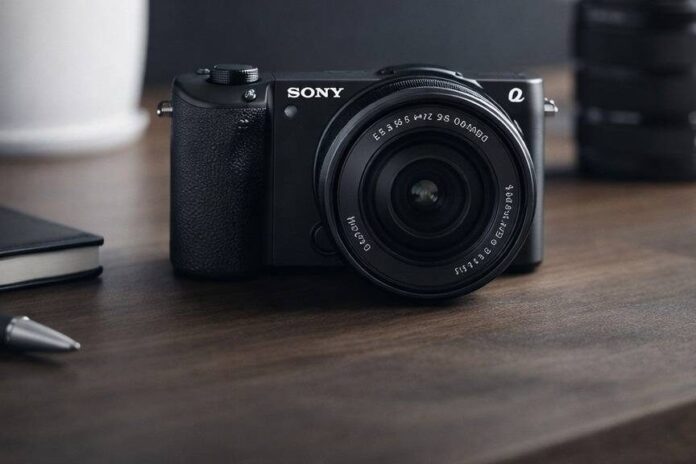
The Sony a5000 has its roots in the early days of mirrorless cameras. When it launched, it was Sony’s entry-level option in the Alpha family, aimed at beginners and enthusiasts moving up from smartphones or point-and-shoot models. Today, the a5000 still holds a unique spot: it is one of the smallest and lightest interchangeable lens cameras for the E-mount system.
In 2026, Sony’s mirrorless lineup is much broader and more advanced. Models like the a6100, a6400, and a7C II offer more speed, better autofocus, and higher resolution. However, the a5000’s classic design and stripped-back feature set have started to appeal again. As compact digital cameras enjoy a modest comeback, the a5000’s blend of portability and image quality stands out among used and refurbished options.
You will not find advanced features like a viewfinder, 4K video, or fast subject tracking here. Instead, the a5000 focuses on simplicity, small size, and basic controls. This makes it interesting for several types of shooters, especially those who value portability above all else.
Who will enjoy it most and who should skip it
The Sony a5000 is best for specific users in 2026. If you want a camera that fits in a small bag, is lighter than most modern mirrorless, and still delivers DSLR-like image quality, this model is worth a look. It’s well-suited for:
- Travelers who want to pack light and keep a low profile
- Beginners looking to learn on a simple, affordable mirrorless camera
- Street photographers or casual shooters who prefer a compact, discreet camera
- Anyone on a strict budget, especially those buying used gear
However, it is not ideal for everyone. If you shoot action, sports, or fast-moving subjects, the autofocus system will quickly limit you. Videographers and vloggers will also find the video quality and controls lacking. Those who want the latest connectivity features, higher burst rates, or a built-in viewfinder should consider newer Sony models.
In summary, the a5000 makes sense for those who want a no-fuss, lightweight camera for everyday and travel photography. It is less appealing for those who demand modern performance or plan to push their camera in challenging situations.
Design, handling, and everyday portability
How the compact body feels in real use
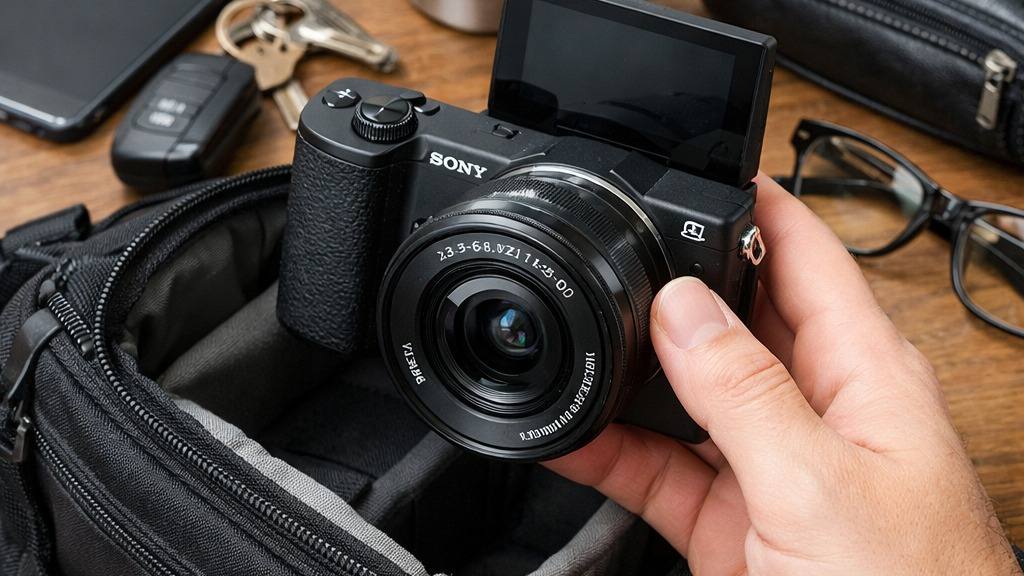
The first thing you notice about the Sony a5000 is just how small it really is. Even with the kit lens attached, the camera barely takes up more space than a large smartphone. The grip is shallow but textured, helping you hold it securely with one hand. For people with small to medium hands, the ergonomics are surprisingly comfortable, even during longer strolls or travel days.
Buttons and dials are minimal. There is no dedicated top mode dial, so you change shooting modes through the menu and control wheel, alongside the shutter button and a few function keys. The lack of clutter is a blessing for new photographers, but those who are used to quick-access controls may need to adjust. The a5000’s lightweight build means you can carry it all day without fatigue. It slips easily into a jacket pocket or a small sling bag, making it a favorite for street shooting or spontaneous walks.
In daily shooting, the simple build translates to quick setup and tear-down. You can switch on the camera, frame your shot, and capture a moment in less time than it takes to unlock your phone and open the camera app. For those who value spontaneity, this compact Sony mirrorless is a practical companion.
The camera uses a tilting 3-inch LCD screen for all composition and menu navigation. The display flips upward 180 degrees for selfies or group shots, though it does not articulate sideways. In bright light, the screen remains visible, but you may need to shield it with your hand during midday sun. There is no electronic viewfinder, so you always compose with the rear LCD.
Sony’s menus have improved in recent years, but the a5000 reflects an earlier, simpler era. The settings are clearly labeled, and most important controls are only a few clicks away. Beginners will appreciate that the camera offers “Help” tips and simple explanations for many functions. The lack of overwhelming options allows you to focus on shooting, not tweaking.
Touchscreen controls are missing, which may feel dated to those coming from smartphones. However, the physical buttons are responsive, and the navigation dial works well enough for changing settings on the fly. For everyday use, the camera’s minimalism is a strength, encouraging you to spend more time making photos and less time fiddling.
As a compact digital camera, the a5000’s design stands out for its pure portability. At a time when many mirrorless bodies have grown in size and complexity, this model feels refreshingly simple and approachable.
Image quality in real world shooting
JPEG color, dynamic range, and low light results
Despite its age, the Sony a5000 still delivers pleasing image quality that rivals much newer entry-level models. The 20.1MP APS-C sensor produces sharp, detailed photos with natural color straight out of camera. Sony’s JPEG color science is not as punchy as some brands, but it is accurate and easy to tweak later if you shoot RAW.
Dynamic range is solid for an entry level mirrorless camera. In well-lit scenes, you can recover highlight and shadow detail without introducing much noise. The a5000 handles backlit situations better than most smartphones, preserving subtle tones in skies and faces. In low light, the sensor performs reasonably well up to ISO 3200. Above that, you will see more noise and some loss of fine detail, but images remain usable for web and social sharing.
Autofocus performance in dim settings is not as strong as newer Sony bodies, but with a steady hand and static subjects, you can still get clear results. The built-in pop-up flash is handy for fill light in dark interiors, though it is small and best used for close-range subjects.
What the 20.1MP sensor still delivers with good light
When shooting outdoors or in good indoor light, the a5000’s sensor shines. Photos taken at low ISO are crisp, with lifelike color and plenty of latitude for editing. You can crop images significantly without losing detail, which is useful for travel and everyday catches where you cannot always zoom with your feet.
The level of background blur (bokeh) you can achieve depends on the lens. With the kit lens, subject separation is decent at the telephoto end, but investing in a brighter prime lens lets you get creamy backgrounds and punchier portraits. This sensor has enough resolution for prints up to A3 size and more than enough for online sharing.
For travel, family events, or casual portrait work, the a5000’s image quality is more than enough. It will not match the latest high-end cameras, but for most practical uses, the results are satisfying and reliable. That is a big part of why this model still finds fans today.
If you are curious about lab results and more technical breakdowns, you can find additional details at SonyAlphaLab’s Sony a5000 review, which confirms much of my real-world experience with this camera.
The bottom line: in good conditions, the Sony a5000 still delivers strong image quality that fits the needs of everyday shooters. For those considering a compact, affordable entry into interchangeable lens photography, it remains a practical and enjoyable tool.
Autofocus, speed, and overall performance
Focus reliability for portraits, travel, and family moments
When you pick up the Sony a5000, the autofocus system feels distinctly like an earlier generation. It uses contrast-detect autofocus, which means it does not have the fast and sticky tracking of newer phase-detect Sony models. That said, for most everyday photography, the Sony a5000 autofocus is reliable enough.
In well-lit scenes, focus is quick and accurate for portraits, travel snapshots, or family gatherings. I have used this camera at children’s birthday parties and on city walks, and it rarely misses when your subject is mostly still or moving predictably. Face detection works well for single subjects, making it easy to nail focus on people, even with the kit lens.
However, there are clear limitations. In low light or with fast-moving subjects, the autofocus can hunt and hesitate. I have missed a few candid moments indoors or in dim restaurants, especially if the subject is not facing the camera. The lack of real-time tracking or eye autofocus – features now common even on budget mirrorless bodies – means you will not get the same keeper rate for action or lively kids.
For most users who want to shoot travel scenes, food, or posed portraits, the system is serviceable. But if you expect to track running children or pets, or want to shoot spontaneous street action, you will feel the difference compared to newer designs. This is not a camera for sports or wildlife. For casual use, though, the Sony a5000 autofocus remains predictable and gets the basics right.
Startup time, burst shooting, and general responsiveness
Responsiveness is an area where the Sony a5000 still holds up surprisingly well, given its age. The camera powers on in about two seconds, which feels quick enough for most situations. You will not miss the first shot at a family picnic or while traveling, as long as you anticipate and keep it ready.
The Sony a5000 burst mode allows for 3.5 frames per second. This is modest compared to the double-digit rates of recent Sony bodies, but for casual photography, it is enough to grab a sequence of a child blowing out candles or a friend jumping for a candid shot. The buffer is shallow, so you can only shoot a handful of frames before it needs to catch up. For most everyday moments, this is not a dealbreaker, but it is not designed for heavy action.
General operation – menus, playback, and focusing – feels snappy. You can quickly review images and change settings without frustrating slowdowns. However, if you are coming from a modern smartphone or a recent mirrorless camera, you may notice a slight lag in shot-to-shot speed, especially when using RAW files.
Overall, the Sony a5000 performance is above average for its era and still practical for daily use. It is not a sports or event camera, but for street shots, travel, and family life, it rarely feels sluggish.
Video features and vlogging limitations
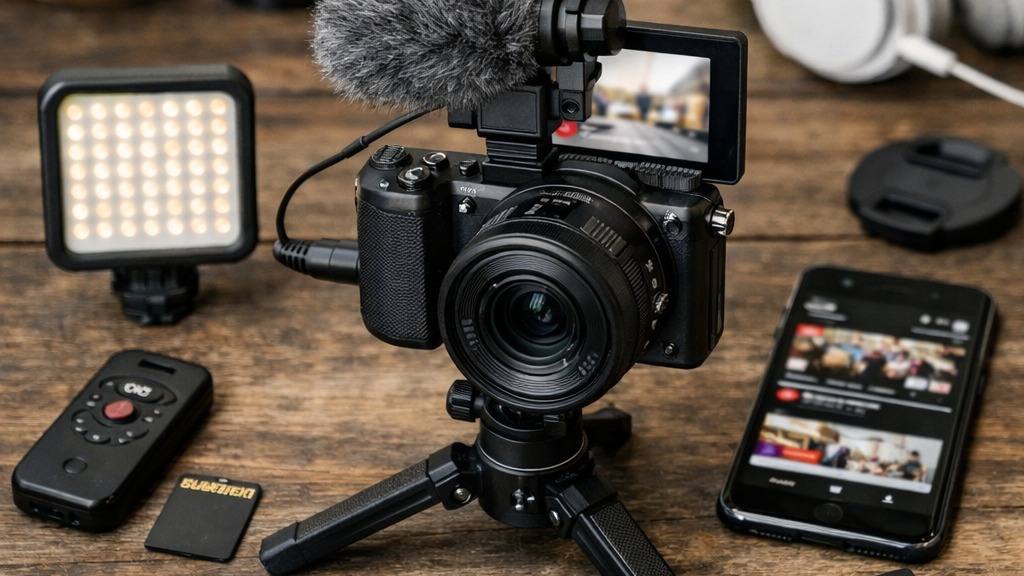
What kind of video quality you can expect
If you are considering the Sony a5000 for video, there are some important points to weigh. The camera records in Full HD (1920×1080) at up to 60i or 25p, with a maximum bitrate of 24 Mbps. This is perfectly fine for casual home videos or simple YouTube uploads, and the footage is noticeably better than most smartphones from the same era.
Colors are natural, and dynamic range is respectable for a small sensor. With good light, video is crisp and usable for family memories, travel vlogs, or product demos. Autofocus in movie mode is basic but functional, and the built-in stereo microphones are serviceable for ambient sound.
However, if you are used to 4K video or want to crop and reframe in editing, the a5000’s output will feel soft and limited. There is no high-frame-rate slow motion or advanced color profiles like S-Log or HLG, so professional video shooters will hit a ceiling quickly. For casual users, though, the Sony a5000 video quality is still pleasant and easy to work with.
Why the lack of modern video tools matters
Where the Sony a5000 falls short is in modern video features. First, there is no microphone input or headphone jack, so you are limited to the built-in mic for all audio. This is a significant drawback if you want clean, clear voice recordings for vlogs or interviews.
Second, although the LCD flips upward 180 degrees for self-framing, it is not a side-articulating screen. For solo creators or vloggers, this is usable for simple framing, but it is still awkward outdoors and less flexible than a modern flip-out display. There is also no in-body stabilization, so handheld footage can look shaky unless you add a stabilized lens or use a tripod.
You do get focus peaking for manual focusing, which is helpful if you use adapted lenses or a manual prime. What you do not get are more modern video aids and exposure tools, such as zebras, advanced color profiles, or cleaner audio options. The camera also lacks 4K recording, which is becoming the baseline for many content creators in 2026.
Because of these omissions, the Sony a5000 for vlogging is only a good choice for basic, static setups, or if you are happy recording short, simple clips. If you want to make polished YouTube videos or keep up with current production trends, you will feel these limits quickly. For everyday video, it does the job, but it is not designed for serious creators.
Kit lens performance and better lens options
How the 16-50mm kit lens performs day to day
Most Sony a5000 kits come with the collapsible 16-50mm power zoom lens. This lens is incredibly compact and keeps the camera pocketable, which is a huge plus for travel and daily carry. In good light, the lens delivers sharp results in the center and offers a useful zoom range for everything from cityscapes to portraits.
However, there are some trade-offs. The lens is not very bright (f/3.5-5.6), so in low light, you may see some blur or need to boost ISO. At the wide end, there is noticeable distortion and some softness at the edges, especially at 16mm. The power zoom is convenient for video, but it can feel a bit slow and imprecise for quick stills.
Despite these drawbacks, the 16-50mm kit lens is a solid starting point for new photographers. It covers most day-to-day situations, and the image stabilization helps keep handheld shots sharp. For casual snapshots, travel, or family use, it is more than adequate. But if you want to get the most out of the Sony a5000 sensor, upgrading the lens is the smartest single move you can make.
Best affordable E-mount lenses to pair with the body
One of the best parts of the Sony E-mount system is the lens choice. If you want to step up your image quality, several affordable lenses make a big difference. Here are a few proven options:
- Sony 35mm f/1.8 OSS: Excellent for portraits and low-light, with sharp results and built-in stabilization. It is small, light, and makes the a5000 feel like a street shooter’s dream.
- Sony 50mm f/1.8 OSS: Ideal for portraits or detail shots. The wide aperture gives beautiful background blur, and it can handle indoor light far better than the kit lens.
- Sigma 30mm f/1.4 DC DN: A third-party favorite, this lens is sharp and fast, perfect for everyday and creative shooting. It lacks stabilization but offers great value.
- Sony 18-135mm f/3.5-5.6 OSS: For travel or all-in-one convenience, this zoom covers wide to telephoto and is much sharper than the kit lens, though it is larger.
- Sony 20mm f/2.8 pancake: Ultra-slim and light, this lens keeps the camera pocket-friendly and is great for street or landscape work.
Even swapping to a prime lens like the Sony 35mm f/1.8 transforms the shooting experience. You get better sharpness, more light, and a more creative look. For anyone buying a used Sony a5000, investing in a good E-mount lens is the best way to extend the camera’s life and keep pace with new creative goals.
For more hands-on impressions and technical lab tests, see the detailed analysis at SonyAlphaLab’s Sony a5000 review.
Best practical Sony a5000 setups
The best setup depends on why you are buying the camera. For the smallest travel kit, the a5000 with the 16-50mm power zoom still makes sense because it keeps the whole package jacket-pocket small. It is not the sharpest lens, but the size advantage is real.
For family photos, indoor snapshots, and low-light everyday use, I would rather pair the a5000 with the Sony 35mm f/1.8 OSS. The stabilization matters because the a5000 has no in-body stabilization, and the brighter aperture gives the camera much more room to work indoors.
For portraits and a more modern look, the Sigma 30mm f/1.4 DC DN is the value pick. It is sharper and brighter than the kit zoom, though you give up optical stabilization. If you want to understand the mount and lens choices more broadly, this Sony E-mount lens guide is the better next read.
With the right lens, the Sony a5000 punches above its weight for everyday photography, despite its age. As compact digital cameras make a comeback in 2026, this classic mirrorless body paired with a modern lens still finds its place in many camera bags.
Battery life, connectivity, and practical ownership
Battery expectations on a typical shooting day
The Sony a5000 battery life is one of those real-world factors you only truly understand after carrying it in your bag for a few outings. On paper, Sony rates the a5000’s battery (NP-FW50) for about 420 shots per charge. In reality, my experience has shown that you can expect between 250 and 350 shots if you spend time reviewing images, use the Wi-Fi feature, or shoot bursts. For casual photowalks or a day out sightseeing, one fully charged battery is often enough if you shoot thoughtfully.
However, if you like to chimp (review images on the screen after every shot), or if you plan to shoot longer events, you will want a spare battery. The a5000’s battery is fairly inexpensive, and third-party options are widely available, but not all are reliable. I recommend sticking with Sony-branded or trusted third-party options from reputable sellers to avoid battery swelling or short runtimes.
Charging is done via micro-USB directly in the camera, which is less convenient than using an external charger. If you are traveling, you can top up the battery with a power bank, but recharging is slower than with more recent Sony models. If you are used to DSLRs, the battery life may feel short. But compared to most compact digital cameras, it holds its own and supports a full day of light shooting without anxiety.
Wi-Fi features, storage, and buying used safely
The Sony a5000 Wi-Fi feature was a standout when this camera first appeared. You can transfer photos wirelessly to your phone or tablet via the free Sony PlayMemories app. While the app’s interface feels dated, it still works for quick sharing to social media or backing up favorites on the go. Transferring large batches of images can be slow, but for a handful of shots at a time, it’s a real convenience.
Remote control via Wi-Fi is also possible, letting you trigger the shutter and adjust basic settings from your phone. This is handy for group shots, self-portraits, or long exposures, though the lag is noticeable compared to newer cameras. The a5000 does not have Bluetooth, so you won’t get always-on connectivity or easy geotagging.
For storage, the camera uses standard SD cards (including SDHC and SDXC). UHS-I speeds are supported, which is sufficient for its burst rate and 1080p video, but higher-end cards do not provide any speed advantage. With the low file sizes from the 20MP sensor, even a modest 32GB card is plenty for a week of travel snapshots.
If you are looking to buy used Sony a5000 bodies in 2026, there are a few things to watch for. First, check for wear on the battery door and the lens mount. The pop-up flash mechanism should operate smoothly. The sensor should be free of scratches and major dust. Always ask for shutter count if possible, and request recent sample images. Ideally, buy from a store offering a return policy. The a5000 is a sturdy little camera, but like all older electronics, units can develop quirks as they age.
Used buying checklist for the Sony a5000
Because the Sony a5000 is an older camera, condition matters more than the spec sheet. A clean copy can still be a fun everyday body. A neglected one can turn into a false bargain.
Before buying, check the LCD hinge and make sure the screen flips smoothly without flicker. Test the pop-up flash, battery door, memory card door, and lens mount for looseness. Inspect the sensor for scratches or stubborn dust, especially if the camera was sold body-only or used with many lenses. If the kit lens is included, test the 16-50mm power zoom at both ends and listen for grinding or uneven movement.
Battery condition also matters. The a5000 uses the NP-FW50 battery, and older batteries can show short runtimes or swelling. Ideally, buy from a seller with a return window, ask for recent sample images, and avoid listings where the camera is priced close to a cleaner a6000. The a5000 is most appealing when it is clearly the cheaper, lighter option.
Sony a5000 vs newer alternatives
| Camera | Best reason to choose it | Main drawback |
|---|---|---|
| Sony a5000 | Lowest cost, smallest body, simple stills camera | No EVF, older AF, basic video |
| Sony a5100 | Better autofocus, touchscreen, still very compact | No EVF and still no 4K |
| Sony a6000 | Viewfinder, faster AF, stronger all-around value | Larger body and usually higher used price |
| Sony a6100 | Much better autofocus and more modern usability | Costs more and loses some of the bargain appeal |
How it compares with the Sony a5100 and a6000
If you are considering the Sony a5000 vs a5100 or Sony a5000 vs a6000, the differences may seem subtle at first, but they matter in daily use. They share the same compact APS-C E-mount philosophy, but not the same sensor or autofocus hardware. The a5000 uses a 20.1MP sensor with contrast-detect autofocus, while the a5100 and a6000 move to 24MP-class sensors and add on-sensor phase-detect autofocus. Those differences matter in daily use.
The a5100 adds a touchscreen, which greatly improves menu navigation and focus point selection. This small change makes a big difference for beginners and for shooting at awkward angles. The a5100 also features a better autofocus system with phase-detection points, making it more reliable for moving subjects and casual action shots. If you want a camera for family events, pets, or street photography, the a5100’s AF is a real step up.
The Sony a6000, while still compact, is slightly larger and features a built-in electronic viewfinder (EVF). This is a game changer for shooting in bright sunlight or when you want more stability by holding the camera to your eye. The a6000 also has a more advanced autofocus system, with even more phase-detect points and better tracking, as well as a faster burst rate. It is a better all-around camera for sports, action, or serious enthusiast work.
Price is the major difference. The a5000 is usually the cheapest, especially on the used market. The a5100 tends to be slightly more expensive, and the a6000, though older now, still commands a premium for its EVF and AF performance.
If your priority is the best budget Sony camera for stills, the a5000 is hard to beat for the price. However, the a5100 or a6000 are worth the extra money if autofocus, touchscreen controls, or an EVF matter to you. For video, the a5100 adds faster, more accurate focus, though none of these models offer 4K recording.
Pros, cons, and final verdict
The strongest reasons to buy it
There are several compelling reasons why the Sony a5000 still makes sense for certain users in 2026:
- Compact and light – It is pocketable, especially with the kit lens, and never feels like a burden on a day trip.
- Image quality – The 20MP sensor still delivers detailed, vibrant images, especially in good light.
- Interchangeable lenses – Entry into the Sony E-mount system means you can upgrade lenses over time, dramatically improving results.
- Affordable – As one of the least expensive ways to get into mirrorless, especially used, it is perfect for students, travelers, or anyone testing the waters.
- Simple controls – The menu and button layout are easy for beginners to grasp, and the auto modes are genuinely useful.
The deal breakers you should know before spending money
Even with its strengths, the a5000 has some limitations that might be decisive for some buyers:
- Outdated autofocus – It struggles with fast-moving subjects and does not have the modern tracking features of newer Sony bodies.
- No viewfinder – Composing on the rear screen is fine for many, but in bright sunlight or for precise work, it is a real drawback.
- No touchscreen – Menu navigation and focus point selection are slower and less intuitive than on newer cameras.
- Video limitations – No 4K, limited manual controls, and dated autofocus mean it is not ideal for serious video work or vlogging.
- Build quality – The plastic body is durable enough, but lacks the premium feel and weather sealing of higher-end models.
So, is Sony a5000 worth it in 2026? If you value portability, affordability, and good image quality for casual photography, it still delivers. For anyone starting out or needing a backup camera, it is a practical choice. However, if you want the best autofocus, touch controls, or advanced video, consider the a5100, a6000, or a newer model.
Frequently asked questions
Is the Sony a5000 still worth buying in 2026?
Yes, for beginners, travelers, or anyone who wants a budget-friendly entry into Sony E-mount, the a5000 remains relevant. It is especially appealing if you find a used unit in good condition at a low price. However, if you need fast autofocus, a viewfinder, or advanced video, you may outgrow it quickly.
Does the Sony a5000 shoot good video for YouTube?
The a5000 shoots 1080p video with decent image quality. For basic talking-head videos or travel clips, it works, but autofocus is slower than newer Sony bodies and there is no microphone input. For more polished YouTube content, look for a newer Sony model with 4K, better autofocus, and better audio support.
What is the best lens upgrade for the Sony a5000?
The Sigma 30mm f/1.4 DC DN is a fantastic upgrade for portraits and general photography, giving you much sharper images and better low-light performance than the kit lens. The Sony 35mm f/1.8 OSS is also excellent, especially for handheld shooting in low light because the a5000 does not have in-body stabilization.
How does the Sony a5000 compare with the Sony a6000?
The a6000 offers faster, more reliable autofocus, a built-in viewfinder, a 24MP-class sensor, and a more robust shooting experience for action or fast-paced street work. The a5000 is lighter, simpler, and often cheaper, but lacks the EVF and advanced autofocus features.
Does the Sony a5000 have a viewfinder?
No. The Sony a5000 does not have a built-in electronic viewfinder, so you compose with the rear LCD only. That is fine for casual shooting, but it can be frustrating in bright sunlight or when you want the steadier posture of holding a camera to your eye.
Does the Sony a5000 have a microphone input?
No. The a5000 relies on its built-in stereo microphones and does not give you a standard external microphone input. That is one of the main reasons it is only a basic video or casual vlogging camera today.
Does the Sony a5000 have focus peaking?
Yes. The a5000 includes focus peaking for manual focus and direct manual focus, with adjustable peaking level and color. This is useful if you want to use manual E-mount lenses or adapted vintage lenses, though the rear screen still makes careful focusing slower than on newer bodies.
What is a fair used price for the Sony a5000?
The a5000 only makes strong sense if the price is meaningfully lower than an a5100 or a6000 in similar condition. If the difference is small, the a6000 is usually the better long-term buy because of its viewfinder, faster autofocus, and stronger all-around handling.
Key takeaways
- The Sony a5000 still offers pleasing image quality in a very compact body.
- It makes the most sense for beginners, travel shooters, and budget buyers shopping used.
- Autofocus and video features are usable but clearly behind newer Sony mirrorless cameras.
- A better lens can improve the shooting experience more than most buyers expect.
- If you want the lowest-cost entry into Sony E-mount, it remains a practical option.
To understand where the a5000 makes sense today, it helps to compare it with the cameras that followed it in Sony’s APS-C range. This Sony a6000 series guide gives useful context on how newer bodies differ in handling, autofocus, and overall value for different kinds of photographers.
If you are weighing the a5000 against newer entry-level bodies, it helps to see how its everyday handling and image quality hold up outside a spec sheet. For another perspective, My Sony A5000 Mirrorless Camera Review – Real World … adds practical context to what this compact camera still offers.
Budget stills shooters who want a tiny interchangeable-lens camera for travel, family, and learning E mount.
You need an EVF, touchscreen, fast autofocus, 4K video, strong action tracking, or modern Sony controls.
Low for Auto mode, but dated menus and slow autofocus make it less friendly for moving subjects.
Sony a5100 or a6000 for a better used buy, then a6100/a6400/a6700 if autofocus matters.
1080p only, with older codecs and no modern creator features.
Yes only when it is genuinely cheap; no if it approaches a5100 or a6000 prices.