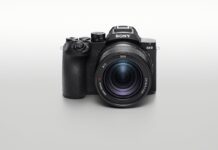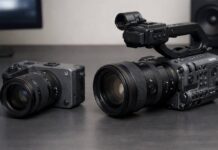

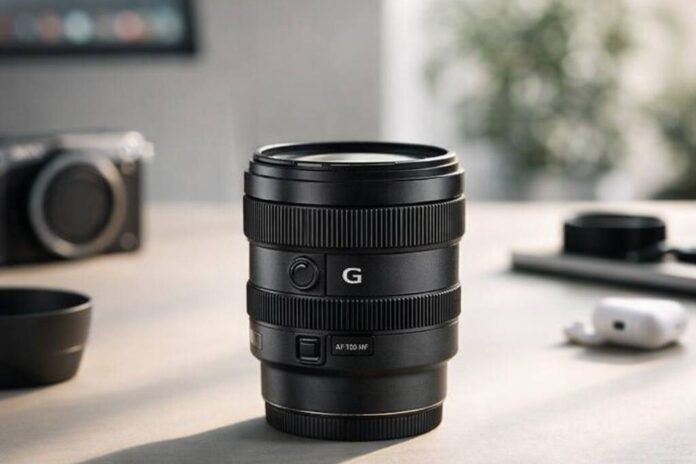
Choosing the right sony a7c lenses can completely change how this compact full-frame camera feels in real shooting. From lightweight walkaround primes to flexible zooms, I’ll break down the options that make the most sense for travel, portraits, street work, and daily photography.
For camera-body context, read the Sony a7C review. If you are weighing the newer compact body too, the Sony a7C II review adds useful upgrade context, while the best Sony FE lenses guide covers the wider lens ecosystem.
Why lens choice matters on the Sony a7C
How the compact body changes lens balance
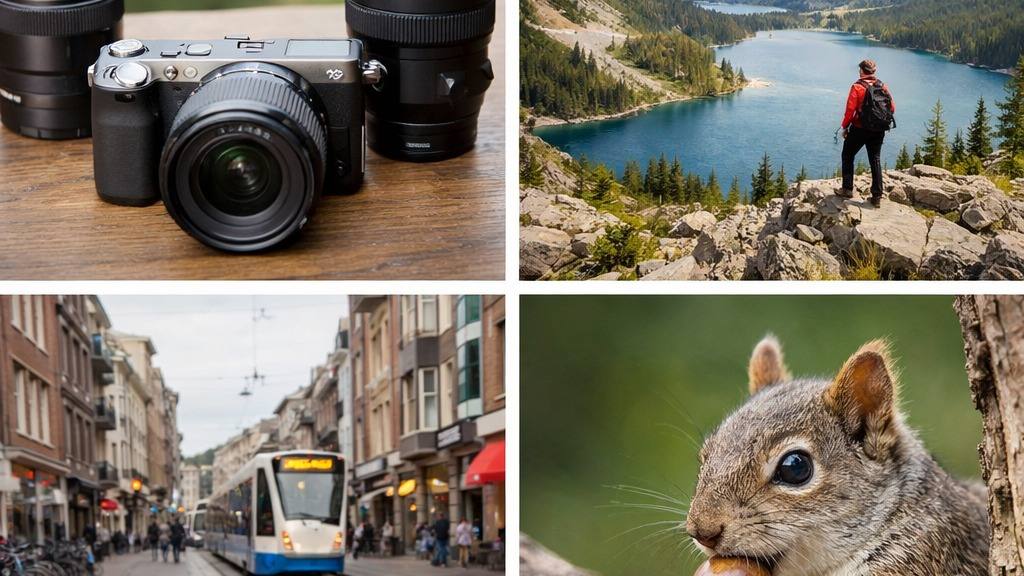
The Sony a7C is one of the most compact full-frame mirrorless cameras you can buy. Its small size is a huge advantage for travel and street photography, but it also means lens choice becomes even more important than usual. If you pair the A7C with a large, heavy lens, the setup feels front-heavy and awkward in the hand. The balance is thrown off, making shooting for long periods uncomfortable. That’s why it’s smart to match the A7C with lenses that keep the whole package light and nimble.
A compact prime often makes the A7C feel more natural in daily use, especially if you want a setup that stays easy to carry without sacrificing versatility. One example worth considering is the 7artisans AutoFocus 40mm F2.5 Full Frame Lens,Support …, since a small 40mm can suit street, travel, and casual portraits.
That same balance-first approach also helps if you’re comparing bodies in the same lineup, since handling and lens pairing often matter as much as image quality. If you’re weighing whether the newer model changes that equation, this Sony a7C II review adds useful context for travel and everyday shooting.
From my own experience, using a chunky 24-70mm f/2.8 zoom on the A7C almost defeats the purpose of the camera’s design. The grip is shallow, and with a heavy lens, you’re constantly readjusting your hand position. On the other hand, a compact 35mm or 40mm prime feels like it was made for this body. You can slip the combo into a small bag or even a jacket pocket – something you’d never do with a larger camera and lens.
What to prioritize for real-world shooting
When picking sony a7c lenses, think beyond just sharpness or maximum aperture. The real magic of the A7C is in its go-anywhere portability. So, prioritize lenses that are light, fast to focus, and easy to carry. Autofocus performance matters, especially for capturing spontaneous moments on the street or while traveling. Weather sealing and build quality are also important if you shoot outdoors a lot.
Another key factor is versatility. A lens that can handle wide shots, portraits, and close-ups saves you from changing glass all the time. For many, a compact zoom or a fast 35mm prime becomes the best lens for Sony a7C because it covers most needs without weighing you down. In short, the Sony a7C works best with lenses that respect its design philosophy – keep it small, simple, and ready for anything.
Best all-around lenses for everyday photography
The best standard zoom options
A good standard zoom is often the most practical everyday Sony a7C lens. It covers everything from landscapes to family snapshots and even the occasional portrait. The Sony FE 28-60mm f/4-5.6 is a top pick here. It was actually developed alongside the A7C, so it matches the camera’s size perfectly. While it’s not the fastest lens, its retractable design makes it ultra-compact. I often keep this lens on my A7C when I want one setup for anything that might pop up during the day.
If you want better low-light performance and crisper results, consider the Tamron 28-75mm f/2.8 or the Sigma 28-70mm f/2.8 DN. These offer a constant f/2.8 aperture and stunning sharpness but are a bit larger. They’re still much more manageable than the big Sony G Master zooms. For most people, either the native Sony 28-60mm or one of these third-party options hits the sweet spot between portability and flexibility.
Why a 35mm or 50mm prime still makes sense
Despite all the zoom options, a fast prime lens – especially a 35mm or 50mm – remains a classic choice for the Sony a7C. Primes are smaller, lighter, and often sharper than zooms. The Sony FE 35mm f/1.8 is nearly perfect for street shooting, food photos, and general use. It’s sharp wide open and delivers beautiful background blur for portraits. Plus, it keeps your kit discreet, which is great when you don’t want to draw attention.
The 50mm prime, like Sony’s FE 50mm f/2.5 G or Sigma’s 50mm f/2 DG DN, brings even more subject separation and works well for portraits, details, and everyday snapshots. Both focal lengths feel natural on full-frame and encourage you to move and explore your scene. I like to travel with just a 35mm or 40mm prime and the A7C – that combo can cover almost anything and never feels like a burden.
Best Sony a7c lenses for travel and street photography
Travel and street photography are where the Sony a7C really shines. You need lenses that are small, quick to focus, and versatile enough for unpredictable subjects. The ideal travel lens for Sony a7C is something you can carry all day without fatigue, yet still delivers pro-level images.
My top recommendation is the 7artisans AutoFocus 40mm F2.5 Full Frame Lens. This lens is incredibly compact, balances beautifully on the A7C, and delivers fast autofocus for fleeting moments. The slightly wider-than-50mm view gives you flexibility for both scenes and portraits, and the f/2.5 aperture offers nice subject separation even in low light. It’s also affordable, making it a great choice if you want high quality without breaking the bank. You can find more details and current pricing on Amazon.
Other strong options include the Sony FE 28mm f/2 and the Sigma 24mm f/3.5 DG DN. Both are extremely compact and excellent for capturing wide cityscapes or tight interiors. For zoom lovers, the Sony 28-60mm f/4-5.6 again stands out for its balance of range and portability. Whether you’re exploring narrow alleys or bustling markets, these compact Sony FE lenses keep your setup discreet and energetic, so you can focus on the shot instead of your gear.
Best portrait lenses for subject separation and flattering results
When to choose 50mm, 85mm, or 135mm
Portrait photographers crave beautiful background blur and flattering perspective. The classic choices here are 50mm, 85mm, and 135mm. On the Sony a7C, each focal length offers a different look and feel. A 50mm lens, like the Sony FE 50mm f/1.8 or f/2.5 G, is great for environmental portraits and half-body shots. It feels natural and is easy to use in tight spaces.
If you want more dramatic subject separation, the 85mm is a favorite. The Sony FE 85mm f/1.8 is affordable, sharp, and fast to focus. It creates creamy bokeh and flatters facial features, making it one of the best Sony a7C 85mm lens options. For even more background blur and compression, a 135mm lens like the Sony FE 135mm f/1.8 GM is fantastic, though much larger and heavier. Unless you shoot portraits exclusively, the 85mm usually offers the best balance of reach, bokeh, and portability for the A7C.
Fast aperture versus portability
On the Sony a7C, finding the right balance between aperture speed and lens size is key. Fast f/1.4 or f/1.2 primes are tempting for their beautiful blur, but they’re often bulky and can overwhelm the camera’s compact frame. I’ve found that lenses like the Sony FE 85mm f/1.8 or the Sigma 56mm f/1.4 DN strike a better balance. They’re fast enough for creamy backgrounds, yet remain small and light enough to keep the A7C’s advantages intact.
Ultimately, the best Sony lens for portraits on the A7C will depend on your shooting style. If you work outdoors or on location, choose something that won’t weigh you down. For studio or controlled environments, you might sacrifice some portability for the look you want. Either way, prioritizing comfort and agility will let you focus on connecting with your subject – not wrestling with your gear.
Wide-angle and landscape options worth packing
A wide-angle lens for Sony a7C can open up your creative options, especially if you enjoy landscapes, cityscapes, or dramatic architecture. The A7C’s compact build makes it a natural travel companion, and pairing it with a lightweight Sony a7C wide lens keeps your setup nimble for hiking, sightseeing, or spontaneous adventure.
For true landscape work, a lens with a focal length between 14mm and 24mm is the sweet spot. These lenses let you capture wide vistas, dramatic skies, and leading lines without constantly stepping back. My personal favorite for landscape lens Sony a7C use is the Sony FE 16-35mm f/4 G PZ. It’s sharp, weather-sealed, and the power zoom is great for video. However, it’s not the only choice.
- Sony FE 20mm f/1.8 G: This lens is brilliantly sharp, lightweight, and fast enough for astro or interiors. It balances perfectly on the A7C body, and the wide aperture is a bonus for night scenes.
- Sigma 16-28mm f/2.8 DG DN: A great alternative for those who want a constant f/2.8 aperture for low-light landscapes or creative effects. It’s a bit larger, but still manageable for most outings.
- Sony FE 24mm f/2.8 G: If you want the smallest package possible, this pancake-style lens is hard to beat. While 24mm isn’t ultra-wide, it covers most landscape needs and barely adds weight to your kit.
- Samyang AF 18mm f/2.8 FE: For the budget-minded, this lens is extremely compact and delivers respectable image quality. It’s not as sharp as Sony’s G primes, but it is wallet-friendly and wide enough for most scenery.
When choosing a Sony a7C wide lens, consider not just focal length but also size and filter thread compatibility. If you love using ND or polarizer filters for landscapes, make sure your lens supports common filter sizes. And if you’re planning to shoot in challenging weather, weather sealing is a real benefit.
For creative travel shooters, the 7artisans AutoFocus 40mm F2.5 Full Frame Lens is a wildcard option. While not ultra-wide, its slightly wider-than-standard field of view makes it fantastic for environmental portraits and street scenes where you want a sense of place without heavy distortion.
How to choose between Sony, Sigma, Tamron, and Samyang
The Sony a7C lens ecosystem is one of the richest for any full-frame mirrorless camera. Sony, Sigma, Tamron, and Samyang all offer excellent glass, but each brand has its own strengths and quirks. If you’re torn between Sony vs Sigma lenses for A7C, or considering a Tamron lens for Sony a7C, here’s how I break it down after years of hands-on use.
- Sony: You generally pay a premium for native Sony FE lenses. The payoff is excellent autofocus, reliable build quality, and consistent color rendering across the lineup. Many Sony lenses are compact, especially the G series primes. If you want the best compatibility and resale value, Sony is a safe choice.
- Sigma: Sigma’s Art and Contemporary series offer outstanding sharpness for the price. Their newer DG DN designs for mirrorless are lighter and smaller than older DSLR versions. Sigma’s 24mm, 35mm, and 85mm f/2.0 DG DN lenses are especially attractive for A7C owners who want fast primes without the Sony price tag. Autofocus is fast and reliable, though sometimes a touch noisier than Sony.
- Tamron: Tamron zooms are often the best value for travel and general photography. The Tamron 28-75mm f/2.8 and 17-28mm f/2.8 are lighter and cheaper than Sony’s equivalents, with great optics and weather sealing. Tamron primes, like the 20mm and 35mm f/2.8, are simple and affordable, though they lack the premium feel of Sony or Sigma. If you shoot a lot of video, Tamron zooms are a great match for A7C’s stabilization.
- Samyang: Samyang (sometimes branded Rokinon) is the go-to for budget-friendly primes. Their autofocus models, like the 35mm f/1.8 or 18mm f/2.8, are compact and surprisingly sharp. Autofocus is not as fast or silent as Sony or Sigma, but for the price, Samyang Sony FE lenses are hard to beat for beginners or as a lightweight backup.
For most people, third-party lenses from Sigma, Tamron, and Samyang offer better value, often with little to no compromise in image quality. However, for critical autofocus (sports, action) and weather resistance, Sony still holds the edge. Mix and match depending on your needs, but always try out a lens in person if possible, since handling and balance can differ between brands even at similar sizes.
My practical buying advice before you pick a lens
If you’re asking yourself, “Which Sony a7C lens should I buy first?” or searching for a true Sony a7C lens buying guide, here’s my advice based on hundreds of hours shooting with this system.
- Prioritize compactness and weight: The A7C shines because it’s small and light. Don’t ruin that by hanging a huge, heavy lens on the front. Even if a larger lens is sharper on paper, you’ll leave it at home more often.
- Start with a general-purpose prime or zoom: A 35mm or 40mm prime, or a 24-70mm zoom, covers most situations. The 7artisans AutoFocus 40mm F2.5 is a smart, affordable entry that won’t overwhelm the camera’s balance.
- Match the lens to your shooting style: Love landscapes and cityscapes? Grab a wide prime or compact zoom. Prefer portraits? Go with a 50mm or 85mm, but watch the size. For street and travel, discreet primes keep you agile and less conspicuous.
- Consider used or third-party options: The best value Sony a7C lens might not be new or from Sony. Sigma and Tamron’s recent releases are stellar, and you can often find gently used Sony or Sigma lenses at significant savings.
- Test before you buy if possible: Lens ergonomics are often overlooked. Even lenses with similar specs can feel very different in the hand. If possible, rent or try a lens at a store before committing.
Ultimately, the best Sony a7c lenses are the ones you will actually carry and use. It’s tempting to chase specs, but real-world handling and enjoyment matter much more.
Frequently asked questions
What is the best everyday lens for the Sony a7C?
For most users, a compact 35mm or 40mm prime is the ideal everyday lens. The Sony FE 35mm f/1.8 is sharp, fast, and balances beautifully. If you want something even more compact and affordable, the 7artisans AutoFocus 40mm F2.5 is a great option for daily shooting.
Are larger full-frame lenses too unbalanced on the Sony a7C?
Yes, many bigger full-frame zooms and fast telephotos do feel front-heavy and awkward on the A7C. For best handling, stick to lenses under 500g and focus on compact primes or smaller zooms. You’ll enjoy carrying the camera much more.
Which focal length is best for travel on the Sony a7C?
A 24-70mm or 28-75mm zoom gives you the most versatility for travel. If you prefer primes, a 35mm or 40mm lens is the sweet spot for street, food, and general scenes. Wide primes like 20mm or 24mm are perfect for landscapes and tight interiors.
Should I buy a prime or zoom lens for the Sony a7C first?
It depends on your style. If you want maximum flexibility, a standard zoom like the Tamron 28-75mm f/2.8 is excellent. If you value compactness and low-light ability, a 35mm or 40mm prime is more pocketable and encourages creative framing.
Key takeaways for choosing sony a7c lenses
- The best Sony a7c lenses balance image quality with compact size, not just sharpness on paper.
- A small standard zoom or a 35mm prime is usually the smartest first lens for most A7C owners.
- Travel and street shooters benefit most from lightweight lenses that preserve the A7C’s compact handling.
- Portrait photographers can get better subject separation with 50mm or 85mm lenses, but size matters on this body.
- Third-party options from Sigma, Tamron, and Samyang often offer the best value without sacrificing real-world performance.