
View full specs
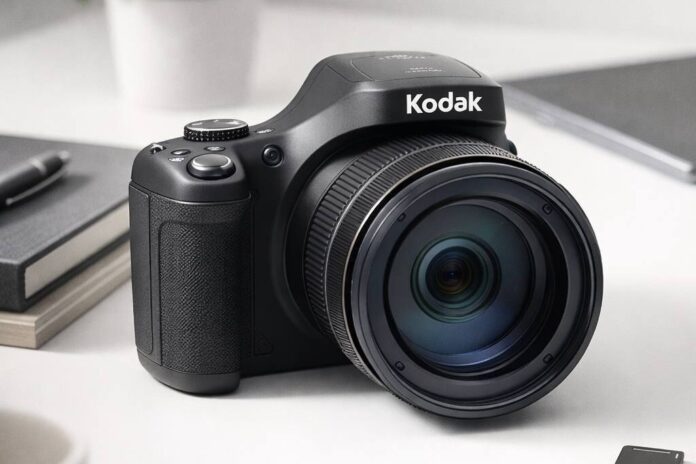
The Kodak PixPro S1 review story is more interesting than its specs suggest. I’ve always found this little Micro Four Thirds camera surprisingly charming, especially for photographers who care more about handling, color, and value than chasing the latest features.
What the Kodak PixPro S1 is and who it suits
Why this camera still gets attention
Compact digital cameras are making a comeback in 2026, but the Kodak PixPro S-1 stands out for more reasons than nostalgia. It is a budget mirrorless camera that uses the Micro Four Thirds system, which means it can work with a huge range of lenses from Panasonic, Olympus, and third-party brands. When it launched, the S-1 never aimed to beat premium models in speed or features. Instead, it promised good image quality, a lightweight body, and simple controls at a price that opened the mirrorless world to more photographers.
Even today, the S-1 gets attention from those looking beyond phone photography but not ready to invest in expensive new gear. Its compact footprint and direct approach to shooting make it a likeable option for casual outings, travel, or as a backup body for more advanced users. In my experience, few cameras at this price point offer the same blend of lens compatibility, solid color output, and nearly pocketable size.
If you have an interest in older digital cameras, or value the flexibility of Micro Four Thirds in a cheap, lightweight package, the Kodak PixPro S-1 is still worth a look. Its appeal is not in the numbers, but in the way it makes everyday shooting accessible and enjoyable.
The kind of photographer who will enjoy it most
The S-1 is not for spec chasers. If you want blazing-fast autofocus, high frame rates, or class-leading video, this camera will not deliver. Instead, it suits photographers who:
- Value small size and light weight over technical specs
- Want to experiment with different lenses on a budget
- Prefer simplicity and direct controls over endless menus
- Enjoy shooting JPEGs with pleasing color out of camera
- Are looking for a first “real” camera after using only smartphones
I often recommend the S-1 to beginners who want to learn the basics of aperture, shutter speed, and composition without being overwhelmed. But it can also appeal to experienced shooters who need a discreet, low-risk camera for street, travel, or family events. Its charm is in what it does simply and reliably, not what it tries to overreach.
Design, handling, and everyday shooting experience
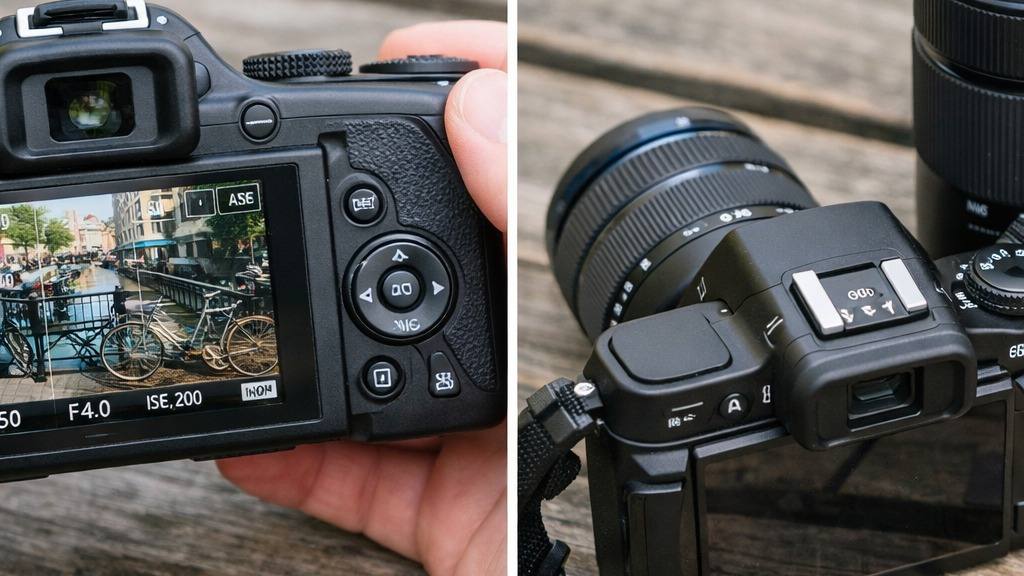
When you pick up the Kodak PixPro S-1, the first thing you notice is its compact, featherweight build. The grip is small but shaped well enough for most hands, with a textured front and a subtle thumb rest. I find it secure with smaller lenses, though users with large hands or those mounting heavier glass will want to support it from below. In practice, this camera disappears in a small bag or even a coat pocket with a pancake lens attached.
Control-wise, the S-1 favors simplicity. The top plate has a mode dial, shutter, and video record button, with a few customizable function buttons that keep things quick. The rear layout is uncluttered, featuring a standard D-pad and a clear, if basic, menu system. Unlike some budget mirrorless cameras, the S-1’s menus rarely get in your way. Most of the key settings are accessible in one or two presses, which means less fiddling and more shooting. For photographers who want to change ISO, white balance, or exposure compensation on the fly, the controls are responsive and direct.
The S-1’s LCD tilts upward for waist-level shooting, but lacks a full flip-out design. It’s not a selfie camera, and there is no built-in viewfinder. While limiting for some styles, I found it liberating for street and candid photography. The lack of a viewfinder keeps the camera slim and encourages shooting from creative angles. The LCD is bright enough for most daylight conditions, though it can wash out under harsh sun.
In everyday use, the S-1 is a camera you can genuinely carry anywhere. Its lightness means you won’t hesitate to bring it along, and its controls get out of your way so you can focus on timing and composition. For me, that’s a big part of its charm. It makes the act of taking pictures feel simple and approachable.
Image quality in real photography
JPEG color, RAW files, and dynamic range
The Kodak PixPro S-1 image quality is better than many expect from such an affordable camera. With a 16-megapixel Micro Four Thirds sensor, it delivers results in line with early Panasonic and Olympus bodies. The real surprise comes from its JPEG color: images straight out of camera often have a warm, pleasing tone that suits portraits, landscapes, and everyday scenes. Skin tones look natural, with a gentle roll-off in highlights and none of the harshness seen in some budget sensors.
For those who want more control, shooting RAW is a smart choice. The S-1’s RAW files hold up well in post-processing, with decent latitude for adjusting exposure and white balance. While the dynamic range is not on par with the latest sensors, you can recover a fair amount of shadow and highlight detail without introducing too much noise. In my experience, the files are flexible enough for moderate editing, especially if you keep ISO at 1600 or below.
Low light is where the S1 begins to show its limitations. Noise creeps in at higher ISOs, and detail falls off above ISO 3200. However, for daylight, travel, and casual indoor shooting, the files are clean and usable. If you expose carefully and avoid pushing the shadows too far, you can make prints up to A4 size that look crisp and vibrant.
For creative shooters, the color profiles are a highlight. Unlike many competitors at this price, the S1’s JPEGs have a character that feels closer to classic Kodak film than most digital rivals. This is not just nostalgia talking; there is a subtlety to the color and contrast that suits street, portrait, and travel photography. If you want a simple camera that makes attractive images with minimal editing, the S-1 delivers.
Autofocus, speed, and video performance
What to expect for portraits, travel, and casual action
In terms of autofocus and speed, the Kodak PixPro S-1 is basic but reliable for its era. The contrast-detect AF system covers a decent portion of the frame and performs best in good light. For portraits and travel scenes, it locks on accurately with a short pause. It is not a sports or wildlife camera, but for family events, street shooting, or slow-moving action, it rarely misses.
Face detection works, but not as quickly or confidently as on newer cameras. You will want to place your focus point manually for the best results. For moving subjects, the S-1 can struggle to keep up, especially in dim light. The burst shooting mode tops out at around 5 frames per second, but the buffer fills quickly, so you will not get long action sequences.
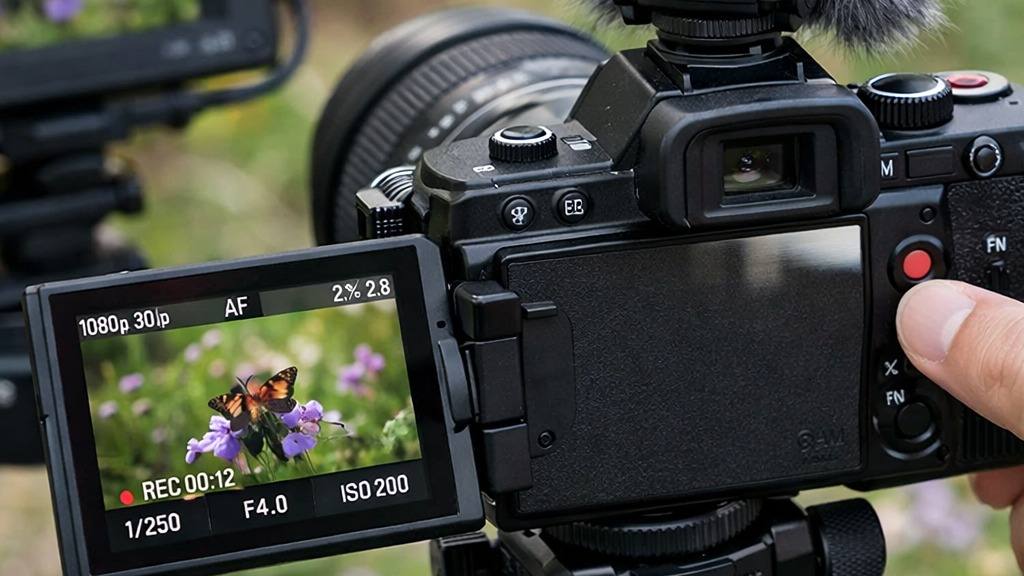
Video is where the S-1 shows its age most clearly. It records 1080p at 30 frames per second, with basic sound from the built-in microphone. Autofocus during video is slow and prone to hunting, so it is best suited to static scenes or manual focus work. For casual clips, travel diaries, or family moments, it is usable. However, anyone hoping for a hybrid photo/video camera will want to look elsewhere.
In practice, the S-1’s performance is best described as “good enough” for most non-demanding situations. It lets you focus on creativity and timing rather than tech specs. For street, portrait, and travel work, it feels responsive and rarely gets in the way. If you need blazing speed or advanced AF tracking, this is not the camera. But for the price, its reliability and fuss-free operation are hard to beat.
Kodak PixPro S-1 review continues to matter for those who want an affordable, flexible camera that makes real photography accessible. In the next sections, I’ll look at lens choices, battery life, and whether this little mirrorless still deserves a spot in your bag.
Lens options and Micro Four Thirds compatibility
If you find a used listing that says Kodak S1 rather than Kodak PixPro S-1, check the photos, mount, battery, and included charger carefully. Sellers often drop the hyphen, but the Micro Four Thirds lens compatibility is the same.
One of the Kodak PixPro S-1’s strongest features is its use of the Micro Four Thirds system. In 2026, this gives it a surprising amount of flexibility. While the camera itself is budget-oriented, it is not locked into proprietary lenses. Instead, it can use a huge catalog of Micro Four Thirds glass, from affordable kit lenses to higher-end primes and even specialized optics.
This compatibility is the S-1’s secret weapon. While Kodak’s own kit lenses – the 12-45mm f/3.5-6.3 and 42.5-160mm f/3.9-5.9 – are small and light, they do not deliver the sharpest results. However, they are a great place to start for casual shooting or travel. If you want to get more from the sensor, pairing the S-1 with glass from Olympus, Panasonic, Sigma, or even vintage adapted lenses opens up many creative possibilities.
That appeal becomes clearer when you compare it with other older interchangeable-lens cameras in the same ecosystem, especially if you want to understand how design priorities shifted over time. For a useful point of reference, this Kodak PixPro camera guide helps frame where the S-1 fits for practical, budget-minded shooting.
Best lens pairings for a practical kit
For photographers who want the best balance of quality, size, and affordability, certain lenses stand out. The Panasonic 20mm f/1.7 is a classic pancake prime that transforms the S-1 into a pocketable street camera. Its fast aperture and sharp rendering make it perfect for low-light or environmental portraits.
If you lean toward landscapes or architecture, the Olympus 9-18mm wide zoom brings much more width and is still compact. Portrait shooters will love the Olympus 45mm f/1.8. It is lightweight, fast-focusing, and delivers beautiful background blur even on an older sensor.
- Kodak PixPro S-1 lenses: The original kit lenses are fine for snapshots but do not show the sensor’s true potential.
- Micro Four Thirds compatibility: Unlocks hundreds of lens options, including autofocus primes from Panasonic, Olympus, and Sigma.
- Best lenses for Kodak S-1: Consider the Panasonic 20mm f/1.7 for everyday use, Olympus 45mm f/1.8 for portraits, and Olympus 9-18mm for wide angles.
Manual focus fans can adapt vintage lenses using inexpensive adapters. The S-1 also has sensor-shift image stabilization, which is useful with small primes, adapted lenses, and telephoto work. Stabilized Micro Four Thirds lenses can still help, but the body itself is not unstabilized.
The only notable limitation: The S1’s autofocus system is basic by modern standards, so some newer lenses with complex focusing motors may not perform at their fastest. However, for most still photography, the system is reliable enough, especially with prime lenses or slower-moving subjects.
In short, the S-1’s lens compatibility gives it a real edge over most entry-level compacts. It lets you experiment and upgrade your kit as your needs change, instead of outgrowing the camera right away.
Battery life, connectivity, and long-term usability
No review of a used mirrorless camera is complete without discussing practical daily use. The Kodak PixPro S-1 is compact, and it uses the LB-070 rechargeable Li-ion battery. In day-to-day shooting, I average about 250-300 shots per charge, sometimes less with a lot of playback or Wi-Fi use. This is modest, but not unusual for early mirrorless models.
Carrying a spare LB-070 is essential if you plan to shoot all day. Luckily, third-party LB-070 batteries remain easy to find and affordable even in 2026. Charging is done in-camera over Micro USB when the camera is switched off, which is more travel-friendly than carrying a separate charger.
On the connectivity side, the S-1 offers built-in Wi-Fi. The Kodak S-1 Wi-Fi is functional for image transfer to your phone, but it is slow and the companion app is clunky by today’s standards. You can transfer JPEGs to a smartphone or tablet, but RAW files need to be moved via SD card. There is no Bluetooth, and the Wi-Fi workflow reflects its early-2010s design.
Long-term usability depends on your expectations. The S-1 feels solid for its price, with a metal lens mount and a basic but reliable flip-up screen. Shutter durability is not remarkable, but these cameras seem to hold up well with moderate use. The menu system is simple, which is helpful for beginners but can frustrate experienced users who want more direct control.
- Kodak PixPro S-1 battery life: Plan for 250-300 photos per charge, possibly less with heavy Wi-Fi use.
- Kodak S-1 Wi-Fi: Works for JPEG transfers, but the app is outdated and slow.
- Used mirrorless camera: The S-1 remains a reliable option if you manage expectations on speed and modern features.
In 2026, compact digital cameras are finding new fans, but their limitations around battery and connectivity matter. The S-1 is best for those who can live without the latest wireless features and appreciate straightforward operation. With basic care and a couple of spare batteries, it is still a fun and usable camera for everyday photography.
Buying note: the S-1 is a used-market camera now. I would not chase inflated prices or vague listings. Buy only if the body is clean, the battery and charger are included, and the price is low enough compared with used Olympus and Panasonic Micro Four Thirds bodies. If you are checking a listing, the official Kodak PIXPRO S-1 user manual is useful for confirming controls, battery details, and basic camera operation.
Pros, cons, and whether it is still worth buying
The Kodak PixPro S-1 review reveals a camera that is far from perfect, yet it holds a special place for value-focused photographers in 2026. Here is an honest look at where it shines and where it falls behind.
- Pros:
- Lightweight, compact, and easy to carry everywhere
- Access to a huge range of Micro Four Thirds lenses
- Pleasant color rendering and good JPEGs in daylight
- Simple controls, easy for beginners to learn
- Low used price, making it a risk-free entry to serious photography
- Cons:
- Autofocus and burst speed feel sluggish by 2026 standards
- Basic kit lenses limit sensor potential
- No 4K video, and Full HD quality is average
- Battery life is short, so spares are a must
- Connectivity is outdated, with slow Wi-Fi and no Bluetooth
So, is the Kodak PixPro S-1 worth it in 2026? For many, yes, but only within its limits. On the Kodak S-1 used market, prices are low enough that you can build a complete kit for less than the cost of a single new lens from a major brand. The S-1 is ideal for beginners testing if photography is for them, or for enthusiasts who want a backup body for casual use.
It is not a good choice for those chasing the fastest autofocus, advanced video, or modern wireless workflows. However, if you want a compact digital camera that feels good in hand, supports a wide range of creative lenses, and rewards patient shooting, the S-1 can still be a satisfying stills camera.
Kodak PixPro S-1 alternatives
The main alternatives to the Kodak PixPro S-1 are Used Olympus PEN bodies, used Panasonic Lumix G/GF bodies, older Sony NEX bodies. Compare autofocus, stabilization, video limits, lens choice and current price before deciding which camera fits you best.
Frequently asked questions
Is the Kodak PixPro S-1 still worth buying today?
Yes, but only as a low-cost used camera. It makes sense if you want a cheap Micro Four Thirds body for still photography and can accept older autofocus, modest video, and limited support.
Can the Kodak PixPro S-1 use Micro Four Thirds lenses?
Yes. The S-1 uses the Micro Four Thirds system, so it can use compatible lenses from Panasonic, Olympus/OM System, Sigma, and other Micro Four Thirds makers.
Is the Kodak PixPro S1 good for beginners?
It can be good for patient beginners who want to learn exposure, lenses, and RAW editing cheaply. It is not the easiest beginner choice if you expect smartphone-like speed or modern autofocus.
Does the Kodak PixPro S-1 shoot RAW files?
Yes. RAW support is one reason the S-1 is still interesting. The sensor is old, but RAW files give you more control over white balance, color, and exposure recovery than JPEG alone.
Key takeaways for photographers in 2026
- The Kodak PixPro S1 is most appealing as an affordable entry into the Micro Four Thirds system.
- Its strongest points are compact size, lens compatibility, and pleasant still-image results in the right conditions.
- Autofocus, speed, and video are modest by current standards, so expectations need to stay realistic.
- For lensandshutter.com readers, it makes the most sense as a low-cost photography body rather than a hybrid creator camera.
Curious photographers who want a cheap Micro Four Thirds body for stills and lens experimentation
You need modern autofocus, strong video, warranty support, or easy accessory availability
Medium
Used Olympus OM-D/PEN or Panasonic Lumix G bodies
Older 1080p video and basic autofocus
Only if it is cheap, clean, complete, and bought for still photography