
Every photographer dreams of capturing images that truly stand out. The secret often lies in choosing great dslr cameras that offer more than just the basics.
This article reveals the nine essential features that set outstanding cameras apart from the rest. From high-resolution sensors and advanced autofocus to robust build quality and intuitive controls, each feature brings a unique advantage to your creative toolkit.
By understanding what makes great dslr cameras excel, you can unlock your full potential and consistently achieve stunning results. Ready to discover which features matter most? Let’s dive in.
Contents
- Why DSLR features matter for stunning shots
- 9 essential great DSLR camera features for stunning shots
- 1. High-resolution sensors for sharp, detailed images
- 2. Advanced autofocus systems for precise focus
- 3. Wide ISO range and low-light capability
- 4. Fast and continuous burst shooting modes
- 5. Robust build quality and weather sealing
- 6. Large, bright optical viewfinder
- 7. Versatile lens compatibility and system expandability
- 8. Intuitive controls and customizable settings
- 9. Reliable battery life for extended shooting
- How to prioritize features based on your photography style
- Expert tips for evaluating and testing DSLR features
Why DSLR features matter for stunning shots
Capturing truly breathtaking images is about more than just pointing and clicking. The features packed into great dslr cameras are what turn an ordinary shot into a work of art. Whether you are new to photography or a seasoned shooter, understanding these features can be the difference between frustration and satisfaction.
The real impact of DSLR features on your photography
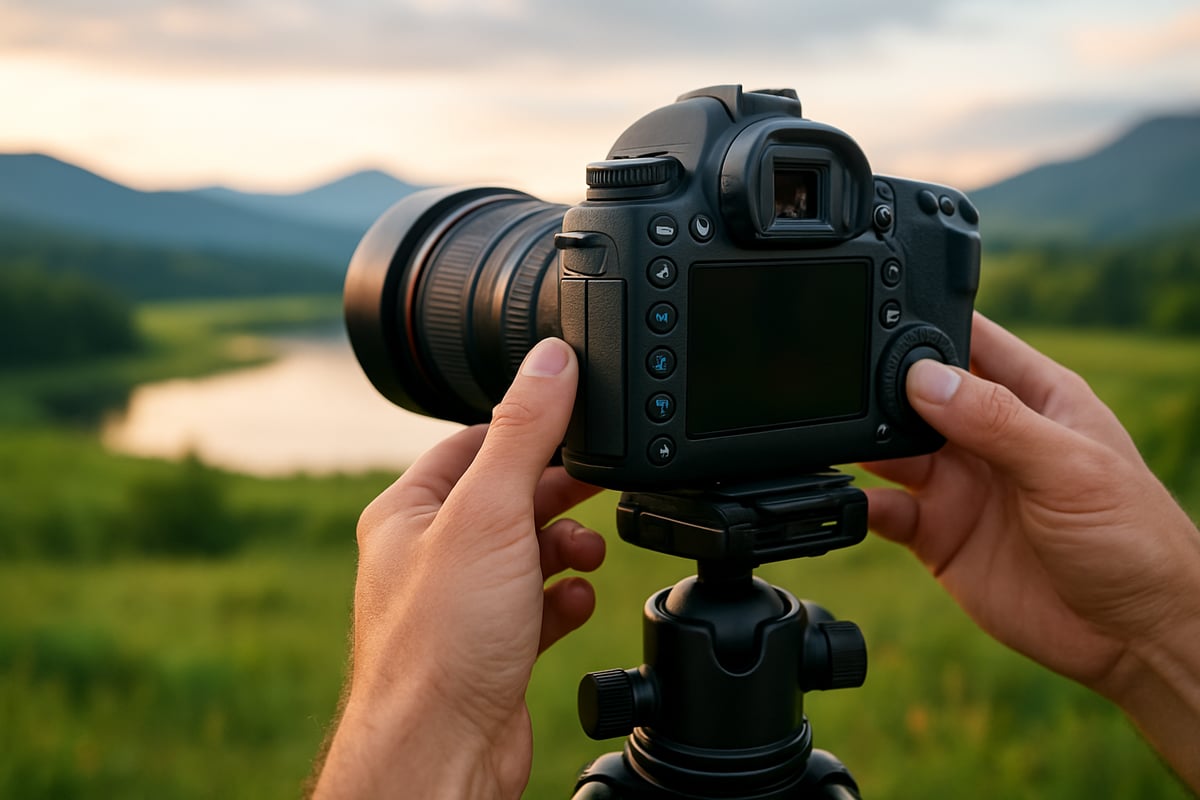
Every feature in a DSLR contributes directly to the image you create. High-resolution sensors capture intricate details, while advanced autofocus systems lock onto fast-moving subjects with precision. Wide ISO ranges let you shoot in dim conditions, and customizable controls allow you to adapt quickly as the scene changes.
Great dslr cameras provide more than technical advantages. They give you the confidence to experiment, knowing your gear will keep up. With the right tools, your creative vision is never limited by your equipment.
Entry-level vs advanced: What really sets them apart?
Not all DSLRs are created equal. Entry-level models offer a solid starting point, but advanced cameras bring enhanced features like faster burst rates, better low-light performance, and expanded lens compatibility. These features matter when you are shooting challenging scenes, such as sports or wildlife.
Great dslr cameras also tend to have more robust build quality and weather sealing, making them reliable companions for outdoor adventures. The difference in results is often clear: sharper images, richer colors, and fewer missed moments.
Overcoming challenges and unlocking creativity
Photography is full of challenges, from unpredictable lighting to fleeting expressions. Features like wide ISO ranges, advanced autofocus, and continuous shooting modes help you overcome these hurdles with ease. For example, a wide ISO range lets you capture indoor events without a flash, while fast autofocus ensures you never miss the action.
Great dslr cameras open new creative doors. With access to a wide variety of lenses and accessories, you can experiment with unique perspectives and artistic techniques, making each photo truly your own.
Investing in the right features for long-term value
Choosing a camera is a significant investment. Prioritizing essential features ensures your gear grows with you as your skills develop. Photographers using great dslr cameras consistently report higher satisfaction and better results in surveys.
Understanding which features matter most to your style will help you make smarter decisions. For further guidance on selecting the best models and features, check out the Best DSLR cameras guide.
Whether you are a hobbyist or a professional, investing in the right features pays off in the long run. Your camera becomes a trusted tool, ready for any creative challenge.
9 essential great DSLR camera features for stunning shots
Every photographer dreams of owning a tool that delivers images with breathtaking clarity, rich colors, and creative flexibility. Achieving this consistently is only possible with the right combination of features. In my years behind the lens, I have found that great dslr cameras are defined by nine essential features. Understanding these can make the difference between average results and truly stunning shots.
1. High-resolution sensors for sharp, detailed images
The heart of every DSLR is its sensor, and high resolution is a hallmark of great dslr cameras. More megapixels mean you can capture finer details, which is invaluable for large prints or aggressive cropping during editing. However, not all megapixel counts are equal. Real-world sharpness also depends on sensor size and quality, not just numbers on paper.
For landscape and portrait photographers, a high-resolution sensor can reveal subtle textures in skin or the intricate veins of a leaf. Modern DSLRs often range from 20 to over 45 megapixels, with full-frame sensors delivering superior dynamic range and low-light performance. This is why many professionals opt for full-frame models, as detailed in this DSLR full-frame camera overview.
Cropping flexibility is another advantage. If you shoot wildlife or sports, you can crop in tightly on distant subjects without sacrificing image quality. Average sensor resolutions in current great dslr cameras typically fall between 24 and 36 megapixels, with flagship models pushing even higher.
Remember, sensor performance is a blend of resolution, size, and image processing. Prioritizing these aspects ensures your images are crisp, vibrant, and ready for any creative challenge.
2. Advanced autofocus systems for precise focus
Capturing a fleeting moment or a fast-moving subject is only possible with a reliable autofocus system. In great dslr cameras, autofocus goes far beyond basic point-and-shoot capabilities. The number and type of autofocus points, as well as tracking technology, directly impact your ability to achieve sharp results.
Phase-detection autofocus, found in most DSLRs, offers rapid and accurate focusing. Some advanced models provide over 100 focus points, with sophisticated tracking algorithms that follow subjects across the frame. This is essential for sports, wildlife, and event photography, where moments unfold in a split second.
I have missed shots in the past due to slow or inaccurate autofocus, especially in low light or crowded scenes. Customization matters too. The ability to assign focus modes or zones helps you adapt to different shooting situations, from single-point precision in portraits to wide-area tracking for action.
Recent advancements have improved autofocus speed dramatically. Some great dslr cameras now focus in under 0.05 seconds. Investing in a camera with robust autofocus ensures you never miss the decisive moment, no matter the challenge.
3. Wide ISO range and low-light capability
Lighting conditions are rarely perfect. That is why a wide ISO range is a must-have in great dslr cameras. ISO determines how sensitive your camera’s sensor is to light, affecting your ability to shoot in dim environments without a flash.
High ISO performance allows you to capture sharp images at night, indoors, or during events. However, pushing ISO too far can introduce noise, reducing image quality. The best DSLRs balance sensitivity with noise control, using advanced image processors to preserve detail.
For example, shooting a wedding reception or a cityscape at dusk requires ISO flexibility. Many current DSLRs offer native ISO ranges from 100 up to 51,200 or even higher with expansion. This range gives you the freedom to choose faster shutter speeds and smaller apertures, maintaining sharpness and depth of field.
Balancing ISO with aperture and shutter speed is key. Great dslr cameras provide the control needed to adapt quickly, ensuring you get usable images regardless of lighting challenges.
4. Fast and continuous burst shooting modes
Action happens in an instant, and burst shooting modes are your ticket to catching the perfect frame. In great dslr cameras, frames per second (fps) rates range from 5 to over 12 fps, allowing you to capture sequences that reveal the peak of movement.
Buffer size is equally important. A large buffer lets you shoot longer bursts without interruption, vital for sports or wildlife photography. I have found that a small buffer often means missing the climactic moment, especially when tracking unpredictable subjects.
Burst mode is not just for action. It is useful for candid moments and group photos, helping you choose the best expression or pose. Entry-level DSLRs might offer 3-5 fps, while advanced models reach 10 fps or more, with buffer depths to match.
To maximize burst performance, use fast memory cards and pre-focus on your subject. These features in great dslr cameras ensure you are always ready for the shot that matters most.
5. Robust build quality and weather sealing
Durability is a cornerstone of great dslr cameras. Whether you are shooting in the desert, rain, or on a crowded street, a solid build gives you peace of mind. Professional DSLRs often use magnesium alloy or high-strength polycarbonate bodies, designed to withstand bumps, drops, and rough handling.
Weather sealing is critical for outdoor and travel photographers. Sealed buttons, gaskets, and reinforced seams keep out dust and moisture. I have shot in pouring rain and dusty markets, relying on my camera’s resilience to deliver without fail.
Surveys show that cameras with robust construction and sealing experience fewer failures due to environmental exposure. The best models combine ruggedness with ergonomic design, so you can shoot confidently wherever your creativity leads.
Materials like rubberized grips and reinforced mounts further enhance longevity. Investing in great dslr cameras with proven build quality pays off through years of reliable performance.
6. Large, bright optical viewfinder
A clear, immersive viewfinder is often overlooked, but it is a game-changer for composition and focus. Great dslr cameras feature large, bright optical viewfinders that show the world as it truly is, with no lag or electronic artifacts.
Viewfinder coverage is key. Look for models offering 100 percent coverage, so what you see is exactly what you get in your final image. Magnification also matters, especially for manual focusing or tracking fast subjects.
Optical viewfinders have advantages over electronic ones, including natural color rendition and zero delay. I find this especially valuable when shooting in bright sunlight or high-speed situations. User feedback consistently favors optical finders for their realism and comfort.
When evaluating great dslr cameras, take time to look through the viewfinder. A bright, clear view helps you frame your shots with confidence and precision, no matter your subject.
7. Versatile lens compatibility and system expandability
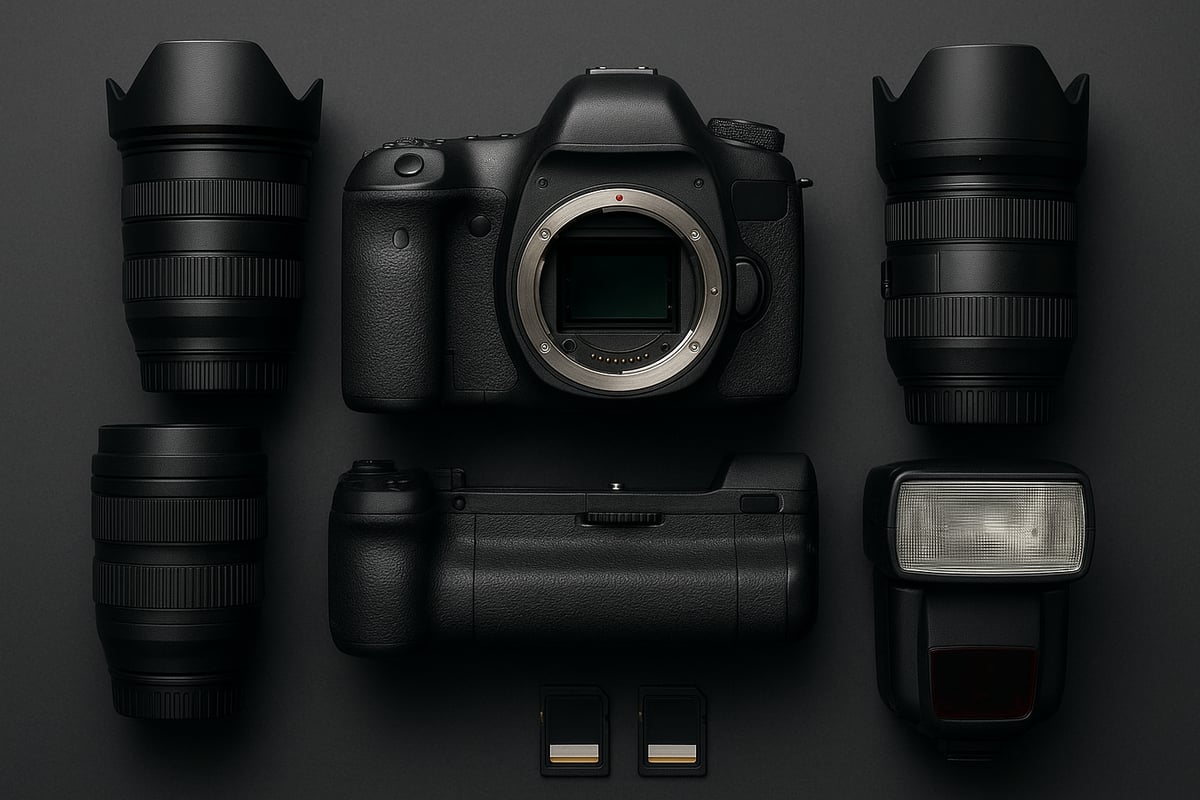
A camera is only as good as the lenses and accessories you can pair with it. Great dslr cameras stand out for their vast ecosystem of compatible lenses, flashes, grips, and more. This flexibility unlocks creative possibilities and supports you as your skills grow.
Compatibility with legacy and third-party lenses means you can experiment with different focal lengths, apertures, and effects. I have built my own collection over the years, adapting lenses for macro, portrait, and landscape work.
System expandability is another hallmark. You might start with a simple kit, but as you develop, adding specialized lenses or wireless flashes takes your photography to new heights. Some popular DSLR mounts offer over 100 native lens options, plus countless third-party choices. For instance, the Canon EOS 90D is renowned for its extensive lens compatibility and accessory support, as detailed in the Canon EOS 90D Features.
Investing in great dslr cameras with broad system support ensures your gear evolves alongside your vision, not the other way around.
8. Intuitive controls and customizable settings
Fast, intuitive control is essential when moments are fleeting. Great dslr cameras offer well-placed dials, buttons, and customizable menus that let you adjust settings on the fly. This is crucial for adapting to changing light, subjects, or creative ideas.
Customizable controls mean you can assign your most-used functions to specific buttons, speeding up your workflow. I rely on this feature when moving between different genres, from portrait to street photography. Ergonomics also play a role. Comfortable grips and logical layouts make long shoots less fatiguing.
Interface design varies widely. Some cameras offer touchscreens, while others focus on tactile dials. The key is finding a setup that fits your style. Best practice is to spend time personalizing your camera before a big shoot.
In fast-paced situations, quick access to settings can mean the difference between a good shot and a missed opportunity. Great dslr cameras empower you to focus on creativity, not menu navigation.
9. Reliable battery life for extended shooting
There is nothing more frustrating than running out of power mid-shoot. Reliable battery life is a non-negotiable feature in great dslr cameras, especially for travel, events, or long outdoor sessions.
Battery performance depends on factors like screen use, burst shooting, and temperature. Modern DSLRs typically deliver 800 to 1,500 shots per charge, with some pro models exceeding 2,000. This stamina lets you concentrate on capturing the moment, not hunting for outlets.
In my experience, shooting weddings or covering sports events demands backup batteries and efficient power management. Using optical viewfinders instead of live view, minimizing image review, and carrying a battery grip can extend your shooting time.
User surveys show high satisfaction with DSLRs that offer dependable battery life. Choosing great dslr cameras with robust power solutions ensures you never miss a shot due to a dead battery.
How to prioritize features based on your photography style
Choosing the right features in great dslr cameras is not just about owning the latest tech. It is about matching your camera’s strengths with your unique vision and shooting habits. The features that matter most for a landscape photographer may not be as critical for someone who thrives on fast-paced sports action or intimate portraiture.
Before investing, take a close look at your preferred genres. Are you drawn to sweeping vistas, dramatic wildlife, bustling city streets, or dimly lit concerts? Each style benefits from distinct features in great dslr cameras. For example, landscape shooters often need high-resolution sensors and weather sealing, while sports enthusiasts prioritize fast burst rates and advanced autofocus.
Here is a quick reference table to help match common genres with essential features:
| Photography Style | Most Important Features |
|---|---|
| Landscape | High resolution, dynamic range, weather sealing |
| Portrait | Fast, accurate autofocus, lens compatibility, sensor quality |
| Sports/Wildlife | Burst speed, advanced autofocus, battery life |
| Travel | Durability, compactness, battery life, versatility |
| Low-light | Wide ISO range, large aperture lens support, image stabilization |
Be honest about your habits. If you rarely shoot action, a blazing fast burst mode may be less important than low-light capability. On the other hand, if you love travel, a lightweight and robust body will serve you better than sheer megapixel count.
To prioritize features effectively:
- List your top three shooting styles.
- Identify which features directly support those genres.
- Research how great dslr cameras in your budget stack up in these areas. The Canon DSLR lineup comparison can give you a clear view of how various models differ in features.
- Consider trade-offs. Sometimes, a camera with exceptional battery life may have a slightly smaller sensor. Decide which compromise matters less to you.
- Think ahead. As your skills grow, will you want to try new genres? Investing in a system with broad lens compatibility and expandability can save you from having to upgrade too soon.
Remember, no single camera excels in every area. The key is to choose great dslr cameras that align with your current needs while leaving room for growth. A careful, honest assessment today will help ensure your investment brings years of photographic satisfaction.
Expert tips for evaluating and testing DSLR features
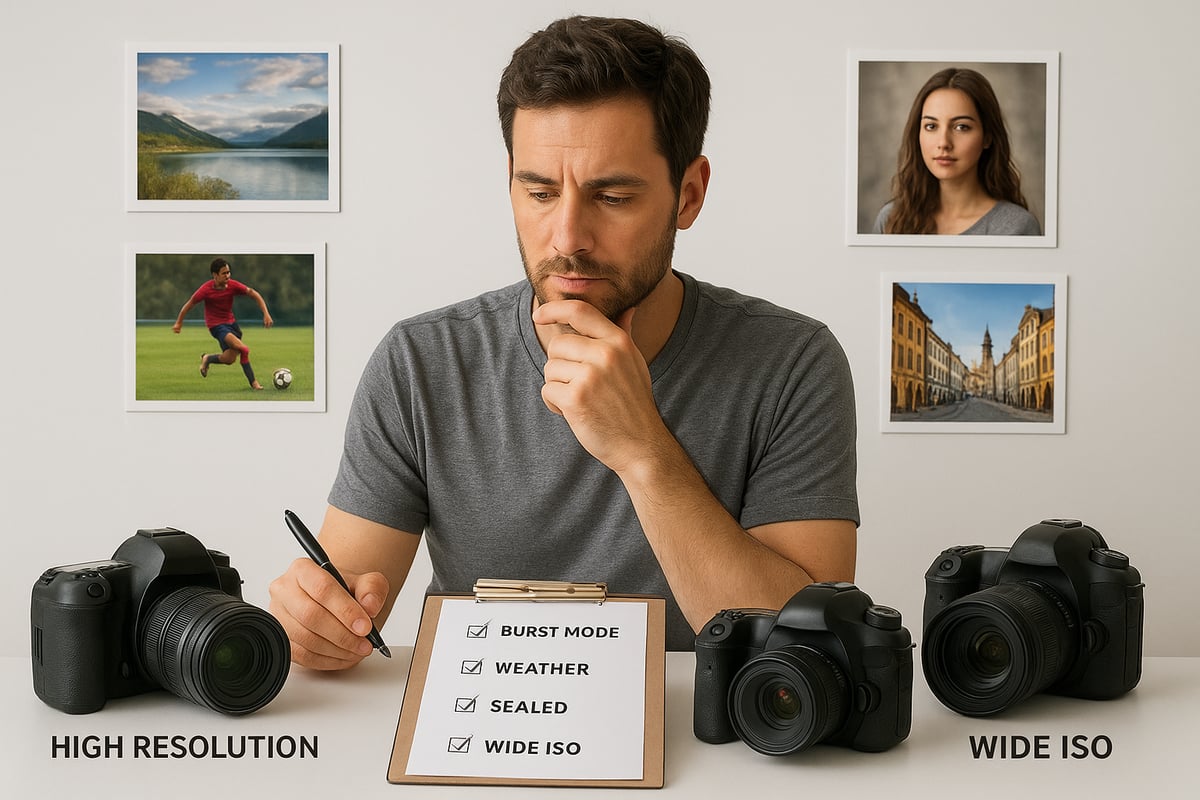
Selecting great dslr cameras is more than just reading specs. A hands-on approach can reveal how a camera will perform in real shooting situations. Start by examining sensor performance in various lighting conditions. Take test shots in both bright and dim settings. Assess the autofocus speed by tracking moving subjects if possible. Pay attention to the responsiveness and accuracy, especially if you often photograph action or wildlife.
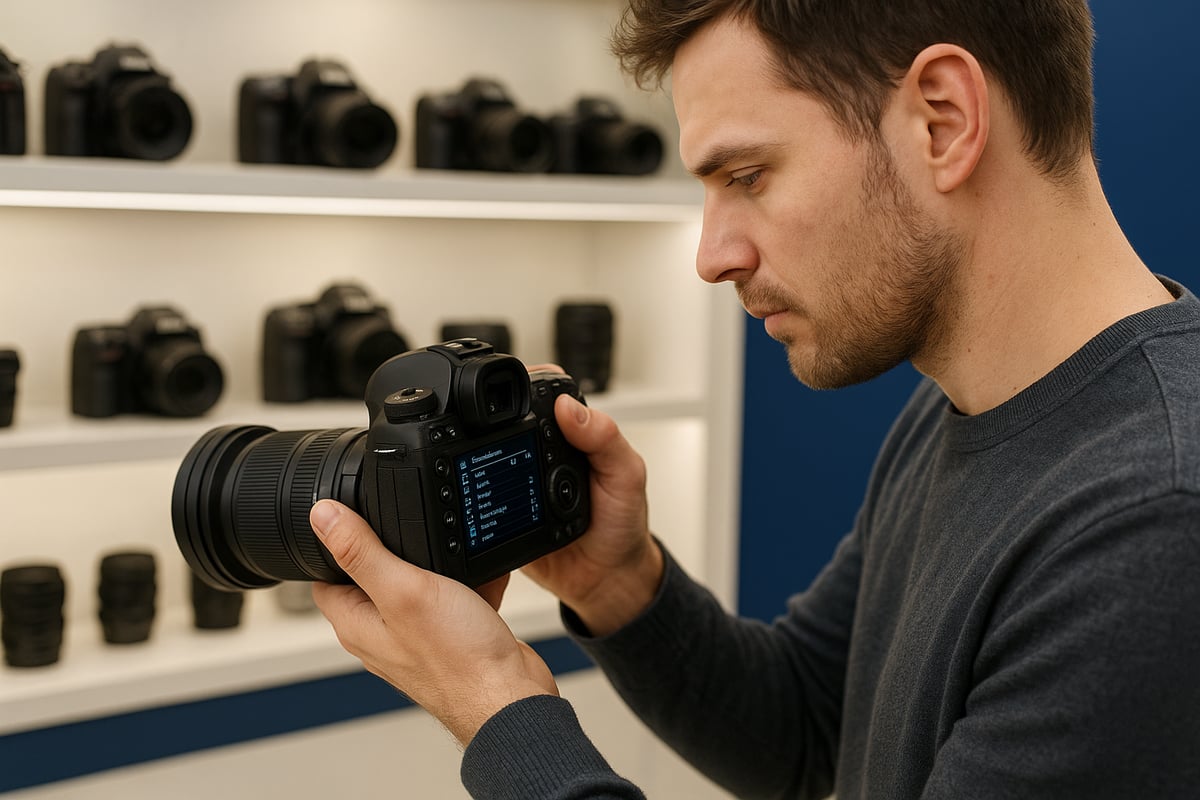
When handling great dslr cameras in-store or through rental, focus on ergonomics. How does the grip feel in your hand after a few minutes? Are the buttons and dials easy to reach and intuitive to use? Explore the menu layout and see if you can quickly access essential settings. Ask yourself: Can you adjust ISO, aperture, and focus points without taking your eye from the viewfinder? These small details can make a big difference during demanding shoots.
Do not underestimate the value of expert reviews and user feedback. Reading a Nikon D850 in-depth review can provide practical insights into advanced features and real-world performance. Compare sample images from multiple great dslr cameras to evaluate color rendition, dynamic range, and sharpness. Engage with photography forums and communities to hear firsthand experiences from fellow photographers. These resources can help you understand how a camera handles in the field and whether it matches your creative vision.