
The Canon DSLR lineup in 2026 is no longer a growing camera system, but it is still a useful one. That distinction matters. If you are looking up Canon DSLR models today, the real question is not “what is the newest hype body?” It is which Canon DSLR still makes sense to buy, which models are best bought used, and when Canon mirrorless is the smarter long-term move.
The short version: the Canon EOS 90D is the most useful late-generation APS-C DSLR for most enthusiasts, the Canon EOS Rebel SL3 is the friendliest compact beginner DSLR, the Canon Rebel T7 is the cheap entry point, and the Canon EOS 5D Mark IV remains the classic full-frame workhorse. For professional sports and wildlife, the EOS-1D X Mark III is the final flagship DSLR answer, but it is a specialist body rather than a normal recommendation.
This page is the Canon DSLR hub. If you want the wider Canon ecosystem, use the Canon camera reviews page. If you only want beginner picks, the more focused guide is best beginner Canon DSLR cameras.
Canon DSLR lineup chart for 2026
Canon’s DSLR range is easiest to understand by family. The higher the number of digits, the more beginner-oriented the body usually is. One-digit bodies are the professional and advanced enthusiast line; two-digit bodies are enthusiast APS-C; three- and four-digit/Rebel bodies are beginner models.
| Canon DSLR family | Main models to know | Sensor | Best for | 2026 buying status |
|---|---|---|---|---|
| EOS-1D series | EOS-1D X Mark III | Full-frame | Sports, wildlife, press, extreme reliability | Flagship used/pro body; overkill for most buyers |
| EOS 5D series | 5D Mark IV, 5D Mark III | Full-frame | Weddings, portraits, events, commercial stills | Best classic professional Canon DSLR family |
| EOS 6D series | 6D Mark II, 6D | Full-frame | Affordable full-frame portraits and travel | Good used value if dynamic range is not the priority |
| EOS 7D / 90D / 80D line | 90D, 80D, 7D Mark II | APS-C | Wildlife, sports, enthusiast photography | The strongest Canon crop DSLR tier |
| Rebel / 250D / 2000D tier | SL3/250D, T7/2000D, T7i/800D | APS-C | Beginners, students, cheap first camera kits | Buy only if the price is right and lenses are sensible |
Which Canon DSLR should you buy?
If I were buying a Canon DSLR in 2026, I would not treat every model equally. Some are still genuinely useful. Some are fine only at a low used price. Some are mostly historical now.
- Best Canon DSLR for most enthusiasts: Canon EOS 90D
- Best beginner Canon DSLR: Canon Rebel SL3 / EOS 250D
- Cheapest sensible Canon DSLR: Canon Rebel T7 / EOS 2000D
- Best professional full-frame Canon DSLR: Canon EOS 5D Mark IV
- Best affordable full-frame Canon DSLR: Canon EOS 6D Mark II
- Best professional Canon DSLR for action: Canon EOS-1D X Mark III
- Best used Canon DSLR value: Canon EOS 80D or Rebel T7i, depending on budget
Current and still-relevant Canon DSLR models
Canon EOS 90D – best all-around Canon DSLR for enthusiasts
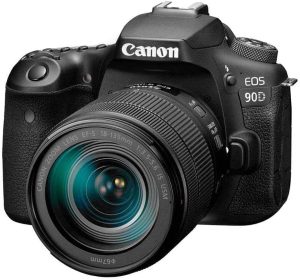
The Canon EOS 90D is the Canon DSLR I would look at first if you want one serious crop-sensor body. It has the strongest combination of resolution, speed, autofocus, battery life, optical-viewfinder handling, and modern video in Canon’s late DSLR lineup.
The 32.5MP APS-C sensor is the headline feature. It gives wildlife and sports photographers more cropping room than older 20MP and 24MP Canon crop bodies. The 10 fps burst rate is fast enough for birds, field sports, and general action. The EF/EF-S lens mount also matters: used Canon telephoto lenses are widely available, and the APS-C crop factor gives extra apparent reach.
The 90D is not the best Canon camera if you are starting a system from scratch and want the newest autofocus technology. A mirrorless Canon EOS R7 or R10 is usually a better long-term system decision. But if you specifically want a Canon DSLR, the 90D is the cleanest enthusiast recommendation.
Buy it if: you want a strong Canon DSLR for wildlife, sports, outdoor family photography, or general enthusiast use.
Skip it if: you want the future Canon lens system, best subject tracking, or a compact mirrorless kit.
Canon Rebel SL3 / EOS 250D – best compact beginner Canon DSLR
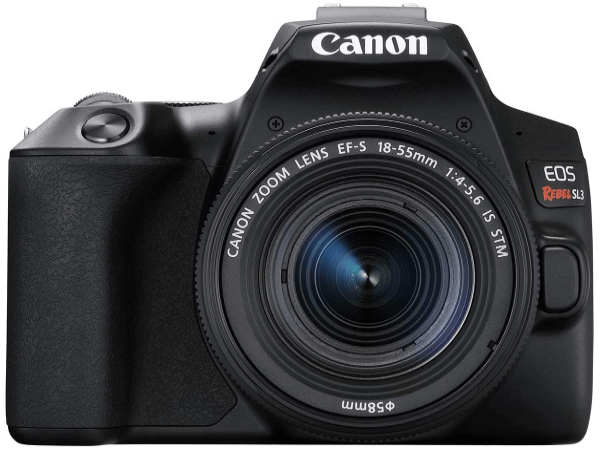
The Canon Rebel SL3, also sold as the EOS 250D, is the beginner Canon DSLR I would rather recommend than the older Rebel T7 when the price is reasonable. It is smaller, more pleasant to use, and more modern where beginners feel the difference: touchscreen control, articulating screen, Dual Pixel AF in live view, Bluetooth/Wi-Fi, and a friendlier shooting experience.
The optical viewfinder autofocus is still basic, and 4K video has compromises. But as a stills-first beginner DSLR, the SL3 makes sense. It is light enough to carry, simple enough not to intimidate new photographers, and compatible with the huge Canon EF/EF-S lens market.
Buy it if: you want a small Canon DSLR for travel, family, school, learning manual exposure, or casual YouTube-style video.
Skip it if: you can buy a Canon R50 or R10 kit for similar money. Those mirrorless bodies are stronger long-term choices.
Canon Rebel T7 / EOS 2000D – cheapest sensible Canon DSLR

The Canon Rebel T7, known as the EOS 2000D in many markets, is the budget door into Canon DSLR photography. It is not exciting, but it still gives you a real optical viewfinder, a 24.1MP APS-C sensor, interchangeable lenses, and a very low price when sold in basic kits.
The problem is that the T7 is often bundled with weak lenses and accessories to make the package look bigger than it really is. I would rather buy a clean T7 with the standard 18-55mm kit lens and then add a Canon EF 50mm f/1.8 STM or EF-S 55-250mm STM later than pay extra for a bundle full of low-value add-ons.
Buy it if: the price is genuinely low and your goal is learning photography fundamentals.
Skip it if: an SL3, used T7i, or mirrorless Canon R50 is close in price.
Canon EOS 5D Mark IV – best professional full-frame Canon DSLR
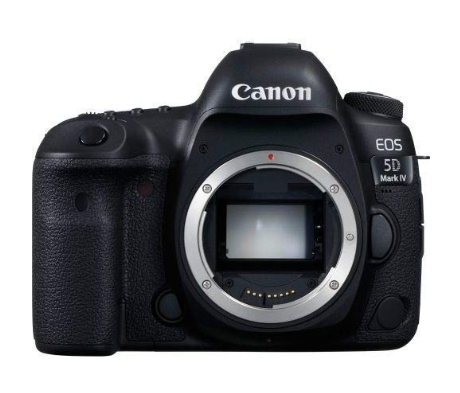
The Canon EOS 5D Mark IV remains the most balanced professional Canon DSLR. It is not new, and it is not the highest-resolution camera in 2026, but it still has the things working photographers liked about the 5D line: dependable files, comfortable handling, strong color, professional build quality, dual card slots, and a massive EF lens ecosystem.
For weddings, portraits, events, studio work, and general professional still photography, the 5D Mark IV still makes sense if the used price is right. It is a better body than the 6D Mark II for demanding professional use, and it feels much more serious than Rebel and two-digit crop bodies.
Buy it if: you want a proven Canon full-frame DSLR for professional stills and already understand EF lenses.
Skip it if: you need modern eye AF, uncropped modern video, or the future RF lens path.
Canon EOS 6D Mark II – affordable full-frame Canon DSLR
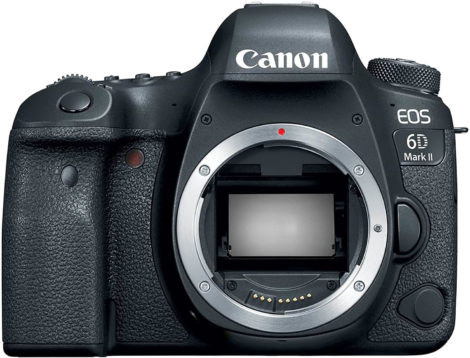
The Canon EOS 6D Mark II is the more affordable full-frame DSLR option. It is not the best camera for landscape photographers who need heavy shadow recovery, and it is not as professionally robust as the 5D Mark IV. But for portraits, travel, family work, and available-light photography, it can still be attractive at the right used price.
The 6D Mark II works best when you want full-frame Canon rendering and shallow depth of field without paying for a 5D-series body. It is also one of the friendlier full-frame DSLRs thanks to its articulating touchscreen.
Buy it if: you want Canon full-frame on a tighter budget and mostly shoot people, travel, or events.
Skip it if: you shoot high-dynamic-range landscapes or need professional dual-card reliability.
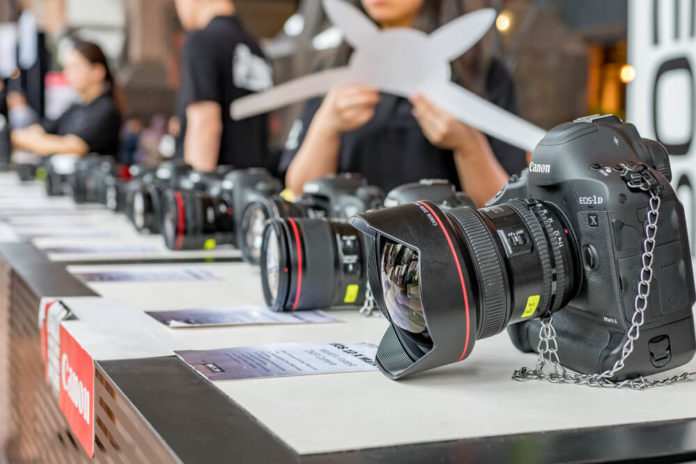
Canon EOS-1D X Mark III – final professional Canon DSLR flagship
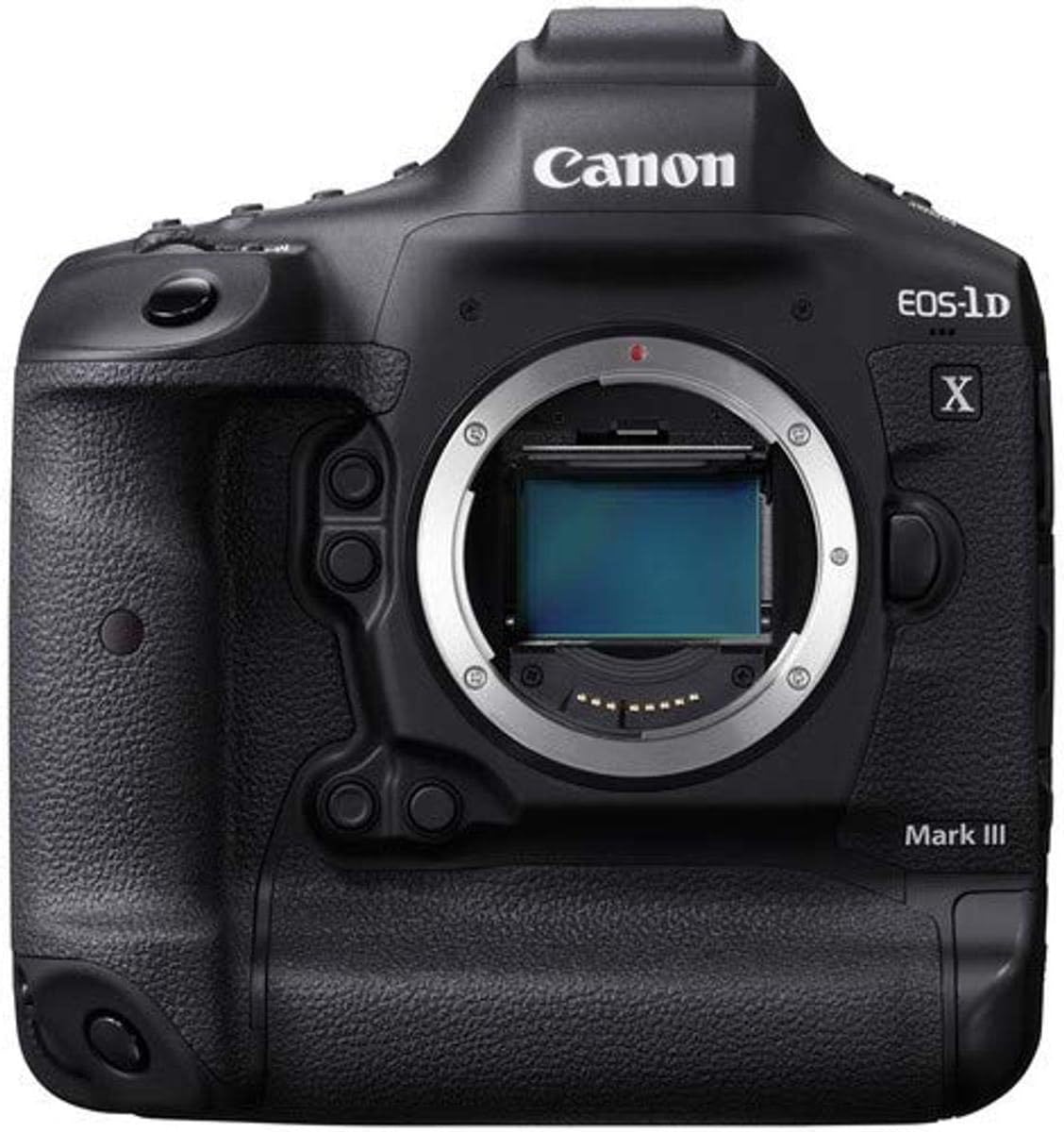
The Canon EOS-1D X Mark III is the end-stage Canon professional DSLR. It is fast, rugged, heavy, expensive, and built for photographers who value reliability above almost everything else. The 20.1MP sensor is not about maximum resolution; it is about speed, low-light performance, file handling, and professional action work.
For most readers, this is not the Canon DSLR to buy. It is too large and too specialized. But it belongs in the lineup because it explains where Canon DSLR development ended: a flagship body for press, sports, wildlife, and harsh environments.
Buy it if: you are a professional action shooter or a serious wildlife photographer who specifically wants a DSLR flagship.
Skip it if: you are a normal enthusiast, beginner, travel shooter, or portrait photographer.
Discontinued Canon DSLRs still worth considering used
At the very cheap end, the Canon Rebel T3i still has a place. Its 18MP sensor is old, but the articulated screen, microphone input, and built-in wireless flash control make it more flexible than some later budget Rebels. It only belongs on the shortlist when the body or kit is genuinely inexpensive.
The used market is the reason Canon DSLRs still matter. Many bodies that are no longer current can still be good buys if the condition, shutter count, seller reputation, and price are sensible.
Canon EOS 80D – best used enthusiast Canon DSLR value
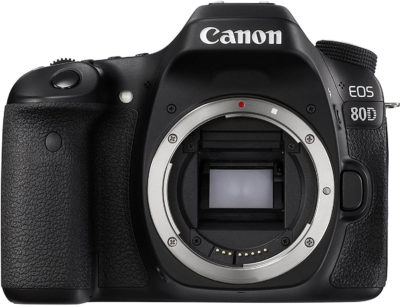
The Canon EOS 80D is still one of the best used Canon DSLR values. It gives you a comfortable enthusiast body, 45-point autofocus, an articulating touchscreen, Dual Pixel AF in live view, weather-resistant construction, and excellent battery life. It lacks 4K video, but it remains a very good stills camera.
The 80D is the used Canon DSLR I would consider if the 90D costs too much and you want something better built than a Rebel. It is especially good for family photography, travel, portraits, and general learning.
Canon Rebel T7i / EOS 800D – better used beginner pick than the T7
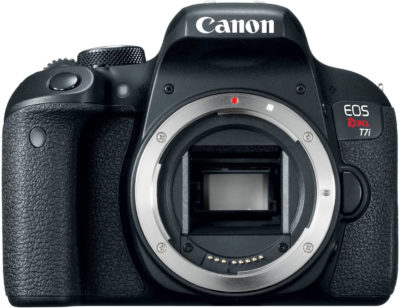
The Canon Rebel T7i, also called the EOS 800D, is often a better used beginner camera than the cheaper Rebel T7. It has a stronger autofocus system, a fully articulating touchscreen, better handling, and a more flexible feature set for someone who wants room to grow.
If video is not your priority and you find a clean T7i at a good price, it can be a very sensible used buy. The main reason to skip it is if the SL3 or a mirrorless Canon R50 is close in price.
Canon EOS 7D Mark II – rugged APS-C action body
The Canon EOS 7D Mark II is still interesting for wildlife and sports photographers who value rugged build quality, fast handling, and a professional-feeling body. It is older than the 90D and has a lower-resolution 20.2MP sensor, but it was built as a serious action camera, not a beginner body.
I would buy a used 7D Mark II only if condition and price are excellent. For many buyers, the 90D is a cleaner answer because it gives more resolution and newer video features. For rough field use, the 7D Mark II still has a case.
Canon DSLR model numbers explained
Canon DSLR naming looks confusing until you understand the hierarchy:
- 1D: professional flagship action bodies.
- 5D: professional full-frame workhorse bodies.
- 6D: more affordable full-frame bodies.
- 7D / 90D / 80D: enthusiast APS-C DSLRs.
- Rebel / 250D / 2000D / 800D: beginner and upper-entry APS-C DSLRs.
The naming also changes by region. A Rebel SL3 in the United States is the EOS 250D in many other markets. A Rebel T7 is the EOS 2000D. A Rebel T7i is the EOS 800D. This is why Canon DSLR searches often look messy: the same camera can appear under multiple names.
Canon DSLR lenses: EF vs EF-S
Canon DSLR bodies use EF and EF-S lenses, not RF mirrorless lenses.
- EF lenses work on Canon full-frame and APS-C DSLRs.
- EF-S lenses work only on Canon APS-C DSLRs such as Rebels, 90D, 80D, and 7D-series bodies.
- RF lenses are for Canon mirrorless EOS R bodies and do not mount natively on Canon DSLRs.
- EF-M lenses are for Canon EOS M mirrorless bodies and are not DSLR lenses.
If you might eventually move from APS-C to full-frame DSLR, EF lenses carry forward better than EF-S lenses. If you are buying a low-cost Rebel kit and do not expect to build a large system, EF-S lenses are fine. For most beginner DSLR buyers, the best early lens upgrades are usually a Canon EF 50mm f/1.8 STM, EF-S 24mm f/2.8 STM, EF-S 10-18mm, and EF-S 55-250mm STM.
Canon DSLR vs Canon mirrorless in 2026
This is the uncomfortable part of any Canon DSLR buying guide: Canon’s future is mirrorless. The EOS R system is where Canon is developing new bodies, new autofocus systems, and new lenses. If you are starting from zero and plan to invest heavily over the next decade, Canon mirrorless is usually the safer system.
That does not make Canon DSLRs useless. They still have real advantages:
- optical viewfinders with no lag and no EVF battery drain;
- excellent battery life compared with many mirrorless bodies;
- comfortable grips and mature controls;
- low used prices on bodies and EF lenses;
- a huge second-hand ecosystem.
The tradeoff is future support. New Canon technology will arrive in RF mirrorless, not EF DSLR. If you want the newest autofocus, compact lenses, and best video features, compare this page with Canon mirrorless bodies like the Canon EOS R50 V, Canon EOS R6, and Canon EOS R5.
How this Canon DSLR hub fits the rest of Lens & Shutter
This page should own the Canon DSLR lineup, Canon DSLR models, Canon camera hierarchy, and Canon DSLR comparison chart intent. It is not meant to replace every more specific buying guide.
- For beginner-specific recommendations, use the best beginner Canon DSLR guide.
- For DSLR picks across every brand, use the best DSLR cameras guide.
- For cheaper used-body shopping, use the cheap DSLR camera guide.
- For Canon mirrorless/full-frame alternatives, use the Canon full-frame camera guide.
Canon DSLR lineup FAQ
What is the newest Canon DSLR?
The newest important Canon DSLRs are late-generation models such as the Canon EOS-1D X Mark III and Canon EOS 90D. Canon is not meaningfully expanding the DSLR lineup in 2026; its current development focus is mirrorless EOS R cameras.
What is the best Canon DSLR camera in 2026?
For most enthusiasts, the Canon EOS 90D is the best Canon DSLR because it balances resolution, speed, lens access, and handling. For professional full-frame stills, the Canon EOS 5D Mark IV is the stronger choice. For beginners, the Rebel SL3 is usually easier to recommend than the cheaper Rebel T7 if the price is close.
Are Canon DSLR cameras discontinued?
Canon DSLR development has effectively reached its sunset phase, but Canon DSLR bodies and EF/EF-S lenses remain widely available new, refurbished, and used. The important point is that future Canon innovation is happening in mirrorless RF cameras, not DSLR bodies.
Should I buy a Canon DSLR or Canon mirrorless camera?
Buy a Canon DSLR if you want lower used prices, an optical viewfinder, long battery life, and access to used EF lenses. Buy Canon mirrorless if you are building a long-term system from scratch, care about modern autofocus, or want the best current video features.
Which Canon DSLR is best for beginners?
The Canon Rebel SL3 / EOS 250D is the best beginner Canon DSLR if the price is reasonable. The Rebel T7 / EOS 2000D is cheaper, but it is more basic and easier to outgrow. A used Rebel T7i / EOS 800D can also be a strong beginner option.
Final take
The Canon DSLR lineup still matters in 2026, but it needs to be judged as a mature used-and-value system. The EOS 90D, Rebel SL3, Rebel T7, 5D Mark IV, 6D Mark II, 80D, T7i, and 1D X Mark III each have a real place, but none should be bought blindly just because they are Canon DSLRs.
If you already own EF lenses or you specifically like DSLR handling, Canon DSLRs can still be excellent cameras. If you are starting from nothing and want the most future-proof Canon system, mirrorless is the cleaner path. That is the honest 2026 answer: Canon DSLRs are not dead, but they are no longer the default direction for every buyer.