

Cheapest Full-Frame Cameras in 2026: The Short Answer
If you want the cheapest full-frame camera that still makes sense in 2026, start with the Canon EOS RP if price is the only priority, the Nikon Z5 if you want the safest budget body, and the Sony a7 III if you are comfortable buying used and want the strongest long-term lens ecosystem. If you can stretch the budget, the Nikon Z5 II, Canon EOS R8, and Panasonic Lumix S5II are the modern bodies I would rather own for the next several years.
The important part is not just the body price. A cheap full-frame camera can become expensive very quickly once you add lenses. That is why this guide separates cheap to buy from cheap to build into a useful system.
| Best choice | Camera | Why it makes sense |
|---|---|---|
| Cheapest new full-frame body | Canon EOS RP | Often the lowest-cost new full-frame entry point, especially for stills and Canon RF/EF users. |
| Best cheap full-frame camera overall | Nikon Z5 | Full-frame sensor, IBIS, dual card slots, weather sealing, and sane used/new pricing. |
| Best modern budget full-frame | Nikon Z5 II | Newer autofocus, stronger low-light AF, better processing, and still positioned as Nikon’s entry full-frame. |
| Best Canon budget hybrid | Canon EOS R8 | Modern Canon autofocus and strong 4K video in a very light full-frame body. |
| Best used full-frame value | Sony a7 III | Still a very capable 24MP full-frame camera with IBIS, dual slots, good autofocus, and a huge E-mount lens market. |
| Best cheap full-frame for video | Panasonic Lumix S5II | Excellent video tools, phase hybrid AF, stabilization, and strong kit value when discounted. |
If you found this page while searching for the best budget full-frame camera in 2025, the answer has shifted slightly. The older cameras are still relevant, but the smartest 2026 buys are now the bodies that give you a clean upgrade path, reliable autofocus, and lenses you can actually afford.
What Cheapest Really Means With Full Frame
Full-frame cameras use a sensor roughly the size of a 35mm film frame, about 36 x 24mm. That larger sensor is the reason full-frame cameras are attractive for portraits, low light, weddings, landscapes, and commercial work. You usually get cleaner high ISO files, more flexible RAW files, and easier background separation than with most smaller-sensor cameras.
But the body is only one part of the cost. A $900 full-frame body with the wrong lenses can be a worse buy than a $1,200 APS-C or Micro Four Thirds kit with excellent glass. Full-frame lenses are bigger, often more expensive, and less forgiving when you need a complete kit.
For a budget buyer, I would think about full-frame in three tiers:
- Under $1,000: usually Canon EOS RP, Nikon Z5 on sale, Sony a7 III used, or older DSLRs.
- $1,000-$1,500: the realistic sweet spot for a good used or discounted full-frame mirrorless body.
- $1,500-$2,000: not truly cheap, but often better value if you want modern autofocus and video.
The cheapest full-frame camera is not always the best budget full-frame camera. The best one is the body that lets you buy the right lenses without painting yourself into a corner.
Best Cheapest Full-Frame Cameras in 2026
1. Canon EOS RP – cheapest new full-frame camera for stills
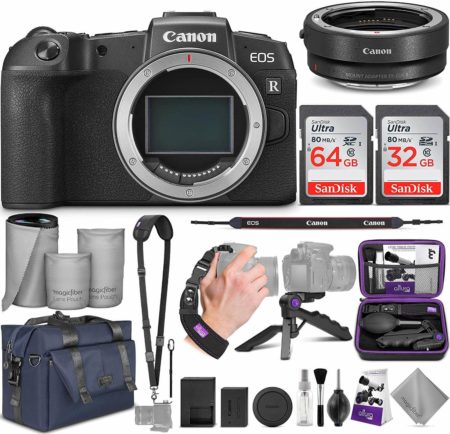
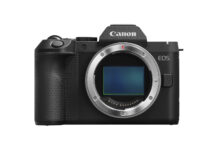
The Canon EOS RP remains one of the easiest ways to get into full-frame without spending much money. It is not the most advanced camera here, and I would not buy it for serious video or fast action, but it still makes sense for portraits, travel, family photography, real estate, product photos, and slower everyday work.
The appeal is simple: full-frame Canon color, a very light body, a fully articulating screen, and access to Canon RF lenses. It also works well with adapted EF lenses if you already have Canon DSLR glass. For still photographers who want a cheap full-frame Canon body, the RP is still relevant.
The drawbacks are clear. There is no in-body stabilization, the burst rate is slow, the battery is modest, and the 4K video crop makes it feel dated. If you want sports, wildlife, or creator-style video, skip it. If you want the lowest entry price into full-frame stills, keep it on the list.
Best for: portraits, travel stills, real estate, Canon users with EF lenses, and buyers who care more about full-frame image quality than modern speed.
2. Nikon Z5 – best cheap full-frame camera overall
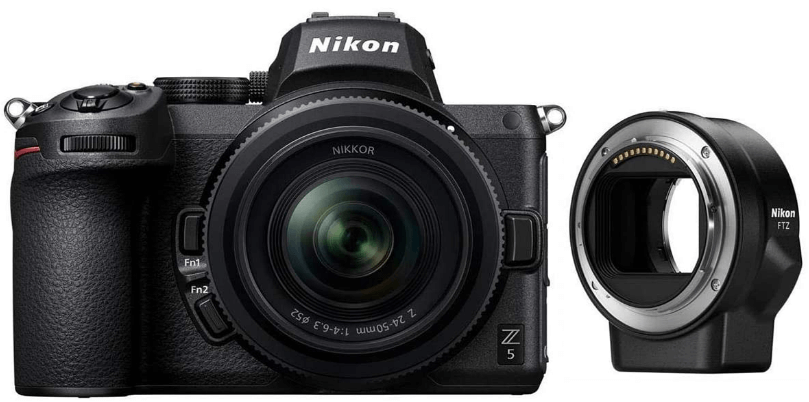
The Nikon Z5 is the budget full-frame camera I trust most as an all-around stills body. It has in-body stabilization, dual SD card slots, a comfortable grip, weather sealing, a very good viewfinder, and a sensible 24MP sensor. Those things matter more in real photography than a spec-sheet race.
Compared with the Canon EOS RP, the Z5 feels more serious. The dual card slots are a big deal if you shoot paid work or important trips. The stabilization helps with slower shutter speeds and unstabilized prime lenses. The Z mount also has a growing lens ecosystem, and Nikon’s compact f/1.8 primes are genuinely strong.
The Z5 is not perfect. Its autofocus is older than the Z5 II, and the cropped 4K video makes it less attractive for hybrid shooters. But for landscapes, portraits, travel, family work, and careful photography, it is still one of the best affordable full-frame cameras you can buy.
Best for: budget-conscious photographers who want IBIS, dual cards, good handling, and a body that feels more professional than its price.
3. Nikon Z5 II – best modern entry-level full-frame camera

The Nikon Z5 II is not always the cheapest body on the shelf, but it is one of the most important budget full-frame cameras in 2026 because it fixes the main concern with the original Z5: modern performance. You get a newer processor, better subject detection, stronger low-light autofocus, improved stabilization, and a camera that feels much less like a compromise.
If your budget can stretch beyond the original Z5, this is the Nikon body I would rather buy new. It makes more sense for moving subjects, pets, children, casual events, and photographers who do not want to fight older autofocus behavior. The original Z5 is still the better bargain when price is everything, but the Z5 II is the better long-term camera.
The main reason not to buy it is simple: once you are this close to the next price tier, you should also compare the Canon EOS R8, Sony a7 IV when discounted, and Panasonic S5II if video matters. But inside the Nikon system, the Z5 II is a very strong entry full-frame body.
Best for: new Nikon buyers, photographers who want a modern full-frame body without jumping to a Z6 III or Z8, and anyone who wants better autofocus than the original Z5.
4. Canon EOS R8 – best affordable Canon full-frame hybrid
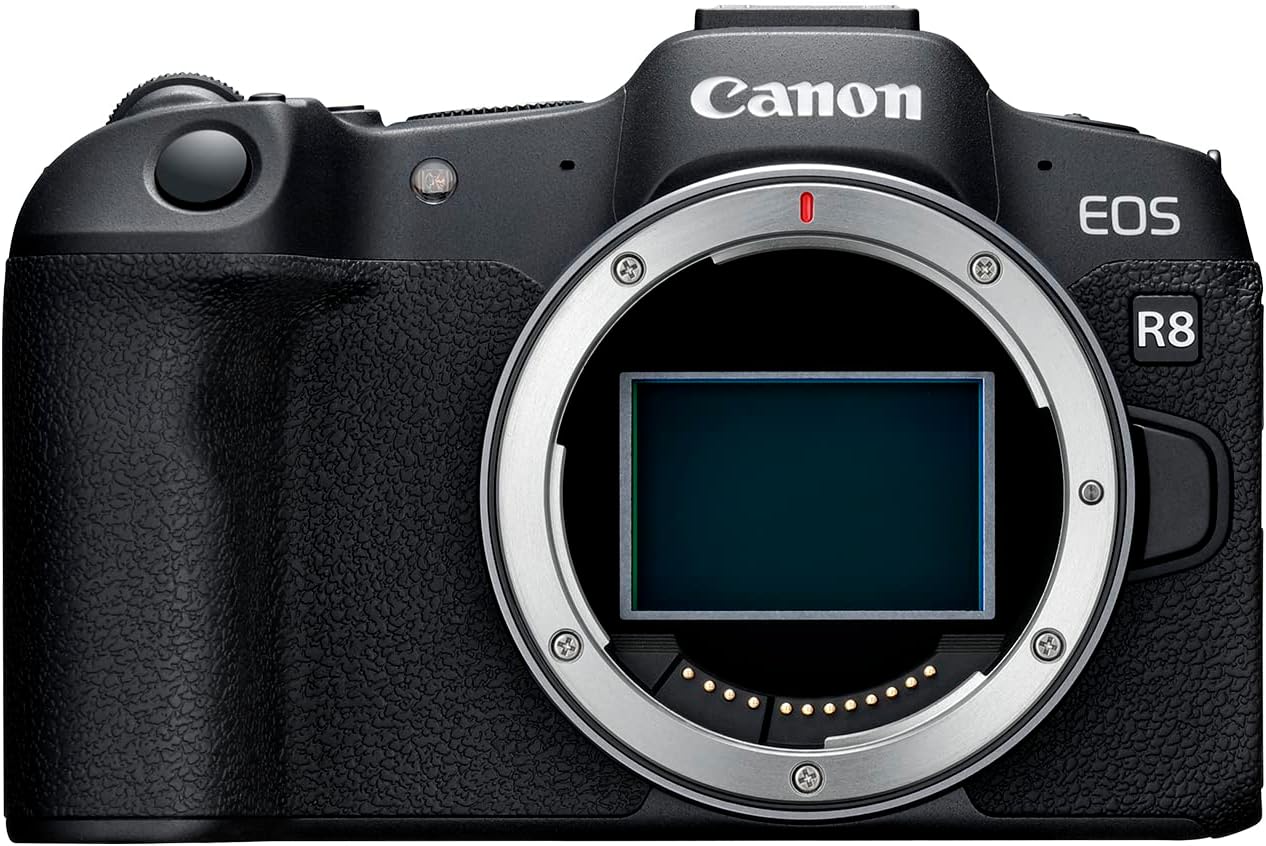
The Canon EOS R8 is the camera I would choose over the EOS RP if the budget allows. It is still a relatively affordable full-frame Canon body, but it feels much more current. The autofocus is far better, the video is much stronger, and the body is very light for a full-frame camera.
For people moving up from a Canon Rebel, EOS M camera, or phone-based content creation, the R8 makes sense. It gives you Canon’s modern subject tracking and strong image quality without the size or price of the R6 line. It is especially attractive for portraits, travel, family work, YouTube, and hybrid photo/video shooting.
The compromises are important. There is no IBIS, only one card slot, and the small body means smaller battery life and less physical control than larger bodies. If you shoot paid weddings or long event days, I would rather have dual slots. If you want the most affordable modern Canon full-frame camera, though, the R8 is the real step-up pick.
Best for: Canon shooters who want modern autofocus, lightweight travel, portraits, family video, and better 4K than the EOS RP.
5. Sony a7 III – best used full-frame camera value
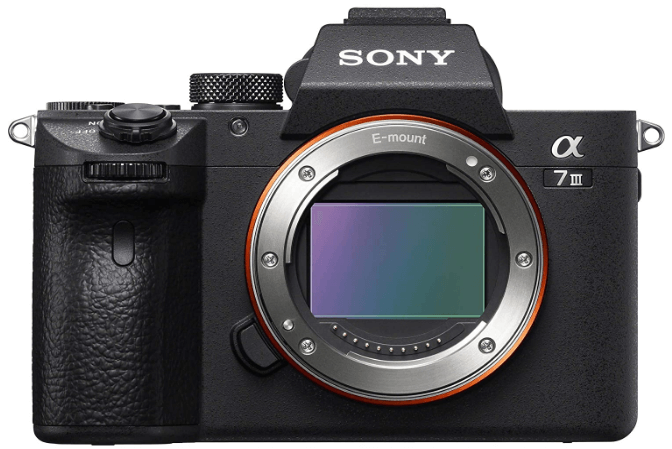
The Sony a7 III is still one of the safest used full-frame buys. It is old enough to be affordable, but not so old that it feels obsolete for serious photography. You get a 24MP full-frame sensor, good autofocus, in-body stabilization, dual card slots, strong battery life, and access to the deepest full-frame mirrorless lens ecosystem.
The E-mount lens market is the reason this camera keeps aging well. You can build a budget kit with Samyang, Tamron, Sigma, Sony, Viltrox, and used first-party lenses. That matters more than the body itself. A cheap body in a weak lens ecosystem is not really cheap; a used a7 III with many affordable lens options is much easier to grow with.
The a7 III is not the newest Sony experience. The menus, rear screen, viewfinder, and video codecs feel older than the a7 IV. But for portraits, weddings, events, travel, family photography, and general stills, it remains a strong value if you buy from a reputable used dealer or renewed listing.
Best for: photographers who want the strongest budget lens ecosystem, hybrid stills/video users, and buyers comfortable with used full-frame gear.
6. Panasonic Lumix S5II – best affordable full-frame camera for video
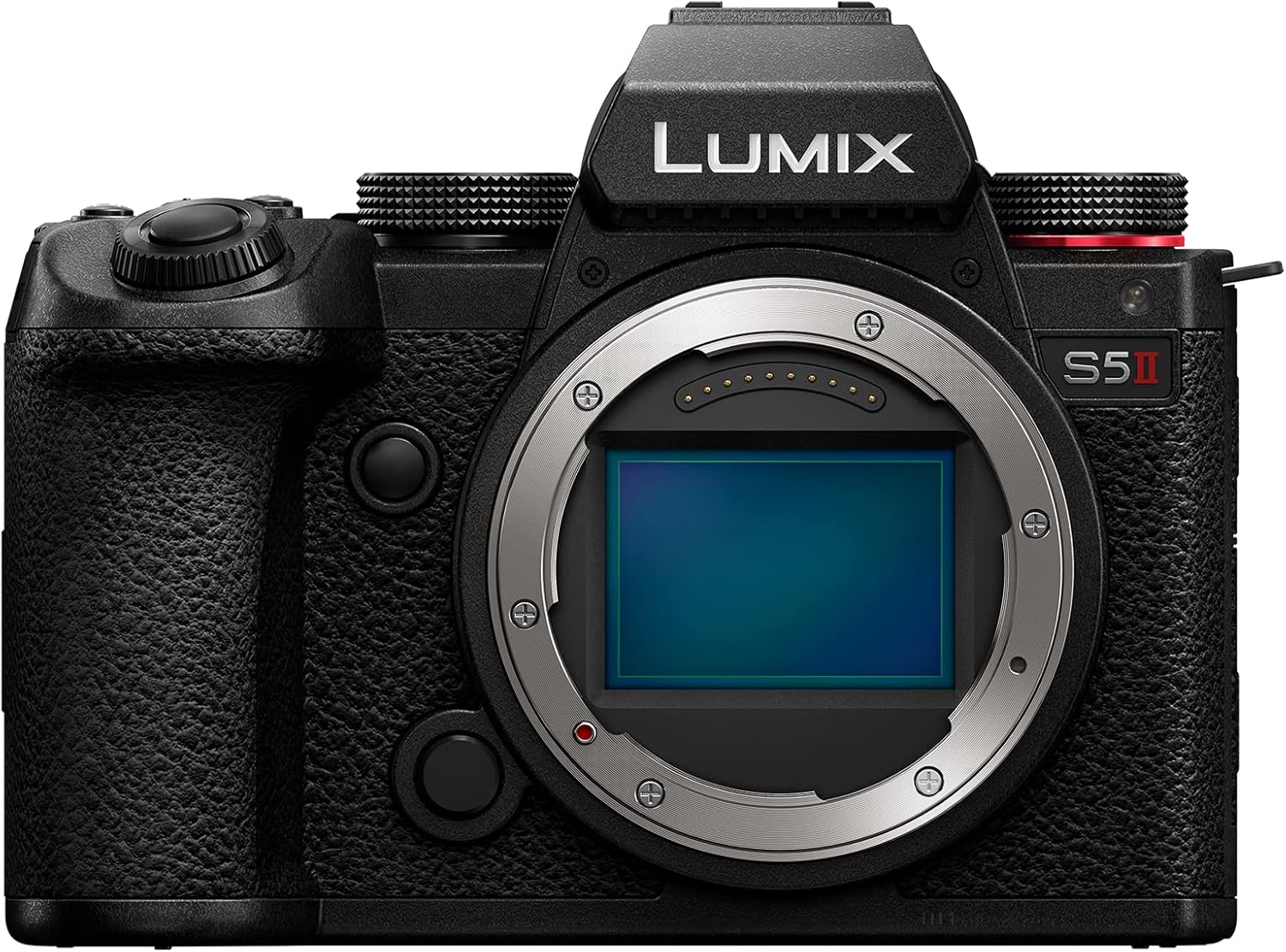
The Panasonic Lumix S5II is the budget full-frame camera I would look at first if video matters as much as stills. Panasonic finally added phase hybrid autofocus to this generation, and the camera offers a very strong mix of stabilization, video tools, robust build, and full-frame image quality.
It is not the cheapest body here, but it can be one of the best values when discounted as a kit. The 20-60mm kit lens is more useful than many standard kit zooms, especially for travel and video. The S5II also gives you a more serious video feature set than most entry full-frame competitors.
The caveat is lenses. L-mount is better than it used to be, but it is not as broad or cheap as Sony E mount. If you want to build a very low-cost prime lens kit, Sony is easier. If you want a compact full-frame video body with excellent stabilization and strong recording options, the Panasonic makes a lot of sense.
Best for: video-first buyers, hybrid creators, travel shooters who want stabilization, and photographers who like Panasonic color and handling.
7. Sony a7 IV – best stretch buy if cheap means long-term value
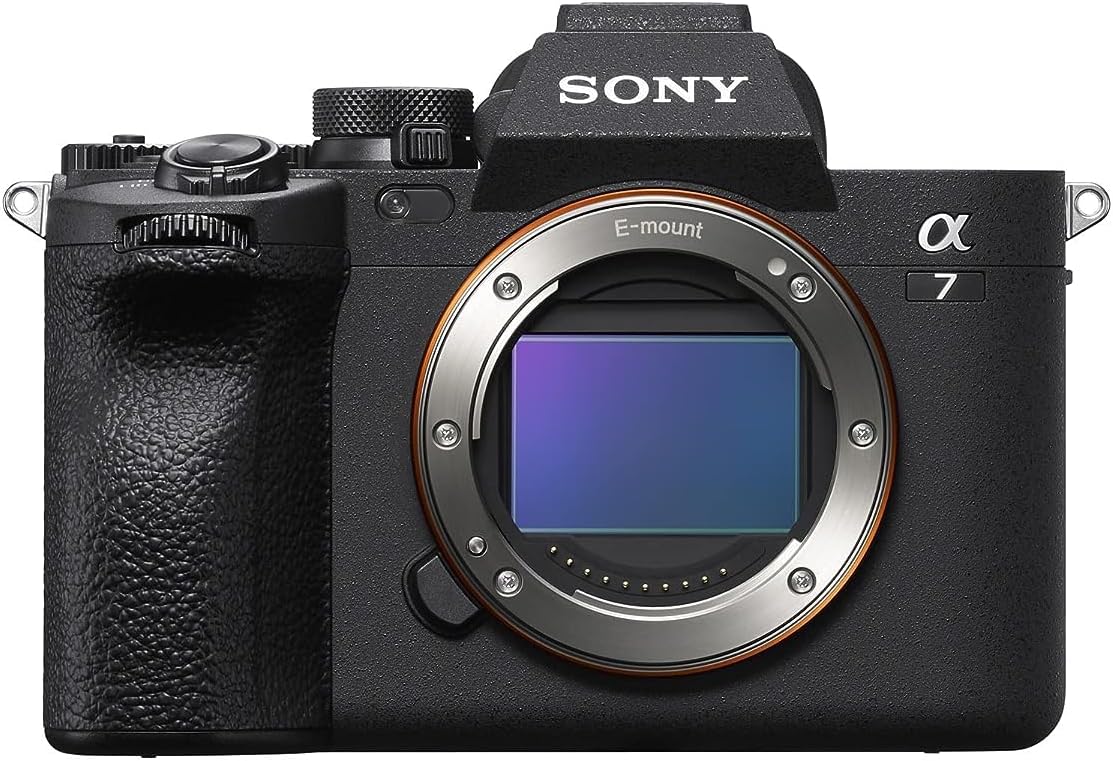
The Sony a7 IV is not the cheapest full-frame camera, so it should not be at the top of a strict budget list. But it deserves a place here because many buyers searching for a cheap full-frame camera are really asking: what is the least expensive camera I can buy without wanting to upgrade again soon?
For that question, the a7 IV is a strong answer. The 33MP sensor gives more cropping room than 24MP bodies, the autofocus is more modern than the a7 III, the screen and menus are better, and the video tools are much more current. If you find it used or discounted, it can be a better long-term value than buying a cheaper body and replacing it in a year.
The reason to avoid it is price. If buying the a7 IV means you cannot afford good lenses, buy the a7 III or Nikon Z5 instead. Lenses matter more than an incremental body upgrade.
Best for: Sony buyers who want a longer-term full-frame body, hybrid shooters, and photographers who crop heavily or want more resolution than 24MP.
Used DSLR Full-Frame Cameras: Still Worth It?
Older full-frame DSLRs can be cheap, but I would treat them differently from modern mirrorless bodies. They are best for photographers who already own Canon EF, Nikon F, or Pentax K lenses, or who specifically prefer an optical viewfinder. They are not the smartest first full-frame purchase for most new buyers in 2026.
The Canon EOS 6D Mark II can still be a pleasant portrait and travel DSLR, especially if you already own EF glass. The Nikon D750 is still one of the best used full-frame DSLRs ever made for general photography. The Nikon D810 still makes sense for landscapes and studio work if you want resolution at a low used price. The Pentax K-1 Mark II is interesting for weather sealing, stabilization, and rugged stills work.
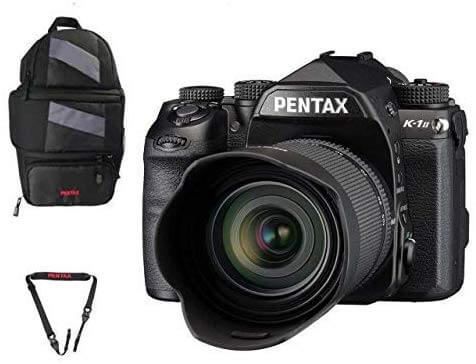
But there are real reasons to be careful. Autofocus coverage is narrower, video is usually poor by modern standards, repairs can be harder, and some Amazon listings are renewed or third-party only. I would not build a new full-frame system around a DSLR unless the lens economics are clearly in your favor.
New vs Used: Where the Real Savings Are
The biggest savings in full-frame usually come from buying used bodies and new lenses, not the other way around. Camera bodies depreciate quickly. Good lenses hold value much better. If I had a fixed budget, I would rather buy a used Sony a7 III with a sharp prime than a brand-new body with a weak lens.
For many buyers, the best budget strategy is:
- Buy the body used or discounted. Let someone else absorb the first depreciation hit.
- Buy lenses slowly. Start with one useful zoom or one excellent prime.
- Stay inside a lens ecosystem you can afford. Sony E and Canon EF-adapted setups are often easiest on a budget.
- Avoid dead-end bargains. A cheap body with expensive or scarce lenses is not really cheap.
If you are nervous about used gear, buy from a reputable dealer, renewed marketplace, or retailer with a clear return policy. Avoid listings with vague shutter counts, missing batteries, damaged ports, or imported-region warranty confusion.
Which Cheap Full-Frame Camera Should You Buy?
If you want the lowest price
Buy the Canon EOS RP if you want the cheapest new full-frame entry and you mostly shoot stills. It is not the best camera here, but it is often the least expensive way to get full-frame Canon files.
If you want the safest budget choice
Buy the Nikon Z5. It is not flashy, but IBIS, dual cards, good handling, and weather sealing make it a better practical camera than its price suggests.
If you want a modern full-frame body
Buy the Nikon Z5 II or Canon EOS R8. Choose Nikon if stabilization and dual cards matter more. Choose Canon if autofocus, small size, and uncropped 4K-style hybrid use matter more.
If you want the best used ecosystem
Buy the Sony a7 III. It is still the easiest used full-frame camera to recommend because the E-mount lens market gives you so many price points.
If you shoot video
Buy the Panasonic Lumix S5II if video features and stabilization matter more than having the absolute cheapest lenses. Buy the Canon EOS R8 if you want Canon autofocus in a smaller body. Buy the Sony a7 IV if you can stretch and want a more complete hybrid system.
When APS-C Is Still the Smarter Budget Choice
Full-frame is not automatically better for every photographer. If your budget is tight, APS-C can be the smarter system. A good APS-C camera with a sharp lens will usually beat a full-frame body with a weak kit lens.
For wildlife, sports, travel, and casual family photography, APS-C gives you smaller lenses, more reach, and lower system cost. That is why a camera like the Sony a6700, Canon EOS R7, Nikon Z50 II, or Fujifilm X-T5 can be a better real-world choice than a cheap full-frame body. Full-frame is most valuable when you actually use its strengths: low light, shallow depth of field, dynamic range, and professional lens options.
If you are still deciding between sensor sizes, also compare our camera under $700 guide, beginner camera guide, and cameras under $2000 guide.
Frequently Asked Questions
What is the cheapest full-frame camera worth buying in 2026?
The Canon EOS RP is usually the cheapest new full-frame camera worth considering, especially for stills. The Nikon Z5 is the better all-around budget pick if you can afford it, and the Sony a7 III is often the best used full-frame value.
What is the best budget full-frame mirrorless camera?
For the lowest practical budget, the Nikon Z5 is the safest pick. For a more modern body, the Nikon Z5 II and Canon EOS R8 are stronger choices. For used value and lens options, the Sony a7 III remains excellent.
Should I buy a cheap full-frame camera or a better APS-C camera?
Buy full-frame if you need low-light performance, shallow depth of field, wide-angle lens options, or professional RAW flexibility. Buy APS-C if your budget is tight and you need a complete kit with good lenses. Lenses matter more than sensor size for most beginners.
Are old full-frame DSLRs still worth buying?
Sometimes. A Nikon D750, Canon 6D Mark II, Nikon D810, or Pentax K-1 Mark II can still produce excellent images. They make the most sense if you already own compatible lenses or strongly prefer an optical viewfinder. For a first system in 2026, mirrorless is usually the better long-term choice.
Is the Canon EOS RP still worth it?
Yes, but only for the right buyer. It is still a useful cheap full-frame stills camera, but its video, burst rate, battery life, and lack of IBIS feel dated. If you can stretch, the Canon EOS R8 is a much more modern camera.
Is the Sony a7 III too old in 2026?
No. It is older, but it is still a very capable full-frame camera for stills, events, portraits, travel, and general hybrid use. The main reason it remains attractive is the huge Sony E-mount lens ecosystem.
Final Verdict
If I were buying the cheapest full-frame camera in 2026, I would not simply sort by body price. I would choose based on the system I wanted to build.
The Canon EOS RP is the cheapest sensible new entry. The Nikon Z5 is the best low-cost all-around stills body. The Nikon Z5 II is the best modern entry full-frame if you can spend more. The Canon EOS R8 is the better Canon hybrid choice. The Sony a7 III is still the used-market value king. The Panasonic S5II is the budget full-frame video pick.
My practical advice: buy the cheapest body that does not block the lenses you actually need. Full-frame only becomes a good bargain when the whole system makes sense.