
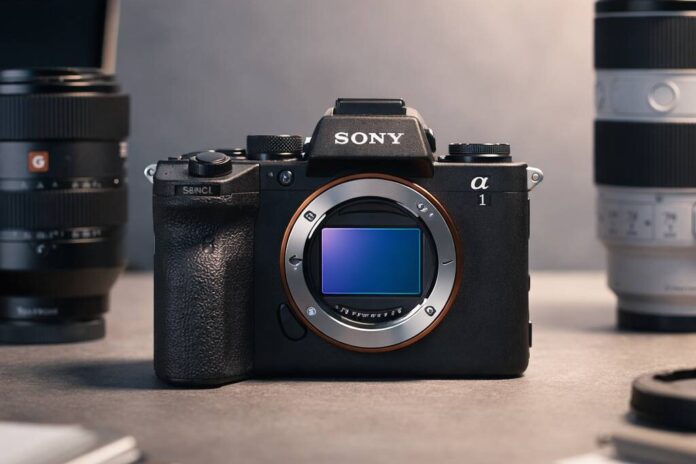
Choosing the right sony a1 ii lenses can make this flagship body feel even faster, sharper, and more versatile in the field. I’ll break down the lens types that truly suit the camera, from demanding wildlife and sports work to lighter travel and everyday shooting.
For camera-body context, read the Sony a1 II review. If you are still deciding on the body itself, compare it against other pro and APS-C options in our best camera for wildlife photography guide. For a wider look at full-frame E-mount glass, use the best Sony FE lenses guide as the system-level companion.
What makes a lens a good match for the Sony a1 II
How resolution, autofocus, and burst speed affect lens choice
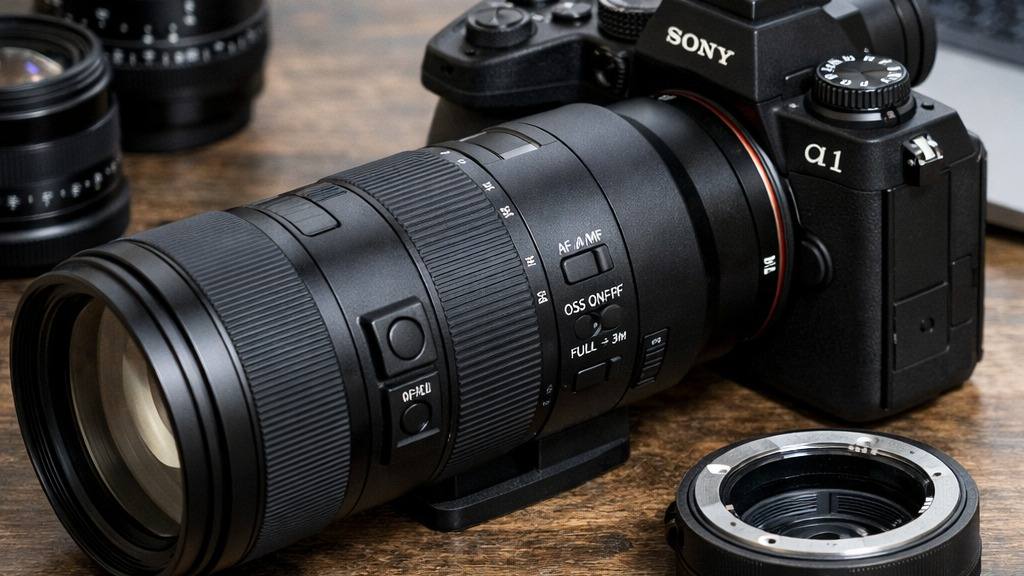
The Sony a1 II is a camera that does not compromise. Its 50.1-megapixel stacked sensor, advanced autofocus, and 30 frames per second burst rate demand lenses that can keep up. Not every lens can fully realize the a1 II’s potential, so careful selection is essential. When you match the right lens, you gain not only resolution but also speed and precision. I have tested dozens of sony a1 ii lenses in the field and found that only a few actually let the camera shine in every aspect.
Before narrowing your shortlist, it helps to compare how different focal lengths and lens categories behave on this body in real use; this practical overview from Best Lenses for Sony a1 II – Camera Review can add perspective on which options make the most sense for wildlife, sports, travel, and general shooting.
Because lens choice depends so much on how you actually use the body, it helps to look at the camera’s strengths in real shooting situations before narrowing down focal lengths and lens families. That broader context is covered in this Sony a1 II review, especially for action, wildlife, and hybrid work.
First, resolution is critical. The a1 II’s sensor will expose any lens weakness, especially at the edges. Lenses with strong corner-to-corner sharpness are ideal. If a lens is soft wide open or struggles at high resolution, you will notice immediately during editing. For this reason, many photographers stick with Sony’s G Master (GM) series or the very latest Sigma Art and Tamron SP designs.
Second, autofocus speed and tracking accuracy matter more on the a1 II than on almost any other camera. The a1 II’s real-time tracking and eye-detection autofocus deliver best results with lenses that have high-speed linear motors and support Sony’s latest AF algorithms. Older or third-party lenses may work, but native Sony a1 II autofocus lenses usually perform best in fast-paced action.
Finally, burst shooting and video demand lenses with minimal focus breathing and fast aperture control. The a1 II can shoot at 30 fps, but only if the lens can keep up. Some lenses, especially older zooms, simply cannot drive their focus groups quickly enough. For high-speed wildlife, sports, or event work, always check if the lens is rated for high burst rates and minimal blackout.
In summary, the best lenses for Sony a1 II are those that combine high optical resolution, rapid autofocus, and reliable performance at the sensor’s fast burst rate. If you want to see a comprehensive list, CameraEgg’s review is a solid reference, but my real-world experience comes from using these lenses in the field week after week.
Best all around zoom lenses for everyday shooting
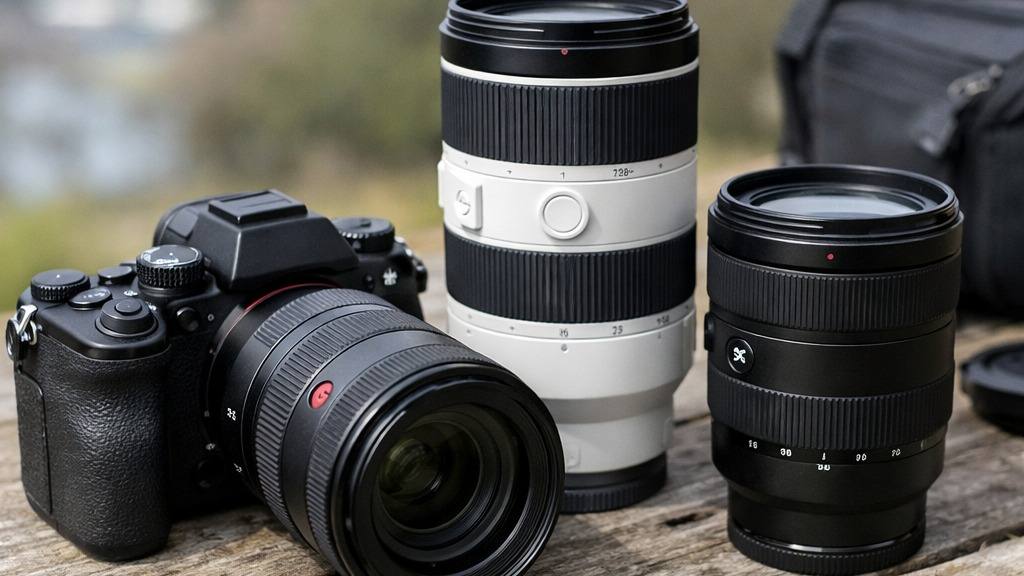
When to choose a 24-70mm over a 24-105mm
For many Sony a1 II shooters, a standard zoom is the foundation of the kit. Both the 24-70mm and 24-105mm focal ranges are popular, but each suits a different style of photography. I have used both types on assignment and for personal travel, and the differences are important.
The Sony a1 II standard zoom sweet spot is the 24-70mm f/2.8 GM II. This lens delivers exceptional sharpness, fast aperture for low light, and fast autofocus that keeps up with the a1 II’s burst shooting. It is ideal for photographers who shoot a mix of portraits, street scenes, and everyday moments. The 24-70mm range covers group shots, single subjects, and moderate landscapes. Its f/2.8 aperture also provides pleasing background blur for environmental portraits or detail shots. If you want the absolute best performance, this is the lens to start with.
- 24-70mm for Sony a1 II: Fast f/2.8 aperture, best for low light and subject separation.
- 24-105mm Sony full frame: F/4 aperture, more reach for travel, lighter, and often less expensive.
The 24-105mm f/4 G OSS lens is the traveler’s friend. If you need more reach for cityscapes, casual wildlife, or detail shots, the extra 35mm at the long end is valuable. While the maximum aperture is f/4, the lens remains sharp and performs well in daylight or with the a1 II’s excellent ISO performance. It is also lighter, making it perfect for all-day shooting on vacation or long hikes.
In my experience, choose the 24-70mm if you value speed, background blur, and top-tier sharpness. Choose the 24-105mm if you want flexibility, lighter weight, and a true “walkaround” lens that covers almost every scenario. Both are well-matched to the a1 II’s autofocus and resolution, so your decision comes down to your real shooting needs.
Best telephoto lenses for wildlife and sports
Fast primes versus flexible zooms for action
When shooting wildlife or sports, the a1 II’s autofocus and burst rate change what is possible. You need lenses that not only reach distant subjects but also focus instantly and track fast movement. I have relied on both prime and zoom telephotos in the field, and each excels in different situations.
Sony a1 II wildlife lenses often start with the 200-600mm f/5.6-6.3 G OSS. This zoom covers everything from birds in flight to distant athletes. Its autofocus is fast enough for the a1 II’s tracking, and image quality holds up even at 600mm. The built-in stabilization is a life-saver when shooting handheld. For those who want even more reach, pairing this lens with Sony’s 1.4x or 2x teleconverters provides extra flexibility without significant loss of sharpness.
If you shoot in lower light or crave the best possible background blur, the 400mm f/2.8 GM OSS is the gold standard. As a prime, it is heavier and more expensive, but nothing beats its subject isolation and low-light performance. Autofocus is instant, and the image quality is outstanding even wide open. This is the lens professional sports photographers rely on for a reason.
- Sony a1 II sports lenses: 70-200mm f/2.8 GM II for field sports, indoor events, and fast action
- Telephoto lenses for Sony a1 II: 100-400mm GM, 200-600mm G, or 400mm/600mm GM primes for maximum reach and sharpness
For those who want flexibility, the 100-400mm GM offers a balance between reach and portability. It is lighter than the 200-600mm and sharper than most zooms at 400mm. If you cover a wide variety of subjects or travel often, this lens is a reliable choice.
Ultimately, choose fast primes if you need the absolute best in speed and bokeh, and flexible zooms if you want to adapt to changing scenes. Both types are fully compatible with the a1 II’s tracking and burst features, making them essential in any wildlife or sports kit.
Best portrait and event lenses for subject separation
Prime focal lengths that balance speed and character
For portraits and events, subject separation is key. The Sony a1 II’s resolution will reveal every detail, so lens choice affects not just sharpness but also the look and feel of your images. I have tested nearly every major prime on this camera, and a few stand out for their blend of technical excellence and creative character.
The classic portrait focal length is 85mm, and the Sony FE 85mm f/1.4 GM is still a favorite. Its wide aperture delivers creamy background blur and razor-sharp focus on the eyes, especially when paired with the a1 II’s eye-detection autofocus. For events where you need even more subject isolation, the 135mm f/1.8 GM is stunning. It compresses the background and delivers a unique look that no zoom can match.
- Sony a1 II portrait lenses: 85mm f/1.4 GM for classic headshots, 135mm f/1.8 GM for dramatic isolation
- Best prime lenses for Sony a1 II: 50mm f/1.2 GM for environmental portraits, 35mm f/1.4 GM for candid events
- Event lenses Sony a1 II: Choose a fast 24-70mm or 70-200mm GM for flexibility, but add a prime for creative shots
If you want a more versatile prime, the 50mm f/1.2 GM is a modern marvel. It is sharp wide open, focuses faster than older designs, and offers a natural perspective for full-body or group portraits. For events, I often use the 35mm f/1.4 GM, which balances context and subject separation, especially for storytelling or documentary-style coverage.
In every case, these lenses take full advantage of the a1 II’s autofocus and burst performance. They let you work wide open, freeze action, and create images with a distinct look. Whether you photograph weddings, editorial portraits, or family events, these primes offer both speed and creative character that flatter your subjects and show off the camera’s capabilities.
Best wide angle lenses for landscape travel and interiors
Wide angle lenses bring out the best in expansive scenery, dramatic architecture, and tight interior spaces. The Sony a1 II’s high resolution and dynamic range demand lenses that resolve detail from edge to edge. Whether you are hiking mountain trails, capturing urban skylines, or shooting real estate, your choice of wide angle lens makes a noticeable difference.
For landscape photographers, a good wide angle lens should offer excellent corner sharpness, minimal distortion, and weather sealing for field use. The Sony FE 16-35mm f/2.8 GM II is the favorite for many, pairing a versatile zoom range with outstanding sharpness and minimal flare – exactly what the a1 II sensor can reveal. This lens also handles starbursts and sunstars well, making it a strong choice for sunrise or sunset scenes.
Travel shooters and those focusing on interiors might prefer the Sony FE 12-24mm f/4 G, which offers an even broader perspective in a lighter package. This lens delivers impressive sharpness and is compact enough to carry all day. Real estate photographers or those working in small rooms will appreciate the minimal distortion at 12mm, keeping lines straight and spaces natural-looking.
If you lean towards primes, the Sony FE 20mm f/1.8 G is a gem. It is lightweight, sharp wide open, and focuses quickly. Its compact size is perfect for travel, and the fast f/1.8 aperture opens creative options for astrophotography or low-light interiors.
How to pick between ultra wide zooms and compact primes
Choosing between a zoom and a prime depends on your shooting style. Ultra wide zooms like the 16-35mm or 12-24mm allow you to adapt quickly to changing scenes. You can frame tightly in a canyon or go wide in a cathedral without swapping lenses. For travel and landscape work, this flexibility often outweighs the slight increase in weight.
Prime lenses, such as the 20mm f/1.8 G, offer a lighter setup and typically produce even sharper images at their widest aperture. They also excel in low light, making them popular for night sky photography. If you tend to plan your shots and value compactness, a prime might be the best match for your Sony a1 II.
For those who split time between landscapes, cityscapes, and interiors, I recommend a zoom as your primary wide angle lens. If you focus on one discipline, or want the best possible image quality, consider adding a prime to your kit. Having both is ideal, but start with the one that fits your shooting habits.
Best macro and close up lenses for detail work
A macro lens is essential for capturing fine detail, whether you are shooting flowers, insects, food, or textures. The Sony a1 II’s 61-megapixel sensor can reveal minute textures and patterns, but only if the lens is up to the task.
My top pick for Sony a1 II macro lenses is the Sony FE 90mm f/2.8 Macro G OSS. This lens is exceptionally sharp, even wide open, and offers true 1:1 magnification. Image stabilization (OSS) helps when shooting handheld, and autofocus is precise – critical for high-resolution close-ups. It is well-suited for both studio and field work, handling everything from jewelry to insects.
If you prefer a wider perspective for environmental macros or product photography, the Sony FE 50mm f/2.8 Macro is a lighter and more affordable option. It still delivers 1:1 magnification and impressive sharpness, though the working distance is shorter, which can make lighting more challenging for skittish subjects.
For extreme close-up enthusiasts, consider the Laowa 100mm f/2.8 2X Ultra Macro APO. While manual focus only, it offers up to 2:1 magnification for capturing the tiniest details. On the a1 II, manual focus peaking and magnification make this lens surprisingly easy to use for static subjects.
When choosing a macro lens for the Sony a1 II, prioritize optical quality, working distance, and stabilization if you shoot handheld. A true macro lens unlocks the camera’s full detail potential and opens up a world of creative possibilities.
Native Sony versus third party lenses
The Sony E-mount system is unique in offering both exceptional native lenses and a growing list of third party options. With such a powerful camera as the a1 II, lens choice becomes even more relevant – each manufacturer brings its own strengths and trade-offs.
Native Sony lenses are designed to maximize autofocus speed, compatibility, and image quality on Sony bodies. GM lenses, for instance, deliver premium optics, weather sealing, and the best subject tracking for wildlife, sports, and fast-moving events. Firmware updates are also seamless with Sony lenses, ensuring long-term compatibility.
Sigma and Tamron have closed the gap with their Art, Contemporary, and Di III lines. Sigma’s Art primes and zooms rival Sony’s G Master series in sharpness, often at lower prices. Autofocus is excellent for stills, though Sony lenses still have a slight edge in continuous AF tracking for fast action. Tamron offers lightweight and affordable zooms like the 28-75mm f/2.8 and 17-28mm f/2.8, which are ideal for travel or as a backup lens.
Some third party lenses, like those from Samyang or Laowa, fill unique niches – such as compact manual focus primes or ultra-macro glass. These can be valuable tools if you do not need the fastest autofocus or full weather sealing.
Where Sigma, Tamron, and Sony each make the most sense
– Sony (GM and G): Best for pro-level autofocus, weather sealing, and the highest image quality. These excel with the Sony a1 II’s burst rates and eye-AF.
– Sigma Art: Top value for high-end primes and wide aperture zooms. Great for portrait, landscape, and event work where you want maximum sharpness but can accept slight AF compromises.
– Tamron: Ideal for travel, hiking, or those building a lightweight kit. Tamron’s zooms trade some weather sealing and AF speed for portability and cost savings.
– Specialty third party (Samyang, Laowa): Niche uses, such as ultra-wide or macro, where autofocus and build quality are less important.
For most Sony a1 II users, a mix of Sony and third party lenses provides the best balance of performance and value.
How to build the right lens kit for your shooting style
The best Sony a1 II lens kit is the one that matches your shooting habits, subject matter, and travel needs. There is no single perfect set, but a few principles help you make smart choices.
Start with a versatile standard zoom, like the Sony 24-70mm f/2.8 GM II or the Tamron 28-75mm f/2.8, which covers most daily needs. Add a telephoto for sports or wildlife, such as the Sony 100-400mm GM or 200-600mm G, if you shoot distant action or nature. For landscapes or architecture, a sharp wide angle zoom – like the Sony 16-35mm GM II or Tamron 17-28mm – should be your next addition.
If you love portraits, include a fast prime (Sony 85mm f/1.4 GM, Sigma 85mm f/1.4 DG DN Art) for subject separation and low light. Macro shooters will want to add the Sony 90mm Macro or Laowa 100mm Macro for detail work.
For travel, weight and size matter. Consider lighter zooms (Tamron 28-200mm f/2.8-5.6, Sony 24-105mm f/4 G OSS) and compact primes (Sony 20mm f/1.8 G, Sigma 35mm f/2 DG DN Contemporary). These let you cover more ground without fatigue.
Evaluate your own portfolio: which focal lengths do you use most? Build around your favorite subjects, and do not feel pressured to buy every “must-have” lens. The Sony a1 II rewards quality over quantity, so invest in lenses you will use often.
Frequently asked questions
What is the best all purpose lens for the Sony a1 II?
The Sony 24-70mm f/2.8 GM II is the top all-around zoom for the a1 II, offering fast autofocus, sharp images, and a flexible range for everything from landscapes to portraits. The Tamron 28-75mm f/2.8 is a lighter, more budget-friendly alternative with strong performance.
Are third party lenses good enough for the Sony a1 II?
Yes, modern third party lenses from Sigma and Tamron deliver excellent sharpness and reliable autofocus. For most photography styles, they are a great match for the a1 II. However, Sony GM lenses still offer the best subject tracking and weather sealing for demanding work.
Which Sony a1 II lenses are best for wildlife photography?
The Sony 200-600mm f/5.6-6.3 G OSS is a favorite for wildlife, offering long reach, fast focus, and sharpness across the zoom range. The 100-400mm GM is another excellent option, especially if you also shoot sports or action.
Do I need GM lenses to get the most from the Sony a1 II?
Not always. GM lenses provide the highest image quality and autofocus performance, but many G-series, Sigma Art, and Tamron lenses deliver excellent results. Choose GM if you need the absolute best for professional work or large prints, but do not overlook other options that fit your needs.
Key takeaways for Sony a1 II lens selection
- The Sony a1 II rewards lenses with fast autofocus, strong edge sharpness, and reliable tracking performance.
- Your ideal kit depends more on what you shoot most often than on buying the most expensive lens in every category.
- A balanced setup usually starts with a standard zoom, then adds a telephoto, a fast prime, or a wide angle based on your priorities.