
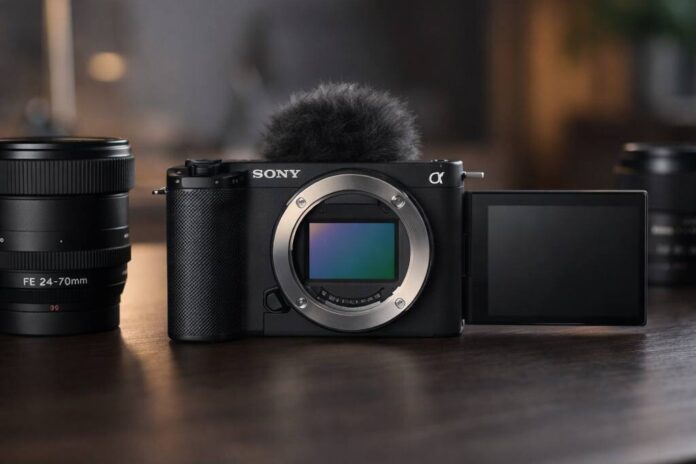
Choosing the best lenses for Sony ZV-E1 comes down to how you actually shoot. From handheld vlogging to cinematic B-roll and travel photography, I’ll walk through the lens types that make the most sense for this compact full-frame camera.
For body context, start with the Sony ZV-E1 review. For broader full-frame lens options that also apply to this camera, keep the best Sony FE lenses guide open while you narrow the shortlist.
What makes a lens a great match for the Sony ZV-E1
Why size and balance matter on this compact body
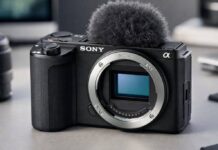
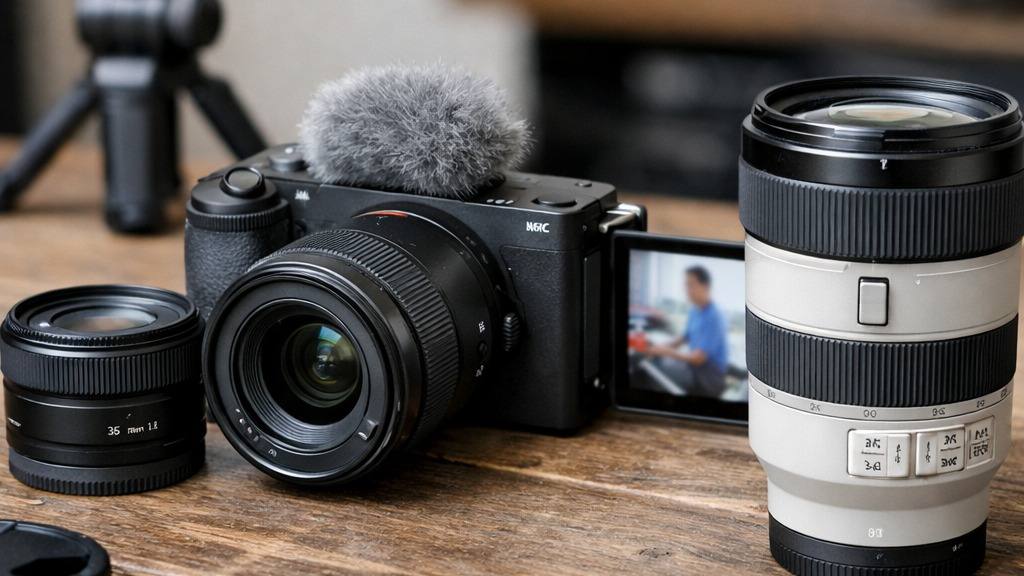
The Sony ZV-E1 is one of the smallest full-frame cameras you can buy. That’s a huge advantage for creators who want to travel light or shoot handheld for long periods. However, it also means lens selection matters more than usual. If you mount a large, heavy lens, the camera’s balance shifts forward, making it awkward to hold, especially at arm’s length or on a compact gimbal. I’ve found that anything heavier than about 500 grams starts to feel front-heavy and fatiguing. Compact zooms and primes keep the setup nimble and discreet.
Before settling on a focal length, it can help to check the Free Sony ZV-E1 PDF User Manual (525 pages) for details on handling, controls, and setup options that affect how different lenses feel in everyday shooting. That context makes it easier to choose glass that suits your workflow.
Lens choice also makes more sense when you understand the body’s strengths and compromises in real use, especially for handheld video and travel setups. If you want that broader context before narrowing down focal lengths, this Sony ZV-E1 review helps connect the camera’s design to the kinds of lenses that feel best on it.
Additionally, smaller lenses make it easier to use the ZV-E1’s flip-out screen and built-in microphone without obstruction. For those moving between stills and video, a lighter lens helps you react quickly – ideal for run-and-gun shooting or travel where you may need to stow the rig in a small bag. That’s why my Sony ZV-E1 lens guide always starts by considering balance and overall weight, not just image quality.
The features that help most for video first creators
While image quality is always important, video-first users should pay close attention to autofocus performance, optical stabilization, and aperture control. The ZV-E1’s excellent subject tracking and advanced AF modes shine brightest with native Sony lenses, which tend to offer the fastest, quietest focusing. Smooth, silent autofocus motors prevent distracting noise in your audio and keep transitions natural on camera.
Lens-based optical stabilization works in tandem with the ZV-E1’s electronic stabilization. This combination is especially helpful for walking shots or handheld B-roll. A constant aperture lens (such as f/2.8 or f/4 throughout the zoom range) keeps your exposure consistent as you zoom or move between locations. Weather sealing is a bonus for creators shooting outdoors.
For video, control rings that can be de-clicked for smooth aperture changes are a real advantage. Focus breathing is also worth checking; lenses designed for video minimize this effect, keeping your composition stable as you rack focus. In my experience, the best lens for Sony ZV-E1 video is one that balances all these features while staying comfortable for handheld work. Most full-frame lenses for Sony ZV-E1 from Sony, Tamron, and Sigma now include these video-friendly touches.
Best all-around zoom lenses for Sony ZV-E1
When a standard zoom is the smartest first lens
If you’re looking for the best zoom lens for Sony ZV-E1 and want just one lens to start, a standard zoom is usually the most practical choice. These lenses typically cover everything from wide-angle to short telephoto, letting you shoot landscapes, people, details, and talking-head video without swapping glass.
The classic kit lens for this system is the Sony 28-60mm f/4-5.6. It’s extremely compact and pairs perfectly with the ZV-E1’s lightweight body. While not the brightest, it’s sharp enough for most uses, weather-sealed, and barely adds bulk. For creators who need better low light or more subject separation, the Sony 24-70mm f/2.8 G Master II is the gold standard – sharp, fast, and reliable. However, it’s much larger and heavier, so think about your shooting style before investing.
There are also great mid-priced options. The Tamron 28-75mm f/2.8 G2 is lighter than Sony’s G Master, delivers excellent autofocus, and offers close focusing for product shots or B-roll. Sigma’s 28-70mm f/2.8 DG DN is another strong performer, undercutting both Sony and Tamron for size and weight. All three options make a fantastic standard zoom for Sony ZV-E1 and serve as an everyday lens for Sony ZV-E1 shooters who want maximum versatility.
Best wide-angle lenses for vlogging and travel
How wide you really need to go for handheld framing
If vlogging, travel, or landscape work are high on your list, a dedicated wide-angle lens adds real flexibility. For handheld talking-head shots, you’ll want a focal length between 16mm and 24mm. This range keeps your face in the frame, includes enough background for context, and avoids the “giant nose” look that comes from ultra-wide lenses.
The Sony 16-35mm f/4 PZ G hits the sweet spot for most creators. Its power zoom mechanism is smooth for video, and it’s lighter than older 16-35mm f/2.8 versions. I’ve used this lens for travel, architecture, and group shots – it’s sharp edge to edge and easy to carry all day. If you need something even smaller, the Sony 20mm f/1.8 G is a prime lens that’s perfect for handheld vlogging. It’s fast enough for low light, beautifully sharp, and weighs less than 400 grams.
Budget-conscious shooters should look at the Tamron 17-28mm f/2.8. It’s compact, sharp, and covers the classic vlogger’s range at a lower price. All these options qualify as the best wide lens for Sony ZV-E1, and each makes an excellent Sony ZV-E1 vlogging lens or travel lens for Sony ZV-E1, depending on your budget and focus.
Best prime lenses for portraits, low light, and cinematic look
Choosing between 35mm, 50mm, and 85mm primes
For those wanting the best subject separation, creamy backgrounds, or cinematic shallow depth of field, a fast prime lens is hard to beat. The classic choices are 35mm, 50mm, and 85mm. Each has its strengths, and I suggest picking based on your main style.
- 35mm: This is the most versatile prime for everyday use, environmental portraits, and street video. The Sony 35mm f/1.8 is compact, sharp, and fast to focus. It gives a natural field of view and works well for both video and stills.
- 50mm: A 50mm prime, such as the Sony 50mm f/1.8 or Sigma 50mm f/1.4 DG DN, is ideal for tighter portraits and low light. It produces beautiful background blur and excels in interviews or bokeh-rich B-roll.
- 85mm: For classic headshots or a more dramatic cinematic look, the 85mm focal length shines. The Sony 85mm f/1.8 is lightweight for its reach, while the Sigma 85mm f/1.4 DG DN offers even more subject separation, though at a higher price and weight.
The key is matching your lens to your shooting distance and environment. For indoor vlogs or lifestyle shots, 35mm is usually easiest. For portraits, the 50mm and 85mm are top picks. Each of these lenses could be called the best prime lens for Sony ZV-E1 depending on your needs. They also double as excellent portrait lens for Sony ZV-E1 or low light lens for Sony ZV-E1, making them essential tools for any serious creator.
Best lenses for run-and-gun video and solo creators
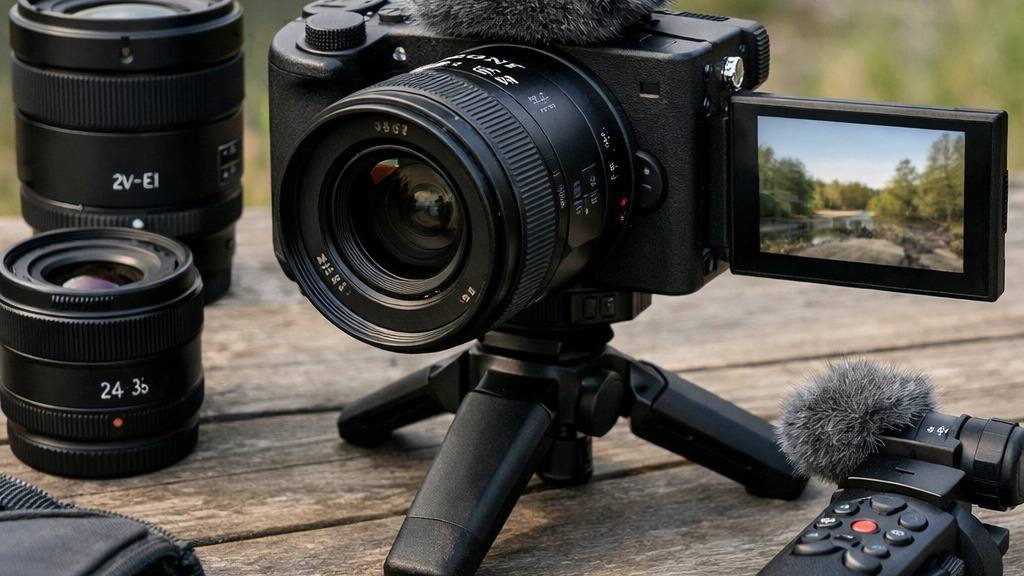
If you shoot in unpredictable environments, change locations often, or film yourself without a crew, you need a lens that is light, reliable, and versatile. The best lenses for Sony ZV-E1 in this run-and-gun category are those designed for speed and flexibility. I’ve spent years covering events, vlogging on the go, and testing setups for solo creators. Here’s what actually matters when choosing a run and gun lens for Sony ZV-E1:
- Compact design: You want a lens that won’t make your setup front-heavy or awkward to hold at arm’s length.
- Fast, accurate autofocus: For YouTube content and self-filming, reliable face and eye tracking is a must. Lenses with linear motors or special video AF modes are ideal.
- Optical stabilization: This is less critical on the ZV-E1 since the body’s stabilization is excellent, but it can help with longer focal lengths.
- Versatile focal range: A zoom that covers wide to normal, or a fast wide-angle prime, lets you adapt to tight spaces and changing scenes without swapping lenses.
Some of the most popular choices for solo creators include:
- Sony FE 20-70mm f/4 G: This is my top pick for a run and gun lens for Sony ZV-E1. It starts much wider than typical standard zooms, so you can vlog, shoot interiors, and still get flattering close-ups. The constant f/4 aperture is enough for most scenarios, and the autofocus is rock solid.
- Tamron 20-40mm f/2.8 Di III VXD: This is a favorite among YouTube creators who want a bright zoom but still care about weight. It’s sharp, compact, and the autofocus keeps up with fast movements.
- Sigma 24mm f/2 DG DN Contemporary: If you prefer a prime, this is a fantastic solo creator lens for Sony ZV-E1. The 24mm focal length is wide enough for handheld talking shots but not so wide that you get distortion. It’s tiny, fast, and looks great in low light.
If you want to keep your kit as light as possible, a single small prime like the Sony 24mm f/1.8 G or the Sigma 20mm f/2 can be all you need for talking-head shots, wide B-roll, and even product close-ups. For maximum flexibility, though, a zoom in the 20-70mm range covers nearly every solo creator need.
How to choose between Sony, Sigma, and Tamron options
The Sony ZV-E1 supports dozens of E-mount lenses from Sony and top third-party brands. But which is best for you: Sony, Sigma, or Tamron? Here’s how I help clients and fellow creators decide.
When first-party glass is worth the extra cost
Sony’s own lenses usually offer the most reliable autofocus, especially for video and face tracking. If you’re a solo shooter who relies on the ZV-E1’s subject recognition and want the smoothest experience, Sony lenses are the safe bet. They also tend to have the most refined build quality, weather sealing, and support for camera features like lens breathing compensation.
However, this premium comes with a higher price tag. For creators who shoot paid work, need absolute reliability, or want to future-proof their lens collection, Sony’s first-party glass is often worth it. The FE 20-70mm f/4 G and FE 24mm f/1.4 GM are standout examples that justify their cost through consistent performance and image quality.
But many solo creators and budget-conscious shooters will find Sigma and Tamron lenses are more than good enough for the ZV-E1. Here’s a quick breakdown of their strengths:
- Sigma: Known for sharp optics and fast apertures at a lower cost than Sony. Sigma’s Contemporary and Art series offer lightweight, high-quality primes and zooms ideal for travel and daily video. Their autofocus is nearly as fast as Sony on recent models, though sometimes not quite as silent for professional video work.
- Tamron: Famous for innovative zooms with practical ranges and compact designs. Tamron’s lenses almost always undercut Sony on price and weight, and their autofocus is highly competitive. The 20-40mm f/2.8 Di III VXD is an excellent example – great for vlogging, interviews, and b-roll alike.
The main trade-offs with Sigma and Tamron are sometimes minor: slightly less robust weather sealing, less support for Sony’s niche camera features (like breathing compensation), and occasionally a bit more focus noise. For most run-and-gun and YouTube creators, these differences are small compared to the savings and flexibility third-party lenses offer.
My practical buying advice before you pick your first lens
When friends ask, “Which lens should I buy for Sony ZV-E1 first?” I always start with their real-world needs, not just specs. Here’s what I recommend considering before making your decision:
- Think about your shooting style: If you mostly film yourself handheld, a wide or standard zoom is the most practical. If you shoot in low light or love subject separation, a fast prime will make your footage stand out.
- Prioritize balance and weight: The ZV-E1 shines because it’s so small, but big lenses can ruin that advantage. Lenses under 400g feel best for long handheld sessions.
- Don’t overlook lens controls: Features like customizable focus hold buttons, aperture rings, and internal zooming make a real difference for video. Sony’s G and GM lenses often excel here, but some Sigma and Tamron models include similar features.
- Buy for what you shoot 80% of the time: It’s tempting to chase every focal length, but you’ll get more mileage from a single lens that fits your main style. For most creators, that means starting with a 20-70mm or 24-70mm zoom, then adding a fast prime for creative shots.
If budget is tight, don’t be afraid to buy used or consider third-party glass. The best Sony ZV-E1 lens for YouTube or run-and-gun work isn’t always the most expensive – it’s the one you’ll actually carry and use. And if you’re not sure what fits your needs, renting or borrowing before you buy can save you from buyer’s remorse.
Frequently asked questions
What is the best first lens for Sony ZV-E1?
For most creators, a standard zoom like the Sony FE 20-70mm f/4 G or the Tamron 20-40mm f/2.8 is the best first lens for Sony ZV-E1. These cover wide to portrait focal lengths, autofocus well, and are compact enough for everyday use.
Is a wide-angle lens better than a standard zoom for Sony ZV-E1 vlogging?
If you film mostly handheld or in small spaces, a wide-angle lens (20-24mm) is great for vlogging. However, a standard zoom gives you more flexibility, so you can switch from wide shots to tighter framing without changing lenses. For most solo creators, a zoom is the more versatile choice.
Can I use APS-C lenses on the Sony ZV-E1?
Yes, you can mount Sony E-mount APS-C lenses on the ZV-E1. However, the camera will crop to APS-C mode (about 1.5x zoom), reducing your resolution and field of view. It works in a pinch, but full-frame lenses make better use of the ZV-E1’s sensor.
Which Sony ZV-E1 lens is best for low-light video?
Fast primes like the Sony FE 24mm f/1.4 GM or Sigma 24mm f/2 DG DN are excellent for low-light video. They gather more light, produce less noise, and offer beautiful background blur. A fast zoom like the Tamron 20-40mm f/2.8 is a good compromise for both flexibility and low-light performance.
Key takeaways for choosing the best lenses for Sony ZV-E1
- The best lenses for Sony ZV-E1 depend on whether you shoot vlogs, travel, portraits, or fast-paced video.
- Compact full-frame lenses usually balance better on the ZV-E1 and make handheld shooting more comfortable.
- A standard zoom is often the most practical first purchase, while a fast prime adds better low-light performance and subject separation.
- Sony, Sigma, and Tamron all offer strong options, so the right choice often comes down to size, autofocus needs, and budget.
For more detailed specifications, you can always consult the official Sony ZV-E1 PDF user manual for lens compatibility and advanced features.