
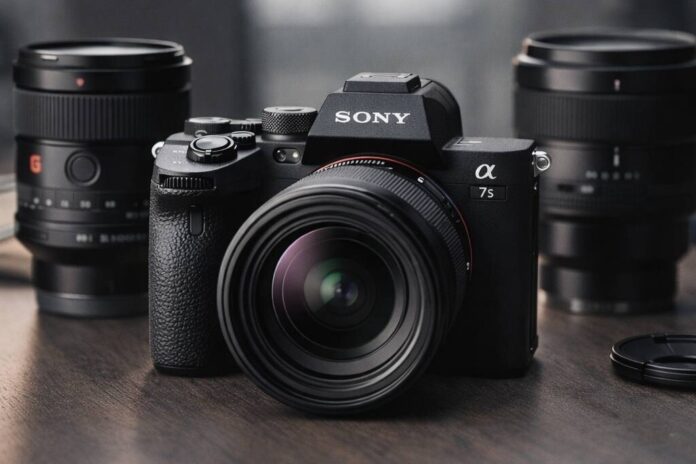
Choosing the best lenses for Sony A7SIII is really about matching glass to the way you shoot. From fast primes for low light to flexible zooms for run-and-gun work, I’ll break down the options that make the most of this camera on real assignments.
For wider body context, see the Sony camera comparison guide. For lens-system context, the best Sony FE lenses guide is the natural companion to this Sony a7S III shortlist.
What makes a lens a great match for the Sony A7SIII
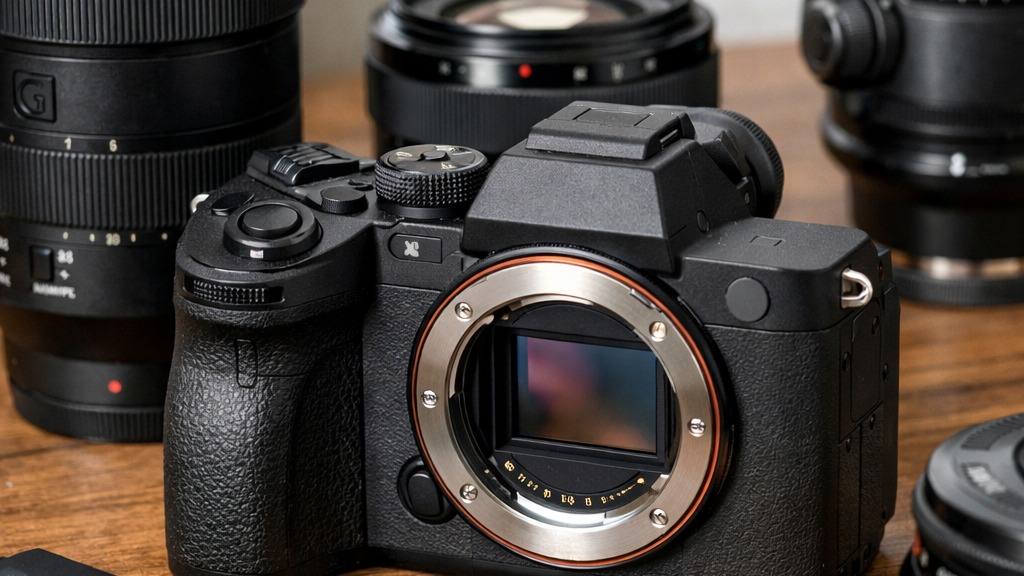
The Sony A7SIII stands out for its video capabilities, especially in low light, but not every lens brings out its best. Some lenses pair so well with this camera body that you immediately notice smoother autofocus, more cinematic shots, and far less hassle in post. Your choice of lens can transform the A7SIII from a simple tool into a creative extension of your vision. Below, I’ll share the main lens characteristics that matter most on this camera, and why they make such a difference in real-world shooting.
If you want to widen the shortlist beyond video-first options, it helps to compare how different full-frame E-mount lenses handle portraits, travel, and everyday shooting. A broader guide like Best Sony FE lenses can make it easier to spot versatile choices that still pair well with the A7SIII.
Why autofocus, breathing, and stabilization matter on this body
The A7SIII’s autofocus is one of its standout features, especially for video. However, not all Sony E-mount lenses are created equal here. Native Sony lenses, especially the latest G and GM lines, offer the smoothest, quietest autofocus transitions. This is critical for video, where hunting or noisy focus motors can ruin a take. Third-party options from Sigma and Tamron have improved, but if you’re shooting fast-moving subjects or need reliable eye autofocus, stick to newer native lenses when possible.
Focus breathing is another factor. Some older or less expensive lenses visibly change the field of view when you rack focus. On the A7SIII, this can look distracting in footage. Sony’s recent releases, like the 24-70mm GM II, are designed to suppress focus breathing, which helps maintain a professional, cinematic look. If you plan to pull focus or shoot interviews, this trait matters more than you might expect.
Finally, in-lens stabilization (OSS) can complement the A7SIII’s in-body stabilization (IBIS), especially for handheld work or when shooting at longer focal lengths. While the A7SIII’s IBIS is good, pairing it with stabilized glass, like the Sony 24-105mm f/4 OSS, makes a big difference for smooth shots during walking sequences or slow pushes.
How focal length changes the way the A7SIII feels in use
Focal length is more than just framing. On the A7SIII, it changes how the camera balances, how easy it is to work handheld, and how much creative control you have over depth of field. For run-and-gun or solo shooting, a compact zoom such as the Sony 28-70mm feels nimble and suits most situations. For cinematic work, a fast 35mm or 50mm prime allows you to take full advantage of the camera’s low-light sensor, producing cleaner, brighter images at wide apertures.
Wide lenses (16-24mm) are perfect for vlogging or gimbal use where you need to keep yourself in the frame, while telephoto options (85mm and up) help isolate subjects and compress backgrounds for interviews or product shots. Ultimately, your main shooting style should guide your lens choice more than any spec sheet.
Best all around zoom lenses for everyday shooting
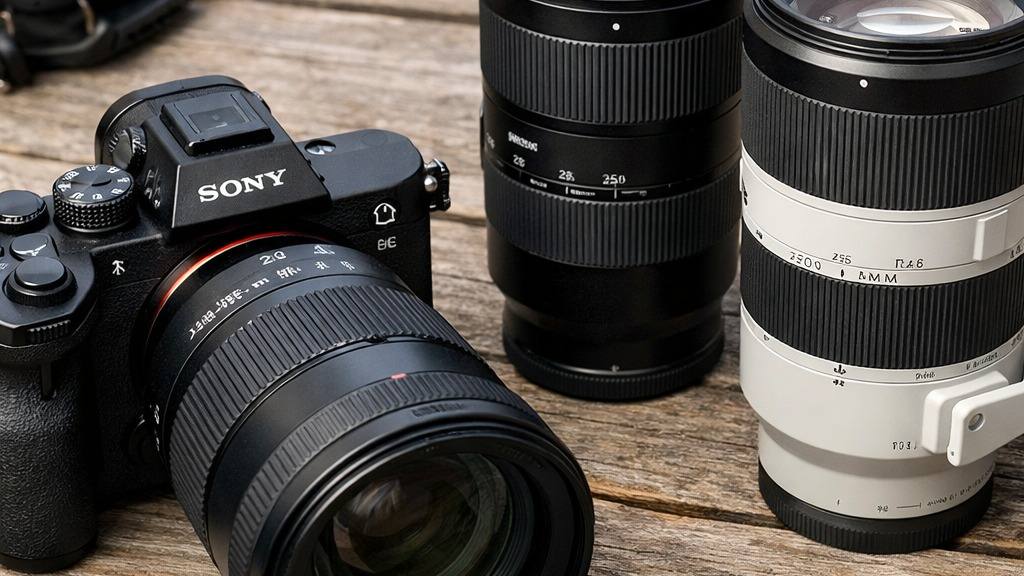
For most hybrid shooters and videographers, a versatile zoom lens is essential. The Sony A7SIII really shines when paired with glass that can cover a wide range of focal lengths while maintaining image quality and reliable autofocus. Here are my top choices for everyday use, whether you’re on assignment, traveling, or just capturing life’s moments.
The standard zoom I’d choose for most creators
If I could only pack one lens for the A7SIII, it would be the Sony 24-70mm f/2.8 GM II. This lens covers everything from wide environmental shots to tight portraits without swapping glass. Autofocus is fast and silent, focus breathing is minimal, and the optical quality is sharp even wide open. For video, this is critical, as you can move from an interview setup to B-roll with only minor adjustments. If the GM II is out of your budget, the Tamron 28-75mm f/2.8 G2 is an excellent alternative. It’s lighter, balances well on smaller gimbals, and delivers great sharpness and color. Both options make the most of the A7SIII’s autofocus and IBIS, so you can shoot handheld with confidence.
For those who prefer a lighter kit, the Sony 24-105mm f/4 G OSS is another winner. It offers more reach, built-in stabilization, and is tack sharp from edge to edge. The constant f/4 aperture is fine for most daytime shooting and its OSS pairs beautifully with the A7SIII’s IBIS for smooth handheld video. This lens also makes an excellent travel companion, covering almost every scenario without weighing you down.
When a wide or telephoto zoom makes more sense
Sometimes a standard zoom isn’t quite wide enough or doesn’t have enough reach. For landscape, architecture, or real estate video, the Sony 16-35mm f/2.8 GM offers expansive views and crisp detail. It’s also a favorite for gimbal work thanks to its moderate size and excellent autofocus. If you’re often shooting people from a distance – say, at events or for wildlife B-roll – the Sony 70-200mm f/2.8 GM OSS II is the obvious choice. Its fast aperture, quick AF, and built-in stabilization make it a powerhouse for both video and stills. Plus, it’s surprisingly versatile for capturing detail shots and compressed backgrounds that look stunning on the A7SIII’s sensor.
For travel or documentary shooters, a single-lens solution like the Sony 24-240mm f/3.5-6.3 OSS can cover nearly every situation, though you sacrifice some low-light performance and sharpness. Still, it’s a valid choice for those who need to move fast and travel light.
Best prime lenses for low light and cinematic footage
One of the main reasons to own the Sony A7SIII is its legendary low-light performance. To take full advantage, fast prime lenses are hard to beat. Primes offer wide apertures, beautiful bokeh, and often better sharpness than zooms. They also push you to think more about composition and movement, which leads to more intentional, cinematic footage.
Fast wide and normal primes for handheld video
For handheld shooting, especially in tight spaces or low light, I reach for primes like the Sony 24mm f/1.4 GM or the Sigma 24mm f/1.4 DG DN Art. Both are lightweight, sharp, and open up to f/1.4, letting you shoot in near darkness. The 24mm focal length gives an immersive perspective without major distortion, making it a favorite for documentary work and establishing shots.
The Sony 35mm f/1.4 GM is another top pick. It’s a classic focal length for narrative work, interviews, and street scenes. With minimal focus breathing and fast, quiet AF, it feels tailor-made for the A7SIII. You get a balance between subject isolation and environmental context that works for almost any project.
Portrait and detail primes for shallow depth of field
When you want that creamy background blur and crisp subject separation, an 85mm or 50mm prime shines on the A7SIII. The Sony 85mm f/1.8 is affordable, sharp, and nails eye autofocus even at f/1.8. For more cinematic bokeh, the 85mm f/1.4 GM is a professional’s dream, though heavier and larger.
The Sony 50mm f/1.2 GM stands out for its razor-thin depth of field and beautiful rendering. This lens makes every shot feel special, especially in controlled lighting or for creative portraiture. If you shoot low-light interviews or want that classic close-up look, a fast 50mm or 85mm prime will show what the A7SIII sensor can really do.
Best lenses for vlogging, gimbal work, and solo creators
For creators who work solo, need to film themselves, or run a compact gimbal rig, lens size, weight, and field of view matter as much as image quality. The best vlogging lens for Sony A7SIII should be wide enough to keep you in the frame at arm’s length, light enough for all-day shooting, and fast enough for indoor or low-light scenes.
The Sony 20mm f/1.8 G is my top pick for vlogging and gimbal use. It’s tiny, sharp, and has excellent autofocus tracking. The wide angle means you can walk and talk without stepping out of frame, and the f/1.8 aperture gives a natural, cinematic background blur, even indoors. For tighter budgets, the Tamron 20mm f/2.8 Di III OSD packs a punch for its size and price, though with a slower aperture.
If you want a zoom, the Sony 16-35mm f/4 PZ is designed for video creators. The power zoom lets you reframe smoothly during a shot, it’s light enough for travel, and autofocus is spot-on for face tracking. For those who need maximum flexibility, combining the 16-35mm with a compact microphone makes a perfect solo creator kit on the A7SIII.
Ultimately, the best lenses for Sony A7SIII are those that fit your workflow and help you create without compromise. Whether you value speed, compactness, or versatility, there’s a lens that will unlock the full potential of your camera, especially as compact digital cameras are making a comeback in 2026. In the next chunk, I’ll cover portrait, event, and commercial lens choices, as well as how to choose the best glass for your own shooting style.
Best lenses for portraits, events, and commercial work
When it comes to the best lenses for Sony A7SIII in portrait, event, and commercial scenarios, your lens choice directly shapes the look and feel of your images and video. For portraits, a lens that gives you sharp subject isolation, smooth bokeh, and accurate color is essential. For events and commercial work, versatility, autofocus reliability, and handling in mixed lighting become even more important.
For portraits, the classic pick is a fast prime. The Sony 85mm f1.4 GM stands out as the best portrait lens for Sony A7SIII if you want a creamy background, fast autofocus, and consistently beautiful rendering. If you want something a bit lighter and more budget-friendly, the Sigma 85mm f1.4 DG DN Art offers nearly as much character, with only a slight trade-off in autofocus speed and weather sealing.
If your style leans toward environmental portraits, the Sony 50mm f1.2 GM is a stellar choice. It delivers razor-sharp results wide open, focuses quickly, and handles skin tones with a natural look. For those who need flexibility during unpredictable shoots, the Sony 24-70mm f2.8 GM II is one of the top Sony A7SIII event lens options. This lens covers everything from tight headshots to wide group shots, making it a staple for event and wedding shooters.
Commercial photographers and hybrid shooters often need to deliver both stills and video. Here, the Sony 70-200mm f2.8 GM OSS II is unmatched for its reach, speed, and stabilization, making it a true workhorse for everything from fashion to product work. Tamron’s 28-75mm f2.8 G2, meanwhile, is a great value pick for commercial jobs where you need to move fast and keep your kit light. It may not have the absolute edge-to-edge sharpness of Sony’s GM series, but for most real-world assignments, it delivers excellent results.
- Best portrait lens for Sony A7SIII: Sony 85mm f1.4 GM or Sigma 85mm f1.4 DG DN Art
- Sony A7SIII event lens: Sony 24-70mm f2.8 GM II, Tamron 28-75mm f2.8 G2
- Professional lenses for Sony A7SIII (commercial): Sony 70-200mm f2.8 GM OSS II, Sony 50mm f1.2 GM
Keep in mind, the right lens for these jobs isn’t always the fastest or most expensive. It’s about what lets you work efficiently and consistently under pressure, and what complements your creative style.
Sony versus Sigma versus Tamron for the A7SIII
The debate between Sony, Sigma, and Tamron is ongoing among A7SIII shooters. Each brand brings something different to the table, and your final choice often depends on your priorities: autofocus performance, image rendering, price, or weight.
When native Sony glass is worth the extra cost
Sony’s own lenses almost always deliver the most seamless autofocus, especially in video. Eye-AF tracking, quick refocusing between subjects, and minimal focus breathing make Sony’s G Master and G series primes and zooms top picks for professional work. If you shoot paid events or rely on consistent focus for client work, investing in native Sony glass pays off in reliability. For example, the Sony 24-70mm f2.8 GM II and 70-200mm f2.8 GM OSS II are not just sharp – they are designed to take full advantage of the A7SIII’s advanced AF algorithms.
However, Sigma has closed the gap significantly. The Sigma 24-70mm f2.8 DG DN Art is a proven favorite for hybrid shooters looking for high resolution and solid build at a lower cost. Autofocus is nearly as fast as Sony, and color rendering is excellent. The Sigma 85mm f1.4 DG DN Art, in particular, is a lens I’ve used for both interviews and fashion shoots, with results that rival Sony’s own glass for a fraction of the price.
Tamron lenses for Sony A7SIII offer a unique value equation. The Tamron 28-75mm f2.8 G2 is lighter than most pro zooms and delivers impressive sharpness for the price. The Tamron 35-150mm f2-2.8 VC is a favorite among event and wedding shooters for its unmatched zoom range and surprising speed. Autofocus is reliable, even if not quite as refined as Sony or Sigma, and the weight savings can make a real difference during long shoots.
- Sony vs Sigma lenses for A7SIII: Sony leads in autofocus and compatibility, Sigma excels in optical value and build
- Tamron lenses for Sony A7SIII: Best for lightweight, budget-friendly, and unique zoom ranges
- Best third party lens for Sony A7SIII: Sigma 24-70mm f2.8 DG DN Art, Tamron 28-75mm f2.8 G2, Tamron 35-150mm f2-2.8 VC
For video-centric work, Sony lenses are still the gold standard. For hybrid or budget-conscious shooters, Sigma and Tamron can deliver 90% of the performance at 60% of the price. I regularly mix and match across brands, depending on the project – just know that some third-party lenses may need firmware updates to keep up with Sony’s latest autofocus features.
How to choose the right lens based on your shooting style
Picking the best lens setup for Sony A7SIII starts with a hard look at your real workflow and the environments you shoot in. Are you usually in controlled studio settings, fast-paced events, or solo run-and-gun shoots? Each style demands different strengths from your glass.
If you shoot mostly portraits or interviews, invest in a fast prime like the Sony 85mm f1.4 GM or Sigma 85mm f1.4 DG DN Art. These lenses flatter faces, create beautiful subject separation, and thrive in low light. For solo creators or those who do a mix of events and day-to-day shooting, a high-quality zoom like the Sony 24-70mm f2.8 GM II or Tamron 28-75mm f2.8 G2 covers almost everything you’ll encounter. If you run hybrid video and stills for commercial projects, balancing speed, autofocus, and stabilization is key – this is where the Sony 70-200mm f2.8 GM OSS II or Tamron 35-150mm f2-2.8 VC shine.
Consider these tips for Sony A7SIII lens recommendations:
- For fast-paced shooting, prioritize autofocus speed and accuracy. Sony’s own lenses are safest here.
- For creative work, look at the rendering and character of the lens as much as technical sharpness.
- If you shoot long events or travel often, weight and handling matter. Tamron’s line is worth a look.
- For hybrid shooters, balance your kit – one fast prime and one flexible zoom usually covers 90% of jobs.
Ultimately, the right lens is the one you trust to deliver under pressure and that fits your style, not just your budget or wishlist. Take time to rent or borrow before you buy if possible, and remember that sometimes the best lens for Sony A7SIII is the one that gets out of your way so you can focus on the moment.
Frequently asked questions
What is the best all around lens for the Sony A7SIII?
The Sony 24-70mm f2.8 GM II is the top all-around choice for most hybrid shooters. It covers everything from wide shots to portraits with fast autofocus, great stabilization, and pro-level sharpness. For a lighter, more affordable option, the Tamron 28-75mm f2.8 G2 is also excellent.
Are Sigma lenses good for Sony A7SIII video work?
Yes, most recent Sigma Art lenses like the 24-70mm f2.8 DG DN Art and 85mm f1.4 DG DN Art perform very well on the A7SIII for video. Autofocus is fast and reliable, though Sony lenses still have a slight edge for tracking moving subjects in demanding conditions.
Which lens is best for low light on the Sony A7SIII?
Fast primes like the Sony 50mm f1.2 GM, Sony 85mm f1.4 GM, or Sigma 85mm f1.4 DG DN Art are ideal for low light. Their wide apertures let you shoot in dim conditions without boosting ISO too much, keeping footage clean and sharp.
Do I need image stabilization in a lens for the Sony A7SIII?
The A7SIII has in-body stabilization, so you can get by without OSS in many lenses. However, stabilization in the lens (like in the Sony 70-200mm f2.8 GM OSS II) can help with longer focal lengths or handheld video work, giving you even steadier results.
Are compact digital cameras making a comeback in 2026?
Yes, compact digital cameras are regaining popularity, especially among creators who want lightweight gear for vlogging or travel. Advances in sensor and autofocus tech are making compact cameras more appealing as a supplement to larger mirrorless systems like the A7SIII.