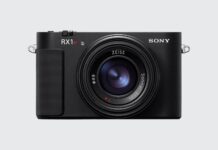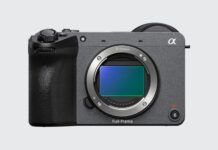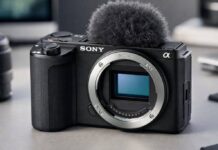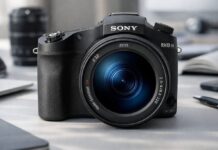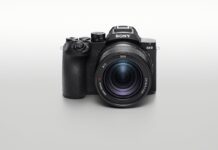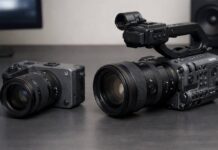

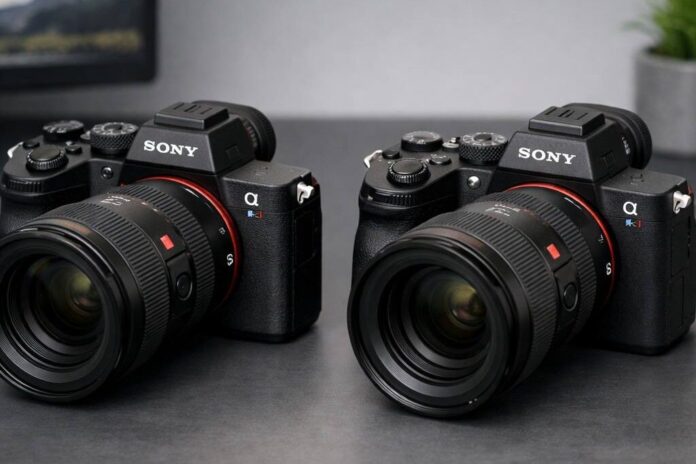
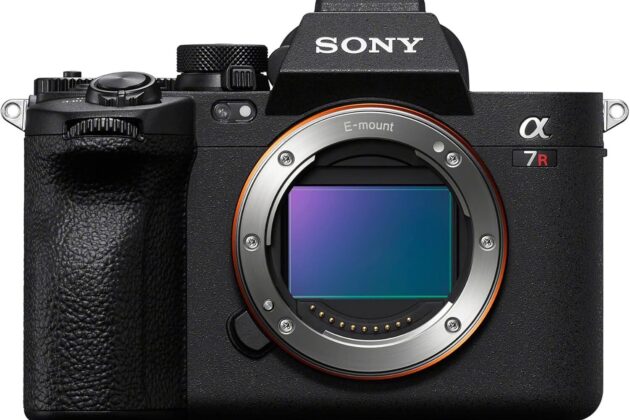
The Sony a7R IV and a7R V share the same headline appeal: a huge 61MP full-frame sensor. The real buying question is more practical. Do you need the newer autofocus, screen, stabilization, and video tools, or is the older body already enough for careful landscape, studio, and travel work? Searchers often type Sony a7RIV vs a7RV, but for clarity these are the Sony Alpha 7R IV (α7R IV) and Sony Alpha 7R V (α7R V).
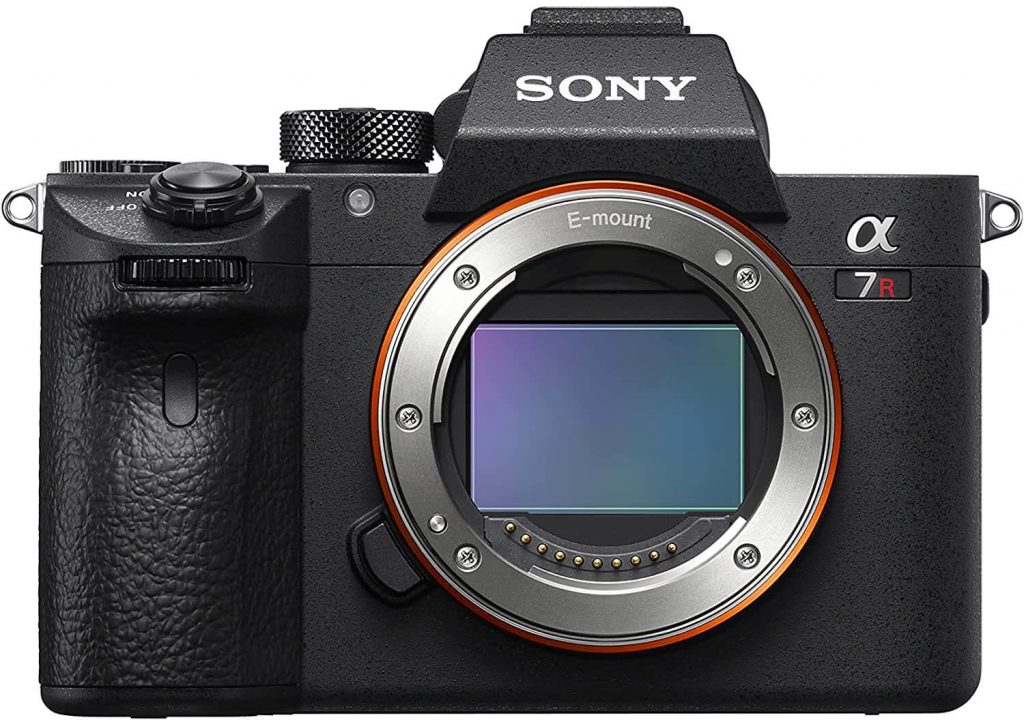
Who these two Sony cameras are really for
Why the a7R IV still makes sense for many photographers
When considering the sony a7r iv vs a7r v, it is tempting to assume the latest model is always better. However, the a7R IV remains a compelling choice for many photographers in 2026. Its 61MP sensor still delivers outstanding detail, and for those focused on landscape, studio, or commercial photography, the core image quality is practically identical to its successor. If you primarily shoot static or slow-moving subjects and rarely venture into demanding autofocus territory, the a7R IV checks every box at a friendlier price.
That is where the newer body starts to justify itself: if your work includes wildlife, events, portraits, or any subject that moves unpredictably, the autofocus and usability upgrades matter far more than a spec-sheet refresh. For a closer look at how those changes play out in practice, this Sony A7R V review adds useful context before you decide.
Budget stretches further with this model, especially for those wanting to invest more in premium lenses or lighting. Our Sony a7R IV review covers why it still has real value in 2026. The a7R IV’s battery life and dual card slots also support long shooting days, making it a workhorse for stills-focused professionals and serious enthusiasts. If you do not need the latest AI-powered autofocus or the new body design, this camera may be the best Sony high resolution camera for your needs right now.
Where the a7R V clearly earns its higher price
The a7R V is a meaningful body update. It suits photographers who need more help from the camera in dynamic situations. If you shoot fast action, wildlife, sports, or events, this model’s advanced autofocus and subject tracking set it apart. The AI-driven focus system and subject recognition make a real difference for locking onto unpredictable subjects. Video shooters and hybrid creators also benefit from improved heat management and a much more flexible LCD, features that matter for those who work across both stills and motion.
The a7R V’s user interface, menu system, and handling refinements are also substantial. If you often shoot in challenging environments or need the most reliable tracking for fast, erratic subjects, the investment in the a7R V quickly proves its worth. For professionals who rely on keeper rate and efficiency, the newer body is clearly stronger, especially when missed focus means missed work.
Sensor resolution and image quality in real shooting
Detail, dynamic range, and cropping flexibility
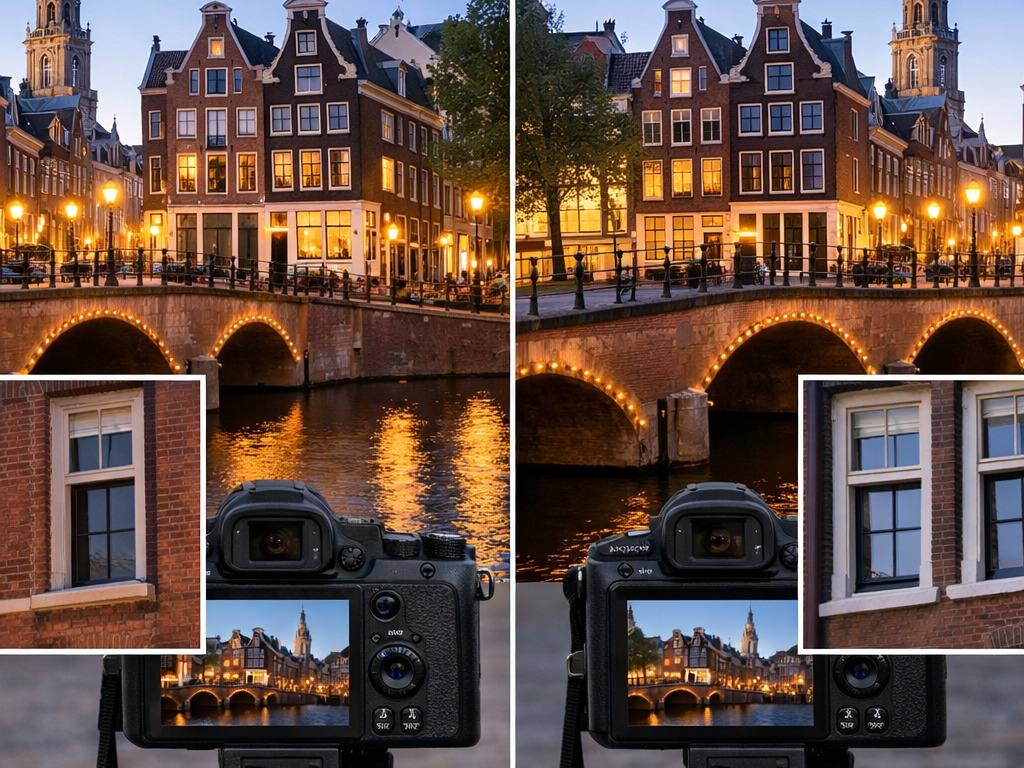
Both the a7R IV and a7R V share the same 61MP full-frame sensor, a marvel for anyone who values resolution. In real-world use, this sensor delivers exquisite detail, whether you are shooting landscapes at f/8 or portraits wide open. The files are rich with latitude, allowing aggressive cropping for wildlife or macro work without noticeable loss of quality.
Dynamic range is equally impressive on both cameras, providing plenty of room to recover shadows or pull down highlights in post-processing. For commercial, architectural, and fine art photographers, the ability to push and pull exposure in raw files is a genuine advantage. If you print large or license images for commercial use, either camera will give you files with the headroom and nuance required.
High ISO performance and what changes in practice
The 61MP sensor in both the a7R IV and a7R V handles high ISO noise well for its class, but expectations need calibration. At ISO 3200 and below, both models produce highly usable images with excellent color retention and detail. As you push to ISO 6400 or higher, grain becomes more apparent. However, the noise pattern is fine-grained and easy to manage in post.
The a7R V has a slight edge in processing, color consistency, and overall responsiveness, but it is not a dramatic sensor-level leap. In practice, I would not buy the newer camera expecting meaningfully cleaner high-ISO files. Buy it because the autofocus, screen, EVF, menus, and workflow are better, not because the 61MP RAW files suddenly become a different class of image. If you are coming from older high-resolution bodies, both cameras are a significant step up in usability at higher sensitivities.
Autofocus, subject tracking, and keeper rate
Eye AF, AI subject recognition, and moving subjects
Autofocus is where the a7R V truly distances itself from the a7R IV. Both cameras offer Sony’s excellent Eye AF for humans and animals, but the a7R V takes things further with its next-generation AI processor. The new system recognizes a wider range of subjects, tracking heads, bodies, birds, and even insects with greater accuracy.
In real-world shooting, this translates to a much higher keeper rate, especially with erratic or fast-moving subjects. The a7R IV remains reliable for portraits, posed work, and slower action, but struggles more with challenging tracking scenarios. The a7R V’s autofocus is sticky and confident, locking onto subjects and holding focus even as they move across the frame or turn away. For wildlife and sports shooters, this is a night and day difference.
The a7R V also gives you finer control over subject selection and tracking behavior through its updated menus. This means you can tailor the autofocus to your specific needs, whether you are photographing a dancer in low light or a bird in flight. In the field, that autofocus system is a real advantage for photographers who cannot afford to miss the shot.
Handling, screen, EVF, and day to day usability
Handling differences between the a7R IV and a7R V become immediately apparent the moment you pick them up. The a7R IV, while already an ergonomic improvement over Sony’s earlier bodies, feels more traditional. Its grip is comfortable for most hands, but some users with larger hands may find it less secure during long sessions with heavy lenses.
The a7R V refines this further with a deeper grip, improved button layout, and a much-requested fully articulating LCD. The screen is brighter, sharper, and far more versatile for low or high angle shooting. It flips out and rotates, making it invaluable for vlogging, video, or awkward tripod angles. The EVF on the a7R V is also sharper and faster, reducing lag and blackout during fast bursts.
Sony’s new menu system on the a7R V is another major upgrade, providing a more logical structure, better touch navigation, and faster access to custom settings. Day to day, this makes a bigger difference than you might expect, especially if you frequently switch between stills and video or need to change autofocus modes on the fly.
In summary, the a7R IV’s ergonomics are good and entirely usable for all-day shoots, but the a7R V’s refinements make it more comfortable, more efficient, and simply more enjoyable to use in demanding scenarios. If you value usability and fast workflow, the a7R V is the clear winner. For photographers who already know and like Sony’s controls, the a7R IV still feels familiar and effective, but the new camera is more intuitive and responsive in daily use.
Video features and hybrid shooting differences
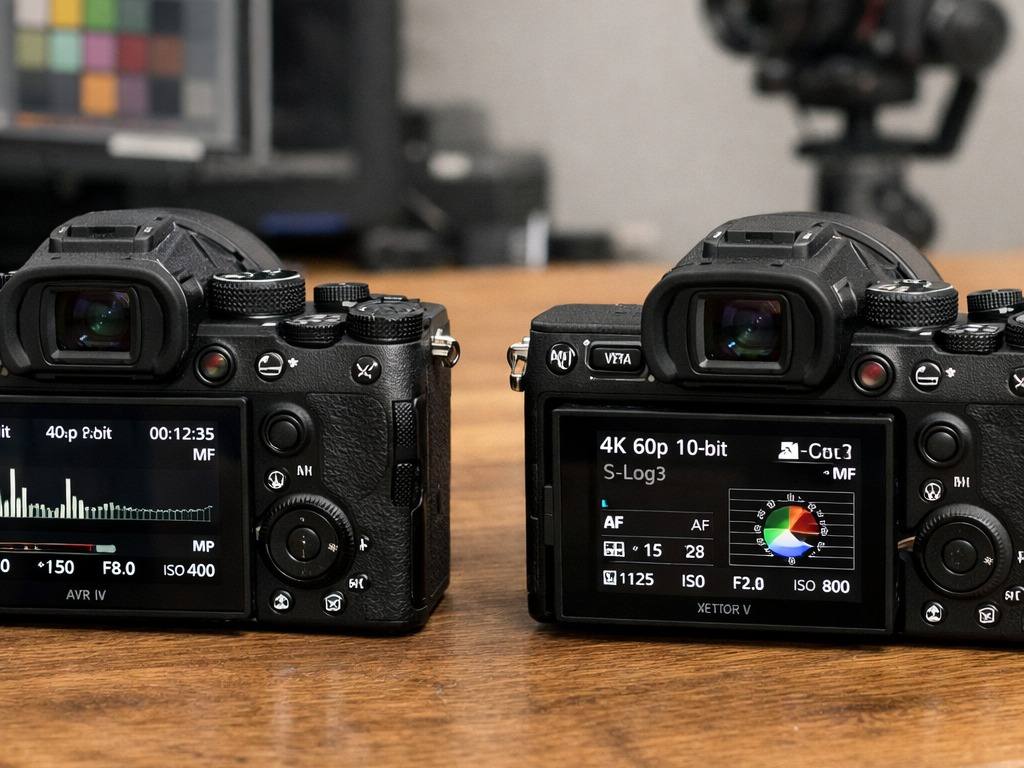
Both cameras use a 61MP sensor, but they do not behave the same for video or hybrid shooting. If your creative work includes both stills and video, or you need a camera that can switch roles without hesitation, these differences matter more than any single spec on paper.
When the a7R V is the better choice for photo and video work
The a7R V video upgrades are substantial. Sony designed the a7R V to be a much more capable hybrid camera, learning from the strengths of their a7 IV, a1, and FX series. The most obvious change is the a7R V’s ability to record 8K video internally (up to 24p). While few people actually need to deliver 8K, this mode gives you superb detail and flexibility for cropping, especially for commercial projects where reframing is required.
The a7R V also offers 4K60p recording with full pixel readout (from a 6.2K crop), plus proper 10-bit 4:2:2 color and S-Cinetone for a more cinematic look straight out of camera. In contrast, the a7R IV video features feel dated: it tops out at 4K30p, only records in 8-bit, and does not offer the advanced color profiles or high frame rates that are now standard.
If you regularly shoot interviews, events, or creative b-roll alongside stills, the a7R V’s improved heat management, focus breathing compensation, and more advanced AF tracking make it the clear winner. The fully articulating LCD is another major upgrade for self-filming, odd angles, and collaboration on set. By comparison, the a7R IV’s screen tilts but does not flip out, and its autofocus in video is less reliable, especially for moving subjects or when face/eye tracking is needed.
- a7R V video: 8K24p, 4K60p, 10-bit 4:2:2, S-Cinetone, full articulating LCD, AI subject tracking, focus breathing compensation
- a7R IV video: 4K30p, 8-bit 4:2:0, limited profiles, tilting LCD, slower AF, no advanced video tools
In real use, the a7R V is closer to a true Sony hybrid camera, especially for creators who want a single body for high-res stills and modern video. The a7R IV can still deliver good results for short clips or simple documentation, but if video is a priority, the V is simply in another league.
Storage, battery life, and workflow demands
High megapixel sensors bring incredible detail but also big demands on your storage and workflow. Both the a7R IV and a7R V produce 61MP RAW files, which can quickly fill cards and hard drives, especially if you shoot bursts or bracket exposures.
The a7R V, however, adds a major advantage: dual card slots that accept both SD UHS-II and CFexpress Type A cards. CFexpress cards are much faster than SD cards, supporting higher write speeds for continuous shooting, video, and even playback. This means less waiting for buffers to clear and smoother handling of large files, especially when shooting action or 8K video. The a7R IV uses dual SD UHS-II slots, which are reliable but slower, especially if you regularly shoot bursts or switch between stills and 4K video.
Battery life is another area where the two cameras are similar on paper. Both use the Sony NP-FZ100 battery, which is one of the best in its class. In real shooting, the a7R IV often gets slightly more shots per charge when you shoot only stills, because the V’s extra processing power draws more energy. However, if you use the LCD for video or review, or rely on the improved EVF and AI autofocus, you may notice that the a7R V runs through batteries a little faster. For demanding assignments, I always carry at least two fully charged batteries for either body.
- Sony a7R file sizes: Expect 60-65MB per uncompressed RAW, 30-35MB for compressed RAW, and 15-20MB for JPEG
- CFexpress Type A (a7R V only): Faster write speeds, less buffer lag, needed for 8K video
- SD UHS-II: Good for most stills and 4K video, but not ideal for long bursts or 8K
- Battery life: Similar per charge, but a7R V uses more power with advanced features
Workflow is where the differences show up most clearly for working professionals. The a7R V workflow is modern and fast. You get USB-C 3.2 for rapid file transfer, wireless tethering, and direct FTP upload. This is a big step up for studio and event shooters who need to deliver images quickly or work tethered to a laptop or tablet. The a7R IV is capable, but lacks some of these advanced connectivity and transfer features, which can slow you down on demanding shoots.
If you shoot high volume, mix video and stills, or need the fastest workflow possible, the a7R V is simply better equipped for today’s file sizes and professional demands.
Price, value, and which one I would buy today
The price gap between the two bodies is now significant. The a7R IV sells for much less than it did at launch, often appearing at a strong discount, while the a7R V remains at a premium as Sony’s flagship high-resolution model. But value is about more than price. It depends on what you get for your money and how well the camera fits your real needs.
If your work is almost entirely focused on still photography, and your subjects are mostly static – think landscape, architecture, or studio portraiture – the a7R IV remains a fantastic buy. Its 61MP sensor is identical to the V, and for many projects, you will not see a visible difference in image quality. The savings can be put toward better lenses, lighting, or travel. The a7R IV is also lighter on your workflow, since you are less likely to shoot massive bursts or 8K video, so SD cards and traditional storage will serve you well.
However, if you shoot moving subjects, demand the best autofocus, or need a camera that can switch between stills and video without compromise, the a7R V justifies its higher cost. The improved AI autofocus and tracking, better video features, faster workflow, and more comfortable handling add up to a much more versatile camera for hybrid creators, wildlife shooters, and anyone who needs to capture action reliably.
Best choice for landscape, portrait, wildlife, and studio photographers
- Landscape photographers: a7R IV is the smarter value unless you need the V’s AF or workflow upgrades
- Studio portraitists: Both are excellent, but the a7R V’s improved face/eye detection and tethering are a real benefit for fast-paced sessions
- Wildlife and sports shooters: The a7R V is worth the extra cost for AI tracking, faster workflow, and better buffer handling
- Hybrid content creators: a7R V is the clear winner for anyone shooting both stills and video at a professional level
As for which Sony a7R to buy, my personal recommendation is to carefully weigh your real-world needs. If you want the most advanced autofocus, video capability, and workflow tools, the a7R V is unmatched. But if your work is mostly stills, and you want to maximize value, the a7R IV remains a best-in-class performer in 2026. Both are far more capable than any compact digital camera making a comeback, but each fits a different photographer’s style and workflow.
Frequently asked questions
Is the Sony a7R V worth upgrading to from the a7R IV?
If you rely on advanced autofocus, shoot a lot of action, or need modern video features, then yes, the a7R V upgrade is absolutely worthwhile. For pure stills work with static subjects, the a7R IV’s image quality is just as good, so the upgrade is less urgent.
Do the Sony a7R IV and a7R V have the same image quality?
Yes, both use the same 61MP sensor and can deliver nearly identical results for still images. Differences show up in autofocus, handling, video, and workflow, not in raw image quality.
Which camera is better for wildlife and bird photography?
The a7R V is much better for wildlife and birds thanks to its AI-based subject tracking, improved autofocus, and faster buffer clearing with CFexpress cards. The a7R IV can do the job, but you will get more keepers and fewer missed moments with the V.
Is the a7R IV still worth buying in 2026?
Absolutely, especially for landscape, studio, and portrait photographers who do not need advanced video or the latest autofocus. The a7R IV’s price-to-performance ratio is excellent, and it remains one of the best high-resolution cameras available if your workflow matches its strengths.