

Buying a digital camera in 2026 is not hard because there are too few choices. It is hard because too many cameras look similar on a spec sheet. A cheap compact, a bridge camera, a beginner mirrorless body, a used DSLR, an action camera, and a phone camera can all be the right answer for different people.
The essential question is not “what is the best camera?” The better question is: what do you want the camera to do that your phone does not already do well?
For most buyers, the answer comes down to one of five things: more optical zoom, better handling, a real viewfinder, better low-light quality, or a camera that makes photography feel more deliberate. Start there and you will avoid most bad purchases.
Quick Digital Camera Decision Table
If you are still sorting out the category, use this table before looking at individual models.
| Your main use | Best camera type to consider first | Why it makes sense | Where to go next |
|---|---|---|---|
| Family, travel, simple everyday photos | Compact camera or beginner mirrorless | Small size, simple controls, better grip than a phone | Beginner digital camera picks |
| Pocket camera with real zoom | Compact zoom camera | Actual optical reach without carrying lenses | Best compact zoom cameras |
| Birds, wildlife, moon shots, distant subjects | Bridge or superzoom camera | Big zoom range for less money than a lens system | Highest zoom cameras |
| Learning photography seriously | Beginner mirrorless camera | Better lens path, viewfinder, controls, and long-term growth | Best cameras for beginners |
| Video, vlogging, walking clips | Creator compact, mirrorless, or pocket video camera | Better stabilization, audio options, and framing controls | Best vlogging cameras |
| You mostly want a better phone camera | Premium compact or better phone | A camera only wins if it adds zoom, sensor size, or handling | Best smartphone cameras |
Start With What You Shoot
The worst first-camera mistake is buying for an imaginary future version of yourself. A heavy camera with three lenses may look serious, but it is a poor buy if you actually want something for family trips, hiking, casual street photos, or quick everyday use.
Before comparing brands, write down the three subjects you expect to shoot most often. A camera for school sports, birds, travel landmarks, and stage performances needs reach and stabilization. A camera for portraits, street, food, and family photos needs good handling, a usable sensor, and possibly a lens upgrade path. A camera for vlogging needs autofocus, stabilization, a screen you can see from the front, and decent audio options.
Use case changes everything. A camera that looks impressive on paper can stay at home because it is too heavy, too slow to deploy, or wrong for the subject. If it does not make your most common shooting situation easier, ignore it even if reviewers like it.
The Main Types of Digital Cameras
Compact Cameras
A compact camera is the easiest dedicated camera to live with. It usually has a fixed lens, small body, simple controls, and better optical zoom than a phone. The tradeoff is image quality. Many cheap compacts use small sensors, so they are best in daylight and ordinary indoor light, not dark venues.
Basic compacts make sense for casual travel, kids, seniors, simple snapshots, and people who want a real camera without learning a lens system. They do not make sense if you expect dramatic background blur, strong low-light performance, or serious wildlife results.
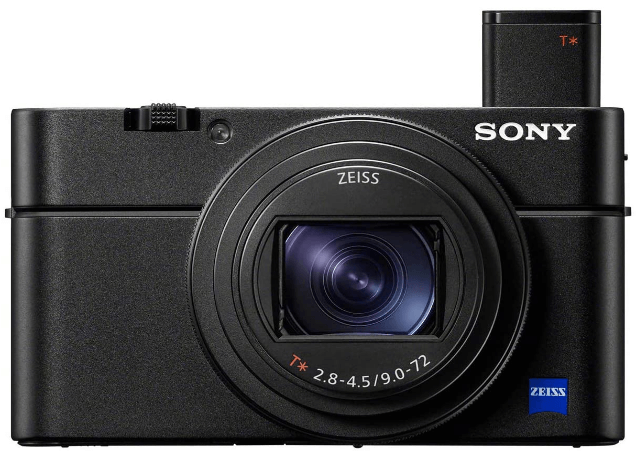
For a serious compact starting point, the Sony RX100 VII class is a better signal than a bargain point-and-shoot. It is expensive for its size, but it shows why premium compacts still exist: real zoom, a useful sensor, fast handling, and a body that still fits in a jacket pocket.
Compact Zoom Cameras
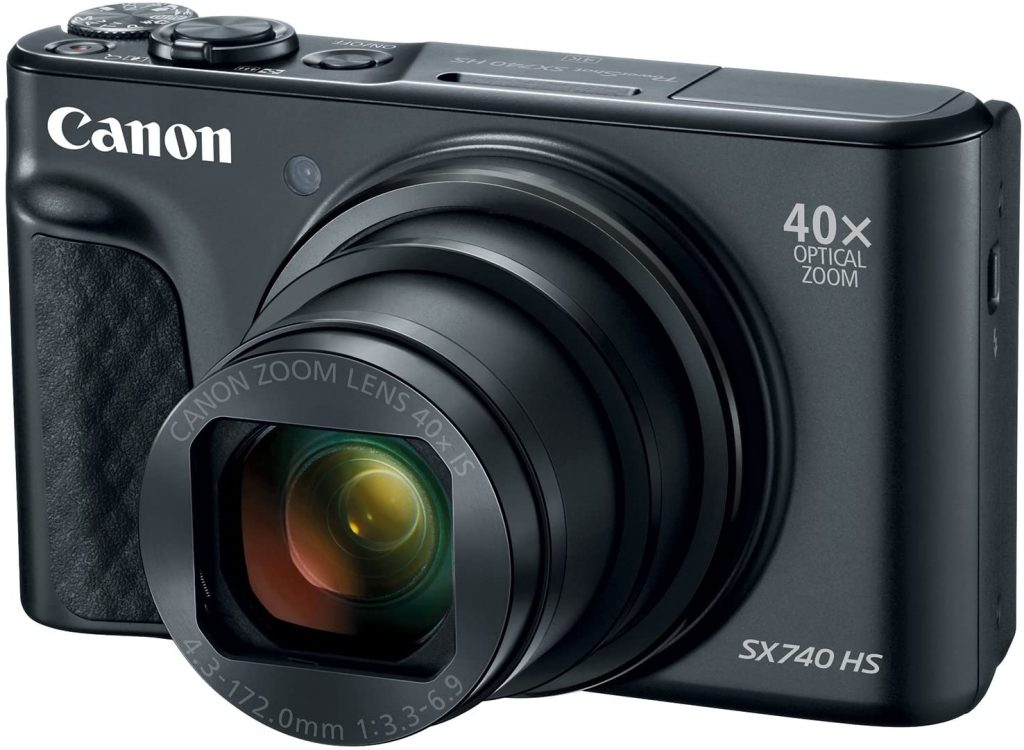
A compact zoom camera is still pocketable, but zoom reach becomes the reason to buy it. This is where a model like the Canon PowerShot SX740 HS makes more sense than a cheap basic compact. You are not buying it for a huge sensor. You are buying it because a 40x optical zoom does things a phone crop cannot match.
This category is best for travel, landmarks, family trips, daylight wildlife at casual distance, and anyone who wants reach without a camera bag. It is not ideal for dark gyms, fast birds, or serious portraits.
Bridge and Superzoom Cameras
Bridge cameras look like small DSLRs, but the lens is fixed. Their big advantage is reach. A Panasonic FZ80D, Nikon P1100, or Kodak Astro Zoom type of camera can cover wide scenes and distant subjects without changing lenses.
The catch is sensor size. Most bridge cameras use small sensors, so the huge zoom is the point, not maximum image quality. They are excellent for moon photos, backyard birds, vacations, air shows, casual wildlife, and people who would never carry a 600mm lens.
If you want one camera with serious reach and no lens buying, this is the category to study.

Mirrorless Cameras
A beginner mirrorless camera is the best first serious camera for most people who want to learn photography properly. You get interchangeable lenses, a larger sensor than most compacts, a real upgrade path, and better autofocus than old entry-level DSLRs.
The body is only part of the cost. Lenses matter more over time. That is why a cheap mirrorless body can become expensive if you buy without understanding the system. Canon RF-S, Nikon Z DX, Sony E, Fujifilm X, and Micro Four Thirds all have different lens paths.
For many beginners, an entry Canon mirrorless kit such as the EOS R50 class is a sensible place to start, especially if the price is right and you are comfortable growing inside Canon’s RF system.


DSLR and Used DSLR Cameras
A DSLR can still be a good camera, especially used, but I would not tell most beginners to start there unless the price is clearly better. DSLRs are mature, durable, and often excellent for still photography. They also give you access to a huge used lens market.
The downside is that new development has moved toward mirrorless. Video autofocus, live view, subject detection, size, and future lens support are usually better on mirrorless. A used DSLR makes the most sense when you want value, optical viewfinder handling, long battery life, or a specific used-lens ecosystem.
Action Cameras and Pocket Video Cameras
An action camera or pocket video camera is not a general photography camera. It is a specialized tool. It can be excellent for walking video, travel clips, biking, skiing, underwater use, or creator work, but it is usually not what I would buy for still photos, portraits, wildlife, or learning photography.
If video is the real reason you are shopping, that is a separate path. A DJI Osmo Pocket 3 type of camera can be more useful than a traditional camera for stabilized walking clips, but it is not a replacement for a good stills camera.
Camera Specs That Actually Matter
Sensor Size
Sensor size affects low-light quality, dynamic range, and background blur. Full frame is not automatically better for everyone. APS-C and Micro Four Thirds are often easier to carry and cheaper to build around. Small-sensor compacts and bridge cameras can still be useful when zoom or size matters more than image quality.
For a beginner, sensor size matters most when you shoot indoors, at night, portraits, or subjects where you want cleaner files. It matters less if your priority is daylight travel or huge zoom reach.
Optical Zoom vs Digital Zoom
Optical zoom is real lens reach. Digital zoom is cropping. This is one of the easiest ways beginners get misled by marketing. If a camera advertises a wild digital zoom number, ignore it unless the optical zoom number is also useful.
For travel, wildlife, kids’ sports, and distant subjects, optical zoom matters. For portraits, street photography, and everyday family photos, a better sensor and lens quality often matter more.
Autofocus
Autofocus matters more than megapixels for moving people, pets, sports, birds, and video. Modern mirrorless cameras with subject detection are much easier than older cameras for tracking eyes and faces. Cheap compacts can be fine for static scenes but frustrating when the subject moves.
Stabilization
Stabilization helps with handheld photos and video, especially at longer focal lengths. Lens stabilization is common in compact zooms and bridge cameras. In-body stabilization appears on many better mirrorless cameras. It is useful, but it does not freeze subject movement. A running child or bird still needs a fast enough shutter speed.
Viewfinder and Screen
A viewfinder is not just a luxury. In bright sun it can make the camera much easier to use. A tilting or flip screen helps with low angles, travel photos, selfies, and video. If you wear glasses or shoot outdoors often, do not ignore viewfinder comfort.
Lens System
If you buy an interchangeable-lens camera, you are buying into a system. Look at lens prices before buying the body. A camera body that looks cheap can become a bad value if the lenses you actually need are expensive or unavailable.
Accessories That Are Actually Essential
You do not need a drawer full of accessories on day one. The essentials are simple:
- A reliable SD card with enough speed for your camera’s video mode.
- A spare battery if you travel or shoot full days.
- A small protective case or bag that you will actually carry.
- A microfiber cloth and blower for dust and fingerprints.
- A lens hood if your camera or lens supports one.
A tripod is essential for landscapes, long exposures, product photos, self portraits, and video setups. It is not essential for every beginner. Filters, flashes, microphones, cages, straps, and big bags can wait until your shooting style proves you need them.
Buying Mistakes to Avoid
Buying Megapixels Instead of a Camera
More megapixels can help with cropping and large prints, but they do not automatically make a camera better. A good lens, solid autofocus, useful stabilization, and a sensor that performs well in real light matter more for most people.
Trusting Digital Zoom
If zoom is the reason you are buying a camera, look for optical zoom. Digital zoom is mostly marketing. A 40x optical zoom compact is more meaningful than a vague “200x digital zoom” claim.
Overbuying a Lens System
Interchangeable-lens cameras are powerful, but they are not automatically better for casual users. If you do not want to buy or change lenses, a compact or bridge camera may make you happier.
Buying an Old Compact at a Bad Price
The compact-camera market is strange now. Some older models cost more than they should because small cameras are fashionable again. Before paying inflated prices for an old point-and-shoot, compare it with a new compact zoom, a used mirrorless kit, or even a better phone.
Ignoring Total Cost
Budget for the full setup. A camera body, lens, memory card, spare battery, bag, and maybe one future lens are the real cost. The cheapest body is not always the cheapest camera to own.
Smart Starter Paths
If You Want the Safest Beginner Camera
Start with a beginner mirrorless kit or a dedicated beginner camera guide. This is the best path if you want to learn, improve, and possibly buy lenses later.
If You Want a Small Travel Camera
Look at compact cameras and compact zooms first. A small camera is only useful if it comes with you. A compact zoom guide is the better next step if optical reach is the reason you are not just using a phone.
If You Want Canon Point-and-Shoot Choices
Canon’s PowerShot line is confusing because some models are old, some are still searched heavily, and newer compact-camera interest has returned. Use our Canon PowerShot comparison if you are choosing between SX, ELPH, G-series, and newer Canon compact options.
If You Want Nikon Coolpix or Big Zoom
Coolpix buyers usually care about zoom, simplicity, or older used models. Start with our Nikon Coolpix guide, then move to the highest-zoom guide if long reach is the whole point.
If You Are Comparing a Camera Against a Phone
A dedicated camera has to earn its place. If you mostly shoot casual wide photos and video clips for social use, a phone may be the smarter upgrade. If you want optical zoom, better handling, a viewfinder, or a real lens system, a camera still has a reason to exist.
FAQ
What are the digital camera essentials for beginners?
The essentials are a camera type that fits your use case, a reliable memory card, a spare battery if you shoot often, a small protective case, and basic cleaning tools. Lenses, tripods, microphones, and flashes are only essential when your shooting style requires them.
What type of digital camera should a beginner buy?
Most beginners should choose between a compact camera, a compact zoom, and a beginner mirrorless camera. Choose compact if you want simplicity, compact zoom if you want reach, and mirrorless if you want to learn photography and grow into better lenses.
Is a digital camera better than a phone?
A digital camera is better when it gives you something your phone cannot: real optical zoom, a larger sensor, a viewfinder, better handling, interchangeable lenses, or a shooting experience you enjoy more. For casual wide photos in good light, a modern phone can be enough.
How much should I spend on a first digital camera?
Spend enough to get the camera type you actually need, but leave money for a memory card, battery, and possibly a lens. A simple compact can make sense under a few hundred dollars. A beginner mirrorless kit usually costs more, but gives you a better long-term photography path.
Which camera spec matters most?
There is no single spec. For image quality, sensor and lens matter. For distant subjects, optical zoom matters. For people, pets, and video, autofocus matters. For handheld shooting, stabilization matters. The most important spec is the one that solves your real shooting problem.
Bottom Line
The best digital camera is not the one with the longest spec sheet. It is the one that fits how you actually shoot. Decide the use case first, pick the camera type second, and compare models only after that. That order will save you more money than chasing megapixels, digital zoom claims, or whatever camera is getting attention this month.