


If you care about photography, the best smartphone camera in 2026 is no longer a simple Apple-versus-Samsung question. The most interesting camera phones now come from several directions at once: OPPO is pushing optical zoom hard, vivo is building around more photographic focal lengths, Xiaomi is leaning into large sensors and Leica color, Google is using computational photography more intelligently, and Apple still owns the safest video workflow for many creators.
Updated June 19, 2026: this list has changed since the original version. The OPPO Find X9 Ultra is no longer just a phone to watch; OPPO now lists it as a full product with a serious Hasselblad camera system, dual 200MP cameras, a 10x optical telephoto, and 8K video. I have also added the Google Pixel 10 Pro XL, because even if it is not the most hardware-heavy phone here, it matters for point-and-shoot consistency and AI-assisted photography.
The short version: if I were buying purely for camera quality, I would start with OPPO, vivo, Xiaomi, Google, Apple, and Samsung. But the right answer depends heavily on what you shoot: travel, portraits, video, concerts, kids, street photography, or simple everyday photos where you do not want to think about settings.
The real shortlist in 2026
- Best overall camera-first phone: OPPO Find X9 Ultra
- Best still-photo focal length strategy: vivo X300 Ultra
- Best all-round Android imaging flagship: Xiaomi 17 Ultra
- Best point-and-shoot computational camera: Google Pixel 10 Pro XL
- Best phone for video and creator apps: iPhone 17 Pro Max
- Best mainstream Android choice in the US: Samsung Galaxy S26 Ultra
- Best slightly saner flagship alternative: OPPO Find X9 Pro or vivo X300 Pro
Best camera phones 2026 compared
| Phone | Best for | Why it matters | Main caution |
|---|---|---|---|
| OPPO Find X9 Ultra | Zoom, detail, ambitious hardware | Dual 200MP Hasselblad cameras plus a native 10x telephoto make it the most aggressive camera-first phone here. | Availability and pricing may be less straightforward than Apple, Samsung, or Google in the US. |
| vivo X300 Ultra | Stills, portraits, documentary shooting | The 35mm and 85mm ZEISS approach feels unusually photographic for a phone. | US buyers need to check bands, warranty, and seller reliability. |
| Xiaomi 17 Ultra | Large-sensor Android versatility | Its 1-inch main sensor and 75-100mm Leica telephoto give it a very balanced camera stack. | Software taste and regional availability still matter. |
| Google Pixel 10 Pro XL | Point-and-shoot photos, skin tones, AI help | Google remains one of the safest choices when you want the phone to make the exposure and processing decisions. | Less exciting if you want the most camera-like hardware. |
| iPhone 17 Pro Max | Video, creator apps, US simplicity | The iPhone is still the most reliable phone-camera ecosystem for video and social workflows. | Not the most adventurous stills camera for enthusiasts. |
| Samsung Galaxy S26 Ultra | US Android buyers, zoom flexibility | Easy to buy, flexible, familiar, and strong across most shooting situations. | Samsung processing can look too sharpened or too saturated. |
The practical Amazon USA shortlist
There is an important buying reality here: the most exciting camera phones are not always the easiest products to buy through Amazon USA. OPPO, vivo, and Xiaomi may be the most interesting from a photography hardware perspective, but US availability, warranty support, carrier compatibility, and reliable Amazon listings are much messier.
For readers who want a safer Amazon USA purchase, I would focus first on the Google Pixel 10 Pro XL, iPhone 17 Pro Max, and Samsung Galaxy S26 Ultra. That does not make them automatically better cameras than the OPPO, vivo, or Xiaomi flagships. It means they are the cleaner practical recommendations for US buyers who want a phone they can actually order, return, support, and use without import-model friction.
Best smartphone cameras 2026 reviews: my current ranking
If you are comparing the best smartphone camera 2026 reviews, this is the order I would use right now for a serious photography-first buyer. I would put the OPPO Find X9 Ultra first for its overall camera ambition, the vivo X300 Ultra very close behind for stills and focal-length logic, the Xiaomi 17 Ultra as the most balanced Android camera flagship, the Google Pixel 10 Pro XL for easy point-and-shoot results, then the iPhone 17 Pro Max and Galaxy S26 Ultra as the safest mainstream choices.
That does not mean everyone should buy the OPPO. If you live in the United States and want no friction, the Pixel, iPhone, and Galaxy are also the cleaner Amazon USA recommendations. If you are the kind of person who thinks about focal lengths, sensor size, telephoto quality, and color science, the OPPO, vivo, and Xiaomi phones are where the more interesting camera discussion is happening.
1. OPPO Find X9 Ultra
The Find X9 Ultra is the biggest change to this list. When the article was first written, it was still something to watch. Now OPPO’s official page presents it as a real camera-first flagship, and the hardware is too serious to leave below the Pro model.
The reason it moves to the top is the camera system. OPPO lists a Hasselblad 200MP main camera, another 200MP Hasselblad camera, and a 50MP 10x Ultra-Sensing Optical-Zoom Telephoto with a 230mm equivalent focal length. That native 10x lens is the kind of spec that actually changes what you can shoot. It is not just another phone claiming a giant digital zoom number; it gives photographers a genuinely different reach.
For travel, distant architecture, stage work, mountain detail, and compressed-perspective shots, the Find X9 Ultra looks like the most ambitious smartphone camera of the current 2026 cycle. I would still want to see how OPPO handles moving subjects, skin tones, and video stabilization in real use, but on paper this is now the phone every other camera flagship has to answer.
2. vivo X300 Ultra
The vivo X300 Ultra remains one of the most photographer-friendly phones of the year. The vivo X300 Ultra is built around a 14mm ultra-wide, a 35mm ZEISS documentary camera using a 200MP Sony LYTIA sensor, and an 85mm ZEISS gimbal-grade APO telephoto with 200MP resolution, stabilization, and AF tracking.
That matters because 35mm and 85mm are not random marketing numbers. They are real photographic focal lengths. A 35mm field of view is excellent for people, travel, street scenes, food, and environmental detail. An 85mm-style lens is ideal for portraits and subject isolation. Most phone makers still think in terms of “main camera plus zoom.” vivo is thinking more like a photographer.
The reason I do not put it clearly above the OPPO is reach and overall system ambition. The X300 Ultra may still be the phone I would prefer for natural stills and portraits, but the Find X9 Ultra now has a stronger claim if your idea of the best camera phone includes long telephoto work.
3. Xiaomi 17 Ultra
The Xiaomi 17 Ultra is the cleanest all-rounder among the exotic Android camera phones. Xiaomi lists a 50MP Leica main camera with a 1-inch sensor, a 50MP ultra-wide, and a 200MP Leica 75-100mm telephoto with optical stabilization. That is a very serious package for people who want landscapes, portraits, low light, and travel detail from one device.
I like the Xiaomi because it is less of a single-trick phone than some zoom-heavy flagships. The 1-inch main sensor still matters in difficult light, the Leica tuning gives it a distinct look, and the 75-100mm telephoto range is practical for real-world photography. You can use that range for portraits, compression, product details, street scenes, and travel subjects without feeling like you are only using a gimmick lens.
If you want one Android phone that can plausibly handle almost everything, this is the one I would compare first against the OPPO and vivo.
4. Google Pixel 10 Pro XL
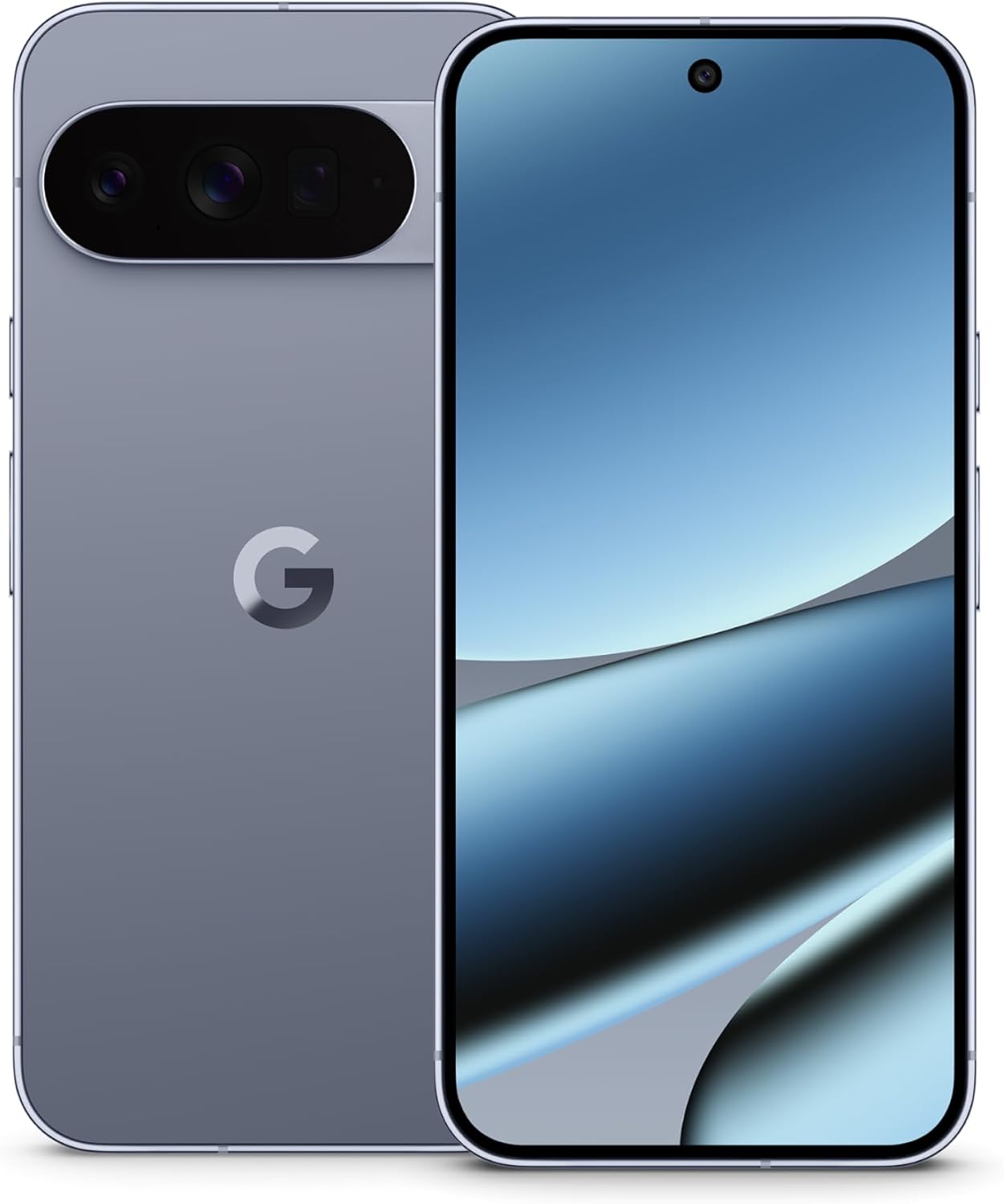
The Pixel 10 Pro XL belongs here because the best camera phone is not always the phone with the most dramatic spec sheet. Google’s strength is still the “I pulled it out of my pocket and got the shot” experience. The Pixel line remains especially strong for exposure decisions, skin tones, HDR, and computational cleanup when the scene is messy.
Google has also pushed the Pixel 10 Pro and 10 Pro XL around AI-assisted zoom and Camera Coach features. I do not treat AI zoom the same way I treat real optical reach, and photographers should be careful there. But for ordinary buyers, the Pixel’s ability to rescue difficult scenes is genuinely useful. It is the phone I would recommend to someone who wants better photos without becoming a camera nerd.
The Pixel is not my first pick for someone who wants the most camera-like hardware. It is my first pick for someone who wants a reliable US-friendly Android phone that usually makes good decisions for them.
5. iPhone 17 Pro Max
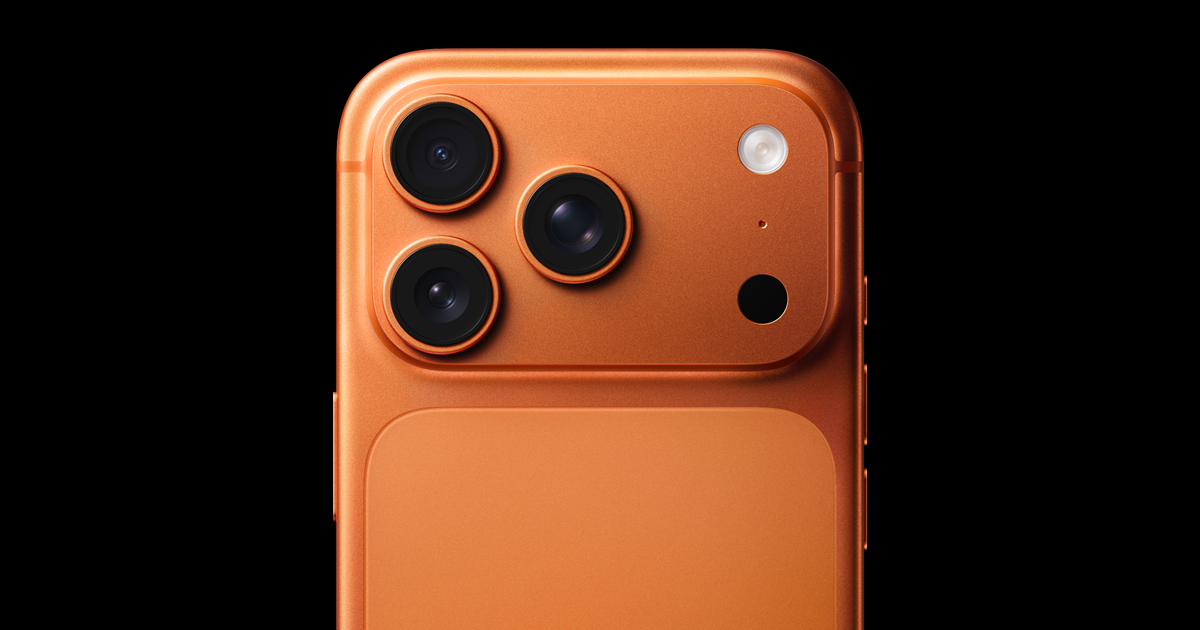
The iPhone 17 Pro Max is not the most exotic camera phone of 2026, but it remains one of the safest recommendations for serious users who need consistency. Apple lists three 48MP rear cameras, including a 48MP telephoto at 100mm with 4x optical zoom, plus an 8x optical-quality zoom option at 200mm.
For stills alone, I would not automatically rank it above the best OPPO, vivo, Xiaomi, or Pixel options. But for real-world use, especially if you care about third-party camera apps, reliable video, social posting, Apple ecosystem workflows, and long-term platform support, the iPhone 17 Pro Max stays firmly in the top tier.
It is also one of the easiest recommendations for US buyers. Availability, app support, trade-in value, resale value, cases, accessories, and carrier compatibility are all straightforward. That matters more than spec-sheet arguments suggest.
6. Samsung Galaxy S26 Ultra
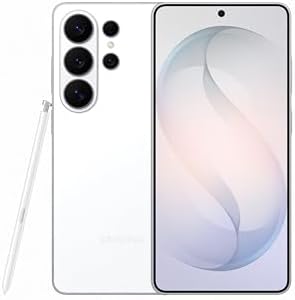

The Galaxy S26 Ultra remains a serious contender, especially for buyers who want a mainstream Android flagship that is easy to buy and easy to live with. Samsung’s official US launch materials list a 200MP wide camera, a 50MP ultra-wide, a 10MP 3x telephoto, and a 50MP 5x telephoto, along with high-end video modes.
Samsung still tends to process more aggressively than I personally prefer. Photos can look sharpened, bright, and punchy in a way that some people love and some photographers immediately want to dial back. But the S26 Ultra remains one of the most flexible camera phones on the market, and the dual-telephoto setup is practical.
For readers in the US, this is still one of the safest premium Android camera buys. It may not be the most exciting choice, but it is easy to recommend to someone who wants broad capability without worrying about import models or carrier support.
7. OPPO Find X9 Pro
The OPPO Find X9 Pro drops slightly now that the Ultra is real, but it is still one of the most important camera phones of 2026. OPPO’s official materials position it around a 50MP main camera, a 50MP ultra-wide, and a 200MP Hasselblad telephoto with a 1/1.56-inch sensor, optical stabilization, a 70mm focal length, and close-focus capability.
That 70mm range is useful. It is close enough for portraits and details, and the macro capability makes it more flexible than many telephoto lenses that only work well at distance. If the Ultra is too expensive or hard to source, the X9 Pro is still a very credible buy-now OPPO option.
8. vivo X300 Pro
The vivo X300 Pro is the phone I would call the sensible photographer’s vivo. vivo’s official global page lists a 200MP ZEISS APO telephoto, a 50MP gimbal-grade main camera, and a 50MP ultra-wide. That is not a compromised setup.
It makes sense for people who care about portraits, travel, stage work, and telephoto clarity but do not want the most expensive or hardest-to-find Ultra model. I would not put it above the X300 Ultra, but it is clearly in the same family of thinking: useful focal lengths, stabilization, and a more photographic approach to mobile imaging.
Upcoming US camera phones to watch
Last checked: July 12, 2026. For US buyers, only two near-term launches are important enough to affect the current recommendations.
Google Pixel 11 Pro and Pro XL
Google has confirmed a Made by Google event for August 12, 2026. Until Google publishes the final camera specifications and independent testing is available, I would treat the Pixel 11 Pro models as a reason to wait rather than assume they will beat the Pixel 10 Pro XL. If you are considering a Pixel now, compare launch pricing, trade-in offers, motion handling, skin tones, telephoto quality, and video before choosing between generations. Pixel 11 launch details.
iPhone 18 Pro and Pro Max
The next Pro iPhones are expected in September 2026. Variable aperture for the main camera is rumored, but it is not official and should not be treated as buying advice yet. US buyers who prioritize video, creator apps, carrier support, resale value, and a simple warranty path may want to wait for the announcement before paying full price for an iPhone 17 Pro Max. Current iPhone 18 Pro reporting.
Current US buying position
For straightforward US purchasing, carrier compatibility, returns, warranty support, and resale, the practical shortlist remains Google Pixel 10 Pro XL, iPhone 17 Pro Max, and Samsung Galaxy S26 Ultra. OPPO, vivo, and Xiaomi may offer more adventurous camera hardware, but they remain import-oriented recommendations rather than default choices for American buyers.
Update schedule: I will rerank this guide after reliable Pixel 11 Pro camera testing is available, then review it again after the iPhone 18 Pro launch. Galaxy S27 rumors are too early to influence a 2026 purchase.
Recent updates
- July 12, 2026: Added the confirmed Pixel 11 launch date, the expected iPhone 18 Pro window, and clearer US availability guidance.
- June 19, 2026: Added OPPO Find X9 Ultra and Google Pixel 10 Pro XL; refreshed the camera-first ranking.
How I would actually choose between them
- Choose OPPO Find X9 Ultra if long telephoto reach, ambitious hardware, and camera-first design matter most.
- Choose vivo X300 Ultra if you care most about still photography, portraits, and real photographic focal lengths.
- Choose Xiaomi 17 Ultra if you want the best balance of big-sensor main camera, Leica tuning, and flagship versatility.
- Choose Google Pixel 10 Pro XL if you want the easiest point-and-shoot Android camera for people, travel, family, and everyday scenes.
- Choose iPhone 17 Pro Max if video, creator apps, resale value, and reliability matter as much as still-photo quality.
- Choose Galaxy S26 Ultra if you want a powerful Android camera phone that is easy to buy, support, and use in the US.
- Choose OPPO Find X9 Pro or vivo X300 Pro if the Ultra models are too expensive, too hard to source, or simply more camera than you need.
What weaker roundup lists get wrong
I would stop pretending that every expensive flagship belongs in the same conversation. In 2026, the real top tier is not defined by branding or price alone. It is defined by whether the phone has a camera system that photographers would choose on purpose.
I would also stop writing about mobile photography as if software alone decides everything. Computational photography matters, and Google proves that better than anyone. But there is still no substitute for useful focal lengths, a strong main sensor, stable optics, restrained processing, and a telephoto camera that does more than decorate the spec sheet.
If you are trying to decide whether a flagship phone is enough for your work, my take on why digital cameras are making a comeback in 2026 lays out where dedicated cameras still pull ahead. If you want a compact camera benchmark for that comparison, the Canon G7X review is a useful reality check on what a pocket camera still does better than a phone.
FAQ
What is the best smartphone camera in 2026?
For a camera-first buyer, my current pick is the OPPO Find X9 Ultra because of its very ambitious Hasselblad camera system and native 10x optical telephoto. For stills and portraits, the vivo X300 Ultra is extremely close. For easier US buying, the Pixel 10 Pro XL, iPhone 17 Pro Max, and Galaxy S26 Ultra are safer choices.
What is the best camera phone for video?
The iPhone 17 Pro Max remains the safest video recommendation because of its consistency, app support, stabilization, and creator workflow. Some Android phones have stronger individual specs, but the iPhone is still the least risky tool for people who shoot a lot of video.
What is the best Android camera phone in 2026?
If availability is no issue, I would compare the OPPO Find X9 Ultra, vivo X300 Ultra, and Xiaomi 17 Ultra first. If you want a US-friendly Android phone that is easy to buy and support, the Google Pixel 10 Pro XL and Samsung Galaxy S26 Ultra are the more practical choices.
Is optical zoom still better than AI zoom?
Yes, for serious photography. AI zoom can be useful, especially for casual sharing, but real optical reach gives you cleaner detail and more natural rendering. That is why phones like the OPPO Find X9 Ultra and Xiaomi 17 Ultra matter: their telephoto hardware is not just a software trick.
Bottom line
The best smartphone cameras in 2026 are not generic and they are not interchangeable. As of June 19, 2026, the strongest camera-first contenders are OPPO Find X9 Ultra, vivo X300 Ultra, and Xiaomi 17 Ultra. The Google Pixel 10 Pro XL deserves a place for point-and-shoot reliability, while the iPhone 17 Pro Max and Samsung Galaxy S26 Ultra remain the safest mainstream choices for US buyers.
If I had to choose one purely as a photography tool, I would start with the OPPO Find X9 Ultra. If I wanted the most natural still-photo experience, I would look very hard at the vivo X300 Ultra. If I wanted the best balance, Xiaomi would be high on my list. If I wanted the fewest headaches in the US, I would choose between Pixel, iPhone, and Galaxy.