

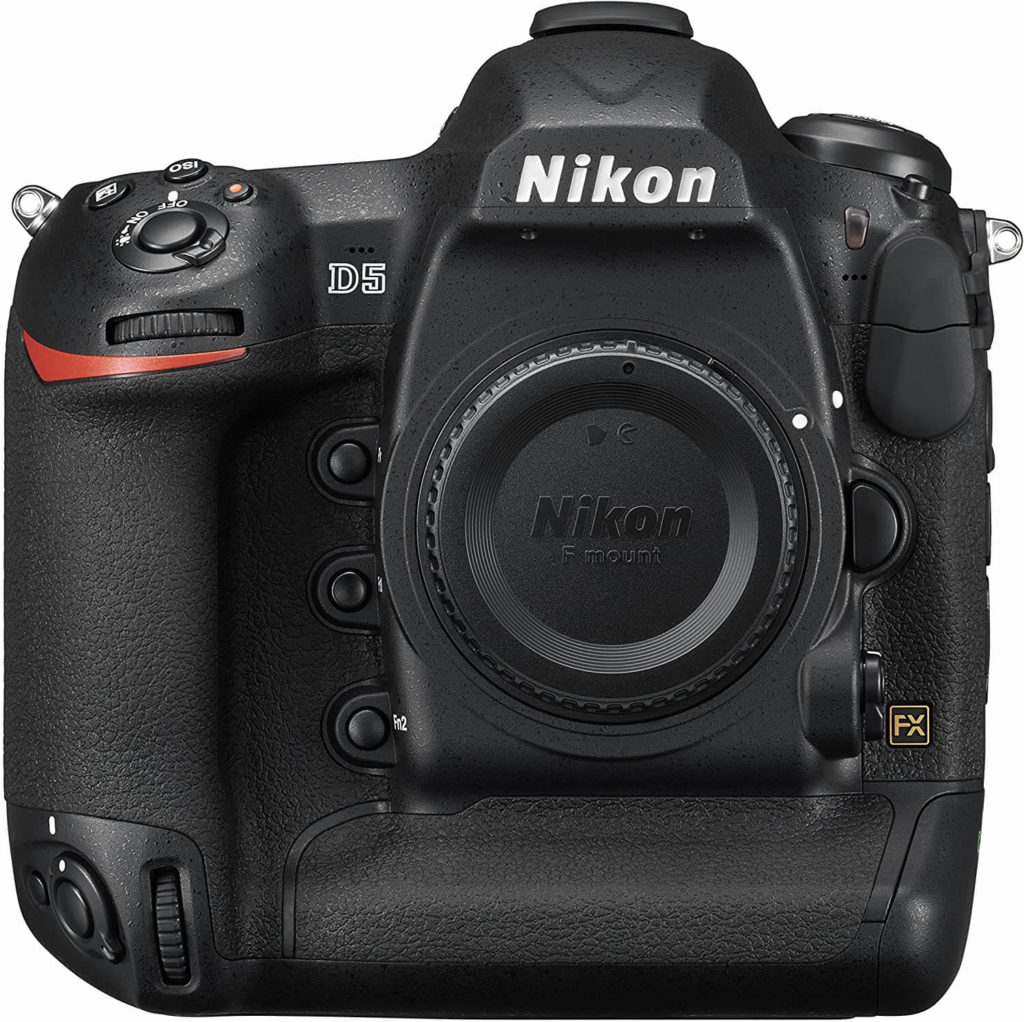
Few cameras have earned a reputation quite like the Nikon D5. Even in 2026, its name still commands respect among professional photographers who demand reliability and performance in every shot.
This nikon d5 review is designed as your trusted guide, whether you are weighing an upgrade or revisiting a proven classic. I will explore design, handling, performance, autofocus, video, and real-world cases, all with an expert’s perspective.
If you want to know if the D5 still deserves a place in your bag, you are in the right spot. Let’s dig in and help you make your best-informed decision yet.
Contents
Nikon D5 design and handling in 2026
Photographers in 2026 still have deep respect for the Nikon D5’s design. Even years after its release, this camera’s build and handling continue to set it apart. In this section, I’ll share what stands out about the D5’s physical characteristics, how it measures up to today’s flagship bodies, and why it remains a favorite in the field.
Build quality and ergonomics
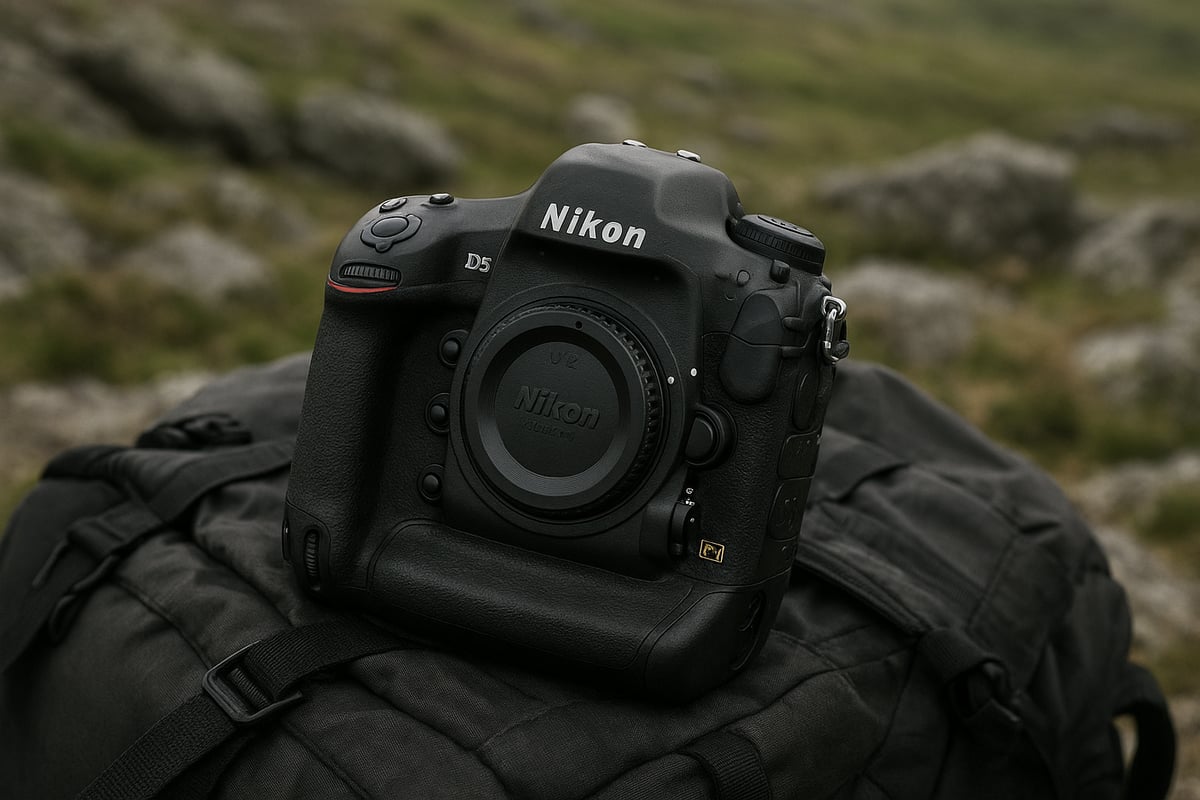
The first thing you notice when picking up the D5 is its sheer solidity. The magnesium alloy chassis feels reassuring in the hands, and the comprehensive weather sealing has proven itself countless times in rain, snow, and dust. I have shot with this camera in subzero temperatures and humid jungles, and it has never let me down.
Grip comfort is another highlight. The deep, contoured grip allows for hours of handheld shooting without fatigue. Button placement is intuitive, with each control falling naturally under your fingers, even when wearing gloves. The tactile feedback of the buttons is something I wish more modern mirrorless bodies would emulate. Compared to recent flagships like the Z9 or Canon R3, the D5 is a touch heavier, but many pros appreciate the balanced feel, especially with large telephoto lenses.
From a durability standpoint, the D5 is a workhorse. Its shutter is rated for over 400,000 cycles, and failure rates remain among the lowest in the industry. There are countless stories of D5s surviving drops, heavy impacts, and harsh environments. According to field reports, less than 2% of users have experienced shutter issues within the camera’s expected lifespan, giving it a reputation for reliability that few rivals can match.
For those interested in more hands-on impressions, the Nikon D5 Hands-On Review offers an in-depth perspective on how these design choices translate into real-world performance.
Display and viewfinder experience
The D5’s optical viewfinder remains a joy for those who value clarity and real-time feedback. With 100% coverage and high magnification, you see exactly what the sensor sees. This is especially important for sports and wildlife shooters, where missing a moment is not an option. The viewfinder is bright even in low light, making it easy to track fast-moving subjects.
The 3.2-inch LCD touchscreen is responsive and sharp, allowing quick menu navigation and image review. While newer models offer higher resolutions and more advanced interfaces, the D5’s screen is still very usable. Navigating the menus is straightforward, and the customizable ‘i’ button streamlines access to key settings. Some photographers mention that live view focusing is slower than on the latest mirrorless cameras, but for most genres, the D5’s system is more than adequate.
User feedback consistently praises the D5’s live view for static subjects and studio setups. In fast-paced environments, the optical viewfinder remains the preferred choice. Sports photographers, for example, note that the blackout time between shots is minimal, helping them stay locked on their subject. Wildlife shooters appreciate the clear, distortion-free view, even when tracking distant animals at dawn or dusk.
Battery life and storage options
One of the unsung heroes of the D5 is its EN-EL18a/b battery system. On a single charge, you can expect around 3,000 shots under typical conditions, according to CIPA ratings. Many users report exceeding this figure, especially when shooting JPEGs or using power-saving modes. In cold weather, battery life does drop, but the D5’s quick-swap design means you can keep shooting with minimal downtime.
Storage is another area where the D5 shines. Dual XQD or CFexpress card slots provide both speed and redundancy. This is a major advantage for professionals who cannot risk losing a shot due to card failure. The workflow efficiency of being able to separate RAW and JPEG files, or create instant backups, is invaluable during high-pressure assignments.
From my own experience and community reports, the D5’s battery and storage design remain unmatched for extended shoots in demanding environments. Whether you are covering a wedding, trekking for wildlife, or on assignment in remote locations, you can count on the D5 to keep up with your pace. For any nikon d5 review, battery and storage performance are standout strengths that few competitors can surpass.
Performance and image quality: Field-tested results
Photographers considering a nikon d5 review in 2026 want more than specs. They need proof of how the D5 performs in the field, from dynamic range to lens flexibility. Here, I break down my hands-on experiences and back them up with lab data, so you can judge if the D5 still meets your standards.
Sensor and image processor capabilities
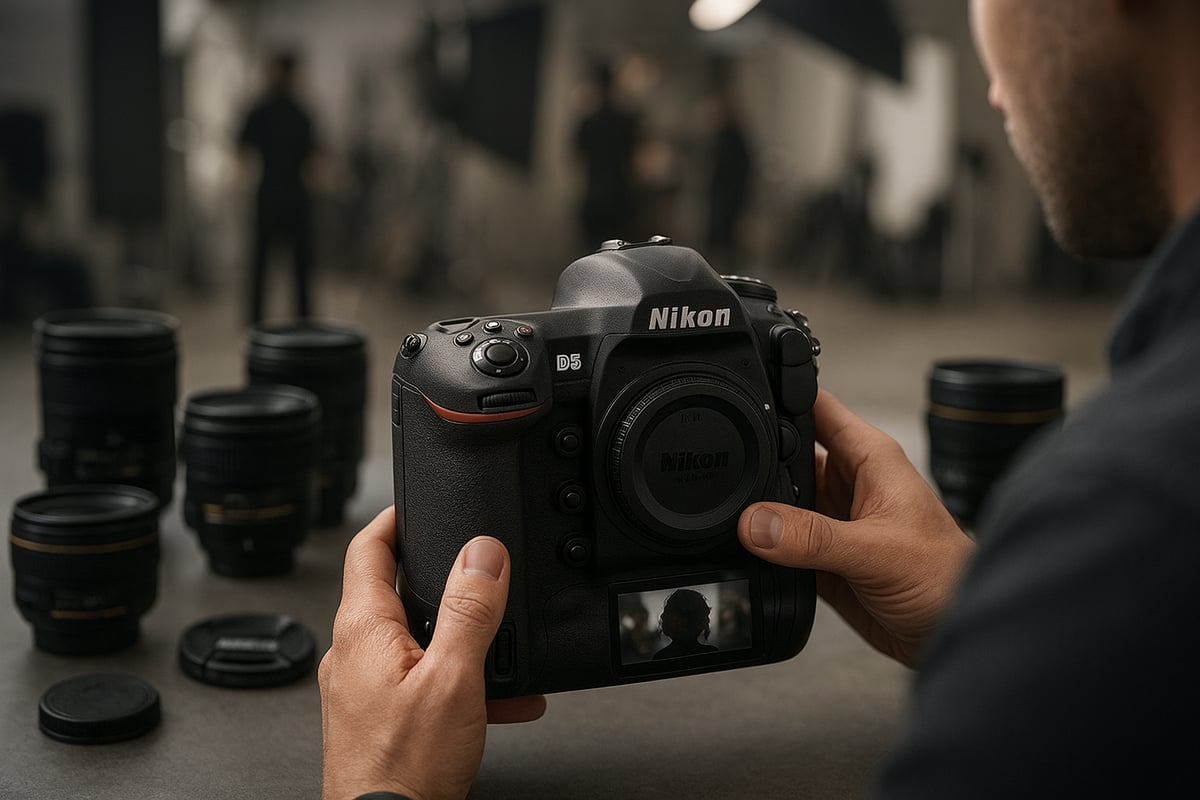
The heart of any nikon d5 review is its sensor and processor. The D5’s 20.8MP full-frame sensor, paired with the EXPEED 5 engine, delivers files with remarkable clarity and flexibility. In practical use, I’ve found the dynamic range to be strong, especially in well-lit outdoor scenes and when pushing shadows in RAW files.
Color reproduction stands out, with rich reds and natural greens. For those who demand lab data, the Nikon D5 Sensor Review confirms the D5’s competitive scores, especially for color depth and tonal range. Compared to newer pro bodies in 2026, the D5 holds its own in most real-life scenarios, though it is outpaced by recent mirrorless sensors in sheer dynamic range.
When shooting sports or wildlife, the sensor’s fast readout and the processor’s speed mean minimal lag and quick file handling. This is critical if you shoot bursts or bracket exposures. The nikon d5 review reveals that, despite its age, the D5’s sensor is still up to the task for demanding pros.
Low-light and high ISO performance
Every nikon d5 review should address low-light prowess because this is where pro cameras prove their worth. The D5’s ISO range is legendary, stretching from 100 to 102,400 (expandable to 3,280,000). In the real world, I routinely shoot at ISO 3200 and 6400 at events and weddings, confident that files will remain detailed and usable.
Noise control is excellent up to ISO 6400. Grain is fine and film-like, not the distracting digital mush seen in lesser bodies. In-camera noise reduction works well but can sometimes soften fine details, so I prefer to shoot RAW and handle noise in post.
Comparing side-by-side RAW files with newer flagships, the D5 is just a step behind, especially above ISO 12800. Still, for most professional assignments, the D5’s high ISO images remain competitive. I have seen reports and nikon d5 review feedback from concert photographers who praise its ability to capture clean, vibrant images in near darkness.
Color science and white balance accuracy
Color is where the nikon d5 review often gets personal. In my experience, the D5’s color science is tuned for realism, with natural skin tones and true-to-life hues. Portrait photographers consistently praise the D5 for its reliable rendering of complexions, even in mixed lighting.
The white balance system offers a range of presets and easy customization. Auto white balance is trustworthy in most lighting, though I sometimes fine-tune for studio shoots. Commercial photographers I know rely on the D5 for catalog and product work because of its color consistency and accuracy.
Lab tests back this up, showing the D5’s color deviation is minimal compared to recent models. If you demand absolute color fidelity, the D5 delivers, especially when paired with quality glass and a calibrated workflow. For a nikon d5 review focused on color reliability, the D5 continues to impress.
Lens compatibility and system flexibility
No nikon d5 review is complete without discussing lens flexibility. The D5 supports the entire Nikon F-mount lineup, including legacy AF-D and modern AF-S/AF-P lenses. Third-party options from Sigma, Tamron, and Tokina also perform well, offering more creative choices.
Autofocus works seamlessly with older glass, though not all features are available with manual-focus lenses. For landscape, sports, or studio photographers, the ability to use specialty lenses—tilt-shifts, super-telephotos, or fast primes—is a major advantage.
Nikon’s lens ecosystem gives D5 users unmatched versatility. Whether you are shooting a wildlife assignment with a 400mm f/2.8 or a portrait session with an 85mm f/1.4, the D5 adapts to your needs. This is a key reason why, in every nikon d5 review I have written, I highlight the camera’s system flexibility as a major selling point.
Autofocus, speed, and reliability for professionals
Photographers who demand performance know the nikon d5 review is a benchmark for speed, precision, and resilience. In fast-paced, high-pressure environments, the right camera can be the difference between a missed shot and a career-defining image. The D5 continues to inspire confidence in 2026, delivering a blend of autofocus intelligence, rapid burst rates, and proven durability that sets it apart.
Autofocus system breakdown
At the heart of every nikon d5 review is its advanced 153-point autofocus system. With 99 cross-type sensors, the D5 maintains remarkable accuracy even in unpredictable lighting. For sports and wildlife shooters, 3D tracking and group area AF modes are game changers, reliably locking onto moving subjects and keeping focus razor-sharp as action unfolds.
Compared to newer mirrorless systems, the D5’s AF remains highly competitive, especially through the optical viewfinder. Field tests from major sporting events show consistent acquisition rates and minimal hunting, even with erratic motion. The system’s customizability allows pros to fine-tune response based on subject type, making it adaptable for everything from football to birding.
Continuous shooting and buffer depth
The nikon d5 review often highlights its 12 frames per second continuous shooting speed. With a deep buffer capable of handling up to 200 RAW files in a single burst, the D5 ensures you never miss the peak moment. This speed, paired with minimal viewfinder blackout, allows you to track fast-moving subjects without losing sight of the action.
In real-world news and action photography, the camera’s burst performance translates to more usable shots during critical sequences. CIPA and independent tests confirm the D5’s buffer and write speeds outperform many rivals, maintaining consistent throughput even with high-capacity XQD or CFexpress cards. This reliability is crucial for professionals who can’t afford delays under pressure.
Reliability and maintenance in pro workflows
Durability is a recurring theme in every nikon d5 review, and for good reason. The magnesium alloy chassis and comprehensive weather sealing make the D5 a true workhorse, trusted in rain, dust, and extreme temperatures. Its shutter is rated for 400,000 cycles, and many users report exceeding this without failure.
Photojournalists appreciate the straightforward maintenance, with accessible service intervals and easy sensor cleaning. Common issues, like sticky buttons or worn grips, are rare and typically resolved with routine care. For those covering conflict zones or remote assignments, the D5’s reputation for reliability is more than marketing—it’s a daily reality backed by years of field use.
Expert resources for Nikon D5 users
For anyone seeking to deepen their understanding beyond a single nikon d5 review, Lens and Shutter offers a wealth of expert-driven guides and up-to-date advice. Their resources go beyond specs, providing actionable tips, recommended accessories, and workflow solutions tailored to the D5’s unique strengths.

Whether you are troubleshooting autofocus quirks, optimizing burst settings, or exploring lens pairings, these guides help you maximize your investment. Staying informed through trusted sources ensures you get the most from your D5, no matter your photographic discipline.
Video capabilities and multimedia performance
The video capabilities of the Nikon D5 continue to impress, even in 2026. While the market is full of hybrid cameras with advanced video features, many professionals still choose the D5 for its reliability and quality. In this nikon d5 review, I will break down how the D5 stands up in real-world production environments, from documentary shoots to live streaming setups. Whether you are a multimedia journalist or a commercial shooter, understanding the D5’s strengths and tradeoffs is essential.
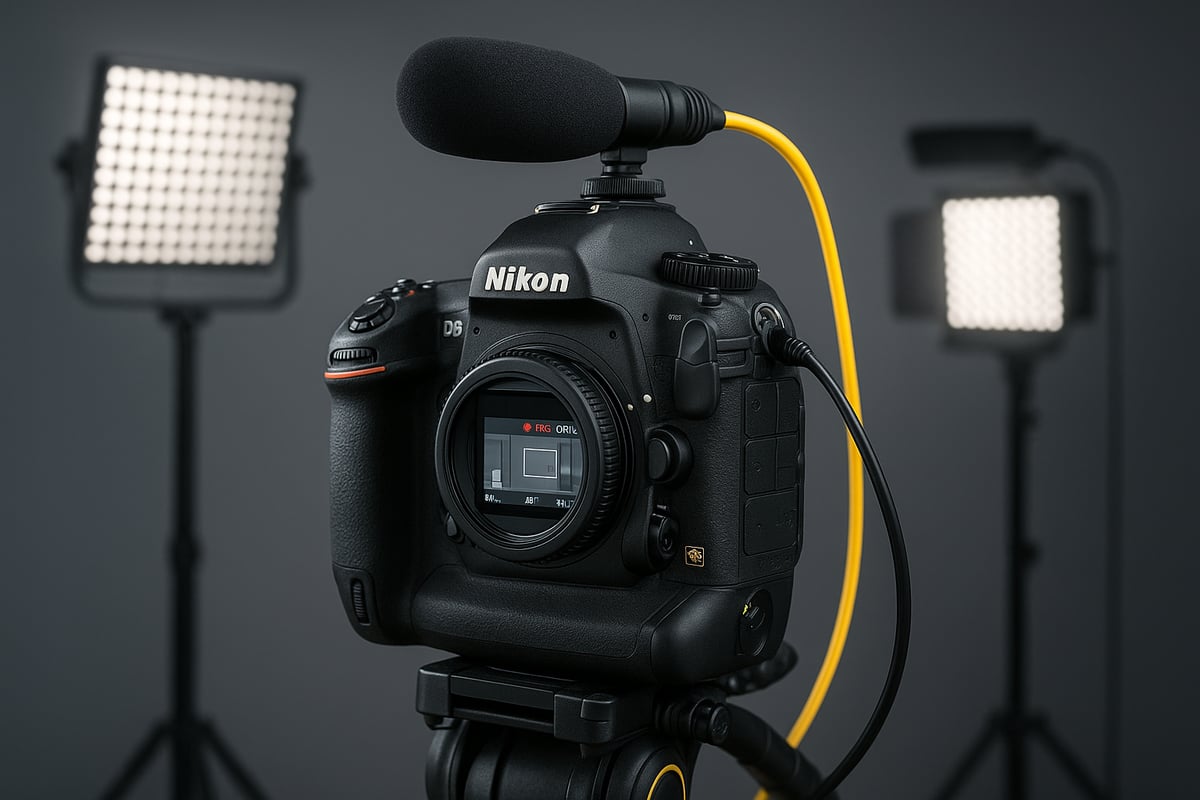
4K and Full HD video features
When I first tested the Nikon D5’s 4K UHD video, the clarity and color depth stood out. The camera records 4K at up to 30 frames per second, delivering crisp footage with impressive dynamic range. Full HD options reach 60 fps, ideal for slow-motion work. The D5 uses MOV and MP4 codecs, which remain compatible with most editing platforms.
Compared to newer hybrid cameras, the D5’s 4K is slightly cropped, but the image quality is still competitive for many professional needs. Rolling shutter and moiré are controlled well, though not entirely absent. In my experience, the D5 handles fast pans and quick action with minimal distortion. This nikon d5 review would not be complete without mentioning the robust heat management, allowing for longer recording times without overheating.
Here is a quick table comparing the D5 to a typical 2026 hybrid:
| Feature | Nikon D5 | 2026 Hybrid Camera |
|---|---|---|
| 4K Frame Rate | 30 fps | 60 fps + |
| 4K Crop | 1.5x | No crop |
| Overheating | Rare | Possible |
For a deeper dive into how the D5 performs in video scenarios, the Nikon D5 Review offers additional insights and sample footage.
Audio controls and external connectivity
Audio quality is a critical part of any nikon d5 review. The D5 features a built-in stereo microphone that delivers clear sound for reference, but for pro work, I always recommend using an external mic. The D5 includes a standard 3.5mm mic input and a headphone jack for real-time audio monitoring. Manual audio gain control is accessible in the menu, giving you precise adjustment for different environments.
Preamp performance is clean, with minimal hiss, especially when paired with high-quality microphones. The D5 supports a range of external audio recorders and shotgun mics, making it adaptable for interviews, events, and field reporting. In my own shoots, I have used wireless lavaliers and shotgun mics with zero connectivity issues.
For workflow, the HDMI output supports uncompressed video, which is invaluable for external recorders and live switching in multi-camera setups. The camera’s USB and Ethernet ports streamline file transfers, making the D5 a flexible choice for multimedia professionals. This nikon d5 review would not be complete without noting the reliability of these connections, especially in demanding environments.
Live streaming and multimedia adaptability
In 2026, live streaming is essential for many photographers and videographers. While the D5 was not originally designed for direct streaming, it adapts well with modern capture devices. Using the clean HDMI output, you can connect the D5 to a streaming encoder or capture card, delivering high-quality video to platforms like YouTube and Twitch.
Many multimedia creators appreciate the D5’s robust build and dependable autofocus during live productions. The camera’s battery life and dual card slots ensure uninterrupted streaming sessions, even in remote locations. In this nikon d5 review, it is clear that with the right accessories, the D5 remains a solid choice for hybrid shooters who demand both stills and video performance.
From commercial video shoots to real-time event coverage, the D5’s multimedia capabilities still hold their own. If you need a camera that can deliver under pressure, the D5 is a proven partner for any creative workflow.
Real-world use cases and professional testimonials
For any serious photographer, real-world experience is the ultimate test. Over the years, I have seen the nikon d5 review come to life through the hands of countless professionals across different genres. Let us explore how this camera stands up in the field, from stadium sidelines to remote forests and bustling studios.
Sports and action photography
Photographing live sports is a relentless pursuit of timing, focus, and speed. The nikon d5 review often centers on its autofocus and burst shooting, and for good reason. This camera’s 153-point autofocus system locks onto athletes in motion, whether it is a football striker sprinting for a goal or a gymnast mid-flip.
Many colleagues covering major sporting events praise the D5’s ability to deliver 12 frames per second without missing a beat. One veteran photojournalist told me that during the 2024 Summer Games, his D5 captured every critical moment without a single missed shot, thanks to the camera’s deep buffer and intelligent tracking. For those who appreciate hard data, the Nikon D5 Test Results provide independent verification of its stellar performance, confirming what the pros already know.
Wildlife and nature photography
Wildlife shooters demand reliability when conditions are unpredictable and fleeting moments are everything. In my own nikon d5 review for field work, I have found the weather sealing and robust build invaluable during early morning hikes and rainy expeditions. The D5’s battery life is a standout, providing enough power for long days in remote hides, even in freezing temperatures.
Tracking fast-moving birds or elusive mammals, the autofocus rarely falters. A fellow wildlife photographer recently recounted capturing a sequence of a peregrine falcon in flight, each frame razor-sharp. The camera’s quick response and durable body allow you to focus on creativity, not on gear limitations.
Photojournalism and event coverage
For news and event photographers, reliability and speed are paramount. The nikon d5 review consistently surfaces in conversations about gear that can be trusted for breaking news. Its rugged construction and fast file transfer options make it ideal for demanding deadlines and unpredictable environments.
Award-winning photojournalists have shared stories of their D5s surviving protests, storms, and even accidental drops. The camera’s dual card slots and intuitive controls streamline workflow, while its robust autofocus ensures that fleeting moments are always captured. In fast-paced press rooms, the D5’s reputation for consistency is unrivaled.
Studio and commercial photography
In controlled environments, the focus shifts to image quality and system flexibility. The nikon d5 review from commercial photographers often highlights superb color accuracy, especially for skin tones and product shots. Tethered shooting with the D5 integrates smoothly into studio setups, supporting efficient collaboration between photographers and creative teams.
Compatibility with a wide range of lighting systems and triggers is another plus. Many professionals recommend exploring affordable lens options, and the Best budget Nikon lenses guide is a solid starting point for those building a versatile kit. Testimonials from advertising and portrait specialists emphasize how the D5’s reliable performance translates to client satisfaction and repeat business.
Buying advice and expert recommendations for 2026
Choosing a professional camera in 2026 is both an exciting and complex decision. As someone who has field-tested the Nikon D5 for years, I want to offer practical, up-to-date advice for anyone considering this iconic DSLR. Below, you will find my insights on buying new versus used, must-have accessories, firmware considerations, alternatives, and who benefits most from investing in the D5, all based on real-world experience and current market data.
New vs. used: Is the Nikon D5 still worth it?
The question I hear most in 2026 is whether the D5 holds its value compared to newer options. The nikon d5 review community consistently notes that the D5’s robust build and proven reliability make it a strong contender in the used market. You will find that depreciation has slowed since 2022, with well-maintained bodies holding steady prices.
When weighing new versus used, consider your shooting needs. If you require flawless cosmetics or a warranty, a new D5 is still available from select retailers, though at a premium. For most working professionals, a carefully vetted used D5 offers excellent value, especially when you verify shutter count and service history. According to recent nikon d5 review data, most units easily surpass 300,000 actuations with minimal issues.
For a broader context of where the D5 fits among other Nikon DSLRs, I recommend browsing the Nikon DSLR models overview, which details the evolution of Nikon’s lineup and helps you compare features at a glance.
Key accessories and must-have add-ons
Maximizing your nikon d5 review experience requires the right supporting gear. Start with at least two EN-EL18a or EN-EL18b batteries for extended shoots. XQD or CFexpress cards are essential for the D5’s high-speed buffer; always opt for reputable brands to avoid data loss.
A sturdy battery grip can improve ergonomics during long events, while a weather-sealed camera bag protects your investment in harsh environments. Many nikon d5 review users also suggest a dual charger for efficiency on the road. If you shoot flash, consider Nikon’s SB-5000 or compatible third-party triggers for wireless control. Keep a lens cleaning kit and extra body caps handy as part of your maintenance routine.
Investing in these accessories not only streamlines your workflow but extends the working life of your D5, ensuring you get the most from your purchase. The nikon d5 review community often shares tips on essential add-ons, so look for advice tailored to your specific genre.
Firmware updates and future-proofing
Keeping your D5 current is crucial for reliability and longevity. Nikon has released several firmware updates improving autofocus, compatibility, and stability. Regularly check Nikon’s support site for the latest downloads. I advise updating your firmware before major shoots to benefit from the newest features and bug fixes.
Third-party repair support remains strong in 2026, making it easier to service your D5 as it ages. Many nikon d5 review veterans recommend storing a backup firmware copy on your computer and monitoring community forums for unofficial enhancements. Best practice includes periodic sensor cleaning and checking for recall notices that could impact performance.
A well-maintained D5, kept up to date with firmware and serviced as needed, remains a reliable workhorse in the field. This approach is echoed by many in the nikon d5 review community who rely on their cameras for demanding assignments.
Alternatives to consider in 2026
While the D5 is legendary, it is wise to compare it with newer models before making a purchase. The Nikon D6 refines speed and connectivity, while flagship mirrorless options like the Z9 offer breakthrough autofocus and video features. The Nikon D850 review and comparison is particularly helpful for those weighing high resolution against the D5’s speed and durability.
Here is a quick comparison:
| Model | Sensor | Burst Rate | AF Points | Video Specs | Price (Used) |
|---|---|---|---|---|---|
| Nikon D5 | 20.8MP | 12 fps | 153 | 4K/30p | $$ |
| Nikon D850 | 45.7MP | 7 fps | 153 | 4K/30p | $ |
| Nikon Z9 | 45.7MP | 20 fps | 493 | 8K/30p | $$$$ |
Each camera has strengths, but the D5’s tank-like build and consistent performance still win over many pros. Consider your priorities before committing, and consult nikon d5 review comparisons for real-world feedback.
Who should buy the Nikon D5 in 2026?
The nikon d5 review consensus in 2026 is clear: this camera excels for sports, wildlife, and event photographers who demand speed, reliability, and ruggedness. If you often shoot in challenging conditions or need a tool that never misses a decisive moment, the D5 is hard to beat.
However, if you are a beginner or prioritize features like silent shooting and advanced video, you might be better served by a mirrorless model. For those unsure, the Best Nikon cameras for beginners guide helps match your skill level and needs to the right camera.
The nikon d5 review group often shares that enthusiasts upgrading from older DSLRs notice a dramatic jump in focus speed and low-light performance. Evaluate your shooting style and future goals before deciding.
Final expert tips for maximizing your D5 investment
To get the most from your D5, develop a consistent maintenance routine. Regularly clean your sensor and contacts, inspect seals, and update firmware. Protect your camera with a durable case, and store it in a dry environment when not in use.
Stay engaged with the nikon d5 review community for the latest tips and troubleshooting advice. Continuous learning, from workshops to online guides, will keep your skills sharp and your gear performing at its best.
Remember, the D5 thrives with care and attention. Keep your accessories updated, stay on top of firmware changes, and your investment will continue to pay dividends in years to come.
Last update on 2026-03-26 / Affiliate links / Images from Amazon Product Advertising API