

Contents
- Who the Kodak Pixpro FZ45 is really for
- Design, handling, and day-to-day usability
- Lens range, autofocus, and shooting performance
- Image quality in good light and low light
- Video features, battery life, and storage considerations
- How it compares with phones and rival budget cameras
- Pros, cons, and my final verdict
- Key takeaways
- Frequently asked questions
Who the Kodak Pixpro FZ45 is really for
The kind of photographer who will enjoy it most
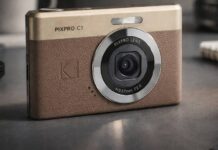
If you’ve ever wished for a camera that disappears into a jacket pocket and never distracts you with cryptic dials, the Kodak Pixpro FZ45 might be the answer. This is not a camera for the gear-obsessed or those chasing the sharpest details. Instead, it’s built for people who just want to capture memories with minimal fuss. In my experience, the Kodak Pixpro FZ45 review is most relevant for beginners, families with young kids, and travelers who want a device that’s always ready without needing a second thought.
For parents, the FZ45 is forgiving – hand it to a child and you’re unlikely to fret about it getting broken. For those returning to photography after a hiatus, or for people who simply find smartphones fiddly in bright sunlight, its dedicated buttons and straightforward interface are a relief. I’ve seen grandparents use this camera with confidence, thanks to its obvious controls and built-in guide icons. If your main goal is to document daily life, casual trips, school events, or a weekend picnic, this budget compact camera checks all the right boxes.
While compact digital cameras are making a comeback in 2026, the FZ45 stands out for being especially approachable. It won’t intimidate first-timers or those who just want something simple for family holidays. If you’re looking for creative manual exposure controls, fast burst shooting, or high-end image quality, you’ll likely feel limited. But if your priority is ease, affordability, and always having a camera handy, this is a model worth considering.
Design, handling, and day-to-day usability
How it feels in the hand during casual shooting
Out of the box, the Kodak Pixpro FZ45 feels satisfyingly light, almost toy-like, but not flimsy. Its polycarbonate shell is smooth and slightly grippy, with a gentle contour on the right side that makes it easy to hold one-handed. Unlike many modern smartphones, there’s a reassuring sense that you won’t drop it with a single errant tap.
The camera’s controls are large and clearly labeled. You get a chunky shutter button, a zoom rocker, and a straightforward mode dial that switches between auto, program, and scene presets. The buttons have a positive click, and spacing is generous enough that even larger fingers won’t fumble. I’ve handed the FZ45 to friends of all ages, and nobody has needed a tutorial – every function feels obvious. The menus are icon-driven, and a simple press of the menu button brings up settings like resolution, flash, and self-timer, all within easy reach.
For day-to-day use, the FZ45 is refreshingly quick to power on. From pocket to photo, you can be shooting in under two seconds. There’s no laggy startup or complex boot process. The LCD screen is bright enough for outdoor use, although don’t expect the clarity or sharpness of a high-end smartphone or advanced compact. Still, it’s more than sufficient for framing shots in bright daylight or reviewing your images after the fact.
One underrated aspect is its size: at just 117 grams, you barely notice it in a coat or bag. This makes it ideal for hiking, city walks, or keeping in a car glove box for spontaneous moments. It’s not weatherproof, so some care is needed, but the compact form invites you to take it everywhere – something that can’t be said for bulkier alternatives. If you value a camera you’ll actually carry, the FZ45’s design delivers exactly that.
Lens range, autofocus, and shooting performance
What the zoom can and cannot do in real scenes
The Kodak Pixpro FZ45 is equipped with a 27-108mm equivalent lens, giving you a 4x optical zoom. For a budget compact camera, this covers everything from group shots to casual portraits and even a little reach for distant subjects. In practical use, the zoom transitions smoothly, and the lens retracts fully into the body when powered off, making it pocket-friendly.
In real-world scenes, the wide end (27mm) is wide enough for selfies, landscapes, or squeezing a whole family into the frame at arm’s length. The telephoto end (108mm) brings distant subjects a bit closer, perfect for candid moments at the park or on the playground. However, don’t expect the reach or detail of a travel superzoom. At maximum zoom, handheld shots can get a bit shaky, especially in lower light, and the lens can lose some sharpness around the edges.
Autofocus on the FZ45 is simple and contrast-based. In good light, it locks on subjects within about a second, which is fine for most casual situations. For quick-moving kids or pets, it can struggle to keep up, especially if the scene is busy or the light is fading. There’s no touch-to-focus or tracking found in pricier compacts or smartphones, so you’ll need to work with the central focus point and recompose as needed. In my testing, I found it reliable for posed group shots and landscapes, but less so for dynamic action or anything that requires a quick reaction.
Shooting performance is tuned to a relaxed pace. There’s a short pause between shots as the camera processes each image, and burst mode is limited both in speed and buffer. For travelers or families, this isn’t a huge drawback, but if you want to capture a fast sequence – say, a child jumping into a pool or a bird taking flight – there may be missed moments. That said, for daily documentation, sightseeing, or casual events, the FZ45 keeps up well enough with the demands of most everyday users.
Image quality in good light and low light
What to expect from color, detail, and noise
The Kodak Pixpro FZ45 uses a 16MP 1/2.3″ CCD sensor, which is standard for entry-level compacts. In bright daylight, the camera produces pleasing images with accurate color and moderate contrast. Skies are blue, greens are natural, and faces look lifelike – just what you want for family snapshots or travel journals. Detail is decent at lower ISO settings, especially in the center of the frame. This makes the FZ45 ideal for printing standard 4×6 photos or sharing on social media.
However, as with most budget compacts, image quality takes a hit when the light drops. Indoors or at dusk, the sensor quickly ramps up noise reduction, leading to softer images with less detail. Colors can become muted, and shadow areas may look muddy. The built-in flash helps at close distances, but it can sometimes create harsh shadows or “deer in headlights” effects in group shots. In my hands-on use, I found the FZ45 best for daytime scenes, outdoor events, or well-lit interiors. For evening parties or candlelit dinners, a smartphone with a modern sensor and computational processing will outperform it in clarity and noise control.
One area where the FZ45 does well is color rendering. Kodak’s heritage shows through in its warm, friendly tones – skin looks healthy, and landscapes have a pleasing, slightly nostalgic palette. This gives photos a classic feel, reminiscent of old snapshots, which many families appreciate. Just be aware of the limits: for critical low-light shooting or enlarging images beyond standard prints, you’ll see noise and softness creep in. Still, for most travel and family purposes, the sample quality is more than adequate, provided you have reasonable expectations and stick to good lighting whenever possible.
Video features, battery life, and storage considerations
One of the first things people ask about a modern compact is video, and the Kodak Pixpro FZ45 video mode is as simple as the rest of the camera. It offers 720p HD recording at 30 frames per second, which is very much in line with entry-level expectations. There’s no Full HD or 4K, and sound is captured via a mono microphone. For quick clips of your kids at the park, pets playing, or travel moments that don’t need cinematic polish, it works just fine. The dedicated video button helps you jump into recording without hunting through menus which is a real plus for everyday users.
Video quality itself is what you’d expect from a basic sensor and lens: colors are decent in good light but can get a little soft or noisy indoors or at dusk. Autofocus is fixed once recording starts, so if your subject moves closer or farther away, the image may drift out of focus. There’s no image stabilization, so handheld footage can look jumpy, especially at the telephoto end. If you’re hoping to use the FZ45 for vlogging or travel films, you’ll need to accept these limitations, but for capturing memories to share with family, it’s more than adequate.
Battery life is another practical consideration. The Kodak Pixpro FZ45 uses two AA batteries, which is both a blessing and a curse. On the positive side, you can always carry spares or pick up replacements at any convenience store, making it a reliable travel companion. In my experience, a fresh set of standard alkaline AAs will get you through about 150-200 shots, or a couple of short video sessions. If you switch to high-quality NiMH rechargeables, you might squeeze out a bit more. Compared to modern lithium-ion powered cameras, this isn’t impressive, but it’s manageable for casual shooting. I’d recommend always keeping an extra set in your bag, especially for longer outings.
For storage, the Kodak Pixpro FZ45 SD card slot accepts SD, SDHC, and SDXC cards up to 32GB. That’s plenty for hundreds of photos and several minutes of video at 720p. The camera’s file sizes are small, so even a basic 8GB card will go a long way. It’s best to use a reputable brand to avoid card errors. Note that there’s no internal memory for more than a couple of trial shots, so you must have a card inserted before serious use. Transferring photos is easy with the built-in USB port, though there’s no wireless option. This simple, reliable approach to storage is ideal for users who want to pop the card into a laptop or photo printer without fuss.
Overall, the FZ45’s video, power, and storage features are designed for straightforward, low-hassle use. While you won’t get advanced features or pro-level performance, you do get a reliable point-and-shoot that won’t leave you stranded if you run out of power or space at a key moment. For family trips, school events, and everyday adventures, those are critical strengths.
How it compares with phones and rival budget cameras
When a simple compact still makes more sense than a smartphone
The big question many buyers have is whether it’s worth carrying a dedicated camera like the Kodak Pixpro FZ45 vs smartphone photography. In 2026, even basic phones offer impressive cameras, and most people already have one in their pocket. However, compact digital cameras are making a comeback for a few important reasons.
First, there’s the experience of taking pictures: the FZ45 offers real zoom (up to 4x optical) without digital quality loss. Most affordable phones only offer digital or hybrid zoom, which quickly degrades image quality. If you want to capture your child on stage from the back row, or zoom in on wildlife during a hike, the FZ45’s lens gives you more reach and clarity than a phone at this price.
Second, the camera’s simplicity is a plus for many families and travelers. There are no apps, notifications, or distractions – just turn it on and shoot. This makes it a great option for younger users or anyone who finds smartphone interfaces overwhelming. There’s also the advantage of not draining your phone battery, leaving you free to use your phone for maps, communication, and other tasks.
In terms of image quality, the FZ45 is similar to older entry-level smartphones in good light, but it struggles more in low light and with moving subjects. Modern phones use computational tricks to improve sharpness and detail, and their autofocus is much faster. If you want the best photos with no effort, a midrange phone will probably beat the FZ45 in most situations. However, the FZ45 still outperforms the cheapest phones and tablets, especially when zooming or shooting in bright daylight.
Comparing the FZ45 to rival budget cameras, like the Canon IXUS 185 or Nikon Coolpix A100, the differences are subtle. Most use similar small sensors and basic zoom lenses. The FZ45’s user interface is especially friendly, and the AA battery system is handy for travel. The main alternatives sometimes offer a slightly sharper lens or a metal body, but the FZ45 usually comes out ahead for affordability and ease of use. For those seeking the best cheap compact camera for kids, seniors, or backup use, it’s a strong contender.
Ultimately, the FZ45’s true rivals are not just other cameras, but your own phone. If you want a worry-free camera for sharing with family, handing to a child, or using on days you don’t want to risk your smartphone, it makes a lot of sense. If you want the latest creative features, seamless connectivity, or high-end image quality, you’ll want to look elsewhere or spend a bit more. You can read our deeper guide to the best cheap compact cameras for more direct comparisons.
Pros, cons, and my final verdict
Every camera comes with trade-offs, and the Kodak Pixpro FZ45 is no exception. Here’s what stands out after real-world use:
- Pros:
- Compact and lightweight, fits easily in a pocket or small bag
- Simple controls ideal for beginners, kids, or anyone who just wants to shoot
- Real optical zoom gives better reach than phones at this price
- AA battery power is convenient for travel or emergencies
- Affordable, making it a good backup or family camera
- Cons:
- Image quality and autofocus are basic, especially in low light
- Video limited to 720p, with no image stabilization
- No wireless transfer or advanced creative modes
- Plastic build feels less durable than some rivals
- Battery life is modest, so plan on carrying spares
So, is the Kodak Pixpro FZ45 worth it? For anyone seeking a no-fuss camera for family outings, school events, or worry-free travel, it’s a solid choice. It won’t compete with a good midrange phone or a more advanced compact, but it fills a real need for those who want simplicity, affordability, and a genuine camera experience. If you know what you’re getting – the basics, with charm and reliability – the FZ45 is easy to recommend as a dependable everyday companion. For a closer look at how it compares to other models, check out our compact cameras for travel guide.
Key takeaways
- The Kodak Pixpro FZ45 is best suited to beginners, families, and travelers who want a simple, affordable point-and-shoot.
- Its biggest strengths are ease of use, portability, and straightforward operation rather than advanced image quality or speed.
- In good light, it can deliver pleasing casual photos, but low-light performance and autofocus are more limited than modern smartphones and stronger compact rivals.
- For lensandshutter.com readers, the real value comes from treating it as a no-fuss everyday camera, not as a high-performance creative tool.
Frequently asked questions
Is the Kodak Pixpro FZ45 good for beginners?
Yes, it’s designed for users who want a straightforward camera without confusing menus or settings. The simple controls and auto mode make it ideal for kids, seniors, or anyone new to photography.
Does the Kodak Pixpro FZ45 take better photos than a phone?
In good light and at full zoom, the FZ45 can outperform basic phones, especially when you need to get closer to your subject. However, most modern smartphones offer better results in low light and have more advanced features. The FZ45 is best for those who want a simple, dedicated camera experience.
Is the Kodak Pixpro FZ45 good in low light?
Low-light performance is not its strong suit. Photos taken at night or indoors without flash tend to be soft and noisy. For best results, use it outdoors or in well-lit environments.
Can the Kodak Pixpro FZ45 record decent video for casual use?
Yes, for short family clips or travel moments, the 720p video is serviceable. Just keep expectations realistic – there’s no stabilization, focus is fixed during recording, and sound is mono. It’s not ideal for vlogging or serious video projects.
For more tips, check out our beginner photography advice section.