
Canon Powershot cameras have consistently set the standard for compact photography, and 2026 is no exception. As technology races ahead, these cameras continue to attract photographers who crave simplicity, innovation, and reliable image quality.
This canon powershot cameras comparison is designed to cut through the noise and help you find the perfect fit. Whether you are curious about the latest tech, weighing the current lineup, or seeking clarity on features, this guide is your trusted companion.
Inside, you will discover the story behind Powershot’s evolution, detailed model breakdowns, feature spotlights, suitability for every type of photographer, and expert buying tips. Let us dive in and make your next camera choice an informed one.
Contents
- The evolution of Canon Powershot: From compact classic to 2026 innovation
- Canon Powershot 2026 lineup: Side-by-side comparison
- Key features that matter: What to look for in a Powershot camera
- Matching Powershot cameras to your needs: Which model is right for you?
- Smart buying tips for Canon Powershot cameras in 2026
The evolution of Canon Powershot: From compact classic to 2026 innovation
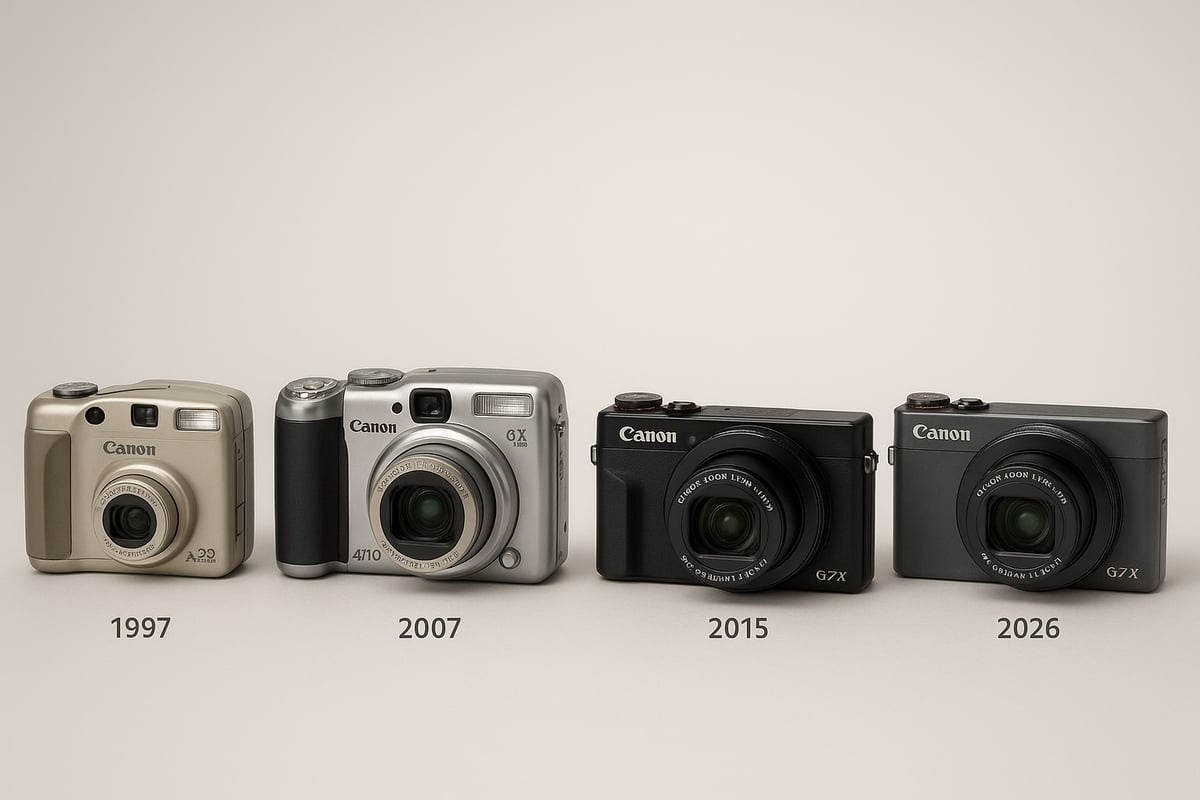
Canon Powershot cameras have been a staple in the world of compact photography for decades. If you are searching for a thorough canon powershot cameras comparison, it helps to first understand how this series has shaped the landscape. Their journey from simple point-and-shoot devices to the sophisticated models of 2026 is a testament to Canon’s commitment to innovation.
The origins and legacy of Powershot
When Canon introduced the first Powershot in 1996, it was a game-changer. The line quickly gained recognition for bringing advanced image quality and user-friendly controls to compact cameras. For many, these models were the entry point into digital photography, offering a reliable alternative to film.
Early Powershot models like the Powershot A5 and S10 offered photographers a taste of digital convenience. As the series grew, the G-series emerged as a favorite for enthusiasts craving manual controls in a small package. Over the years, each new release set benchmarks in the point-and-shoot market, making the canon powershot cameras comparison an ever-evolving process.
Some notable milestones include the Powershot G1, which introduced RAW image capture, and the ELPH series, celebrated for its slim design. These releases influenced how other brands approached compact camera design and usability.
Major technological leaps through the years
The Powershot series has always stood out for its technological progress. The introduction of Canon’s DIGIC image processors dramatically improved image quality, speed, and noise reduction. As a result, the canon powershot cameras comparison now revolves around much more than just megapixels.
Key milestones have included built-in Wi-Fi for instant sharing, the adoption of responsive touchscreens, and the addition of 4K video recording. Each of these features responded to changing photographer needs, keeping the Powershot relevant as user expectations evolved.
Sensor advancements have also played a crucial role. Canon continued to refine sensor size and sensitivity, allowing for better performance in low-light conditions. The integration of these innovations has ensured that Powershot models stay competitive in an ever-changing market.
How Powershot adapted to smartphone competition
As smartphones started to dominate casual photography, Canon had to rethink its approach. The design philosophy for Powershot shifted, focusing on features that smartphones could not easily replicate. This strategic move is important in any canon powershot cameras comparison, especially when considering models released after 2020.
Canon introduced models with larger sensors, longer zoom ranges, and physical controls that appeal to enthusiasts. Features like built-in Bluetooth, fast autofocus, and creative shooting modes gave Powershot cameras a unique edge. For example, the ELPH 360 HS included Wi-Fi and NFC for easy sharing, bridging the gap between compact cameras and smartphones.
Market data between 2020 and 2025 shows that while smartphone sales soared, the compact camera market held steady, thanks in part to Powershot’s targeted innovations. These changes kept the series relevant for hobbyists and travelers who wanted more than what a phone could offer.
The 2026 Powershot lineup: What’s new and improved
The latest generation of Powershot cameras in 2026 brings a host of exclusive innovations. Canon has introduced AI-assisted shooting, allowing the camera to recognize scenes and subjects with remarkable accuracy. This makes the canon powershot cameras comparison even more interesting, as these features are not found in older models.
Improved connectivity is another highlight, with seamless integration between camera and mobile devices for instant sharing and remote control. Battery life and processing speed have both seen upgrades, making the new Powershot models more reliable on longer shoots.
Canon also emphasizes sustainability, using more eco-friendly materials in their construction. For a closer look at what sets the newest models apart, consult Canon’s 2025 Product Announcements, which detail the advancements leading up to this year’s lineup.
With these developments, the Powershot series continues to evolve, meeting the demands of both new and experienced photographers.
Canon Powershot 2026 lineup: Side-by-side comparison
Choosing the right camera is not just about specs, it is about finding the tool that fits your vision and lifestyle. In this canon powershot cameras comparison, we will break down the latest 2026 lineup for fellow enthusiasts and newcomers alike. The diversity in the Powershot range means there is truly something for everyone, from pocket-friendly compacts to feature-packed flagships.
Overview of current Powershot families (G, SX, ELPH)
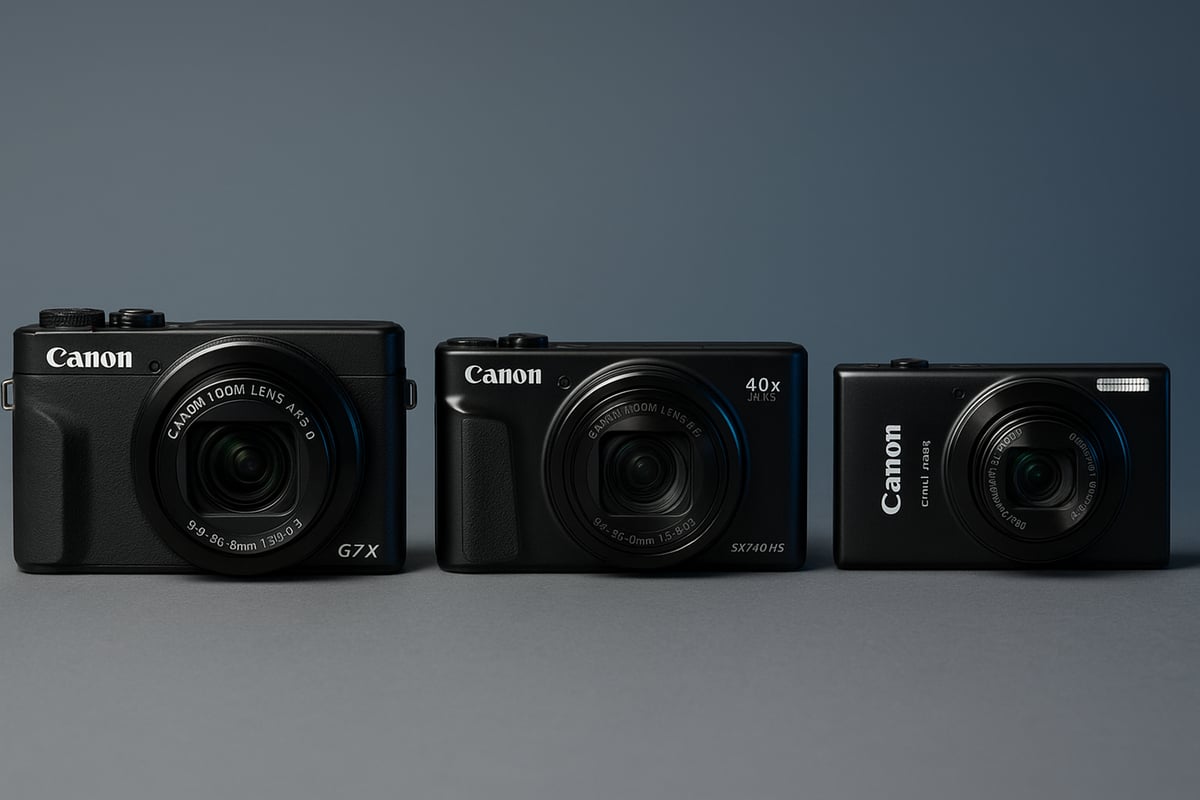
The 2026 Powershot lineup is organized into three main families: G, SX, and ELPH. Each serves a distinct type of photographer, ensuring the canon powershot cameras comparison covers a broad spectrum of needs.
- The G series is built for enthusiasts who want advanced controls, larger sensors, and high-quality lenses in a compact body. Think of it as the bridge between pocket cameras and mirrorless systems.
- The SX series is the go-to for travelers and wildlife lovers, thanks to impressive zoom ranges and versatile features packed into relatively lightweight bodies.
- The ELPH series keeps things simple and affordable, making it ideal for beginners, families, or anyone who wants a camera that is truly pocket-sized.
Here is a quick table to sum up the main differences:
| Series | Sensor Size | Zoom Range | Price Point | Target User |
|---|---|---|---|---|
| G | 1.0 inch type | 4.2x – 5x | $$$ | Enthusiasts, vloggers |
| SX | 1/2.3 inch | 20x – 40x+ | $$ – $$$ | Travelers, adventurers |
| ELPH | 1/2.3 inch | 8x – 12x | $ – $$ | Beginners, casual |
This canon powershot cameras comparison starts with understanding your needs, and these series distinctions help narrow down your options right away.
In-depth look at flagship models
Let us dive deeper into the flagship models that headline the 2026 canon powershot cameras comparison. Each has its unique strengths, and knowing the differences can be the deciding factor for your purchase.
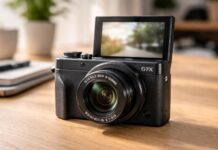
The Canon Powershot G7 X Mark IV continues to impress with its 1.0-inch stacked sensor, fast f/1.8-2.8 lens, and new AI-powered autofocus. Its flip screen and external mic port make it a favorite among vloggers and advanced users seeking manual control in a compact shell.
The SX740 HS stands out for its 40x optical zoom, image stabilization, and lightweight build. It is a dream for travelers who want to capture distant wildlife or sweeping landscapes without lugging extra gear.
For those on a budget, the ELPH 370 delivers effortless operation, reliable auto modes, and a slim design that fits into any pocket. It is the camera you hand to a family member and know they will get great results every time.
Notable mentions this year include the G5 X Mark III Limited Edition and the ultra-compact SX800 Mini, both offering tweaks aimed at niche users. This level of variety in the canon powershot cameras comparison is what keeps the series relevant year after year.
Specs and performance comparison
Specs matter, but real-world performance is where the canon powershot cameras comparison truly comes alive. Let us look at the numbers and see how they translate into shooting experience.
- Sensor size: The G7 X Mark IV leads with a 1.0-inch sensor for better dynamic range and low-light performance, while SX and ELPH models use smaller 1/2.3-inch sensors.
- Megapixels: All models deliver at least 20MP, plenty for large prints and cropping flexibility.
- ISO range: G series offers ISO up to 12800, making it reliable in dim situations. SX and ELPH cap at ISO 3200, still solid for daytime or well-lit scenes.
- Lens versatility: SX740 HS wins on zoom reach, but G7 X Mark IV’s fast lens is unbeatable for portraits and indoor shots.
- Autofocus speed: 2026 brings AI-assisted AF to the G and SX lines, locking focus in milliseconds even on moving subjects.
- Battery life: Expect 300 shots per charge for G7 X Mark IV, 400 for SX740 HS, and about 250 for ELPH 370.
- Durability: All models feature improved weather sealing, but G series builds feel the most robust.
This canon powershot cameras comparison shows that while flagship specs are impressive, each model’s performance is tailored to its intended use. There is no one-size-fits-all, which is why hands-on experience and honest reviews matter.
Price points and value for money
When it comes to investment, the canon powershot cameras comparison highlights the balance between features and cost. The G7 X Mark IV sits at the premium end, often retailing around $849, but its advanced sensor, lens, and video features justify the price for serious creators.
The SX740 HS offers a sweet spot at $449, delivering massive zoom and useful extras like Wi-Fi and 4K video. ELPH 370 remains the most accessible at $199, perfect for everyday snapshots without breaking the bank.
If you are weighing value, consider how each model stacks up not only to other Powershots, but also to smartphones and entry-level mirrorless cameras. For a broader perspective, the Best rated compact cameras guide can help you see how these Powershots compare to top competitors.
Ultimately, the canon powershot cameras comparison is about finding the right fit for your budget and shooting style. Take the time to match features to your needs, and you will end up with a camera that inspires you every time you pick it up.
Key features that matter: What to look for in a Powershot camera
Choosing the right camera is about more than megapixels or price tags. From years in the field, I have learned that understanding the features that truly matter can make or break your shooting experience. In this section, I will walk you through the essential factors for any canon powershot cameras comparison, helping you focus on what counts when picking your next compact companion.
Sensor and image quality
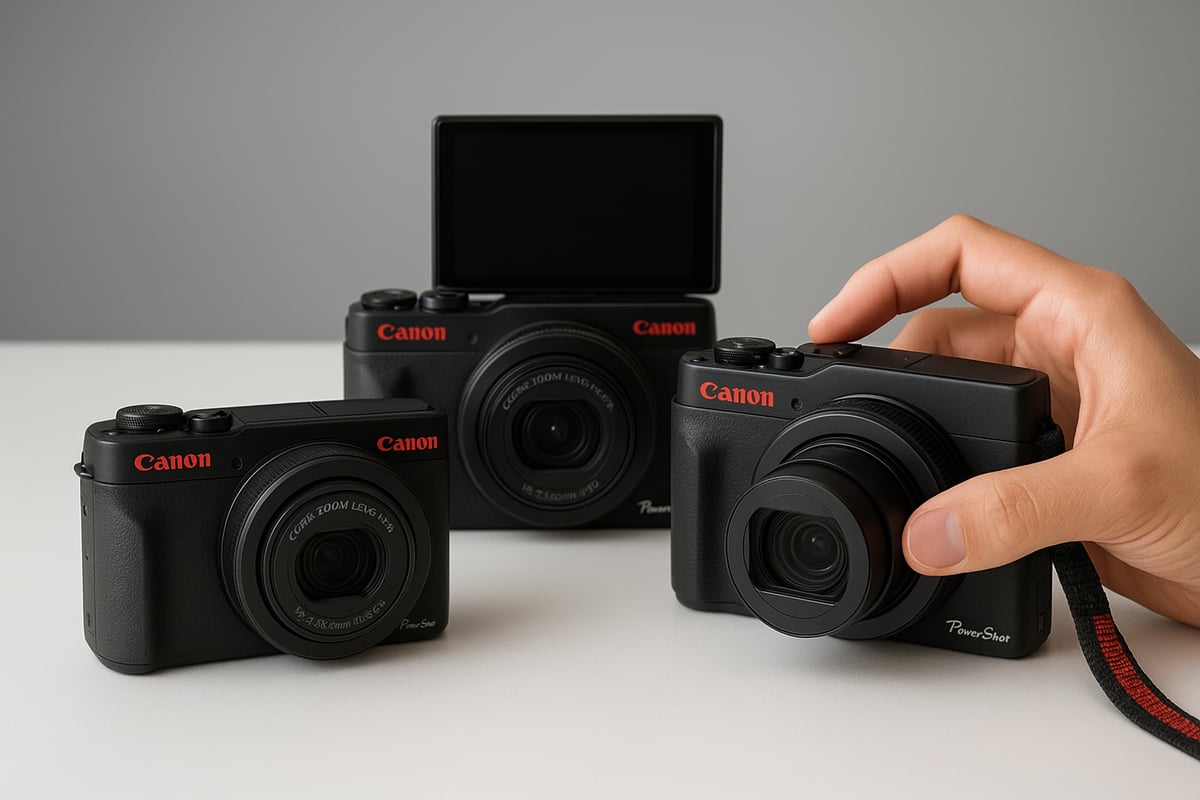
Sensor size is the heart of every canon powershot cameras comparison. Larger sensors, like those in the G series, capture more light and detail, especially in low light or portrait scenarios. You will notice the difference when shooting at dusk or in dim indoor settings. Smaller sensors, such as those in the ELPH series, are great for everyday snapshots but may show more noise if you crop or zoom heavily. For landscapes, a bigger sensor helps retain sharpness across the frame, while for group photos, even compact sensors can deliver pleasing results. Always check sensor specs before making a decision.
Zoom and lens versatility
The zoom range is often a deciding factor in a canon powershot cameras comparison, especially if you shoot travel or wildlife. Optical zoom maintains image quality, letting you get close without losing clarity. Digital zoom, by contrast, stretches pixels and can degrade the final shot. Look for models with strong optical zoom for distant subjects or macro options for close-ups. The SX line stands out for its superzoom capabilities, while the G series offers brighter lenses for creative depth effects. For a deep dive into lens performance, the Canon Powershot ELPH 360 HS review provides practical insights on real-world versatility.
Autofocus and shooting speed
When comparing canon powershot cameras comparison features, autofocus speed and accuracy can make a visible difference. The 2026 Powershot models have seen major upgrades, especially with AI-assisted subject tracking. This is a game changer for action, sports, or fast-moving kids and pets. Burst modes now offer higher frames per second, so you are more likely to capture the perfect moment. If you enjoy street photography or candid portraits, a responsive autofocus system is essential. Be sure to test how quickly the camera locks onto subjects in different lighting conditions.
Video capabilities
Video is now a core part of any canon powershot cameras comparison, even for photographers who mainly shoot stills. Most 2026 models offer 4K, with some G series cameras supporting 8K for future-proof quality. Look for features like optical image stabilization if you plan to vlog or shoot handheld. High frame rates are helpful for slow-motion, while external mic support is a plus for creators. Evaluate how easy it is to switch between photo and video modes, and check sample footage online if video is a priority for you.
Connectivity and smart features
Seamless sharing and remote control are now expected in any canon powershot cameras comparison. Built-in Wi-Fi and Bluetooth let you transfer images to your smartphone or tablet on the fly. Many current Powershot models also feature app integration, allowing for remote shooting or instant uploads to social media. AI shooting modes are a recent addition, guiding beginners to better exposures and scene selections. These smart features save time and help you get more out of your camera, especially when traveling or documenting events.
Build quality, ergonomics, and portability
Comfort and durability are crucial in a canon powershot cameras comparison, especially if you shoot on the move. The G series offers a solid grip and weather sealing, ideal for outdoor adventures. ELPH models are ultra-compact and slip easily into a pocket, making them perfect for casual outings. Pay attention to button layout, touchscreen responsiveness, and overall weight. Ruggedness matters if you plan to shoot in challenging environments, so check for reinforced bodies or splash resistance. The best camera is the one you will actually carry and use, so choose a model that fits your style and needs.
Matching Powershot cameras to your needs: Which model is right for you?
Choosing the right camera is a personal journey. As a photographer, I know how overwhelming the canon powershot cameras comparison can feel, especially with so many models in 2026. Let’s walk through the main user types and see which Powershot fits your needs best.
For beginners and casual shooters
If you’re just starting out or want something simple for family events, the ELPH series and entry-level SX models are your best bet. Their auto modes, intuitive menus, and compact bodies make snapping photos effortless. In my canon powershot cameras comparison, these models shine for those who value ease of use over manual control.
You’ll appreciate quick autofocus and reliable face detection, perfect for everyday moments. The ELPH 370, in particular, offers a great balance of affordability and performance. If you want to see how it stacks up against other entry-level options, I recommend checking out the Best beginner compact camera guide.
For travel and adventure enthusiasts
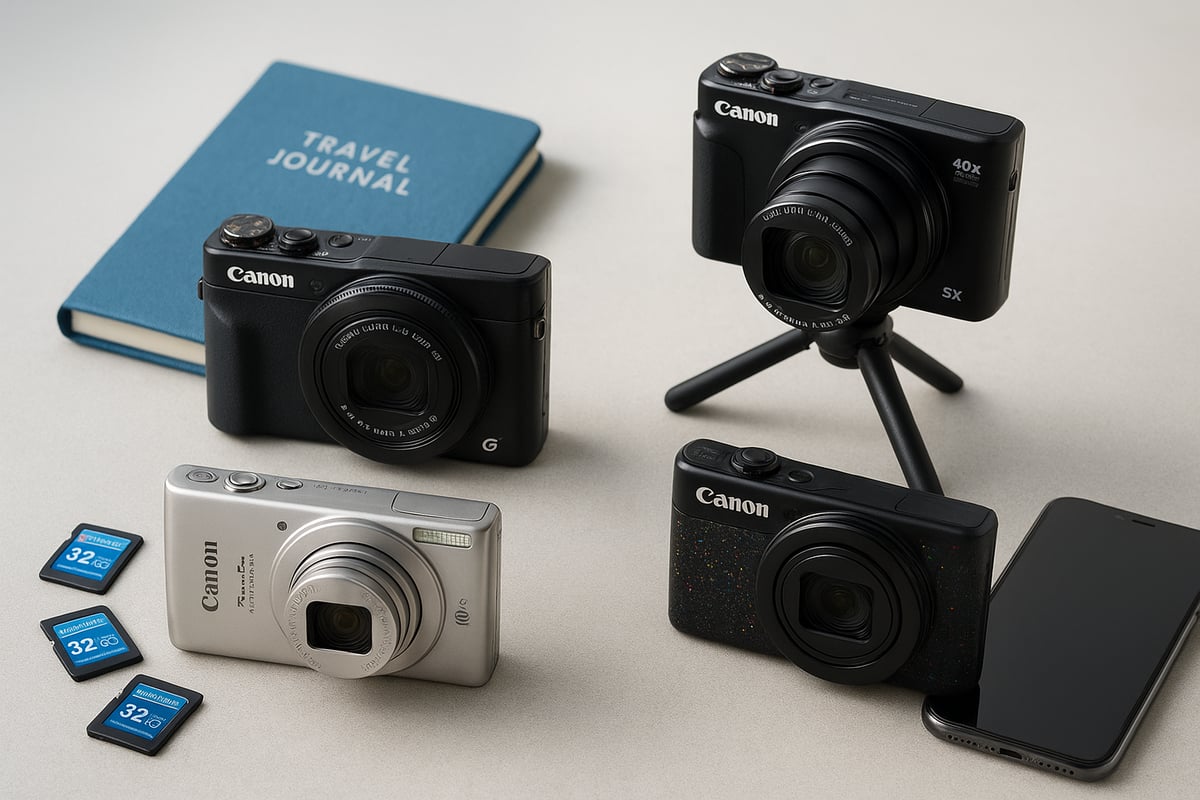
When I’m packing light for a trip, I reach for the SX series. These models are built for the road, featuring impressive zoom ranges and robust battery life. The canon powershot cameras comparison consistently highlights the SX740 HS for its 40x optical zoom and pocket-friendly size.
Whether you’re photographing wildlife in the distance or capturing cityscapes, the SX series delivers. Their image stabilization is reliable, especially for handheld shots on the move. These cameras are also rugged enough to handle bumps and the occasional splash, making them ideal for travelers and outdoor adventurers.
For content creators and vloggers
Content creation demands more than just good image quality. The G series, especially the G7 X Mark IV, stands out in any canon powershot cameras comparison for its flip screens, external mic input, and superior video capabilities. As someone who shoots video for tutorials and social media, I value the fast autofocus and vibrant color science.
You’ll find features like 4K video, advanced stabilization, and easy connectivity for instant sharing. The compact size means you can vlog anywhere without drawing too much attention. If you want professional-level footage without the complexity of a full mirrorless setup, the G series is a smart choice.
For advanced photographers and professionals
For those who crave manual control and RAW support, high-end SX models and the G7 X Mark IV are stars in the canon powershot cameras comparison. These cameras offer larger sensors, bright lenses, and customizable dials for creative freedom. Street photographers, documentary shooters, and even semi-pros will appreciate the image quality and flexibility.
Manual exposure settings, fast burst modes, and reliable low-light performance set these models apart. They’re also a strong backup for pros who need a capable yet discreet camera. The build quality feels solid, which is essential for demanding shooting environments.
Pros and cons: When a Powershot is (and isn’t) the best choice
While Powershot cameras cover a broad range of needs, they’re not always the perfect fit. In my canon powershot cameras comparison, I find they excel in portability, ease of use, and value. However, if you need interchangeable lenses or extreme low-light performance, a mirrorless or DSLR might serve you better.
Want to see how Powershot models compare to other popular cameras in the same price range? The Best digital cameras under $600 round-up offers a broader perspective for shoppers weighing their options. Think about your shooting style, and remember that the best camera is the one you’ll actually use.
Smart buying tips for Canon Powershot cameras in 2026
Finding the right deal on a Canon Powershot can make a big difference in your experience and your wallet. Let me share some real-world strategies I use, based on years of following the market and hands-on use with these cameras. Whether you are new to the canon powershot cameras comparison process or a seasoned enthusiast, these tips will help you navigate the 2026 landscape with confidence.
Where to buy and how to spot deals
When starting your canon powershot cameras comparison, always prioritize buying from authorized retailers. Canon’s official partners often provide better after-sales support and genuine products. Third-party sellers can offer tempting prices, but you risk missing out on warranty coverage or receiving items that are not as advertised.
Keep an eye out for seasonal sales, especially around new product launches or major holidays. If you are open to refurbished models, Canon’s certified program is a safe bet. Used Powershot cameras can be a great bargain, but always inspect for shutter count, sensor dust, and battery health before committing.
The demand for Powershot models is rising, as seen in Canon’s 2025 Financial Growth, so act fast when you spot a genuine deal. Smart shopping is a core part of any canon powershot cameras comparison.
Warranty, support, and firmware updates
A key aspect of any canon powershot cameras comparison is understanding warranty and support. Canon typically offers a one-year limited warranty for Powershot models, but check if the retailer provides an extended option. Always register your camera with Canon after purchase for easier access to service.
Firmware updates can significantly enhance camera performance or fix bugs. Canon has a strong track record of ongoing innovation, as highlighted by Canon’s 2025 Patent Achievements. Make it a habit to check Canon’s support page every few months for new firmware. Staying updated ensures your Powershot works at its best throughout its lifespan.
Essential accessories for your Powershot
No canon powershot cameras comparison is complete without a look at essential add-ons. The right accessories can elevate your shooting experience and protect your investment. Here is a quick list I always recommend:
- High-speed SD cards: Crucial for burst shooting and 4K/8K video.
- Spare batteries: Powershot cameras are compact, so having extras is a must for travel or events.
- Protective case: Safeguards against bumps and dust.
- Lightweight tripod: Perfect for low-light shots and vlogging.
- Lens cleaning kit: Keeps your optics spotless.
Always check compatibility before buying third-party accessories. Some features, like advanced flash or remote control, may require Canon-branded gear.
Keeping your Powershot in top shape
Maintaining your camera is essential for long-term performance and resale value. After each shoot, gently wipe down your Powershot with a microfiber cloth. Store your camera in a dry, padded bag and remove the battery if you will not use it for a while.
Here are my maintenance basics:
- Clean the lens and sensor area regularly.
- Check for firmware updates monthly.
- Protect your camera from extreme heat and moisture.
- Test all buttons and dials periodically.
If you encounter issues, consult Canon’s troubleshooting guides or reach out to official support. Proactive care is a wise step in any canon powershot cameras comparison.
Maximizing resale value
If you plan to upgrade in the future, keeping your Powershot in top condition pays off. Original packaging, manuals, and receipts can boost your resale price. Document your camera’s usage and maintenance history for transparency with buyers.
Before selling, reset the camera to factory settings and include recent firmware updates. Detailed photos showing the camera’s condition help set your listing apart. Buyers in the canon powershot cameras comparison market often pay more for well-cared-for gear with a clear history.