
Canon has maintained its position as a leader in full frame photography for decades, and choosing the right model requires understanding what you actually need versus what sounds impressive on a spec sheet. After testing Canon’s current lineup extensively, I can tell you that the best full frame camera Canon produces for your specific needs depends on factors that go beyond resolution numbers and frame rates. Whether you’re shooting weddings, landscapes, sports, or simply want the flexibility a full frame sensor provides, there’s a Canon model engineered for exactly that purpose.
Contents
- Understanding Canon’s full frame ecosystem in 2026
- Canon EOS R5: The resolution powerhouse
- Canon EOS R6 Mark II: Balanced performance for working professionals
- Canon EOS R3: Speed and reliability for demanding work
- Canon EOS R8: Full frame accessibility
- Canon EOS R6: Still relevant in 2026
- Choosing based on your actual shooting needs
- Lens compatibility considerations
- Video capabilities across the lineup
- Autofocus technology that changes shooting
- Build quality and ergonomics
- Comparing Canon to other full frame options
- Memory card and storage workflow
- Battery life and power management
- Making the decision
Understanding Canon’s full frame ecosystem in 2026
Canon offers two distinct full frame systems: the traditional EF mount DSLRs and the newer RF mount mirrorless cameras. The company has clearly shifted its development focus toward the RF system, which shows in the innovation packed into these bodies.
The RF mount brings several advantages that matter in real-world shooting. The shorter flange distance allows for optical designs that simply weren’t possible with DSLRs, resulting in sharper lenses with better corner-to-corner performance. The electronic viewfinder provides exposure preview in real time, something optical viewfinders never could.
Why full frame still matters
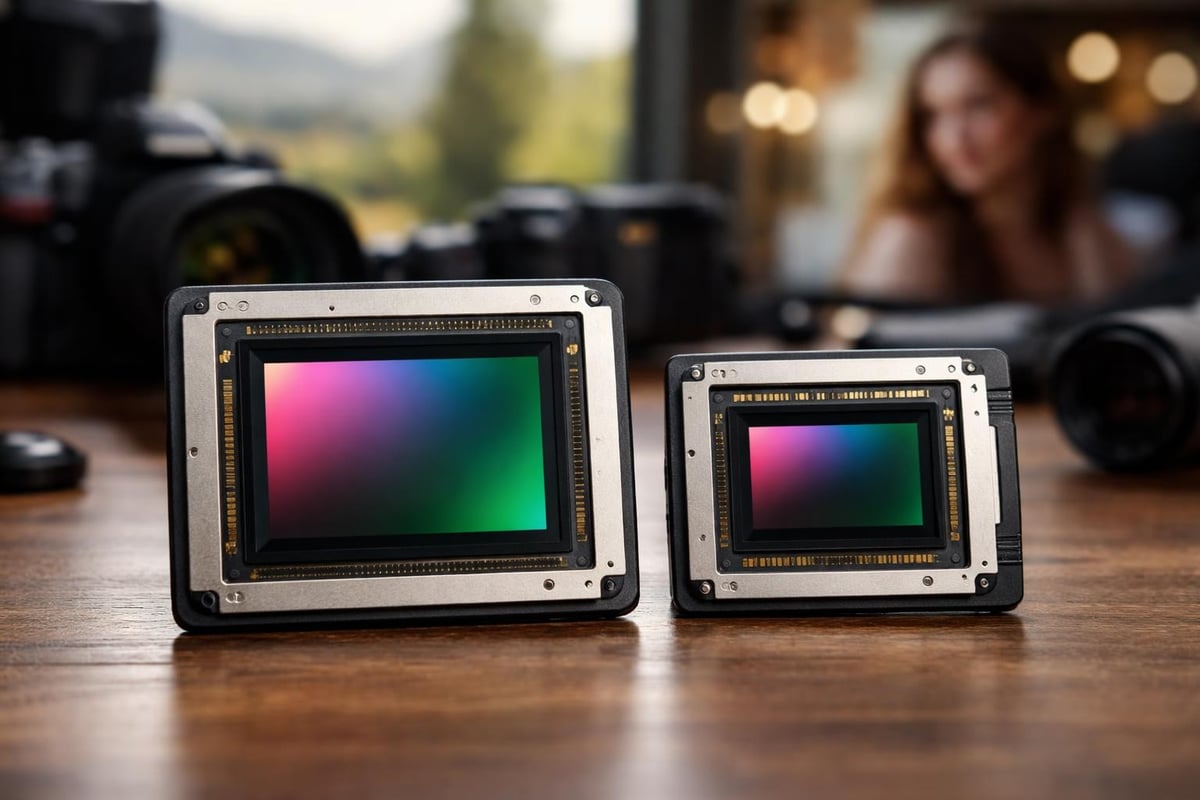
Full frame sensors capture more light per pixel compared to crop sensors, which translates to better high ISO performance and wider dynamic range. This isn’t just theoretical. When you’re shooting a dimly lit reception or trying to recover shadow detail in a landscape, that extra sensor real estate makes a tangible difference.
The shallow depth of field characteristics also change dramatically. A 50mm lens on full frame behaves exactly as intended, giving you that classic portrait look with creamy background separation that crop sensors can only approximate.
Canon EOS R5: The resolution powerhouse
The Canon EOS R5 represents Canon’s answer to high-resolution demands while maintaining professional-grade speed and video capabilities. Its 45-megapixel sensor produces files with exceptional detail that hold up to aggressive cropping and large format printing.
What impressed me most during testing wasn’t just the resolution, but how the camera handles that data. The processing engine manages those large files quickly enough for 12 fps mechanical shutter shooting and 20 fps electronic shutter bursts. This combination makes it viable for wildlife and sports photography where you traditionally sacrificed resolution for speed.
Performance characteristics that matter
The autofocus system tracks subjects with remarkable persistence. Canon’s deep learning algorithms recognize and follow people, animals, and vehicles with minimal input required. I’ve had the R5 maintain focus on a bird in flight through cluttered backgrounds where previous systems would have given up.
In-body image stabilization works in concert with stabilized RF lenses to deliver up to 8 stops of shake reduction. This changes what’s possible with handheld shooting in low light or when using longer focal lengths.
| Feature | Specification | Real-world impact |
|---|---|---|
| Resolution | 45 megapixels | Exceptional detail for cropping and large prints |
| Continuous shooting | 12 fps mechanical, 20 fps electronic | Captures decisive moments in action |
| Video | 8K RAW internal | Professional video production capability |
| IBIS | Up to 8 stops | Handhold longer lenses in challenging light |
| Buffer depth | 180 RAW images | Extended burst shooting without slowdown |
The 8K video capability generates debate, but its practical value extends beyond actual 8K delivery. Oversampled 4K footage from that 8K sensor shows noticeably better detail and color accuracy than native 4K recording.
Canon EOS R6 Mark II: Balanced performance for working professionals
When considering the best full frame camera Canon makes for versatility, the Canon EOS R6 Mark II deserves serious attention. Its 24-megapixel sensor might seem modest compared to high-resolution competitors, but this resolution sweet spot delivers files that are manageable in size while providing plenty of detail for most applications.
The autofocus improvements over the original R6 make a significant difference. The camera now recognizes vehicles, which matters if you shoot motorsports or automotive content. More importantly, the subject detection works reliably in challenging conditions where contrast is low or subjects are backlit.
Battery life exceeded my expectations during field use. Unlike the R5, which can drain batteries quickly during video work, the R6 Mark II consistently delivered a full day of mixed shooting on a single charge.
Where it excels
Wedding and event photographers will appreciate the low-light autofocus sensitivity that works down to -6.5 EV. I’ve successfully locked focus in conditions where I could barely see my subject with my own eyes. The silent electronic shutter allows discrete shooting during ceremonies without the mechanical clack drawing attention.
The weather sealing proved robust during a recent mountain shoot in persistent rain. While no camera is truly waterproof, the R6 Mark II handled extended exposure to moisture without issues.
- 24.2 megapixel sensor optimized for low-light performance
- 40 fps electronic shutter with full autofocus tracking
- 6K video oversampled to 4K for superior quality
- Dual card slots with UHS-II SD support
- Improved heat management for extended recording
Canon EOS R3: Speed and reliability for demanding work
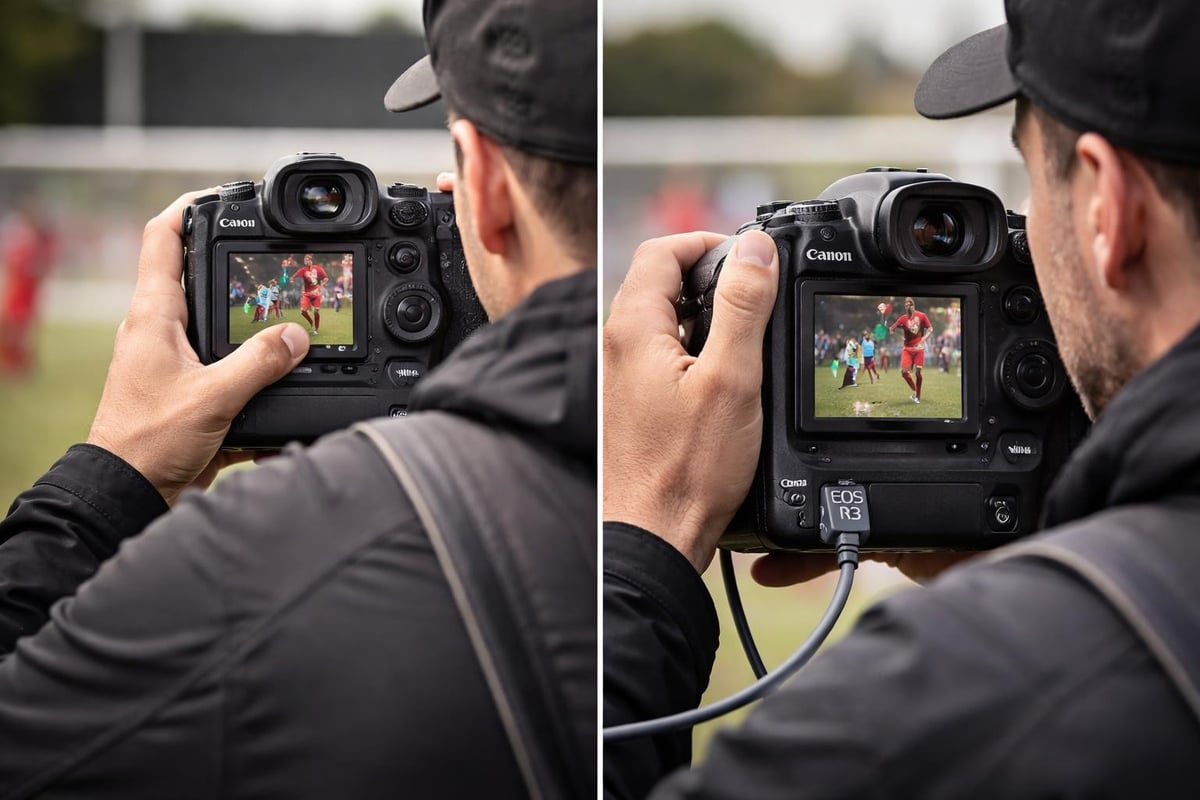
The Canon EOS R3 targets professional sports, wildlife, and press photographers who need absolute reliability and speed. Its stacked sensor design enables 30 fps continuous shooting with full autofocus and auto exposure tracking between frames.
Eye-controlled autofocus returns from Canon’s film era, reimagined for digital. After calibration, you can select focus points simply by looking at your subject. This sounds gimmicky until you experience how it speeds up composition, especially when tracking erratic subjects.
The build quality reflects its professional positioning. The integrated vertical grip provides balanced handling with long telephoto lenses, and the control layout allows operation without taking your eye from the viewfinder.
Who needs this level of capability
If you’re shooting professional sports or wildlife where missing the shot isn’t an option, the R3’s reliability justifies its cost. The pre-capture feature starts recording frames when you half-press the shutter, ensuring you don’t miss the critical moment due to reaction time.
Network connectivity allows direct file transfer from the field, essential for press photographers working to tight deadlines. The camera can upload images to FTP servers while you continue shooting.
Canon EOS R8: Full frame accessibility
Canon recognized that not everyone needs flagship specifications or can justify flagship pricing. The R8 brings full frame image quality into a surprisingly compact and affordable package, making it an excellent choice for enthusiasts upgrading from crop sensors.
The 24-megapixel sensor derives from the R6 Mark II, providing excellent image quality with strong low-light performance. What you sacrifice compared to more expensive models is build quality, weather sealing, and certain advanced features.
The electronic shutter-only design eliminates mechanical complexity and reduces cost, though it introduces rolling shutter artifacts when shooting fast-moving subjects. For most photography applications, this trade-off proves acceptable.
Practical considerations
The single SD card slot may concern professionals who need redundancy, but for enthusiast work, it keeps the body compact and light. I appreciate how the R8 disappears in a bag, making it ideal for travel when you want full frame quality without the bulk.
Battery life represents the primary weakness. The smaller battery pack requires carrying extras for extended shoots. However, USB-C charging provides convenient power bank charging while traveling.
For photographers exploring full frame on a budget, our guide to the best cameras under 700$ includes options worth considering alongside the R8.
Canon EOS R6: Still relevant in 2026
The original Canon EOS R6 remains competitive despite the Mark II’s arrival. Used prices make it an attractive option for photographers who want professional features without current-generation pricing.
The 20-megapixel sensor handles high ISO situations beautifully, producing clean files at sensitivity settings where other cameras show significant noise. Dynamic range provides ample latitude for exposure recovery in post-processing.
Autofocus performance, while not quite matching the Mark II, still exceeds what most photographers need. The eye and face detection works reliably for portraits and events.
| Camera | Resolution | Max fps | Video | Price position |
|---|---|---|---|---|
| R5 | 45MP | 20 fps | 8K | Premium |
| R6 Mark II | 24MP | 40 fps | 6K | Professional |
| R3 | 24MP | 30 fps | 6K | Flagship |
| R6 | 20MP | 20 fps | 4K | Value |
| R8 | 24MP | 40 fps | 6K | Entry |
Choosing based on your actual shooting needs
Determining the best full frame camera Canon makes for your work requires honest assessment of what you actually shoot versus what you think you might shoot someday. Resolution sounds appealing until you’re managing terabytes of 45-megapixel files from a weekend wedding.
Consider your primary subjects and shooting conditions. Sports and wildlife photographers benefit from speed and autofocus performance more than resolution. Landscape and studio photographers want maximum detail and dynamic range. Event photographers need reliable autofocus and good low-light capability.
Budget allocation strategy
Remember that lenses matter more than camera bodies for final image quality. A cheaper body with excellent glass produces better results than a flagship camera with mediocre lenses. The RF lens ecosystem offers outstanding optics, but they command premium pricing.
Think about the total system cost. Factor in cards, batteries, and essential accessories when budgeting. The initial camera purchase represents just the starting point.
Lens compatibility considerations
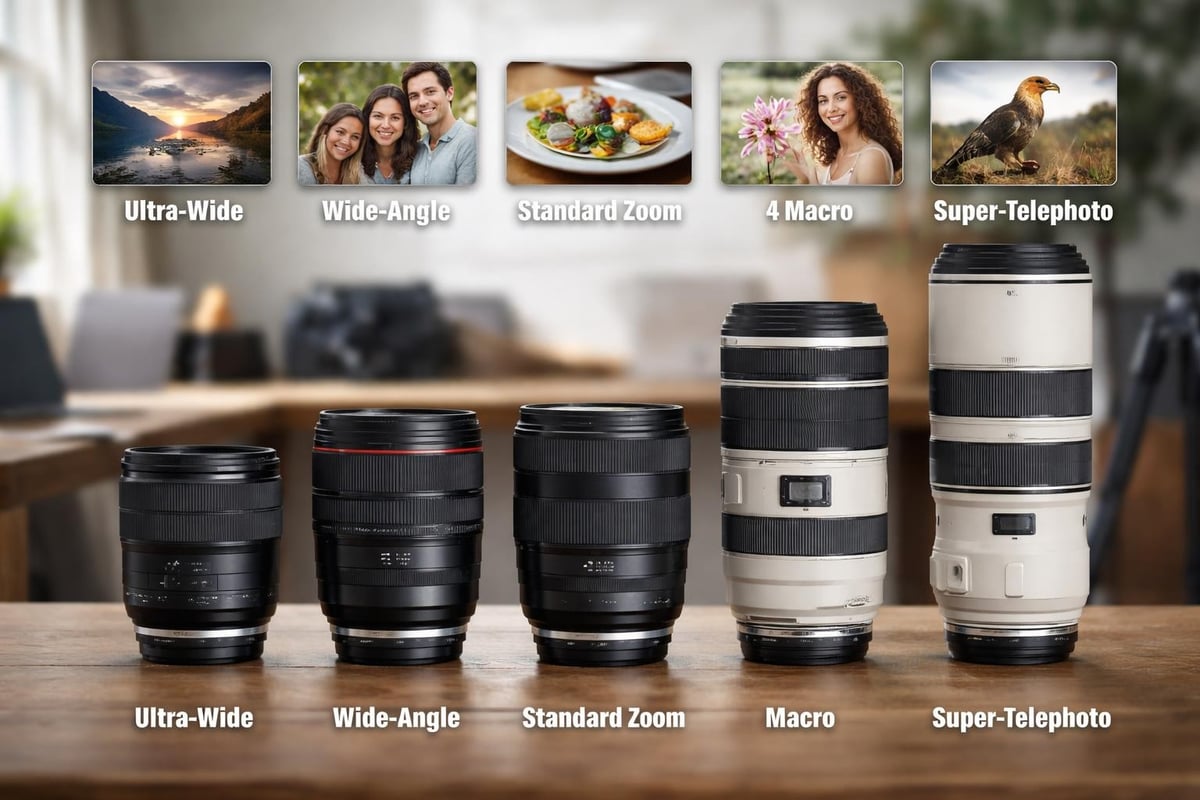
The RF mount brings optical improvements, but the limited selection compared to Canon’s decades of EF lenses initially concerned many photographers. Canon now offers comprehensive RF coverage from ultra-wide to super-telephoto focal lengths.
The EF to RF adapter maintains full functionality with existing EF lenses, protecting your investment if you’re migrating from a DSLR system. I’ve used adapted EF lenses extensively and detected no practical performance degradation in autofocus speed or accuracy.
Native RF lenses do offer advantages beyond optical quality. The control ring provides customizable function access, and the communication bandwidth enables more sophisticated autofocus algorithms.
Essential lenses to consider
- RF 24-70mm f/2.8L for versatile professional work
- RF 70-200mm f/2.8L for portraits and sports
- RF 15-35mm f/2.8L for landscapes and architecture
- RF 50mm f/1.8 for affordable portrait quality
- RF 100-500mm f/4.5-7.1L for wildlife on budget
According to our comprehensive review of Canon cameras, the RF mount system continues expanding with innovative lens designs that leverage the mount’s capabilities.
Video capabilities across the lineup
Canon’s full frame cameras serve double duty for hybrid shooters who need both stills and video capability. The R5 and R6 Mark II lead in video features, but each model offers distinct advantages depending on your video requirements.
The R5’s 8K capability generates massive files that require serious computing power to edit. More practically useful is the 4K 120p for slow-motion work and the 4K oversampled from 8K for exceptional quality.
Heat management plagued early R5 units during extended video recording. Canon addressed this through firmware updates and improved thermal design in later production runs. Current units handle professional video workloads without the recording time limitations that initially frustrated videographers.
Practical video workflow
The R6 Mark II strikes a better balance for many videographers. Its 6K oversampled 4K provides outstanding quality without the storage and processing demands of 8K. The unlimited recording time in 4K makes it reliable for event documentation and interviews.
Canon Log 3 provides flat color profiles suitable for professional color grading. The internal recording quality proves sufficient for most delivery requirements, though external recorders unlock additional options for demanding productions.
Autofocus technology that changes shooting
Canon’s Dual Pixel autofocus technology matured significantly with the R system. The deep learning subject detection goes beyond simple face recognition to understand context and predict subject movement.
Animal eye detection works with dogs, cats, and birds. I’ve successfully used it on wildlife from songbirds to deer, with the camera reliably finding and tracking eyes even when the animal is partially obscured.
The tracking persistence impressed me most during testing. Once locked onto a subject, the camera maintains focus through temporary obstructions and extreme subject movement. This reliability changes how confidently you can approach challenging shooting scenarios.
Customizing autofocus behavior
Canon provides extensive autofocus customization options that let you tune tracking sensitivity and acceleration response. These adjustments matter when shooting subjects with predictable versus erratic movement patterns.
For sports with consistent motion like track events, you can dial in aggressive tracking that anticipates subject position. For subjects that might stop suddenly or change direction, more conservative settings prevent the system from overshooting.
Build quality and ergonomics
The best full frame camera Canon produces must feel right in your hands and withstand the rigors of professional use. The R5, R6 series, and R3 feature magnesium alloy construction with comprehensive weather sealing.
I’ve used these cameras in dusty desert conditions, humid tropical environments, and freezing mountain weather without reliability issues. The sealing extends to battery compartments and card doors, areas where cheaper cameras often compromise.
The R8 uses polycarbonate construction to reduce weight and cost. While less robust than metal bodies, it proves adequate for careful use and significantly reduces carry weight for travel shooting.
Control layout philosophy
Canon maintains consistent control placement across the lineup, easing the transition between bodies. The mode dial, rear wheel, and joystick occupy familiar positions whether you’re holding an R8 or R3.
The touchscreen interface complements physical controls rather than replacing them. You can customize which functions operate through touch and which require button presses, accommodating different shooting styles.
Comparing Canon to other full frame options
When researching the best full frame camera Canon offers, you’ll naturally compare against Sony and Nikon alternatives. Each manufacturer brings distinct strengths to full frame imaging.
Sony pioneered mirrorless full frame and maintains advantages in certain areas like real-time tracking autofocus granularity. However, Canon’s color science produces more pleasing skin tones straight from camera, reducing post-processing time for portrait work.
Nikon’s Z system offers excellent build quality and outstanding lens optics. Canon counters with more comprehensive lens selection and better third-party support from manufacturers like Sigma and Tamron.
Professional photographers increasingly adopt a brand-agnostic approach, recognizing that the best full-frame cameras each excel in different areas. The decision often comes down to which system’s strengths align with your specific priorities.
Memory card and storage workflow
The R5 and R3 provide dual card slots with CFexpress and SD compatibility. CFexpress cards handle the high data rates from 8K video and high-speed bursts, but they command premium pricing. SD cards work fine for photography and moderate video recording.
The R6 Mark II and R6 use dual SD card slots, which reduces cost but limits maximum write speeds. For most photography work, UHS-II SD cards provide adequate performance. Video shooters doing 6K or high frame rate 4K will appreciate faster cards.
Single card slot cameras like the R8 require diligent backup practices. I immediately copy files to a secondary device after each shoot to eliminate the risk of card failure losing an entire session.
File size management
The R5’s 45-megapixel files average 50-60MB in RAW format. A day of shooting can easily generate 200GB or more of data. This impacts not just storage costs but also backup time, transfer speeds, and computer processing requirements.
Lower resolution models produce more manageable file sizes. The R6 Mark II’s 24-megapixel files typically run 30-35MB, roughly half the storage demand of the R5 while providing plenty of resolution for most applications.
Battery life and power management
Real-world battery performance depends heavily on shooting style. Electronic viewfinder use, review frequency, and ambient temperature all significantly impact how many shots you’ll get per charge.
The R3’s larger battery provides outstanding endurance, regularly delivering over 1,000 shots per charge during moderate use. The R5 and R6 series use smaller batteries that typically yield 400-600 shots depending on conditions.
USB-C charging represents a practical improvement over older proprietary chargers. You can charge cameras from laptop USB ports, power banks, or car adapters using standard cables.
Cold weather considerations
Battery performance drops noticeably in freezing conditions. I keep spare batteries in inside pockets close to body heat when shooting winter landscapes. The battery level indicator becomes less reliable in cold weather, often showing depletion that recovers when the battery warms.
Making the decision
After extensive testing across Canon’s full frame lineup, the best full frame camera Canon manufactures depends entirely on matching capabilities to your actual requirements. The R5 excels for resolution-demanding work and professional video production. The R6 Mark II provides the most balanced feature set for working photographers who need versatility. The R3 serves specialized high-speed applications where reliability cannot be compromised.
For enthusiasts wanting full frame quality without professional pricing, the R8 delivers surprisingly capable performance in a compact package. According to Tom’s Guide’s camera rankings, Canon’s full frame options consistently rank among the top choices across multiple categories.
Don’t get caught up in specification comparisons that have minimal practical impact. Focus on what you actually shoot, how you work, and which features will genuinely improve your photography versus simply looking impressive on paper.
The Canon EOS R1 represents Canon’s latest flagship innovation, pushing boundaries in speed and autofocus capability for the most demanding professional applications. However, its specialized feature set and pricing make it suitable primarily for photographers with specific high-performance requirements.
Test cameras whenever possible before purchasing. Specifications only tell part of the story. How a camera feels during actual use, how its menus flow, and how its autofocus behaves with your typical subjects matter more than any numbers on a spec sheet.
Consider the long-term system investment rather than just the initial body purchase. Lenses, accessories, and workflow integration often prove more important than camera body choice over the years you’ll use the system.
Selecting the best full frame camera Canon offers requires understanding your specific photographic needs and how different models address those requirements. Whether you prioritize resolution, speed, versatility, or value, Canon’s current lineup provides excellent options across the spectrum. At Lens and Shutter, we test cameras extensively to provide you with honest, practical insights that help you make informed decisions based on real-world performance rather than marketing claims.