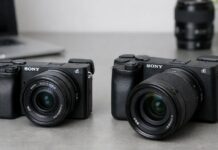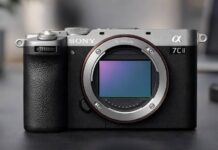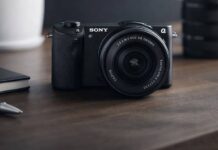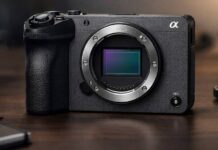

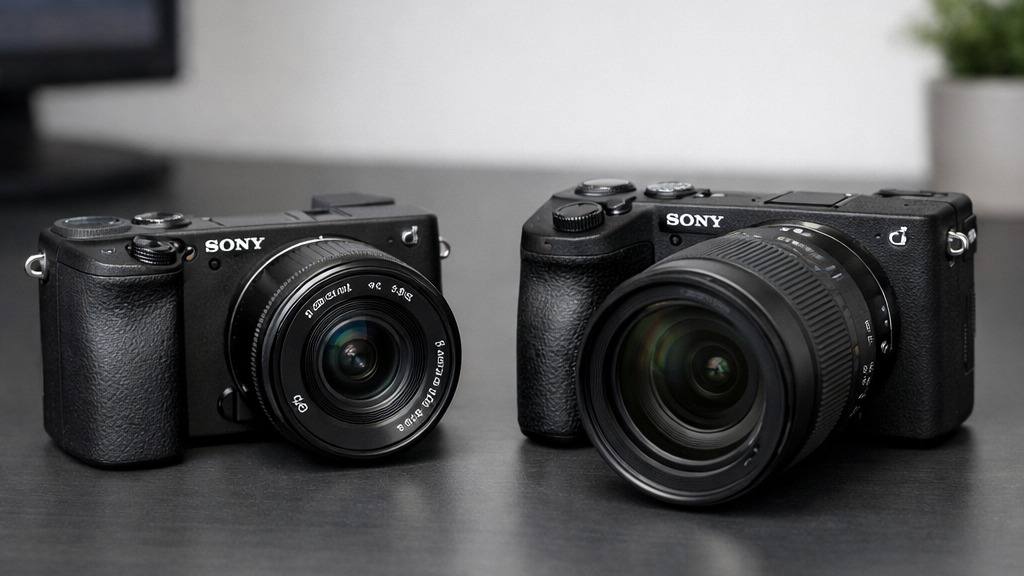
Quick verdict: choose the Sony a6400 if you want the best value Sony APS-C body for stills, travel, and simple hybrid work. Choose the Sony a6700 if you want the modern body: better autofocus recognition, in-body stabilization, a bigger battery, a front dial, stronger video specs, and a camera that feels built for serious hybrid shooting.
I would not upgrade from the a6400 to the a6700 just because of image quality. The a6700 is better, but the real reasons to pay more are autofocus, handling, stabilization, battery life, and video. If those matter to your work, the a6700 is a major step forward. If they do not, the a6400 remains one of the smartest used or discounted Sony APS-C buys.
Contents
Sony a6400 vs a6700: the short answer
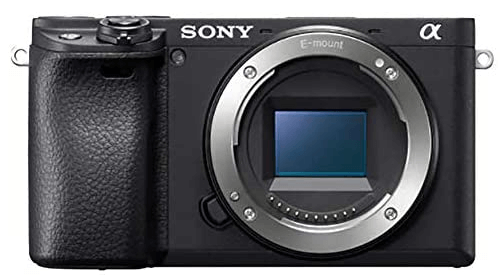
The Sony a6400 is the value camera. It gives you strong 24.2MP APS-C image quality, reliable real-time autofocus, 4K video, a compact body, a built-in EVF, and access to the same Sony E-mount lens system. For many photographers, especially stills-first shooters, that is enough.
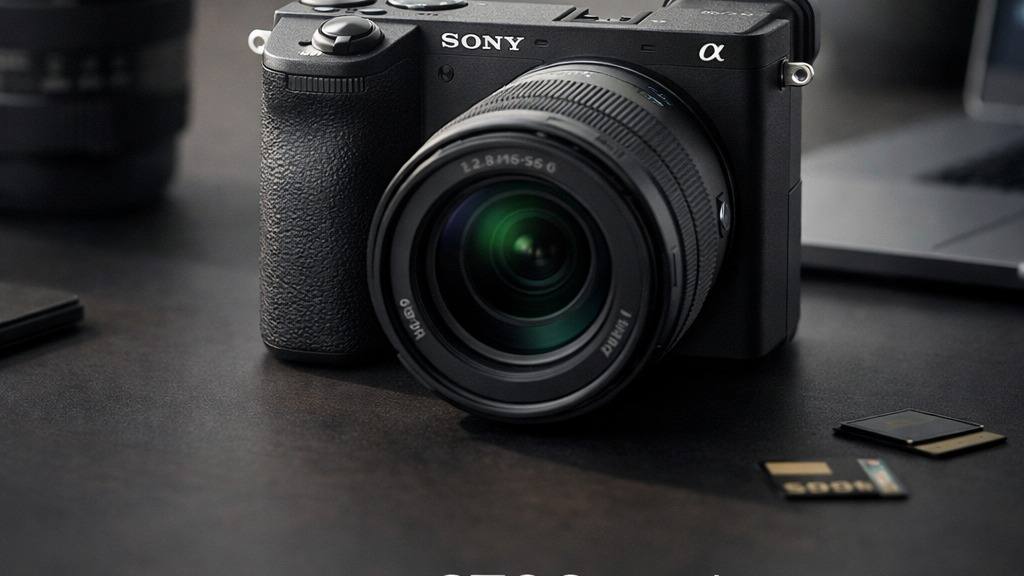
The Sony a6700 is the serious hybrid camera. It moves to a newer 26MP back-illuminated APS-C sensor, adds Sony’s AI recognition system, brings 5-axis in-body image stabilization, uses the larger NP-FZ100 battery, and offers much stronger 10-bit video options. It is the better camera, but not every buyer needs the upgrade.
For wider lineup context, start with the Sony A6000 series guide. For single-camera reviews, see the Sony a6400 review and Sony a6700 review.
For official baseline specs, Sony lists the a6400 specifications and a6700 specifications in its support documentation.
| Feature | Sony a6400 | Sony a6700 |
|---|---|---|
| Best for | Value, stills, travel, lighter budgets | Hybrid work, action, video, long-term use |
| Sensor | 24.2MP APS-C | 26MP APS-C Exmor R BSI |
| Autofocus | 425 phase-detect / 425 contrast-detect points | Up to 759 phase-detect points and AI subject recognition |
| Stabilization | No in-body stabilization | 5-axis in-body stabilization |
| Video | 4K 8-bit, S-Log2/S-Log3/HLG | 4K up to 120p, 10-bit 4:2:2 options |
| Battery | NP-FW50, about 360-410 CIPA stills | NP-FZ100, about 550-570 CIPA stills |
| Screen | Flip-up screen | Fully articulating vari-angle screen |
Who should buy the Sony a6400?
Buy the Sony a6400 if your priority is value. It is still an excellent APS-C camera for travel, portraits, family photography, street work, product photos, and general stills. The autofocus remains fast, the files are detailed, and the body is small enough to carry all day.
The a6400 also makes sense if you would rather spend money on lenses. A better prime or zoom can improve your photography more than moving from the a6400 to the a6700, especially if you mostly shoot still subjects.
I would choose the a6400 if you are budget-conscious, stills-first, or buying into Sony APS-C for the first time. It is also a smart second body if you already own E-mount lenses and want something compact.
Who should buy the Sony a6700?
Buy the Sony a6700 if you want the best current Sony APS-C body without moving to full frame. It is the better choice for wildlife, sports, kids running around, events, hybrid photo/video work, YouTube, travel filmmaking, and anyone who wants a camera that feels modern in daily use.
The a6700’s biggest upgrades are practical: better subject recognition, IBIS, stronger battery life, better grip, a front command dial, a fully articulating screen, USB-C, a headphone jack, and more serious video codecs. Those are not small spec-sheet differences. They make the camera easier to trust on long shoots.
I would choose the a6700 if you shoot a lot, use longer lenses, record video seriously, or want one APS-C camera to keep for years.
Sensor, autofocus, and image quality
The a6400 uses a proven 24.2MP APS-C sensor. The a6700 uses a newer 26MP back-illuminated APS-C sensor. In normal photography, the difference is visible but not dramatic. Both cameras can produce excellent files with good lenses.
The a6700 has a small edge in high ISO work, shadow recovery, and modern JPEG/HEIF processing, but the bigger upgrade is not megapixels. It is the autofocus system around the sensor. Sony lists the a6700 with recognition targets for humans, animals, birds, insects, cars, trains, and airplanes, while the a6400 belongs to an older autofocus generation.
In practice, the a6400 is still reliable for portraits, travel, family, and moderate action. The a6700 is the one I would want for birds, pets, sports, unpredictable movement, and video tracking. If your subjects move quickly, the a6700 gives you more margin for error.
Video features that matter in practice
The a6400 was a strong creator camera when it launched, and it still works for simple YouTube, travel clips, and talking-head video. It records good-looking 4K, has S-Log2, S-Log3, and HLG, and does not have the old 30-minute recording limit. But it is an 8-bit camera with no IBIS, no headphone jack, and an older screen design.
The a6700 is in a different league for video. It offers 10-bit 4:2:2 recording options, 4K up to 120p, active stabilization modes, better subject recognition during video, a fully articulating screen, USB-C, headphone monitoring, and a more creator-friendly body. If video is a serious reason you are buying the camera, the a6700 is the clear winner.
- Sony a6400 video: still good for simple 4K, casual creator work, and budget hybrid shooting.
- Sony a6700 video: better for 10-bit grading, action, handheld work, long sessions, and serious hybrid creators.
- Neither camera: replaces a cinema body, but the a6700 is much closer to a modern hybrid tool.
Handling, battery life, and lens pairing
The a6400 is smaller and lighter, which is part of its charm. With compact primes or a small travel zoom, it feels quick and discreet. The downside is that the grip is shallow, the older menu system feels dated, and the NP-FW50 battery is only adequate.
The a6700 is still compact, but it is more comfortable. The deeper grip helps with lenses like the Sony 70-350mm, Tamron 17-70mm f/2.8, or Sigma primes. The front command dial and newer menu system also make it faster to operate once you know what you are doing.
The battery difference is a major reason to choose the a6700. Sony rates the a6400 around 360 shots with the viewfinder or 410 with the LCD. The a6700 jumps to roughly 550 with the viewfinder or 570 with the LCD. If you travel, shoot events, or record video, that difference is felt immediately.
Price, value, and whether the upgrade is worth it
The a6400 is the smarter buy when price matters most. It is often available used or discounted, and the money saved can go toward a better lens. For stills-first photographers, that can be the more intelligent setup.
The a6700 is worth the upgrade when the camera is part of serious creative work. If you need IBIS, stronger subject detection, better video, a bigger battery, and better handling, the a6700 earns its price. It is not just a slightly newer a6400; it is the modern replacement for photographers who have outgrown the older body.
My practical rule: buy the a6400 if you mostly shoot stills and want value. Buy the a6700 if you shoot action, wildlife, video, or want one APS-C body that will feel current for longer.
Frequently asked questions
Is the Sony a6700 worth upgrading to from the a6400?
Yes, if you shoot action, wildlife, video, or want IBIS and stronger subject recognition. If you mostly shoot casual stills, travel, or portraits, the a6400 can still be enough.
Does the Sony a6700 take better photos than the a6400?
It can, but the difference is not huge for normal still photography. The a6700 has a newer 26MP sensor and better processing, but the biggest real-world upgrade is autofocus, stabilization, and handling.
Which is better for video, the Sony a6400 or a6700?
The a6700 is much better for video. It adds 10-bit recording options, 4K up to 120p, in-body stabilization, headphone monitoring, USB-C, and a fully articulating screen.
Is the Sony a6400 still worth buying in 2026?
Yes. The a6400 is still worth buying if you want a compact Sony APS-C body for stills, travel, and simple video at a lower price. It is less compelling if you need modern video tools or stabilization.
Should I buy the a6400, a6600, or a6700?
Buy the a6400 for value, the a6600 if you find a good used deal and mainly want IBIS plus better battery life, and the a6700 if you want the most modern autofocus and video features in the Sony APS-C line.
Key takeaways
- The a6400 is still the value pick for stills-first Sony APS-C buyers.
- The a6700 is the better modern hybrid camera.
- The a6700 adds IBIS, a bigger battery, stronger autofocus recognition, USB-C, and 10-bit video.
- Image quality improves, but not enough by itself to justify the upgrade for casual stills.
- If the budget allows, the a6700 is the better long-term body; if not, the a6400 remains a smart buy.
Last update on 2026-06-14 / Affiliate links / Images from Amazon Product Advertising API