


Why are digital cameras coming back?
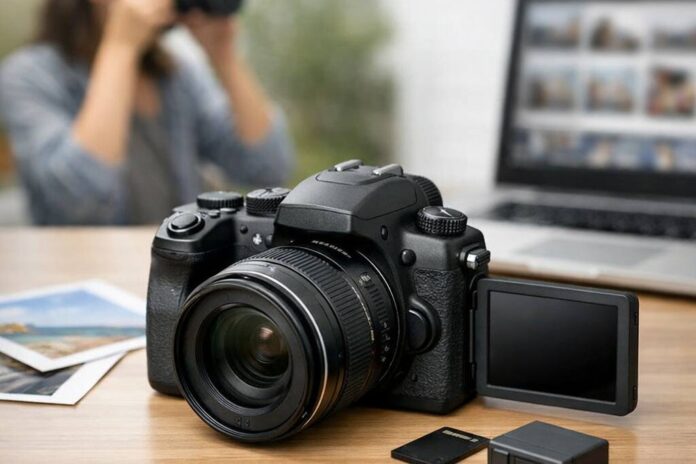
Digital cameras are coming back because more buyers want image quality, zoom range, and a shooting experience that smartphones still cannot fully match. The data also shows digital cameras making a comeback in the categories that matter most right now, especially mirrorless bodies and premium fixed-lens models. If you are wondering why digital cameras are making a comeback, the answer is not nostalgia alone: better optics, larger sensors, and more deliberate handling still solve real problems for travelers, parents, creators, and enthusiasts. In other words, digital cameras coming back is less about replacing phones and more about reclaiming the situations where dedicated hardware still delivers a better result. If you are trying to work out whether a separate camera makes sense for you, start with digital camera essentials before chasing a specific model.
What the 2026 data actually says
The strongest evidence comes from CIPA, the Camera & Imaging Products Association, which tracks global camera shipments. According to CIPA’s February 2026 outlook, total digital camera shipments rose from 8,490,227 units in 2024 to 9,438,876 units in 2025. That is an 11.2% year-on-year increase. The most striking growth came from built-in lens cameras, which rose from 1,880,414 units to 2,436,911 units, up 29.6%.
Interchangeable-lens cameras also grew, though more modestly, from 6,609,813 units in 2024 to 7,001,965 units in 2025. Within that category, mirrorless bodies remained the real engine of the market, climbing from 5,612,205 units to 6,311,054. DSLR shipments, by contrast, continued to decline.
That is the key distinction many articles miss. The comeback is not a broad revival of every type of digital camera. Cheap point-and-shoots are not suddenly reclaiming the world from phones. The growth is concentrated in categories that offer something phones do not: better optics, larger sensors, longer zoom ranges, more deliberate handling, or a shooting experience people genuinely enjoy.
The used market tells a similar story. MPB’s market reporting has shown strong demand for premium fixed-lens cameras, and its 2026 analysis highlights fixed-lens cameras as the fastest-growing segment in the new camera market in 2025. Earlier MPB used-market data also showed premium fixed-lens models carrying a meaningful share of both used-market value and volume, with cameras like the Fujifilm X100 series, Ricoh GR III, Leica Q line, and Canon PowerShot G7 X II standing out.
Why some cameras are back in everyday life
As a photographer, the biggest reason is not nostalgia. Nostalgia helps marketing, but it is not enough to drive sustained demand. The real reason is that people have become more aware of the limits of phone photography once the novelty wears off.
Phones are brilliant at convenience. They are weaker at intention. The more you care about timing, framing, lens character, background separation, motion, or consistency across difficult light, the more a dedicated camera starts to make sense again. That is especially true once you move beyond casual snapshots and begin wanting photos that look different from the default phone look.
There is also a cultural shift at work. Some buyers want a camera that feels like a tool rather than a feed-delivery machine. They want a viewfinder, a physical shutter, and a file that has not already been aggressively processed before they even see it. That desire is real, and it has helped push interest toward fixed-lens compacts, premium travel zooms, and small mirrorless bodies.
Where a dedicated camera still beats a phone
1. Low light that is not completely static
Smartphones can produce impressive night photos of static scenes because computational photography stacks multiple frames and cleans them aggressively. But once your subject is moving, or the light is mixed and ugly, a camera with a larger sensor and a fast lens usually gives you cleaner files and more believable detail. Indoor family photos, evening street scenes, concerts, and restaurant interiors are common examples. If you are weighing that tradeoff directly, our best smartphone cameras for photography in 2026 guide is the natural comparison point.
2. Subject separation that looks natural
Phone portrait modes have improved, but they still depend on software interpretation. Hair, glasses, transparent objects, and fine edges can still break the illusion. A real lens at a real focal length produces background blur that looks natural because it is optical, not simulated. For portraits, detail shots, food, pets, and documentary-style travel images, that difference still matters.
3. Long zoom and distant subjects
This is one area where the gap remains obvious. If you photograph wildlife on a walk, your child playing on a large pitch, or details from the far side of a city square, a phone’s digital crop is simply not a substitute for real reach. One reason built-in lens cameras have grown is that travel zooms and superzooms solve a problem phones still solve poorly. For readers focused on reach rather than pocketability, see our guide to digital cameras with good zoom.
4. Fast timing and repeatable handling
Good cameras are easier to operate quickly and deliberately. A shutter button with half-press focus, a mode dial you can trust, custom buttons, and predictable exposure behavior all help when moments move fast. Modern phones are quick, but they are also dependent on touch interactions, processing assumptions, and screen visibility. That is not always the right tool for reactive photography.
5. Files with more editing headroom
If you like to edit with restraint instead of letting software decide the final look, cameras still have an edge. RAW files from APS-C, Micro Four Thirds, full-frame, and even many 1-inch sensor compacts leave more room for recovering highlights, correcting white balance, and controlling noise. That matters if you print, deliver work, or simply want cleaner files over time.
Where phones still win, decisively
Any honest article on this topic has to say this plainly: the smartphone remains the best everyday camera for most people. It wins on availability, sharing, backup, geotagging, editing, and frictionless posting. It is also better than many people admit in good light.
If your main use case is quick family snaps, notes-to-self, group shots, restaurant photos, or social posting within minutes, your phone is still the smarter choice. For casual users, convenience beats marginal quality gains almost every time.
It is also worth saying that some camera buyers chase a feeling rather than a result. That is fine, but it is different from saying a camera will automatically improve your photography. If a separate device is too bulky, too slow to transfer from, or too expensive to justify, it will stay at home. The best camera is not the one with the best spec sheet. It is the one you will actually carry.
Which camera types are benefiting most
Premium fixed-lens cameras
This is probably the clearest winner. Cameras such as the Fujifilm X100 series, Ricoh GR III, Leica Q line, Sony RX100 series, and Canon G7 X line all appeal for the same reason: they offer a meaningful photographic experience without asking you to carry a full system. They are small, quick, and optically more distinctive than a phone. If this is the segment you are shopping, our best digital compact cameras for 2026 roundup is worth reading next.
These cameras also align well with how many people actually shoot now. They work for travel, street photography, family moments, and creator workflows. They are not system replacements for everyone, but they are excellent everyday companions.
Small mirrorless bodies
Mirrorless cameras remain the strongest part of the interchangeable-lens market for a reason. They let you start small and grow later. A compact APS-C body with a 23mm, 27mm, 35mm, or 40mm equivalent lens can be a genuinely practical daily camera. For people who want better autofocus, better files, and lens choice without carrying a DSLR-sized bag, mirrorless is the obvious entry point. If value matters most, start with our best budget mirrorless cameras in 2026 guide, which is one of the strongest entry pages on the site right now.
Used compacts and enthusiast cameras
Not every used camera is worth buying, but the interest is real. Older compacts and enthusiast cameras are attractive because they often deliver a look, interface, or size that modern phones cannot replicate. The risk, of course, is that online hype has pushed some prices beyond what the cameras are really worth. A charming old compact is only a good buy if its battery, storage format, lens, and autofocus still fit how you shoot.
What buyers get wrong about the comeback
The biggest mistake is assuming any dedicated camera will beat any phone. That is false. A mediocre old compact with a tiny sensor may produce files that look worse than a current flagship smartphone in many real-world situations. The comeback is not about every old camera becoming magical. It is about certain cameras offering a more useful blend of optics, handling, portability, and image quality.
The second mistake is confusing internet hype with long-term value. A few cameras have become trendy because of TikTok, YouTube, or celebrity visibility. That can distort prices fast. Buy the camera for what it does, not for the fantasy that its resale value will keep climbing.
The third mistake is ignoring workflow. If you hate importing files, carrying batteries, and maintaining another device, then a camera may not improve your life even if it improves your photos. Friction matters.
Who should actually buy a dedicated camera in 2026?
You should seriously consider one if most of the statements below sound like you:
- You care about low-light quality beyond what your phone gives you.
- You want natural-looking background blur instead of software simulation.
- You shoot children, pets, street scenes, events, or travel and want more reliable timing.
- You enjoy the process of photography enough to carry a separate tool.
- You want zoom reach or lens choice your phone cannot match.
- You plan to edit, print, or archive your images seriously.
You probably do not need one if your priorities are speed, convenience, instant sharing, and minimal gear. In that case, your phone is already doing the job well.
FAQ
Are digital cameras coming back in 2026?
Yes, but selectively. The clearest growth is in mirrorless cameras, premium fixed-lens models, and some enthusiast compacts rather than in every low-end point-and-shoot category.
Why are digital cameras making a comeback?
They offer better zoom, cleaner files, more natural subject separation, and a more intentional shooting experience than phones in many real-world situations.
My verdict
Yes, digital cameras are making a comeback in 2026, but the comeback is selective, not universal. The strongest momentum is in mirrorless cameras, premium fixed-lens models, and certain used enthusiast cameras. Phones still dominate casual everyday photography, and they will continue to do so. But for people who want better optics, cleaner files, more reach, and a more intentional way of shooting, dedicated cameras are clearly relevant again.
That is the real story. Cameras are not replacing phones. They are reclaiming a space that phones cannot fully cover.