
You pick up a camera for the first time, excited to explore photography, only to find yourself staring at endless gear options and price tags. It feels like everyone says you need expensive equipment, but your goal is simple: capture stunning moments without overspending.
The good news is, you do not need a high-end kit to create powerful images. This article will walk you through seven must-know tips for getting the most out of a cheap dslr camera in 2026. You will discover how to maximize affordable gear, use smart settings, and apply creative techniques that make your photos stand out. Ready to make your budget work for you and start capturing images you are proud of? Let us dive in.
Contents
- Understanding cheap DSLR cameras in 2026
- 7 must-know cheap DSLR camera tips for beginners in 2026
- 1. Master the basics of exposure settings
- 2. Use affordable accessories to enhance your photography
- 3. Learn to compose striking images without expensive lenses
- 4. Optimize your camera settings for the best results
- 5. Practice low-light photography on a budget
- 6. Edit your photos with free or low-cost software
- 7. Join online communities for feedback and inspiration
- How to keep improving your skills on a budget
- Frequently asked questions about cheap DSLR cameras for beginners
Understanding cheap DSLR cameras in 2026
Starting out in photography, I remember how the term cheap DSLR camera was often associated with compromise. In 2026, that perception has shifted dramatically. Now, a cheap DSLR camera is defined less by what it lacks and more by how much value it delivers for a modest price. Thanks to rapid advances in sensor technology, processing power, and manufacturing, entry-level models offer impressive capabilities that were once reserved for mid-tier cameras.
Most cheap DSLR camera options today include APS-C size sensors, which provide excellent image quality and depth of field control. You will typically find reliable autofocus systems, built-in Wi-Fi or Bluetooth for easy sharing, and a selection of manual controls that let you learn the fundamentals. While you may not get weather sealing or ultra-high burst rates, these cameras are more than capable for everyday photography tasks.
Let’s break down the features you can expect:
- Sensor size: Usually APS-C, balancing quality and cost
- Autofocus: Fast enough for family, travel, or hobby use
- Connectivity: Simple wireless transfers to your device
- Manual controls: Essential dials and buttons for creative control
- LCD screens: Articulating or fixed, clear for reviewing shots
How do these stack up against professional models? Here’s a quick comparison:
| Feature | Cheap DSLR Camera | High-End DSLR |
|---|---|---|
| Sensor Size | APS-C (sometimes Full Frame) | Full Frame |
| Autofocus Points | 9–39 | 45–153 |
| Burst Rate | 3–6 fps | 10–20 fps |
| Build Quality | Plastic, lightweight | Magnesium alloy, weather-sealed |
| Connectivity | Wi-Fi/Bluetooth | Wi-Fi/Bluetooth, GPS |
For most beginners, a cheap DSLR camera covers all the essentials. The key is to recognize your camera’s strengths, such as portability and ease of use, and to be aware of its limitations, like lower burst rates or fewer autofocus points.
One of the most exciting changes in 2026 is how manufacturers addressed previous issues. Entry-level models now deliver better low-light performance, faster menu navigation, and improved battery life. Usability has taken a leap forward, making it easier for newcomers to get comfortable with manual settings and creative controls.
When choosing a cheap DSLR camera, focus on what matters to you. Do you want something light for travel? Is video important for vlogging or social media? Are you capturing family memories or starting a creative hobby? Prioritize image quality, user-friendly menus, and reliable autofocus. For a curated list, you might find the Best DSLR cameras under $1000 helpful for comparing the top-rated affordable options available this year.
Common use cases include travel photography, family gatherings, sharing moments on social media, and developing your artistic eye. According to recent industry statistics, the popularity of cheap DSLR camera models among new photographers has grown by over 20 percent in the past year alone. This surge reflects a wider trend: more people are discovering that you do not need to spend a fortune to capture stunning images and start your photographic journey.
7 must-know cheap DSLR camera tips for beginners in 2026
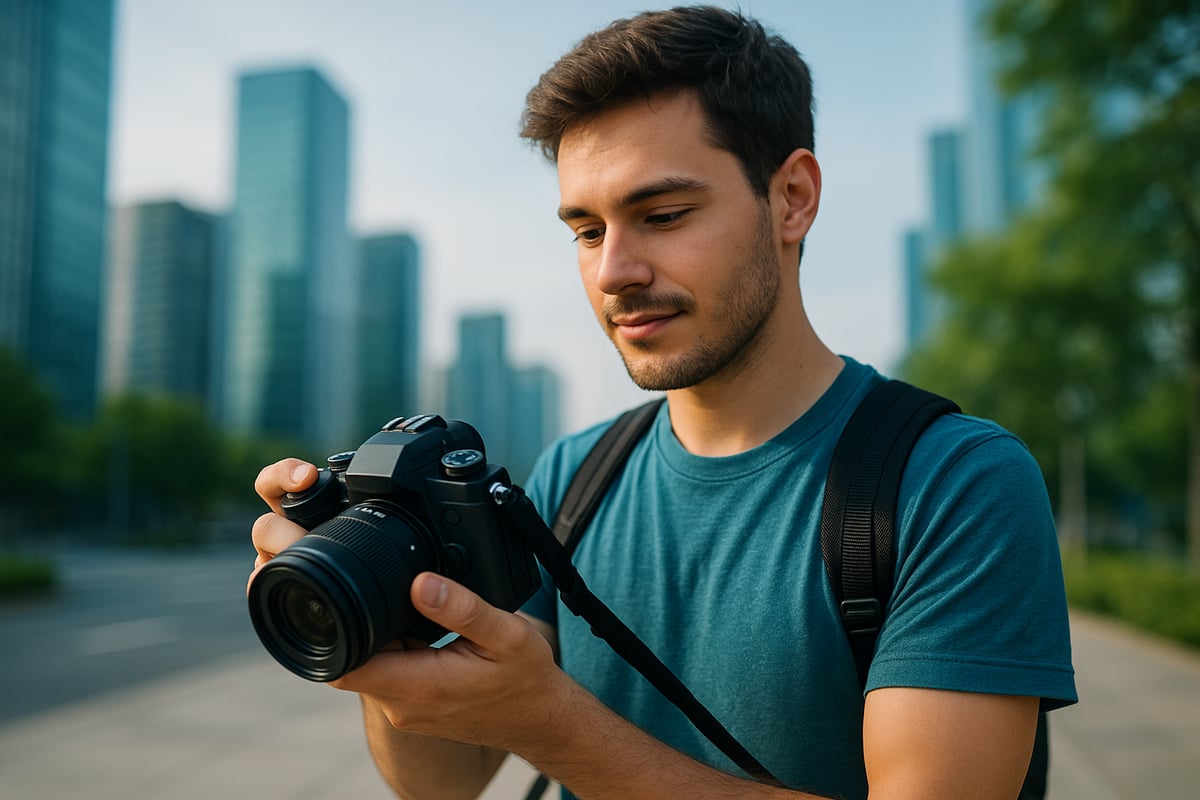
Starting out with a cheap dslr camera can feel like standing at the edge of a vast landscape, unsure where to step first. With so many features and settings, it is easy to get lost. The good news is you do not need expensive gear to take stunning photos. What matters most is how you use what you have. Here are the seven must-know tips every beginner should master in 2026 to get the most from a cheap dslr camera.
1. Master the basics of exposure settings
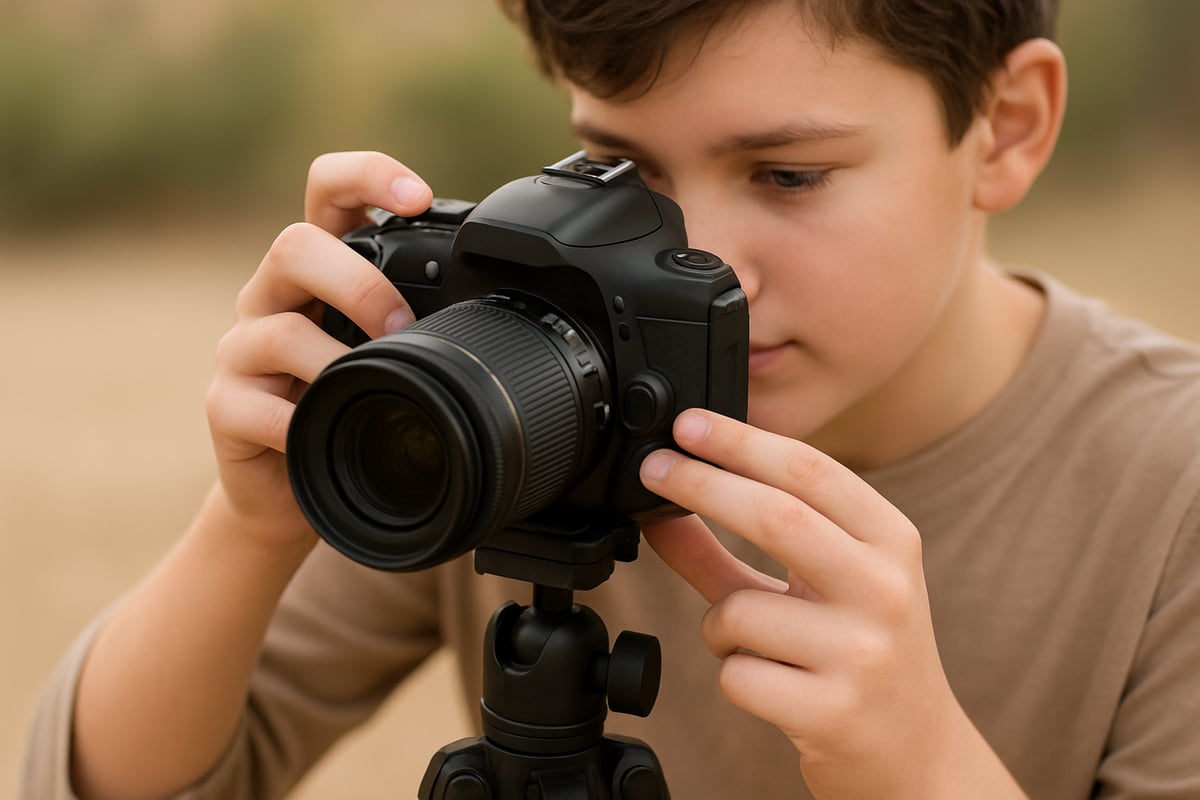
Understanding exposure is the foundation of photography, whether you are using a cheap dslr camera or a top-tier model. The exposure triangle – ISO, shutter speed, and aperture – determines how light or dark your image appears.
- ISO: This controls your camera’s sensitivity to light. Lower ISO values are ideal for bright conditions, while higher ISO helps in low light but can introduce noise.
- Shutter speed: This determines how long the sensor is exposed to light. Fast shutter speeds freeze motion, while slow speeds can create motion blur for creative effects.
- Aperture: This is the size of the lens opening. A wider aperture (lower f-number) lets in more light and creates a blurry background, while a narrower one keeps more of the scene in focus.
Start by using your cheap dslr camera in aperture or shutter priority mode to see how changing one setting affects the others. Practice in different lighting—indoors, outdoors, morning, and evening. Try photographing a moving subject with various shutter speeds, or a portrait with different apertures to see how the background changes.
Focus on balancing the settings for proper exposure. If your photos are too dark, increase ISO or widen the aperture. If they are too bright, use a faster shutter speed or lower ISO.
Most cheap dslr cameras in 2026 have built-in exposure meters and highlight warnings. Use these tools to guide your adjustments. Do not be afraid to shoot in manual mode as you gain confidence.
Above all, practice is key. The more you experiment, the better you will understand how your cheap dslr camera responds to different settings. If you want more step-by-step guidance, check out these Photography Tips for Beginners for extra exercises and inspiration.
2. Use affordable accessories to enhance your photography
You do not need a suitcase full of gear to create beautiful images with a cheap dslr camera. A few well-chosen, budget-friendly accessories can make a world of difference.
Start with a sturdy but affordable tripod. It is essential for sharp photos in low light, group shots, and creative long exposures. Look for lightweight models that are easy to carry.
Lens filters, such as UV or polarizing filters, are inexpensive and protect your lens while adding creative options. A polarizer can deepen skies and reduce glare, even with a kit lens.
Remote shutters are another affordable tool. They help you avoid camera shake during long exposures or self-portraits.
Cleaning kits are a must for keeping your cheap dslr camera and lenses in top condition. Dust and smudges can ruin an otherwise perfect shot.
If you are handy, try DIY solutions. A piece of white cardboard works as a reflector for portraits. Use a ziplock bag as a rain cover in a pinch.
Consider buying second-hand or refurbished accessories. Many local camera shops and online marketplaces offer quality gear at a fraction of the cost.
When you travel or shoot outdoors, use padded bags or cases to protect your gear. Always check your accessories before heading out to ensure everything is working.
These simple additions can expand what you can do with your cheap dslr camera, letting you focus on creativity rather than limitations.
3. Learn to compose striking images without expensive lenses
Many beginners believe they need costly lenses to take great photos. In reality, you can achieve impressive results with just the kit lens that comes with your cheap dslr camera.
Composition is your most powerful tool. Start with the rule of thirds—imagine your frame divided into nine equal parts and place your subject at the intersections. This creates a more dynamic image.
Use leading lines, like roads or fences, to draw the viewer’s eye through the photo. Framing your subject with natural elements, like branches or doorways, adds depth.
Symmetry can create a sense of calm and order. Look for reflections or balanced scenes and position your camera to highlight these elements.
Experiment with different angles and perspectives. Shoot from low to the ground for a dramatic look, or find a high vantage point for a fresh view.
Pay attention to backgrounds. A cluttered or distracting background can take focus away from your subject. Move around until you find a clean, simple backdrop.
Light and shadow play a huge role in composition. Use side lighting for texture, or backlight your subject for a silhouette effect.
In-camera tricks like adjusting your focus point or using your lens’s zoom creatively can help tell a stronger story. Remember, with a cheap dslr camera, how you compose the shot often matters more than the lens you use.
4. Optimize your camera settings for the best results
Getting the most out of a cheap dslr camera starts with understanding its menu and settings. Even entry-level models in 2026 offer powerful customization options.
First, set your image quality to the highest available. If your camera offers RAW, use it for maximum editing flexibility. If you prefer simple sharing, high-quality JPEG works well.
White balance controls how colors appear in your photos. Use presets for daylight, shade, or tungsten lighting, or set a custom white balance for tricky conditions.
Metering modes determine how your camera measures light. Evaluative or matrix metering is great for most scenes. For backlit subjects, try spot metering.
Focus points let you decide where the camera locks focus. Use single-point AF for portraits, or dynamic tracking for moving subjects.
Many cheap dslr cameras let you save custom settings as presets. This is a huge time-saver if you switch between shooting styles, like portraits and landscapes.
Regularly check for firmware updates from your camera’s manufacturer. These updates can improve performance, fix bugs, and sometimes add new features.
If you are unsure about a setting, refer to your manual or look up tutorials online. Troubleshoot common issues like blurry images by checking your shutter speed or focus mode.
Choosing the right settings for each situation will help you get the best possible shots from your cheap dslr camera, no matter your subject.
5. Practice low-light photography on a budget
Low-light situations can challenge any photographer, especially when using a cheap dslr camera. However, with the right techniques, you can capture beautiful images after dark or indoors.
Start by maximizing available light. Position your subject near windows, streetlights, or candles. Even a simple desk lamp can make a difference.
Increase your ISO setting to make the camera more sensitive to light. Modern cheap dslr cameras handle moderate ISO values with minimal noise. Do not be afraid to experiment, but keep an eye on image quality.
Use slower shutter speeds to allow more light in. This works best with a tripod or stable surface to prevent blur. If you are handholding, brace your arms or lean against a wall.
A wide aperture lets in more light and creates a lovely background blur. Use your lens’s lowest f-number for best results.
Noise can be an issue in dim conditions. Many cheap dslr cameras have built-in noise reduction, but you can also clean up images later with editing software.
If your camera has a built-in flash, use it sparingly. The light can be harsh and unflattering. Try bouncing it off a ceiling or wall if possible, or use natural light sources.
Night photography is a great way to experiment and learn. Try shooting cityscapes, star trails, or candlelit scenes. Each attempt will teach you something new about your cheap dslr camera’s capabilities.
6. Edit your photos with free or low-cost software
Editing is where ordinary photos become extraordinary, and you do not need expensive programs to get started. Many free or affordable options work perfectly with images from a cheap dslr camera.
Some popular choices for beginners include GIMP, Darktable, and Snapseed. These programs offer powerful tools for basic adjustments.
Begin with simple edits:
- Crop to improve composition or remove distractions.
- Adjust exposure, contrast, and highlights to bring out details.
- Correct color balance if your photo looks too warm or cool.
- Sharpen slightly for crispness, but avoid overdoing it.
Editing can help overcome some limitations of a cheap dslr camera, such as slightly dull colors or minor exposure issues. The key is subtlety: enhance your image without making it look unnatural.
Organize your photos as you edit. Create folders by date or subject, and back up your work regularly to avoid losing precious memories.
Online tutorials and communities are a goldmine for learning. Many photographers share before-and-after examples, which can inspire you to try new techniques.
With a bit of practice, editing will become a natural part of your workflow, helping you get the most from your cheap dslr camera.
7. Join online communities for feedback and inspiration
Photography is a journey, and you do not have to walk it alone. Sharing your work and connecting with others accelerates growth, especially when starting with a cheap dslr camera.
Look for forums, social media groups, and online challenges dedicated to beginners. These spaces are filled with people eager to offer advice, feedback, and encouragement.
Posting your images and asking for constructive critique helps you spot areas for improvement. Do not be shy about asking questions, most communities are welcoming to newcomers.
Participating in photo challenges is a fun way to stretch your creativity and try new styles. Many groups host weekly themes or contests, giving you a reason to pick up your cheap dslr camera regularly.
Engage positively with others by commenting on their photos and sharing your own experiences. Collaboration and shared projects can lead to new friendships and creative breakthroughs.
Be mindful of privacy and copyright when sharing images online. Watermark your photos if needed and choose reputable platforms.
Many beginners have found rapid progress simply by being part of a supportive community. The encouragement and inspiration you gain can keep you motivated, even when you hit creative roadblocks.
Your cheap dslr camera is your ticket to a world of discovery. By learning from others and sharing your journey, you will find photography even more rewarding.
How to keep improving your skills on a budget
Photography is an ever-evolving craft, and the real magic happens when you keep pushing yourself to grow, no matter what gear you own. Even with a cheap dslr camera, your skills can reach impressive heights if you focus on learning, experimenting, and connecting with others. The journey is just as important as the destination.
Tap into free and affordable learning resources
Never underestimate the value of accessible knowledge. There are countless free tutorials, blogs, and YouTube channels dedicated to photography basics and advanced techniques. Local libraries often offer books on composition, lighting, and editing.
Online workshops and community meetups can be surprisingly affordable and provide hands-on experience. You might find open photo walks or collaborative projects in your area by searching local forums or social groups.
Set personal projects and analyze your progress
Motivation often comes from having a clear goal. Consider setting up personal projects or joining themed photo challenges. For example, commit to a 30-day photo diary or a weekly portrait series using your cheap dslr camera.
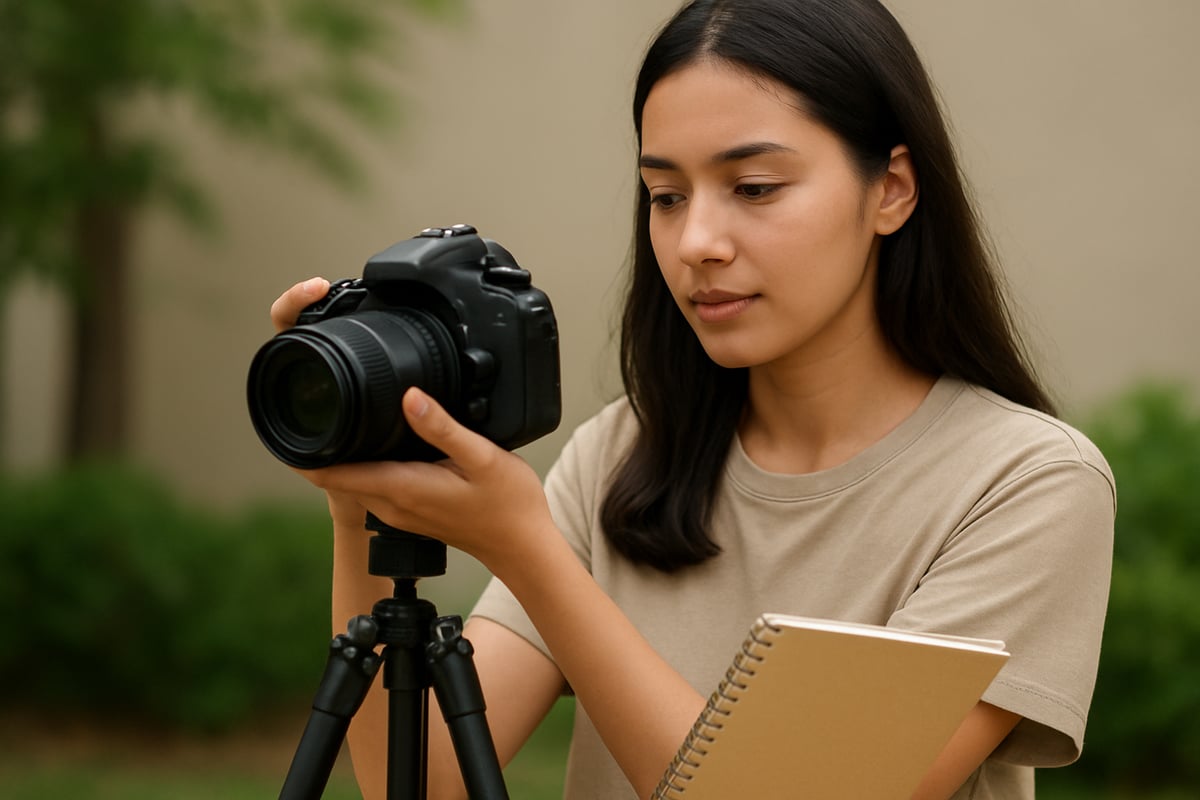
Keep your projects simple and focused. The aim is to practice regularly and see your growth over time. Reviewing your older images can reveal patterns, strengths, and areas for improvement. Track your settings, lighting, and composition choices in a notebook to build self-awareness and refine your style.
Diversify your portfolio with limited gear
You do not need a shelf full of lenses to build an impressive portfolio. Use your cheap dslr camera to explore different genres: landscapes, portraits, street, or macro photography. Each style teaches you something new about light, timing, and perspective.
Try shooting in various conditions and locations. Experiment with creative techniques like intentional blur, reflections, or silhouettes. Embrace mistakes as part of the process. Some of the most memorable shots come from happy accidents or bold creative risks.
Many photographers started with basic equipment and gradually developed a unique voice. Their stories prove that vision and persistence matter more than expensive gear.
Document your journey and inspire others
As you evolve, consider documenting your experiences. Share your progress, challenges, and breakthroughs through a blog or social media account. Not only will this keep you motivated, but you might also encourage others who are starting out with a cheap dslr camera.
Reflecting on your own story helps you appreciate how far you have come. It is also a reminder that photography is about growth, curiosity, and connection.
Frequently asked questions about cheap DSLR cameras for beginners
Starting out with a cheap dslr camera can lead to many questions, especially with so many new models in 2026. Here I address the most common concerns to help you make the most of your gear and grow as a photographer.
Is image quality from a cheap dslr camera good enough for serious photography?
Absolutely. Affordable DSLRs today have sensors and processors that rival older professional models. While you may not get every advanced feature, thoughtful use of exposure, composition, and editing can deliver impressive results. Many published photos and social media portfolios are created with budget gear.
How long can I expect my cheap dslr camera to last?
With proper care, entry-level DSLRs can last for years. Mechanical parts like shutters are rated for thousands of actuations. Regular cleaning and safe storage help extend lifespan. If you notice frequent errors or physical damage, it might be time to consider a replacement.
When should I think about upgrading my camera or lenses?
Upgrade when your cheap dslr camera consistently limits your creative goals, not just because new models appear. If you need faster autofocus, better low-light performance, or specialized lenses for new styles, that is a good sign you are ready to move up.
Are cheap DSLRs really worse than expensive ones for beginners?
Not at all. The gap between entry-level and high-end cameras has narrowed. For most learning scenarios, a cheap dslr camera covers all the essentials. The biggest differences are in build quality, speed, and advanced features, which most beginners do not need immediately.
What about resale value and upgrade paths?
Budget DSLRs hold value surprisingly well if kept in good condition. When you are ready to sell, popular brands and models are easy to trade online or locally. Many systems are compatible with used lenses and accessories, making upgrades affordable.
What should I do if my camera is not working properly?
Check the basics first: battery charge, memory card, and lens mount. Refer to your manual for error codes. If issues persist, try a reset or seek advice from online forums. For common troubleshooting tips, see the table below:
| Problem | Quick Fix |
|---|---|
| Blurry images | Clean lens, check focus |
| Camera won’t turn on | Charge battery, reset |
| Memory error | Reformat card |
| Stuck buttons | Gently clean area |
| Overexposed shots | Adjust settings |
Where can I find more beginner-friendly camera advice?
If you want to explore more options or compare beginner models, check out Essential cameras for beginners for detailed guides and recommendations.
Remember, the most important part is practice and learning. Your cheap dslr camera is a powerful tool for creativity and growth.