
The Canon G7X has maintained a remarkable presence in the compact camera market since its debut. Even in 2026, photographers still search for reliable information about this camera, wondering whether its combination of portability and image quality holds up against newer options. This canon g7x review draws from extensive real-world use across various shooting conditions to help you understand whether this compact powerhouse deserves a place in your camera bag. The original G7X launched over a decade ago, yet its fundamental design principles continue to influence how we think about premium compact cameras today.
Contents
- Understanding what makes the Canon G7X special
- Build quality and handling considerations
- Autofocus system and shooting speed
- Video capabilities worth mentioning
- Image quality across different scenarios
- Battery life and practical considerations
- Comparing value in the current market
- Raw file quality and processing latitude
- Firmware and software ecosystem
- Specialized use cases worth exploring
- Learning curve and skill development
- The broader G7X series context
- Common criticisms and honest limitations
- Advanced techniques and creative control
- Accessories worth considering
- Final perspective on long-term value
Understanding what makes the Canon G7X special
The Canon G7X series earned its reputation by addressing a specific need in the photography market. Photographers wanted something smaller than a DSLR or mirrorless camera but refused to sacrifice image quality completely. This compact camera delivers a 1-inch sensor packed into a body you can slip into a jacket pocket, creating a unique value proposition that smartphones still struggle to match.
What sets this camera apart is the combination of a large sensor with a bright f/1.8-2.8 aperture lens. The 24-100mm equivalent focal range covers most everyday shooting scenarios. You get genuine background blur at wide apertures, something your smartphone achieves through computational tricks rather than optical physics.
The physical controls matter more than spec sheets suggest. A control ring around the lens provides tactile feedback when adjusting settings, and the rear dial gives you quick access to exposure compensation. These elements create a shooting experience that feels intentional rather than menu-driven.
Sensor performance in practical terms
That 20.2-megapixel 1-inch sensor produces files with genuine depth and tonal range. The sensor size sits between typical smartphone sensors and APS-C formats, offering a meaningful step up in image quality while maintaining compact dimensions.
In good lighting conditions, the G7X captures excellent detail with natural color rendering. Files have sufficient dynamic range for moderate shadow recovery and highlight protection. The DIGIC image processor handles noise reduction reasonably well up to ISO 1600, though grain becomes visible beyond that point.
Low-light performance represents the clearest limitation. While the bright aperture helps, the smaller sensor struggles compared to larger formats when light fades. ISO 3200 produces usable results for web publication but shows noticeable noise in prints. The Canon G7X remains relevant even a decade after release due to this balanced approach to image quality and portability.
Build quality and handling considerations
The G7X feels substantial without becoming burdensome. Metal construction gives it a premium feel that cheap plastics never achieve. The camera weighs approximately 304 grams with battery and card, light enough for all-day carry yet heavy enough to feel stable during shooting.
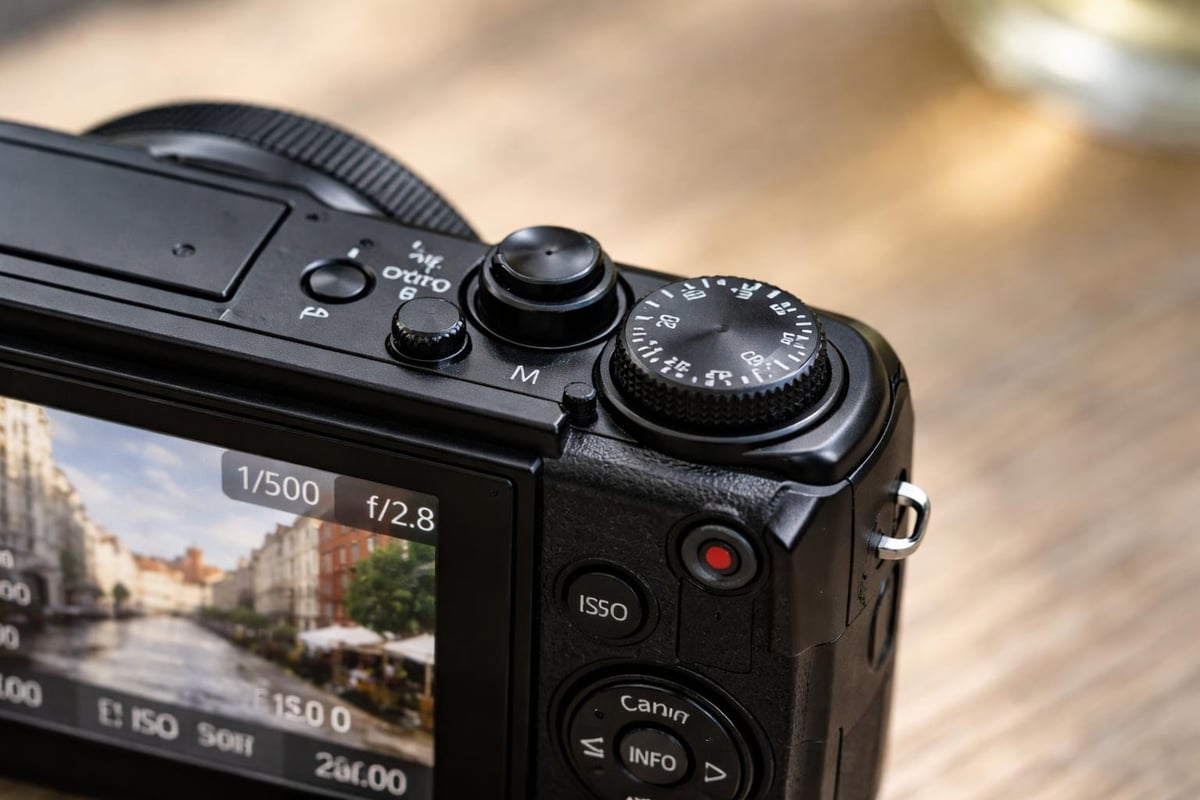
Grip design deserves attention because compact cameras often fail here. The G7X provides a modest front grip that your fingers naturally curl around. Combined with the textured thumb rest on the back, you get a secure hold that prevents accidental drops. The camera never feels like it might slip from your hand during single-handed operation.
Lens capabilities and optical performance
The built-in 24-100mm equivalent zoom lens offers genuine versatility. The f/1.8 maximum aperture at the wide end opens creative possibilities for shallow depth of field in portraits and food photography. At the telephoto end, f/2.8 remains respectable for a compact zoom.
Optical quality impresses across the focal range. Sharpness peaks around f/4 to f/5.6, with acceptable performance wide open. Some chromatic aberration appears in high-contrast edges, particularly at wider apertures, but remains manageable in post-processing. Distortion correction happens in-camera, so JPEG shooters never worry about barrel distortion at 24mm.
The lens retracts completely into the body when powered off, maintaining the compact form factor that defines this camera. Extension happens quickly when you power on, getting you ready to shoot in under two seconds. No lens hood ships with the camera, which sometimes causes flare issues in backlit situations.
Autofocus system and shooting speed
Canon equipped the G7X with a contrast-detection autofocus system that works adequately in good light. The camera focuses quickly when contrast is strong, locking onto subjects in a fraction of a second. Single-point AF proves reliable for static subjects, though the system hunts occasionally in lower contrast situations.
Face detection works reliably for people photography. The camera identifies faces and prioritizes focus on the nearest person, which simplifies shooting in social situations. Tracking moving subjects presents more challenges, as the contrast-detection system lacks the speed of phase-detection alternatives.
Continuous shooting reaches 6.5 frames per second with focus locked on the first frame. This speed handles casual action photography but falls short for serious sports or wildlife work. The buffer fills after approximately 23 RAW files, requiring a pause before you can continue shooting.
| Feature | Specification | Real-world impact |
|---|---|---|
| Continuous shooting | 6.5 fps | Adequate for casual action |
| Buffer depth | ~23 RAW files | Requires occasional pauses |
| AF system | Contrast detection | Good in bright light, struggles in dim conditions |
| Face detection | Yes | Simplifies people photography |
Video capabilities worth mentioning
The G7X records 1080p video at up to 60 frames per second, which was competitive at launch but feels dated in 2026. No 4K option exists on the original model, limiting its appeal for serious video work. However, Digital Trends notes strong image quality for its class, making it serviceable for casual video recording.
Video autofocus performs adequately during recording, though it sometimes hunts when subjects move quickly or lighting changes dramatically. Manual focus control requires menu diving, which disrupts the shooting flow. The built-in stereo microphone captures decent audio for casual use, but no external microphone input exists.
Stabilization during video recording comes from digital stabilization rather than optical methods. This approach introduces a slight crop and performs best when you maintain relatively steady hands. Walking shots show noticeable bounce despite stabilization efforts.
The tilting screen advantage
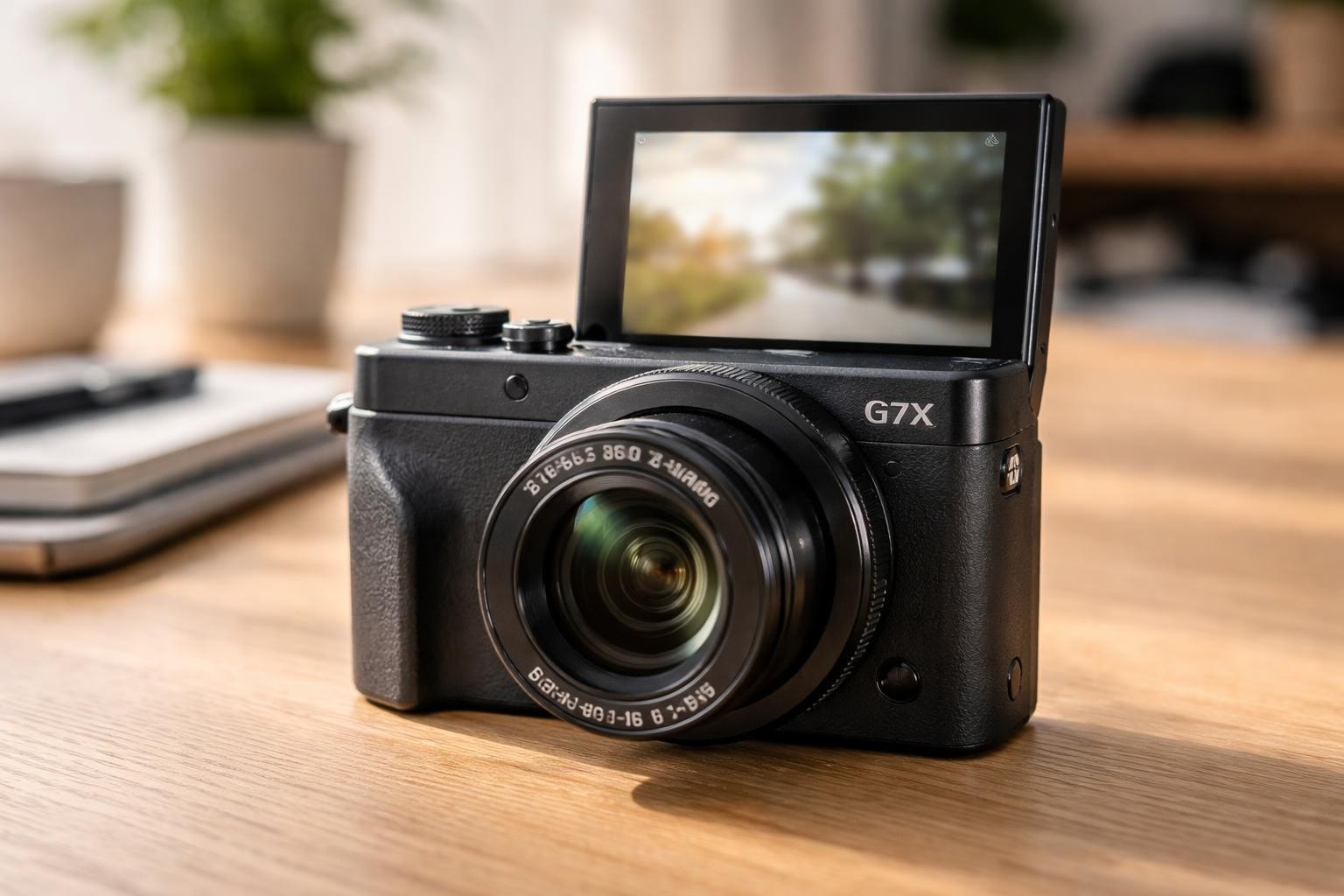
That 3-inch tilting touchscreen transforms how you compose images. The screen flips up 180 degrees and down 45 degrees, enabling selfies and low-angle compositions that would require guesswork with a fixed screen. Vloggers particularly appreciate the upward flip for monitoring themselves during recording.
Touch functionality extends beyond simple menu navigation. You can tap to focus and fire the shutter, creating an iPhone-like shooting experience when desired. Gesture controls allow pinch-to-zoom when reviewing images, matching the intuitive interactions we expect from modern devices.
Screen brightness proves sufficient for outdoor use in most conditions, though direct sunlight still makes viewing challenging. The 1.04-million-dot resolution shows enough detail for confirming focus and reviewing compositions, even if it doesn’t match the crispness of higher-resolution displays found on newer cameras.
Image quality across different scenarios
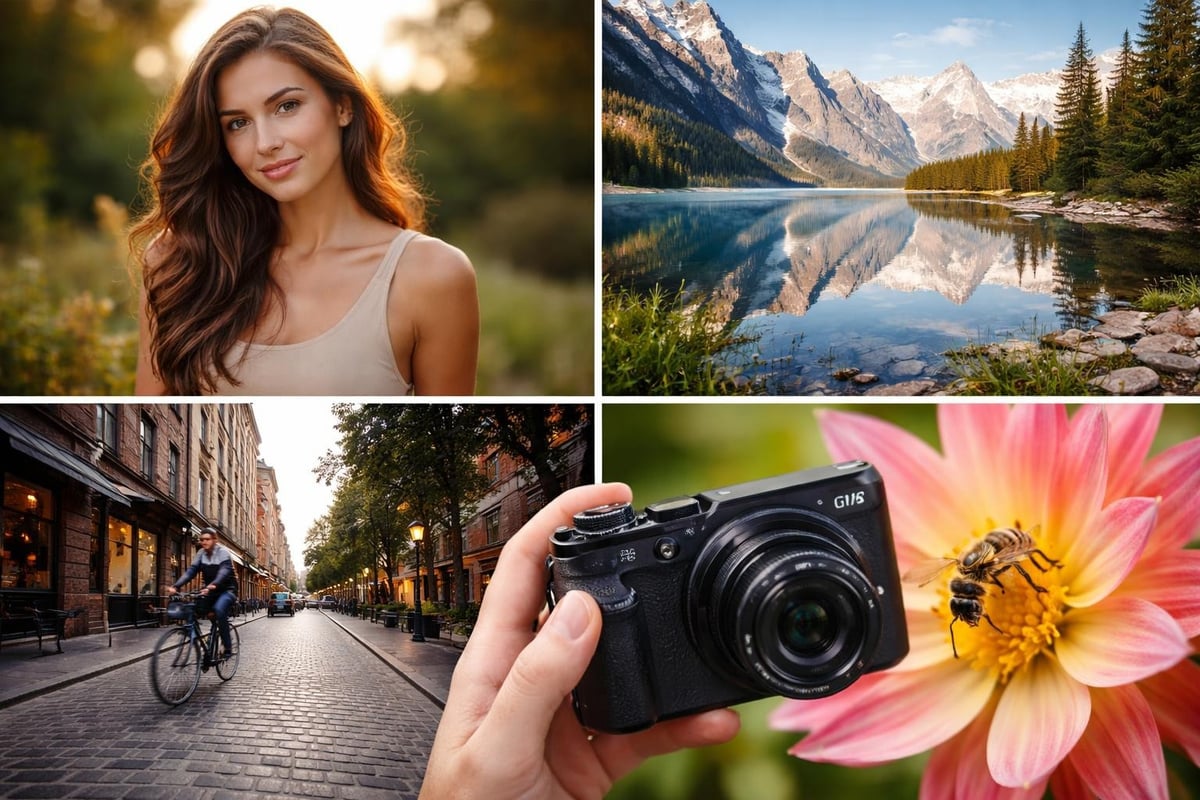
Real-world photography reveals where the G7X excels and where compromises become apparent. Portrait photography benefits from the bright aperture and pleasing background blur. Skin tones render naturally without excessive smoothing, and the focal length range lets you work at flattering distances.
Landscape photography works well in good light, though dynamic range limitations sometimes force bracketing decisions. The camera captures vibrant colors straight out of camera, though some photographers find Canon’s default color science slightly warm. RAW files provide adequate latitude for adjustments without falling apart.
Street photography suits this camera perfectly. The compact size draws less attention than larger cameras, and quick operation lets you capture decisive moments. The lens range covers most street photography needs, from environmental shots at 24mm to candid portraits at 100mm.
Food and product photography represents a sweet spot for the G7X. The close focusing distance of approximately 5cm at wide angle enables detailed macro-style shots. Combined with the bright aperture for background separation, you can create professional-looking images for blogs and social media.
Battery life and practical considerations
The NB-13L battery provides approximately 265 shots per charge according to CIPA standards. Real-world usage often falls short of this figure, particularly when using the LCD frequently or shooting video. Serious shooting days require at least one spare battery, maybe two if you plan extensive video recording.
Battery charging happens via the included charger rather than in-camera USB charging on the original model. This approach requires carrying the charger on trips, adding slight bulk to your travel kit. The battery charges fully in roughly two hours from empty.
Memory card compatibility includes SD, SDHC, and SDXC formats with UHS-I support. Fast cards improve buffer clearing and overall responsiveness. A single card slot means no backup option exists, so card reliability becomes crucial during important shoots.
Canon’s menu system on the G7X follows their traditional structure, which experienced Canon users will find familiar. New users face a learning curve as options spread across multiple tabs and sub-menus. Customization options let you assign frequently used functions to physical buttons, reducing menu diving during shoots.
The quick menu accessed by the dedicated button provides faster access to common settings. Shutter speed, aperture, ISO, white balance, and other essentials appear on a single screen. This approach speeds up shooting compared to diving into the full menu system.
Wireless connectivity enables image transfer to smartphones via the Canon Camera Connect app. The connection process works reliably once set up, though initial pairing sometimes requires patience. Remote shooting from your phone is possible, useful for group photos or creative setups.
Comparing value in the current market
In 2026, the used market offers original G7X bodies at attractive prices compared to launch. This creates interesting value propositions for budget-conscious photographers. The camera competes against newer budget compacts, older enthusiast models, and increasingly capable smartphones.
Against modern smartphones, the G7X offers superior optical zoom and larger sensor advantages. Background blur comes from actual optics rather than computational photography. Manual controls provide creative freedom that phone apps struggle to match completely.
Compared to entry-level mirrorless cameras, the G7X sacrifices image quality and versatility for unmatched portability. If you can accept the fixed lens and smaller sensor, you gain a camera that actually fits in your pocket rather than requiring a dedicated bag. For photographers seeking best cameras under 700$, the used G7X market offers compelling options worth considering.
| Camera aspect | G7X strengths | G7X limitations |
|---|---|---|
| Portability | Truly pocketable size | Fixed lens only |
| Image quality | Better than smartphones | Behind larger sensors |
| Lens range | Versatile 24-100mm | No telephoto reach |
| Price (used) | Affordable in 2026 | Original features dated |
Who benefits most from this camera
Travel photographers who refuse to compromise image quality for portability find the G7X appealing. The camera handles varied shooting scenarios without demanding bag space or weighing down your kit. Street photographers appreciate the discreet form factor that keeps them inconspicuous.
Content creators working primarily for web publication get excellent results from this camera. The image quality exceeds what most screens can display, and file sizes remain manageable for quick editing and uploading. Social media influencers particularly value the flip screen for selfie-style content.
Enthusiast photographers seeking a secondary camera to complement their main system discover versatility here. The G7X handles situations where you want creative control but can’t carry your full kit. Family events, casual outings, and backup duties all suit this camera well.
Raw file quality and processing latitude
Shooting RAW on the G7X provides noticeably more editing flexibility than relying on JPEGs alone. Canon’s CR2 files contain good information for recovery and adjustment, though they don’t match the latitude of larger sensor formats. Shadow recovery works well up to about two stops before noise becomes objectionable.
Highlight recovery proves more limited, emphasizing the importance of proper exposure. The camera tends to protect highlights aggressively, sometimes leaving shadows darker than expected. Exposure compensation becomes your friend, particularly in high-contrast situations.
Color information in RAW files gives you room to adjust white balance and color grading without quality degradation. Imaging Resource’s comprehensive conclusion highlights these processing capabilities as significant advantages over purely computational smartphone approaches.
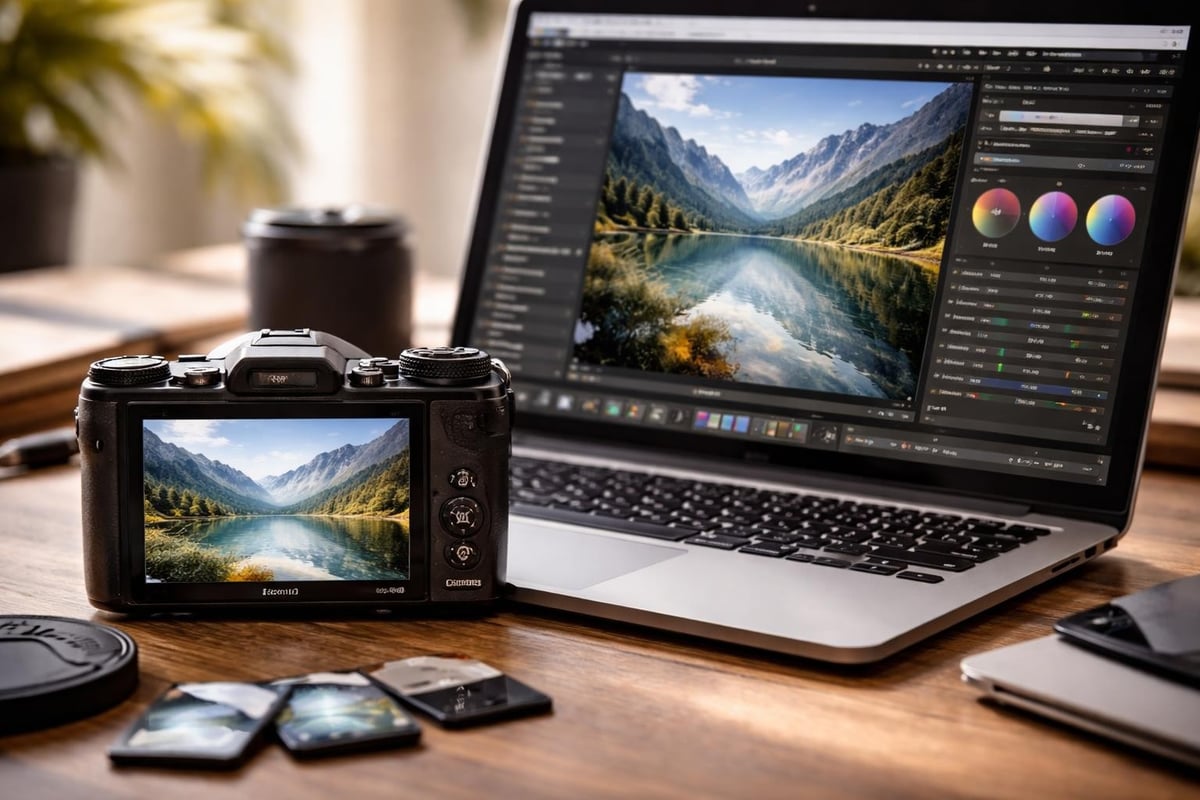
Third-party software like Adobe Lightroom handles G7X RAW files excellently, with proper lens correction profiles available. Processing speeds remain reasonable given the 20-megapixel resolution, allowing smooth workflow even on modest computers.
Firmware and software ecosystem
Canon provided firmware updates during the G7X’s active support period, addressing bugs and occasionally adding features. By 2026, firmware development has ceased, meaning current users work with the final available version. This mature firmware generally operates reliably without significant bugs.
The Canon Camera Connect app extends camera functionality to your smartphone. Beyond image transfer, the app enables remote shooting with live view on your phone screen. You can adjust basic exposure parameters and trigger the shutter remotely, useful for group photos or creative angles.
Desktop software options include Canon’s Digital Photo Professional for RAW processing or your preferred third-party alternatives. The camera appears as a mass storage device when connected via USB, simplifying file transfer without proprietary software.
Maintenance and longevity factors
The G7X’s mechanical components face minimal wear compared to cameras with interchangeable lenses. The fixed lens design eliminates sensor dust concerns, and the integrated nature means fewer points of potential failure. Proper care extends the camera’s useful life significantly.
The lens mechanism represents the primary mechanical concern. The extending lens barrel requires occasional cleaning to maintain smooth operation. Dirt or grit in the barrel mechanism can cause grinding or sticking, so protecting the camera in dusty environments matters.
Battery longevity decreases over time as all lithium-ion batteries degrade with charge cycles. Original batteries from 2014-2015 may need replacement by 2026, but aftermarket options remain readily available at reasonable prices. Quality third-party batteries often perform comparably to original Canon cells.
Specialized use cases worth exploring
Underwater photography represents an interesting niche for the G7X when paired with proper housing. Social Diving specifically reviews the G7X for underwater use, noting how the compact size and controls work well for diving. Dedicated underwater housings enable depths up to 40 meters while maintaining access to essential controls.
Astrophotography pushes the camera’s limits but remains possible with patience. The bright lens helps gather light for Milky Way shots, though the smaller sensor shows more noise than full-frame alternatives. Manual focus control enables infinity focus for stars, and bulb mode supports long exposures up to several minutes.
Document and product photography for small businesses works excellently with this camera. The image quality exceeds what most e-commerce platforms require, and the compact size simplifies setup in tight spaces. The tilting screen helps with overhead product shots commonly used in flat-lay photography.
Event photography in good lighting conditions produces satisfying results. The camera handles indoor events with adequate lighting, though dimly lit venues expose the sensor’s limitations. The silent shooting mode available in certain drive modes helps during ceremonies or performances where shutter noise would disturb proceedings.
Learning curve and skill development
The G7X serves as an excellent learning tool for photographers moving beyond full automatic modes. Manual exposure controls teach the exposure triangle relationship between aperture, shutter speed, and ISO. The immediate feedback from the rear screen helps connect settings to results.
Aperture priority mode gets heavy use from G7X photographers. This semi-automatic mode lets you control depth of field while the camera handles shutter speed selection. The bright aperture at wide focal lengths creates genuine background blur, teaching how aperture affects image aesthetics beyond simple exposure.
TechRadar’s balanced review discusses how the camera bridges automatic and manual shooting approaches. Photographers can start with automatic modes and gradually adopt manual controls as their skills develop.
Custom shooting modes let you save preferred settings for repeated scenarios. You might configure one custom mode for street photography with specific focus and drive settings, another for portraits with preferred aperture and white balance. This feature accelerates workflow once you understand your shooting preferences.
The broader G7X series context
Canon released the G7X Mark II in 2016 and Mark III in 2019, each iteration addressing criticisms while maintaining the core formula. The original model established the template that subsequent versions refined. Understanding this lineage helps evaluate whether the original G7X meets your needs or whether a later version better suits your requirements.
Mark II improvements included a faster processor, improved autofocus, and better low-light performance. The Mark III added 4K video, improved stabilization, and live streaming capabilities. Each generation commanded premium pricing at launch, while the original model became increasingly affordable on the used market.
For photographers prioritizing still image quality over video features, the original G7X delivers most of what later versions offer. The sensor and lens fundamentals remain similar across generations. If 1080p video suffices and you shoot primarily in good light, paying extra for newer features may not make sense.
Wikipedia provides comprehensive development history of the G7X series, placing the original model in proper context. This historical perspective helps understand how the camera industry evolved and where the original G7X fits in that evolution.
Common criticisms and honest limitations
No camera satisfies every use case, and the G7X has clear weaknesses alongside its strengths. The lack of viewfinder frustrates photographers accustomed to eye-level composition. Bright outdoor conditions sometimes make the rear screen difficult to see, forcing you to shield it with your hand or body.
Limited battery life ranks among the most common complaints. Photographers accustomed to DSLRs getting 800+ shots per charge find the G7X’s 265-shot rating disappointing. Multiple batteries become mandatory equipment rather than optional accessories for serious shooting sessions.
Autofocus speed and accuracy in low light lag behind modern mirrorless cameras with phase-detection systems. The contrast-detection approach hunts more frequently when light fades, occasionally missing focus on moving subjects. Patient shooting techniques help, but the camera sometimes misses decisive moments.
The fixed lens represents both strength and limitation. You gain portability and weather sealing at the lens mount, but you sacrifice the creative flexibility of interchangeable lenses. Photographers who frequently need wider than 24mm or longer than 100mm will find the range restrictive.
Advanced techniques and creative control
The G7X supports techniques that elevate it beyond simple point-and-shoot operation. Long exposure photography works well for creative effects like light trails or smooth water. The built-in neutral density filter enables slower shutter speeds even in bright conditions, extending creative possibilities.
Focus peaking available through the menu assists manual focus operation. This feature highlights in-focus areas with colored overlays, particularly useful for macro work or critical focus placement. Combined with focus magnification, you achieve precise focus control rivaling cameras with dedicated manual focus aids.
Exposure bracketing automates HDR photography by capturing multiple frames at different exposures. The camera takes three or five shots with varying exposure values, which you later merge in post-processing. This technique expands dynamic range beyond what the sensor captures in a single exposure.
Improve Photography analyzes whether the G7X meets advanced photographer needs, concluding that certain shooting styles benefit more than others. The camera rewards photographers who understand its strengths and work within its capabilities rather than fighting against limitations.
Accessories worth considering
A quality camera strap improves comfort and security during extended shooting. The included Canon strap works adequately, but aftermarket options like Peak Design’s Anchor Links system provide quick-release convenience. Wrist straps offer more compactness for photographers who prefer minimal bulk.
Extra batteries rank as essential rather than optional accessories. Third-party batteries from reputable manufacturers cost significantly less than Canon originals while offering comparable performance. Carrying two spare batteries ensures you never miss shots due to dead power.
Screen protectors prevent scratches on the LCD, protecting resale value and maintaining clear viewing. Tempered glass protectors offer superior protection compared to plastic films while maintaining touch sensitivity and clarity.
A compact camera case protects the G7X during transport without adding excessive bulk. Hard-shell cases provide maximum protection, while soft pouches prioritize portability. Belt-clip cases keep the camera accessible for street photography and travel situations.
| Accessory type | Purpose | Priority level |
|---|---|---|
| Extra batteries | Extended shooting sessions | Essential |
| Screen protector | LCD protection | Highly recommended |
| Camera strap | Comfort and security | Recommended |
| Protective case | Transport protection | Recommended |
| Memory cards | Storage and performance | Essential |
Final perspective on long-term value
This canon g7x review reflects years of real-world photography rather than brief hands-on impressions. The camera has survived countless shoots, trips, and challenges while delivering consistent results. Its value proposition in 2026 differs from 2014, but genuine utility remains for photographers who understand what they’re getting.
The G7X occupies a specific niche that smartphones haven’t completely conquered and larger cameras can’t match for portability. When image quality matters more than your phone provides but you refuse to carry a camera bag, this compact delivers. The creative control exceeds what computational photography achieves through software alone.
Buying used in 2026 means accepting dated video specs and older autofocus technology. You gain a proven design at attractive pricing, with plenty of real-world examples demonstrating what’s possible. The camera’s core strengths in portability, image quality, and handling haven’t diminished with age.
Understanding the G7X requires honest assessment of your priorities. If you primarily shoot landscapes requiring maximum dynamic range, larger sensors serve you better. If you document life while traveling light and value the camera you actually carry over the one left home, the G7X makes sense. The best camera remains the one you have with you, and the G7X’s pocketability ensures it’s there when moments happen.
The Canon G7X continues offering genuine value for photographers who prioritize portability without completely sacrificing image quality or creative control. Whether you’re considering a used original model or researching the broader G7X series, understanding this camera’s strengths and limitations helps make informed decisions. For comprehensive reviews, expert advice, and guidance on cameras across all price points and categories, Lens and Shutter provides the insights you need to choose gear that matches your photography vision and practical requirements.
Last update on 2026-04-04 / Affiliate links / Images from Amazon Product Advertising API