


The camera 35mm digital landscape is experiencing a remarkable resurgence as we approach 2026, with cutting-edge innovations attracting both seasoned professionals and passionate enthusiasts. New sensor technologies and advanced features are redefining what photographers can achieve, making this an exciting time for anyone eager to elevate their craft.
This guide is designed to help you navigate the evolving world of 35mm digital cameras. Inside, you will find expert insights on breakthrough sensor advancements, the best models for 2026, must-have features, practical tips, and predictions for the future.
Dive in and discover how to make the most of this photographic revolution.
Contents
- The evolution of 35mm digital cameras: a 2026 perspective
- Essential features to look for in a 35mm digital camera
- Top 35mm digital camera models in 2026: A comparative analysis
- Expert tips for getting the most from your 35mm digital camera
- The future of 35mm digital cameras: Trends and predictions for 2026 and beyond
The evolution of 35mm digital cameras: a 2026 perspective
The journey of the camera 35mm digital format is a story of relentless innovation and adaptation. As we approach 2026, these cameras have not only maintained their relevance, but have become central to the creative workflow of both professionals and serious enthusiasts alike.
Key milestones in 35mm digital camera development
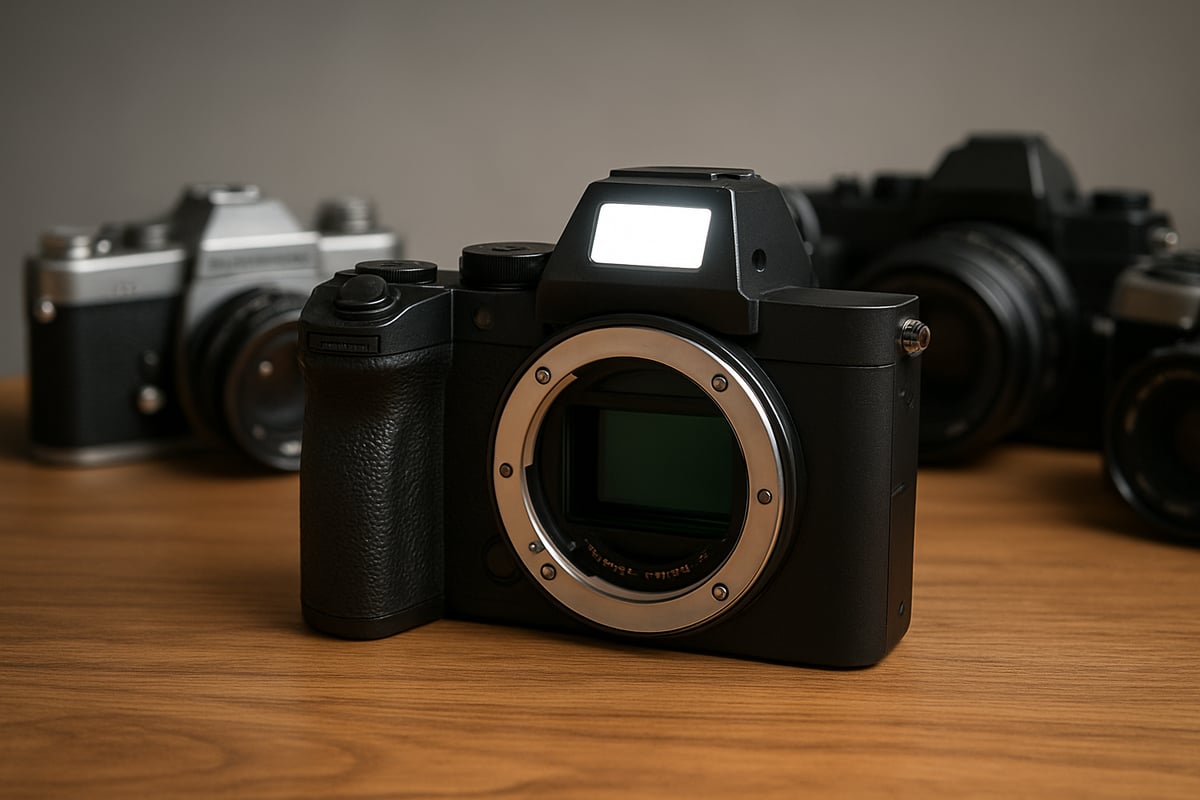
The shift from film to digital marked a defining chapter for the camera 35mm digital format. Full-frame sensors, matching the classic 35mm film size, became the gold standard for image quality and flexibility. This move allowed photographers to retain familiar perspectives and depth of field while benefiting from digital advancements.
From 2020 to 2026, the pace of progress has only accelerated. Sensor technology leaped ahead with the introduction of stacked CMOS and backside-illuminated (BSI) designs. These innovations brought dramatic improvements in low light performance, dynamic range, and readout speed. Processing power also took a quantum leap, enabling real-time AI-driven autofocus, subject tracking, and scene recognition.
Mirrorless systems played a pivotal role, shrinking the size and weight of the camera 35mm digital bodies without sacrificing performance. The removal of the mirror mechanism not only reduced mechanical complexity but also opened doors for faster shooting speeds and silent operation. Hybrid features, catering to both photographers and videographers, have become a must, with 8K video and advanced codecs now commonplace.
To illustrate how 35mm digital stacks up, consider this comparison:
| Sensor Format | Size (mm) | Strengths | Use Cases |
|---|---|---|---|
| APS-C | 23.6×15.7 | Compact, affordable, crop factor | Travel, hobbyist |
| 35mm Digital (FF) | 36×24 | Best balance: IQ, low-light, depth of field | Pro, enthusiast, hybrid |
| Medium Format | 44×33+ | Ultimate detail, dynamic range | Studio, landscape |
Market data reveals that the camera 35mm digital category continues to dominate the premium segment. Sales have shown resilience, especially as more hybrid creators demand tools that excel in both stills and video. Demographics are shifting too, with a younger generation embracing full-frame mirrorless models for their versatility. For a deeper dive into the newest models and their performance, Best digital cameras for photography offers a comprehensive look at what is currently leading the market.
Why 35mm digital still matters in 2026
The camera 35mm digital still represents the sweet spot for many photographers. Full-frame sensors deliver superior dynamic range, vibrant color, and beautifully shallow depth of field. This quality is crucial whether you are capturing the subtle hues of a sunrise landscape or the fine details in a portrait.
Versatility is another reason for its ongoing appeal. From wildlife to weddings, and from cinematic video to street reportage, the camera 35mm digital adapts seamlessly to different genres. Professionals appreciate the robust build, reliable autofocus, and the ability to push ISO without compromising image quality. Enthusiasts, on the other hand, value the creative freedom and future-proof investment.
Many leading photographers choose 35mm digital for their main system. For example, in wildlife photography, the fast burst rates and advanced subject tracking are game-changers. In portrait work, the ability to render smooth skin tones and natural bokeh sets full-frame apart from smaller formats. Whether you are an experienced pro or an ambitious hobbyist, the camera 35mm digital remains the heart of modern image-making.
Essential features to look for in a 35mm digital camera
Choosing the right camera 35mm digital is more than just picking the latest model. In 2026, the landscape is packed with innovation, but knowing what to prioritize makes all the difference. Whether you are upgrading or entering the full-frame world for the first time, these essential features help you make an informed choice.
Sensor technology and resolution
The heart of any camera 35mm digital is its sensor. In recent years, stacked CMOS and backside-illuminated (BSI) sensors have taken center stage, offering faster readout speeds and improved low-light performance. For those who shoot action or video, global shutter options are becoming more common, virtually eliminating rolling shutter artifacts.
Resolution is a balancing act. For most photographers, 24 to 36 megapixels is the sweet spot, providing ample detail without overwhelming storage or processing needs. However, landscape and commercial shooters may chase the 50MP+ range for massive print potential.
Sensor size and pixel pitch also shape image quality. A larger sensor with a sensible pixel pitch delivers better dynamic range and cleaner images at higher ISOs. If you are curious about the differences within full-frame designs, the article DSLR full-frame cameras explained dives into the nuances of 35mm sensor formats and their impact on image quality.
Autofocus and image stabilization
Autofocus has evolved rapidly. AI-driven subject tracking, eye and face detection, and even animal recognition now come standard on many camera 35mm digital models. These features make capturing sharp, decisive moments easier for both portraits and wildlife.
In-body image stabilization (IBIS) is another game-changer. Modern systems offer up to 7 or 8 stops of shake reduction, great for handheld shooting in low light. Fast burst rates, often upwards of 20 frames per second, combined with deep buffers, ensure you never miss the action. When testing a camera 35mm digital, always check how these features perform in real-world scenarios.
Connectivity and workflow
Today’s workflow is all about speed and flexibility. Look for a camera 35mm digital that supports Wi-Fi 6E and Bluetooth 5.3 for fast, reliable transfers. Cloud integration is becoming standard, letting you back up files directly from the field.
Dual card slots, typically one CFexpress and one SD, offer speed and redundancy. This setup is especially valuable for professionals who cannot risk data loss. USB-C and HDMI outputs round out the package, enabling tethered shooting, live streaming, and quick charging. Seamless connectivity keeps your creative process efficient, whether in the studio or on the move.
Ergonomics and usability
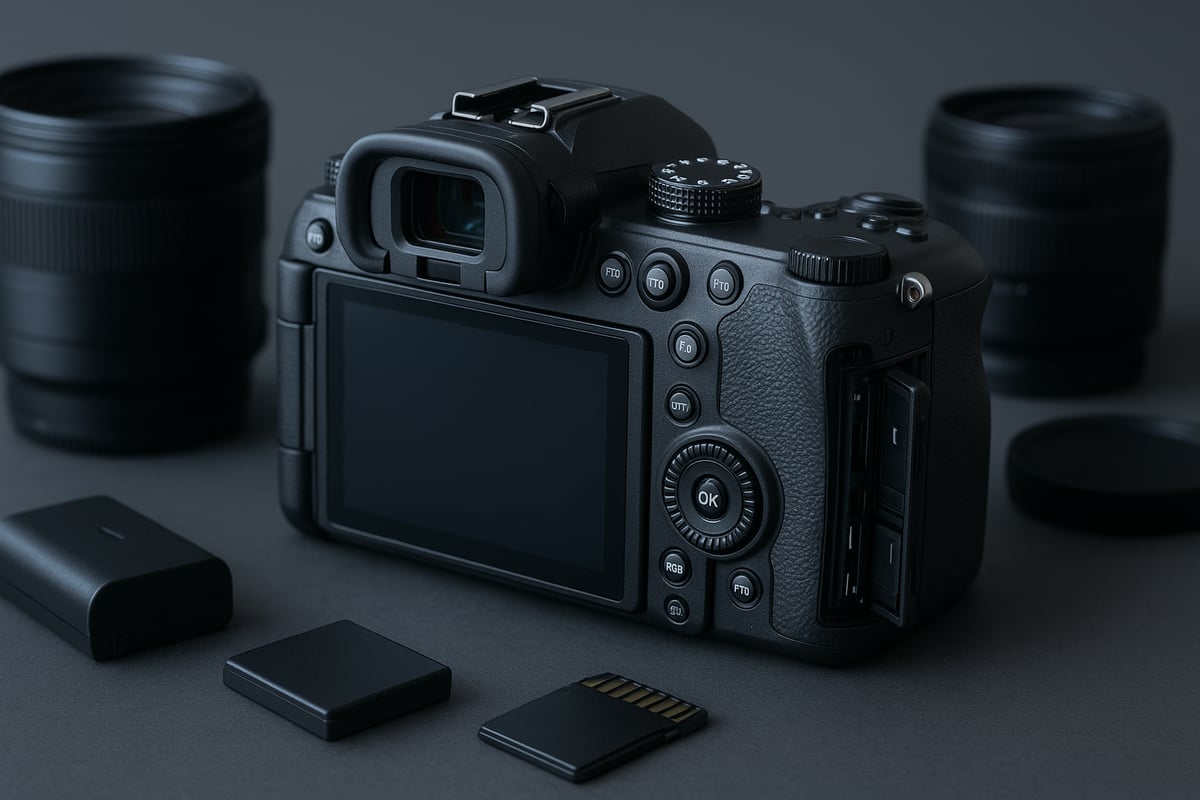
A camera 35mm digital should feel like an extension of your hand. Customizable controls, tactile dials, and responsive touchscreens allow you to adapt the camera to your shooting style. High-resolution electronic viewfinders (EVF) with fast refresh rates offer a clear, lag-free view, even in challenging light.
Weather sealing and robust build quality are critical for demanding environments. Magnesium alloy frames, dust and moisture resistance, and reinforced buttons ensure your camera 35mm digital can handle everything from rain-soaked landscapes to dusty festivals. Usability is about more than comfort, it is about confidence in any situation.
Battery life and power management
Long shoots and travel demand dependable power. The latest camera 35mm digital models use advanced battery technologies, often delivering over 600 shots per charge under real-world conditions. Many now support USB-C charging and power delivery, so you can top up batteries with a portable power bank or while tethered in the studio.
Efficient power management minimizes downtime and maximizes your creative window. Always check manufacturer endurance stats, and consider spare batteries if you shoot events or remote locations. Reliable battery life is a cornerstone for any camera 35mm digital setup.
Top 35mm digital camera models in 2026: A comparative analysis
The camera 35mm digital market in 2026 is more dynamic than ever. Photographers have an impressive range of choices, each packed with innovative features and performance boosts. Let us explore the top models, break down what makes each brand stand out, and see which camera 35mm digital is right for your needs.
Leading brands and flagship models
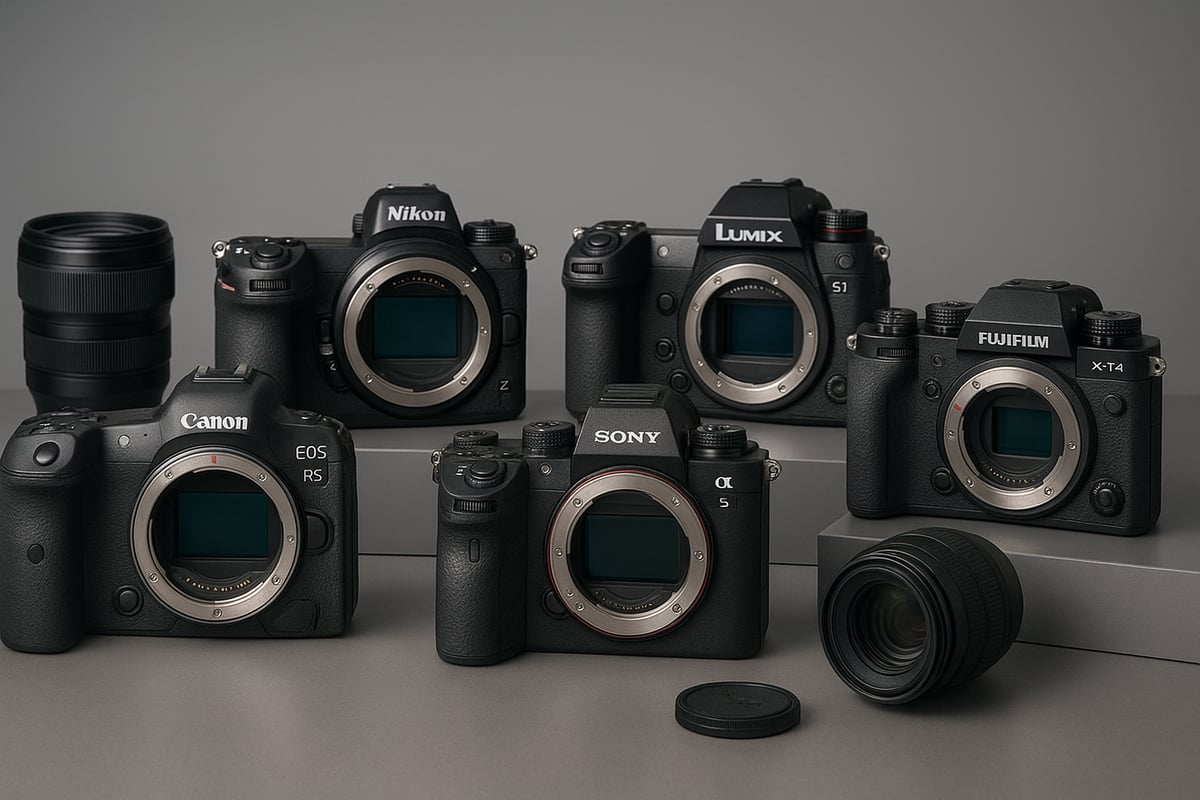
In 2026, the camera 35mm digital landscape is defined by strong competition among established brands. Canon’s EOS R1X, Nikon’s Z9 II, Sony’s Alpha 1R, Panasonic’s S2X, and Fujifilm’s GFX 35 are the top contenders. Each brings its own philosophy and engineering priorities.
Canon continues to focus on color science and reliability, making its camera 35mm digital bodies popular among portrait and event photographers. Nikon’s Z9 II is known for its robust build and intuitive ergonomics, favored by wildlife and sports shooters. Sony’s Alpha 1R leads in autofocus performance and computational features. Panasonic’s S2X excels in video, while Fujifilm’s GFX 35 offers medium format-like quality in a full-frame body.
This variety ensures that every photographer can find a camera 35mm digital model that suits their style and workflow.
Performance breakdown: Image quality, speed, and reliability
Performance is where the flagship camera 35mm digital models truly shine. Let’s compare them side by side:
| Model | Resolution | ISO Range | Burst Rate | Dynamic Range | AF Points | IBIS |
|---|---|---|---|---|---|---|
| Canon EOS R1X | 50MP | 100-102400 | 30 fps | 15 stops | 1053 | 8 stops |
| Nikon Z9 II | 45MP | 64-204800 | 30 fps | 14.5 stops | 493 | 7.5 stops |
| Sony Alpha 1R | 60MP | 100-320000 | 30 fps | 15 stops | 759 | 8 stops |
| Panasonic S2X | 36MP | 100-100000 | 20 fps | 14 stops | 425 | 7 stops |
| Fujifilm GFX 35 | 44MP | 80-51200 | 15 fps | 15.5 stops | 425 | 6.5 stops |
Lab tests show that each camera 35mm digital delivers exceptional dynamic range and color accuracy. For high ISO performance, Sony and Nikon excel, minimizing noise even in challenging light. Autofocus speed and tracking are superb across the board, with Sony’s real-time tracking leading by a small margin. Reliability is high, with weather-sealing now standard.
Video capabilities: Hybrid performance
Hybrid shooters benefit from the advanced video features in every flagship camera 35mm digital. Canon and Sony headline with 8K RAW recording, while Nikon and Panasonic offer robust 6K and high frame rate 4K120p options. All models provide in-camera log profiles, making color grading in post a breeze.
Heat management has improved significantly. Only the most extreme recording scenarios cause any slowdowns. For filmmakers, the camera 35mm digital options in 2026 are true workhorses, offering pro-level codecs, 10-bit internal recording, and advanced audio inputs.
Image stabilization is also optimized for video, ensuring handheld footage is smooth and professional. With dedicated video modes and customizable buttons, these cameras are built for creators who demand flexibility.
Value for money and user experience
There is a camera 35mm digital for every budget. Entry-level models now start with many features once reserved for pro bodies, such as dual card slots and advanced autofocus. The pro-grade models command higher prices but deliver unmatched performance and durability.
User interfaces are more intuitive than ever. Touchscreens, customizable menus, and responsive EVFs shorten the learning curve. Firmware updates add new features regularly, extending the lifespan of your investment.
Support and warranty policies have become key differentiators. Canon and Nikon lead with rapid service turnaround and global support networks. For those entering the camera 35mm digital world, this peace of mind is invaluable.
Real-world examples: Who should buy which model?
Choosing the right camera 35mm digital depends on your style. Wedding photographers often pick Canon for its skin tones and reliability. Sports and wildlife shooters gravitate to Nikon’s Z9 II for its rugged build and fast autofocus. Filmmakers and hybrid creators appreciate Panasonic’s S2X and Sony’s Alpha 1R for their advanced video specs.
Landscape enthusiasts might want to check out the best cameras for landscape photography to see how these models perform in real field conditions. Studio professionals may opt for Fujifilm’s GFX 35 for its medium format-like output.
Testimonials from working photographers echo this advice. The camera 35mm digital you choose should match your workflow, style, and creative goals. With so many excellent options, 2026 is an exciting year to upgrade or start your journey in digital photography.
Expert tips for getting the most from your 35mm digital camera
Unlocking the full potential of your camera 35mm digital setup requires more than just knowing the specs. Whether you’re shooting landscapes at sunrise or capturing a fast-paced wedding, understanding your camera’s features and refining your workflow can make all the difference. Let me share some tried-and-tested strategies that have transformed my own photography, and can help you elevate every shot.

Mastering camera settings and shooting techniques
Getting to know your camera 35mm digital inside and out is essential. Start by customizing exposure modes to match your subject and lighting. Manual mode gives full control, but aperture or shutter priority can be lifesavers in changing conditions.
Fine-tune your white balance to suit the scene, avoiding the blandness of auto settings. Explore autofocus modes, switching between single, continuous, and tracking as needed. For challenging subjects, eye or face detection helps lock on critical focus points.
Take advantage of advanced tools like focus stacking for macro or landscape depth. Experiment with interval shooting for time-lapse sequences, and use bracketing to ensure perfect exposure in tricky lighting. These features, when mastered, turn your camera 35mm digital into a creative powerhouse.
Lens selection and compatibility
Choosing the right lens is just as crucial as the camera itself. Native lenses often provide fast, reliable autofocus and full electronic compatibility, but adapted lenses can open up a world of creative options, especially for those who love vintage glass.
Prime lenses deliver sharpness and beautiful bokeh, while zooms offer flexibility for dynamic environments. When selecting a lens, consider both your preferred genre and the demands of your camera 35mm digital sensor. Higher resolution sensors reveal lens flaws, so investing in quality optics pays off.
If you shoot Nikon, check out the best 35mm lenses for Nikon cameras to find options that match your shooting style and budget. The right lens can truly transform your results.
Post-processing and workflow optimization
Once the images are captured, your workflow can make or break the experience. Shooting RAW with your camera 35mm digital preserves every detail, giving you full control in post. JPEGs are convenient for quick sharing, but limit flexibility for editing.
Choose editing software that fits your needs, whether it’s Lightroom for cataloging and batch edits or Capture One for color grading. Always back up your files, using both physical drives and cloud storage for peace of mind. Organize your images with a consistent naming system to avoid headaches later.
Efficient workflow saves time and preserves the creative spark, letting you focus on making the most of your camera 35mm digital rather than managing files.
Maintenance and care
A well-maintained camera 35mm digital will serve you faithfully for years. Regularly clean your sensor and lenses with proper tools to avoid dust spots. Use a blower and microfiber cloth, never risking damage with harsh materials.
Keep firmware updated, as manufacturers often release improvements that enhance autofocus, stability, and compatibility. Take time to check for updates before major shoots.
Protect your camera 35mm digital in challenging weather with rain covers and padded bags. Store gear in a dry, temperature-controlled environment to prevent fungus or corrosion. A little attention goes a long way in preserving your investment.
The future of 35mm digital cameras: Trends and predictions for 2026 and beyond
The world of camera 35mm digital technology is evolving at a rapid pace, and as we approach 2026, the changes are more exciting than ever. Whether you are a seasoned professional or a passionate hobbyist, the future holds new possibilities for how you shoot, edit, and share your creative vision. Let us explore the trends shaping the next generation of camera 35mm digital gear and what these innovations mean for your photography journey.
AI and computational photography
Artificial intelligence is now at the core of every top camera 35mm digital system. Autofocus algorithms are smarter, tracking eyes, faces, and even animals with remarkable accuracy. Noise reduction is handled by advanced neural networks, which preserve detail while smoothing out grain, especially in low light.
Scene recognition has become more nuanced, automatically adjusting exposure, color, and focus for each shot. Predictive shooting is a game changer, capturing the perfect moment by anticipating subject movement. Automated composition tools suggest framing options, offering guidance for both newcomers and experienced photographers.
The integration of these AI-powered features means your camera 35mm digital will help you create more compelling images while letting you focus on your creative intent.
Integration with mobile and cloud ecosystems
Seamless connectivity is a must for any camera 35mm digital in 2026. Modern cameras sync instantly with smartphones and tablets, making it easy to transfer files, control your camera remotely, or edit on the go.
Cloud-based workflows are now standard. You can upload RAW files directly to your favorite editing platforms, collaborate with clients or teams in real time, and back up your portfolio securely. This integration streamlines your process, reduces downtime, and makes sharing your best work effortless.
These advancements let you move from capture to delivery faster than ever, ensuring your camera 35mm digital keeps up with your creative pace.
Sustainability and eco-friendly design
Sustainability is becoming a key factor in camera 35mm digital manufacturing. Brands are focusing on:
- Using recycled and recyclable materials for camera bodies and packaging.
- Improving energy efficiency in both cameras and accessories.
- Extending product life cycles with firmware updates and modular repair options.
Manufacturers are responding to the growing demand for eco-conscious products by designing gear that minimizes environmental impact. This shift not only benefits the planet but also ensures that your camera 35mm digital investment lasts longer and performs reliably.
The rise of modular and customizable cameras
Customization is driving innovation in the camera 35mm digital market. Photographers can now tailor their cameras with interchangeable grips, electronic viewfinders, and expansion ports for video, audio, or wireless accessories.
User-driven firmware customization is on the rise. Open platforms allow you to tweak performance, add new features, or personalize controls to match your shooting style. This modular approach means your camera 35mm digital can grow with you, adapting to new genres or creative challenges.
According to the Mirrorless Digital Camera Market Size, Segmentation, Forecast, Applications 2033, the demand for full-frame mirrorless systems and modular designs is especially strong in Asia Pacific, reflecting a global shift toward versatility and user control.
Market outlook and user community
The outlook for camera 35mm digital adoption is bright. Market forecasts predict steady growth, driven by advances in AI, hybrid photo and video capabilities, and the desire for professional-level quality in a portable package. According to the Digital Camera Market Forecast 2025–2035, the shift from DSLR to mirrorless, combined with smart software integration, is reshaping the market landscape.
Communities dedicated to camera 35mm digital photography are thriving. Online forums, workshops, and resource platforms are expanding, offering support, tutorials, and inspiration for photographers at every level. As the technology evolves, these networks help users get the most from their gear and stay ahead of future trends.