
Contents
- Sony a6600 vs a6700: the short answer
- The main differences that matter
- Who should buy the Sony a6600?
- Who should buy the Sony a6700?
- Autofocus and action shooting
- Image quality, low light, and stabilization
- Video: this is where the a6700 wins clearly
- Handling, battery life, and lenses
- Price and value in 2026
- Frequently asked questions
- Final verdict
- Key takeaways
Sony a6600 vs a6700: the short answer
| If you care most about… | Pick this camera | Why it makes sense |
|---|---|---|
| Best overall camera | Sony a6700 | Newer sensor, stronger autofocus recognition, better video, better handling, and USB-C. |
| Lower price | Sony a6600 | It can be the smarter buy if the discount is large enough, especially used or bundled with a lens. |
| Photography only | Sony a6600 or a6700 | The a6700 is better, but the a6600 is still very capable for stills if you do not need the latest AF. |
| Video and hybrid work | Sony a6700 | It adds 10-bit recording, 4K up to 120p, S-Cinetone, improved rolling shutter behavior, and a better screen design. |
| Action, wildlife, kids, pets | Sony a6700 | The newer subject recognition system is the real upgrade, not just the extra two megapixels. |
| Battery life for stills | Sony a6600 | Both use the large Z battery, but the older body is still excellent for long stills sessions. |
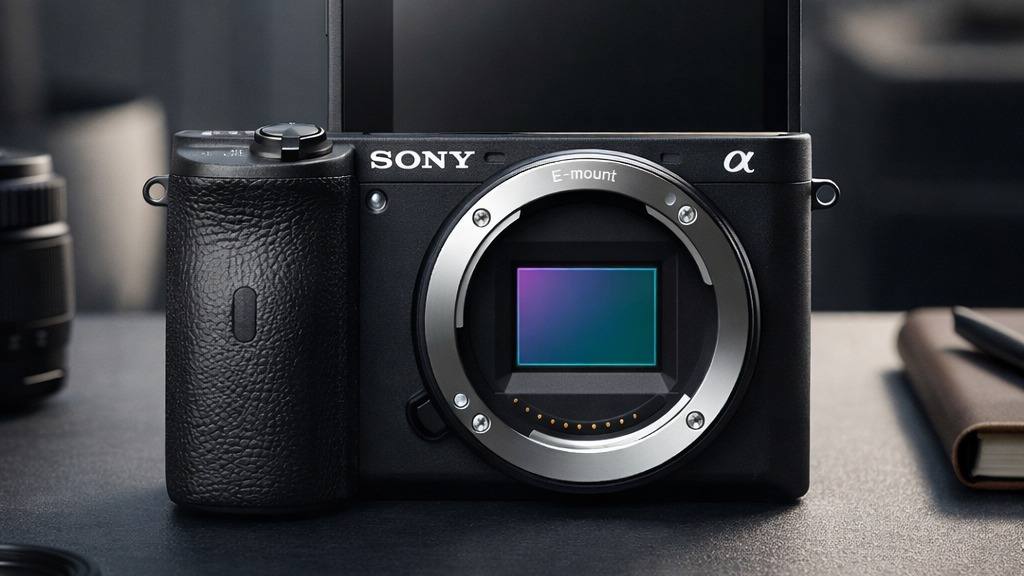
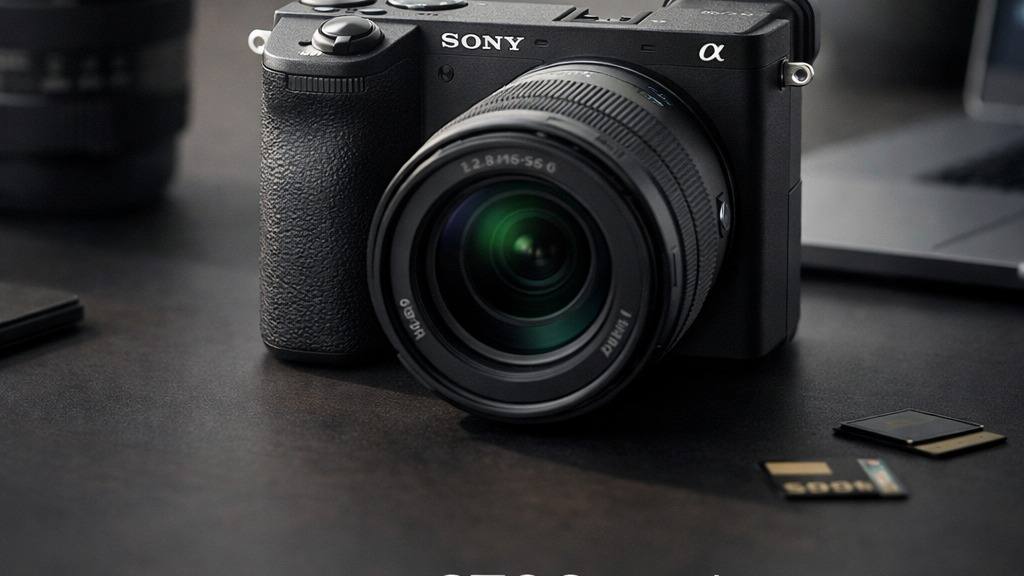
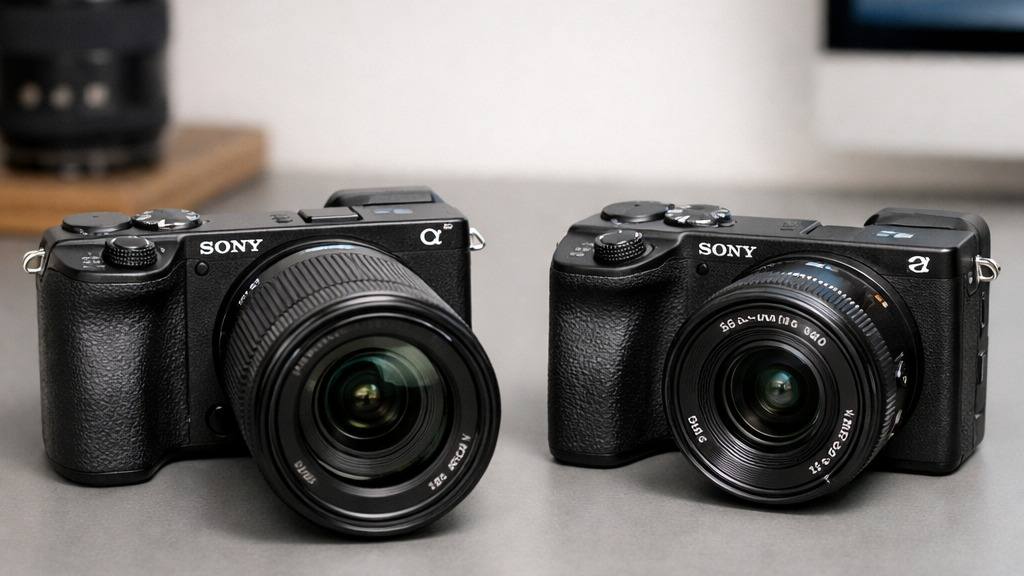
For deeper individual notes, read the dedicated Sony a6600 review and Sony a6700 review. If you are still comparing the whole lineup, start with the Sony a6000 series guide.
The main differences that matter
The a6700 is the newer and more complete camera, but the a6600 is not suddenly weak. Both are APS-C E-mount bodies with in-body stabilization, strong battery life, a built-in viewfinder, microphone and headphone ports, and access to the same Sony E-mount lenses. The question is whether the a6700’s newer autofocus, video, processor, and controls are worth paying for.
| Feature | Sony a6600 | Sony a6700 |
|---|---|---|
| Sensor | 24.2MP APS-C CMOS | 26MP APS-C BSI CMOS |
| Autofocus | Real-time Tracking and Eye AF | AI subject recognition for people, animals, birds, insects, vehicles, trains, and aircraft |
| Continuous shooting | Up to 11 fps | Up to 11 fps with a deeper, more modern pipeline |
| Video | 4K up to 30p, 8-bit | 4K up to 120p, 10-bit options, S-Cinetone |
| Stabilization | 5-axis IBIS | 5-axis IBIS plus more modern video stabilization options |
| Screen | Tilting screen | Fully articulating vari-angle screen |
| Connection | Micro USB, micro HDMI | USB-C, micro HDMI Type-D |
Sony’s official specifications list the a6600 as a 24.2MP APS-C camera with 4K up to 30p, while the a6700 moves to a 26MP sensor, newer subject recognition, USB-C, and much more serious 4K recording options. The correction worth making here is HDMI: the a6700 does not use a full-size HDMI port. It uses a micro HDMI Type-D connector.
Who should buy the Sony a6600?
Buy the Sony a6600 if the price is meaningfully lower and your priority is still photography. It remains a strong travel, family, street, and portrait camera. The files are good, the battery life is excellent, the autofocus is still reliable for people and general movement, and in-body stabilization gives it an advantage over older a6000-series bodies like the a6400.
The a6600 is also attractive if you find it in a good lens bundle. Some Amazon listings include the 18-135mm zoom, which makes sense as a one-lens travel setup. Just compare the bundle price carefully against buying a newer body and choosing your own lens. A cheap a6600 body can be excellent value; an overpriced old kit can quickly lose its appeal.
I would choose the a6600 if I were building a compact stills kit on a tighter budget, especially with lenses like the Sigma 18-50mm f/2.8, Sony 18-135mm, Sony 35mm f/1.8 OSS, or Sigma 56mm f/1.4. It is less convincing if video is a major part of your work.
Who should buy the Sony a6700?
Buy the Sony a6700 if you want the best current Sony APS-C body. It is the better choice for hybrid creators, wildlife shooters, sports parents, travel filmmakers, and anyone who wants autofocus that feels closer to Sony’s newer full-frame cameras. The jump from the a6600 to the a6700 is not only about resolution. It is about keeper rate, video quality, usability, and how much the camera helps you when the subject moves.
The a6700 is especially compelling if you shoot both stills and video. The fully articulating screen is more useful for self-recording and vertical setups, USB-C is overdue, and 10-bit recording gives video files much more room for color work. The a6600 can still make nice video, but the a6700 is in another category for serious creator work.
Autofocus and action shooting
Autofocus is the clearest practical difference. The a6600’s Real-time Tracking and Eye AF are still good, especially for portraits, family photography, and casual action. But the a6700 has a newer recognition system that understands a wider range of subjects. According to Sony’s own specs, the a6700 can recognize people, animals, birds, insects, cars, trains, and airplanes in stills and video.
That matters in the field. Photographing a child running toward you, a dog turning sideways, a bird on a branch, or a cyclist moving through a messy background is exactly where the newer camera earns its price. The a6600 can do the job, but you will work harder. The a6700 gives you more confidence and a higher keeper rate.
Image quality, low light, and stabilization
For everyday photography, do not expect the a6700 to make the a6600 look obsolete. In good light, both cameras produce sharp, detailed files with the right lens. The a6700 has a newer 26MP BSI sensor, slightly more room for cropping, and better processing, but the difference is not dramatic for casual stills.
The newer body pulls ahead when conditions get harder: mixed light, fast movement, high ISO, and scenes where you need to recover highlights or shadows. It is not a full-frame replacement, but it is the more flexible APS-C sensor. Both cameras include in-body stabilization, so handheld stills are easier than on the a6100 or a6400. For video, the a6700’s newer stabilization options and processing make it the stronger choice.
Video: this is where the a6700 wins clearly
If video matters, the Sony a6700 is the obvious pick. The a6600 records nice oversampled 4K up to 30p, but it is limited to 8-bit files and an older workflow. The a6700 adds 4K up to 60p and 120p, 10-bit options, S-Cinetone, better subject tracking in video, USB-C, and a vari-angle screen. That is a major upgrade for YouTube, travel films, interviews, reels, and paid hybrid work.
There are still tradeoffs. High-frame-rate 4K uses more storage, more battery, and can involve crop or heat considerations depending on settings and conditions. But even with those caveats, the a6700 is far more future-proof for video than the a6600.
Handling, battery life, and lenses
Both cameras use Sony’s NP-FZ100 battery, which is a big reason the a6600 was loved when it launched. The a6600 remains excellent for long stills sessions. The a6700 is still strong, but its newer processor, video modes, and screen can use power faster when pushed hard.
Handling is where the a6700 feels more current. The extra control dial, better touch interface, USB-C, and fully articulating screen make daily shooting smoother. The a6600’s screen can still work for low-angle shots and basic self-framing, but it feels older once you have used the a6700.
Lens choice should shape your decision. For travel, I would look at the Sony 18-135mm or Sigma 18-50mm f/2.8. For portraits, the Sigma 56mm f/1.4 is a natural APS-C match. For video and walkaround work, the Sony 11mm f/1.8, 15mm f/1.4 G, or 10-20mm power zoom can make more sense than adapting larger full-frame lenses.
Price and value in 2026
The a6700 is the better camera, but it is not automatically the better purchase. If the price gap is modest, I would buy the a6700 and be done. You get a newer sensor, better autofocus, stronger video, better controls, USB-C, and a camera that should age better over the next several years.
If the a6600 is much cheaper, especially used or bundled with a lens you actually want, it can still be the smarter stills-first buy. I would not pay close to a6700 money for an a6600. The older body makes sense when the price difference is real.
Frequently asked questions
Is the Sony a6700 worth upgrading to from the a6600?
Yes, if you shoot video, wildlife, sports, pets, kids, or anything where newer subject recognition autofocus matters. If you mostly shoot still landscapes, travel, and portraits, the upgrade is useful but less urgent.
Is the Sony a6600 still worth buying in 2026?
Yes, but only at the right price. The a6600 is still a capable APS-C camera for still photography, travel, and general use. It is much less compelling if it costs close to the a6700.
Does the Sony a6700 take better photos than the a6600?
The a6700 has a newer 26MP sensor and better processing, so it has an edge in difficult light and cropping. In normal daylight, the difference is smaller than the autofocus and video improvements.
Which camera is better for video?
The Sony a6700 is much better for video. It offers 10-bit recording options, 4K up to 120p, S-Cinetone, a vari-angle screen, USB-C, and more advanced video autofocus.
Do both cameras have in-body stabilization?
Yes. Both the a6600 and a6700 have in-body image stabilization, which is one reason they remain more attractive than older or cheaper Sony APS-C bodies for handheld shooting.
Final verdict
For most buyers, I would choose the Sony a6700. It is the stronger long-term camera and the more complete hybrid tool. It fixes many of the a6600’s age-related limitations without giving up the APS-C size advantage.
The Sony a6600 still deserves respect. If you find one at a strong discount and mainly care about stills, battery life, and a compact stabilized body, it can be a smart buy. But if the prices are close, the a6700 is the camera I would want in my bag.
Key takeaways
- The a6700 is the better camera overall and the better long-term buy.
- The a6600 still makes sense for stills-first photographers at a lower price.
- The a6700 wins clearly for video, autofocus recognition, handling, and modern connectivity.
- Both cameras use Sony E-mount lenses and both include in-body stabilization.
- If the price gap is small, buy the a6700; if the a6600 is heavily discounted, it remains worth considering.
Official spec references: Sony a6600 specifications and Sony a6700 specifications.
Last update on 2026-06-15 / Affiliate links / Images from Amazon Product Advertising API