
Photography often demands getting close to subjects that aren’t easily accessible. Whether you’re tracking wildlife across a savanna, capturing details of a distant mountain peak, or photographing sports from the sidelines, having exceptional zoom capability changes what’s possible. The highest zoom cameras have evolved dramatically over the past few years, offering focal length ranges that would have seemed impossible a decade ago. These specialized tools blur the line between compact convenience and professional reach, giving photographers access to subjects hundreds of feet away without the bulk and expense of multiple telephoto lenses.
Contents
- What defines the highest zoom cameras
- Current leaders in optical zoom technology
- Practical applications for extreme zoom
- Bridge cameras versus compact superzooms
- Image quality considerations
- Stabilization technology advances
- Autofocus performance at distance
- Budget considerations and value
- Video capabilities in superzoom cameras
- Real-world performance expectations
- Emerging technologies and future directions
- Choosing your ideal superzoom camera
- Accessories that enhance superzoom photography
- Maintenance and care for long-term performance
- Understanding the best bridge cameras with highest zoom
What defines the highest zoom cameras
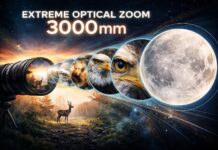
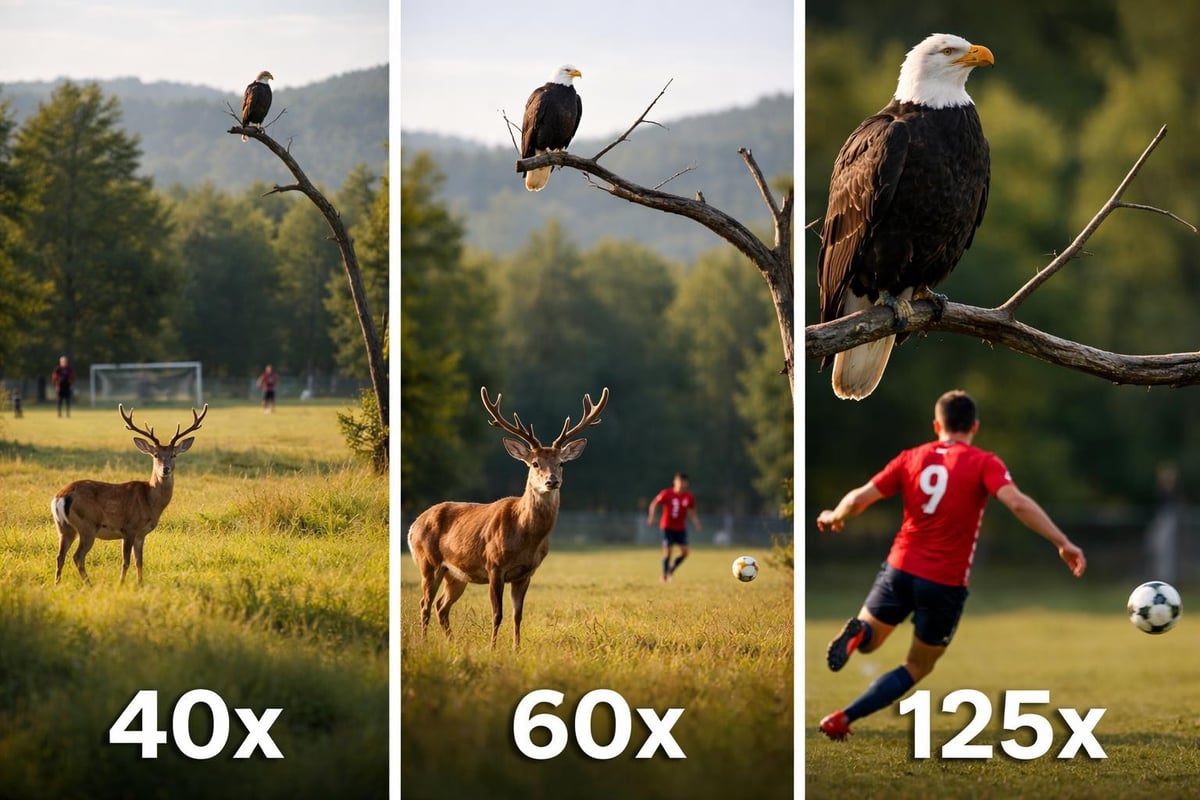
When photographers talk about zoom capability, we’re really discussing the ratio between the widest and longest focal lengths a lens can achieve. A camera with 125x optical zoom might start at 24mm and extend all the way to 3000mm equivalent. That’s the difference between capturing an entire landscape and isolating a bird’s eye from across a football field.
The term highest zoom cameras typically refers to bridge cameras and superzoom compacts that pack extraordinary optical reach into a single, fixed lens body. Unlike interchangeable lens systems where you’d need multiple lenses to cover similar ground, these cameras offer everything in one package.
Key specifications that matter:
- Optical zoom ratio (actual lens magnification)
- Equivalent focal length range in 35mm terms
- Sensor size and resolution
- Image stabilization effectiveness
- Maximum aperture range
Physical zoom capability shouldn’t be confused with digital zoom, which simply crops and enlarges the image, degrading quality in the process. True optical zoom uses glass elements to magnify the scene before it hits the sensor, preserving detail and sharpness.
Understanding zoom measurements
The zoom ratio tells you the multiplication factor between the widest and telephoto extremes. A 50x zoom camera might offer a 24-1200mm equivalent range, while a 125x model could stretch from 24mm to 3000mm. These numbers represent the 35mm full-frame equivalent, giving everyone a common reference point regardless of the actual sensor size.
Sensor dimensions play a crucial role here. Most superzoom cameras use 1/2.3-inch sensors, which are considerably smaller than APS-C or full-frame sensors. This smaller sensor allows manufacturers to create compact telephoto optics, but it also means lower light performance and greater depth of field at any given aperture.
Current leaders in optical zoom technology
The race for zoom supremacy has produced some genuinely impressive engineering. Nikon and Canon have traditionally dominated this space, though other manufacturers have contributed interesting options.
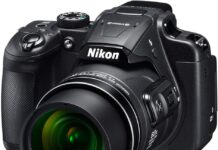
The Nikon Coolpix P1100 represents one of the most extreme examples of zoom engineering, featuring a 125x optical zoom lens. That translates to a focal length range from 24mm to 3000mm in 35mm equivalent terms. At maximum telephoto, you can fill the frame with subjects that appear as mere specks to the naked eye.
| Camera Model | Optical Zoom | Focal Length Range | Sensor Size | Notable Feature |
|---|---|---|---|---|
| Nikon P1100 | 125x | 24-3000mm equiv. | 1/2.3″ | Highest zoom available |
| Canon PowerShot SX740 | 40x | 24-960mm equiv. | 1/2.3″ | 4K video capability |
| Sony RX100 VII | 8x | 24-200mm equiv. | 1″ | Larger sensor, professional AF |
| Panasonic FZ80 | 60x | 20-1200mm equiv. | 1/2.3″ | Budget-friendly option |
Performance trade-offs at extreme zoom lengths
Using the highest zoom cameras effectively requires understanding their limitations. At 3000mm equivalent, even the slightest camera movement gets magnified dramatically. Image stabilization becomes absolutely critical, yet even the best systems struggle at such extreme telephoto lengths.
Atmospheric conditions matter significantly more than with shorter focal lengths. Heat shimmer, humidity, and air pollution all degrade image quality when shooting through hundreds of feet of air. Morning and evening hours typically offer clearer conditions than midday heat.
Aperture values at maximum zoom present another challenge. Most superzoom cameras offer f/6.5 or even f/8 at the telephoto end, requiring higher ISO settings or slower shutter speeds. This makes a tripod or monopod essentially mandatory for sharp results.
Practical applications for extreme zoom
Wildlife photography represents the most obvious use case for the highest zoom cameras. Getting close to animals without disturbing them often requires substantial focal length. A bird perched 100 feet away remains a distant dot even at 200mm, but becomes frame-filling at 1000mm or beyond.
Wildlife shooting advantages:
- Safe distance from potentially dangerous animals
- Minimal disturbance to natural behavior
- Ability to isolate subjects from cluttered backgrounds
- Flexibility to photograph both near and distant subjects
Sports photography benefits similarly, particularly for amateur shooters who can’t access sideline positions. Capturing action from the stands demands serious reach. Youth sports parents have embraced superzoom cameras specifically for this reason, getting professional-looking shots without professional budgets or credentials.
Landscape photographers sometimes overlook the creative potential of extreme telephoto lengths. Compressing distant mountain layers, isolating architectural details on faraway buildings, or capturing abstract patterns in nature all become possible with sufficient zoom range.
Astrophotography and surveillance applications
The moon becomes surprisingly accessible with 1000mm or more of focal length. Crater details, mountain ranges, and maria all reveal themselves at these magnifications. Solar photography (with appropriate filters) similarly benefits from extreme zoom capability.
Some photographers use superzoom cameras for property surveillance, wildlife monitoring, or documenting environmental changes over time. The ability to capture clear images of distant subjects from a fixed position opens up applications beyond traditional photography.
Bridge cameras versus compact superzooms
The highest zoom cameras generally fall into two categories: bridge cameras and compact superzooms. Bridge cameras earn their name by bridging the gap between compact point-and-shoots and interchangeable lens systems. They feature DSLR-like bodies with substantial grips, electronic viewfinders, and extensive manual controls.
Compact superzooms prioritize portability, squeezing impressive zoom ranges into pocket-sized bodies. The Sony RX100 series exemplifies this approach, though with more modest zoom ratios than dedicated bridge cameras. The recent price reduction on the Sony RX100 Mark VII has made this particular model significantly more accessible to enthusiasts seeking quality alongside convenience.
| Feature | Bridge Cameras | Compact Superzooms |
|---|---|---|
| Body Size | DSLR-like, substantial | Pocket-sized |
| Viewfinder | Usually included | Often absent |
| Maximum Zoom | Up to 125x | Typically 30-40x |
| Image Quality | Good at base ISO | Better low-light performance |
| Price Range | $300-800 | $400-1200 |
Bridge cameras excel when maximum zoom takes priority over portability. Their larger bodies accommodate bigger lens elements and more robust stabilization systems. The substantial grip makes them easier to handhold at longer focal lengths, though a support system remains advisable.
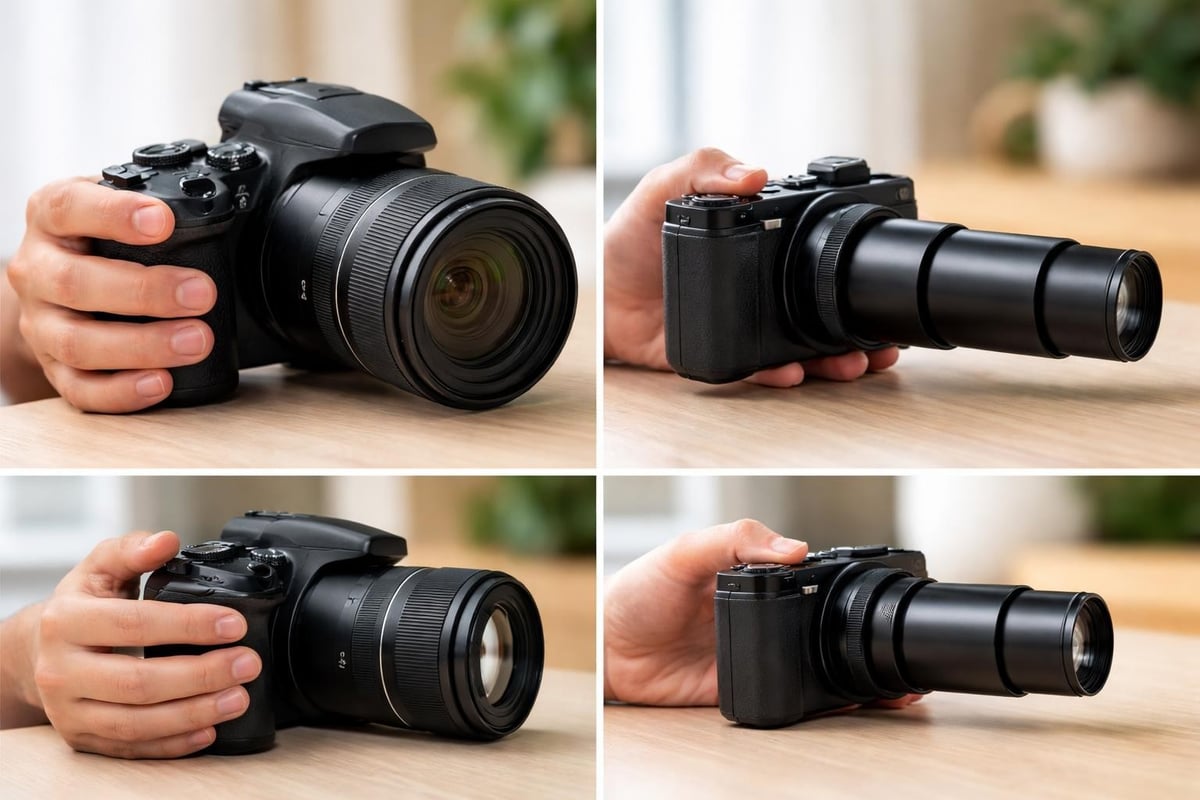
Compact superzooms sacrifice some zoom range for convenience. They slip into jacket pockets and travel bags without the bulk of bridge cameras. Many photographers find this trade-off worthwhile, particularly when combining photography with other activities like hiking or travel where every ounce matters.
Image quality considerations
Sensor size fundamentally influences image quality across all cameras, but the relationship becomes particularly important with superzoom models. The 1/2.3-inch sensors common in highest zoom cameras measure roughly 6.2 x 4.6mm, dramatically smaller than the 36 x 24mm dimensions of full-frame sensors.
This size difference affects several performance characteristics. Smaller sensors gather less light per pixel, producing more noise at higher ISO settings. Dynamic range typically suffers as well, with less ability to preserve detail in both highlights and shadows simultaneously. Low-light performance remains the most obvious weakness, with image quality deteriorating noticeably above ISO 800 on most superzoom cameras.
Depth of field implications
The smaller sensor creates significantly greater depth of field at equivalent apertures and focal lengths. While this helps keep distant subjects sharp even at wider apertures, it makes achieving pleasing background blur (bokeh) much more difficult. Even at f/6.5 and 3000mm equivalent, you’ll get more depth of field than a full-frame camera at f/4 and 200mm.
Some photographers view this as an advantage for documentary or wildlife work where front-to-back sharpness matters more than artistic blur. Others find it limiting when trying to isolate subjects from busy backgrounds.
Modern processing engines have improved dramatically, helping offset some sensor size limitations. Better noise reduction algorithms, improved color science, and more sophisticated sharpening all contribute to surprisingly good image quality from these small sensors under favorable conditions.
Stabilization technology advances
Image stabilization has become increasingly critical as zoom ranges extend. The general rule suggests using shutter speeds at least as fast as the reciprocal of your focal length, so 1/3000 second at 3000mm equivalent. That’s simply impractical without stabilization help.
Current highest zoom cameras employ various stabilization approaches. Optical stabilization moves lens elements to counteract camera movement, while sensor-shift stabilization moves the imaging sensor itself. Hybrid systems combine both approaches for maximum effectiveness.
Stabilization performance factors:
- Number of stops of correction (typically 4-5 stops in modern cameras)
- Effectiveness at extreme telephoto lengths
- Panning mode for tracking moving subjects
- Video stabilization capabilities
Real-world testing reveals that manufacturer claims about stabilization effectiveness often represent ideal conditions. At 3000mm equivalent, even the best stabilization systems struggle to deliver consistently sharp handheld images. Shutter speeds below 1/500 second become risky regardless of stabilization claims.
Supporting your camera properly
A quality tripod or monopod transforms highest zoom cameras from frustrating to functional at extreme focal lengths. Monopods offer a good compromise between support and mobility, particularly for wildlife or sports where repositioning frequently matters.
Tripod technique becomes crucial at these magnifications. Mirror lockup and remote shutter releases eliminate camera shake from pressing the shutter button. Two-second self-timers accomplish the same goal without additional accessories.
Autofocus performance at distance
Focusing accurately on distant subjects tests autofocus systems significantly. Contrast detection autofocus, common in bridge cameras and compacts, works by analyzing contrast changes in the scene. At long distances with atmospheric interference, contrast may be minimal, causing the system to hunt back and forth without locking focus.
Phase detection autofocus, increasingly common even in compact cameras, performs better under challenging conditions. It directly measures the convergence angle of light rays, achieving focus more quickly and reliably. Hybrid systems combining both technologies offer the best performance across varying situations.
The recent Nikon Z 70-200mm f/2.8 VR S II lens demonstrates how professional zoom optics continue advancing, though such lenses serve different purposes than all-in-one superzoom cameras.
Manual focus alternatives
Many experienced photographers switch to manual focus at extreme telephoto lengths, finding it faster and more reliable than trusting autofocus systems. Electronic viewfinders with focus peaking and magnification make manual focusing practical even without optical viewfinders.
Pre-focusing on a specific distance works well for wildlife photography when you can predict where subjects will appear. Focus and recompose techniques become less viable at extreme focal lengths due to the minimal depth of field, making direct composition more important.
Budget considerations and value
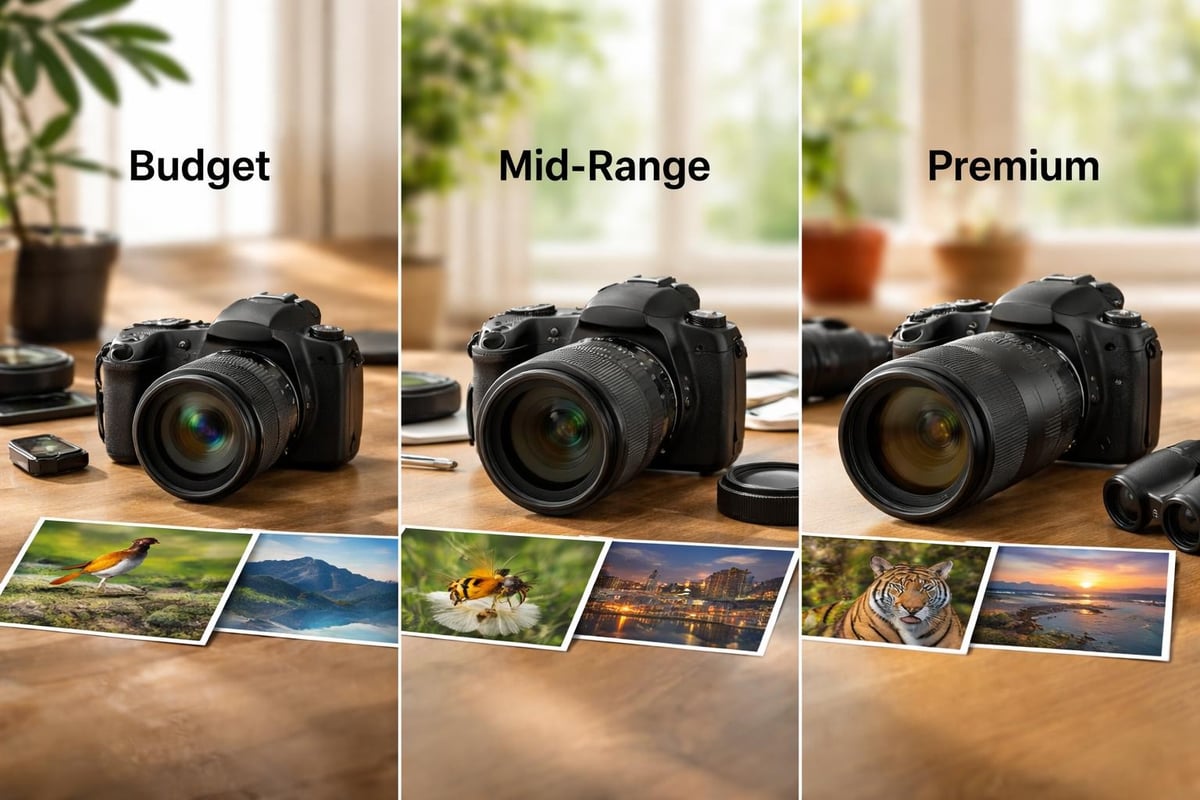
The highest zoom cameras span a wide price range, from budget options under $300 to premium models approaching $1000. Understanding what you’re paying for helps make informed decisions about which features justify additional investment.
Entry-level models often sacrifice build quality, viewfinders, and advanced features while maintaining impressive zoom specifications. The popularity of budget options like the Kodak Pixpro FZ55 demonstrates that many photographers prioritize zoom range over other considerations.
Mid-range cameras typically add electronic viewfinders, better image processors, faster autofocus, and more robust construction. These improvements significantly enhance the shooting experience and final image quality, particularly in challenging conditions.
Premium superzoom cameras approach the image quality and feature sets of interchangeable lens systems while maintaining the convenience of an all-in-one package. They often incorporate larger sensors, faster maximum apertures, weather sealing, and professional-level controls.
| Price Range | Typical Features | Best For |
|---|---|---|
| Under $300 | Basic zoom, LCD only, plastic construction | Casual users, beginners |
| $300-500 | EVF, better processing, metal components | Serious hobbyists |
| $500-800 | Premium optics, larger sensors, advanced AF | Enthusiasts, semi-professionals |
| Over $800 | Professional features, weather sealing | Demanding users |
Comparing to interchangeable lens systems
A valid question arises: would money spent on a highest zoom camera deliver better value as a more modest camera body with telephoto lens? The answer depends entirely on your priorities and shooting style.
Interchangeable lens systems offer superior image quality, better low-light performance, and greater creative control. However, achieving similar zoom ranges requires multiple lenses totaling several thousand dollars and significant weight. For photographers needing versatility without bulk or expense, superzoom cameras make excellent sense. If you’re exploring photography on a tighter budget, checking out resources like the best cameras under 700$ can help you find excellent options that balance capability with affordability.
Professional wildlife and sports photographers universally choose interchangeable lens systems, accepting the added weight and cost for superior results. Amateur and hobbyist photographers often find superzoom cameras perfectly adequate for their needs, delivering 80 percent of the capability at 20 percent of the cost and weight.
Video capabilities in superzoom cameras
Modern highest zoom cameras increasingly emphasize video recording capabilities. Many now offer 4K resolution, though typically with significant crop factors or frame rate limitations. The ability to zoom smoothly during recording creates opportunities impossible with prime lenses.
Video autofocus performance varies dramatically between models. Cameras with dual-pixel autofocus or advanced contrast detection systems track moving subjects reasonably well, while basic implementations struggle with focus hunting and pulsing. Testing video autofocus before committing to a purchase prevents disappointment later.
Video-specific considerations:
- Maximum resolution and frame rates
- Audio input options for external microphones
- Stabilization effectiveness during recording
- Zoom speed control for smooth transitions
- Focus breathing characteristics
The extreme zoom ranges enable unique video perspectives, from establishing shots showing entire scenes to extreme close-ups of distant details. Documentary filmmakers and nature videographers particularly appreciate this flexibility in a single, portable package.
Real-world performance expectations
Understanding what the highest zoom cameras can and cannot deliver helps set realistic expectations. Under good lighting at low ISO settings, modern superzoom cameras produce impressive results that hold up well even in large prints. The award-winning wildlife photograph captured with exceptional zoom capability demonstrates the creative potential these tools offer.
Image quality degrades noticeably in dim conditions or when pushing ISO above base settings. Noise becomes visible, colors shift, and fine detail softens. These limitations don’t make superzoom cameras unusable in such situations, but they do require managing expectations and perhaps accepting less-than-perfect technical quality in exchange for capturing moments otherwise impossible.
Optimizing your results
Shooting in RAW format when available provides maximum flexibility for correcting exposure, color, and sharpness issues during post-processing. The extra editing headroom often makes the difference between acceptable and excellent final images.
Understanding your camera’s sweet spot matters significantly. Most zoom lenses perform best optically in their mid-range, typically degrading at both extreme wide and extreme telephoto settings. Testing your specific camera reveals where it excels and where compromises become necessary.
Careful attention to technique multiplies the capabilities of any camera. Proper support, optimal camera settings, good timing, and favorable conditions all contribute more to final image quality than megapixel counts or lens specifications.
Emerging technologies and future directions
The highest zoom cameras continue evolving as manufacturers refine optical designs and incorporate new technologies. Computational photography techniques, already transforming smartphone cameras, are gradually appearing in dedicated cameras as well.
Multi-frame noise reduction combines several exposures to reduce noise while preserving detail. AI-powered scene recognition optimizes settings automatically for different subjects and conditions. These technologies help offset some inherent limitations of small sensors and extreme zoom ranges.
Lens design improvements continue pushing zoom ranges higher while maintaining or improving image quality. New optical materials, more sophisticated coatings, and advanced manufacturing techniques all contribute to better performance in smaller packages.
The line between bridge cameras and mirrorless systems may blur further as manufacturers experiment with hybrid approaches. Some cameras now offer both built-in zoom lenses and interchangeable lens mounts, though these designs typically compromise on zoom range compared to dedicated superzoom models.
Choosing your ideal superzoom camera
Selecting from among the highest zoom cameras requires honestly assessing your priorities and typical shooting scenarios. Maximum zoom capability sounds impressive, but practical considerations often matter more than theoretical specifications.
Consider where and how you’ll actually use the camera. Travel photographers benefit from compact designs despite slightly reduced zoom ranges. Wildlife enthusiasts need maximum reach and may accept larger, heavier bodies. Sports shooters require fast autofocus and decent burst rates alongside telephoto capability.
Our comprehensive guide to the best zoom cameras offers current recommendations across various categories and budgets, helping narrow your options based on specific needs.
Essential decision factors:
- Primary subjects and shooting situations
- Portability requirements and typical travel conditions
- Budget constraints and long-term investment goals
- Existing gear ecosystem and accessory compatibility
- Video importance alongside still photography
Handling cameras in person before purchasing reveals ergonomic preferences that specifications cannot convey. Button placement, menu logic, viewfinder quality, and overall feel all influence shooting satisfaction more than technical specifications suggest.
Accessories that enhance superzoom photography
The highest zoom cameras benefit significantly from supporting accessories that enhance stability and expand capabilities. A quality camera strap designed for heavier cameras prevents fatigue during extended shooting sessions and provides security when moving between positions.
Extra batteries prove essential since small batteries in compact bodies typically provide limited shot counts, particularly when using the viewfinder extensively or recording video. Most photographers carry at least two spares for serious shooting sessions.
Recommended accessories:
- Sturdy monopod or lightweight tripod
- Lens cleaning supplies for front element
- Camera-specific remote shutter release
- Protective filter for lens protection
- Memory cards with adequate speed and capacity
Teleconverters sometimes work with certain superzoom cameras, extending focal length further at the cost of light transmission and some image quality. This specialized accessory serves niche applications where even 3000mm equivalent proves insufficient.
A quality camera bag designed for bridge cameras protects your investment while traveling. Bridge cameras occupy an awkward size category, too large for compact camera bags but smaller than typical DSLR bags, so choosing carefully matters.
Maintenance and care for long-term performance
Superzoom cameras require more careful maintenance than simpler fixed-lens compacts due to their complex extending lens mechanisms. Dust and moisture entering the lens barrel during extension can damage internal elements and degrade image quality over time.
Always power off the camera and allow the lens to retract fully before storing it. Never force the lens barrel or attempt to manually push or pull it. The delicate mechanisms inside can misalign with rough handling, requiring expensive professional repair.
Regular sensor cleaning becomes important as dust accumulates over time, appearing as spots in images particularly noticeable against plain skies. Many cameras include sensor cleaning functions that vibrate the sensor to dislodge dust. Persistent spots may require professional cleaning or careful DIY cleaning with appropriate tools.
Store cameras in moderate humidity environments when possible. Excessive dryness can damage rubber components while high humidity encourages fungus growth on lens elements. Simple storage solutions like dry boxes with desiccant maintain optimal conditions.
Understanding the best bridge cameras with highest zoom
Current options span impressive specification ranges, with manufacturers continually competing for zoom supremacy. Nikon’s P series has traditionally led the extreme zoom category, while Canon’s PowerShot SX models offer strong competition with slightly more modest but still impressive ranges.
Panasonic contributes popular options in the FZ series, known for good value and solid performance. Sony focuses more on premium compact superzooms with larger sensors rather than maximum zoom ratios, appealing to quality-focused shooters willing to sacrifice some reach.
Lesser-known manufacturers like Kodak (through licensing arrangements) produce budget-friendly options that deliver surprising capability for minimal investment. These cameras sacrifice build quality and advanced features but provide accessible entry points for photographers exploring superzoom capabilities.
Testing and comparing cameras based on your specific priorities matters more than chasing maximum zoom specifications. A camera with 60x zoom that you’ll actually carry and use delivers more value than a 125x model that stays home due to size or complexity.
The highest zoom cameras represent remarkable engineering achievements, packing focal length ranges once requiring dozens of pounds of professional telephoto lenses into compact, portable packages. While they involve inevitable compromises in image quality compared to larger sensor systems, their versatility and convenience open photographic opportunities otherwise inaccessible to most shooters. Whether you’re photographing wildlife, sports, travel, or simply exploring creative possibilities, understanding zoom camera capabilities and limitations helps you choose and use them effectively. For detailed reviews and expert guidance on selecting the perfect camera for your needs, Lens and Shutter provides comprehensive resources to help you make informed decisions across all camera categories and budgets.