


There is nothing quite like the thrill of capturing life beneath the waves, especially with today’s rapidly advancing technology. Underwater photography in 2026 presents both exhilarating opportunities and unique challenges, as light, movement, and marine life all demand specialized gear.
Over the years, compact underwater cameras have transformed from basic point-and-shoots into sophisticated tools that put creative control right in your hands. As someone passionate about this craft, I have seen firsthand how the best compact underwater camera can make all the difference in unpredictable, watery environments.
In this article, I will guide you through the nine features that truly matter when choosing your next underwater companion. Expect practical tips, expert insights, and the details you need to elevate your underwater shots to new heights.
The evolution of compact underwater cameras
The journey of the best compact underwater camera is a story of constant adaptation and innovation. As photographers, we have witnessed dramatic improvements in the tools we use beneath the surface. Each year, technology pushes boundaries, allowing us to capture the underwater world with clarity that once seemed impossible.
Advancements in sensor technology
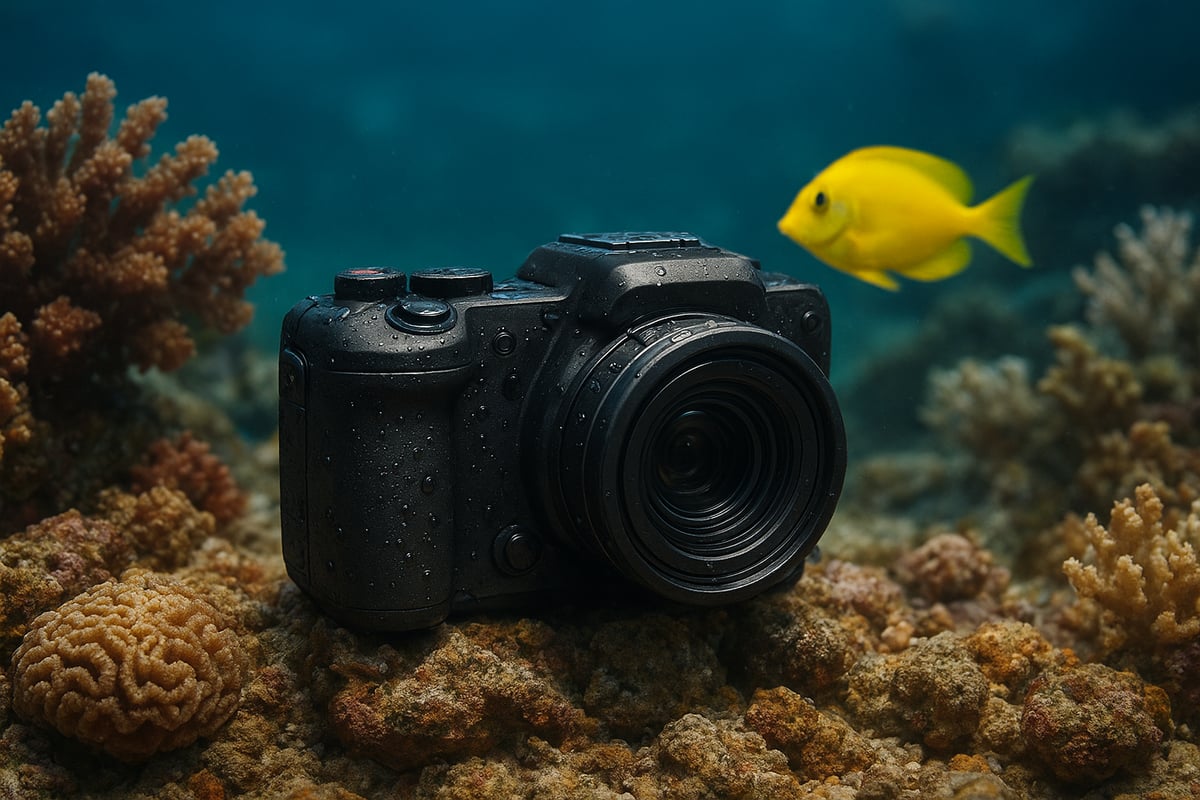
When I look back at early underwater cameras, the difference in sensor performance is night and day. Modern sensors in the best compact underwater camera models have grown larger and far more sensitive. This means you can shoot in low light, even at significant depths, and still retain vibrant colors and crisp details.
Today’s sensors excel at reducing noise and boosting dynamic range. That means less graininess in your images and better color accuracy when shooting scenes with both bright sunlight and deep shadows. For me, this has transformed the creative possibilities underwater, letting us photograph elusive marine life in challenging conditions.
Enhanced waterproofing and durability
Durability is a promise every best compact underwater camera must keep. In 2026, most models offer waterproof depth ratings that reach 25 to 40 meters, sometimes more. Manufacturers use reinforced polycarbonate, stainless steel, and double-sealed gaskets to keep water at bay.
For those who love adventure, shock-proof and freeze-proof features are essential. I have seen cameras survive rough boat rides and accidental drops on rocky shores. In fact, some of the Best Waterproof Cameras in 2026 exemplify just how far this technology has come. Reliable durability ensures your camera is as ready as you are to capture unforgettable moments.
Compact design and portability
A key breakthrough for the best compact underwater camera is achieving the perfect balance between toughness and portability. Recent models are designed to be lightweight, making them easy to stow in a dive bag or carry-on. For travel photographers like myself, this is a game-changer.
Ergonomic grips and thoughtfully placed controls mean you can shoot comfortably, even with gloves. The trend is toward simplicity without sacrificing ruggedness. This makes it easier for anyone, from seasoned divers to casual snorkelers, to bring a camera everywhere without worrying about bulk.
Integration of smart features
The integration of smart features has redefined what the best compact underwater camera can offer. AI-driven scene recognition, auto-adjustment modes, and wireless connectivity are becoming standard. These features take the guesswork out of difficult underwater shooting.
Instant sharing, remote control, and real-time cloud backup are now possible, even in challenging environments. For beginners, these advancements make underwater photography more accessible. For experts, they speed up workflows and open up new creative angles. The evolution of these cameras is truly making underwater photography more exciting and rewarding for everyone.
9 must-know best compact underwater camera features for 2026
The search for the best compact underwater camera in 2026 is both thrilling and challenging. With technology moving at breakneck speed, knowing what features to prioritize is more important than ever. Let us dive into the nine essential features that define the top performers this year. Each one can make a significant difference in your underwater photography experience, no matter your skill level or favorite ocean adventure.
Superior waterproof depth rating
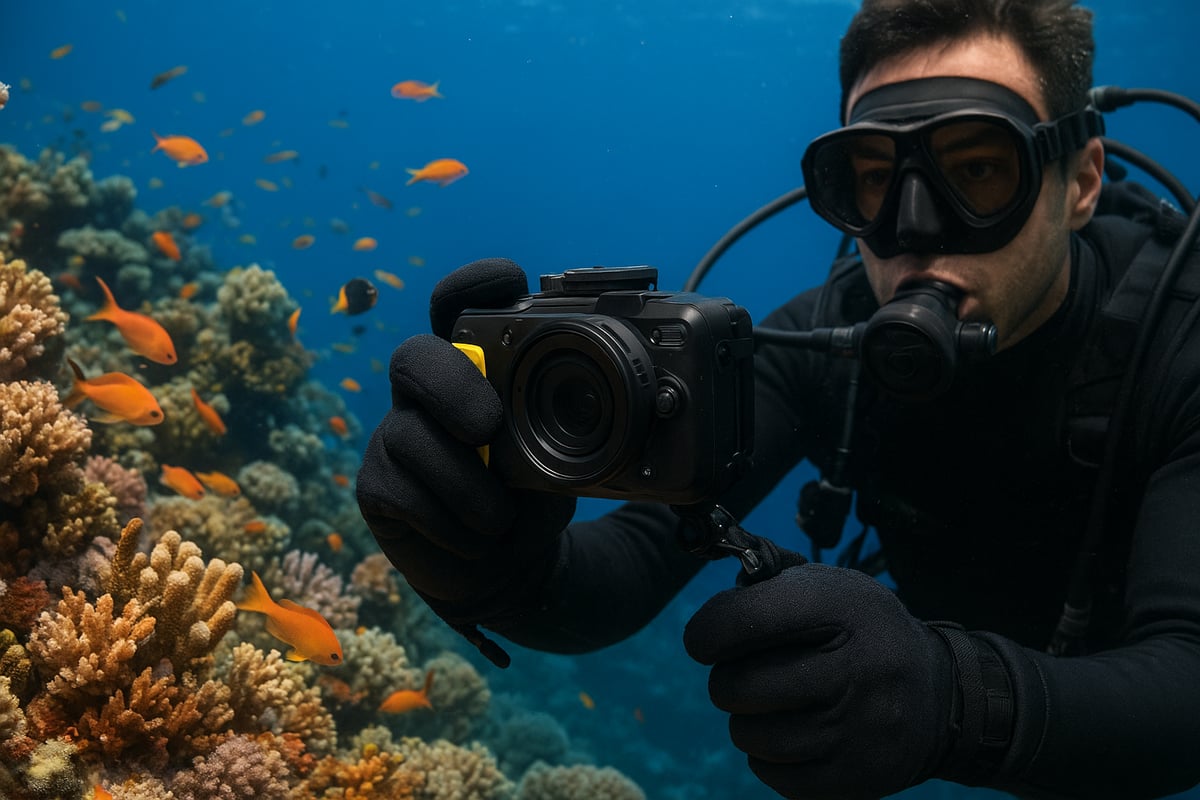
The foundation of any best compact underwater camera is its waterproof depth rating. This is the first specification I check before bringing a camera into the water. In 2026, compact models regularly boast ratings between 15 and 30 meters, with some specialized units reaching even deeper.
A solid waterproof rating ensures your camera thrives in various environments, from shallow pools to deep reef dives. For snorkelers, a 15-meter rating is usually enough. However, divers seeking wrecks or caves should aim for at least 25 meters. There is always a trade-off between size and waterproofing. Thicker seals and reinforced bodies add protection but may increase weight.
Maintaining waterproof integrity is crucial. After every outing, rinse your camera with fresh water and inspect the seals for sand or hair. Lubricate gaskets as recommended by the manufacturer. A single grain of sand can spell disaster for even the best compact underwater camera.
Imagine capturing vibrant reef life at 20 meters, or the serenity of a pool with friends, all while knowing your gear is secure. For a full overview of top models and their depth capabilities, the Best underwater cameras guide offers valuable comparisons.
Advanced image stabilization
Water is rarely still, and every underwater photographer knows how currents, waves, and your own movements can ruin a shot. That is where advanced image stabilization comes in. The best compact underwater camera options today feature optical, digital, or hybrid stabilization systems.
- Optical stabilization: Uses lens or sensor movement to counteract shake.
- Digital stabilization: Adjusts the image electronically, often cropping slightly.
- Hybrid systems: Combine both for maximum effect.
Whether you are shooting video or stills, stabilization helps maintain sharpness and clarity. In 2026, hybrid systems are the gold standard, delivering smooth, steady footage even when you are drifting with a school of fish.
For best results, learn to hold your camera close to your body and brace yourself against rocks or the sea floor when possible. Use burst mode to increase your chances of a sharp image. The best compact underwater camera will give you the confidence to shoot in surge or with gloves, knowing your images will be crisp.
High-resolution sensors with low-light performance
Underwater, light fades fast and colors shift dramatically. This is where high-resolution sensors with excellent low-light performance shine. The best compact underwater camera models in 2026 use back-illuminated or stacked sensors, offering more megapixels and better sensitivity.
A larger sensor captures more light, reducing noise and enhancing dynamic range. This is vital for revealing the true colors of coral or the subtle details of marine life. ISO performance has also improved, making it possible to capture bright, detailed images even in murky water or at depth.
Here is a quick comparison of sensor types:
| Sensor Type | Advantages |
|---|---|
| Back-illuminated | Better light gathering, lower noise |
| Stacked | Faster readout, higher resolution |
| Standard CMOS | More affordable, but less sensitive |
The best compact underwater camera will let you push ISO higher without sacrificing quality, giving you more creative freedom.
Fast and accurate autofocus systems
Focusing underwater is a real challenge. Light bends, subjects move unpredictably, and you are often shooting through particles or bubbles. That is why the best compact underwater camera must have a fast and accurate autofocus system.
Modern models use phase-detection or AI-tracking technologies. These systems lock onto subjects quickly, whether it is a darting fish or a diver in motion. Predictive tracking is a game changer, especially for action shots.
User-friendly focus modes are also important. Beginners appreciate simple auto modes, while advanced users can fine-tune settings for specific scenes. The best compact underwater camera will let you switch between single, continuous, and manual focus with ease.
If you want to capture sharp, in-focus images of marine life or fast action, autofocus performance is non-negotiable.
Versatile lens options and macro capabilities
A camera is only as flexible as its lens. The best compact underwater camera should offer a versatile zoom range and strong macro capabilities. A wide lens is perfect for sweeping reef scenes, while telephoto lets you get close to shy creatures.
Macro modes are essential for capturing the tiny wonders of the sea, like nudibranchs or shrimp. Look for cameras with close focusing distances and dedicated macro settings. Lens coatings help reduce fogging and distortion, giving you clearer images.
Here are practical lens features to consider:
- Wide zoom (24mm or wider) for landscapes
- Telephoto (up to 120mm) for distant subjects
- Macro mode for extreme close-ups
- Anti-fog and anti-reflective coatings
The best compact underwater camera makes it easy to switch between these modes, so you never miss a shot.
Robust video recording features
Video is a core part of underwater storytelling. The best compact underwater camera in 2026 should support 4K or even higher resolutions, with options for slow motion and high frame rates. This allows you to capture the fluid movement of marine life or create dramatic slow-motion sequences.
Color correction and white balance controls are crucial. Underwater, colors fade with depth, so being able to adjust these settings makes a real difference. Audio matters too. Look for cameras with quality built-in microphones or support for external mics.
Here is a summary of must-have video features:
| Feature | Why It Matters |
|---|---|
| Clean 4K video | Crisp, detailed footage without oversized files |
| High frame rates | Smooth or slow-motion capture |
| Manual white balance | Accurate colors at depth |
| Audio input | Clear sound for narration or ambient audio |
The best compact underwater camera will give you cinematic results, whether you are filming a reef dive or a playful seal.
Long battery life and efficient power management
Every underwater photographer has faced the frustration of a dead battery mid-dive. The best compact underwater camera must have long battery life and efficient power management.
In 2026, battery technology has improved, with compact models offering 300+ shots or over an hour of continuous video per charge. Quick-charging and swappable batteries are essential for multi-dive days.
To maximize battery life:
- Turn off Wi-Fi and GPS when not needed
- Lower screen brightness
- Use power-saving modes
Carry spare batteries in a waterproof case. The best compact underwater camera keeps you shooting longer, so you can focus on the action, not your battery meter.
Intuitive controls and custom settings
When you are underwater, fiddling with tiny buttons is the last thing you want. The best compact underwater camera features large, easy-to-use controls and dials, perfect for gloved hands.
Customizable presets are a real boon, letting you switch between macro, landscape, and video modes quickly. Some models offer touchscreens, though their usability underwater varies. Always check if the screen responds well when wet or through a housing.
Here are ways intuitive controls boost creativity:
- Faster reaction times to sudden moments
- Less frustration with settings
- More time spent composing, less time menu-diving
The best compact underwater camera puts control at your fingertips, letting you adapt instantly to changing conditions.
Wireless connectivity and instant sharing
Sharing your underwater adventures is easier than ever. The best compact underwater camera in 2026 includes built-in Wi-Fi and Bluetooth, allowing for quick photo transfers to your phone or tablet.
Remote control features are fantastic for creative angles or group shots. Cloud backup ensures your memories are safe, even if your camera gets lost or damaged.
With instant sharing, you can post your latest dive on social media before you even surface. Always keep security in mind, using password protection for your devices.
The best compact underwater camera turns every dive into a story you can share in real time, connecting you with friends and fellow photographers around the world.
How to choose the right compact underwater camera for your needs
Selecting the best compact underwater camera can feel overwhelming, even for experienced photographers. The market in 2026 offers a dazzling array of features and models, each promising unique advantages. To make the right choice, it is wise to reflect on your photography style, budget, accessory needs, and the experiences of other users.
Assessing your underwater photography style
Every photographer has a unique approach, and your shooting style should guide your search for the best compact underwater camera. Are you an avid diver exploring shipwrecks, or do you prefer relaxed snorkeling in shallow waters? Divers might need higher depth ratings and advanced manual controls, while travelers or casual users may value portability and ease of use.
If you mainly shoot while snorkeling, it is worth checking out resources like the Waterproof cameras for snorkeling guide, which compares models suited for shallow adventures. Take time to think about your most common scenarios so your camera matches your real-world needs.
Balancing budget and essential features
Budget often dictates which model is realistic, but it is crucial to distinguish between must-have and optional features. The best compact underwater camera for you should meet your core requirements without unnecessary extras that inflate the price. Ask yourself which features matter most: waterproof depth, image stabilization, or battery life?
Use comparison articles, such as the Best waterproof camera roundup, to see how different models stack up at various price points. Sometimes, investing a bit more secures a camera that will serve you well for years, rather than needing an upgrade after one season.
Considering accessories and expandability
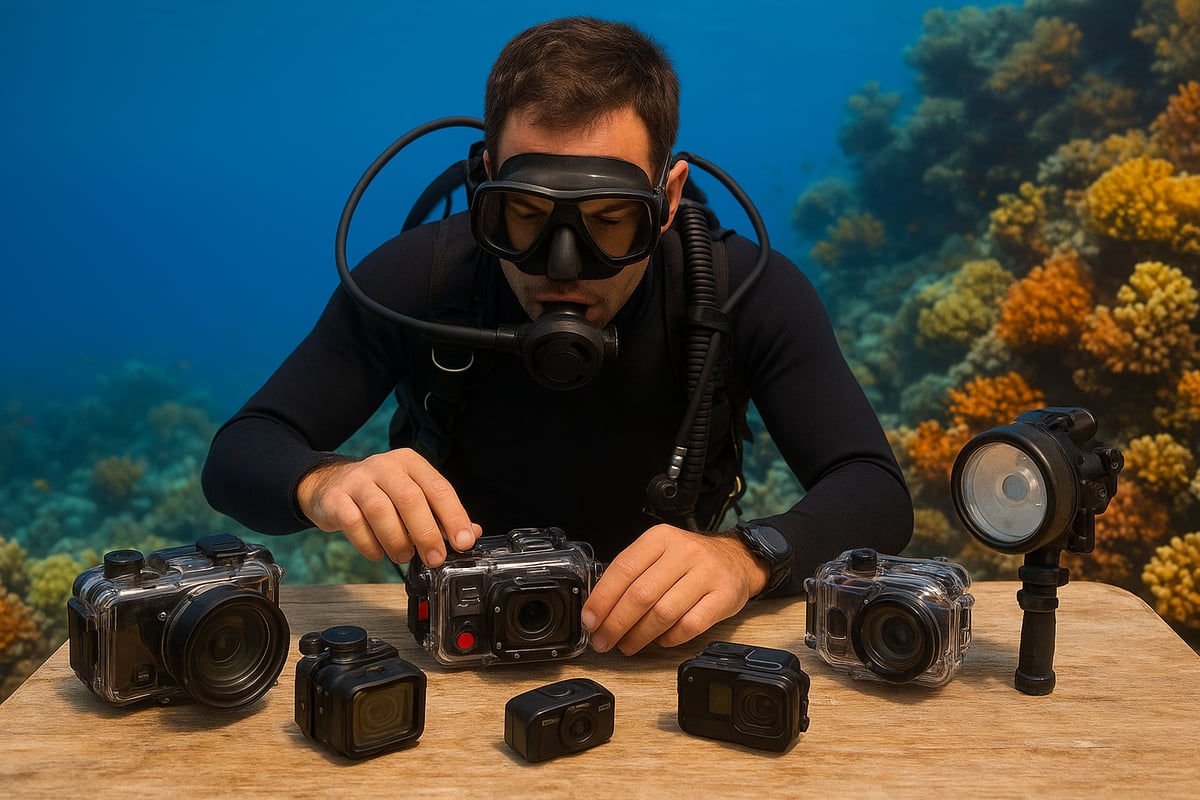
Accessories can transform a good camera into a great underwater tool. When choosing the best compact underwater camera, look at compatibility with housings, external lights, and mounts. Some systems offer modular expansions, letting you add strobes or wide-angle lenses as your skills grow.
Consider making a checklist of must-have accessories, especially if you envision more complex setups in the future. Planning ahead ensures your investment will adapt with your evolving interests and techniques.
Checking for user reviews and expert advice
No spec sheet can replace the value of real-world feedback. Before committing to the best compact underwater camera, read reviews from photographers who have tested these models in demanding conditions. Expert buying guides and user forums can reveal common pitfalls, highlight standout features, and point out quirks you may have missed.
Look for patterns in feedback, both positive and negative. Honest experiences from fellow photographers can help you avoid marketing hype and make a truly informed decision.
Future trends in compact underwater camera technology
Exploring the future of the best compact underwater camera is genuinely exciting. Every year, the pace of innovation seems to accelerate, and 2026 is shaping up to be a landmark year. New technologies are poised to redefine what photographers can achieve beneath the waves. Let us dive into three key trends that are set to influence your next best compact underwater camera purchase.
AI and computational photography advancements
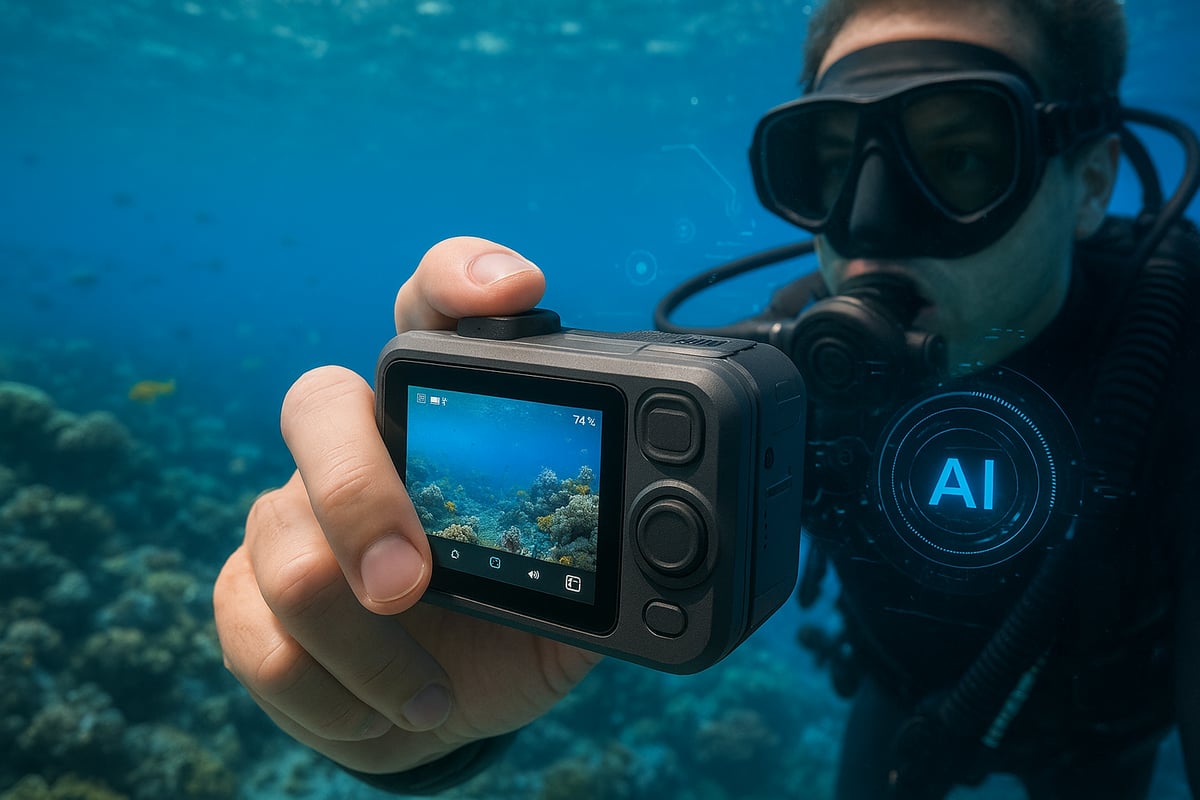
Artificial intelligence is transforming the best compact underwater camera experience for both beginners and professionals. From real-time scene recognition to advanced noise reduction, AI-driven features now help you get the perfect shot, even in unpredictable underwater conditions.
New computational techniques enable automatic color correction, sharper details, and improved dynamic range. Technologies like object-aware scene reconstruction, as described in OceanSplat: Object-aware Gaussian Splatting with Trinocular View Consistency for Underwater Scene Reconstruction, push the envelope for realistic underwater imaging. Predictive autofocus and subject tracking mean you rarely miss fast-moving marine life. These breakthroughs make the best compact underwater camera a powerful creative tool, letting you focus more on composition and less on technical settings.
Sustainable and eco-friendly camera design
As ocean lovers, many of us are increasingly aware of our environmental impact. The best compact underwater camera in 2026 is now designed with sustainability in mind. Manufacturers are embracing recycled plastics, biodegradable packaging, and energy-efficient manufacturing processes.
Eco-friendly models are not just marketing gimmicks. They offer real-world benefits, like longer-lasting batteries and reduced electronic waste. Some brands are even partnering with marine conservation groups to ensure their products support ocean protection. Choosing a sustainable best compact underwater camera allows you to capture the beauty of the sea while helping to preserve it for future generations.
Integration with emerging tech and apps
Smart features and seamless connectivity are no longer optional. The best compact underwater camera now integrates with AR and VR platforms, allowing for immersive storytelling and interactive experiences. Imagine reviewing your dive in 3D or sharing your footage instantly with friends around the globe.
Recent advancements, like those demonstrated at Kyocera’s Underwater Wireless Optical Communication at CES 2026, are leading to wireless photo transfers and real-time device control even below the surface. Expect more apps that identify marine life or translate dive logs automatically. This tech evolution keeps the best compact underwater camera relevant and indispensable for both creative and scientific pursuits.