

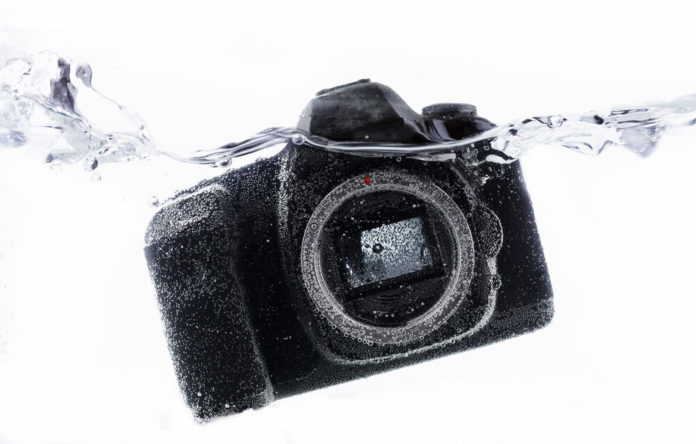
Best Underwater Cameras in 2026: Current Picks That Still Make Sense
The underwater camera market is much narrower in 2026 than it was a few years ago. Many old waterproof compacts are discontinued, and the real choices now fall into three camps: rugged compacts for still photos, action cameras for video, and serious interchangeable-lens cameras inside dedicated housings.
That matters because the wrong category creates instant disappointment. If you want colorful reef clips and easy sharing, a modern action camera is the better tool; the GoPro alternatives guide is the natural comparison for video-first buyers. If you care more about macro stills, fish portraits, and built-in ruggedness, a compact like the TG-7 still makes more sense. And if you dive regularly and want the best image quality, you should stop looking at “waterproof cameras” and start looking at housed mirrorless systems.
This guide focuses on current models and current use cases rather than recycling old names that are only available used.

Quick answer: which underwater camera should you buy?
| Pick | Best for | Why it stands out | Main limitation |
|---|---|---|---|
| OM System Tough TG-7 | Best overall waterproof compact | 15m waterproof body, RAW support, bright lens, excellent macro options | Smaller sensor than a housed mirrorless camera |
| DJI Osmo Action 5 Pro | Best underwater video value | 1/1.3-inch sensor, 4K/120p, 20m waterproof body, strong low-light action-cam performance | Not the best choice if still photos matter most |
| GoPro HERO13 Black | Best for mounts and accessory ecosystem | 5.3K/60p, huge accessory support, proven workflow, strong stabilization | 10m body rating is shallower than DJI without a dive case |
| SeaLife Micro 3.0 | Best dedicated dive camera | Permanently sealed design, 60m depth rating, simple operation for divers | A niche tool with less flexibility above water |
| Kodak Pixpro WPZ2 | Best budget waterproof compact | Cheap, simple, genuinely rugged, 15m waterproofing | 1080p video only and modest image quality |
| Insta360 Ace Pro 2 | Best hybrid pick for creators | Large 1/1.3-inch sensor, 8K topside capability, 12m waterproof body | More compelling as a general creator camera than a pure dive camera |
What actually matters in an underwater camera
Waterproof depth is only the starting point
A camera that is waterproof to 10m or 15m for casual use is not automatically the right tool for repeated scuba diving. Manufacturers themselves usually recommend a dive case or housing for deeper use, longer underwater sessions, or high-impact water sports. For pool use, beach trips, shallow snorkeling, and paddle sports, a bare waterproof camera can be enough; the snorkeling camera guide covers that lighter-use case in more detail. For real diving, buy more conservatively than the headline depth number suggests.
Still-photo buyers and video-first buyers should not shop the same way
This is the biggest mistake people make. Rugged compacts such as the OM System Tough TG-7 are still better if your priority is still photography, close focus, and a camera that behaves more like a traditional point-and-shoot. Action cameras win if you care about stabilization, high frame rates, point-of-view mounting, and fast social-video workflow.
Macro matters more underwater than people expect
Underwater scenes are not only reefs and wide scenic shots. Small fish, coral textures, shells, nudibranchs, and detail work are a huge part of underwater photography. That is one reason the TG-series has remained relevant for so long. Close-focusing ability and lighting support often matter more than headline megapixels.
1. OM System Tough TG-7: best overall underwater compact camera
If you want one waterproof camera that still makes sense for real underwater still photography in 2026, the TG-7 is the safest overall recommendation. OM System still gives you the mix that rugged-camera buyers actually need: a waterproof body to 15m, a bright f/2 lens, 4x optical zoom, RAW capture, C4K video, and a macro system that remains far more useful than the average cheap waterproof compact.
The TG-7 is not the camera with the biggest sensor here, but it is the camera with the most balanced underwater personality. It is easy enough for travel and family snorkeling, yet serious enough to build around with lights, wet lenses, and accessories if you get deeper into underwater photography. That matters more than spec-sheet bravado.
Buy it if: you want the most versatile waterproof stills camera, care about macro, and want a camera that works both as a casual rugged compact and as the base for a more ambitious underwater setup.
Skip it if: your main goal is action video, helmet mounting, or the smoothest stabilized clip capture.
2. DJI Osmo Action 5 Pro: best underwater video camera for most people

For video-first buyers, the Osmo Action 5 Pro is the strongest value play right now. DJI gives you a 1/1.3-inch sensor, 4K at up to 120fps, dual OLED touchscreens, 47GB of built-in storage, and a body rated to 20m without a case. That 20m body rating is unusually generous for an action camera and is one of the reasons it makes so much sense for snorkelers and casual divers.
The key reason to choose DJI over a rugged compact is not just resolution. It is the whole underwater video experience: stabilization, mounting flexibility, high-frame-rate capture, and better low-light action-cam output than older GoPro-era expectations. If your idea of underwater shooting is swimming, snorkeling, surf, fins, or first-person reef footage, this is easier to recommend than most compact waterproof cameras.
Buy it if: you mainly want underwater video, POV footage, travel clips, and easy editing.
Skip it if: you care more about traditional still photography than video, or you want a camera built around macro and accessory optics rather than mounts.
3. GoPro HERO13 Black: best if you want the biggest accessory ecosystem

The HERO13 Black remains the easiest recommendation for buyers who want a mature action-camera system rather than just a camera body. GoPro still has the broadest mount ecosystem, the most familiar workflow for many creators, and strong headline video specs including 5.3K/60p. Out of the box, it is waterproof to 10m, and the official protective housing extends that to 60m for deeper diving.
The case for the HERO13 is not that it beats every rival on every metric. It does not. The real case is that it is the least risky buy if you already understand the GoPro workflow, want wide accessory compatibility, or plan to mount the camera to everything from masks and trays to boards, bikes, and chest harnesses. That broad support still matters in the real world.
Buy it if: you want the safest long-term accessory ecosystem, proven editing familiarity, and excellent action-cam versatility.
Skip it if: you specifically want the deeper no-case waterproof rating that DJI currently offers.
4. SeaLife Micro 3.0: best dedicated dive camera
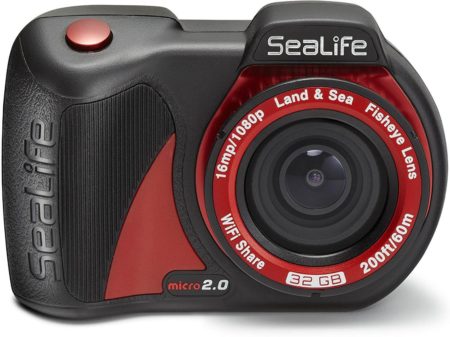
The SeaLife Micro 3.0 is a more specialized recommendation, but for the right buyer it makes immediate sense. SeaLife built it as a permanently sealed underwater camera, not as a general travel compact that happens to survive water. It is depth-rated to 60m, records 4K video, uses a 16MP sensor, and stores files internally with 64GB of built-in memory.
The permanently sealed design is the main appeal. There are no main O-rings to manage the way you would with a traditional housing-based setup, and that simplicity is attractive for divers who want less setup friction and less anxiety about flooding gear. If you dive regularly and want a dedicated underwater tool that stays simple, the Micro 3.0 is easier to defend than many old compact-camera recommendations that are now effectively legacy products.
Buy it if: you are a diver first and want a purpose-built dive camera rather than a general compact.
Skip it if: you want one camera that feels equally natural for topside travel, family, and everyday use.
5. Kodak Pixpro WPZ2: best budget underwater camera
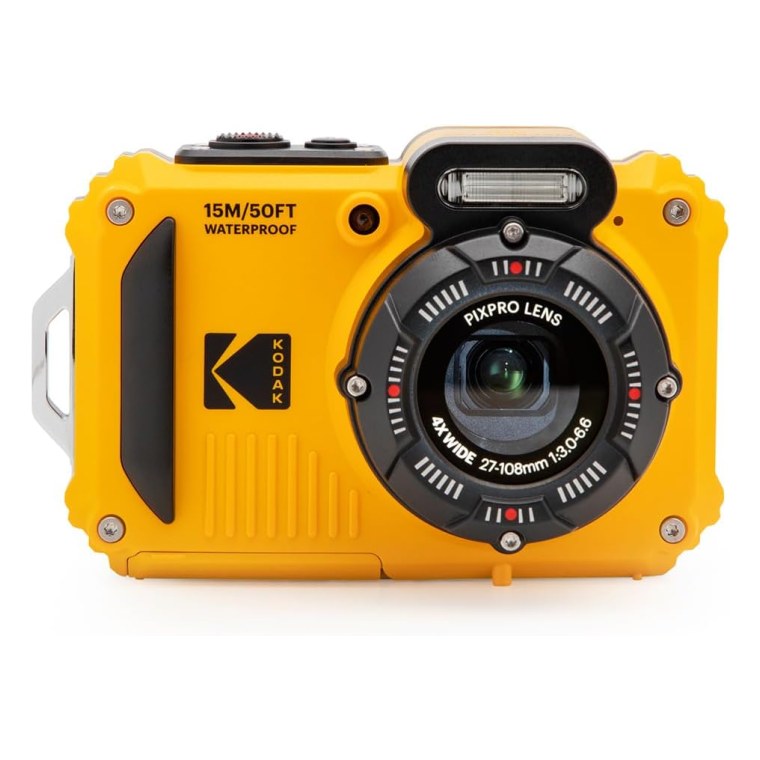
If budget is the deciding factor, the WPZ2 is the straightforward pick. It is waterproof to 15m, shockproof, dustproof, simple to hand to kids or casual travelers, and a lot cheaper than a TG-7. That combination makes it useful for families, beach trips, pool vacations, and the buyer who wants a camera they do not have to baby.
The compromise is exactly what you would expect at this level. The WPZ2 is a budget rugged compact, not a hidden gem that secretly competes with higher-end gear. It records only 1080p video, its image quality is best in bright daylight, and it is much easier to outgrow if you start caring seriously about low light, underwater color, or video polish.
Buy it if: you want the cheapest real waterproof camera that still makes practical sense for travel and casual snorkeling.
Skip it if: you are hoping to grow into underwater photography as a serious hobby.
6. Insta360 Ace Pro 2: best hybrid creator alternative
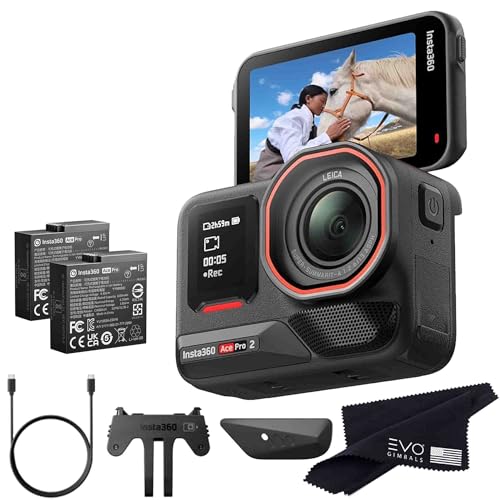

The Ace Pro 2 is not my default recommendation for pure underwater shooting, but it absolutely deserves a place in a current buying guide because many buyers are not choosing an underwater-only camera. They want one camera for travel, hiking, city video, action clips, and occasional underwater work. In that role, the Ace Pro 2 is compelling.
It gives you a 1/1.3-inch sensor, 8K capability, a 12m waterproof body, and a dive case option for 60m. The main reason to buy it is that it is a stronger all-around creator camera than a classic waterproof compact, while still being capable enough for surface and shallow-water use. If your shooting life is 80 percent topside content and 20 percent underwater, this can be a smarter purchase than a dedicated rugged stills camera.
Buy it if: you are a creator who needs one action-style camera for both land and water.
Skip it if: underwater work is the main event rather than an occasional part of a wider shooting mix.
Best serious-diver upgrade: OM-1 Mark II in a proper housing
If you dive often and image quality matters more than convenience, stop chasing the perfect rugged compact. The real upgrade path is a housed mirrorless camera. A strong current example is the OM System OM-1 Mark II paired with a serious housing from a company like Nauticam. The OM-1 Mark II brings a 20.4MP stacked sensor, fast autofocus, and burst performance up to 50fps with continuous AF, while Nauticam’s NA-OM1 housing is rated to 100m.
This is obviously a different class of spend and complexity, but it is also the point where underwater photography becomes a real system rather than a compromise product. For reef scenes, macro work, lighting control, and prints that genuinely matter, this path makes more sense than endlessly upgrading between waterproof compacts.
What about using your phone underwater?
If you already own a current flagship phone and mostly snorkel or take shallow vacation trips, a smartphone housing can be more rational than buying a weak compact. SeaLife’s SportDiver S is depth-rated to 30m and is a better fit than many people realize if your phone already gives you stronger processing, a brighter screen, and photos you like above water.
I still would not call that the best answer for frequent divers or for buyers who want a dedicated camera they can toss into salt, sand, and kids’ hands without thinking. But for occasional underwater use, phone-plus-housing is no longer a silly option.
How I would choose between these cameras
| If this sounds like you | Buy this |
|---|---|
| I want the best all-around waterproof stills camera | OM System Tough TG-7 |
| I mainly care about underwater video | DJI Osmo Action 5 Pro |
| I want GoPro mounts, familiarity, and ecosystem depth | GoPro HERO13 Black |
| I dive regularly and want a dedicated dive camera | SeaLife Micro 3.0 |
| I need to spend as little as possible | Kodak Pixpro WPZ2 |
| I want one creator camera for land and occasional underwater use | Insta360 Ace Pro 2 |
| I want the best image quality and can handle housings and lights | OM-1 Mark II plus housing |
Final verdict
The old days of endless underwater point-and-shoot choices are gone. In 2026, the smart buys are clearer. The OM System Tough TG-7 is still the best waterproof compact for people who care about real still photography. The DJI Osmo Action 5 Pro is the strongest video-first value. The GoPro HERO13 Black remains the safest ecosystem buy. The SeaLife Micro 3.0 is the dedicated diver’s compact. And the Kodak Pixpro WPZ2 is the budget answer if you keep expectations realistic.
If you are serious enough to ask for the best image quality underwater, the answer is no longer a waterproof compact at all. It is a real interchangeable-lens camera in a real housing. Everyone else should buy the camera that fits how they actually shoot, not the one with the most dramatic underwater marketing photos.