


Bridge cameras are making a big comeback in 2026, captivating both hobbyists and professionals with their blend of versatility and advanced technology. These all-in-one cameras sit neatly between compact shooters and bulky DSLRs, offering impressive zoom and manual controls without the weight or complexity.
Choosing the best bridge cameras requires more than just picking the latest model. In this guide, I will walk you through nine essential features that truly matter for smart, future-proof buying. Whether you are just starting out or refining your craft, you will find actionable advice to help you make a confident, informed decision.
Contents
- Understanding bridge cameras in 2026
- 9 essential best bridge cameras features to consider in 2026
- 1. Advanced zoom capabilities
- 2. Sensor size and image quality
- 3. Autofocus speed and accuracy
- 4. High-quality electronic viewfinder (EVF) and LCD display
- 5. 4K/8K video recording and advanced video features
- 6. Connectivity and smart features
- 7. Ergonomics and build quality
- 8. Battery life and power management
- 9. Value for money and future-proofing
- How to match bridge camera features to your photography style
Understanding bridge cameras in 2026
Bridge cameras have carved out a unique space in the world of photography, balancing simplicity and power. As we step into 2026, understanding what sets the best bridge cameras apart can help you make a smart investment, no matter your experience level.
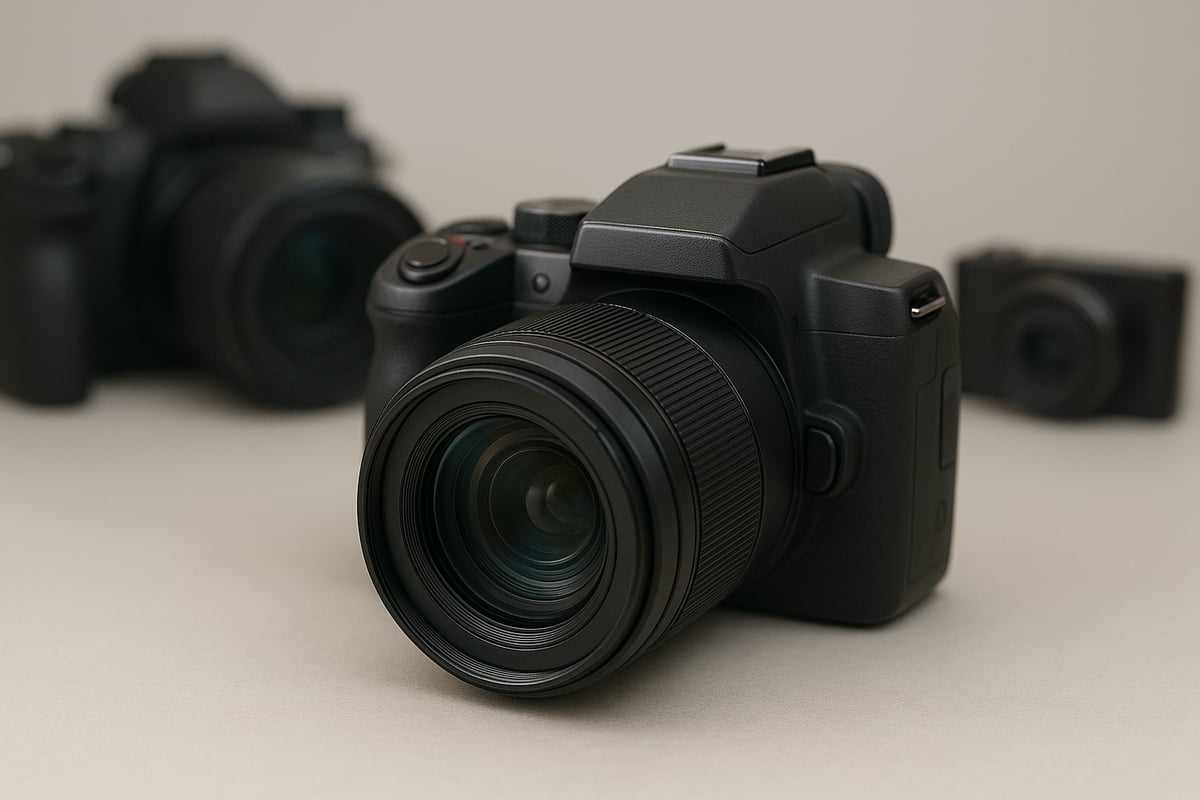
What defines a bridge camera?
A bridge camera acts as the missing link between compact point-and-shoots and professional DSLRs. It offers a fixed lens, so you do not swap lenses like on a DSLR or mirrorless, but you gain a powerful optical zoom and a body style that feels substantial in hand.
What makes bridge cameras stand out is their all-in-one design. You get impressive zoom ranges, manual controls, and features typically found on more advanced cameras, all in a single package. The best bridge cameras are designed for versatility, making them ideal for travelers or anyone who wants to avoid the hassle of carrying multiple lenses.
If you are wondering how bridge cameras compare to other types, here is a quick summary:
| Feature | Compact Camera | Bridge Camera | DSLR/Mirrorless |
|---|---|---|---|
| Lens | Fixed | Fixed (superzoom) | Interchangeable |
| Controls | Basic | Advanced | Professional |
| Size | Small | Medium | Large |
| Versatility | Low | High | Very High |
For a deeper dive into where bridge cameras fit in the camera world, see this digital cameras for photography guide.
Evolving needs of photographers in 2026
In 2026, photographers expect more from their gear than ever before. The best bridge cameras have adapted, offering not just great photos, but also robust video, seamless connectivity, and even AI-driven features. Hybrid shooters want to switch between 4K video and high-res stills on the fly.
Portability is key for travelers and hobbyists who want a capable camera in a manageable size. Many bridge cameras now use lighter, more durable materials, addressing concerns about weight and longevity. Sustainability is another focus, with brands using recycled plastics and offering longer-lasting components.
Photographers also want simplicity. Touchscreens, intuitive menus, and smart auto modes help everyone – from beginner to expert – get the shot with less fuss. The evolution of bridge cameras in 2026 means you do not have to compromise between ease of use and creative control.
Market trends and future-proofing your purchase
The market for the best bridge cameras is evolving rapidly. AI-powered features like subject tracking, scene recognition, and computational enhancements are now standard. Smart connectivity, including Wi-Fi, Bluetooth, and direct cloud uploads, has transformed how we share and store images.
Recent statistics show that bridge camera sales are rising, especially among hobbyists and travelers who value convenience and quality. Manufacturers are focusing on compact designs, while integrating new tech to keep up with user demands. For anyone considering a purchase, these trends mean that features like AI, cloud integration, and robust video are no longer luxuries – they are essentials.
When shopping, consider how well a camera will age. A future-proof bridge camera should offer firmware updates, compatibility with accessories, and enough versatility to meet your needs as technology advances. The best bridge cameras in 2026 are those that anticipate what photographers will want next and deliver it in a reliable, user-friendly package.
9 essential best bridge cameras features to consider in 2026
Choosing the best bridge cameras in 2026 means looking beyond just the brand or megapixel count. The real magic lies in understanding which features will have the biggest impact on your photography, both now and as technology evolves. Let us break down the nine must-have features, sharing insights from years of hands-on shooting, so you can make a truly informed choice.
1. Advanced zoom capabilities
Zoom range has always been a headline feature for the best bridge cameras, and in 2026, the gap between optical and digital zoom is clearer than ever. Optical zoom still reigns supreme for image quality, as it uses the lens’s physical movement rather than cropping the sensor. Many top models now offer 60x to 125x optical zoom, letting you capture birds on distant branches or details on city skylines.
Image stabilization is crucial, especially at extreme telephoto. Modern bridge cameras use a blend of optical and digital stabilization, keeping your shots sharp even at maximum zoom. For handheld wildlife or sports photography, this is a game-changer.
Consider how zoom range affects portability. A 125x zoom sounds impressive but often means a bigger, heavier camera. If you travel a lot, you might prefer a compact model with a more modest but still versatile zoom.
For a deeper dive into current zoom champions and to compare real-world results, check out Best zoom cameras reviewed. Seeing sample images can help set your expectations.
Ultimately, the best bridge cameras for zoom let you shoot everything from wide landscapes to close-up macros with a single lens. Think about your main subjects and pick a zoom range that truly supports your style.
2. Sensor size and image quality
Sensor size directly impacts your photos’ clarity, low-light performance, and dynamic range. In 2026, most best bridge cameras feature 1-inch sensors, while some push toward Micro Four Thirds. Larger sensors gather more light, giving you sharper images with less noise, especially when shooting at dusk or indoors.
Recent advances like stacked and backside-illuminated sensors have closed the gap between bridge cameras and entry-level DSLRs. These tech upgrades mean better color reproduction and faster readout speeds, which helps both stills and video.
Don’t get caught up in megapixel myths. More megapixels sound great, but sensor quality and size matter more. For most uses, 20 to 24MP is plenty, offering enough detail for large prints and generous cropping.
Here’s a quick table for comparison:
| Sensor Type | Image Quality | Low-light | Crop Flexibility |
|---|---|---|---|
| 1-inch | Very good | Good | High |
| Micro Four Thirds | Excellent | Very good | Excellent |
| Smaller (1/2.3″) | Decent | Fair | Moderate |
If you shoot landscapes or portraits, a larger sensor can elevate your results. For casual or travel shooting, modern 1-inch sensors strike a great balance between quality and portability.
3. Autofocus speed and accuracy
Fast, reliable autofocus is a must if you want to capture fleeting moments or shoot moving subjects. In 2026, the best bridge cameras use hybrid autofocus systems, blending phase-detect and contrast-detect methods for speed and precision.
AI-driven subject tracking is now standard. Cameras can lock onto faces, eyes, or even animals, following them across the frame with impressive accuracy. This is invaluable for candid portraits, sports, or wildlife, where the scene changes quickly.
Low-light performance has improved, with many cameras focusing confidently even at dusk or under indoor lighting. Continuous autofocus is also vital for video recording and burst shooting, ensuring sharp frames throughout the action.
If you often shoot fast-paced events or unpredictable subjects, prioritize autofocus specs. The difference between a missed shot and a winning image often comes down to how well your camera tracks the moment.
4. High-quality electronic viewfinder (EVF) and LCD display
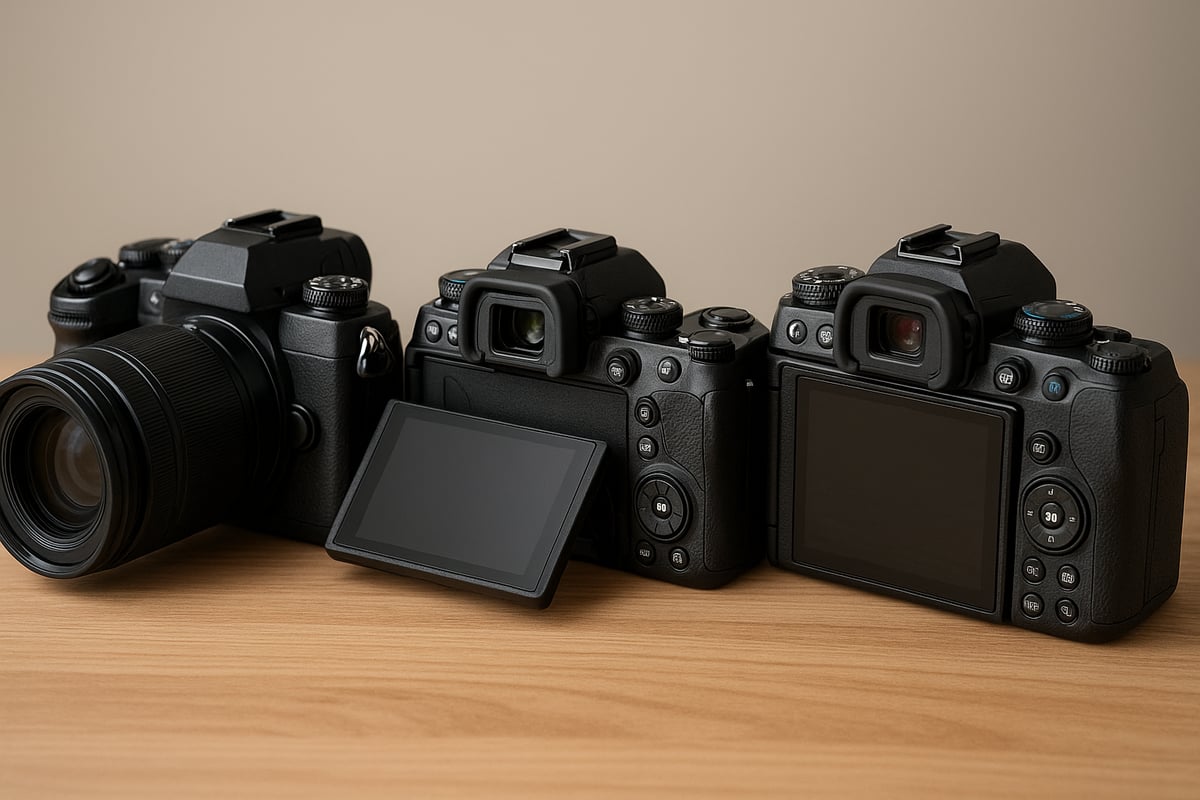
A bright, sharp electronic viewfinder (EVF) is essential for composing images in all lighting conditions. By 2026, EVFs in the best bridge cameras offer high resolutions and fast refresh rates, eliminating lag and making manual focusing easier.
Articulating LCD screens have also become more common. They tilt and swivel, letting you shoot from creative angles – whether you’re holding the camera overhead or shooting low to the ground. Touch controls make navigating menus and selecting focus points intuitive.
Here’s what to look for:
- High EVF resolution (at least 2.36M dots)
- Fast refresh rate (60Hz or higher)
- Accurate color reproduction
- Large, bright LCD (3 inches or more)
- Full articulation for vlogging or selfies
The difference between EVF and optical viewfinder is subtle but important. EVFs show exactly how your image will look, including exposure and color changes. This feedback can help you nail shots in tricky lighting.
For those who love manual controls or shoot in bright sunlight, a top-notch EVF and LCD make the shooting experience more enjoyable and precise.
5. 4K/8K video recording and advanced video features
Video capabilities have exploded in bridge cameras. By 2026, 4K is standard and many of the best bridge cameras now support 8K recording. Look for high frame rates (60fps or higher for 4K, 30fps for 8K) and robust codecs like H.265 for efficient storage.
In-camera stabilization is critical for smooth handheld footage. Many cameras also offer microphone and headphone inputs, catering to vloggers and content creators. Creative video modes such as slow motion, time-lapse, and HDR video add flexibility for storytelling.
Hybrid shooters – those who want both great photos and video – will appreciate cameras that balance still and video features. For instance, fast autofocus and silent operation make a big difference in real-world filming.
If you plan to create YouTube content, capture family events, or document travel adventures, prioritize advanced video specs. The best bridge cameras now rival many dedicated camcorders in versatility.
6. Connectivity and smart features
Today’s best bridge cameras are smarter than ever. Built-in Wi-Fi and Bluetooth are standard, letting you transfer images to your phone or tablet instantly. Many models now support direct cloud uploads, so your photos are backed up before you even get home.
Remote control via smartphone apps is a huge plus, especially for group shots or wildlife photography where you want to keep your distance. GPS tagging helps organize travel photos, and automatic backup is a must for peace of mind.
AI-powered scene recognition is another modern perk. The camera can suggest settings or even recognize specific subjects, making it easier to get pro-quality results without deep technical knowledge.
Firmware updates keep your camera current, while a robust app ecosystem can expand its capabilities over time. If you value a streamlined workflow and love sharing images on the go, these features are essential in the best bridge cameras.
7. Ergonomics and build quality
Comfort and durability are often overlooked but make a huge difference in real-world use. The best bridge cameras offer a secure, comfortable grip and intuitive button layout, so you can shoot for hours without fatigue.
Weather-sealing is more common in 2026, protecting your investment from dust and rain. Lightweight materials, like magnesium alloy or reinforced polycarbonate, keep cameras portable yet tough.
Customizable controls let you tailor the camera to your shooting style. Whether you’re a beginner or a pro, a logical menu system and clearly labeled buttons speed up your learning curve.
Many brands now focus on sustainability, using recycled materials and eco-friendly packaging. If you shoot outdoors or travel frequently, prioritize build quality and ergonomics to get the most from your best bridge cameras.
8. Battery life and power management
Long battery life is crucial, especially if you shoot events, travel, or record lots of video. In 2026, expect most best bridge cameras to deliver 400-600 shots per charge, depending on usage.
Fast charging via USB-C is now standard, and many cameras let you use power banks for on-the-go charging. Swappable batteries offer flexibility, while integrated solutions can make cameras slimmer but less adaptable.
Eco modes and power-saving settings help you squeeze the most from each charge, especially useful for time-lapse or long video shoots. Keep in mind, high-performance features like 8K video will drain batteries faster.
Here are some battery-saving tips:
- Lower LCD brightness
- Use EVF instead of LCD when possible
- Carry a spare battery or power bank
Battery life can make or break a day of shooting, so always check specs and plan accordingly with your best bridge cameras.
9. Value for money and future-proofing
When investing in the best bridge cameras, balance the feature set against your budget. Look for cameras that offer firmware updates, accessory compatibility, and a proven track record of reliability.
Future-proofing matters. Models with modular accessories, regular software updates, and support for new storage or wireless standards will remain useful longer. Consider the resale value too: well-maintained bridge cameras often hold their value better than compacts.
If you want deeper insights into upcoming features and trends, Advancements in bridge camera technology is a great resource for understanding where the market is headed.
To make a smart choice, prioritize the features you’ll use most. For example, a travel shooter may value portability and connectivity, while a wildlife enthusiast will want top-tier zoom and autofocus. Create a checklist before shopping and stick to it to avoid overpaying for unused extras.
A well-chosen bridge camera can serve you for years, adapting to new styles and technologies as your skills grow.
How to match bridge camera features to your photography style
Selecting the best bridge cameras for your unique photography style is a process that rewards careful thought and self-awareness. Whether you shoot landscapes, wildlife, travel moments, or create content for social platforms, aligning your camera’s strengths with your actual needs can make all the difference. Let’s break down how you can match features to your style and avoid common pitfalls when investing in a new camera.
Assessing your primary shooting needs
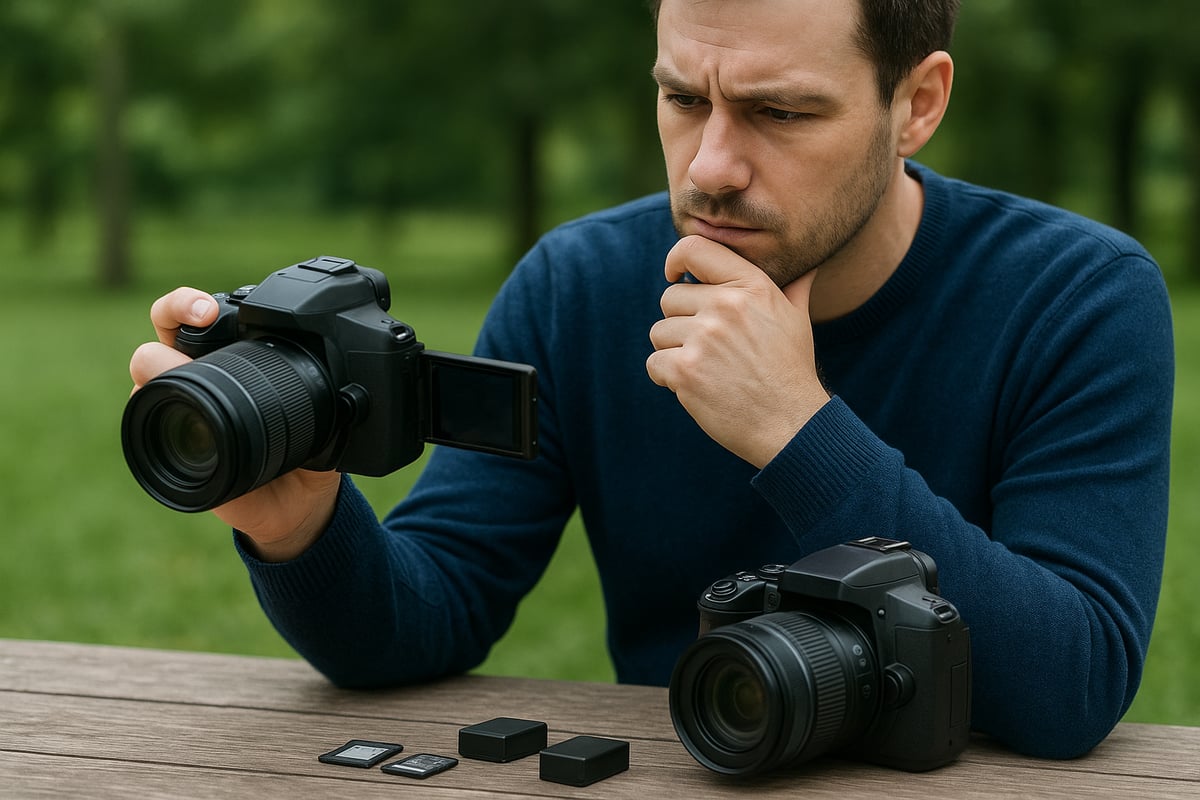
The first step in choosing the best bridge cameras is to honestly assess what, where, and how you shoot most often. Are you a traveler who values portability and all-in-one convenience, or do you spend weekends tracking wildlife where long zoom and fast autofocus are essential? Perhaps you’re a content creator who needs reliable video features and seamless connectivity.
Make a short list of scenarios you find yourself in most. For instance:
- Wildlife or sports: prioritize long optical zoom and fast burst rates
- Travel: compact build, lightweight design, versatile lens
- Street or candid photography: discreet style, quick autofocus, good low-light performance
- Content creation: 4K/8K video, audio inputs, flip screens
By defining your use cases, you’ll be able to filter out models that lack the features you’ll rely on most. For example, if you travel frequently, a camera like the Panasonic Lumix DC-FZ80 stands out for its blend of zoom and portability, as detailed in this Panasonic Lumix DC-FZ80 review. Matching your core needs to the camera’s strengths ensures you get the most from your investment.
Weighing trade-offs and setting priorities
With your needs outlined, it’s time to weigh the inevitable trade-offs. No camera is perfect for every situation. The best bridge cameras offer a balance, but you’ll need to prioritize features. Do you really need 8K video, or would a brighter lens and longer battery life serve you better? Avoid being swayed by specs you’ll rarely use.
Consider these questions when setting priorities:
- Which features are must-haves for your photography style?
- Are there nice-to-haves that could enhance your experience but aren’t deal-breakers?
- Is there a feature that adds unnecessary weight or complexity?
A simple checklist can help:
- List your top three required features.
- Identify two features you can compromise on.
- Note any non-negotiables, such as weather-sealing for outdoor use.
Being honest about your priorities keeps you from overpaying for features you’ll barely use. This approach is key for finding the best bridge cameras that fit your workflow and budget.
Making an informed decision for 2026 and beyond
Now, bring it all together by researching, comparing, and test-driving your shortlisted models. Expert reviews, sample galleries, and feedback from other photographers can highlight real-world strengths and weaknesses. Staying current with bridge camera market trends can also help you identify which features are future-proof, like AI-powered autofocus or cloud connectivity.
Remember to check for ongoing firmware updates and accessory compatibility. Think about how your camera might grow with you: will you want to expand into different genres or try new accessories? Choosing the best bridge cameras for 2026 means looking at both today’s needs and tomorrow’s possibilities.
When you match your camera’s feature set to your style and keep an eye on long-term value, you’ll end up with a tool that inspires confidence and creativity every time you shoot.