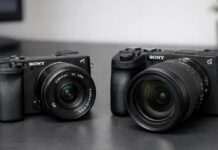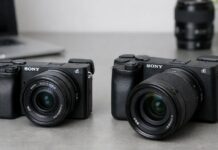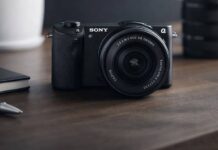

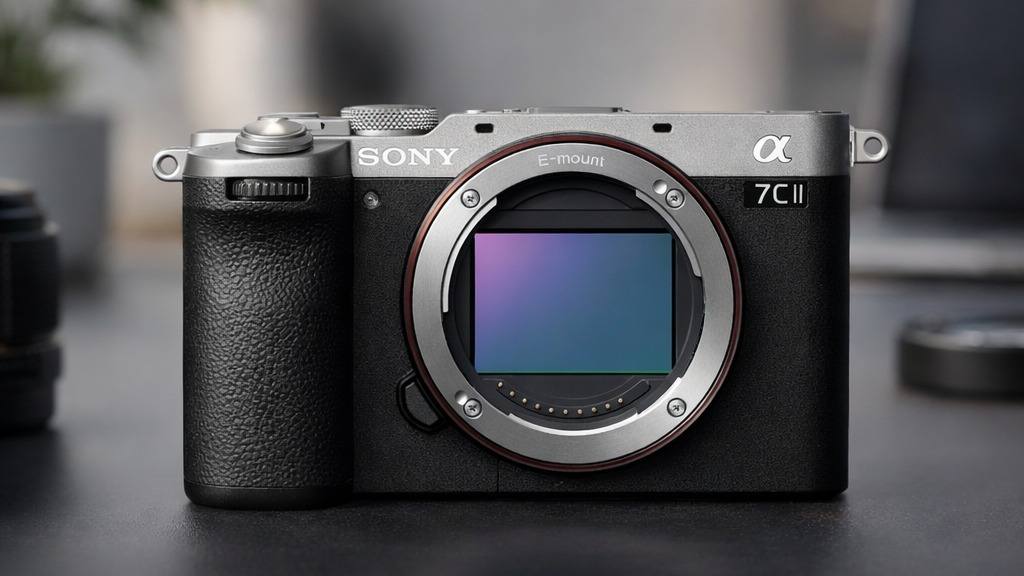
Quick verdict: the Sony a7C II is one of the strongest compact full-frame cameras for travel, street photography, family use, and hybrid creators who want serious image quality without carrying a large body. It makes the most sense with compact FE primes or smaller zooms, where its size advantage is real.
It is not the best Sony body for everyone. If you shoot weddings, events, long paid jobs, heavy telephoto lenses, or anything where dual card slots and a larger viewfinder matter, the Sony a7 IV is still the safer workhorse. But for photographers who want full-frame files in a smaller everyday camera, the a7C II is a very compelling choice.
Contents
- Who the Sony a7C II is really for
- Design, build, and day-to-day handling
- Sensor performance and image quality
- Autofocus and subject tracking in the field
- Video features and creator workflow
- Battery life, storage, and everyday reliability
- Best lenses to pair with the Sony a7C II
- Sony a7C II vs key alternatives
- Pros, cons, and final verdict
- Frequently asked questions
Who the Sony a7C II is really for
Why this camera makes sense for travel shooters
The Sony a7C II is designed for photographers who want full-frame quality in a package that does not weigh them down. This camera makes the most sense for travel, street, and everyday photography, where size and portability matter. I have carried the a7C II through airports, on city walks, and across short hikes, and the difference is real: compared with most interchangeable-lens full-frame cameras, the lighter weight and smaller silhouette make the camera easier to keep with you all day.
That balance is also why some buyers pause before committing: if compact size and travel-friendly handling are the priority, it helps to compare full-frame with Sony’s smaller APS-C options. For readers weighing that tradeoff, this Sony a6700 review adds useful context before deciding which body better fits the way you actually shoot.
If you are tired of heavy gear but still want the creative flexibility that comes with a full-frame sensor, the a7C II is a natural fit. It slips into smaller bags, does not attract too much attention, and lets you shoot for hours without fatigue. For travel photographers, this matters even more. You can explore new cities, switch lenses on the fly, and blend in with locals, all while knowing you are not sacrificing image quality.
Family photographers, urban explorers, and content creators also benefit from this camera’s balance of performance and convenience. You get excellent autofocus, reliable image quality, and enough controls for manual shooting in a body that fits easily into a small sling bag with the right lens. The Sony a7C II for travel is not just marketing – it is a real advantage when you are moving quickly and space is limited.
Who should look at the a7 IV or a6700 instead
While the a7C II impresses with its compactness, it is not for everyone. If you prioritize a large, high-resolution viewfinder and want more direct control dials, the Sony a7 IV feels better in hand. The a7 IV offers a beefier grip, dual card slots, and a more traditional DSLR-style layout, making it a stronger choice for event, wedding, or studio work where ergonomics and redundancy matter more than portability.
If you do most of your shooting with telephoto lenses, especially for sports or wildlife, the compact body of the a7C II can feel unbalanced. In these cases, the a6700 or an a7 IV will offer better handling and stability. The a6700 is also a smart option for those who want the latest autofocus and video features but do not need full-frame depth of field or low light capabilities.
In summary, the a7C II is for those who prize mobility and discretion above all, and who mostly use compact primes or moderate zooms. If you need a camera that feels like a “mini a7 IV” and fits anywhere, this is your best choice. If your shooting style leans toward the studio, heavy glass, or all-day event work, you will likely find more comfort and speed with the larger models.
Design, build, and day-to-day handling
Grip, controls, and viewfinder compromises
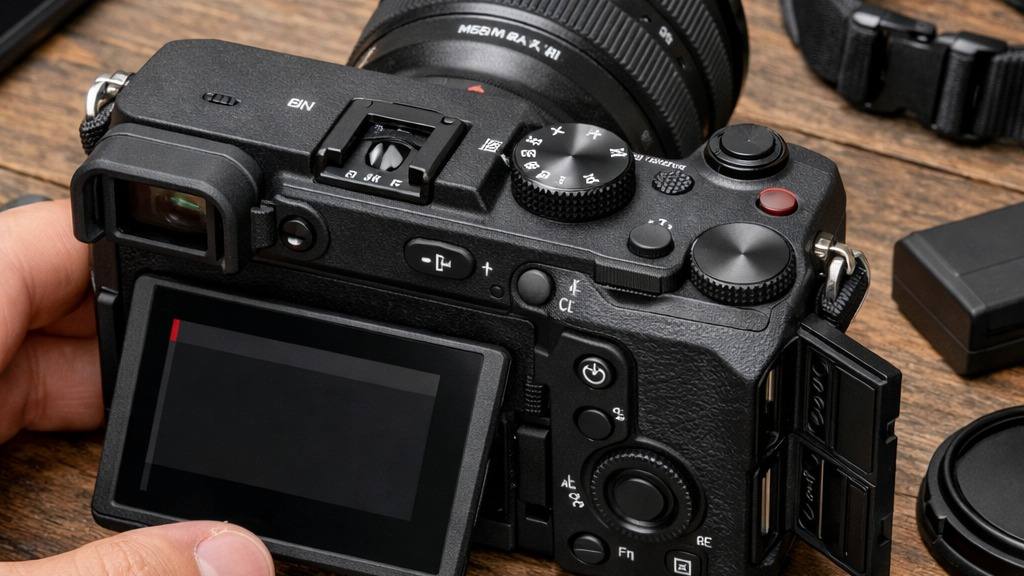
Sony a7C II ergonomics are a mix of clever design and necessary compromise. The magnesium alloy chassis feels solid despite its low weight. The grip is deeper than the original a7C, and with medium-sized hands I find it secure enough for light one-handed shooting with compact lenses. However, with larger zooms or long sessions, the narrower body can start to feel cramped, especially compared to the a7 IV or a traditional DSLR.
Controls are improved from the first a7C. The addition of a front dial gives you better exposure control, and the customizable buttons are responsive and easy to program. Still, some buttons are small and closely spaced, especially on the top plate. If you shoot in gloves or need to change settings without looking down, this takes some getting used to.
The electronic viewfinder is one of the biggest trade-offs. It is smaller and lower in resolution than the a7 IV, which can be noticeable in bright sunlight or when checking manual focus. For casual shooting or reviewing composition, it is fine. For long sessions or critical work, you may wish for something larger. The LCD swings out and rotates, making it useful for vlogging and awkward angles, but it does not feel as robust as the best screens on the market.
How it feels with compact primes and larger zooms
The Sony a7C II handling truly shines when paired with smaller FE primes like the 40mm f/2.5 G or the 28mm f/2. These combinations make the camera feel almost like a premium compact. The weight distribution is just right, and you can shoot discreetly for hours. This is where the camera delivers on its promise: full-frame power that never feels like a burden.
Attach a larger zoom, such as the 24-105mm f/4, and the balance shifts. The camera is still manageable, but you notice more front-heaviness. For occasional use or travel, this is not a dealbreaker. However, if you often shoot with long glass, you may miss the stability and comfort of a bigger grip. The single card slot is another limitation for pros who demand instant backup.
Day-to-day, the a7C II fits into smaller bags and does not draw stares in public. The weather sealing gives peace of mind for travel and street work, though it should still be protected from heavy rain. Overall, if you build your kit around compact lenses, the camera feels like it was made for everyday adventure.
Sensor performance and image quality
Dynamic range, color, and high ISO results
The Sony a7C II uses a 33-megapixel full-frame sensor, the same core hardware as the a7 IV. This means you get an excellent balance of detail, dynamic range, and manageable file sizes. In my editing workflow, the 33MP full-frame RAW files give generous room to recover shadows and protect highlights compared with smaller-sensor cameras. The dynamic range is wide enough to handle harsh sunlight, deep shade, and tricky mixed lighting.
Colors are classic Sony: neutral, accurate, and easy to tweak in post. Skin tones look natural, and the auto white balance is reliable even in changing light. If you shoot JPEG, the out-of-camera color is pleasant, though RAW remains the better choice when maximum editing flexibility matters.
High ISO performance is one of the a7C II’s strengths. Images stay clean up to ISO 3200, and even at ISO 6400, noise is well controlled and detail is preserved. You can shoot handheld in dim interiors or at night, knowing your files will hold up for moderate-sized prints or web use. For travel and documentary shooters, this is a major advantage.
How much resolution matters in real editing
With 33 megapixels, the a7C II’sits in a sweet spot. You have enough resolution for large prints, tight crops, and detailed landscapes, but the files are not too heavy for quick editing on a laptop while traveling. For the way I would use this camera – travel, family, street, and small paid jobs – this is a practical balance. You get flexibility without the storage headache of 50+ megapixel cameras.
For social media, web, or editorial work, you will rarely need more. Even for moderate commercial projects, the detail holds up. If you regularly print wall-sized images or crop aggressively, you may want more pixels, but for most real-world uses, this sensor is the right compromise.
Overall, the Sony a7C II image quality is strong across the board. Whether you are capturing cityscapes at sunset, portraits in window light, or fast-moving kids indoors, the files give plenty of room for creative editing. The sensor’s dynamic range and low light capability mean you can travel light without worrying about missing a shot or detail.
Autofocus and subject tracking in the field
Eye AF for people, animals, and casual action
In everyday shooting, one of the Sony a7C II’s strongest advantages is how confident the autofocus feels. Sony’s AI-based autofocus system, inherited from their higher-end models, truly raises the bar for compact cameras. In busy street scenes, travel portraits, or even at impromptu family gatherings, Sony a7C II autofocus locks on quickly and rarely lets go. The Eye AF function for people is especially impressive. It detects and tracks your subject’s eye, even as they move or turn, which means you can focus on composition rather than worrying about critical focus.
For animal lovers, the camera’s animal Eye AF is equally effective. Whether you’re photographing a dog running at the park or capturing a cat lounging in a sunbeam, the camera identifies and holds focus on the animal’s eye with surprising reliability. This is not just a theory from the menu specs – it works in practice. I have found the subject recognition especially useful for spontaneous wildlife encounters, where older mirrorless bodies often need more manual focus-area control.
Subject tracking goes beyond just eyes. The Sony a7C II tracking system can stick to an entire body, head, or even unfamiliar objects. If you’re shooting kids playing, cyclists on city streets, or birds overhead, the camera quickly recognizes and maintains focus as your subject moves across the frame. The tracking box remains sticky, and the transition between subjects is usually smooth. In lower light, autofocus slows slightly but remains more dependable than most competitors in this size class.
In practice, the strongest results come when face, eye, and subject tracking are combined with the camera’s burst shooting. Whether you are at a festival, capturing friends on a hike, or photographing a quick toddler, the a7C II’s AI autofocus keeps up. You get more keepers and fewer missed moments, which is exactly what you want from a travel-friendly full-frame camera.
Video features and creator workflow
4K quality, stabilization, and rolling shutter
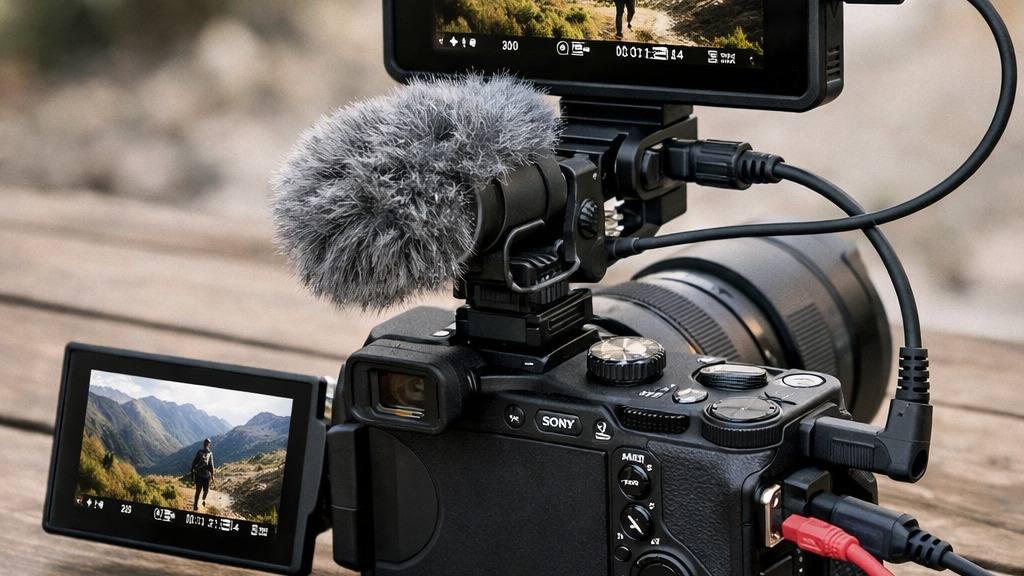
The Sony a7C II is not just a stills machine; it excels in video as well, thanks in part to the same 33MP sensor as the a7 IV and Sony’s latest processing. Sony a7C II video offers full-width 4K up to 30p, oversampled from 7K, resulting in footage that looks crisp and detailed, even in challenging conditions. For those who want slow motion, you get 4K at 60p in Super 35 crop mode, which is more than enough for travel vlogs, behind-the-scenes reels, or quick TikToks.
One of the camera’s strengths is its in-body image stabilization (IBIS). The five-axis IBIS system, combined with lens stabilization, smooths out handheld video, making it practical to shoot while walking or panning. You can even enable Sony’s Active Mode for extra digital stabilization, though there’s a slight crop. For creators who often film on the go, this means you can leave the gimbal at home for most casual shoots.
Rolling shutter is present, as with many full-frame mirrorless cameras, but it is well-controlled for the class. Unless you’re panning very quickly or filming fast action, it won’t ruin your footage. In typical creator workflows – talking head setups, travel scenes, or even walking tours – the effect is negligible.
Ports, audio options, and recording limits
Sony packed a surprisingly robust set of video features into the a7C II’s small body. On the left side, you get a micro HDMI connector, a microphone input, and a headphone output, which is a strong set of ports for a camera this compact. This means you can monitor audio, plug in quality microphones, and use external monitors or recorders with the right micro HDMI cable or adapter. The camera also supports digital audio input via Sony’s Multi Interface Shoe, a useful advantage for creators using compatible Sony wireless microphones or shotgun mics.
The old 29-minute recording limit is not the main concern here, but battery life, card capacity, ambient temperature, and the compact body still matter during longer sessions. For interviews and extended travel clips, it is much more practical than older limited cameras, but it is still not a dedicated cinema body.
The menu system now includes Sony’s improved touch interface, making it easier to change settings on the fly, set focus points, or adjust exposure while recording. For creators, this adds up to a camera that feels modern and responsive, not a shrunken-down compromise. Whether you’re an aspiring YouTuber, a travel documentarian, or someone who wants to capture family memories in high quality, the a7C II adapts smoothly to a range of workflows.
Battery life, storage, and everyday reliability
Single card slot trade-offs and travel backup habits
One of the realities of compact cameras is that there are always trade-offs for size. The Sony a7C II uses the NP-FZ100 battery, the same one found in larger Sony bodies, which is a blessing for battery life. Sony rates the a7C II at approximately 530 shots with the viewfinder or 560 shots with the LCD under CIPA testing, and the NP-FZ100 battery is one of the reasons this compact body works well for travel. For a camera this small, that is excellent. If you plan to shoot a lot of 4K video, carrying a spare battery is still smart.
Storage, however, is limited to a single UHS-II SD card slot. For most users, this is not a dealbreaker, but it does mean you need to be proactive with backups, especially when traveling. My preferred travel workflow would be to carry multiple cards and copy important images to a phone, laptop, or small SSD at the end of the day. If you are coming from a dual-slot camera, this might feel like a step back, but for everyday and travel use, it’s manageable.
Reliability in the field is where the a7C II really shines. The body has dust- and moisture-resistant construction, but it should not be treated as waterproof. Light rain, blowing dust, and travel conditions are reasonable use cases with care, while heavy rain still calls for protection. The controls, while compact, are solid and responsive. The shutter is quiet, which helps for street or candid work, and the touchscreen makes navigation and focus selection much less fiddly than older Sony models.
In practical terms, the a7C II is the kind of camera you can toss in a sling bag and trust for an entire trip. The battery lasts, the files write quickly, and the autofocus delivers, whether you are shooting stills or video. For those who value dependability and portability, this camera is easy to recommend.
For full technical details, menu support, and official documentation, Sony’s own a7C II support and specifications page is the best reference.
Best lenses to pair with the Sony a7C II
Choosing the right lens is just as important as picking the camera body, especially with a compact model like the Sony a7C II. The best lenses for Sony a7C II should complement its light, slim design while delivering the image quality and autofocus performance that make this camera stand out. After weighing the body size against Sony’s lens lineup, the lens choices below are the ones I think best match the a7C II’s strengths: small size, quick autofocus, strong optical quality, and enough versatility for travel or everyday photography.
Compact prime lenses that suit the body best
For everyday and travel photography, compact primes strike the best balance of size, weight, and optical clarity. The Sony FE 35mm f/1.8 is one of my favorite matches for this body. It keeps the setup light, focuses quietly, and delivers consistently sharp results at wide apertures for street, travel, and indoor available-light scenes. Its weather sealing and quick autofocus also make it reliable for spontaneous moments. The Sony FE 28mm f/2 is another top choice. Slightly wider, it’s fantastic for cityscapes, food shots, and interiors where you want a little more scene in the frame. Both of these primes keep the a7C II nimble and unobtrusive, which is exactly how this camera feels best in hand.
If you want stellar portraits without the bulk, the Sony FE 55mm f/1.8 ZA is still one of the sharpest, most pleasing options for travel. Its rendering of detail and bokeh punches well above its price and weight. For those who lean toward environmental portraits or want something ultralight, the FE 40mm f/2.5 G and FE 50mm f/2.5 G are worth a look. They are built for walkers and explorers – sharp, fast to focus, and barely noticeable in a small bag.
Zoom lenses that balance reach and portability
Sometimes you need more flexibility, and a zoom lens gives you that without constant lens changes. The Sony FE 24-70mm f/4 ZA OSS remains the classic walkaround zoom for a reason. It is not the newest, but it stays well balanced on the a7C II body, handles travel abuse, and covers most of what most photographers need for landscapes, people, and street scenes. If you crave something even smaller, the FE 28-60mm f/4-5.6 (often bundled as a kit lens) is surprisingly sharp for its size. It’s not the fastest, but it keeps the entire setup barely larger than a premium compact camera – a real asset when packing light or shooting discreetly.
For those who need extra reach, the Sony FE 70-300mm f/4.5-5.6 G OSS is one of the more portable full-frame telephotos that still makes sense on the a7C II. It is, of course, larger than the primes, but for wildlife or travel sports, the stabilization and autofocus performance stay strong. If you want to stick with primes, consider pairing a 35mm or 40mm prime with a lightweight telephoto for versatility without bulk.
Ultimately, the best Sony a7C II lens recommendations focus on small primes and compact zooms. These let the body’s design and mission shine, keeping your setup agile and enjoyable for long days out.
Sony a7C II vs key alternatives
The Sony a7C II occupies a unique spot in the market, but several strong alternatives make the decision more interesting. Comparing the Sony a7C II vs a7 IV, as well as the a7C II against the Sony a6700 and Nikon Zf, helps clarify which camera fits your needs best.
Sony a7C II vs Sony a7 IV
The Sony a7 IV is often the default choice for those who want an all-rounder full-frame mirrorless. Both cameras share a similar 33MP sensor and deliver excellent image quality, fast autofocus, and robust video features. However, in daily use, the differences in body design and handling are significant. The a7 IV offers a larger grip, bigger electronic viewfinder, dual card slots, and more direct controls. It is built for those who need versatility, shoot long events, or want a workhorse for both stills and video.
The Sony a7C II, in contrast, is all about portability. It drops the second card slot and the bigger viewfinder but gains a much lighter, smaller body that is easier to carry for hours. For travel, street, or anyone who values compactness, the a7C II is simply less tiring to use. In my opinion, for most travel and enthusiast work, the image quality and autofocus are close enough that the a7C II rarely feels like a compromise unless you need a larger body, dual slots, or more direct controls. If you shoot in tough conditions, use heavy lenses, or want more customization, the a7 IV still makes sense. For most enthusiasts and travel shooters, the a7C II is more fun and less intrusive.
Sony a7C II vs Sony a6700 and Nikon Zf
The Sony a6700 is a top-tier APS-C mirrorless camera. It matches the a7C II for speed and autofocus but uses a smaller sensor. That means lighter lenses and even more portability, but with a tradeoff in depth of field and high ISO performance. The a6700 is a great choice for wildlife, sports, or video creators who want lighter glass and don’t need full-frame’s shallower background blur. However, when it comes to low light or dynamic range, the a7C II pulls ahead.
The Nikon Zf, meanwhile, brings a retro-inspired design with tactile dials and a classic look. Its full-frame sensor rivals the a7C II for image quality, with a slightly larger body, beautiful OLED viewfinder, and weather sealing. If you are drawn to analog aesthetics and don’t mind a bit more size, the Zf is a distinct alternative. Sony has the edge for subject tracking reliability and lens ecosystem depth, while Nikon’s color rendering and tactile controls appeal strongly to portrait and street photographers. Both are excellent; the choice depends on your priorities for design, lens ecosystem, and how the camera feels in your hands.
Sony a7C II vs Sony a7CR
The Sony a7CR is the closest sibling in the lineup because it shares the same compact body concept but uses a much higher-resolution 61MP sensor. Choose the a7CR if you regularly crop heavily, print large, or shoot landscapes and studio work where maximum detail matters. Choose the a7C II if you want smaller files, better all-round speed, easier low-light handling, and a more balanced travel camera. For most everyday photographers, the a7C II is the more forgiving and practical choice.
Sony a7C II vs Canon EOS R8
The Canon EOS R8 is another lightweight full-frame alternative and can be attractive on price, especially for photographers already invested in Canon RF lenses. The Sony a7C II is more expensive, but it offers in-body stabilization, stronger battery life, and a deeper E-mount lens ecosystem. The R8 is the lighter budget full-frame choice; the a7C II is the more complete compact travel body.
In short, the Sony a7C II’stands out for those who want full-frame quality in the smallest package and are willing to accept a few trade-offs in controls and viewfinder size. It is less about being a “do everything” camera and more about making full-frame accessible, fun, and portable for everyday shooting.
Pros, cons, and final verdict
After reviewing the Sony a7C II as a compact full-frame travel camera rather than a shrunken professional workhorse, its strengths and weaknesses become much clearer.
- Pros:
- Excellent image quality and dynamic range in a lightweight, compact body
- Outstanding autofocus and subject tracking, especially for people and animals
- Fully articulated touchscreen and good video specs for creators
- Dust- and moisture-resistant build for its size
- Best when paired with compact Sony FE lenses, keeping the setup light and discreet
- Cons:
- Small electronic viewfinder can feel limiting, especially in bright light
- Single SD card slot may be a dealbreaker for some professionals
- Limited direct controls make quick adjustments less fluid than on the a7 IV
- Some lenses, especially large zooms, feel unbalanced on this body
So, is the Sony a7C II worth it? For travel, street, and all-day shooting, the answer is a confident yes. This camera delivers full-frame results without the backache or bulk, and its autofocus is a true asset for capturing spontaneous moments. Its compact size does come with some compromises, but for most enthusiasts and even many working photographers, those are outweighed by the freedom to carry a serious camera anywhere.
If you prioritize viewfinder size, use huge lenses, or need pro-level redundancy, the a7 IV or another alternative may suit you better. But if you want the best blend of image quality, portability, and day-to-day usability, the a7C II is a standout in Sony’s lineup and one of the clearest signs that compact full-frame mirrorless bodies still have a very real audience in 2026.
Frequently asked questions
Is the Sony a7C II worth buying over the Sony a7 IV?
If you value portability, travel often, or prefer a camera that does not attract attention, the a7C II is an excellent choice. It matches the a7 IV in image quality and autofocus, but is much lighter and easier to carry all day. However, if you need dual card slots, a larger viewfinder, or more direct controls, the a7 IV remains the more versatile option.
Is the Sony a7C II good for beginners and travel photography?
Yes, the a7C II is especially well-suited for travel and those new to full-frame cameras. Its compact size, intuitive touchscreen, and reliable autofocus make it easy to use, while still delivering professional-level results. Pair it with small prime or kit zoom lenses for the best experience on the go.
How good is the Sony a7C II for video work?
The a7C II is a strong performer for hybrid shooters and solo creators. It offers 4K video up to 60p, internal 10-bit options, robust autofocus, a fully articulating screen, and useful color profiles. For most travel and YouTube content, it is more than enough. Dedicated video shooters may still prefer a larger body or cinema-focused model for longer recording sessions, full-size ports, active cooling, or more rig-friendly controls.
Should you buy the Sony a7C II or the Sony a7CR?
Buy the a7C II if you want the more balanced compact full-frame camera for travel, people, video, and everyday photography. Buy the a7CR if you need 61MP files for heavy cropping, large prints, or detail-focused landscape and studio work. The a7C II is the easier recommendation for most photographers.
What are the main drawbacks of the Sony a7C II?
The key drawbacks are the small viewfinder, single SD card slot, and fewer direct controls compared to larger Sony bodies. Some photographers may also find that larger lenses feel unbalanced. For most users, especially those prioritizing portability, these are minor issues in everyday use.