
Contents
- What the Sony a6100 is and who it suits best
- Design, handling, and everyday shooting experience
- Image quality and autofocus in real-world use
- Video features and limitations you should know
- Battery life, connectivity, and lens pairing options
- Sony a6100 vs newer alternatives
- Pros, cons, and final verdict
- Key takeaways
- Frequently asked questions
What the Sony a6100 is and who it suits best
Where the a6100 sits in Sony’s APS-C lineup
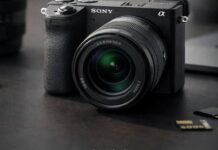
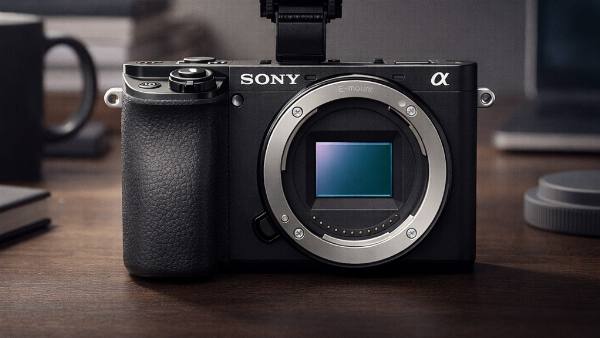
The Sony a6100 is a mirrorless camera that slots into Sony’s APS-C range as an entry-level model, though it still delivers features that appeal to enthusiasts. When it first arrived, it shared much of its core imaging tech with the more expensive a6400 and a6600, but with a trimmed-down body, simplified controls, and a friendlier price. For many, it remains a bridge between Sony’s basic compact cameras and their more advanced mirrorless bodies.
Unlike the older a6000, the a6100 offers Sony’s latest autofocus system, 4K video, and a touchscreen. It sits below the a6400, which adds weather sealing, a higher-resolution viewfinder, and advanced video profiles. The a6600 at the top end brings in-body image stabilization and a larger battery, but for most new photographers, those features are less critical. The a6100’s appeal comes from giving you essential performance without pushing you into a higher price bracket.
Who should buy it and who should look elsewhere
This camera is perfect for beginners, casual shooters, and hobbyists who want more control and image quality than a smartphone offers but don’t need every pro feature. If you’re coming from a compact or your phone and want to learn manual photography, the a6100 is a gentle step up. The autofocus system gives you real advantages for family, street, or travel photography, especially when shooting moving subjects or kids.
However, if you already own a recent Sony APS-C camera, or if you need advanced video features like S-Log, 10-bit output, or in-body stabilization, you’ll likely outgrow the a6100 quickly. Serious videographers, hybrid shooters, or anyone heavily invested in manual controls will find the a6400 or newer a6700 more suitable. Still, for the majority of new mirrorless users, the a6100 remains a fantastic value.
Design, handling, and everyday shooting experience
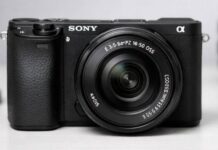
The Sony a6100 follows the familiar compact design found throughout the a6000-series. The body is lightweight, made from a mix of polycarbonate and magnesium alloy, which keeps it portable but also means it isn’t weather-sealed. When you pick it up, the grip feels small compared to some DSLRs or even newer mirrorless cameras, but it’s deep enough for secure one-handed shooting, especially with lighter lenses.
The button layout is straightforward. You get a standard mode dial, a single command dial on the back, and a few customizable buttons. The shutter button is well-placed, and the on-off switch is around it as on most Sony bodies. Some users, especially those with bigger hands, might find the controls a bit cramped, but it’s a trade-off for the small footprint. The lack of a front dial and limited direct access to critical settings can slow down adjustments in the field, but the customization options help offset this for frequent shooters.
The a6100 uses a 1.44 million-dot electronic viewfinder, which is decent for its class but feels dated next to the higher-resolution EVFs in newer models. It’s bright and clear enough for framing, though not as detailed for reviewing focus. The rear LCD is a 3-inch, 921k-dot touchscreen that tilts up 180 degrees for selfies and vlogging, or down 74 degrees for shooting overhead. Touch operation is limited to setting focus points and triggering the shutter, rather than full menu navigation, which can be frustrating for those used to modern smartphones.
The menu system is classic Sony: deep, sometimes confusing, but comprehensive. There are dozens of pages, so finding certain settings can mean lots of button presses. Custom menus and the ‘My Menu’ tab help streamline the process after some setup. For everyday shooting, once you’ve personalized a few buttons and the function menu, you can access most common controls quickly. Still, if you’re new to Sony, expect a learning curve.
Image quality and autofocus in real-world use
How the sensor performs for stills
The a6100 uses a 24.2-megapixel APS-C CMOS sensor, which has been a reliable performer across multiple Sony cameras. In practical use, image quality is excellent for its class, with detailed RAW files and pleasing JPEG color straight out of camera. Dynamic range is good, letting you recover highlights and shadows in post-processing, and high ISO performance is impressive for an entry-level model. Shooting up to ISO 3200 is routine for me, with minimal noise in well-exposed images, and even ISO 6400 is usable for web or small prints.
Color rendition is typically Sony: neutral and accurate, with a tendency towards cooler tones in JPEGs. If you like punchier colors, you may want to tweak the creative styles or shoot in RAW and edit later. The lack of in-body stabilization means you’ll want to use stabilized lenses for handheld low-light shooting, but with good technique, you can get crisp results most of the time. For travel, family, and street photography, the a6100’s sensor holds up very well, even as new models push the envelope further.
Autofocus speed, tracking, and eye AF performance
One of the strongest reasons to choose the a6100 is its autofocus system. Borrowed from Sony’s higher-end APS-C models, it offers 425 phase-detection and 425 contrast-detection points, covering most of the frame. In real-world shooting, autofocus is quick, accurate, and consistent, even with fast-moving subjects. I’ve used it for tracking kids, pets, and city action with impressive hit rates.
Eye AF, both for humans and animals, is a standout feature at this price. It locks onto eyes reliably in both single and continuous AF modes, making portraits much easier, especially with fast primes at wide apertures. Tracking is sticky, following the subject across the frame with very few misses. In lower light, focus slows down a bit but still holds its own against newer rivals. For everyday photographers, this autofocus performance is a huge step up from older entry-level cameras.
Video features and limitations you should know
The a6100 offers 4K video recording up to 30p, using the full sensor width with no crop. Footage is sharp, detailed, and benefits from Sony’s excellent autofocus, including Real-time Eye AF for video. For family moments, travel clips, and even basic YouTube content, the a6100 delivers strong results. The tilting screen is helpful for vlogging, and the camera’s small size makes it easy to carry for spontaneous shooting.
However, there are notable limitations. The a6100 lacks advanced video profiles like S-Log or HLG, so it isn’t aimed at serious filmmakers who want to color grade in post. There’s no headphone jack, and the internal microphone is only adequate. Rolling shutter is present, especially if you pan quickly in 4K, and the absence of in-body stabilization means handheld video can look shaky unless you use stabilized lenses or a gimbal.
For vlogging and casual creators, the a6100 is capable, but if video is your top priority, look at the a6400 or a6700 for more modern video features. Still, for most users who want to capture high-quality video without a steep learning curve, the a6100 remains a competitive option in 2026 as compact digital cameras make a comeback.
For full details on using and setting up the Sony a6100, including tips on controls and custom functions, refer to Sony’s official manual resources.
Battery life, connectivity, and lens pairing options
Battery performance is often a make-or-break factor for mirrorless cameras, and the Sony a6100’s battery life is respectable within its class. Using the familiar NP-FW50 battery, real-world shooting yields roughly 350 to 400 shots per charge. This estimate holds for a mix of single-shot stills and some brief video clips. Compared to DSLR standards, it falls short, but for a compact mirrorless camera, it’s quite usable. I always recommend carrying a spare battery for travel days or extended events, as the indicator can drop quickly in cold weather or with heavy autofocus use.
When it comes to charging, the a6100 supports USB charging directly in-camera. This is handy for topping up on the go using a power bank or car adapter, though charging is not especially fast. If you plan to shoot extended video sequences or time-lapses, consider an external charger and a second battery for seamless workflow.
Connectivity options on the a6100 are straightforward but cover the essentials. Wi-Fi and Bluetooth allow easy image transfer to smartphones or tablets using the Sony Imaging Edge Mobile app. Pairing is relatively painless, and I have found the connection stable for quick social media sharing or remote control shooting. The camera also features a micro HDMI output, a micro USB port, and a 3.5mm microphone input. The mic input is an important feature for vloggers or anyone aiming to improve their audio, though the lack of a headphone output is a missed opportunity for serious video creators.
For studio or tethered shooting, direct USB transfer is possible, but it’s not as robust as Sony’s higher-end models. There’s no dedicated PC sync port, but for remote work or basic live streaming, the a6100 gets the job done. If you need more advanced connectivity such as LAN or FTP, you’ll need to look at pricier bodies.
The real strength of the a6100 lies in lens pairing options. Sony’s E-mount lens ecosystem is among the most extensive on the market. This camera accepts any Sony E-mount lens, including both APS-C and full-frame glass, as well as third-party options from Sigma, Tamron, and Samyang. For those just starting, the compact 16-50mm kit zoom is lightweight and covers most general-purpose needs, though its optical quality is average. My personal favorites for this camera include the Sigma 30mm f/1.4 for portraits and low-light shooting, the Sony 18-135mm OSS for travel, and the compact Sony 20mm f/2.8 pancake for everyday snaps.
Prime lenses like the Sigma 56mm f/1.4 or Sony 35mm f/1.8 OSS really let the a6100’s sensor shine, producing crisp images with beautiful background separation. Wide-angle fans will appreciate the Sony 10-18mm f/4 OSS, which is great for landscapes and vlogging. Autofocus performance remains quick and accurate with all native E-mount lenses. If you already own manual focus or legacy glass, adapters are widely available, though autofocus will not be supported.
In summary, the a6100 offers enough battery life for most casual and enthusiast shooters, strong wireless connectivity for sharing and remote control, and access to the best lens library in the APS-C segment. This flexibility is a major advantage over rival systems at this price point.
Sony a6100 vs newer alternatives
How it compares with the Sony a6400 and a6700
Choosing between the Sony a6100 and its newer siblings is a common dilemma, especially with the resurgence of compact digital cameras in 2026. The Sony a6100 review would not be complete without a head-to-head look at its closest competitors: the Sony a6400 and the a6700.
The a6400 sits one step above the a6100. Both share the same 24.2MP sensor, fast real-time Eye AF, and similar compact bodies. However, the a6400 adds a few features that matter to advanced users: a higher-resolution electronic viewfinder, weather sealing, support for picture profiles (like S-Log for video grading), and a slightly sturdier build. If you plan to shoot a lot of video or want more control over color grading, those extra features add value. For pure photography, the a6100’s output is almost identical, and you can save a bit of money by skipping the extras.
The Sony a6700 is a different beast. It features a new 26MP BSI sensor, far more advanced autofocus, 4K/60p video, a larger grip, better battery life, and new AI-powered subject tracking. The a6700 is the best Sony APS-C camera for hybrid shooters who want top-tier autofocus, robust video, and a more comfortable body for long sessions. However, it also costs significantly more and is slightly bulkier – two factors that matter if you value portability.
There are also alternatives from other brands, but Sony’s lens system is a huge advantage for long-term upgradability. For most beginners and casual enthusiasts, the a6100 covers the basics with enough room to grow. If you know you’ll want advanced video, faster shooting, or weather resistance, it’s worth investing in the a6400 or a6700 right away. For those who value compactness, simplicity, and affordability, the a6100 strikes the ideal balance.
Pros, cons, and final verdict
Every camera comes with trade-offs, and the Sony a6100 is no exception. Here’s how it stacks up after extended use:
- Pros:
- Class-leading autofocus, including real-time Eye AF for people and animals
- Excellent image quality from the 24.2MP APS-C sensor
- Lightweight, compact body ideal for travel and everyday carry
- Access to a huge range of Sony E-mount and third-party lenses
- Good wireless connectivity for sharing and remote operation
- Decent battery life for a compact mirrorless camera
- Flip-up touchscreen great for vlogging and selfies
- Cons:
- Plastic-heavy build lacks weather sealing
- No headphone jack for audio monitoring
- No in-body stabilization (IBIS)
- Limited video features compared to newer models
- Menu system can feel overwhelming to newcomers
- Small grip may not suit users with larger hands
So, is the Sony a6100 worth it in the current landscape? For beginners, hobbyists, and anyone wanting a reliable, lightweight camera with great autofocus and image quality, the answer is yes. The a6100’s main strengths – fast focus, good JPEG color, and access to Sony’s lens lineup – make it a smart investment for those not chasing the highest video specs or most rugged build.
If your needs include professional video, all-weather shooting, or the absolute latest tech, the a6400 or a6700 are better bets. But for the majority of users upgrading from a phone or compact camera, the a6100 remains a value-packed choice that does not feel outdated despite its age. For more technical details or troubleshooting, visit the official Manuals for ILCE-6100 page.
Related reading: Sony a6400 review, Sony a6600 review and Sony a6000 series guide.
Key takeaways
- The Sony a6100 remains a strong entry-level mirrorless camera with excellent autofocus and very good image quality for the price.
- Its biggest compromises are handling refinements, limited video-oriented features, and an older body design compared with newer Sony APS-C models.
- For lensandshutter.com readers, the a6100 makes the most sense for beginners and hobbyists who want access to Sony’s lens ecosystem without overspending.
Frequently asked questions
- Is the Sony a6100 still worth buying in 2026?
Yes, especially for beginners or hobbyists who want a compact, reliable camera with excellent autofocus. Its value only increases as prices drop and the lens ecosystem matures, though video creators may want more advanced features from newer models.
- Is the Sony a6100 good for beginners?
Absolutely. Its automatic modes, real-time Eye AF, and simple controls make it easy for newcomers. You also have room to grow into manual shooting and creative lens choices as your skills advance.
- Does the Sony a6100 shoot good video?
The a6100 records sharp 4K video with fast autofocus, but it lacks advanced profiles and features like in-body stabilization and headphone monitoring. It is great for casual use or vlogging, but dedicated filmmakers may want more.
- What are the best lenses for the Sony a6100?
My top recommendations are the Sigma 30mm f/1.4 for portraits and low light, Sony 18-135mm OSS for general use, and Sony 10-18mm f/4 OSS for wide-angle work or vlogging. The lightweight 16-50mm kit lens is a fine starter option.
- How does the Sony a6100 compare to the Sony a6400?
They share the same sensor and autofocus system, but the a6400 offers weather sealing, more advanced video options, and a sturdier build. If you care mostly about stills or want to save money, the a6100 is a great pick.