
Contents
- What separates the Z9 and Z8 at a glance
- Body design, handling, and day to day usability
- Autofocus, burst speed, and performance under pressure
- Image quality and low light results
- Video features for hybrid shooters and filmmakers
- Battery life, storage, and workflow considerations
- Price, value, and which camera I would buy
- Key takeaways
- Frequently asked questions
What separates the Z9 and Z8 at a glance
The core specs that matter in real shooting
At first glance, the Nikon Z9 and Z8 seem almost interchangeable. Both feature a 45.7MP stacked CMOS sensor, the same Expeed 7 processor, and a near-identical autofocus system. This means you get top-tier image quality, speed, and focusing reliability in either body. However, some differences quickly stand out when you handle both in the field.
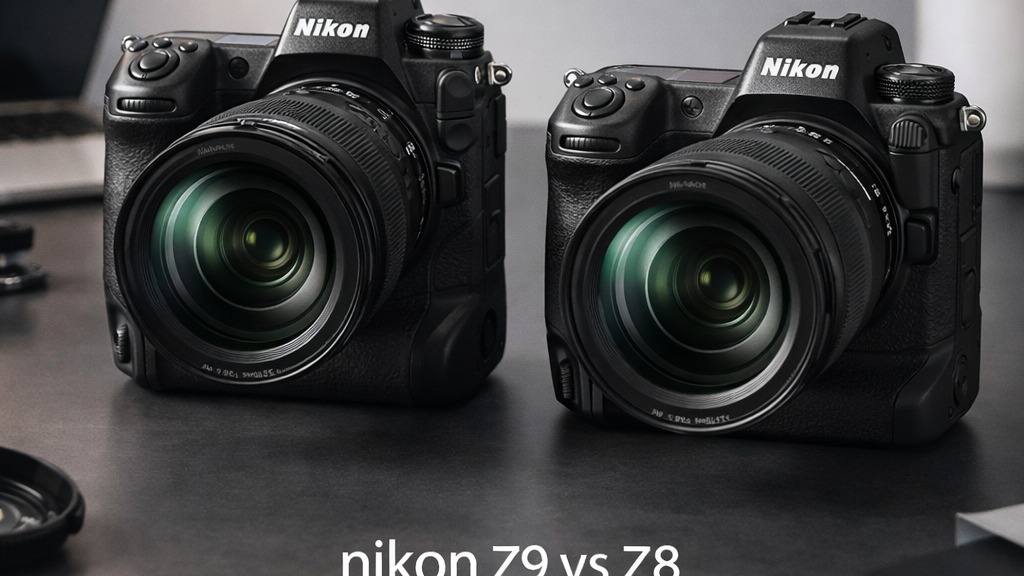
The Z9 is a true flagship with an integrated vertical grip, a larger battery, and a robust, weather-sealed chassis built for the toughest jobs. The Z8, by contrast, is more compact, weighing about 30% less and offering a smaller, lighter profile. This matters more than it seems, especially for long outings or travel. In practice, the Z9’s larger battery and dual CFexpress Type B slots give you more endurance and flexibility for high-volume shooting, but the Z8’s lighter build can be a relief during extended handholding or when packing light.
In terms of shooting speed, the headline figures are nearly identical. Both cameras deliver burst rates up to 20 frames per second in RAW, with even faster rates in JPEG. Video capabilities are also nearly matched, though the Z9 has a slight edge in sustained recording times due to better heat management. Both models support high-end 8K and 4K video, ProRes RAW, and advanced video tools, making them highly capable for hybrid shooters.
Who each camera is really built for
After extensive use, I would say the Z9 is aimed squarely at professionals who need bulletproof reliability, best-in-class battery life, and a camera that balances well with heavy telephoto lenses. Sports, wildlife, and event photographers will feel right at home with the Z9, especially if they are used to the Nikon D6 or other pro DSLRs. The integrated grip, superior battery, and full-size controls make it ideal for demanding environments where you cannot afford to miss a shot.
The Z8, on the other hand, is perfect for advanced enthusiasts or professionals who want flagship performance but in a smaller, more portable package. If you shoot weddings, portraits, landscapes, or travel, the Z8’s reduced weight and size mean less fatigue and easier transport, without sacrificing image quality or autofocus performance. It is also more approachable in price, opening flagship capabilities to a broader audience.
For a lively discussion and more real-world opinions, the Nikonians forum has a great thread on why different photographers pick each model.
Body design, handling, and day to day usability
Integrated grip versus compact pro body
The most obvious difference between the Z9 and Z8 is how they feel in your hands. The Z9 uses an integrated vertical grip, similar in size and shape to Nikon’s D6 or D5. This gives it superb balance with long, heavy lenses and makes switching between horizontal and vertical orientation seamless. The controls are duplicated for vertical shooting, so muscle memory from Nikon’s pro DSLRs transfers easily. In day-to-day work, I found the Z9 reassuringly solid, especially in challenging conditions or when shooting for hours at a stretch.
The Z8 takes a different approach. Its body is about the size of the Z6 or Z7 series, substantially lighter and less bulky. While it lacks the built-in vertical grip, Nikon does offer an optional add-on grip, though this only partially closes the gap in feel and battery endurance. The reduced size means the Z8 fits more easily in a backpack or small shoulder bag, making it a favorite for travel or handheld shooting. For event work or street photography, this lower weight makes a real difference in how long you can comfortably shoot.
Button layout and menu navigation are almost identical between the two, which is a relief if you move between bodies. Both have excellent weather sealing, though the Z9’s chassis feels even more bombproof in harsh weather. The Z8’s smaller battery (EN-EL15c) does not last as long as the Z9’s EN-EL18d, but it is still respectable for a compact flagship. For some, the trade-off in endurance is worth the gain in portability. If you are used to the handling of a DSLR, the Z9 feels instantly familiar, while the Z8 is more nimble and less tiring to carry all day.
Autofocus, burst speed, and performance under pressure
Tracking people, wildlife, and fast action
Both the Z9 and Z8 use Nikon’s latest subject detection autofocus, driven by the Expeed 7 processor. In real-world use, I found almost no difference in how quickly or accurately they lock onto subjects. Human face and eye detection is superb, sticking even in busy scenes or low light. Animal and bird tracking is equally impressive, making these cameras a top choice for wildlife and sports photographers.
The burst rates are also nearly identical: both deliver up to 20 frames per second in full RAW and even higher rates in JPEG. Buffer depth is excellent in both, though the Z9’s dual CFexpress slots and faster card write speeds can be an advantage if you shoot long bursts or high volumes. In demanding situations like a fast-paced wedding or a football match, both cameras kept up without hesitation, rarely missing focus or choking on buffer limits.
That said, the Z9’s larger battery and pro build come into play during long, high-pressure shoots. You will go longer between battery swaps, and the camera stays cool even during extended bursts or video recording. The Z8 performs brilliantly for its size, but you may need to carry extra batteries if you shoot hundreds of images in a session. For most users, this is a minor trade-off for the Z8’s lighter, more portable build.
Image quality and low light results
When it comes to pure image quality, the Z9 and Z8 are practically twins. Both share the same 45.7MP stacked sensor, delivering stunning detail, dynamic range, and color fidelity. In side-by-side comparisons, I have never noticed a meaningful difference in RAW or JPEG output between the two models. Skin tones, shadow recovery, and highlight roll-off are equally impressive.
Low light performance is another strong point. The stacked sensor and Expeed 7 processor combine for clean high-ISO files, with usable images up to ISO 12,800 and even beyond for most uses. Autofocus remains snappy in dim conditions, and both cameras handle noise reduction with a light, natural touch. If you regularly shoot in dark venues or at night, either camera will serve you well. The real differences to consider are not in the files themselves, but in how the cameras handle extended sessions and heavy workloads.
If you are weighing the Nikon Z9 vs Z8 for image quality alone, rest assured you will get flagship-level results with either. The choice comes down to how the body fits your workflow, not the files you bring home.
Video features for hybrid shooters and filmmakers
Heat management, codecs, and recording flexibility
If you shoot both stills and video or work as a dedicated filmmaker, the Nikon Z9 and Z8 both bring a lot to the table. Their video capabilities are among the most advanced in the mirrorless world, but there are subtle differences that could sway your choice.
Both cameras record 8K and 4K video with full sensor readout, offering internal 12-bit N-RAW and ProRes RAW options. This means you get remarkable flexibility in post-production, whether you need the highest quality for grading or efficient files for quick delivery. Both offer 10-bit internal recording in H.265/HEVC as well, which is handy for run-and-gun work and hybrid creators.
The real-world distinction comes down to heat management and recording limits. The Z9’s physically larger body, with its integrated grip, allows for much better heat dissipation. In practice, you can record 8K or 4K for extended periods (over two hours in many cases) without worrying about overheating. I’ve used the Z9 on long interviews and events where the camera kept rolling, even in warm conditions.
The Nikon Z8 video experience is almost identical in quality and format support. However, due to its more compact body, heat can build up faster. Nikon rates both cameras for over two hours of continuous 4K60 recording, but as temperatures rise or you shoot multiple takes back-to-back, the Z8 can reach its thermal limit sooner. If you shoot long-form interviews, live performances, or events that demand uninterrupted recording, the Z9 is the more robust choice.
For most hybrid shooters, the Z8’s thermal performance is still excellent. You might only hit a thermal stop if you’re pushing 8K in a hot environment or recording hour-long takes. For typical YouTube productions, short films, or b-roll, the Z8 easily matches the Z9’s quality and flexibility.
Autofocus performance in video is nearly identical on both cameras, with sticky subject tracking and reliable face/eye detection. Rolling shutter is well-controlled thanks to the stacked sensor design, and both bodies offer in-body stabilization that works well for handheld shooting. If you like to shoot handheld video or mix stills with video, both cameras feel responsive and confidence-inspiring.
A few workflow notes: both cameras offer full HDMI output, timecode support, and advanced audio inputs. The Z9 does have a locking HDMI port, which feels a bit more reassuring in a broadcast setup. However, both are very strong in terms of video ergonomics and menu flexibility.
In summary, the main difference for video shooters is the Z9’s superior thermal management, which buys you peace of mind for demanding, continuous shoots. For everyone else, the Z8 is almost as capable, just in a sleeker, lighter package.
Battery life, storage, and workflow considerations
Battery endurance and storage flexibility are crucial for any working photographer or filmmaker, especially if you shoot events, weddings, or long-form video. Here’s how the Nikon Z9 battery life and storage compare with the Z8.
The Z9 uses the EN-EL18d battery, the same type found in Nikon’s flagship DSLRs. This is a chunky, high-capacity battery that delivers impressive endurance. In my field shoots, I routinely get 2500-3000 still images per charge, even with heavy use of the EVF and fast burst rates. For video, you can expect well over two hours of 4K recording per battery, sometimes much more if you manage screen brightness and don’t use Wi-Fi constantly.
The Z8 uses the smaller EN-EL15c battery, familiar to many Nikon users from the Z6, Z7, and D850 lines. This keeps the camera lighter and more compact, but battery life takes a noticeable hit. I get around 800-1000 shots per charge in mixed use, sometimes less during intensive burst shooting or video work. For video, one battery will get you about 60-90 minutes of 4K recording before you need to swap.
Both cameras can be powered via USB-C, which is a lifesaver for long sessions or when you need to shoot tethered. The Z9 has robust power delivery and can actually operate while charging, making it ideal for time-lapse, studio, or video productions. The Z8 can also be charged and powered over USB, but you may want to invest in extra batteries if you’re out in the field all day.
Storage is another area to consider. Both cameras feature dual CFexpress Type B card slots, supporting fast write speeds for high-res stills and 8K video. This is essential, as 8K N-RAW files are massive. The Z9’s larger grip makes it easier to swap cards quickly, even with gloves. The Z8 is a bit tighter in the card slot area, but still quite usable.
For workflow, both cameras support high-speed USB-C transfer, direct tethering, and wireless image transfer. The Z9’s built-in Ethernet port is a bonus for sports and news shooters who need instant delivery, but for most creators, the USB and Wi-Fi options on both models are more than enough.
If you travel or shoot all day without recharging, the Z9’s battery advantage is real. However, for everyday use, the Z8’s battery life is reasonable, and you can always pack a couple of extras. For many, the lighter weight and smaller footprint of the Z8 are worth the trade-off.
Price, value, and which camera I would buy
When the Z9 is worth the extra money
Let’s talk numbers. The Nikon Z9 price is consistently higher than the Z8, often by $1500 or more depending on the region and promotions. This price gap reflects not just specs, but also the build, endurance, and certain pro-focused features.
If you shoot all day, every day, or if your work depends on never missing a shot due to power, heat, or ergonomics, the Z9 is the safer investment. Its battery life, robust build, and integrated grip make it the tool of choice for sports, wildlife, and wedding photographers who need to churn through thousands of shots in a session. The same applies to filmmakers who record long-form events, where overheating or swapping batteries could cost you a key moment.
The Z9 also holds its value well and is built to take abuse. For those who need ethernet, broadcast HDMI, or plan to use massive telephoto lenses regularly, the Z9 simply feels better balanced and more confidence-inspiring.
When the Z8 is the smarter buy
For many working photographers, the Nikon Z8 price hits a sweet spot. You get 95% of the Z9’s image quality, speed, and autofocus in a lighter, smaller body that is easier to carry and stow. If you do a lot of travel, street, or documentary work, the Z8 is much less fatiguing to use for hours on end.
The Z8 is also a great hybrid camera for those who shoot both stills and video, as long as you are not pushing the absolute limits of battery endurance or recording time. It is an excellent match for wedding photographers, portrait shooters, and anyone who wants flagship performance without flagship weight.
Given the rise in popularity of compact digital cameras again in 2026, the Z8 hits that sweet spot for power users seeking portability. The money saved compared to the Z9 can go toward premium lenses, lighting, or even a second body.
If you want more thoughts from photographers who have used both models, check out the discussion at Z8 or Z9 Your reasons (John Bertotti).
Key takeaways
- The Z9 and Z8 deliver very similar image quality and autofocus performance, but their body design and battery endurance create very different shooting experiences.
- The Z9 makes more sense for heavy professional use, long events, and demanding wildlife or sports work where endurance and balance matter most.
- The Z8 is the better value for many photographers who want flagship performance in a lighter, more portable body without giving up core features.
Frequently asked questions
Is the Nikon Z9 better than the Z8 for wildlife photography?
For wildlife, the Z9’s extended battery life and integrated grip make it more comfortable during long shoots, especially with big telephoto lenses. The autofocus and burst rates are nearly identical, but the Z9’s balance and stamina give it an edge for demanding field work.
Does the Nikon Z8 have the same image quality as the Z9?
Yes, both cameras use the same 45.7MP stacked sensor and Expeed 7 processor, so still image quality is identical. Color, dynamic range, and high ISO performance are matched.
Which is better for video, the Nikon Z9 or Z8?
Both offer superb video specs, but the Z9 manages heat better for very long 8K or 4K recordings. For shorter clips or hybrid shooting, the Z8 is just as capable and more portable.
Is the Nikon Z9 worth the extra cost over the Z8?
The Z9 is worth it if you need maximal durability, battery life, and pro video recording endurance. Most hybrid shooters and many professionals will find the Z8 delivers almost all the same performance for less money.
Should travel photographers choose the Nikon Z8 over the Z9?
For travel, the Z8 is easier to carry and fits smaller bags, making it the preferred choice for photographers on the move. Unless you need the Z9’s extra endurance or grip, the Z8 is the smarter pick for travel work.
If you want more details or real user experiences, you can read further discussions on the topic at Nikonians.org: Z8 or Z9 Your reasons (John Bertotti).
For more on Nikon’s mirrorless lineup, you might also be interested in our hands-on reviews of the Nikon Z6, a look at the best compact digital cameras in 2026.