
Contents
- Understanding the Nikon Coolpix B500 and P900 at a glance
- Zoom power and lens performance in real-world shooting
- Image quality, sensor performance and color rendering
- Speed, autofocus and shooting experience
- Video features, audio and content creation potential
- Handling, controls and usability for beginners
- Portability, battery life and travel friendliness
- Connectivity, extras and ecosystem considerations
- Price, value and long-term upgrade path
- Nikon Coolpix B500 vs P900: pros, cons and clear recommendations
Understanding the Nikon Coolpix B500 and P900 at a glance
Who each camera is really designed for
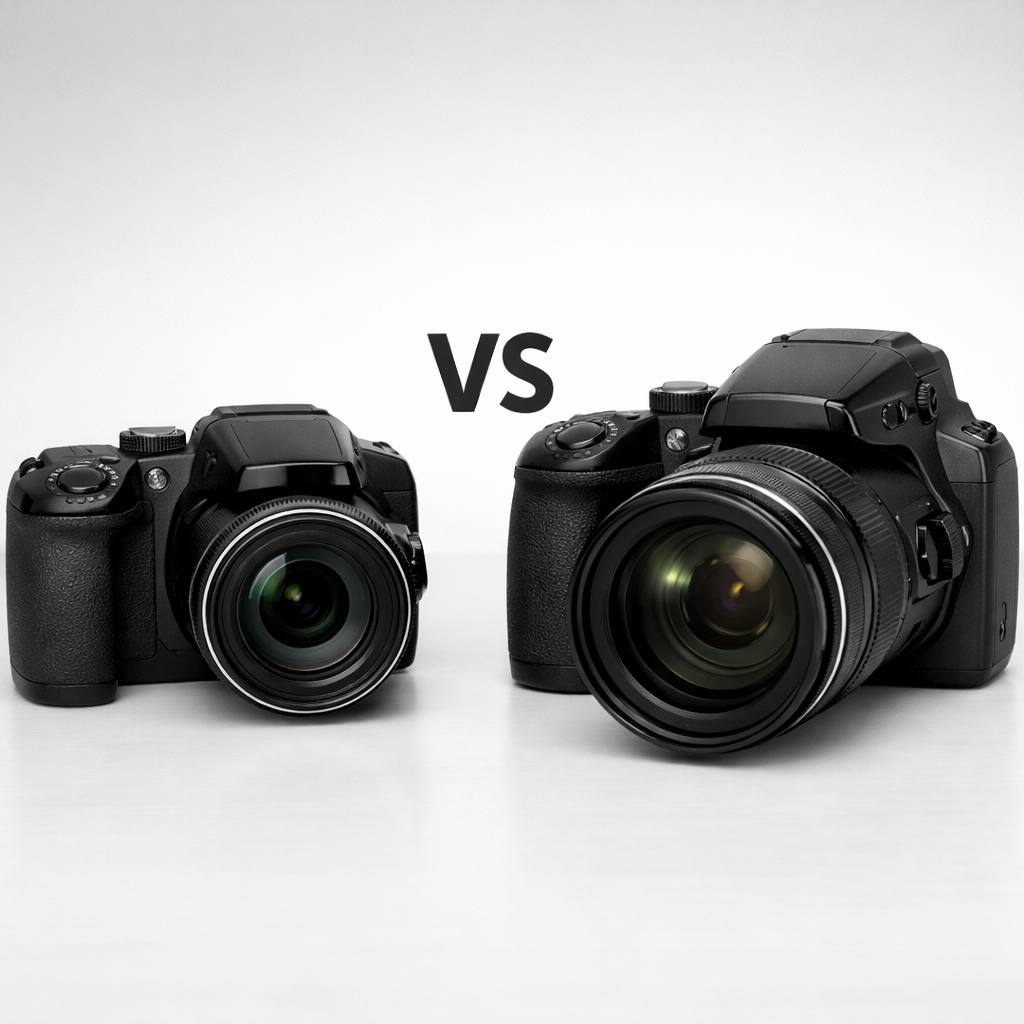
The Nikon Coolpix B500 and Nikon P900 both sit in the superzoom family, but they target slightly different photographers. The B500 is designed for those who want a straightforward, affordable, and easy-to-carry camera that still gives far more reach than a phone. It is especially popular with families, travelers, or anyone who wants better zoom for everyday scenes without getting bogged down in technical details.
The P900, on the other hand, is aimed at enthusiasts and hobbyists who want to get as close as possible to distant subjects. Think bird watchers, wildlife fans, and even amateur astronomers. With its massive zoom, the P900 feels like a tool for those who want to push the limits, capture the moon’s craters, or shoot animals from across a field. It is less about pocketability, and more about power.
Key specs comparison in plain language
- Nikon Coolpix B500 overview: 16 megapixels, 40x optical zoom (22.5-900mm equivalent), tilting 3-inch LCD, AA battery power, no electronic viewfinder, Full HD 1080p video, SnapBridge Wi-Fi/Bluetooth.
- Nikon P900 overview: 16 megapixels, a staggering 83x optical zoom (24-2000mm equivalent), fully articulating 3-inch LCD, built-in electronic viewfinder, rechargeable battery, Full HD 1080p video, built-in GPS, Wi-Fi/NFC.
While both sensors are the same resolution and size, the P900’s zoom is more than double what the B500 offers. The P900 also gives you a viewfinder, which matters when shooting at long focal lengths or in bright light. The B500, meanwhile, is simpler, lighter, and uses AA batteries for easy swaps on the road.
How they feel in the hand and in real use
In daily shooting, the B500 feels like a classic point-and-shoot: lightweight, with a chunky, secure grip, and intuitive controls. It is ready to go in seconds and is not intimidating to new users. The AA batteries do add a bit of weight, but they are balanced by the compact size.
The P900 is bigger and feels much more like a DSLR, both in size and heft. The grip is deep and solid, which is essential for stability when you are zoomed way in. The addition of a viewfinder really helps with steadying the camera at full telephoto. However, you will notice the weight after a long day, especially compared to the B500.
Zoom power and lens performance in real-world shooting
Optical zoom reach and what it means in the field
This is where the superzoom lens comparison becomes dramatic. The B500’s 40x zoom will get you decent close-ups at a sports event or while sightseeing. You can easily frame distant landmarks, wildlife at the zoo, or your child on the soccer field.
The Nikon P900 zoom reach is in a different league. With 83x optical zoom, you can photograph a bird perched on a faraway tree, details on a skyscraper, or even the moon’s surface. It is genuinely impressive, but also more demanding – at 2000mm equivalent, even the smallest hand shake is magnified, and atmospheric haze becomes noticeable.
Sharpness, contrast and low-light behavior
Both cameras deliver sharp images in the middle of their zoom range, especially in good light. The B500 tends to be a touch softer at the very end of its zoom, but for social media or small prints, it holds up well. Contrast is pleasing and Nikon’s lens coatings keep flare under control for most situations.
The P900 maintains sharpness remarkably well up to about 1500mm. Beyond that, some softness creeps in, but you still get usable shots. In low light, both cameras struggle as the lenses’ maximum aperture shrinks at full zoom (f/6.5 on the P900, f/6.5 on the B500), which leads to higher ISOs and more noise. Expect best results in daylight or well-lit scenes.
Stabilization performance at long focal lengths
Lens-based stabilization is crucial for superzooms. Both cameras feature Nikon’s Vibration Reduction (VR), which works well up to a point. The B500 lets you shoot handheld at full zoom with a steady hand and careful shooting technique.
The P900’s VR system is even more impressive, especially considering its extreme reach. However, at the longest focal lengths, even the best stabilization cannot fully eliminate blur from hand shake. For sharp shots at 2000mm, a tripod or monopod is a big help. VR is a lifesaver for casual shooting, but be realistic about what is possible handheld at those distances.
Practical limits of extreme zoom for everyday photographers
While the P900’s 2000mm reach is a fun headline feature, it is not always practical. Atmospheric distortion, haze, and heat shimmer can degrade image quality at long distances. Fast-moving subjects become difficult to track, and finding your subject in the frame can be a challenge. For most users, the sweet spot is in the 1000-1500mm range.
The B500’s zoom is easier to manage, and you will find fewer environmental issues. For everyday shooting, both cameras give you much more flexibility than a typical compact or phone, but the P900’s extra reach is best saved for specific situations where you really need it.
Image quality, sensor performance and color rendering
Sensor size, resolution and noise performance
Both the B500 and P900 use a 1/2.3-inch 16MP sensor, which is standard for this class. This means similar resolution and image quality, but also similar limitations in low light. At base ISO, images are crisp with decent detail, especially in the center of the frame.
As ISO rises, noise becomes noticeable. ISO 800 is about the practical limit for high-quality results, with some grain appearing at ISO 1600 and above. In bright conditions, both cameras deliver attractive, clean images, but in dim light, quality falls behind larger-sensor cameras.
Dynamic range and handling high-contrast scenes
Compared to entry-level DSLRs or mirrorless cameras, these superzooms offer more limited dynamic range. Highlights can blow out, and shadows can get noisy if you try to recover too much in editing. That said, the cameras’ auto-exposure systems do a good job for casual shooting, keeping detail in most scenes.
For high-contrast situations, shooting with exposure compensation or bracketing can help. Neither camera shoots RAW, so post-processing options are limited.
Color science and JPEG look from each camera
Nikon’s color science is tried and tested. Both cameras produce pleasing, punchy colors straight out of camera. Greens and blues look natural, and skin tones are accurate, if a bit warm. JPEGs are ready to share, requiring little to no editing for most users.
The B500’s JPEGs are slightly softer, with a more forgiving look, while the P900 adds a bit more snap and contrast. Both are enjoyable for family and travel shots.
How much editing headroom you really get
Since neither camera offers RAW capture, editing headroom is limited. You can adjust brightness, contrast, and color, but big corrections will introduce artifacts or noise. The files hold up well to minor tweaks, but if you love heavy post-processing, you might want to look at cameras with RAW support.
Speed, autofocus and shooting experience
Autofocus speed and accuracy for moving subjects
Autofocus is an area where expectations matter. Both cameras use contrast-detect AF, which is accurate but not as fast as phase-detect systems. The B500 locks focus quickly in good light and does well for still or slow-moving subjects. Fast-moving action, like sports or birds in flight, is more challenging.
The P900 has a slightly faster and more sophisticated AF system. It offers subject tracking, which helps with wildlife or distant action. Still, it is not as snappy as a DSLR or mirrorless, so patience and anticipation are key.
Burst rate, buffer and timing your shots
The B500 offers a 7 fps burst for a short sequence, then slows as the buffer fills. The P900 matches this with similar burst speed but offers more control over shooting modes. Neither camera is meant for high-speed sports, but both can capture brief action if you time the shot well.
Shutter lag and responsiveness in everyday use
Both cameras are responsive for general shooting, with minimal shutter lag in good light. In low light or at full zoom, it can take a bit longer to lock focus and fire the shutter, so practice helps. The P900’s viewfinder makes it easier to follow action compared to the B500’s LCD-only setup.
How each camera handles wildlife, sports and kids
For wildlife and distant action, the P900 shines with its reach and subject tracking. It is a favorite of birders and wildlife enthusiasts. The B500 handles kids, pets, and backyard wildlife well, but struggles with fast unpredictable movement at the long end of its zoom. Both are fun for casual sports, but not substitutes for a true action camera.
Video features, audio and content creation potential
Resolution, frame rates and overall video quality
Both cameras shoot Full HD 1080p video at 30 or 60 fps. The Nikon Coolpix B500 video is straightforward, with reasonable quality for casual vlogging or family clips. The Nikon P900 video features add manual controls, time-lapse, and more creative options, making it better for ambitious projects.
Stabilization and handheld video at long zoom
VR stabilization helps both cameras produce smoother footage, but at maximum zoom, handheld video is still shaky. The P900’s stabilization is effective, but for best results, use a tripod or rest the camera on a solid surface when zoomed in.
Audio options and limitations for vloggers
Both cameras rely on built-in stereo microphones. Audio quality is decent in quiet settings, but wind noise and handling sounds are an issue outdoors. Neither camera has a mic input, so serious vloggers may need an external recorder or a different camera.
Which camera suits casual creators vs dedicated videographers
For casual creators, the B500 is quick and easy, making it great for travel, school events, or family memories. More dedicated content creators will appreciate the P900’s extra zoom, creative modes, and viewfinder, but both cameras are limited by their audio and lack of 4K. If video is your main focus, there are better options, but for occasional clips, both perform well enough.
Handling, controls and usability for beginners
Menu layout and learning curve
When you first pick up the Nikon Coolpix B500 or P900, the way the menus are organized can either help or hinder your first shooting experience. The B500 uses a straightforward, tab-based menu system that gets you to the essentials quickly. Most settings are grouped logically, so you can change shooting modes, adjust image size, or tweak flash without hunting. For someone new to photography, this simplicity is refreshing and reduces the intimidation factor.
The P900, on the other hand, offers a much deeper menu system. You will find more custom settings, image controls, and manual adjustment options. While this is powerful for advanced users, beginners might need to spend more time with the manual or online guides. Still, once you get familiar, the extra options can help you learn the ropes of photography at your own pace.
Buttons, dials and quick access to key settings
Camera ergonomics play a huge role in real-world use. The B500 keeps things simple with a classic, right-hand grip and minimal buttons. Most of the time, you can access zoom, playback, and menu options with just your thumb. The mode dial is replaced by a button-based interface – simple, but it does mean a few extra button presses to change modes.
The P900 is more traditional, with a dedicated mode dial on top for fast switching between Auto, Scene, Manual, and other modes. It also has more direct access buttons for burst shooting, exposure compensation, and focus, which experienced users will appreciate. However, beginners might find themselves accidentally bumping a button now and then, especially if they are used to phone cameras.
Screen, viewfinder and composing your shots
Both cameras have rear LCD screens, but there are important differences. The B500 features a tilting 3-inch LCD, which is bright and works well outdoors. There is no built-in viewfinder, so all composition happens on the screen. For casual shooters, this feels familiar – just like using a smartphone.
The P900 offers a similar rear screen but adds a built-in electronic viewfinder (EVF). This is a real advantage outdoors or at long zoom, where glare can make screens hard to see. Using a viewfinder also steadies your grip, helping avoid blur at the extreme end of the zoom. Composing shots at 2000mm equivalent is much easier with the P900’s EVF, especially if you shoot birds or airplanes.
How friendly each camera is for first-time photographers
If you are looking for a beginner friendly camera, the B500 shines. Its auto mode is reliable, scene modes are recognizable, and there are clear icons for settings. The camera rarely overwhelms you with choices, so you can focus on the moment rather than the menu.
The P900, while still approachable, is a better fit for those who want to grow their skills. It has more advanced modes but still provides plenty of help, including scene auto selector and guide modes. If you are eager to learn about exposure or manual focus, the P900 gives you space to experiment while keeping a safety net of auto features.
Portability, battery life and travel friendliness
Size, weight and carrying each camera all day
Travel camera comparison often centers around size and weight. The B500 is noticeably lighter at around 541g (with batteries), and its slightly smaller grip makes it easy to slip into a small bag or backpack. You can carry it all day sightseeing, and it never feels like a burden.
The P900 is a different story. At roughly 899g, it is heavier and bulkier, especially with its huge zoom lens. It demands a dedicated camera bag for comfort, and you will feel the weight after extended use. For travel where every gram counts, this is something to consider.
Battery life and the AA vs rechargeable debate
Battery life Nikon Coolpix B500 users often praise is due to its use of four AA batteries. On paper, this gives you around 600 shots with decent alkalines, and even more with lithium AAs. The convenience is unbeatable – run out of power, and you can buy fresh batteries almost anywhere in the world.
The P900 uses a proprietary EN-EL23 rechargeable battery. It lasts for about 360 shots per charge, which is less than the B500. Charging requires you to bring a dedicated charger, and spares can be costly. However, the P900 battery is lighter and more eco-friendly if you recharge often. For long trips or remote destinations, the B500’s AA flexibility is hard to beat.
Travel scenarios where each body shines
If you want a camera for city breaks, family vacations, or hiking, the B500 is a stress-free choice. Its lighter build and AA battery compatibility make it perfect for spontaneous shooting and simple travel logistics.
The P900, in contrast, is your tool for wildlife safaris, birdwatching, or any adventure where extreme zoom is vital. The extra bulk pays off when you need to photograph distant subjects, but you will need to plan for its size and battery needs. For air travel, both cameras fit in carry-on bags, but the P900 takes more space.
Weather, durability and real-world reliability
Neither camera is weather-sealed, so heavy rain or dust can be a concern. In my own experience, both models handle moderate bumps and casual outdoor use well, but the P900’s lens barrel is more vulnerable to knocks when extended. If you shoot in tough conditions, invest in a padded case for either camera. The B500’s more compact design makes it slightly less prone to accidental damage.
Connectivity, extras and ecosystem considerations
Wi-Fi, Bluetooth and image transfer in practice
Modern camera connectivity is essential for sharing images quickly. Both the B500 and P900 support Wi-Fi for wireless transfers to your phone or tablet. The B500 also adds Bluetooth Low Energy via Nikon SnapBridge, enabling continuous connection for automatic image sync and geotagging.
In practice, SnapBridge is a real win for the B500 if you share photos on social media or want instant backups. The P900’s Wi-Fi works well, but you need to activate it each time, which takes a few extra steps. For most travel shooters, the B500’s connectivity is more seamless.
Built-in features like GPS, scene modes and effects
The P900 includes built-in GPS, letting you geotag your images without a phone. This is ideal for travel and wildlife shooters who want to remember exactly where a photo was taken. Scene modes and creative effects are plentiful on both cameras, but the P900’s extra modes – like Moon and Birdwatching – are genuinely useful with its extreme zoom.
The B500 covers all the basics, with panoramas, special effects, and easy auto modes. For creative beginners, both cameras offer enough to spark your imagination.
Accessories, tripods and support gear to consider
Both cameras benefit from a sturdy tripod, especially for long zoom or low-light shots. The P900’s size means you need a more robust tripod for stability. Lens hoods, cases, and spare batteries (or AAs) are sensible investments for either. While neither camera supports external flashes or lens changes, both accept standard SD cards and have tripod threads.
How each camera fits into a broader Nikon setup
If you already use Nikon gear, neither the B500 nor P900 integrates directly with Nikon’s interchangeable-lens cameras, as they use fixed lenses. However, both are great companions for Nikon shooters who want a lightweight, all-in-one telephoto option. For those thinking about a future upgrade, getting used to Nikon’s menus and controls here will make the transition to Nikon DSLRs or mirrorless bodies smoother.
Price, value and long-term upgrade path
Current pricing and used market realities
As of 2026, compact digital cameras are making a comeback, which affects prices. The Nikon Coolpix B500 price is generally lower than the P900, both new and used. Expect to pay less for the B500, making it a popular option for budget-conscious buyers or as a backup camera.
The P900, thanks to its unique zoom, still commands a premium. Even used, it holds value well. If you need extreme reach and can justify the cost, the P900 is still a strong investment.
Value for money based on your shooting style
For casual shooters, family photographers, and travel enthusiasts, the B500 offers outstanding camera value comparison. Its feature set covers most scenarios, and the lower price means less stress if the camera gets lost or damaged on the road.
The P900 is worth the extra if you plan to use its 2000mm zoom regularly – especially for wildlife, aircraft, or distant landscapes. If you rarely shoot past 40x zoom, the additional cost and weight may not be justified.
Resale value and how long each body can serve you
Both cameras are durable, but the P900’s unique lens keeps its resale value high even several years after release. The B500, while not as valuable on the used market, sells quickly due to its affordability.
Either body can serve you for several years of travel and family use. However, as tech evolves, features like 4K video and enhanced connectivity may be missed sooner on these models.
When it makes sense to skip to an interchangeable-lens system
If you find yourself wanting better low-light performance, faster autofocus, or the ability to swap lenses for portraits and landscapes, it may be time to consider a mirrorless or DSLR system. The B500 and P900 are outstanding superzooms, but they cannot match the flexibility and image quality of interchangeable-lens cameras. For most beginners, starting with a superzoom makes sense, but serious hobbyists will eventually want to upgrade.
Nikon Coolpix B500 vs P900: pros, cons and clear recommendations
Key advantages and drawbacks of the Nikon Coolpix B500
Pros:
- Lightweight and easy to carry all day
- Simple controls, great for beginners
- AA battery compatibility – no need for special chargers
- Affordable price, good value for casual shooters
- Seamless SnapBridge image transfer
Cons:
- No viewfinder – challenging in bright sunlight
- Shorter zoom (40x) compared to P900
- Limited manual controls for advanced learning
Key advantages and drawbacks of the Nikon P900
Pros:
- Incredible 83x optical zoom (2000mm equivalent)
- Built-in viewfinder for steady shooting and bright conditions
- Manual controls and advanced features for learning photography
- GPS for location tagging
- Strong build quality and good resale value
Cons:
- Heavier and bulkier – less travel friendly
- More expensive, both new and used
- Shorter battery life, requires proprietary charger
Side-by-side summary for common shooting scenarios
- Travel and family photos: B500 is lighter, easier, and more affordable
- Wildlife and distant subjects: P900’s extreme zoom and viewfinder are a must
- Quick sharing on the go: B500’s SnapBridge is more seamless
- Learning manual controls: P900 offers more room to grow
Which camera I would choose for different types of photographers
For pure simplicity and everyday photos, the Nikon Coolpix B500 is my top pick. It is perfect for families, travelers, and anyone wanting a no-hassle superzoom. If you are serious about wildlife, aviation, or want to practice manual settings, the Nikon P900 is worth the investment.
Ultimately, the choice in the Nikon Coolpix B500 vs P900 debate comes down to your priorities: portability and ease with the B500, or zoom power and advanced features with the P900. Both are excellent, but knowing your needs will ensure you pick the right superzoom for your adventures.