

There are few cameras that age as gracefully as the Lumix FZ300. Even as 2026 brings a flood of new gear, this model continues to win over enthusiasts who value reliability and all-in-one versatility. In this lumix fz300 review, I dig deep into what keeps this camera at the top of my kit, sharing a hands-on perspective from years of real-world use.
This guide covers everything you need to know about the FZ300. I will walk you through its standout features, on-the-go performance, usability for any skill level, image quality, and how it holds up against the latest models. Whether you are eyeing your first camera or considering an upgrade, you will find practical advice and expert insights here to help you get the most from the Lumix FZ300.
Contents
- Key features and innovations of the Lumix FZ300
- Real-world performance: Field test insights
- Usability and versatility: Who should choose the FZ300 in 2026?
- Image quality deep dive: Stills and video analysis
- Advanced tips, tricks, and recommended accessories
- Lumix FZ300 in 2026: How it compares and alternatives to consider
Key features and innovations of the Lumix FZ300
The Lumix FZ300 continues to impress camera enthusiasts, even in 2026, with its blend of rugged design, advanced optics, and versatile performance. In this lumix fz300 review, I will highlight the specific characteristics that make this bridge camera a standout option for photographers who value reliability and flexibility in a single package.
Design and build quality
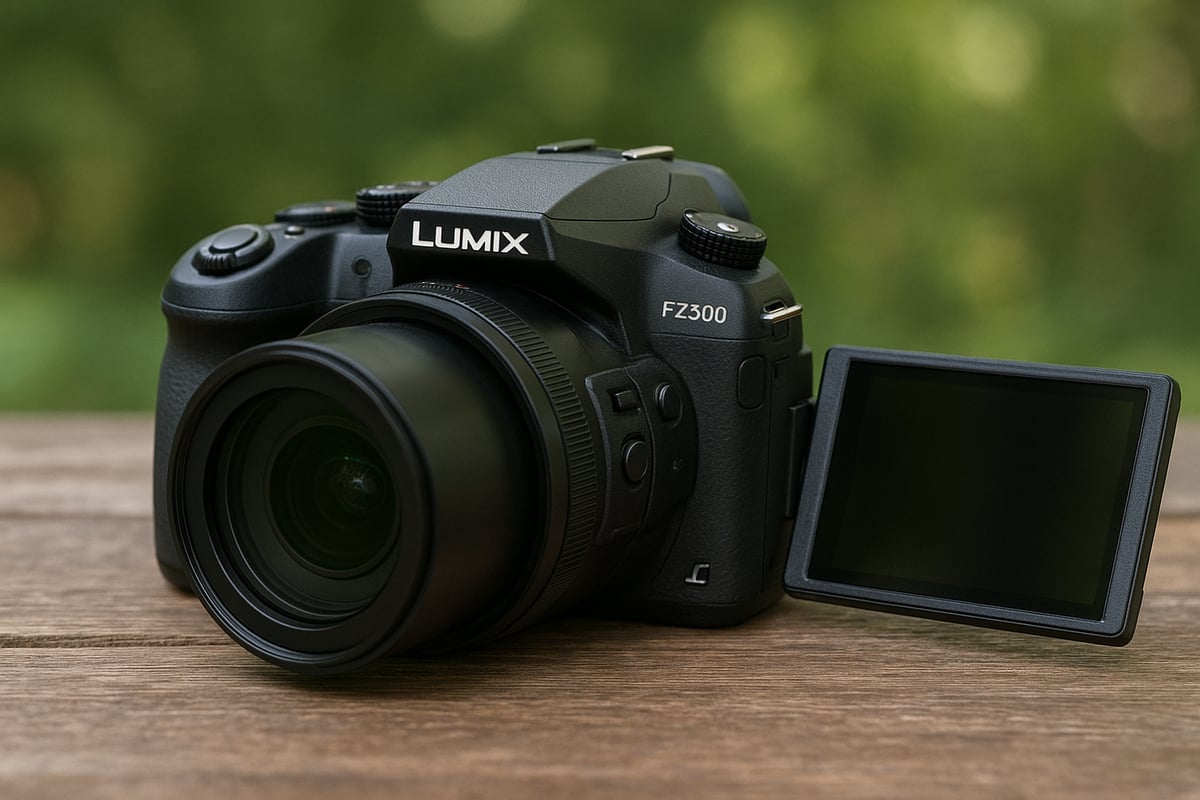
The Lumix FZ300 stands out for its robust, weather sealed construction, making it a trusted companion for outdoor adventures and unpredictable environments. Unlike many bridge cameras, Panasonic engineered the FZ300 with a splash proof and dustproof body, so I never worry about sudden rain or dusty trails.
The grip is ergonomic and generously sized, providing a comfortable, secure hold for extended sessions. I appreciate the intuitive button layout, which lets you adjust key settings quickly, even with gloves on. The fully articulating touchscreen is a practical feature for creative angles, from low ground macros to overhead crowd shots.
Compared to a typical DSLR with equivalent zoom, the FZ300 is compact and lightweight, an advantage when packing light for hiking or travel. For anyone reading this lumix fz300 review, these design choices make a real difference in daily use.
Lens and zoom capabilities
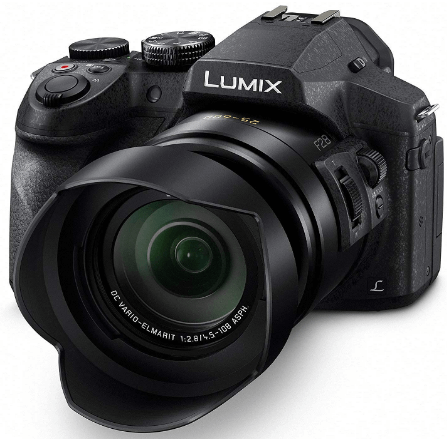
A defining element of this lumix fz300 review is the camera’s fixed Leica DC lens, offering a 25 600mm equivalent zoom range with a bright, constant f/2.8 aperture. This combination is rare in its class and enables sharp results from wide landscapes to distant wildlife, all without swapping lenses.
Optical image stabilization is another strength, allowing handheld telephoto shots that remain crisp even at the far end of the zoom. If you enjoy macro photography, the FZ300’s close focusing capability lets you capture fine details in flowers or insects without extra gear.
For a deeper dive into how this lens performs in real world situations, I recommend checking the Panasonic Lumix FZ300 Review, which offers hands on insights and sample images.
Autofocus and shooting speed
Autofocus performance is critical in any lumix fz300 review, and here the FZ300 excels with its DFD (Depth From Defocus) technology. Focus acquisition is fast and accurate, so you can track moving subjects with confidence.
Continuous burst shooting at up to 12 frames per second is ideal for sports, wildlife, or any fast action scenario. I have found the face and eye detection reliable for portrait work, especially in dynamic environments where quick reactions matter.
The overall autofocus system feels responsive, and with customizable AF modes, you can fine tune performance for different subjects. In this lumix fz300 review, it’s clear that speed and accuracy are major selling points.
Video features
Video capabilities are another highlight in this lumix fz300 review. The FZ300 records 4K video at 30 fps, offering sharp footage with vibrant color. Manual controls let you adjust exposure, focus, and audio levels, which is a must for serious videographers.
4K Photo mode is a creative tool, allowing you to extract high resolution stills from video clips, perfect for capturing fleeting moments. I appreciate the inclusion of a microphone input, which elevates audio quality for interviews or vlogs.
Whether you are documenting family trips or producing online content, the FZ300’s video features make it a versatile multimedia machine.
Connectivity and battery life
Modern photographers expect seamless sharing and reliable power, and the Lumix FZ300 delivers on both fronts. Built in Wi Fi makes it easy to transfer images to your smartphone or control the camera remotely, streamlining your workflow.
USB charging is a practical touch, especially for travel, as you can top up the battery with a power bank on the go. In my experience, the improved battery efficiency means fewer interruptions during long shoots.
For those considering the camera in this lumix fz300 review, these connectivity and power features ensure you stay productive, wherever your photography takes you.
Real-world performance: Field test insights
Getting hands-on with the FZ300 is a rewarding experience. From the first grip, it feels like a camera built for the field. In this lumix fz300 review, I want to share what it is truly like to use the camera outdoors, across various scenarios, and why it still stands out in 2026.
Handling and user experience
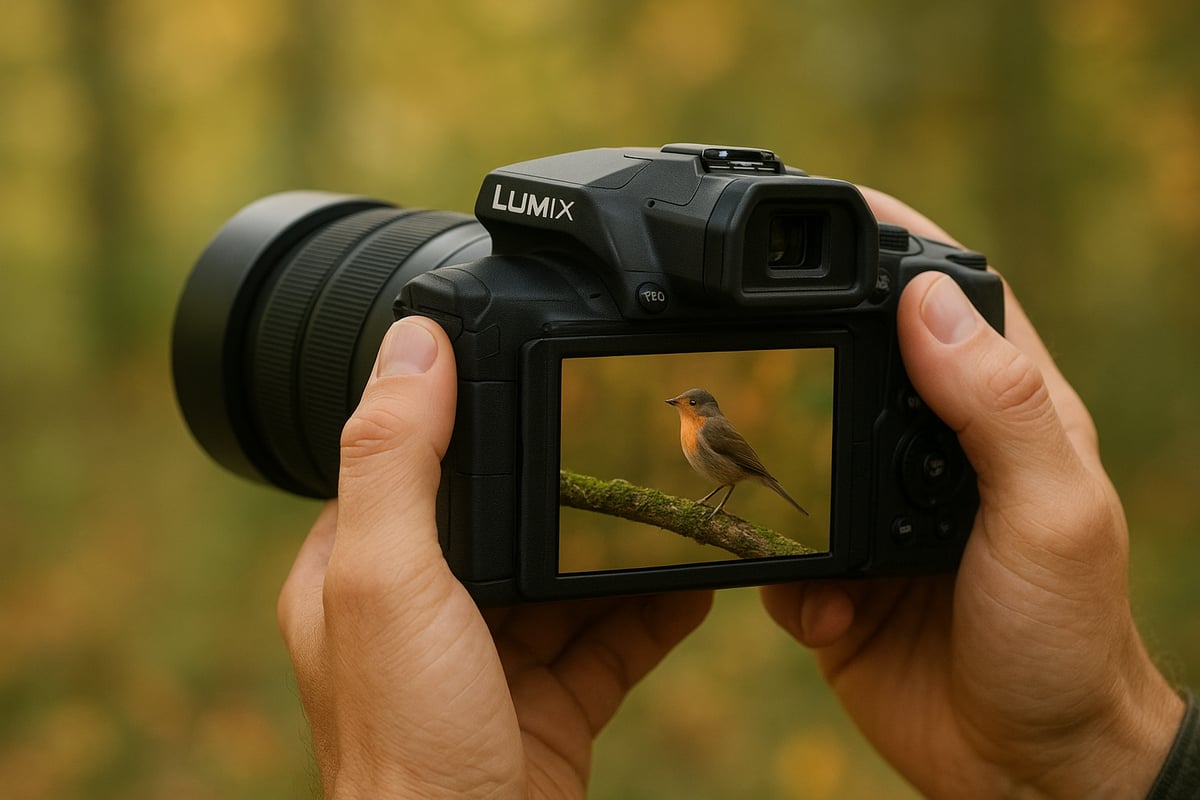
Picking up the FZ300, you immediately notice its balanced weight. It feels sturdy yet never cumbersome, even during long hikes or urban explorations. The ergonomic grip is contoured for comfort, providing reassuring stability when shooting handheld, a key detail for any lumix fz300 review.
Navigating the camera’s controls quickly becomes second nature. The fully articulating touchscreen is responsive, making it easy to shoot from creative angles—low to the ground for macro or overhead for crowds. Customizable function buttons allow you to adapt the setup to your style, whether you prioritize ISO, white balance, or focus area.
The menu system offers deep customization, but it does take a session or two to master. My advice: spend some time personalizing the quick menu and function buttons. It will save you precious seconds in the field and make the camera feel like an extension of your hand.
Image quality in diverse conditions
A lumix fz300 review would not be complete without diving into its performance across lighting situations. The constant f/2.8 aperture is a true asset, allowing you to shoot confidently in low light, from dusk landscapes to dimly lit interiors.
Daylight performance is where the FZ300 shines. Colors are vibrant, skin tones look natural, and the dynamic range is impressive for a bridge camera. Shooting in RAW gives you ample flexibility for post-processing, letting you recover highlights and fine-tune shadows.
For macro enthusiasts, the close focusing distance reveals crisp detail in flowers, insects, and textures. The camera handles challenging conditions such as backlit subjects, high-contrast scenes, or overcast days with a reliability that encourages creative risk-taking.
Autofocus and tracking in action
Fast-moving subjects are a real test for any camera. In my field tests for this lumix fz300 review, the DFD autofocus system impressed me with its speed and consistency. Tracking birds in flight, kids playing soccer, or cyclists on the street, the camera locked on accurately more often than not.
Face and eye detection are particularly effective for portraits and candid moments. Compared to newer models, the FZ300 holds its own in most scenarios, though it can occasionally struggle with erratic movement or low contrast backgrounds.
If you are curious how the FZ300 compares with the latest bridge cameras in 2026, I recommend checking the Best Bridge Cameras in 2026 roundup for a broader perspective. This gives context to the autofocus capabilities you can expect relative to the competition.
Video and multimedia use
If you are a hybrid shooter, the FZ300 is a reliable partner. Recording 4K video at 30 fps produces sharp, detailed footage with natural color rendering. The touch-to-focus feature is responsive during filming, making it easy to shift attention between subjects.
The built-in microphone is serviceable, but plugging in an external mic elevates audio quality, especially for interviews or outdoor vlogs. Wind noise reduction is effective, though for truly professional results, consider a dedicated windscreen.
Stabilization is another highlight. Handheld shots remain steady even at the telephoto end and that’s essential for wildlife or action scenes. Rolling shutter is well-controlled, so panning and quick movements look smooth on playback.
Battery and connectivity on the go
Battery life is always top of mind during a lumix fz300 review. In real-world use, a single charge comfortably lasts through a full day of mixed shooting: still photos, bursts, and video. For extended trips, USB charging and compatibility with power banks are invaluable, letting you recharge on the move.
Wi-Fi connectivity works seamlessly with Panasonic’s app for remote control and quick image transfers to your phone or tablet. This is a real bonus for travel photographers who want to share images instantly or back up files without a laptop.
In summary, the FZ300’s performance in the field continues to impress. Its reliability and thoughtful design keep it relevant, even as newer models emerge.
Usability and versatility: Who should choose the FZ300 in 2026?
Choosing the right camera in 2026 can be overwhelming, but the Lumix FZ300 remains a smart pick for many. Its usability and versatility make it stand out in the crowded field of bridge cameras. In this section, I will share my perspective on who will benefit most from this classic model, how it fits into real-life scenarios, and what to expect in terms of strengths, limitations, and long-term value.

Ideal user profiles
When I conduct a lumix fz300 review, I often recommend this camera to a wide spectrum of users. Beginners will appreciate its all-in-one design and intuitive controls, which lower the barrier to learning photography. Enthusiasts looking for a dependable backup or a lightweight travel companion will find the FZ300’s robust build and constant f/2.8 lens highly appealing.
Wildlife and sports photographers, who need fast autofocus and a long zoom, can rely on the FZ300 for spontaneous shots. Its balance of portability and performance suits both hobbyists and professionals seeking flexibility without the bulk of a full DSLR kit.
Everyday shooting scenarios
The lumix fz300 review consistently highlights its adaptability in everyday life. Whether you are capturing family gatherings, documenting a vacation, or working on a personal project, the FZ300 handles it all. Macro photography is accessible for hobbyists and educators, thanks to its close focusing ability.
Vloggers and content creators benefit from the 4K video mode and flip screen, making it easy to produce engaging content on the go. For those considering a travel camera, the FZ300 often appears on Best Travel Camera Recommendations, reflecting its reputation among explorers and storytellers.
Strengths compared to entry-level DSLRs and mirrorless cameras
In any comprehensive lumix fz300 review, the camera’s strengths become apparent when compared to entry-level DSLRs and mirrorless options. Its biggest advantage is the fixed 25-600mm equivalent lens, which eliminates the hassle of carrying and swapping multiple lenses.
The FZ300 is lighter and more compact than most interchangeable lens systems, making it easy to carry for long periods. Weather sealing is another benefit rarely found at this price point, providing confidence in unpredictable conditions. The cost savings, both in terms of body and accessories, make it a practical investment for many photographers.
| Feature | FZ300 | Entry-level DSLR/Mirrorless |
|---|---|---|
| Zoom Range | 25-600mm (fixed) | Depends on lens choice |
| Weather Sealing | Yes | Rare at entry level |
| System Weight | Low | Moderate to high |
| Lens Swapping | Not needed | Required for versatility |
Limitations and trade-offs
No lumix fz300 review would be complete without addressing its limitations. The smaller sensor size means less shallow depth of field and lower performance at high ISO settings compared to larger sensor cameras. This can affect results in very low light or when seeking strong subject separation.
The fixed lens, while versatile, limits the upgrade path for advanced users who want to experiment with specialty optics. Users may also notice that the viewfinder and rear LCD resolution are slightly behind some newer models. These trade-offs are important to weigh if you anticipate outgrowing the FZ300’s feature set as your skills evolve.
Future-proofing and longevity in 2026
Looking ahead, a lumix fz300 review in 2026 still finds the camera relevant for many users. Panasonic’s history of firmware updates and a strong user community means ongoing support is likely. The camera remains compatible with a wide range of accessories, including flashes, tripods, and microphones, extending its practical lifespan.
The FZ300 also maintains a healthy resale value, thanks to continued demand from enthusiasts and travelers. For those seeking a reliable, all-weather camera with proven performance, the FZ300 is a wise choice that stands the test of time.
Image quality deep dive: Stills and video analysis
The true test of any camera comes down to its real-world output. In this part of the lumix fz300 review, I will share genuine field experience with both stills and video, focusing on the nuances that matter to photographers and videographers in 2026.
Stills performance
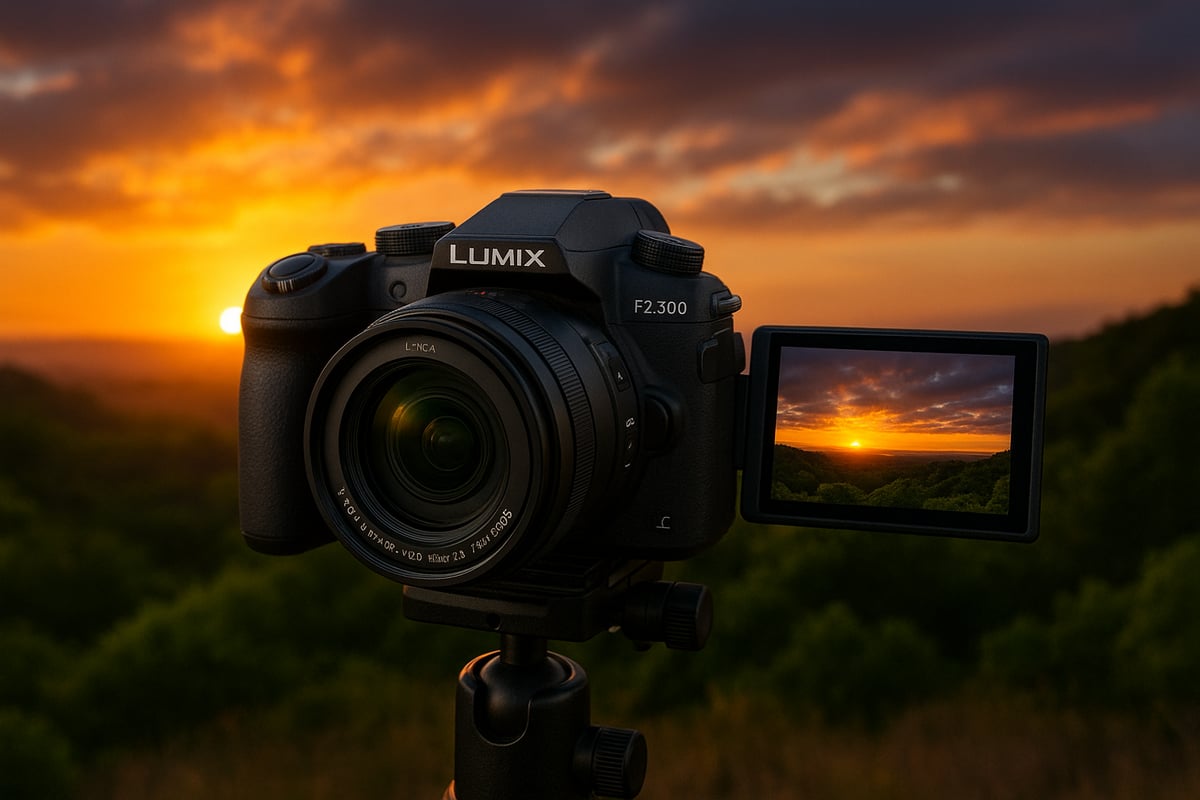
The first thing that stands out in any lumix fz300 review is the sharpness it delivers across the zoom range. From 25mm wide landscapes to 600mm telephoto wildlife shots, the lens maintains detail impressively well. Edge-to-edge clarity is consistent, especially when shooting at mid-zoom.
JPEG files out of the camera show pleasing, natural color science. Skin tones are accurate, and the camera’s noise reduction balances detail with smoothness in most situations. For those who enjoy editing, RAW files from the FZ300 offer enough latitude to recover highlights and lift shadows, allowing creative flexibility without significant quality loss.
Video quality and creative options
Video is a highlight in the lumix fz300 review, thanks to 4K recording at 30 fps with strong sharpness and color accuracy. Footage holds up well for YouTube and even professional projects. The constant f/2.8 aperture ensures consistent exposure, even when zooming in or out mid-shot.
Creative users will appreciate slow-motion and time-lapse modes, which are accessible and intuitive. The available color profiles, while not as advanced as some modern cinema cameras, still offer room for grading in post. Manual video controls and external mic input make the FZ300 a solid choice for aspiring filmmakers.
Low-light capabilities
Low-light shooting is often a challenge for bridge cameras, and the lumix fz300 review highlights both strengths and trade-offs here. The constant f/2.8 lens aperture lets in more light than most competitors, which makes a noticeable difference at dusk or indoors. At moderate ISOs, detail holds up well and noise is controlled.
Push the ISO higher, and you will see typical small-sensor grain, particularly in shadow areas. Still, with careful exposure and noise reduction in post, night cityscapes and indoor events are well within reach. The built-in stabilization is a welcome aid for handheld shots after dark.
Lens characteristics
A key part of any lumix fz300 review is lens quality. This Leica-branded optic is remarkably sharp, especially in the center, and even the corners only soften slightly at full zoom. Distortion and chromatic aberration are well controlled, minimizing the need for correction in post.
Bokeh at f/2.8 is smooth for a bridge camera, creating pleasing subject separation in portraits or macro work. Flare is minimal thanks to effective coatings, which helps maintain contrast and color accuracy even when shooting into the light. The lens hood further improves performance in challenging sun angles.
Comparison to competitors
When comparing in this lumix fz300 review, it is clear the FZ300 holds its own against rivals like the Sony RX10 and Canon SX70. While its sensor is smaller, the constant f/2.8 lens and weather-sealing are rare at this price point. Image quality is competitive, especially in good light and at moderate ISO.
Below is a quick comparison:
| Camera | Max Aperture | Zoom Range | Weather-sealed | 4K Video | Sensor Size |
|---|---|---|---|---|---|
| FZ300 | f/2.8 | 25-600mm | Yes | Yes | 1/2.3″ |
| Sony RX10 | f/2.4-4 | 24-600mm | No | Yes | 1″ |
| Canon SX70 | f/3.4-6.5 | 21-1365mm | No | Yes | 1/2.3″ |
For a deeper dive into how the FZ300 compares to other top zoom cameras, the Best Zoom Cameras Guide offers additional context and side-by-side evaluations.
Advanced tips, tricks, and recommended accessories
Every photographer who spends time with the Lumix FZ300 knows that its real magic lies in mastering its settings and pairing it with the right tools. In this section of the lumix fz300 review, I will share personal strategies and gear choices that have elevated my shooting experience, plus advice for keeping your camera in peak condition and tapping into the thriving user community.
Essential settings for different genres
To get the most from your Lumix FZ300, start by customizing your autofocus modes for each subject. For wildlife or sports, I rely on Continuous AF with tracking, which locks onto moving subjects efficiently. Portraits shine when using face or eye detection, while single-point AF is ideal for landscapes and macro work.
Assigning your most-used features to the function buttons can save precious time. I keep ISO and white balance at my fingertips, making on-the-fly adjustments effortless. In my lumix fz300 review, I also recommend experimenting with the camera’s JPEG and RAW settings. For quick sharing, the standard JPEG engine delivers vibrant colors, but for editing, RAW files offer much more latitude.
Creative shooting techniques
Unlock the creative side of the Lumix FZ300 with a few favorite tricks. The 4K Photo mode is a game changer for action—simply record a burst and extract the perfect frame later. For dramatic landscapes or cityscapes, try long exposure by lowering ISO and using a tripod, capturing silky water or light trails.
Macro photography is another hidden gem in this lumix fz300 review. Use focus stacking for increased depth of field in close-ups. Experiment with the fully articulating screen to find unusual perspectives, and do not forget to play with depth-of-field control at f/2.8 for smooth background blur.
Recommended accessories
A solid tripod is indispensable for sharp telephoto shots and long exposures. I also suggest a lens hood to reduce flare in bright conditions and an ND filter for those creative exposures in daylight. For video creators, an external microphone will make a noticeable difference in audio clarity.
If you are considering expanding your Lumix kit, check out the Best Panasonic Lumix Cameras guide to compare options and see how the FZ300 fits into the broader lineup. These accessories, combined with the right camera, make all the difference in this lumix fz300 review.
Maintenance and longevity
Caring for your Lumix FZ300 means keeping it clean, especially the lens and viewfinder. Use a soft brush and microfiber cloth, and check the weather sealing after outdoor shoots. Regularly update firmware (a process found in the setup menu) to ensure you have the latest features and bug fixes.
Managing batteries is crucial, especially on long days. Always carry a spare, and use the USB charging feature for convenience. In my lumix fz300 review, I have found that keeping batteries at half charge during storage extends their life significantly.
Community and learning resources
The Lumix FZ300 community is a goldmine for inspiration and troubleshooting. Online forums and groups are filled with practical advice, while YouTube hosts in-depth tutorials for advanced techniques. For genuine, real-world insights, I recommend browsing the Panasonic FZ300 User Reviews for firsthand experiences and tips.
Manufacturer support and extended warranties also bring peace of mind, helping your camera stay relevant and reliable. As you explore this lumix fz300 review, remember that learning from fellow users and sharing your own discoveries is part of the journey.
Lumix FZ300 in 2026: How it compares and alternatives to consider
For photographers who have followed the journey of the FZ300, its place in 2026 feels surprisingly secure. The camera’s enduring appeal comes from its blend of approachable design, reliable performance, and features that still meet the demands of modern hobbyists. In this lumix fz300 review, I will break down where the FZ300 stands today, how it stacks up against newer rivals, and what you should consider if you are thinking about it as your next camera.
Evolution since launch: What’s still relevant?
Since its launch, the FZ300 has kept up with changing trends in photography. Panasonic’s long-term firmware support has maintained its feature set, and the constant f/2.8 lens remains unmatched in this price bracket. Many bridge cameras released after the FZ300 have moved to slower zooms or sacrificed weather sealing, but the FZ300 still offers both.
Another reason the FZ300 continues to surface in every lumix fz300 review is its handling. The grip, button layout, and robust body have become benchmarks for usability. While some specs now feel dated, the core experience still impresses. For nature photography or travel, the weatherproof build and 600mm reach are just as relevant today as when the camera debuted.
Comparison with newer bridge and compact cameras
When stacked against recent bridge cameras, the FZ300 holds its own in several key areas. Let’s look at a quick comparison:
| Feature | FZ300 | FZ80 | Sony RX10 IV | Canon SX70 HS |
|---|---|---|---|---|
| Lens | 25-600mm f/2.8 | 20-1200mm f/2.8-5.9 | 24-600mm f/2.4-4 | 21-1365mm f/3.4-6.5 |
| Weather Sealing | Yes | No | Yes | No |
| 4K Video | Yes | Yes | Yes | No |
| Price (2026, approx.) | $400 (used) | $350 (new) | $1200 (new) | $500 (new) |
While newer models may offer longer zooms or higher resolutions, the FZ300’s constant aperture and weather sealing remain unique strengths. For a full breakdown, Panasonic FZ300 vs Newer Models provides a thorough side-by-side analysis that contextualizes the FZ300 in today’s market. Every lumix fz300 review should consider not just specs, but also the real-world usability and value, where this camera still shines for many use cases.
Mirrorless and DSLR alternatives
Mirrorless and DSLR cameras have made huge strides, but they are not always the obvious choice for every photographer. The FZ300’s fixed lens means no dust on the sensor and no need to invest in multiple lenses. For travelers and those who value simplicity, this can be a major plus.
If you are debating between an entry-level mirrorless and the FZ300, think about your priorities. While interchangeable lens cameras offer more flexibility, they also mean more bulk and cost. In this lumix fz300 review, I have found the FZ300 to be a more practical companion for casual wildlife outings or family trips, especially when packing light matters.
Secondhand and refurbished market value
In 2026, the FZ300 is primarily found on the secondhand market, but it holds its value well. Prices typically range from $350 to $450, depending on condition and accessories. Here are some tips for buyers:
- Inspect for water damage around ports and battery door
- Test the zoom and focus mechanisms
- Check the LCD and EVF for scratches or dead pixels
- Request a recent sample image to confirm sensor health
The lumix fz300 review community often highlights the camera’s reliability over time, which helps keep demand steady. Refurbished units from reputable dealers may include limited warranties, adding peace of mind for those buying used.
Future-proofing: Is the FZ300 still a smart buy?
Photographers often ask if the FZ300 is still worth considering in 2026. The answer depends on your needs. Panasonic has provided firmware updates that keep the camera compatible with most modern accessories. The hot shoe supports current flashes and microphones, and the USB charging is a boon for travel.
Community support is another factor in future-proofing. Online forums and dedicated user groups remain active, sharing tips, troubleshooting, and creative inspiration. In this lumix fz300 review, I see continued value for those who want a reliable, all-in-one system. The camera’s broad compatibility with tripods, bags, and filters also means you can invest in accessories without worry.
Expert verdicts and user testimonials
Experts continue to rate the FZ300 as a top choice for enthusiasts on a budget. Many user stories praise its durability, consistent autofocus, and video quality for the price. Satisfaction ratings in major photography forums remain high, with the camera often recommended for beginners and travelers.
The lumix fz300 review landscape in 2026 is shaped by real-world experience. Users appreciate the camera’s balance of features and affordability. While it may not have the latest sensor tech, its overall package still delivers results that impress, making it a smart option for many.
Last update on 2026-04-01 / Affiliate links / Images from Amazon Product Advertising API