

Contents
- Introduction: Why Smart Peephole Cameras Matter in 2026
- What to Look for in a Peephole Camera in 2026
- Best Peephole Cameras in 2026
- Peephole Camera vs Video Doorbell: Which is Right for You?
- Installation Tips and Considerations
- Frequently Asked Questions
- Final Verdict: Choosing Your Peephole Camera in 2026
Introduction: Why Smart Peephole Cameras Matter in 2026
Home security has evolved dramatically over the past few years, and in 2026, the traditional door peephole has been completely revolutionized by smart camera technology. I’ve tested dozens of peephole cameras and video doorbells over the years, and I can tell you that the difference between a basic mechanical peephole and a modern smart camera system is night and day.
Whether you live in an apartment where drilling isn’t allowed, a rental property, or simply want to upgrade your home security without major installation work, peephole cameras offer the perfect solution. These devices replace your existing peephole with a camera that connects to your smartphone, letting you see, hear, and even speak to visitors from anywhere in the world. The peace of mind this provides is invaluable, especially for families, elderly residents, or anyone living alone.
What makes 2026 particularly exciting for peephole camera technology is the integration of AI-powered person detection, extended battery life, and improved night vision capabilities. Today’s models can distinguish between people, packages, and pets, sending you relevant alerts without overwhelming you with notifications. In this comprehensive guide, I’ll share my hands-on experience with the best peephole cameras available right now, covering everything from budget-friendly options to feature-packed smart security systems.
What to Look for in a Peephole Camera in 2026
After testing numerous models and living with these devices for extended periods, here are the critical features that separate excellent peephole cameras from mediocre ones.
Video Quality and Field of View
Video resolution has become a baseline feature, with most quality peephole cameras now offering at least 1080p HD. However, resolution isn’t everything. I’ve found that field of view matters just as much, if not more. Look for cameras offering at least 160-degree horizontal viewing angles so you can see packages on the ground and visitors from head to toe without blind spots.
Higher-end models in 2026 feature HDR (High Dynamic Range) video, which dramatically improves image quality in challenging lighting conditions. When someone stands with the sun behind them, HDR prevents them from appearing as a dark silhouette. This feature has saved me from missing important deliveries multiple times.
Night Vision Capabilities
Many visitors arrive after dark, making night vision absolutely essential. Modern peephole cameras use infrared LEDs that illuminate the area without visible light, providing clear black-and-white footage even in complete darkness. The best models I’ve tested offer night vision effective up to 15-20 feet.
Some 2026 models have introduced color night vision using ambient light sensors and image processing. While impressive, I’ve found traditional infrared night vision to be more reliable in very low light conditions.
Two-Way Audio Quality
The ability to communicate with visitors without opening your door is one of the most valuable features of smart peephole cameras. However, audio quality varies dramatically between models. Look for cameras with noise cancellation and echo suppression so conversations sound natural, not like you’re talking through a tin can.
Some cameras offer pre-recorded quick reply messages like “Please leave the package” or “I’ll be there in a minute.” While convenient, I prefer live two-way communication for most situations. The best systems offer both options.
Motion Detection and Smart Alerts
Basic motion detection will alert you every time a car drives by or a leaf blows past your door, quickly becoming more annoying than helpful. AI-powered person detection, now standard in quality 2026 models, dramatically reduces false alerts by distinguishing between people, animals, and objects.
Advanced models offer customizable motion zones, letting you define specific areas to monitor. I typically set zones to focus on my doorway while ignoring the sidewalk beyond, eliminating most nuisance alerts while capturing every actual visitor.
Power Source and Battery Life
Peephole cameras come in three power configurations: battery-powered, hardwired, or plug-in models. Battery-powered units offer the easiest installation but require periodic recharging or battery replacement. In my experience, quality models last 3-6 months per charge with moderate use.
Hardwired models connecting to your existing doorbell wiring never need charging but require compatible wiring (16-24V AC transformer). Plug-in models are rare for peephole cameras but common in full-replacement video doorbells. Consider your home’s existing wiring and your willingness to recharge batteries when choosing.
Storage Options
Recorded video needs storage, and you’ll encounter three options: cloud storage (usually subscription-based), local storage (SD card or USB), or no storage (live view only). Cloud storage offers the most convenience and security since footage is backed up remotely, but monthly fees add up. Local storage is free but vulnerable if someone steals the camera.
Many 2026 models offer both cloud and local storage options, giving you flexibility. Some brands include limited free cloud storage (24 hours to 7 days of rolling footage) before requiring a subscription for extended storage or advanced features.
Smart Home Integration
If you’re building a smart home ecosystem, compatibility matters. Most modern peephole cameras work with Amazon Alexa and Google Assistant, letting you view the camera feed on smart displays or control it with voice commands. Some also integrate with Apple HomeKit, though compatibility is less common.
Integration with other security devices like smart locks is particularly valuable. I love systems that let me unlock the door remotely for trusted visitors or delivery services, all from the same app.
Best Peephole Cameras in 2026
After extensive testing in various conditions and living situations, these are the peephole cameras I recommend for different needs and budgets in 2026.
1. Ring Door View Cam – Best Overall Smart Peephole Camera
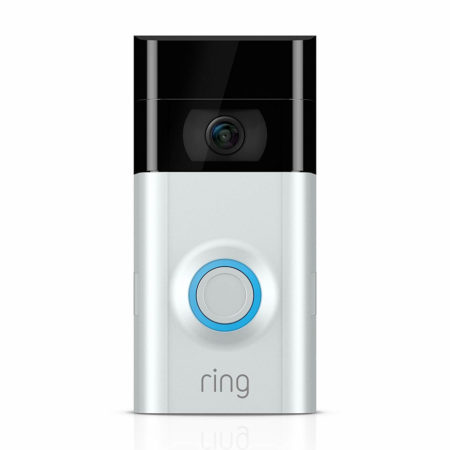
The Ring Door View Cam remains my top recommendation for most people in 2026. Unlike traditional video doorbells, this device installs directly into your existing peephole opening, making it perfect for apartments and rentals where external modifications aren’t allowed. The installation took me less than 10 minutes with just a screwdriver, no drilling required.
The 1080p HD video quality is excellent, providing crisp, clear footage in daylight conditions. The 155-degree horizontal field of view captures visitors from head to toe and extends far enough to see packages left on the ground. What impresses me most is the knock detection feature in addition to motion sensing. It alerts you whether someone presses the doorbell or simply knocks on the door.
Two-way audio quality is solid, with good clarity and minimal echo. Conversations feel natural, not robotic or tinny like some cheaper models. The Ring app is intuitive and reliable, sending instant notifications to your phone when someone approaches. You can answer from anywhere with an internet connection, making it perfect for frequent travelers or when you’re working in another part of your home.
Battery life typically runs 6-12 months depending on activity level, and the battery pack slides out easily for recharging without removing the entire unit. Night vision uses infrared LEDs providing clear black-and-white footage up to 15 feet in complete darkness.
The main consideration is Ring’s subscription model. While the camera works for live view and two-way talk without a subscription, you’ll need Ring Protect ($4/month or $40/year) to access recorded video and advanced features like person detection. For most users, the subscription is worth it given Ring’s reliable cloud storage and extended video history.
Key Specs: 1080p HD video, 155-degree horizontal FOV, rechargeable battery (6-12 months), knock detection, cloud storage (subscription)
Pros: Easy no-drill installation, excellent video quality, reliable motion and knock detection, seamless Alexa integration, removable rechargeable battery
Cons: Requires subscription for video recording, vertical viewing angle somewhat limited at 90 degrees
Best for: Apartment dwellers, renters, anyone wanting reliable smart home integration without drilling or external modifications
2. Brinno SHC1000 – Best Non-WiFi Peephole Camera
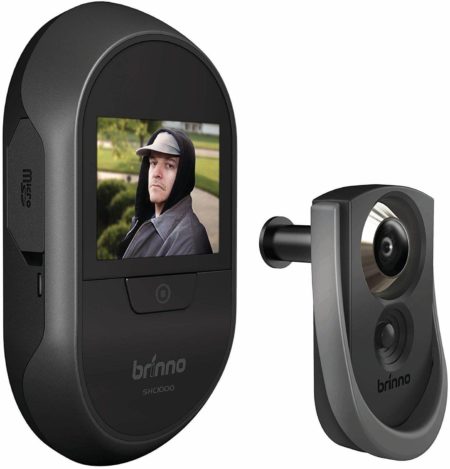
For those who prefer a camera that doesn’t connect to the internet or require a smartphone, the Brinno SHC1000 offers an elegant solution. This peephole camera operates completely standalone, recording footage directly to an internal SD card and displaying it on a 3.7-inch LCD screen mounted on the inside of your door.
The motion-activated recording is triggered by either the doorbell being pressed or knocking, conserving battery power when no activity is detected. Battery life is exceptional, lasting up to 12 months on 4 AA batteries. The 2MP camera captures reasonably clear images in good lighting, though don’t expect the crispness of 1080p HD WiFi models.
What I appreciate about the Brinno is its simplicity and privacy. No WiFi means no hacking concerns, no monthly subscriptions, and no dependency on internet connectivity. It’s perfect for elderly relatives who aren’t comfortable with smartphone apps or for vacation homes where internet isn’t reliable. The large LCD screen makes it easy to see who’s at the door at a glance.
The 120-degree viewing angle is adequate though narrower than WiFi-connected competitors. Night vision works reasonably well using infrared illumination, though image quality drops noticeably in low light compared to premium models. Photos are date and time-stamped automatically, useful if you need evidence of when someone visited.
Installation is straightforward, replacing your existing peephole with the camera unit on the outside and the LCD display unit on the inside. The camera is visible from outside but designed to look like a standard peephole. Some users initially find the visible camera a deterrent, though others appreciate the overt security presence.
Key Specs: 2MP resolution, 120-degree FOV, 12-month battery life (4 AA), local SD card storage, 3.7-inch LCD display
Pros: No WiFi or subscription required, excellent battery life, privacy-focused design, simple operation for non-technical users
Cons: Lower video resolution, no smartphone connectivity, narrower field of view than WiFi models
Best for: Privacy-conscious users, elderly residents not comfortable with apps, vacation homes without reliable internet, anyone preferring standalone operation
3. Arlo Video Doorbell – Best Wide-Angle Coverage
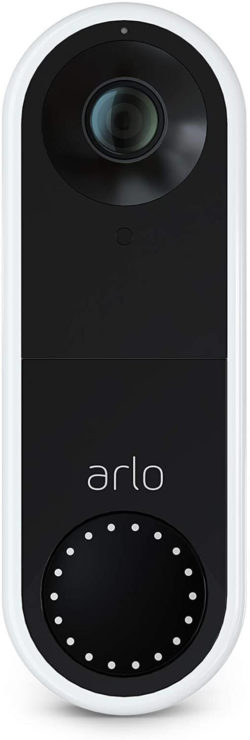
The Arlo Video Doorbell distinguishes itself with an exceptional 180-degree diagonal field of view, the widest I’ve tested among peephole-style cameras. This ultra-wide perspective captures everything from packages on the ground to visitors’ faces without any blind spots. It’s particularly valuable for doors recessed in alcoves or porches where standard viewing angles miss activity to the sides.
Video quality is outstanding with full HD resolution and HDR processing. The HDR capability is particularly noticeable when someone stands with bright sunlight behind them. Where other cameras show a dark silhouette, the Arlo clearly shows facial details and clothing. This has helped me identify delivery personnel and visitors multiple times when lighting conditions were challenging.
The pre-roll video feature is brilliant, recording 3 seconds of video before motion is detected. This context footage often captures why someone approached your door, like a delivery vehicle pulling up or someone walking from the sidewalk. Many competing cameras only start recording once motion triggers, missing these crucial moments.
Two-way audio includes noise suppression and echo cancellation, providing the clearest conversations I’ve experienced with a smart doorbell. Quick reply messages let you send pre-recorded responses when you’re too busy to talk live. The motion detection offers customizable zones and can distinguish between people, vehicles, animals, and packages with surprising accuracy.
The Arlo requires hardwired installation (existing doorbell wiring, 16-24V transformer), making it better suited for homeowners than renters. Installation took me about 30 minutes, slightly more involved than battery-powered alternatives but providing continuous power without recharging concerns.
Like Ring, Arlo offers free basic features (live view, two-way talk) but requires Arlo Secure ($5/month) for video recording, advanced detection, and extended storage. The subscription also unlocks package detection, which sends alerts when a delivery is detected at your door.
Key Specs: 1080p HD with HDR, 180-degree diagonal FOV, hardwired power, pre-roll video, cloud storage (subscription)
Pros: Widest field of view available, excellent HDR video quality, pre-roll captures context, superior two-way audio, smart package detection
Cons: Requires hardwired installation, subscription needed for recording, more expensive than budget alternatives
Best for: Homeowners with existing doorbell wiring, anyone wanting the widest possible viewing angle, users prioritizing premium video quality and smart detection
4. Blink Video Doorbell – Best Budget WiFi Option
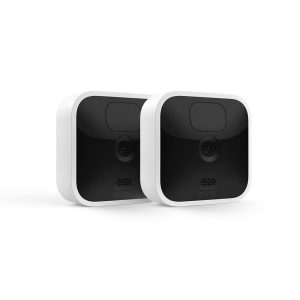
Amazon’s Blink Video Doorbell offers impressive features at a budget-friendly price, making smart security accessible without breaking the bank. At roughly half the price of premium competitors, it delivers the essential features most users actually need: 1080p HD video, two-way audio, motion detection, and smartphone connectivity.
Video quality is solid, if not exceptional. The 1080p resolution provides clear daytime footage, and night vision using infrared LEDs works well enough to identify visitors after dark. The 135-degree diagonal field of view is narrower than premium models but adequate for standard doorways. I found it captures faces and packages well, though you lose some peripheral coverage compared to 160-180 degree cameras.
What sets Blink apart is the flexible power options. You can run it on two AA lithium batteries (lasting up to 2 years with typical use) or hardwire it to existing doorbell wiring for continuous power. Battery life is genuinely impressive, among the best I’ve tested for battery-powered doorbells. The system also includes a wireless chime unit that plugs into any outlet, solving the problem of not hearing the doorbell throughout your home.
The Blink app is straightforward and responsive. Motion alerts arrive promptly, and you can customize sensitivity and activity zones to reduce false alerts. Two-way audio quality is acceptable though not as clear as premium models, with occasional slight delay and some compression artifacts.
Blink’s standout feature is free cloud storage. Unlike Ring or Arlo, you get rolling cloud storage without a subscription, making this the most budget-friendly option for recorded video. For extended storage and advanced features, Blink Plus subscription ($3/month) is available but entirely optional.
Key Specs: 1080p HD video, 135-degree diagonal FOV, battery or hardwired power, free cloud storage, included wireless chime
Pros: Exceptional value, free cloud storage, long battery life (up to 2 years), flexible power options, includes wireless chime
Cons: Narrower field of view, audio quality not premium-level, fewer advanced features than competitors
Best for: Budget-conscious users, anyone wanting to avoid subscription fees, homes without existing doorbell wiring, users prioritizing simple operation
5. Remo+ RemoBell S – Best for Privacy-Focused Users
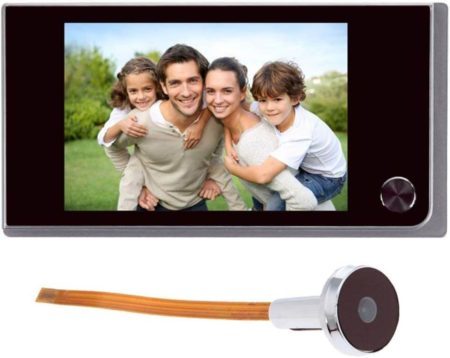

The Remo+ RemoBell S takes a privacy-first approach that’s increasingly rare among smart home devices. Video footage is stored locally on a microSD card (up to 128GB) inside the unit rather than uploaded to cloud servers. This means your video never leaves your home unless you choose to share it, addressing legitimate privacy concerns about cloud storage and third-party access to your security footage.
The 1080p HD video quality is comparable to cloud-based competitors, providing clear daytime footage and adequate night vision using infrared LEDs. The 180-degree wide-angle lens captures an impressive viewing area, rivaling the Arlo’s coverage. I particularly appreciate the adjustable motion sensitivity and customizable activity zones that minimize false alerts from passing cars or pedestrians.
Two-way audio works well with minimal delay, and the rechargeable battery typically lasts 2-4 months depending on activity level. The battery charges via USB-C, making it convenient to top up using any standard USB power adapter. Installation follows the typical peephole replacement process, taking about 15 minutes with basic tools.
The Remo+ app provides all essential features without requiring a subscription: live view, motion alerts, video playback, and two-way communication. While you can’t access footage remotely unless your home network allows external access, the peace of mind knowing your video isn’t stored on third-party servers is valuable for privacy-conscious users.
The main limitation is accessing recorded footage when away from home. Since video is stored locally, you need to be on the same network or set up remote access through your router (requiring technical knowledge). For users primarily concerned about seeing who’s at the door in real-time rather than reviewing recorded footage remotely, this isn’t a significant drawback.
Key Specs: 1080p HD video, 180-degree FOV, rechargeable battery (2-4 months), local microSD storage up to 128GB, no subscription required
Pros: Complete privacy with local storage only, no monthly fees ever, wide 180-degree viewing angle, USB-C rechargeable battery
Cons: Remote video access requires technical setup, fewer smart home integrations than major brands, smaller user community for support
Best for: Privacy-focused users, anyone avoiding cloud storage, users wanting one-time purchase without ongoing costs, tech-savvy users comfortable with network configuration
Peephole Camera vs Video Doorbell: Which is Right for You?
Many people confuse peephole cameras with traditional video doorbells, and while they serve similar purposes, there are important differences to understand.
Peephole Cameras
True peephole cameras replace your existing door peephole, installing entirely within the door itself. The camera lens sits where your old peephole was, maintaining the door’s exterior appearance with minimal visible hardware. These are ideal for apartments, condos, and rentals where external modifications might violate lease terms or HOA rules.
The main advantages are simple installation (no drilling, just replacing the existing peephole), maintaining your door’s aesthetic, and compliance with rental restrictions. Battery-powered models are completely wireless, requiring no connection to doorbell wiring. The downside is they’re less visible, which some see as a disadvantage (no deterrent effect) while others prefer the discreet appearance.
Video Doorbells
Video doorbells mount to the exterior wall or door frame beside your existing doorbell, or replace your doorbell entirely. They’re more visible, which can deter package thieves and unwanted visitors. Many offer larger camera sensors and batteries due to less size constraints, potentially providing better image quality and longer battery life.
However, they require drilling mounting holes and may need professional installation if connecting to existing doorbell wiring. They’re more visible alterations to your home’s exterior, which may concern landlords, HOAs, or historic preservation districts. For homeowners without installation restrictions, video doorbells often provide more features and flexibility.
Making Your Choice
Choose a peephole camera if you rent your home, have HOA restrictions on external modifications, prefer a discreet camera, or already have a peephole to replace. Choose a video doorbell if you own your home, want maximum visibility as a deterrent, prioritize the largest possible battery and sensor, or prefer mounting flexibility.
Installation Tips and Considerations
Installing a peephole camera is straightforward, but a few tips from my experience will help ensure success.
Check Your Door Thickness
Most peephole cameras fit doors between 1.4 to 2.2 inches thick, but verify compatibility before purchasing. Measure your door’s thickness at the peephole location. Metal doors and doors with insulation may fall outside standard ranges. Some manufacturers offer extension adapters for thicker doors.
Test Your WiFi Signal
Before installation, test WiFi signal strength at your door using your smartphone. Weak signals cause video delays, dropped connections, and poor performance. If your signal is weak, consider adding a WiFi extender near the door or upgrading to a mesh WiFi system. I learned this lesson the hard way after installing a camera only to find it constantly disconnected.
Doorbell Wiring Compatibility
If choosing a hardwired model, verify your existing doorbell transformer voltage (typically found in your electrical panel, attic, or basement). Most smart doorbells require 16-24V AC transformers. Older homes may have lower voltage transformers that need upgrading. A $15 multimeter from any hardware store lets you check voltage safely.
Consider Weatherproofing
Even though peephole cameras install within your door, the exterior lens faces the elements. Look for cameras rated IP65 or higher for weather resistance, ensuring they handle rain, snow, humidity, and temperature extremes. In my climate with harsh winters and humid summers, weatherproofing has proven essential for reliability.
Frequently Asked Questions
Q: Can peephole cameras work without WiFi?
A: Yes, non-WiFi models like the Brinno SHC1000 operate independently, recording to local storage and displaying on a built-in screen. These cameras don’t send smartphone alerts or allow remote viewing, but they provide security without internet dependency. WiFi-enabled cameras require internet for smartphone notifications and remote access, though most can still record locally during internet outages.
Q: How long do batteries last in peephole cameras?
A: Battery life varies dramatically based on activity level, temperature, and camera features. Budget models may last 2-3 months, while premium models with optimized power management can last 6-12 months per charge. Hardwired models connected to doorbell wiring never need charging. Cold weather significantly reduces battery life, I typically see 30-40% shorter runtime during winter months compared to summer.
Q: Are peephole cameras secure from hacking?
A: Quality peephole cameras from reputable manufacturers use encrypted connections and regular security updates, making them reasonably secure. To maximize security: use strong unique passwords, enable two-factor authentication, keep firmware updated, and use a secure home WiFi network with WPA3 encryption. Models with local storage only (no cloud) eliminate remote hacking concerns but sacrifice remote access convenience.
Q: Can I install a peephole camera in an apartment?
A: Yes, peephole cameras are specifically designed for apartments and rentals. They replace your existing peephole without drilling additional holes or modifying the door’s exterior significantly. Always check your lease agreement first, though most landlords don’t object since installation is reversible. Keep your original peephole to reinstall when you move out.
Q: Do peephole cameras work with smart home systems?
A: Most modern peephole cameras integrate with Amazon Alexa and Google Assistant, allowing voice control and viewing on smart displays. Apple HomeKit compatibility is less common but available on select models. Integration features vary by brand, some allowing advanced automation like unlocking smart locks when trusted visitors arrive or triggering lights when motion is detected. Check compatibility with your specific smart home ecosystem before purchasing.
Final Verdict: Choosing Your Peephole Camera in 2026
After testing numerous models and living with these devices in real-world conditions, here’s my bottom line: The Ring Door View Cam remains my top recommendation for most users in 2026. Its reliable performance, easy installation, excellent app, and seamless smart home integration justify the investment and subscription cost for anyone wanting comprehensive security features.
For budget-conscious users or anyone wanting to avoid monthly subscriptions, the Blink Video Doorbell offers exceptional value with free cloud storage and impressive battery life. It lacks some premium features but delivers the essentials reliably at half the price of competitors.
Privacy-focused users should seriously consider the Remo+ RemoBell S, which keeps all video footage local and never uploads to cloud servers. While this limits remote access, it provides peace of mind that your security footage remains truly private.
If you prefer something completely independent of smartphones and internet, the Brinno SHC1000 provides reliable standalone operation perfect for elderly relatives or vacation homes. And for users wanting the widest possible viewing angle and premium video quality, the Arlo Video Doorbell delivers exceptional coverage and image quality.
Ultimately, the best peephole camera for you depends on your specific situation: rental restrictions, technical comfort level, privacy concerns, budget, and desired features. All the cameras in this guide will significantly improve your home security compared to a traditional peephole. The key is choosing the one that matches your priorities and lifestyle.
Whichever model you choose, you’ll gain invaluable peace of mind knowing who’s at your door before you open it, whether you’re home or thousands of miles away. That security and convenience is worth far more than the modest investment these devices require.
Last update on 2026-03-31 / Affiliate links / Images from Amazon Product Advertising API