


Step into 2026, where digital filmmaking is evolving faster than ever and camera innovation is reshaping what’s possible behind the lens. Filmmakers at every level are discovering new creative frontiers as the best digital camera for filmmaking brings advanced features and smarter technology to the forefront.
This article will guide you through seven essential tips for choosing and using the right camera for your filmmaking journey. Understanding the latest in sensor advancements, ultra-high resolutions, versatile frame rates, powerful autofocus, integrated audio, stabilization, and streamlined workflows is crucial for staying ahead in this dynamic landscape.
Whether you are an aspiring creator or a seasoned professional, knowing these trends and best practices can elevate your craft and open new doors for storytelling. Each tip is designed to help you make informed decisions and maximize your results.
Curious how these breakthroughs can transform your next project? Read on for actionable advice that will make a real difference in your filmmaking experience.
Contents
- Understanding the 2026 digital camera landscape
- 7 essential tips for choosing the best digital camera for filmmaking in 2026
- 1. Prioritize advanced sensor technology for cinematic quality
- 2. Evaluate video resolution and frame rate flexibility
- 3. Assess autofocus and subject tracking capabilities
- 4. Consider audio integration and recording options
- 5. Look for advanced stabilization systems
- 6. Optimize for efficient workflow and connectivity
- 7. Balance ergonomics, battery life, and durability
- Filmmaking trends and creative opportunities in 2026
- Practical guide to testing and selecting your filmmaking camera
Understanding the 2026 digital camera landscape
The landscape for the best digital camera for filmmaking in 2026 is nothing short of revolutionary. Every year, I see new tools and tech that push our creative boundaries further. Just a few years ago, 4K was the gold standard. Now, filmmakers at every level are exploring powerful options that were once reserved for big-budget productions.
Sensor technology is at the heart of this transformation. Cameras in 2026 feature advanced stacked sensors, new organic materials, and AI-powered image processing. These innovations deliver richer colors, better low-light performance, and more dynamic range. But it is not just about the sensor. The shift toward hybrid cameras—models that excel at both video and stills—means filmmakers have greater flexibility on set. Even mid-range cameras now offer professional video features, making the best digital camera for filmmaking accessible to more creatives than ever before.
If you are a filmmaker who loves experimenting, computational photography is a game changer. Real-time image processing lets you apply cinematic looks and effects straight from the camera. With 8K and higher resolutions becoming standard, there is incredible flexibility in post-production. These ultra-high resolutions influence everything from editing hardware to storage needs. Cloud-based storage and remote collaboration are now deeply integrated, letting teams work together from anywhere. According to the Digital Camera Market Forecast 2025–2035, the market is rapidly shifting toward mirrorless systems and smarter AI-driven cameras, reflecting these demands.
The best digital camera for filmmaking today is not just about image quality. It is about how easily you can integrate that camera into your workflow. Many cameras now sync footage directly to the cloud, offer wireless control, and even support live editing on mobile devices. This makes on-set data management and backup more efficient, while allowing instant feedback for directors and clients. The result is a smoother, more collaborative filmmaking experience.
All these advancements are reshaping what it means to be a filmmaker. Whether you are shooting solo documentaries or coordinating a remote team across continents, the expectations for the best digital camera for filmmaking have never been higher. The tools are evolving fast, and staying informed is essential to keep your creative edge.
7 essential tips for choosing the best digital camera for filmmaking in 2026
Choosing the best digital camera for filmmaking in 2026 is more complex than ever, but also incredibly exciting. The sheer range of options, features, and innovations can leave even experienced filmmakers pausing before making a decision. Let’s break down the seven essential tips that will help you navigate this landscape and pick the right camera for your creative vision.
1. Prioritize advanced sensor technology for cinematic quality
When searching for the best digital camera for filmmaking, start with the sensor. Sensor technology is the heart of image quality, dictating dynamic range, color depth, and low-light performance.
In 2026, we’re seeing new sensor materials and stacked sensor designs that capture light more efficiently than ever. Larger full-frame and medium-format sensors are now accessible in more compact bodies. These sensors deliver a cinematic look with rich depth of field and organic textures. For example, a night scene shot with a modern full-frame sensor can reveal subtle shadow detail and natural skin tones, even in challenging lighting.
Stacked sensors also bring faster readout speeds, reducing rolling shutter and enabling high frame rate video capture without sacrificing image integrity. This means more creative control and less compromise during fast action scenes.
Of course, bigger sensors often come with a higher price tag. It’s crucial to balance your desire for ultimate image quality with your project’s budget. If you’re looking for guidance on affordable options without sacrificing quality, check out the Best camera for filmmaking on a budget for a clear comparison of top contenders.
Ultimately, the best digital camera for filmmaking is one that matches your creative needs and financial reality. Test different sensors, compare footage in real-world conditions, and don’t be swayed by specs alone.
2. Evaluate video resolution and frame rate flexibility
Resolution and frame rate play a pivotal role in digital filmmaking. The best digital camera for filmmaking in 2026 will likely offer at least 8K resolution, with some models pushing even higher. This headroom isn’t just for show—shooting in high resolution lets you reframe shots, stabilize footage, and future-proof your work for evolving distribution standards.
Frame rate flexibility is equally important. High frame rates such as 120fps or even 240fps are now accessible, making it possible to capture ultra-smooth slow-motion sequences. Variable frame rate options allow filmmakers to experiment creatively, whether you’re shooting a dramatic dialogue at 24fps or an action-packed chase at 60fps.
However, higher resolution and frame rates come with their own set of challenges. File sizes balloon quickly, so you’ll need fast storage solutions and robust editing hardware. Before committing, consider how your workflow handles this data. Are you delivering for cinema, streaming, or social platforms? Each has different requirements.
Matching the best digital camera for filmmaking to your genre is also key. Documentary filmmakers might prioritize lower bitrates for storage efficiency, while commercial directors could demand the sharpest, most detailed images possible. Always keep your end goals in mind when evaluating these specs.
3. Assess autofocus and subject tracking capabilities
Reliable autofocus is a game-changer, especially for solo shooters or fast-paced productions. The best digital camera for filmmaking in 2026 integrates AI-powered autofocus that can recognize faces, eyes, and even objects with remarkable precision.
Subject tracking has advanced to the point where cameras can follow unpredictable movements seamlessly. Whether you’re capturing a dancer’s performance or a crowded street scene, the camera intelligently keeps your subject in sharp focus. This reduces missed moments and allows you to focus on composition and storytelling.
Face and eye detection have become more sophisticated, ensuring consistent focus even when subjects turn or move quickly. Some systems now let you customize tracking sensitivity to suit different scenarios, from gentle interviews to high-energy sports.
To truly evaluate autofocus, test it in real-world conditions. Set up challenging scenarios—backlit subjects, low light, or multiple moving elements—and see how the camera responds. The best digital camera for filmmaking should let you tweak autofocus settings for each project, giving you both speed and precision.
4. Consider audio integration and recording options
Audio is half the story in filmmaking. The best digital camera for filmmaking in 2026 offers robust audio features that rival dedicated recorders. Integrated microphones have improved, capturing cleaner sound with less noise, but professional results often require external microphones.
Look for cameras with multiple audio inputs, such as XLR or mini-jack, and in-camera monitoring through headphones. Features like multi-channel recording and on-camera audio syncing streamline your workflow, reducing the need for extensive post-production syncing.
Practical tips for pro-level audio: always use high-quality external mics for dialogue, monitor audio levels live, and record a backup track when possible. Accessories like shock mounts, wind protection, and portable recorders can further enhance your sound.
A streamlined audio workflow saves time and headaches in post. The best digital camera for filmmaking should integrate audio features that support your production style, whether you’re shooting documentaries, narrative films, or branded content.
5. Look for advanced stabilization systems
Camera shake can ruin an otherwise perfect shot. Today, the best digital camera for filmmaking features state-of-the-art in-body image stabilization (IBIS) and advanced digital stabilization. These systems are invaluable for handheld shooting, letting you capture smooth, cinematic movement without bulky rigs.
For solo filmmakers and documentarians, robust stabilization means more flexibility. You can follow action, move through tight spaces, or shoot on the fly without sacrificing image quality. Creative shots—such as long takes or dynamic tracking—become much more achievable.
When evaluating stabilization, test it in different conditions. Try walking shots, panning, or quick handheld moves. Some cameras blend hardware and software stabilization for even better results, but be aware of potential cropping or artifacts.
The best digital camera for filmmaking balances effective stabilization with minimal compromise to image quality. Consider your shooting style and typical locations when making a choice.
6. Optimize for efficient workflow and connectivity
A modern filmmaker’s workflow relies on speed and flexibility. The best digital camera for filmmaking in 2026 should support fast file transfers, wireless connectivity, and remote control via apps or tablets.
Look for features like direct-to-cloud recording, which allows footage to be uploaded and backed up instantly. Wireless tethering and mobile editing integration make it easier to review and edit clips on set, saving valuable time.
Efficient data management is a lifesaver during long shoots. Use dual card slots, fast card readers, and organized folder structures to minimize risk. Compatibility with popular editing software ensures a smooth transition from shooting to post.
A streamlined workflow boosts productivity and lets you focus on creativity. The best digital camera for filmmaking should enhance, not hinder, your process.
7. Balance ergonomics, battery life, and durability
Long days on set demand a camera that feels right in your hands. Ergonomics—how the camera fits your grip, where controls are placed, and overall weight—can make a real difference in fatigue and creative flexibility.
Battery life is another practical concern. In 2026, advances in battery chemistry allow for longer recording times and faster charging. Still, always carry spares for peace of mind. Cameras with USB-C charging offer extra convenience.
Durability matters, especially for location shoots. Weather sealing and rugged construction protect your investment from dust, moisture, and accidental knocks. Before buying, handle the camera in person if possible, and simulate real shooting scenarios.
The best digital camera for filmmaking is not just about specs—it’s about how it supports you through every stage of production. Consider these factors carefully, and you’ll be ready for whatever your next project demands.
Filmmaking trends and creative opportunities in 2026
The filmmaking world in 2026 is a playground of creative innovation, thanks to rapid advances in the best digital camera for filmmaking. Today, filmmakers at every level are experimenting with new genres and styles that simply were not possible a few years ago.
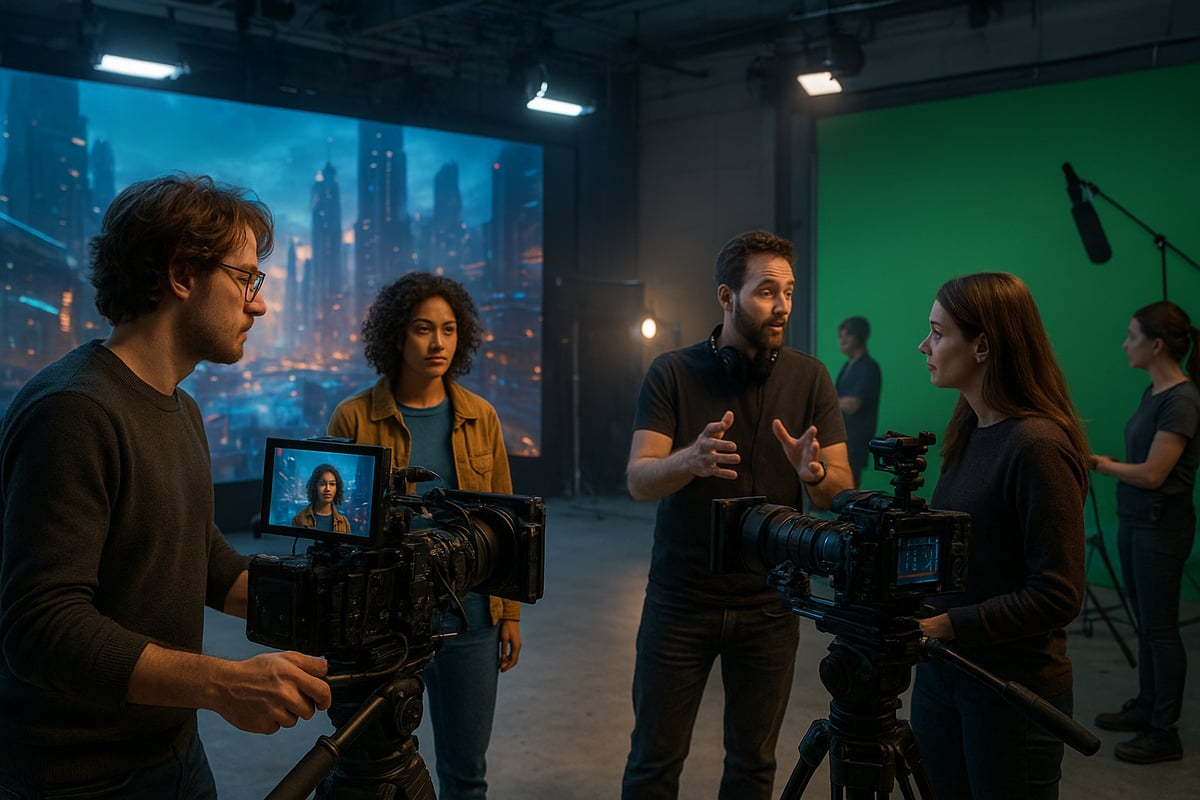
One of the most exciting changes is the rise of virtual production. With new sensor technology and powerful processors, the best digital camera for filmmaking can now integrate seamlessly with LED backdrops and virtual sets. Directors can visualize CGI elements in real time, making hybrid live-action and computer-generated storytelling more fluid and immersive.
Real-time effects have also become a staple in many productions. Filmmakers can preview complex lighting, visual effects, and even color grading on set, reducing the need for heavy post-production. This instant feedback loop encourages experimentation and helps teams push creative boundaries.
The democratization of high-end features is another major trend. Features once reserved for big-budget productions are now found in affordable mirrorless and compact cinema cameras. If you are curious about which models are leading the way, check out this best mirrorless camera guide for some of the top options. Independent creators are producing cinematic-quality work from their home studios or on the go, using the best digital camera for filmmaking that fits their unique vision.
AI is transforming post-production, too. Editing suites now include advanced AI-driven tools for color grading, noise reduction, and even automatic scene selection. This not only speeds up workflow but also empowers storytellers to focus on creative decisions rather than technical hurdles.
Social video and vertical content are more important than ever. As platforms like TikTok, Instagram, and YouTube dominate, filmmakers are adapting their projects for multiple aspect ratios and distribution channels. The best digital camera for filmmaking often includes built-in presets for vertical or square formats, making it easier to reach diverse audiences.
To illustrate these trends, here is a quick overview:
| Trend | Enabled by Camera Tech | Creative Opportunity |
|---|---|---|
| Virtual production | Real-time sensor processing | Hybrid live-action/CGI stories |
| AI editing & grading | Onboard AI processors | Faster, more creative post workflows |
| Social/vertical video | Flexible aspect ratio recording | Multi-platform storytelling |
| Affordable pro features | Hybrid mirrorless cameras | Indie filmmakers, new voices |
For a deeper dive into these shifts, the article on Trends in Independent Filmmaking: What to Expect in 2026 is a fantastic resource. It highlights how technology, community, and creativity are coming together in unexpected ways.
In summary, keeping up with filmmaking trends in 2026 is all about embracing what the best digital camera for filmmaking can do. Whether you dream of virtual sets, crave AI-powered editing, or want to reach audiences across every platform, there has never been a better time to experiment and tell your story.
Practical guide to testing and selecting your filmmaking camera
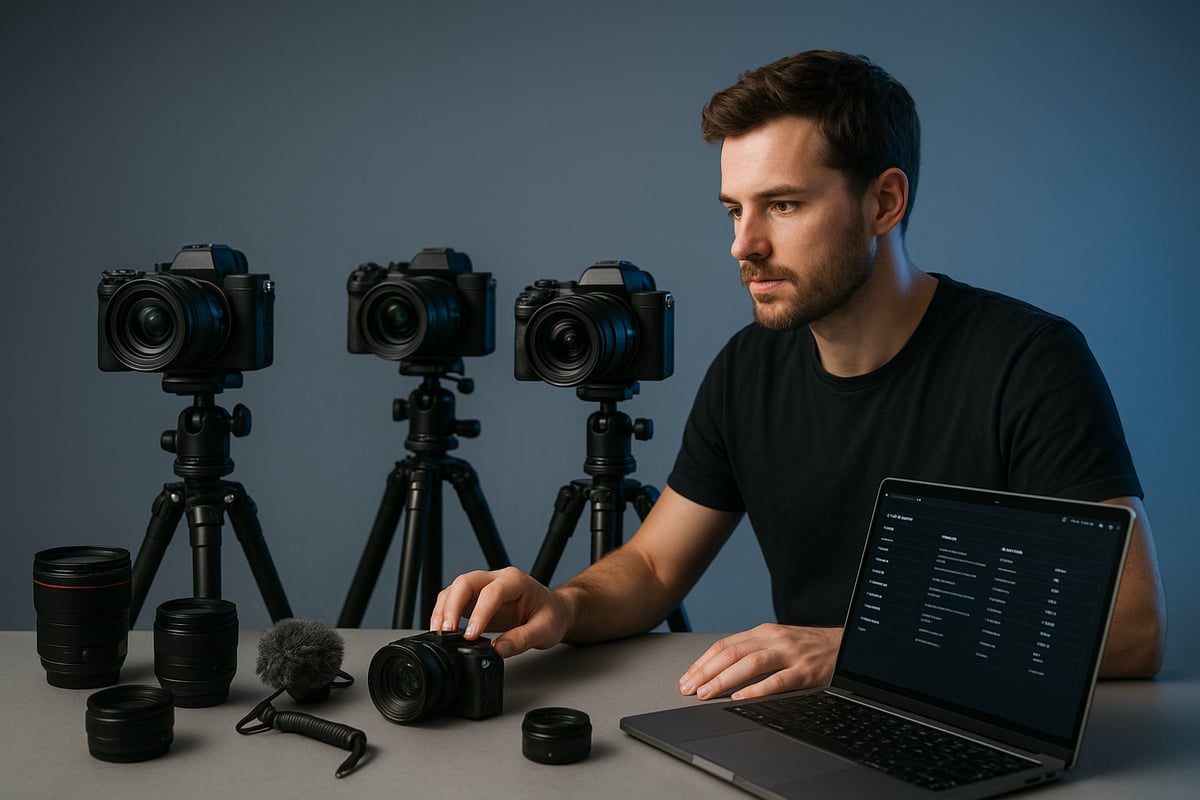
Choosing the best digital camera for filmmaking is a personal journey that every filmmaker should approach with care. With so many models and features available, hands-on testing is essential to finding the right fit for your creative vision and workflow.
Step-by-step hands-on evaluation
Begin by setting up a shortlist of cameras that meet your technical needs and budget. Take each camera into a real shooting environment, such as a studio or outdoor location, to assess its handling and image quality. Pay attention to how the camera feels in your hands, the responsiveness of its controls, and the clarity of its menu system.
Test dynamic range and low-light performance by filming in varied lighting conditions. Observe color reproduction and skin tones in your footage. Try out key features like autofocus, stabilization, and audio recording, as these are crucial for the best digital camera for filmmaking. Record test clips and review them on a calibrated monitor to make informed comparisons.
Comparing features and real-world usability
As you test, compare how each camera performs with your preferred lenses and accessories. Evaluate the effectiveness of autofocus and subject tracking during movement. Assess how easy it is to change settings quickly while shooting, and whether the camera’s ergonomics support long sessions.
Consider using a simple table to track your impressions:
| Camera Model | Image Quality | Usability | Audio Options | Stabilization | Battery Life |
|---|---|---|---|---|---|
| Model A | Excellent | Good | Dual Input | Superb | Long |
| Model B | Very Good | Excellent | Single Input | Good | Moderate |
Use this method to clarify your thoughts and help identify the best digital camera for filmmaking for your specific needs.
Trial shoots: rent or borrow before you buy
Before making a final decision, rent or borrow your top camera choices for a real project or extended trial. This approach gives you practical insight into how the camera performs over time and whether it fits your shooting style. You might discover strengths or weaknesses that are not apparent during a brief test.
For more detailed recommendations, explore resources like the Best DSLR camera for videography to see which models other filmmakers are using and why.
Specs versus creative instincts
Technical specifications are important, but do not overlook your creative instincts. Sometimes, the best digital camera for filmmaking is the one that inspires you or feels most intuitive in your hands. Trust your gut feeling alongside the facts.
Checklist: compatibility and community wisdom
Before purchasing, ensure your chosen camera is compatible with your existing gear, including lenses, audio equipment, and editing workflow. Create a checklist to verify connections, storage media, and software compatibility.
Tap into the filmmaking community for user reviews, feedback, and expert guides. Online forums and trusted blogs offer real-world experiences and troubleshooting tips that can make a significant difference in your decision-making process.
Stay updated with the latest camera news and continue learning, as technology evolves rapidly. This dedication ensures you are always equipped with the best digital camera for filmmaking for your projects.