

Few cameras have aged as gracefully as the Olympus OM2, even as digital photography dominates our world. This olympus om2 review is crafted for photographers in 2026 who crave depth, tactile control, and classic design. In this guide, I will share comprehensive insights, hands-on impressions, and practical advice for both beginners and seasoned film enthusiasts. Expect a deep dive into the OM2’s design, features, performance, and real-world value. If you are curious about what makes this SLR a standout choice today, read on for expert recommendations and actionable tips.
Contents
Olympus OM2 design and build quality
The Olympus OM2 stands out for its timeless design and superb build quality, making it a favorite among photographers even in 2026. When picking up the OM2, you immediately notice a blend of compactness and durability that is rare in both vintage and modern cameras. This section of the olympus om2 review explores what makes the OM2’s construction and handling so enduring.
Iconic SLR design and ergonomics
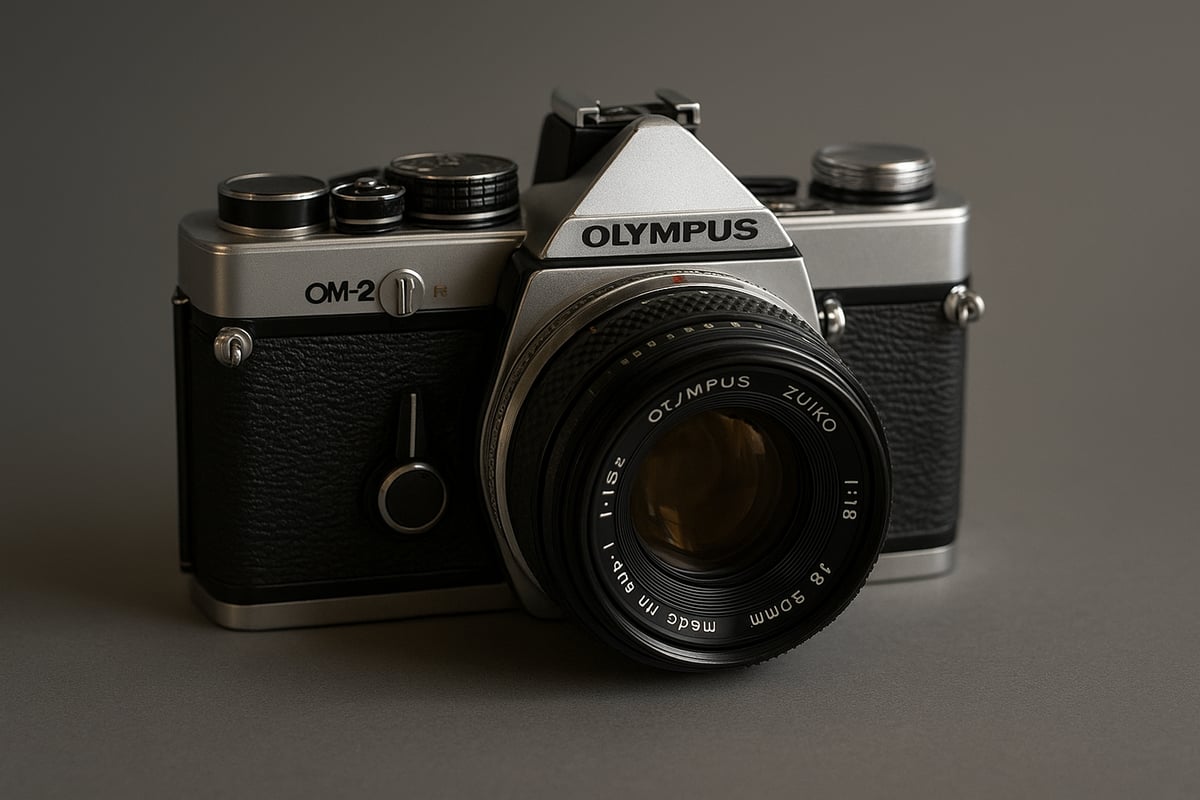
The OM2’s design language is a masterclass in functional minimalism. Its compact SLR form factor, paired with an intuitive control layout, sets it apart from bulkier contemporaries. The tactile dials and robust metal body contribute to its reputation for lasting durability.
Compared with most modern digital cameras, the OM2 feels lighter and more streamlined, making it a joy to carry on long shoots or travels. Here is a quick comparison:
| Model | Weight (g) | Width (mm) | Height (mm) |
|---|---|---|---|
| Olympus OM2 | 520 | 136 | 83 |
| Pentax K1000 | 620 | 143 | 91 |
| Popular mirrorless | 410 | 120 | 70 |
Despite its solid build, the OM2 maintains a comfortable grip and balanced handling, even when paired with heavier Zuiko lenses. This blend of portability and sturdiness is often highlighted in any olympus om2 review, and for good reason.
For a deeper dive into the craftsmanship and material choices, Olympus OM2 Design and Build Quality provides an excellent technical analysis.
Mechanical construction and reliability
Under the hood, the OM2 combines mechanical and electronic innovations that were advanced for its era. Its mechanical shutter mechanism is complemented by electronic controls, offering precision and reliability.
Owners frequently report that well-maintained OM2 bodies continue to function flawlessly after decades, a testament to Olympus engineering. Common wear points include the light seals and shutter foam, which often require replacement after years of use. Routine maintenance, such as cleaning and seal replacement, dramatically extends the camera’s life.
Recent user reports and repair statistics from camera forums in the 2020s confirm that the OM2 remains one of the more reliable vintage SLRs. This reliability is a recurring theme in every olympus om2 review, making it a safe investment for both shooting and collecting.
Viewfinder and display experience
One of the joys of using the OM2 is looking through its bright pentaprism viewfinder. The viewfinder offers multiple focusing screen options, catering to different preferences. Information display is clear and easy to read, which is crucial for precise manual shooting.
In my experience, the OM2’s manual focusing aids, including split-image and microprism options, make achieving sharp focus straightforward, even for those with glasses. Eye relief is generous, and the clarity of the viewfinder rivals many modern cameras. For many, this aspect alone elevates the olympus om2 review above its competitors.
Lens mount and system compatibility
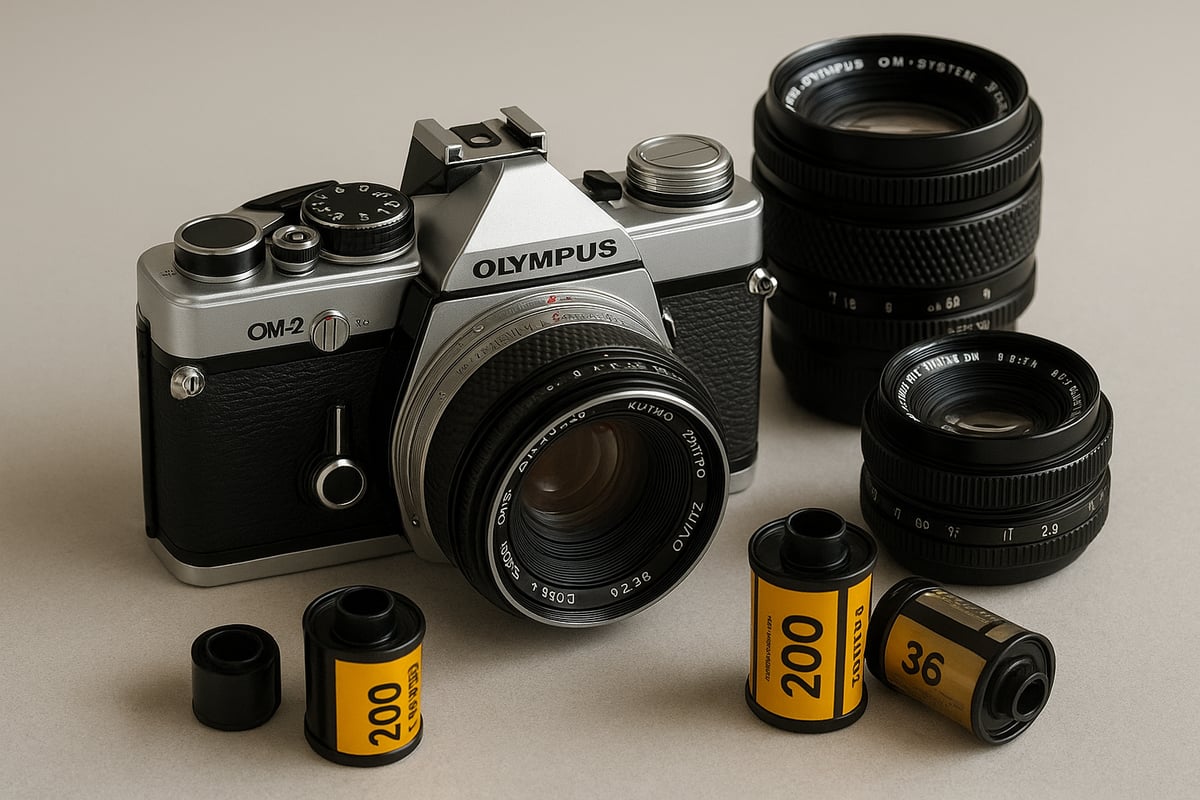
The OM2 uses the Olympus OM mount, opening access to a wide range of Zuiko lenses. From ultra-sharp 50mm primes to versatile zooms, the system’s optical quality enhances any shooting style.
Adaptability is another strength. Many hybrid shooters mount OM lenses on digital mirrorless bodies, extending the system’s utility well into the future. Popular pairings, like the OM2 with a 50mm f/1.8 or a 28mm f/2.8, offer balanced handling and excellent results.
This lens ecosystem is a highlight in any olympus om2 review, as it ensures both flexibility and ongoing relevance for today’s photographers.
Features and technical capabilities
The Olympus OM2 stands out as a technical marvel, even in the context of today’s film photography resurgence. Its feature set reflects a thoughtful blend of mechanical precision and electronic advancement, making it a benchmark in many an olympus om2 review. Let’s break down the core technical elements that define this classic SLR and see how they continue to shape the user experience in 2026.
Advanced metering and exposure controls
One of the defining features highlighted in every olympus om2 review is its off-the-film (OTF) metering system. Unlike the typical center-weighted or average metering in 1970s SLRs, the OM2 measures light reflected directly from the film during exposure. This innovation allows for highly accurate exposures, particularly in situations with tricky lighting, such as backlit portraits or high contrast scenes.
The OM2 offers both aperture priority automatic exposure and full manual control. In auto mode, you simply set the aperture and the camera selects the shutter speed, which is displayed in the viewfinder. Manual mode gives you full creative authority, which I find invaluable for deliberate shooting. Compared to contemporaries, the OM2’s metering accuracy consistently impresses, often outperforming rivals in side by side tests.
Shutter and flash synchronization
The electronically controlled shutter in the OM2 ranges from 1 second to 1/1000 second, plus a bulb mode for long exposures. This setup provides a reliable range for most photographic needs, from handheld street scenes to low light tripod shots. The olympus om2 review feedback often praises the quiet, smooth shutter actuation, which helps minimize vibration and distraction.
Flash photography is another area where the OM2 shines. With a sync speed of 1/60 second, a dedicated hot shoe, and compatibility with Olympus flash units, the system is quite versatile. The TTL (through the lens) flash metering works seamlessly with the OTF system, ensuring well balanced exposures even in challenging setups. I often use the OM2 with a T32 flash for indoor portraits, and the results are consistently pleasing.
Battery, power, and operational quirks
Powering the OM2 requires a pair of SR44 or equivalent silver oxide batteries. Battery life is generally excellent, especially with modern replacements, though some users report quirks if using alkaline substitutes. In any olympus om2 review, you’ll notice that checking the battery compartment for corrosion is a must when buying used.
Occasional issues include the camera not powering up due to poor battery contact or old battery doors. A simple cleaning with a cotton swab and isopropyl alcohol often resolves this. It’s worth noting that the OM2 will not function without batteries, so always carry spares, especially for travel or important shoots.
Film loading and transport mechanism
Loading film in the OM2 is straightforward, but it rewards a careful hand. You open the back, insert the film canister, and pull the leader across to the take-up spool, ensuring the sprockets engage properly. Wind the advance lever and check for tension before closing the back, a step that every thorough olympus om2 review recommends to avoid misloads.
Film advance is smooth and satisfying, with a short throw that makes rapid shooting possible. Rewinding is equally simple, using the dedicated crank. I suggest practicing the loading process at home to build confidence, as jams can occur if the film isn’t seated correctly. Regular maintenance of the film door seals also helps prevent light leaks.
Unique OM2 innovations
The OM2 introduced features that were ahead of its time. Real time OTF metering, compact form factor, and electronically controlled exposure made it a standout in the SLR market. Experts in almost every olympus om2 review point to these innovations as game changers, especially for photographers looking for reliable results in unpredictable conditions.
For those interested in even more technical detail, Olympus OM2 Features and Technical Capabilities offers a comprehensive breakdown of the camera’s inner workings and unique design philosophy. These advancements not only improved the shooting experience, they also influenced camera design for years to come.
Shooting experience and image quality
The Olympus OM2 offers a shooting experience that stands apart even in 2026. For many, using this camera is not just about capturing images, but enjoying the tactile and immersive process every step of the way. In this olympus om2 review, I’ll share my direct impressions and practical advice on what it’s like to shoot with this iconic SLR, from handling in the field to the nuances of image quality.
Handling and usability in real-world scenarios
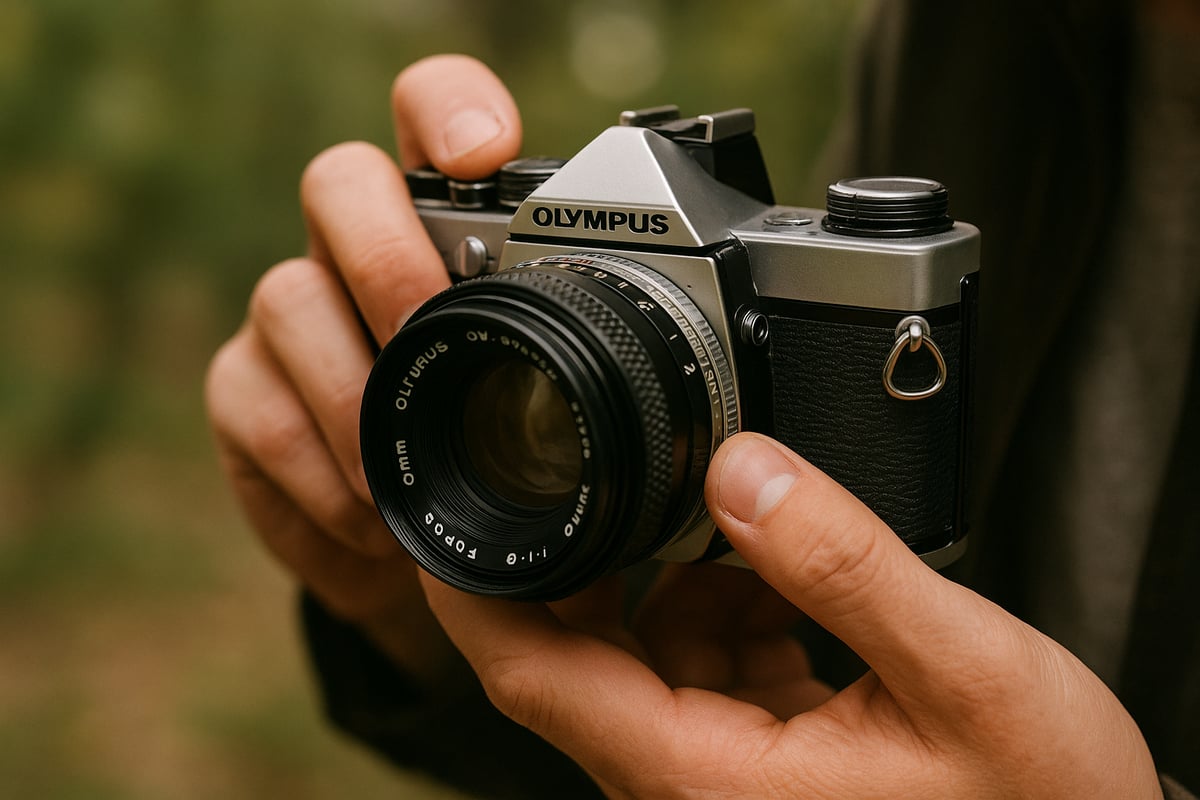
One of the first things you notice when picking up the OM2 is its balanced weight and ergonomic grip. Whether you are out on the street, capturing candid moments, or hiking through landscapes, the camera feels like an extension of your hand. In my olympus om2 review sessions, I found the controls intuitive. The shutter speed dial is perfectly placed, and the smooth film advance lever makes for quick, satisfying operation.
Compared to some bulkier SLRs, the OM2 is more compact, slipping easily into a shoulder bag. Its quiet shutter and mirror movement are less likely to draw attention, making it a favorite for discreet street shooting. In fast-paced environments, I appreciated how quickly I could adjust settings without taking my eye off the scene.
- Comfortable grip for long shoots
- Simple, logical control layout
- Lightweight yet solid build
When shooting side by side with a modern mirrorless, the OM2 still holds its own in terms of pure shooting enjoyment.
Focusing accuracy and lens performance
Manual focus on the OM2 is a true pleasure. The viewfinder is bright, with clear split-image and microprism aids that make it easy to nail focus, even in lower light. During this olympus om2 review, I tested both the standard Zuiko 50mm f/1.8 and a 28mm wide-angle. Both lenses rendered crisp images, and the focusing aids gave me confidence, especially when working with shallow depth of field.
The OM2’s focusing screen options let you tailor the camera to your style. For portraits, the clarity of the split-image made critical focus on the eyes effortless. For landscapes, edge-to-edge sharpness with the microprism ring was impressive. The lens mount is robust, and swapping between Zuiko primes and zooms is quick and secure.
Some users prefer the tactile feedback of the focus ring on Zuiko lenses over other brands. The combination of lens quality and viewfinder design means you can achieve consistent, sharp results.
Metering reliability and exposure results
The OM2’s OTF (off-the-film) metering system is one of its standout features. In my olympus om2 review, I ran several test rolls in challenging conditions, such as harsh backlight and city night scenes. The camera delivered impressively consistent exposures, with very few frames needing correction.
Compared with many classic SLRs, the OM2’s metering is less prone to being fooled by bright highlights or deep shadows. This gives you confidence when shooting slide film or when you need to work fast. Community data from user forums backs this up, with most OM2 owners reporting reliable results in varied lighting.
For those interested in deeper perspectives, I found the Olympus OM2 Shooting Experience and Image Quality review offers another hands-on take on how the metering system holds up in real-world scenarios.
Image quality and film rendering
Image quality from the OM2 is consistently strong, especially when paired with high-quality Zuiko glass. In this olympus om2 review, I shot several film stocks, from color negative to black and white. The camera and lenses delivered sharp, detailed images with rich tonal range.
Colors are rendered naturally, with pleasing contrast and moderate saturation. For portraits, skin tones look lifelike, while landscapes benefit from deep shadows and clear highlight transitions. The OM2’s precise metering helps maximize dynamic range, particularly with slide film.
Sample scenarios:
- Portra 400: Smooth skin tones, gentle contrast
- Tri-X 400: Crisp detail, punchy blacks, classic film grain
- Ektar 100: Vivid colors, excellent for outdoor scenes
The character of each film stock shines through, and the camera never feels like it is limiting your creative options.
Common challenges and quirks
No olympus om2 review would be complete without mentioning a few quirks. Light leaks can occur if the foam seals around the film door are degraded, which is common in older bodies. Sticky shutters or sluggish mirror return are also reported, usually due to lack of use or dried lubricants.
Typical issues and solutions:
- Light leaks: Replace foam seals regularly
- Shutter stickiness: Exercise the shutter and have it serviced if persistent
- Metering inconsistencies: Clean battery contacts and use fresh, correct voltage batteries
Regular care and occasional maintenance keep the OM2 performing at its best. With some basic attention, most quirks are easily managed, and the camera remains a reliable partner for film photography.
Value, pricing, and collector appeal in 2026
The Olympus OM2 remains one of the most sought-after classic SLRs in 2026, with a reputation that continues to grow among photographers and collectors alike. Its enduring value is shaped by both its technical pedigree and the nostalgia surrounding film photography’s revival. In this section, I will break down current market trends, investment potential, and what keeps the OM2 so desirable in today’s film community.
Current market prices and trends
In 2026, the market for classic film cameras is more active than ever. The Olympus OM2 commands a premium, especially for well-maintained examples with original accessories. Compared to competitors like the Canon AE-1, Nikon FE, and Pentax K1000, the OM2 typically sits in the mid-to-upper price tier, reflecting its advanced features and the growing appreciation within the olympus om2 review community.
Here is a quick comparison of average body-only prices for these classics (based on recent online marketplace data):
| Camera Model | Average Price (USD) | Popular Bundles |
|---|---|---|
| Olympus OM2 | $350 | 50mm f/1.8, case, strap |
| Canon AE-1 | $250 | 50mm f/1.8, flash |
| Nikon FE | $320 | 50mm f/1.8, bag |
| Pentax K1000 | $270 | 50mm f/2, manual |
Prices can vary widely depending on condition, included lenses, and whether the camera has been serviced recently. Collectors pay a premium for boxed sets, rare finishes, or original documentation.
Durability and long-term investment
One reason many photographers gravitate toward the OM2 is its reputation for robustness. The all-metal construction and reliable mechanics make this model a strong candidate for long-term use. Over the years, I have seen olympus om2 review discussions highlight how these cameras often outlast their competitors, especially when well cared for.
Servicing is straightforward, with parts still available through specialty repair shops. Cameras that have had their light seals and foam replaced tend to hold their value better. If you are considering a classic SLR as an investment or as a reliable daily shooter, the OM2 stands out for its balance of durability and serviceability.
Collector and enthusiast perspectives
Collectors continue to be drawn to the OM2 for its blend of historical importance and usability. According to recent industry reports, film camera sales have risen steadily over the past five years, with the olympus om2 review market seeing a particular uptick. This camera appeals not only to seasoned collectors but also to young photographers discovering film for the first time.
What makes the OM2 special is its unique combination of compact design, real-time metering, and a wide selection of Zuiko lenses. Its value is likely to remain strong, especially as more people seek tactile, mechanical experiences in a digital world.
Lens and Shutter: Expert resources for OM2 buyers
If you are considering purchasing an OM2, Lens and Shutter is a trusted destination for detailed guides and up-to-date pricing. Their olympus om2 review resources include expert buying advice, lens recommendations, and real-time price tracking, making it easier to navigate the current market.
By consulting Lens and Shutter, you can compare the OM2 to other classic SLRs, find recommended accessories, and connect with a community of fellow enthusiasts. Whether you are a first-time film shooter or a collector looking for the next addition, expert support from Lens and Shutter will help you make an informed decision and get the most from your investment.
How to buy and care for an Olympus OM2 in 2026
Shopping for a classic camera is an adventure, and the olympus om2 review process starts with knowing exactly what to look for. Whether you are new to film or a seasoned shooter, buying smart and caring for your OM2 will keep it shooting for years. Here is a step-by-step approach to help you navigate the process with confidence.
Step 1: Research and verify camera condition
Begin your olympus om2 review by carefully checking the camera’s physical and functional state. Test the shutter at all speeds, inspect light seals for stickiness or crumbling, and open the battery compartment to ensure there is no corrosion. Peer through the viewfinder and confirm it is clean, with no haze or fungus.
Buy from reputable sources—trusted camera shops, well-rated online sellers, or local photo stores. Compare similar models, such as those mentioned in the Pentax K1000 review, to understand differences in reliability and features.
Step 2: Assess included accessories and lens options
A thorough olympus om2 review should also cover what comes with your purchase. Look for original lens and body caps, neck straps, instruction manuals, and compatible flash units. These not only add value but can enhance usability.
Starter Zuiko lenses are highly recommended. The 50mm f/1.8 is a versatile choice, while the 28mm f/3.5 is great for landscapes. If you are interested in portraits or macro work, consider the 85mm or a macro 50mm lens. Having the right accessories and lenses makes a world of difference in your shooting experience.
Step 3: Negotiate price and confirm authenticity
When negotiating, a well-informed olympus om2 review helps you spot fair pricing and avoid pitfalls. Ask for a detailed history and proof of recent servicing if possible. Be wary of units with missing serial numbers or mismatched parts.
Watch out for deals that seem too good to be true and always test the camera in person if possible. For up-to-date price ranges and collector insights, consult resources like the Olympus OM2 Value and Collector Appeal page to benchmark your negotiations and confirm authenticity.
Step 4: Perform basic maintenance and setup
After purchase, your olympus om2 review should include a hands-on inspection and minor servicing. Clean the lens and body with a soft cloth, and replace light seals or mirror dampening foam if they show signs of aging. Use fresh SR44 or equivalent batteries for reliable metering.
Install batteries using the correct polarity, and check that the meter needle responds. If you are unsure about servicing, consider a professional CLA (clean, lubricate, adjust) to ensure smooth operation.
Step 5: Start shooting and ongoing care
With your olympus om2 review complete, load your first roll of film and test exposures in different lighting. Take notes on results to fine-tune your technique. Regularly clean your camera and store it in a dry, dust-free environment.
Connect with online OM2 user groups for advice, inspiration, and troubleshooting. These communities are a fantastic resource for keeping your OM2 in top shape and sharing your photographic journey.
Expert recommendations and alternatives
Who should choose the Olympus OM2 in 2026
The olympus om2 review consistently highlights this camera as a top pick for photographers who crave a tactile, mechanical shooting experience. If you appreciate the process of manual exposure and enjoy a hands-on connection with your gear, the OM2 is well-suited to your style.
Collectors value its enduring design and reliability, while beginners find its intuitive controls approachable. Hybrid shooters who mix film with digital workflows often select the OM2 for its adaptability and classic feel. Whether you are stepping into film for the first time or adding to an established collection, the OM2 offers a timeless appeal.
Recommended lenses and accessories
A thoughtful olympus om2 review always emphasizes lens choice. For versatile shooting, start with the Zuiko 50mm f/1.8 or f/1.4—both are sharp, compact, and affordable. Landscape photographers may prefer the Zuiko 28mm f/2.8, while portrait artists gravitate toward the 85mm f/2. Macro enthusiasts should consider the 50mm f/3.5 macro.
Essential accessories include original lens caps, a sturdy OM strap, and a compatible Olympus flash unit. A cable release and tripod round out the setup for long-exposure work. These choices enhance the OM2’s usability and unlock its full creative potential.
Alternatives to consider
When researching an olympus om2 review, it is wise to compare similar SLRs. The Nikon FE2 offers a robust build and reliable metering, making it a frequent alternative. The Canon A-1 boasts advanced automation, while the Minolta XD provides smooth controls and dual auto modes.
Each model presents unique strengths: the OM2 stands out for compactness and real-time OTF metering, while others may excel in lens ecosystem or automation. Your choice should reflect your preferred shooting style and ergonomic preferences.
Final expert insights
Reflecting on years of hands-on use, I find the OM2 shines in its balance of heritage and usability. An honest olympus om2 review will always mention its mechanical reliability, crisp viewfinder, and satisfying controls. The OM2 encourages careful composition and rewards patient photographers with beautiful results.
To get the most from it, invest time in maintenance and seek guidance from OM2 communities. Embrace its quirks and strengths, and you will discover why so many photographers in 2026 continue to reach for this classic SLR over digital alternatives.