

Finding the best digital compact cameras has become more challenging yet more rewarding than ever. With smartphones dominating casual photography, the compact cameras that survive and thrive in 2026 are genuinely exceptional machines. They offer something your phone simply cannot match: larger sensors, real optical zoom, tactile controls, and dedicated image processors. I’ve spent years testing these cameras in real-world conditions, from crowded street markets to remote hiking trails, and the current landscape offers compelling options for photographers who value quality without the weight.
Contents
Why compact cameras still matter
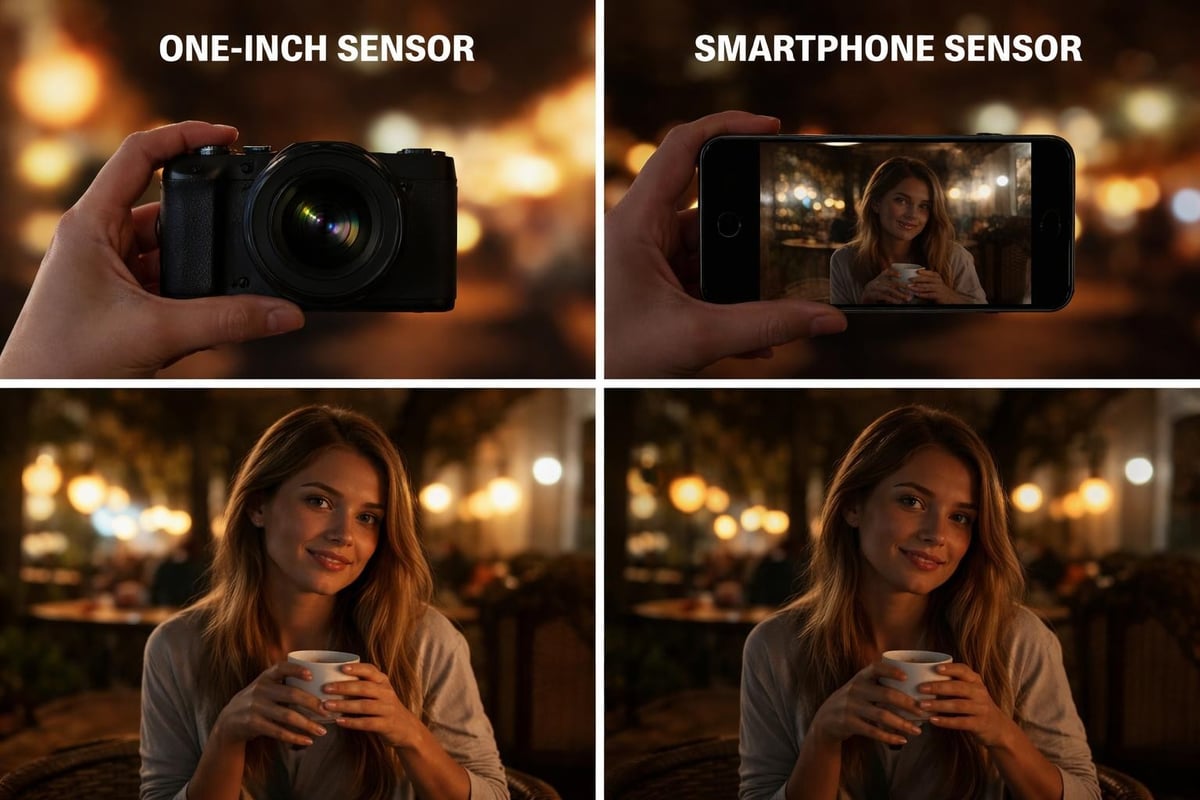
The death of compact cameras has been predicted for over a decade. Yet here we are, and the segment continues to produce innovative models that smartphones cannot replicate. The reason is simple: physics. A one-inch sensor or larger captures more light and detail than any computational photography algorithm can fake. When you need genuine depth of field control, low-light performance, or optical reach beyond 100mm equivalent, compact cameras deliver.
Modern compact cameras have evolved into specialized tools rather than universal point-and-shoots. They serve specific photographic needs with precision. Some excel at travel photography with extended zoom ranges. Others prioritize image quality with large sensors and fast lenses. A few focus on video capabilities that rival dedicated camcorders. Understanding your primary use case determines which camera serves you best.
The resurgence of interest in dedicated cameras extends beyond professional photographers. Enthusiasts tired of scrolling through phone menus appreciate physical dials and buttons. Content creators value the superior video quality and external microphone inputs. Even casual shooters recognize that some compact cameras are outperforming expectations in major markets, suggesting renewed consumer appreciation for dedicated imaging devices.
Premium compact cameras with large sensors
The flagship category of compact cameras features one-inch sensors or larger, delivering image quality that approaches interchangeable-lens cameras. These models cost more but justify the investment through superior performance across lighting conditions.
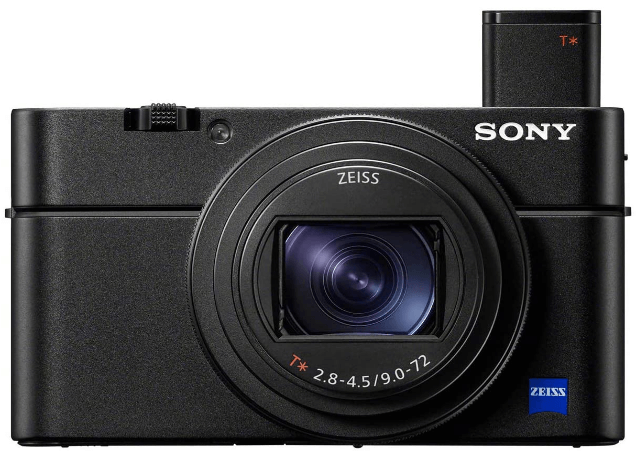
Sony RX100 VII remains relevant despite newer competitors entering the market. Its one-inch sensor combines with a versatile 24-200mm equivalent zoom lens, making it exceptionally practical for travel. The autofocus system tracks subjects with reliability that smaller-sensor compacts cannot match. Video shooters appreciate the clean 4K footage and microphone input, though heat management during extended recording sessions requires attention.

The Fujifilm X100VI represents a different philosophy entirely. Its fixed 23mm equivalent lens forces you to move and compose thoughtfully. The APS-C sensor produces files with exceptional detail and color rendering. Film simulation modes replicate classic Fujifilm film stocks without post-processing. This camera has become so popular that it reclaimed the top spot in Japan’s compact camera rankings, often selling out immediately upon restocking.
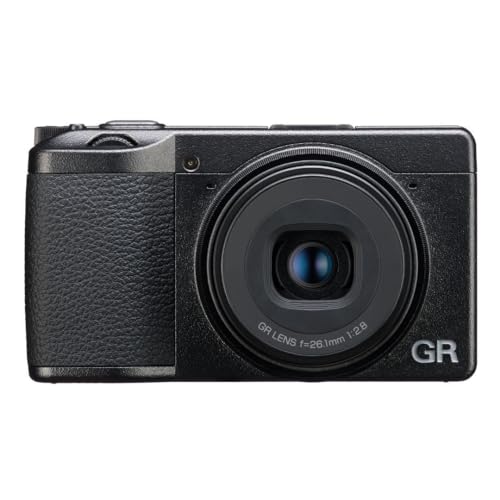
Ricoh GR IIIx offers street photographers a pocketable APS-C sensor with a 40mm equivalent lens. The image quality rivals cameras three times its size. Its snap focus mode enables quick zone focusing for decisive moments. The compact body lacks a viewfinder, but the excellent rear screen proves sufficient in most situations. Image stabilization helps in lower light, though you still need steady hands or higher ISO settings in dim environments.
| Camera Model | Sensor Size | Lens | Viewfinder | Price Range |
|---|---|---|---|---|
| Sony RX100 VII | 1-inch | 24-200mm f/2.8-4.5 | EVF | $1,200-$1,400 |
| Fujifilm X100VI | APS-C | 23mm f/2 | Hybrid | $1,600-$1,800 |
| Ricoh GR IIIx | APS-C | 40mm f/2.8 | None | $1,000-$1,100 |
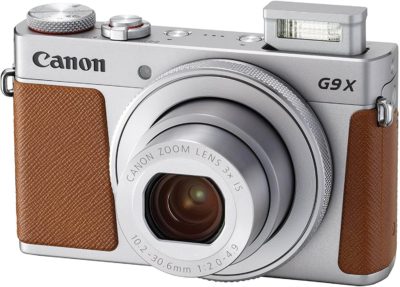
| Canon G7 X Mark III | 1-inch | 24-100mm f/1.8-2.8 | None | $700-$800 |
Travel-focused zoom compacts
When you need reach without bulk, the best digital compact cameras with superzoom capabilities become indispensable. These models sacrifice some image quality for versatility, but the trade-off makes sense for wildlife, sports, or travel photography where carrying multiple lenses proves impractical.
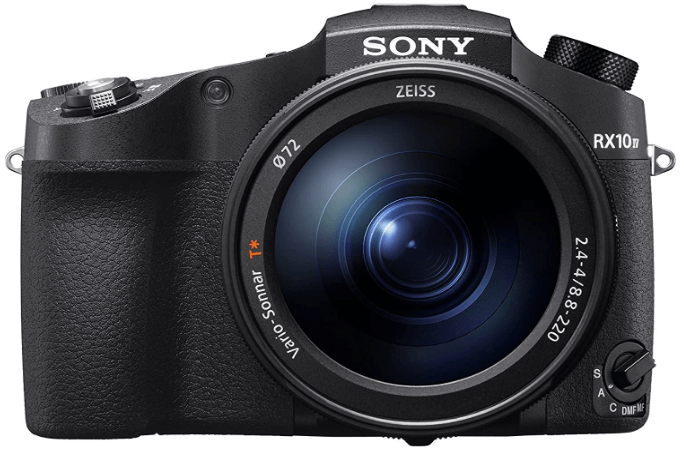
The Sony RX10 IV bridges compact and DSLR categories with its substantial 24-600mm equivalent lens. The constant f/2.4-4 aperture maintains usability across the zoom range. Fast autofocus and burst rates handle action photography surprisingly well. The larger body accommodates better ergonomics and battery life than truly pocketable compacts. Consider this camera when you need extreme reach but want to travel lighter than with telephoto lenses.
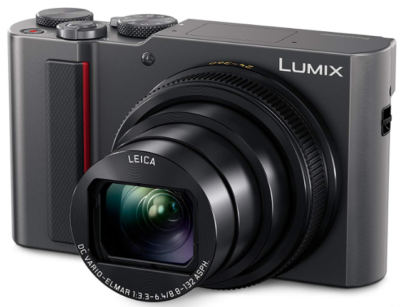
Panasonic Lumix ZS200 packs a 24-360mm equivalent lens into a genuinely pocket-friendly body. The one-inch sensor produces better image quality than smaller-sensor superzooms. The flip-up touchscreen helps with high and low angles. Electronic viewfinder inclusion sets it apart from many competitors at this price point. Battery life could be better, so carrying a spare becomes essential for full-day shooting.
What to prioritize in zoom compacts
- Lens range appropriate to your needs: 300mm often suffices for travel, while wildlife demands longer reach
- Image stabilization effectiveness: Longer focal lengths amplify camera shake exponentially
- Autofocus speed and tracking: Superzoom compacts traditionally struggled here, but modern models improve significantly
- Physical ergonomics: Heavier lenses require better grip design and button placement
Travel photographers benefit from considering specialized travel camera options that balance portability with capability. Some interchangeable-lens cameras now match compact dimensions while offering greater flexibility.
Video-focused compact cameras
Video capability has become a crucial differentiator among the best digital compact cameras. Content creators need clean footage, reliable autofocus, and professional features in portable packages.
The Sony ZV-1 II targets vloggers specifically. Its wide-angle lens suits arm’s-length recording. The product showcase mode automatically shifts focus from faces to objects held toward the camera. Audio quality surpasses most compacts through improved microphones and wind reduction. The flip-out screen enables proper framing while recording yourself. Image quality from the one-inch sensor holds up well through 4K recording, though serious color grading requires shooting in flat profiles.
Canon’s PowerShot V10 takes a different approach with a vertical-first design for social media content. The ultra-wide lens keeps everything in frame during handheld recording. Built-in stand eliminates the need for mini tripods in many situations. The smaller sensor limits low-light performance and depth of field control compared to larger competitors. This camera serves specific creators rather than general photographers.
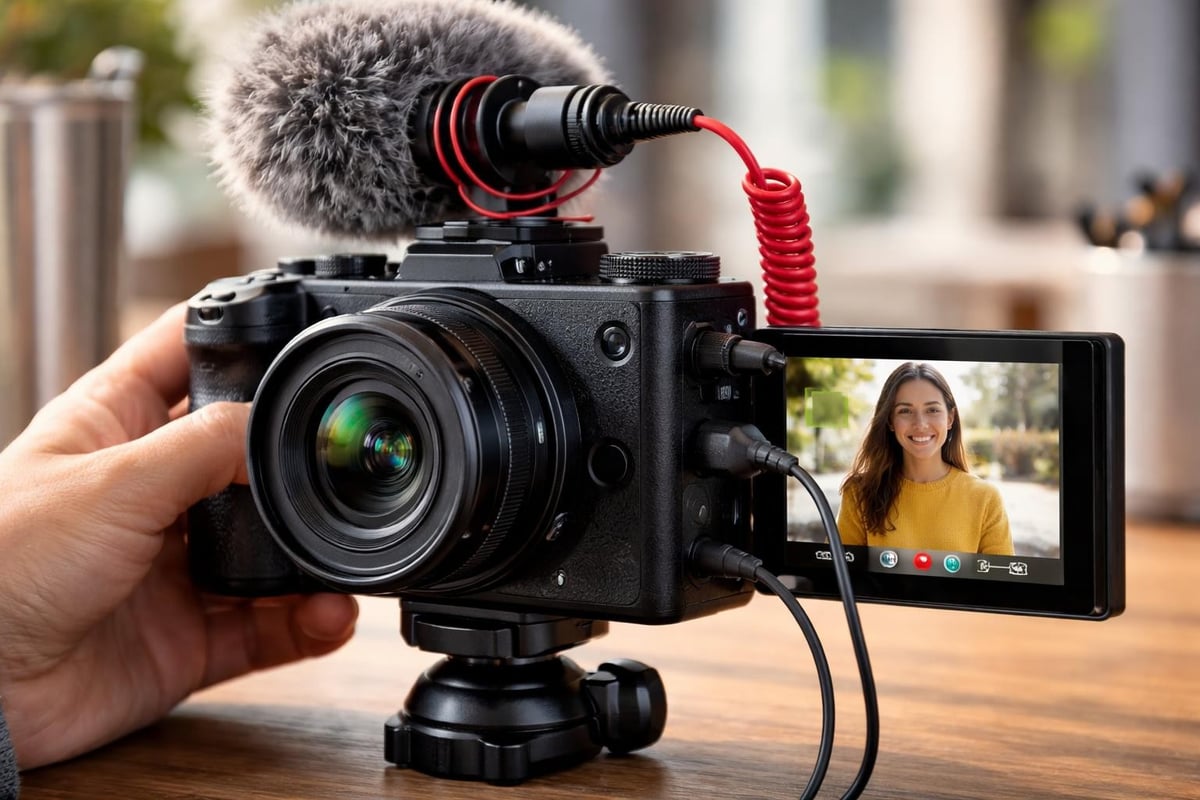
Panasonic Lumix ZS200 deserves mention again for video shooters who also need still photography capability. The 4K recording quality and 5-axis stabilization produce smooth footage. The zoom range adds creative possibilities for video compositions. Heat dissipation handles extended recording better than some competitors. The camera lacks some advanced video features like V-Log, but most content creators find the standard profiles sufficient.
Budget-conscious options
Not everyone needs flagship performance. The best digital compact cameras for budget-conscious buyers deliver solid results without premium features or build quality.
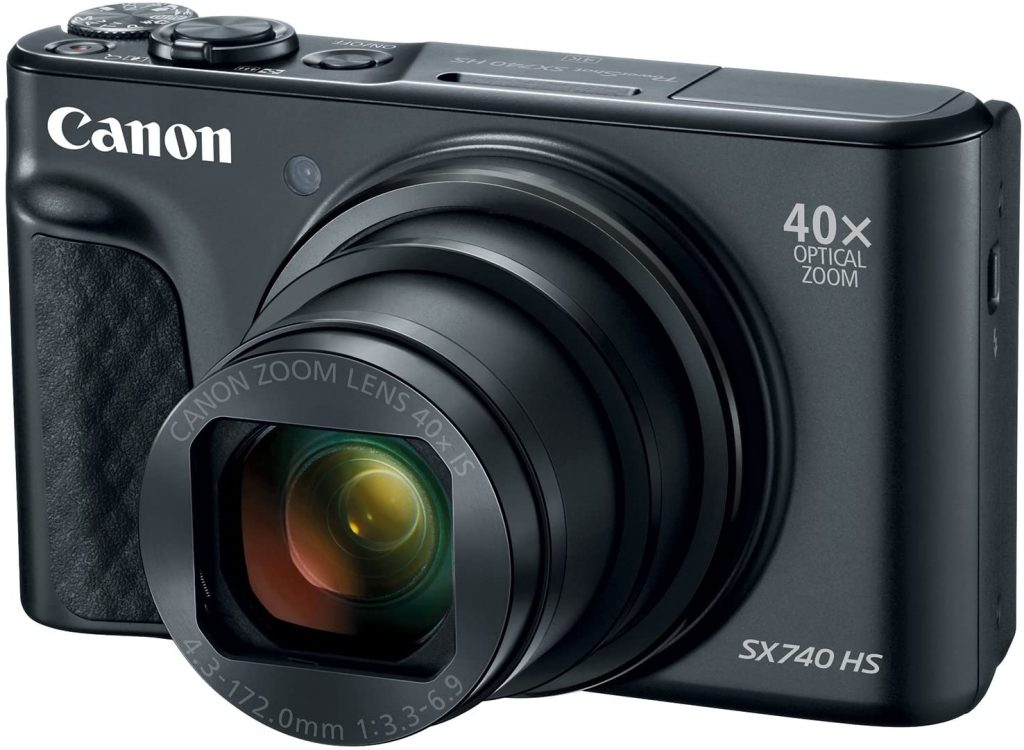
The Canon PowerShot SX740 HS offers remarkable zoom range for the price. Its 40x optical zoom extends to 960mm equivalent, providing wildlife and sports reach rarely found under $400. Image quality from the small sensor shows limitations in challenging light, but outdoor photography in good conditions produces acceptable results. The compact body fits easily in jacket pockets despite the lens range.
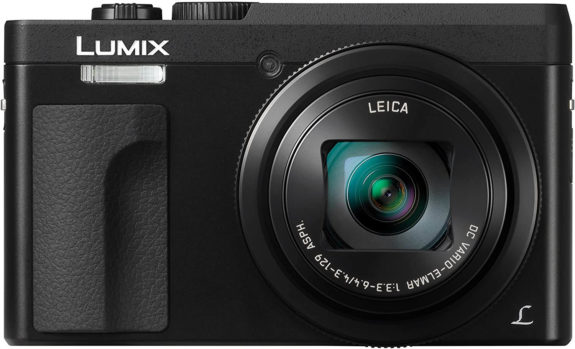
Panasonic Lumix ZS70 balances price and performance effectively. The 30x zoom reaches 720mm equivalent while maintaining decent portability. The flip-up screen helps with composition flexibility. Electronic viewfinder inclusion at this price point adds value for bright-day shooting when screens wash out. Raw shooting capability enables more post-processing flexibility than JPEG-only budget models.
Features worth paying extra for
- One-inch sensor or larger: The image quality improvement justifies moderate price increases
- Electronic viewfinder: Essential for bright outdoor shooting
- Raw file capability: Provides significantly more editing flexibility
- Weather sealing: Protects your investment and enables shooting in varied conditions
- External microphone input: Critical if video recording matters to you
Specialized compact cameras
Some photographers need specific capabilities that mainstream compacts do not provide. Specialized models address these niche requirements.
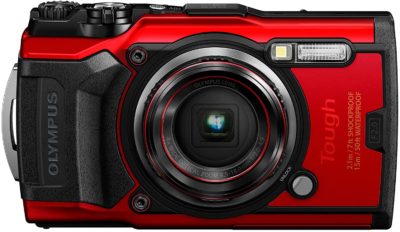
Olympus Tough TG-6 survives conditions that destroy regular cameras. Its waterproofing extends to 50 feet, while shock resistance handles drops from 7 feet. The macro capability reveals tiny subjects with impressive detail. Image quality from the small sensor cannot match larger competitors, but durability trumps pixel peeping for adventure photographers. The built-in GPS and compass add useful metadata for outdoor enthusiasts.

Leica Q2 commands premium pricing but delivers exceptional results. The full-frame sensor and 28mm f/1.7 lens produce images with remarkable depth and clarity. Build quality feels substantial in ways most compacts cannot match. The fixed focal length requires compositional discipline, but the image quality rewards that effort. Existing Leica shooters appreciate the consistent color science across their camera bodies.
Sony RX0 II targets action camera users who want better image quality. The one-inch sensor outperforms GoPros in resolution and dynamic range. The rugged, ultra-compact body mounts anywhere. The tilting screen helps with unconventional angles. Video capabilities include 4K recording and electronic stabilization. The small sensor limits low-light performance compared to larger compacts.
| Use Case | Recommended Model | Key Advantage | Limitation |
|---|---|---|---|
| Underwater | Olympus TG-6 | Waterproof to 50ft | Small sensor |
| Street | Ricoh GR IIIx | Pocketable APS-C | No zoom |
| Vlogging | Sony ZV-1 II | Face detection | Limited zoom |
| Adventure | Sony RX0 II | Rugged build | Small screen |
Features that actually matter
Marketing materials emphasize specifications that sound impressive but matter little in real-world shooting. After testing dozens of compact cameras, certain features prove consistently valuable while others remain gimmicks.
Sensor size influences image quality more than megapixel count. A 20-megapixel one-inch sensor produces better files than a 24-megapixel 1/2.3-inch sensor in any challenging lighting. Larger sensors gather more light, produce better dynamic range, and enable more background blur. This fundamental physics truth overrides marketing claims about advanced processing.
Lens brightness determines low-light capability and depth of field control. An f/1.8 lens gathers four times more light than f/3.5, enabling faster shutter speeds and lower ISO settings. The difference becomes obvious indoors or during evening shooting. Variable aperture zooms that start at f/2.8 and open to f/5.6 at telephoto struggle in dim conditions.
Autofocus system quality separates frustrating cameras from reliable tools. Phase-detection autofocus tracks moving subjects more effectively than contrast-detection systems. Face and eye detection help portrait photographers. The number of focus points matters less than their coverage across the frame and their accuracy under various lighting conditions.
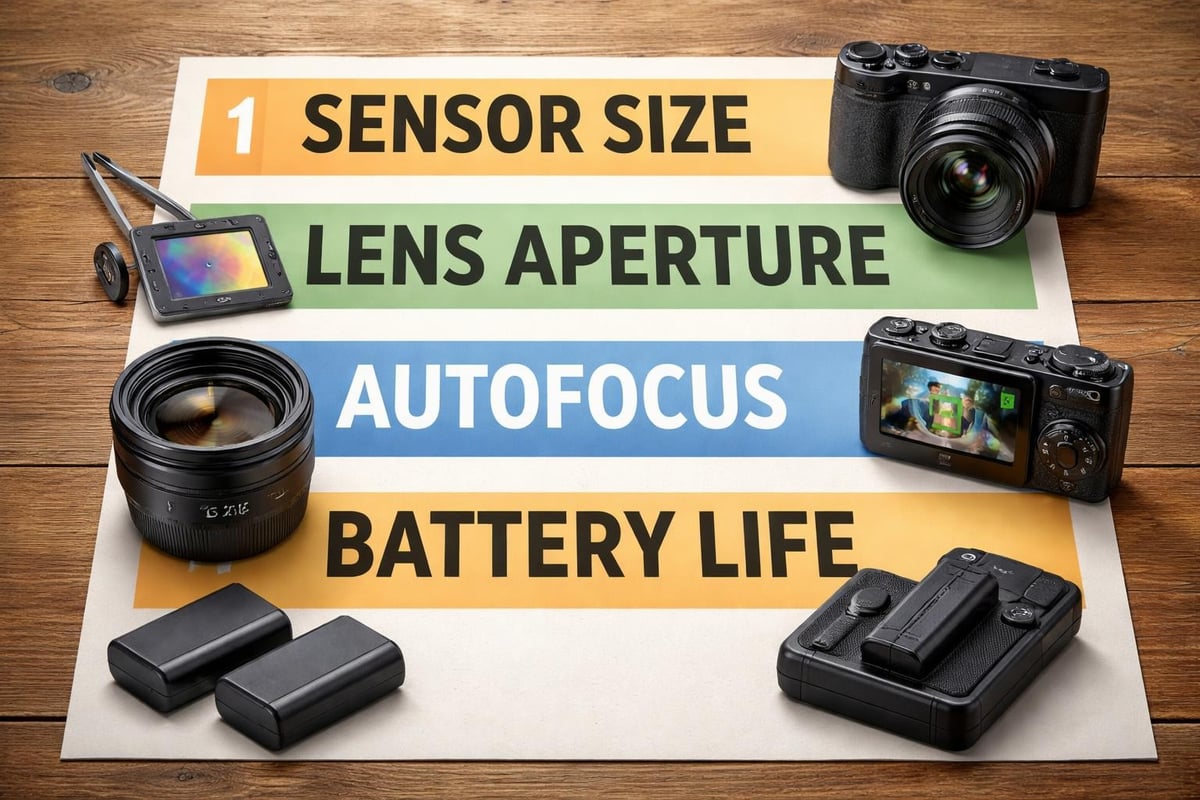
Battery life receives insufficient attention until you experience it failing mid-shoot. Check real-world battery performance reviews rather than manufacturer claims. USB charging capability adds convenience for travelers who can charge from power banks. Some cameras allow charging while shooting, which extends practical battery life significantly.
Evaluating image quality
Understanding how to assess image quality helps separate marketing hype from genuine performance. The best digital compact cameras excel across multiple metrics rather than maximizing one specification.
Resolution matters primarily for large prints or heavy cropping. Beyond 20 megapixels, differences become imperceptible in normal viewing. Higher resolution demands more from lenses and increases file sizes without proportional benefits for most users. Compact camera lenses often cannot resolve the detail that high-resolution sensors theoretically capture.
Dynamic range determines how well cameras handle high-contrast scenes. Good dynamic range preserves highlight and shadow detail when photographing subjects with bright and dark areas. This specification rarely appears in marketing but dramatically affects real-world results. One-inch and larger sensors generally provide better dynamic range than smaller formats.
Color accuracy varies significantly between manufacturers. Fujifilm colors often please photographers straight from camera. Sony provides neutral starting points for editing. Canon tends toward slightly warm tones. No single approach proves objectively superior, but consistency matters more than initial color rendition since editing can adjust most issues.
High ISO performance reveals how cameras handle low light. Test images at ISO 1600, 3200, and 6400 show usable limits. Smaller sensors struggle above ISO 800, while one-inch sensors remain acceptable through ISO 3200. Noise reduction processing trades detail for cleaner appearance, with different cameras making different compromises.
Controls and ergonomics
Physical camera design affects shooting experience more than specifications suggest. Poorly designed controls slow you down and cause missed shots regardless of image quality potential.
Button placement should enable one-handed operation of essential functions. Exposure compensation, focus mode, and drive mode deserve dedicated controls rather than menu diving. Touchscreens help but cannot replace physical buttons when wearing gloves or shooting quickly. Custom buttons that you can assign to frequently used functions improve efficiency dramatically.
Grip design matters especially with heavier zoom compacts. A substantial front grip prevents camera drops and reduces hand fatigue during extended shooting. Ultra-slim cameras may fit pockets better but become difficult to hold steadily. Balance between portability and handling depends on individual priorities and hand size.
Viewfinder presence transforms outdoor shooting. Electronic viewfinders enable composition in bright sunlight when rear screens become invisible. They also encourage more deliberate composition by blocking peripheral distractions. Pop-up EVFs offer compromise between compactness and usability, though fixed viewfinders prove more durable.
Photographers interested in unique camera and accessory combinations might explore options like headphones with integrated cameras that demonstrate how photography technology continues evolving into unexpected forms.
Making the final decision
Choosing among the best digital compact cameras requires honest assessment of your actual shooting habits rather than aspirational scenarios. The camera you carry consistently outperforms the superior model left at home.
Consider your primary subjects and shooting conditions. Street photographers benefit from discrete models with fast prime lenses. Travel shooters need versatile zooms and weather resistance. Video creators prioritize autofocus reliability and audio inputs. Wildlife enthusiasts require long telephoto reach above other specifications.
Budget allocation should account for total system cost. A moderately priced camera with money remaining for quality accessories often delivers better results than maxing out budget on the camera body alone. Extra batteries, quality memory cards, and protective cases prove essential for serious use.
Reviews from trusted photography resources provide valuable comparisons, but hands-on testing before purchase reveals personal compatibility that specifications cannot predict. Camera stores and rental services enable real-world evaluation before commitment.
The compact camera market in 2026 offers genuine innovation beyond smartphone capabilities. Manufacturers focus on features that dedicated cameras execute better than computational photography. This specialization creates opportunities for photographers who understand their specific needs and choose accordingly.
The landscape of compact cameras continues evolving with models that serve distinct purposes rather than attempting universal appeal. Whether you prioritize image quality, portability, zoom range, or video capability, current options deliver impressive performance in pocket-friendly packages. At Lens and Shutter, our detailed reviews and expert guidance help you navigate these choices to find the perfect camera for your photographic journey, backed by hands-on testing and real-world perspective from photographers who use these tools daily.
Last update on 2026-04-01 / Affiliate links / Images from Amazon Product Advertising API