

Finding the best compact camera for photos requires understanding what truly matters beyond marketing claims and specifications. After years of testing various compact cameras in real-world conditions, I’ve learned that sensor size, lens quality, and handling characteristics matter far more than megapixel counts or feature lists. The compact camera market has evolved dramatically, and today’s options serve photographers who value image quality without the bulk of interchangeable lens systems. Whether you’re a professional seeking a lightweight backup or an enthusiast wanting serious performance in your pocket, the landscape offers genuinely compelling choices that punch well above their weight class.
Contents
- Understanding what makes a compact camera exceptional
- Premium 1-inch sensor options worth considering
- Fixed-lens premium compacts that challenge system cameras
- Advanced compact cameras with viewfinders
- Low-light performance and high ISO capabilities
- Autofocus systems and performance characteristics
- Video capabilities in modern compact cameras
- Build quality and weather resistance considerations
- Battery life and power management
- Price segments and value propositions
- Practical considerations for different photography styles
- Memory card formats and storage considerations
- Connectivity and workflow integration
Understanding what makes a compact camera exceptional
The term compact camera encompasses a broad spectrum of devices, from budget point-and-shoot models to premium fixed-lens systems that rival interchangeable lens cameras. What separates a merely good compact from the best compact camera for photos comes down to fundamental optical and sensor engineering rather than gimmicks.
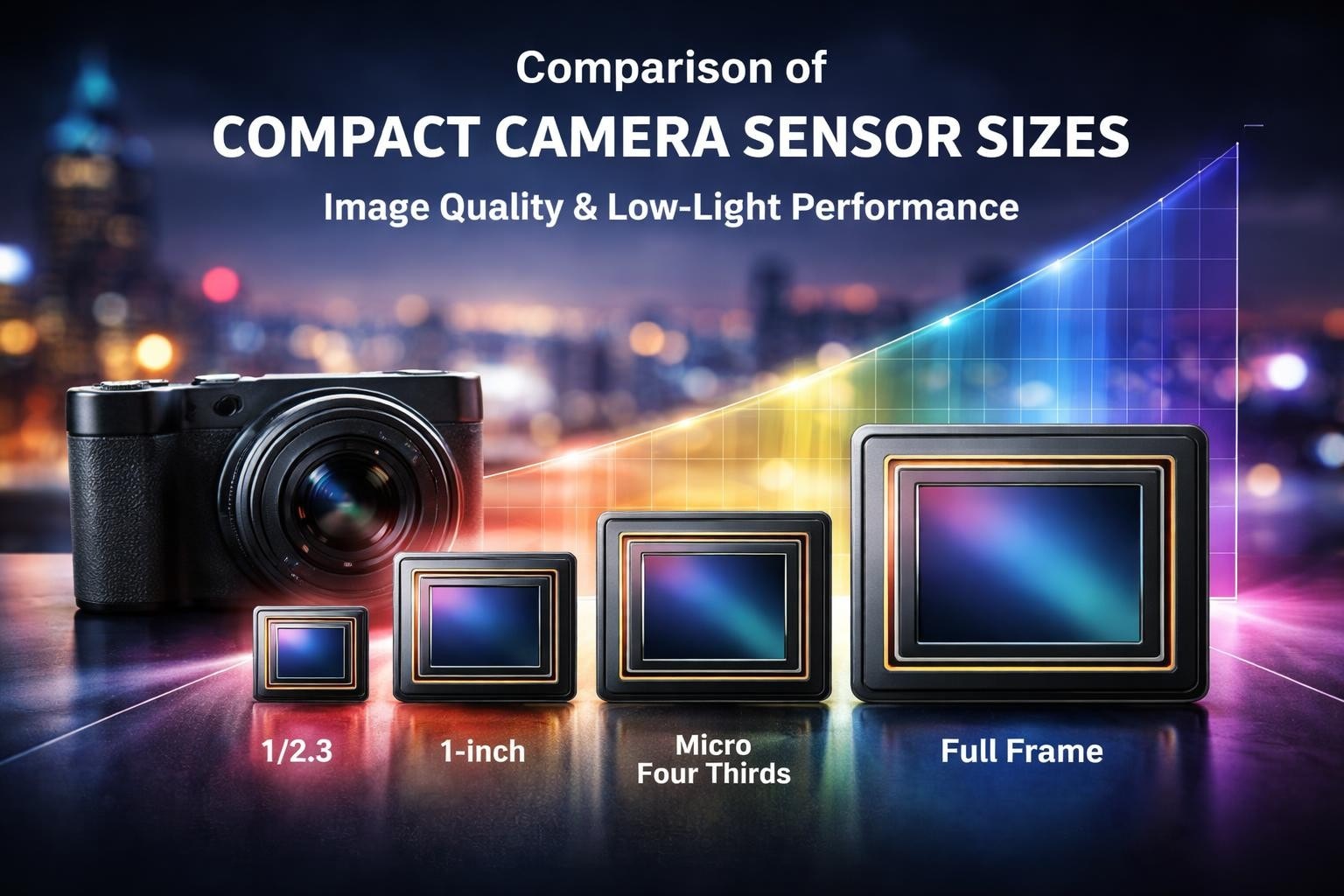
Sensor size remains the single most important factor affecting image quality. Physics doesn’t negotiate here. A larger sensor captures more light, delivers superior dynamic range, and produces cleaner high ISO performance. While smartphone manufacturers have pushed computational photography to impressive heights, they cannot overcome the fundamental limitations of tiny sensors when it comes to controlling depth of field or resolving fine detail in challenging light.
The sensor size hierarchy explained
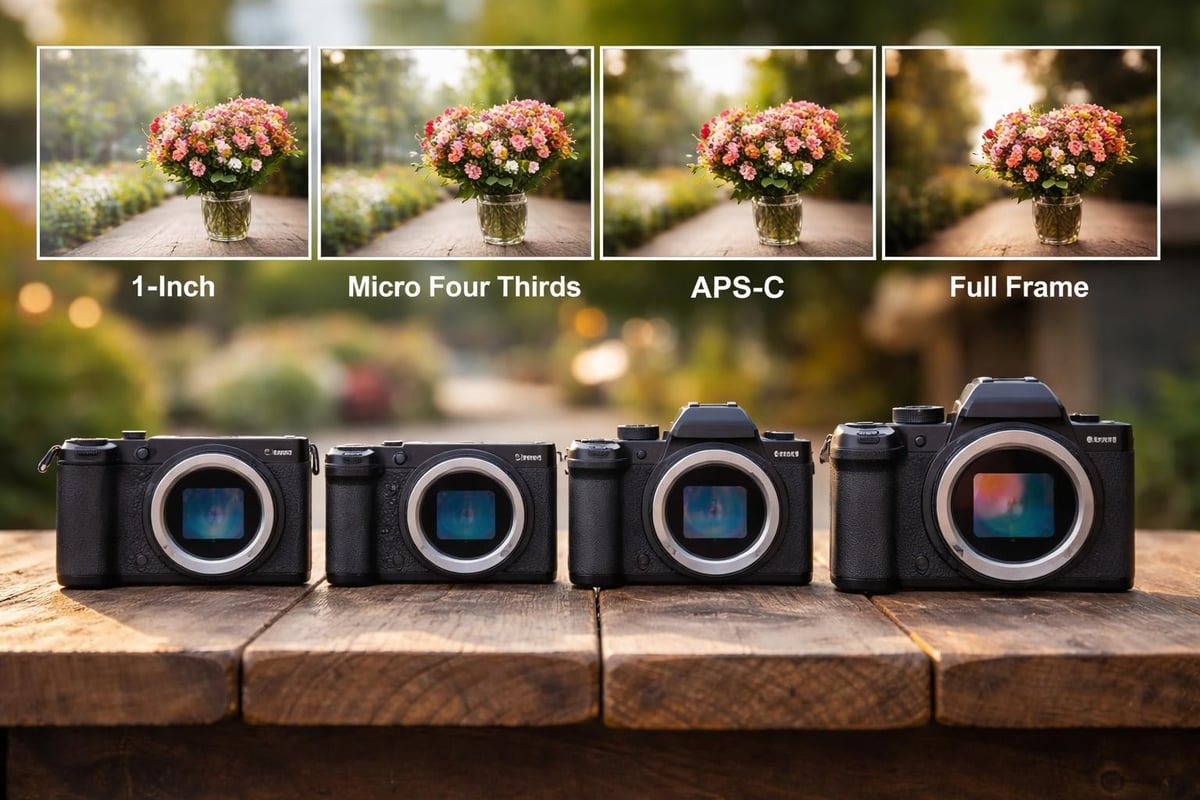
When evaluating compact cameras, you’ll encounter several sensor formats, each with distinct characteristics:
- 1-inch sensors offer the sweet spot between portability and image quality for most photographers
- Micro Four Thirds sensors provide excellent quality in cameras that remain genuinely compact
- APS-C sensors deliver near-DSLR performance in slightly larger bodies
- Full-frame sensors represent the pinnacle but require significant size compromises
The relationship between sensor size and final image quality isn’t perfectly linear. A well-designed 1-inch sensor camera with excellent optics often produces better results than a poorly executed APS-C system. Lens quality, processing algorithms, and overall system optimization play crucial roles.
Premium 1-inch sensor options worth considering
The 1-inch sensor category represents perhaps the most competitive segment for photographers seeking the best compact camera for photos. These cameras pack sensors approximately four times larger than typical smartphones into bodies that still slip into jacket pockets.
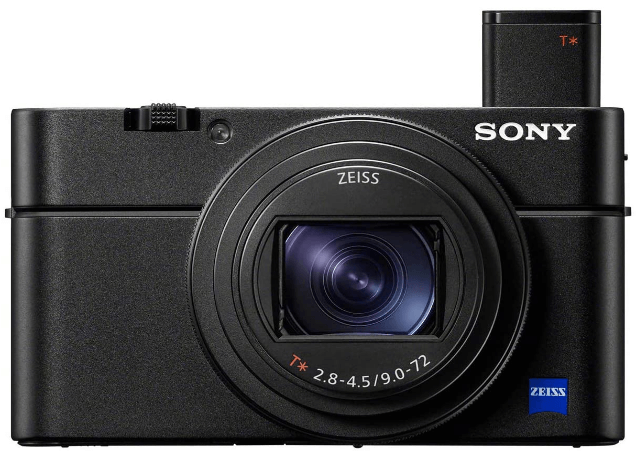
The Sony RX100 series has dominated this space for years, with the RX100 IV establishing benchmarks that competitors still chase. The current RX100 VII builds on that legacy with improved autofocus, a 24-200mm equivalent zoom range, and solid 4K video capabilities. What impresses me most about this camera is its reliability under pressure. The autofocus system tracks subjects with determination, and the pop-up electronic viewfinder, while small, proves invaluable in bright sunlight.
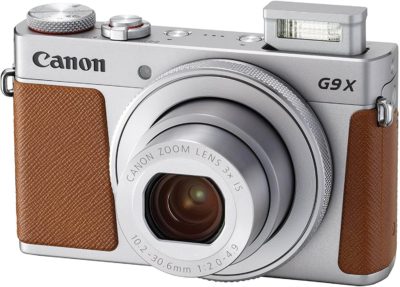
Canon’s G7 X Mark III offers compelling alternatives for photographers who prefer Canon’s color science. The touchscreen interface responds intuitively, and the built-in streaming functionality appeals to content creators. However, the 24-100mm equivalent lens lacks the reach of Sony’s offering, which matters when photographing wildlife or distant subjects.
Evaluating zoom range versus maximum aperture
Every compact camera design involves compromises, and the zoom range versus aperture trade-off represents one of the most significant:
| Camera Model | Focal Range | Maximum Aperture | Image Stabilization |
|---|---|---|---|
| Sony RX100 VII | 24-200mm | f/2.8-4.5 | Optical (4.5 stops) |
| Canon G7 X III | 24-100mm | f/1.8-2.8 | Optical (4 stops) |
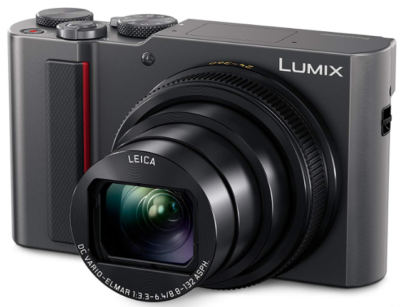
| Panasonic ZS200 | 24-360mm | f/3.3-6.4 | Optical (5 stops) |
Longer zoom ranges inevitably mean smaller maximum apertures at the telephoto end, which impacts both low-light capability and background blur potential. The Panasonic ZS200 extends to an impressive 360mm equivalent, making it exceptional for travel and wildlife, but you’ll struggle in dim conditions at full zoom.
For most photography scenarios, I’d prioritize faster apertures over extreme zoom reach. The ability to shoot at f/2.8 instead of f/5.6 fundamentally changes what’s possible in marginal light and provides more creative control over depth of field.
When you eliminate the zoom lens compromise entirely, fixed focal length compact cameras achieve remarkable image quality. These cameras represent the best compact camera for photos when ultimate quality matters more than versatility.
The Leica Q2 stands as the benchmark in this category. Its full-frame sensor paired with a Summilux 28mm f/1.7 lens delivers images that rival any camera system at any price. The build quality feels substantial, the autofocus works reliably, and the optical performance shows essentially no flaws. The 47-megapixel resolution allows substantial cropping, effectively providing 35mm and 50mm framings through digital zoom without meaningful quality loss.
The price demands serious consideration, though. At over five thousand dollars, the Q2 costs more than many complete interchangeable lens systems. You’re paying for Leica’s legendary build quality, exceptional lens design, and that distinctive image rendering that Leica users love.
More accessible fixed-lens alternatives
Fujifilm’s X100V offers a different philosophy at a more approachable price point. The APS-C sensor combines with a 23mm f/2 lens (35mm equivalent) to create a camera that feels analog in operation but delivers thoroughly modern results. The hybrid viewfinder switches between optical and electronic displays, providing the best of both worlds. For street photography and documentary work, this camera feels natural and unobtrusive.
Ricoh’s GR III represents the ultimate pocket camera for photographers who love the 28mm perspective. The APS-C sensor lacks an optical low-pass filter, delivering exceptional sharpness. The in-body shake reduction system compensates for the lack of optical stabilization in the lens. What this camera sacrifices in features and polish, it gains in pure portability and image quality per cubic inch.
Advanced compact cameras with viewfinders
Electronic viewfinders transform the shooting experience, especially in bright conditions where rear screens become difficult to see. The best compact camera for photos often includes a high-resolution viewfinder that lets you carefully compose and focus regardless of ambient light.
The Fujifilm X-E4 pushes the boundaries of what qualifies as compact, especially with a lens attached, but the body itself remains impressively small. The APS-C sensor delivers excellent quality, and access to Fujifilm’s entire X-mount lens lineup provides flexibility that truly fixed-lens compacts cannot match. The film simulation modes give you creative options straight out of camera, and the color science consistently pleases me.
Canon’s PowerShot G1 X Mark III incorporates an APS-C sensor and a 24-72mm equivalent lens in a body that weighs just over a pound. The dual pixel autofocus system works quickly and accurately, particularly for moving subjects. The touchscreen interface feels responsive, and the articulating screen helps with awkward angles. While bridge cameras offer longer reach, this camera balances quality and portability more effectively.
Viewfinder specifications that actually matter
Not all electronic viewfinders provide equal viewing experiences. Resolution matters, but so do magnification, refresh rate, and eyepoint distance:
- Minimum acceptable resolution: 2.36 million dots for clear viewing
- Ideal magnification: 0.7x or higher for comfortable composition
- Refresh rate: 120fps eliminates lag during panning
- Eyepoint distance: 17mm or more accommodates eyeglass wearers
Cameras with pop-up viewfinders like the Sony RX100 series sacrifice some viewing quality for compactness. The smaller eyepiece and lower magnification prove adequate for checking composition and exposure but lack the immersive quality of larger viewfinders. For critical focusing, particularly with manual focus, a larger viewfinder makes a meaningful difference.
Low-light performance and high ISO capabilities
The best compact camera for photos must perform credibly when light levels drop. This capability separates cameras suitable for serious photography from those limited to ideal conditions. Several factors determine low-light performance beyond just sensor size.
Larger individual photosites on the sensor gather more light and generate less noise. A 20-megapixel full-frame sensor has significantly larger photosites than a 20-megapixel 1-inch sensor, explaining much of the performance difference. However, processing algorithms increasingly narrow this gap. Modern noise reduction techniques preserve detail while controlling grain in ways that seemed impossible just a few years ago.
Maximum aperture determines how much light reaches the sensor. A lens that opens to f/1.8 gathers four times more light than one limited to f/3.6, allowing you to use an ISO setting two stops lower for equivalent exposure. This difference becomes critical when you’re already pushing the sensor to ISO 3200 or 6400.
Practical high ISO testing methodology
Manufacturers’ maximum ISO specifications tell you little about usable performance. I test high ISO quality by photographing consistent scenes at each setting and examining the results at 100% magnification. My evaluation criteria include:
- Detail preservation: How much fine texture survives noise reduction
- Color accuracy: Whether colors remain true or shift toward gray
- Noise pattern: Whether grain appears organic or displays digital artifacts
- Shadow recovery: How much detail can be pulled from underexposed areas
Most compact cameras produce excellent results through ISO 1600. Performance at ISO 3200 separates good sensors from great ones. By ISO 6400, you’ll see meaningful quality degradation on all but the best systems, though the images often remain usable for web display or smaller prints.
Full-frame compact cameras like the Sony A7C, which remains highly regarded for everyday photography, deliver clean images well into five-digit ISO values. This capability fundamentally changes what you can photograph handheld in dim environments.
Autofocus systems and performance characteristics
Autofocus technology has advanced remarkably in recent years, with even modestly priced compact cameras now featuring sophisticated systems. The best compact camera for photos needs autofocus that works quickly, accurately, and reliably across various shooting scenarios.
Contrast-detection autofocus, the traditional technology in compact cameras, works by analyzing image contrast to determine focus. This method achieves high accuracy but can hunt in low light or low-contrast situations. Phase-detection autofocus, borrowed from DSLR technology, proves faster and more decisive, especially with moving subjects.
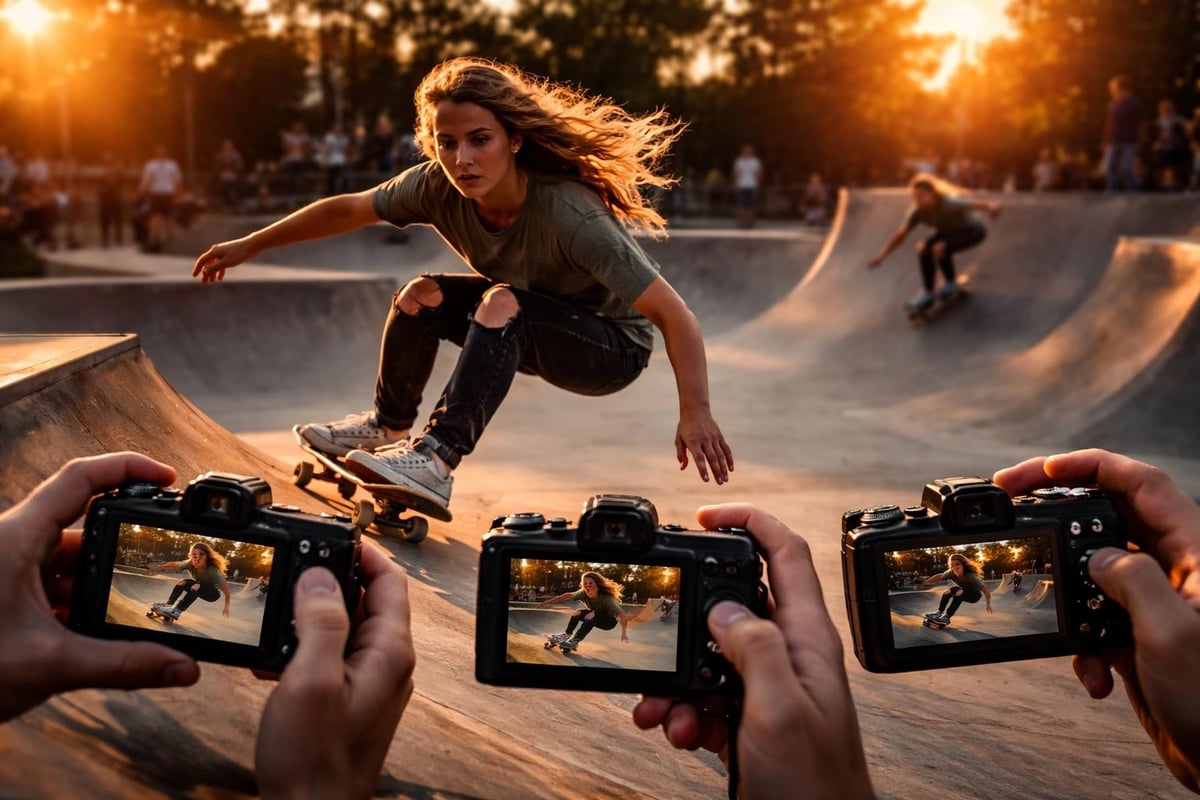
Modern hybrid systems combine both technologies, using phase detection for speed and contrast detection for final precision. The number and coverage of autofocus points matters significantly. A camera with 315 phase-detection points covering 65% of the frame tracks subjects far more effectively than one with just 25 points clustered in the center.
Subject detection and tracking capabilities
Advanced compact cameras now incorporate artificial intelligence for subject recognition and tracking. These systems can identify and follow human faces, eyes, animals, and even vehicles through the frame. When photographing people, eye autofocus proves invaluable, maintaining sharp focus on the subject’s eyes even as they move or turn their head.
The implementation quality varies considerably between manufacturers. Sony’s Real-time Tracking and Eye AF work exceptionally well, maintaining focus tenaciously once you’ve identified your subject. Canon’s Dual Pixel systems also excel, particularly for video applications where smooth focus transitions matter.
Budget compact cameras often lack these advanced features, requiring you to manage focus more actively. For static subjects, this limitation proves manageable. For children, pets, or action photography, sophisticated autofocus becomes almost essential.
Video capabilities in modern compact cameras
Photography remains the primary consideration when selecting the best compact camera for photos, but video capabilities have become increasingly important. Many photographers now shoot both stills and video with the same camera, making video specifications worth evaluating.
Most current compact cameras offer 4K video recording, though implementation details vary significantly. Some cameras crop the sensor when recording 4K, effectively increasing the focal length and reducing low-light performance. Others utilize the full sensor width, maintaining the lens’s specified field of view.
Frame rate options matter for different applications. Standard 24p or 30p proves adequate for most uses, but 60p or 120p enables smooth slow-motion footage. High frame rate recording often comes with limitations like reduced resolution or disabled autofocus.
Evaluating video-specific features
For serious video work, these features significantly impact results:
| Feature | Importance | What to Look For |
|---|---|---|
| Stabilization | Critical | 5-axis in-body or optical lens stabilization |
| Audio inputs | High | 3.5mm microphone jack minimum |
| Recording limits | Medium | 30-minute or unlimited recording time |
| Log profiles | Medium | Flat color profiles for grading flexibility |
| Headphone jack | Medium | Real-time audio monitoring capability |
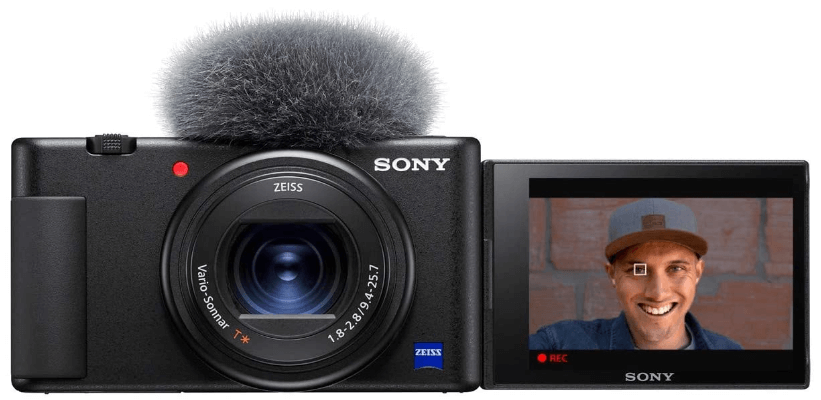
The Sony ZV-1, designed specifically for vloggers and content creators, prioritizes video features over stills performance. The directional microphone, articulating screen, and optimized autofocus for video make it an excellent choice for that use case, though photographers seeking a traditional compact camera might find better options elsewhere.
Overheating during extended video recording plagues many compact cameras. The small bodies struggle to dissipate heat generated by the sensor and processor during continuous 4K recording. Some cameras limit recording time to prevent damage, interrupting your shoot at inconvenient moments.
Build quality and weather resistance considerations
Premium compact cameras should feel substantial and well-constructed. The best compact camera for photos needs to withstand regular use and occasional abuse without failing. Metal construction, high-quality switches, and robust lens mechanisms indicate a camera built to last.
Weather sealing adds significant value for photographers who work in challenging conditions. While few compact cameras match the environmental protection of professional DSLR systems, several models offer meaningful resistance to moisture and dust. The Ricoh WG-6 takes this further with full waterproofing to 20 meters, making it suitable for underwater photography without an additional housing.
Controls placement and ergonomics affect daily shooting experience more than specifications suggest. A camera with excellent image quality becomes frustrating if the controls feel awkward or the grip proves inadequate. Physical dials for shutter speed, aperture, and exposure compensation allow quick adjustments without navigating menus, keeping your eye to the viewfinder and your attention on the subject.
Battery life and power management
Compact cameras typically use smaller batteries than DSLR or mirrorless systems, limiting shots per charge. Realistic expectations matter here, as manufacturer specifications measured under standardized conditions rarely match real-world performance.
Electronic viewfinders and rear screens consume considerable power. A camera rated for 300 shots might deliver only 150 if you primarily use the EVF with high brightness settings. Cold weather further reduces battery capacity, sometimes dramatically. Carrying spare batteries becomes essential rather than optional.
USB charging capabilities add convenience, allowing you to charge the battery using portable power banks or laptop USB ports. Some newer cameras support USB Power Delivery, enabling operation while plugged in and faster charging than standard USB.
Maximizing battery performance
These practices extend shooting time between charges:
- Reduce screen brightness to the minimum usable level for conditions
- Disable wireless features when not actively transferring images
- Use airplane mode to prevent the camera searching for connections
- Turn off image review or reduce review time to minimum
- Carry batteries in warm pockets during cold weather shooting
The most practical solution remains carrying multiple batteries. Second-party batteries cost significantly less than manufacturer originals and often perform comparably, though quality varies between brands. For critical shoots, I prefer genuine manufacturer batteries for reliability.
Price segments and value propositions

The compact camera market spans from under two hundred dollars to well over five thousand. Understanding which features justify higher prices helps identify the best compact camera for photos within your budget.
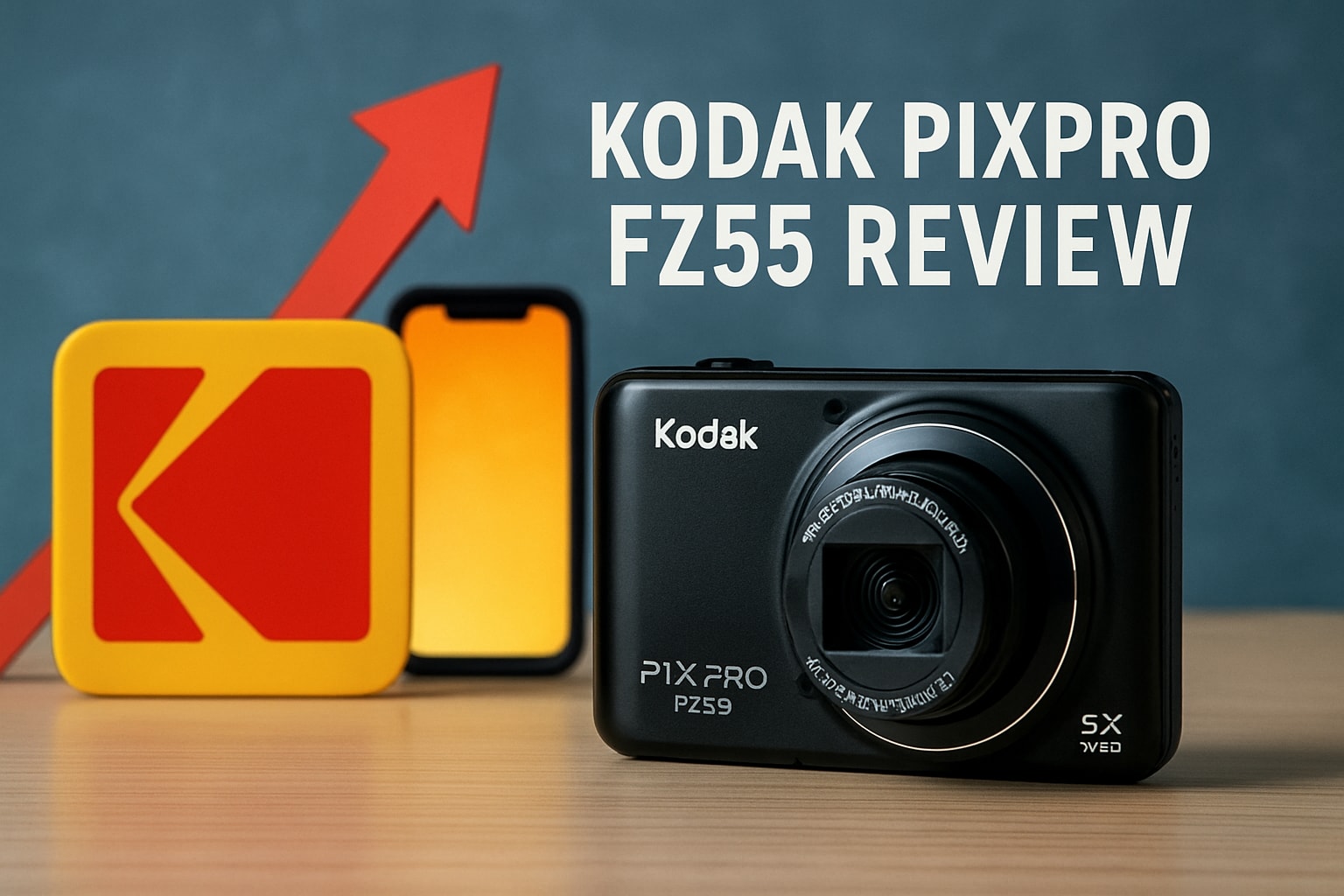
Entry-level compacts under three hundred dollars typically feature small sensors, limited manual controls, and modest build quality. These cameras work fine for casual snapshots in good light but struggle in challenging conditions. The resurgence of affordable models like the Kodak Pixpro FZ55 demonstrates continued demand for simple, inexpensive cameras despite smartphone competition.
Mid-range cameras between four hundred and a thousand dollars offer 1-inch sensors, faster lenses, better build quality, and more manual control. This segment provides the best value for photographers seeking serious image quality without premium pricing. If you’re interested in capable cameras at this price point, our guide to the best cameras under 700$ explores excellent options across different categories.
Premium compacts above a thousand dollars feature larger sensors, exceptional optics, and professional build quality. These cameras compete directly with interchangeable lens systems on image quality while maintaining superior portability. The price premium buys tangible performance improvements, though the value proposition becomes more subjective at this level.
Practical considerations for different photography styles
The best compact camera for photos depends significantly on how you actually photograph. Different shooting styles benefit from different camera characteristics.
Street photographers value discretion, responsiveness, and wide-angle perspectives. Cameras like the Ricoh GR III or Fujifilm X100V excel here, offering excellent image quality in bodies that don’t intimidate subjects. The quiet shutter and unobtrusive appearance help you blend into scenes rather than dominating them.
Travel photographers need versatile zoom ranges, good battery life, and robust weather sealing. The Sony RX100 VII or Canon G7 X Mark III provide the reach to capture distant subjects and the close-focusing capability for details. The compact size encourages you to actually carry the camera rather than leaving it in your hotel.
Matching camera capabilities to subject matter
Wildlife and sports photography demand fast autofocus, long effective focal lengths, and high continuous shooting speeds. Bridge cameras technically qualify as compacts and offer extreme zoom ranges, though they sacrifice some portability. The Nikon P1000’s 24-3000mm equivalent lens captures distant subjects impossible with conventional compacts, though image quality cannot match 1-inch sensor cameras at wider focal lengths.
Landscape photography benefits from excellent dynamic range, high resolution, and precise manual focus control. Full-frame compact cameras like the Sony RX1R II deliver exceptional quality, while APS-C models like the Fujifilm X-E4 offer excellent results at lower cost. The ability to shoot RAW files and recover detail from highlights and shadows proves essential for challenging scenes with extreme contrast.
Portrait photography requires flattering focal lengths, good background blur capability, and accurate color reproduction. Fixed-lens cameras with fast apertures like the Leica Q2’s f/1.7 maximum create beautiful bokeh and subject isolation. The 28mm focal length works wonderfully for environmental portraits, though traditional portrait photographers preferring 85mm or longer perspectives might find it limiting.
Memory card formats and storage considerations
Compact cameras use various memory card formats, each with different performance characteristics. SD cards remain most common, with newer cameras supporting the faster UHS-II standard. The speed rating matters primarily for continuous shooting and 4K video recording, where slow cards create buffer limitations or dropped frames.
Card capacity requirements depend on your shooting style and file formats. RAW files from a 20-megapixel camera consume approximately 20-30MB each, while JPEGs might use just 5-10MB. A 64GB card holds roughly 2000 RAW files or 6000 JPEGs, providing adequate capacity for most shooting sessions.
Dual card slots provide redundancy but remain rare in compact cameras due to space constraints. Backing up images promptly becomes more critical when a single card failure could lose an entire shoot. I copy cards to at least two separate storage devices before formatting them for reuse.
Connectivity and workflow integration
Modern compact cameras offer various wireless capabilities that streamline workflows. Wi-Fi connectivity enables image transfer to smartphones for quick social media sharing or remote shooting control. Bluetooth provides constant low-power connection for automatic image transfer and GPS data.
The implementation quality varies significantly. Some cameras pair quickly and transfer images reliably, while others frustrate with connection failures and slow transfer speeds. Reading user reviews specifically about wireless functionality proves worthwhile, as manufacturers rarely acknowledge these issues in specifications.
USB connectivity speed matters when transferring large numbers of RAW files to your computer. USB 3.0 or newer transfers data substantially faster than USB 2.0, reducing the time spent waiting for files to copy. Some cameras support tethered shooting via USB, allowing you to control the camera from your computer and immediately review images on a large screen.
Choosing the best compact camera for photos ultimately depends on your specific priorities and how you balance image quality, portability, features, and budget. The cameras discussed here represent proven options that deliver excellent results across different price points and use cases. Whether you need extreme zoom reach, premium low-light performance, or simply the best image quality in the smallest possible package, current compact cameras offer compelling solutions. At Lens and Shutter, we test cameras extensively under real-world conditions to help you make informed decisions. Explore our comprehensive reviews and guides to find the perfect camera for your photography journey.
Last update on 2026-04-06 / Affiliate links / Images from Amazon Product Advertising API